Power Tools
Best Cordless Circular Saws 2026: 12 Flagship Models Put to the Test
We tested 12 flagship cordless circular saws from the biggest names in the industry to find out which one deserves a top spot.
Introduction
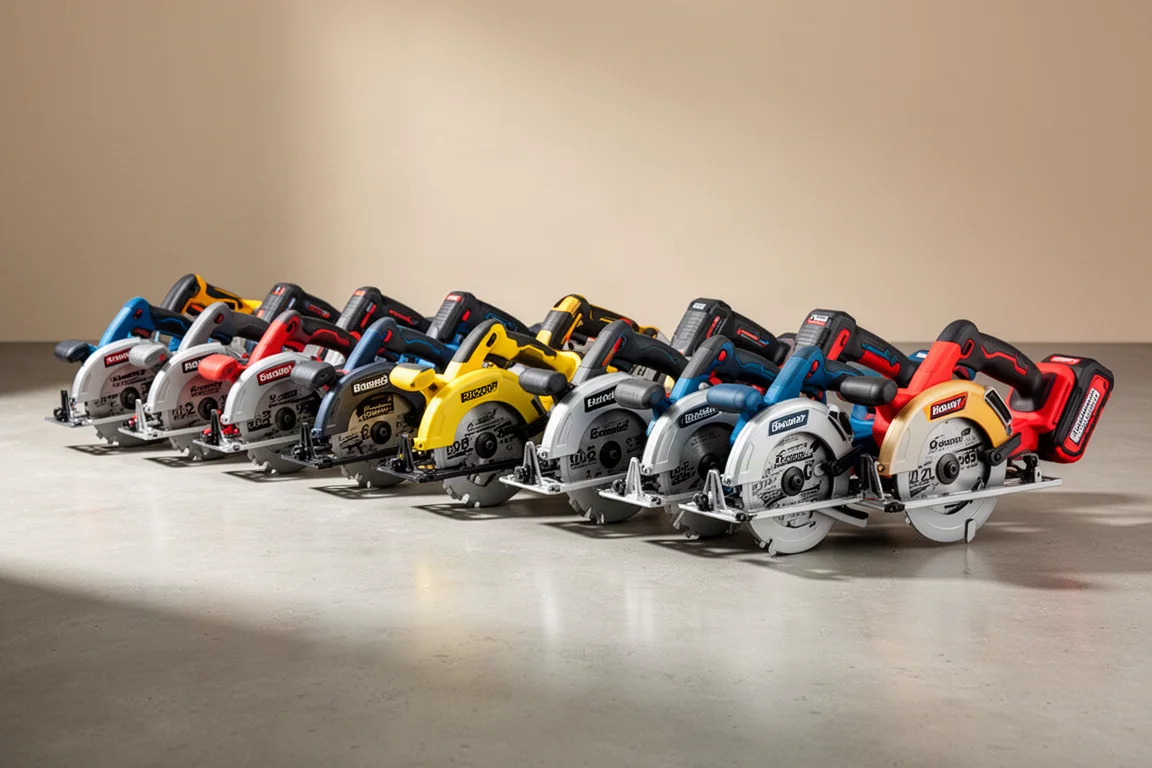
Cordless circular saws have become the go-to choice for both professionals and serious DIYers. With so many flagship models on the market, choosing the right one can feel overwhelming. We gathered 12 flagship cordless circular saws from some of the biggest names in the industry, including DeWalt, Makita, Hilti, Metabo HPT, Milwaukee, Bosch, Cobalt, Ridgid, Flex, Ryobi, Craftsman, and Skil, and put them head-to-head to find out which one deserves a top spot.
Using a custom circular saw testing rig complete with digital timers, we measured speed and performance across multiple real-world cutting scenarios. Every saw was tested with a fresh Diablo Demo Demon blade to ensure fairness, and all batteries were fully charged before testing began.
How We Tested
To keep the testing fair and consistent, we started by weighing every saw both with and without a battery installed. For consistency, we used the largest battery that made sense for each saw’s intended purpose, choosing each manufacturer’s premium battery pack whenever possible. Weight varied significantly across the field, with the bare Craftsman coming in at just 7.26 lb and the Cobalt at 9.48 lb. With batteries installed, the Craftsman weighed 8.81 lb while the Cobalt tipped the scales at 12.16 lb.
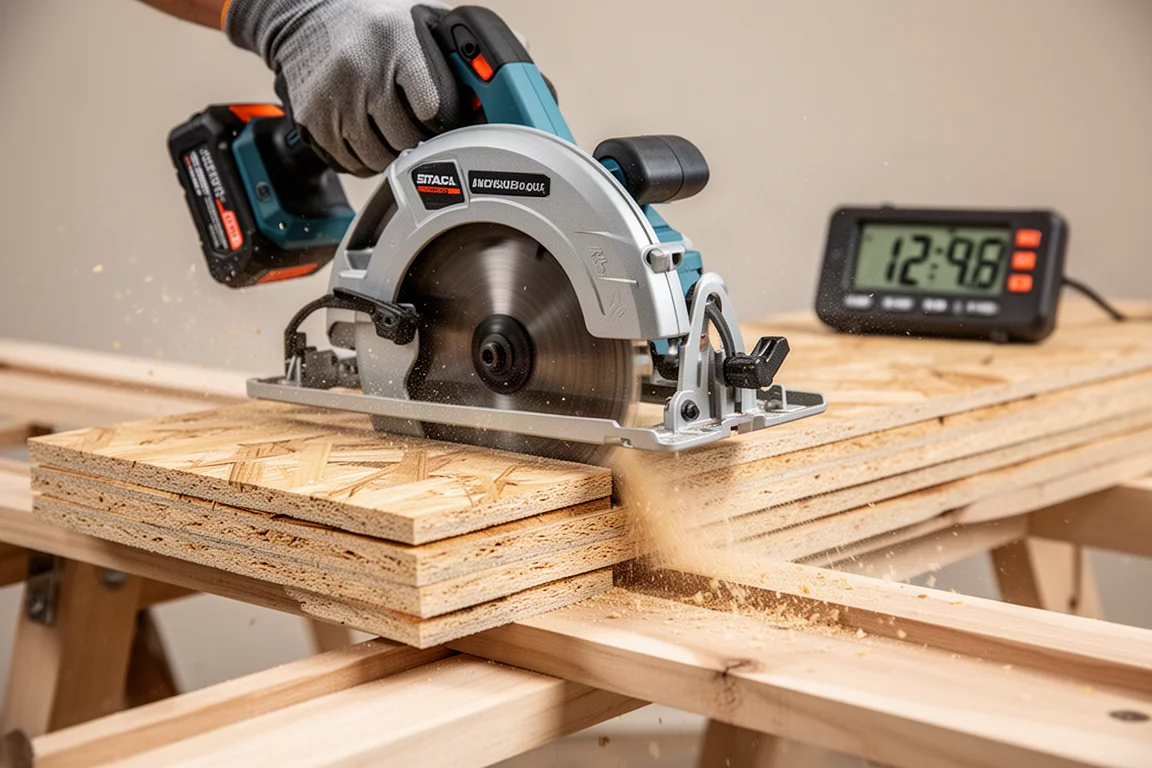
We then replaced every factory blade with a brand new Diablo Demo Demon 24-tooth Ultimate Framing and Demolition blade. When comparing saws, it is essential that every tool cuts with the same blade rather than the one that ships with it. For the lumber tests, we carefully selected number two southern yellow pine 2x10s to minimize knots and grain variation.
Cutting Speed and Power
The first test was a timed rip cut using two layers of 3/4-inch OSB subflooring mounted to the test track. A 10-pound weight pulled the sled down the track, and each saw got two attempts with the fastest run recorded. Milwaukee posted the fastest time at just 9.76 seconds, with Metabo HPT finishing second at 10.10 seconds and Flex rounding out the top three with a time of 13.35 seconds. Bosch finished last at 19.64 seconds, but every single saw successfully completed the cut. The spread from first to last was less than 10 seconds, which speaks to just how competitive these tools really are.
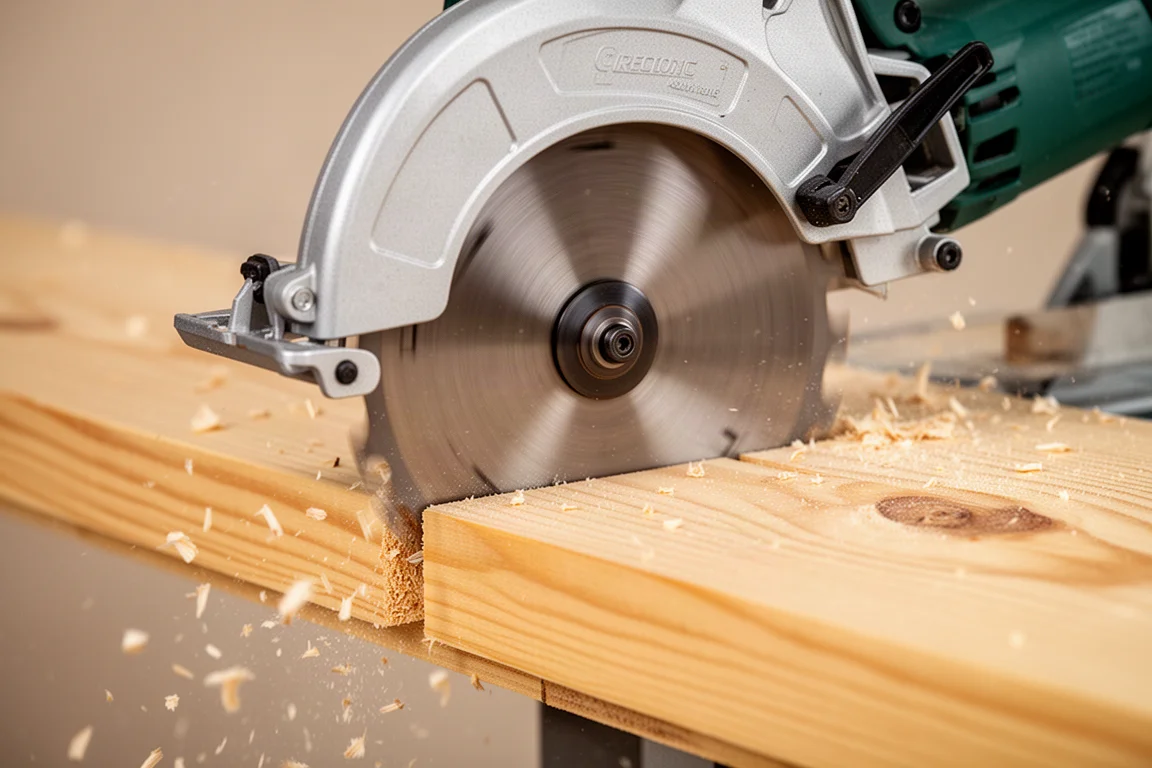
The next test pushed the saws even further with a max-depth, full-length rip cut through four layers of 3/4-inch OSB. This uncommon cut shows how much power and endurance each saw has over a full 8-foot-long rip. Metabo HPT moved into first place with a time of 16.37 seconds, followed closely by Milwaukee at 17.41 seconds. One of the biggest surprises was Ryobi, which jumped into third place at 17.85 seconds. Skil finished last with a time of 28.05 seconds, but like every other saw in this test, it successfully completed the full cut.
Handling and Blade Guard Performance
Beyond raw speed, we evaluated how each saw handled in practical scenarios. A basic crosscut test gave a good feel for each saw’s handling, balance with a battery installed, sight lines, and lower blade guard performance. Every saw completed both 90-degree and 45-degree bevel cuts without any issues related to lower guard operation.
The first meaningful difference appeared in the sightline test, where we evaluated how clearly the cut line could be seen in front of the blade during both straight and 45-degree bevel cuts. Most saws provided very good visibility during straight cuts, but 45-degree bevel cuts became more challenging for some tools, particularly Flex, Hilti, and Cobalt. The standout performers in both categories were Craftsman, Metabo HPT, Milwaukee, and Skil.
For the right-hand compound miter test, we set each saw to max depth and a 45-degree bevel, paying close attention to how smoothly the lower blade guard retracted. Top performers were DeWalt, Hilti, Makita, Milwaukee, and Ryobi. The left-hand compound miter test showed that not a single saw earned the lowest score, and eight of the 12 models received top marks.
The stake cutting test evaluated control rather than precision. Each saw was used one-handed to freehand cut a point onto the end of a standard 2x4. Every saw completed the test successfully, but several required fighting the blade guard to finish the cut. The standout performers were DeWalt, Hilti, Cobalt, Metabo HPT, Milwaukee, and Ryobi.
Shoe Design and Friction
The shoe or base plate material and surface finish affect both durability and how easily the saw slides across a workpiece. Some saws use a raw brushed finish, while others have powder coated or anodized surfaces. Seven of the 12 saws glided smoothly across material with little resistance, while four fell into the middle of the pack with average performance. The Craftsman and DeWalt created noticeably more drag than the other saws, making them harder to push smoothly through the cut.
Dust Collection and Extra Features
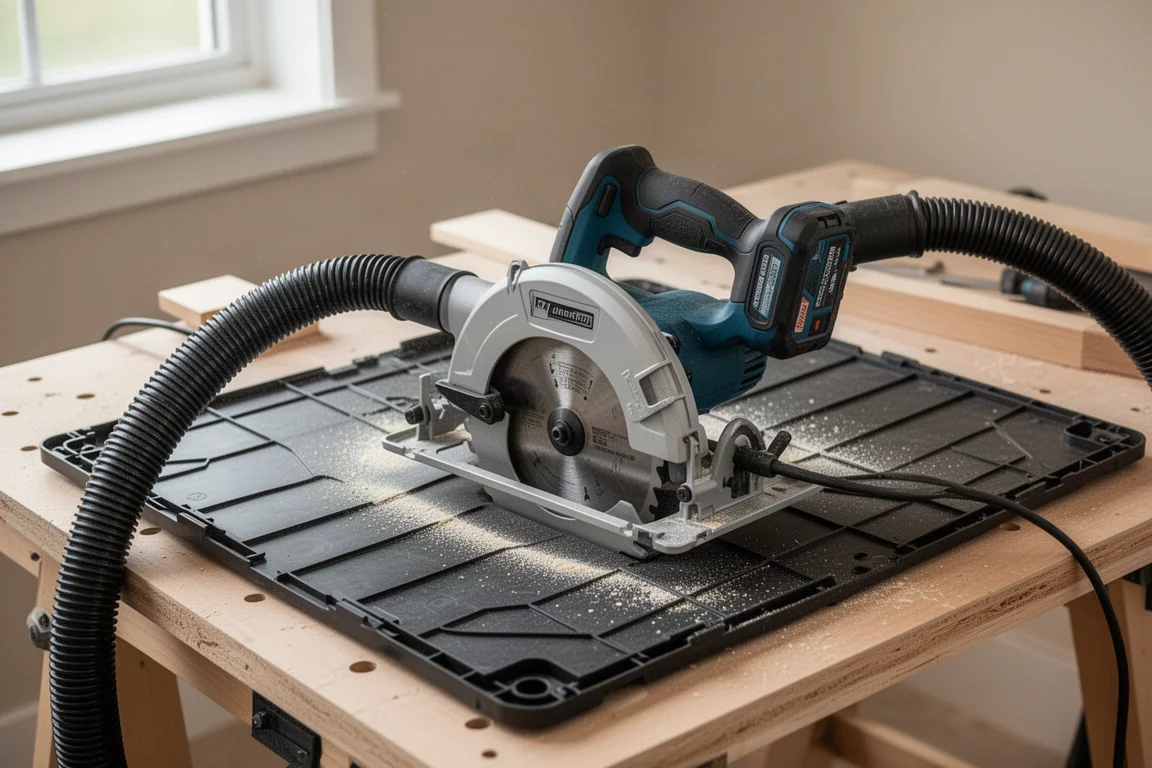
To evaluate dust collection effectiveness, we made three identical cross cuts with each saw while connected to a vacuum. A black plastic cover board underneath made it easy to see how much dust escaped the collection process. Every saw except one can easily use a vacuum adapter for dust collection. Metabo HPT is the one exception, as the threaded mounting point for a vacuum adapter is available separately but difficult to find online.
Only two saws truly stood out in the dust collection test: Makita and Milwaukee. Most fell in the middle, and Ryobi and Hilti had disappointing results. While dust collection is important in certain uses, it did not factor into the final performance scores.
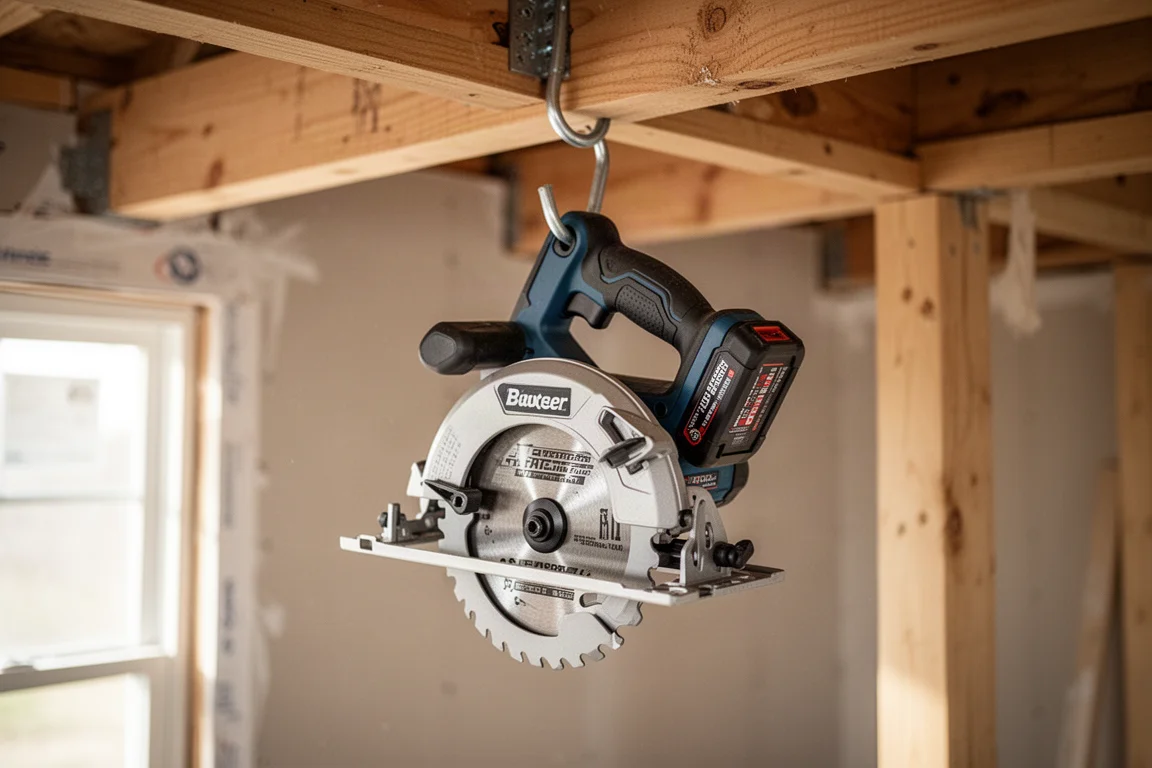
Another simple but surprisingly useful feature was the integrated rafter hook. Nine of the 12 saws include one, and it is a real convenience when working on a job site. Being able to safely hang the saw instead of setting it on the ground or balancing on a rafter is something worth considering. Given that these represent each brand’s flagship model, it would be nice to see every manufacturer include a rafter hook as standard equipment.
Price, Cut Depth, and Bevel Capacity
Price is a big consideration and might be a starting point when choosing one of these saws. Not every tool can be purchased as a kit, but they are all available as tool-only purchases if you are already on the platform. Prices start at around $139 for the Skil and go all the way up to $412 for the Hilti. If you are starting fresh, look for a model that includes a battery, because the bundle price can be a great way to add an extra pack to your system.
Maximum cut depth also varied across the field. The lowest cut capacity goes to the Cobalt at 2 3/8 inches, while the highest cut capacity goes to the Skil at 2 5/8 inches. Bevel capacity ranged from 50 degrees on three of the saws up to 57 degrees on the DeWalt, which matters for complex roof framing where just a little more angle is sometimes all you need.
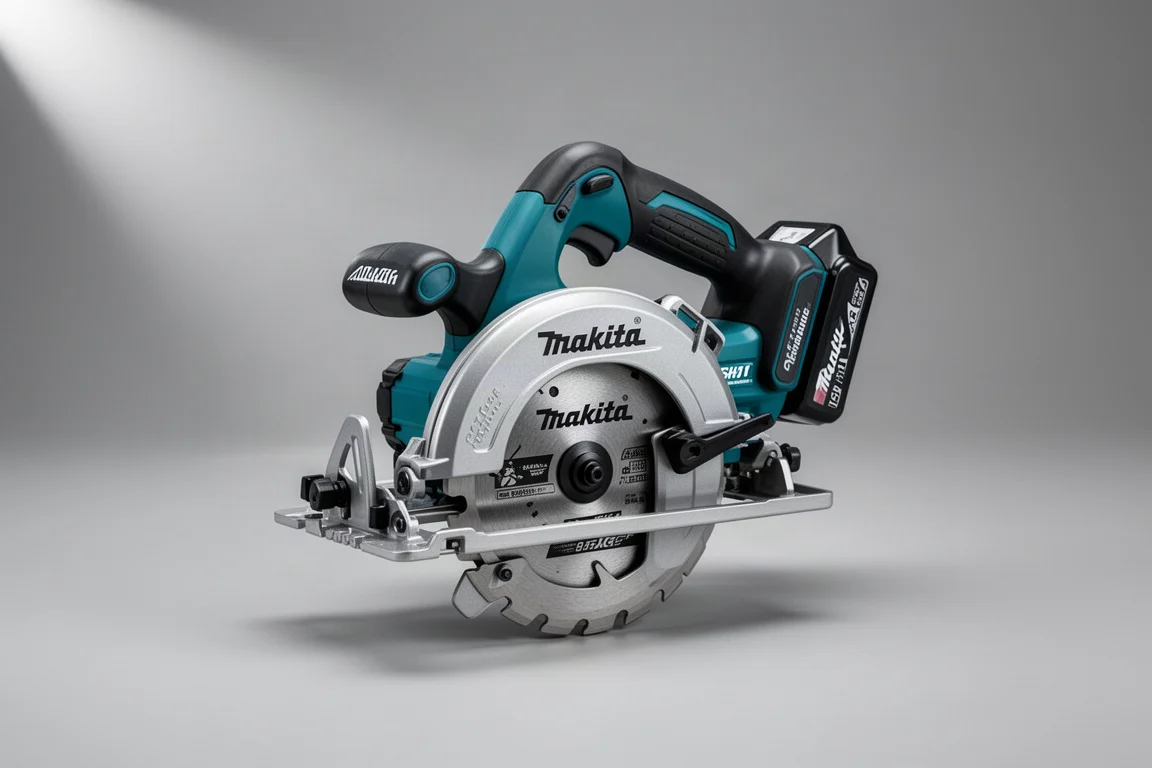
Third Place: Makita GSH01
The Makita GSH01 earned a total of 83 points in our scoring system. This saw is lightweight, has a slick bottom that glides over materials, and offers the adjustability you really need. The lower guard moves out of the way so you can make angle cuts with ease, and dust collection is excellent. This saw is an amazing balance of power and function.
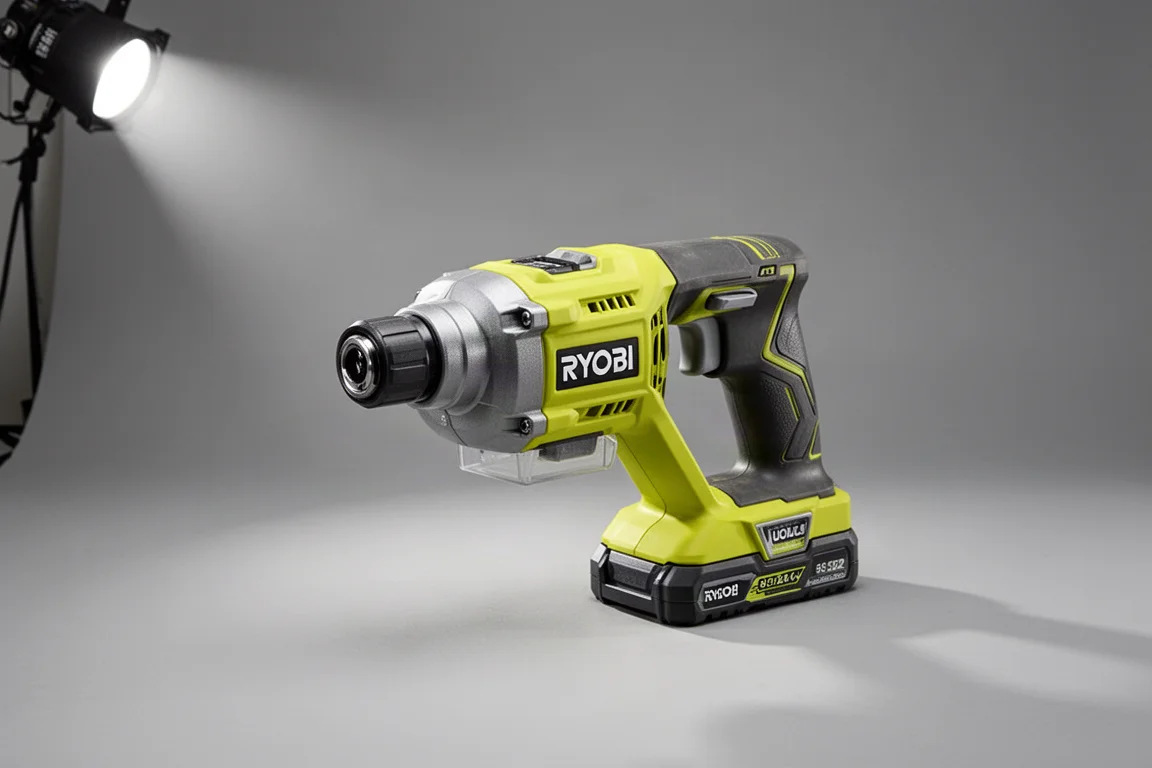
Second Place: Ryobi PBLCS302
The Ryobi PBLCS302 took in 88 points overall, which is incredible considering the playing field. This saw was the big surprise because it is labeled as a value leader, not a performance leader, and it is blurring the lines between value and performance. The slick bottom, the guard that moves out of the way when tilted, and the other useful features built in all contribute to its strong showing. Between price and performance, this saw definitely earned its spot as second place.
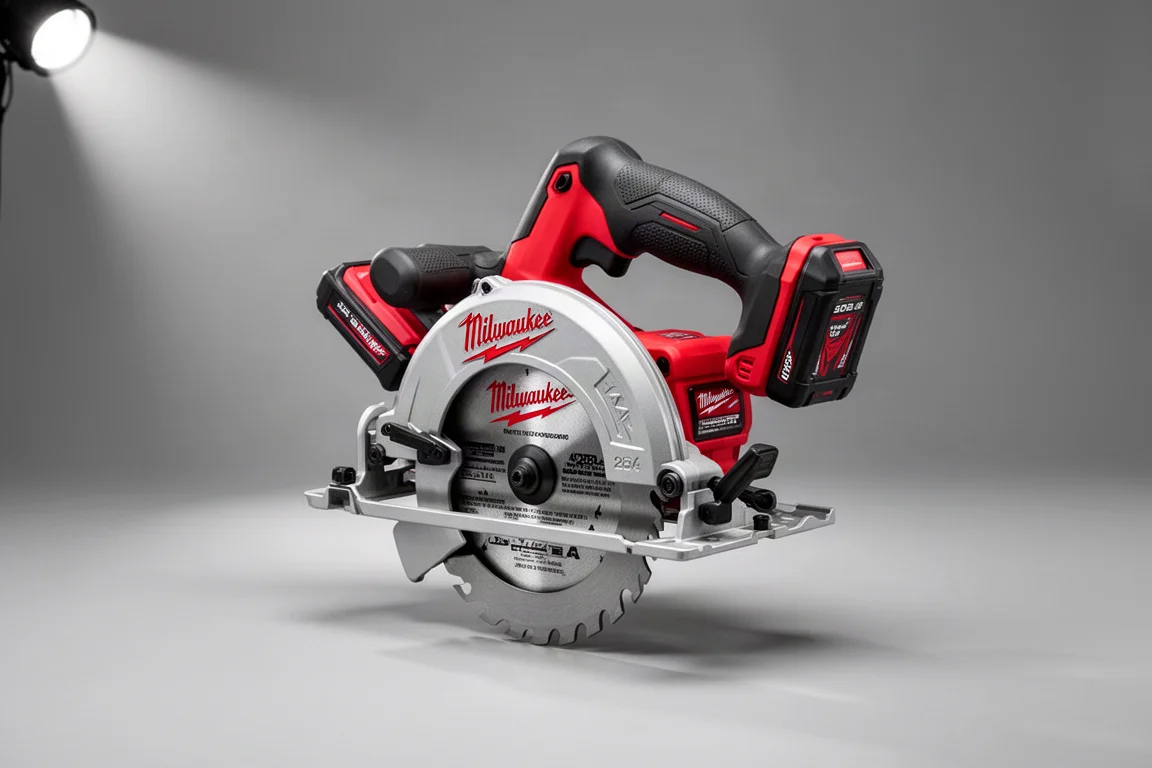
First Place: Milwaukee 2834
Taking the top spot with 94 points in our testing, the Milwaukee 2834 set the benchmark for cordless circular saw performance. From raw cutting power and speed to precision, consistency, and overall capability, it delivered the complete package and earned its place at the top of the leaderboard. Built for demanding professionals who refuse to compromise, this saw excelled across multiple performance categories and proved it can handle the toughest jobs with confidence.
Other Notable Finishers
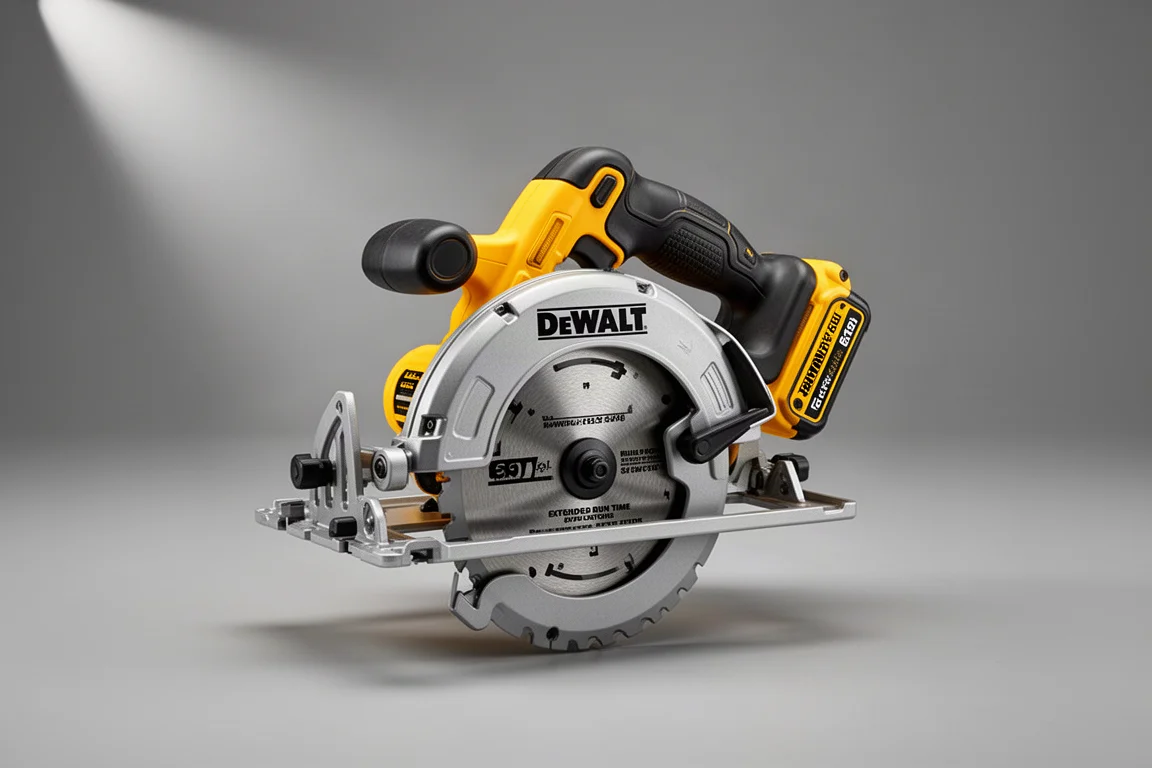
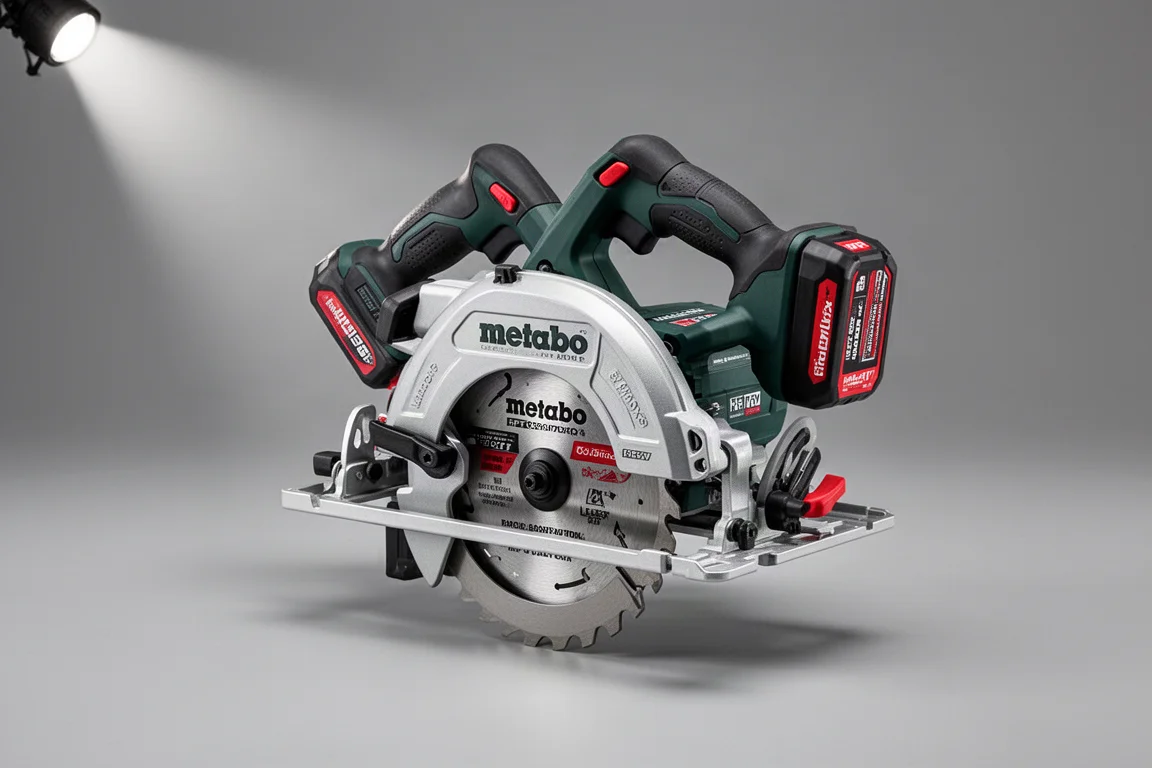
Other notable finishers include the powerful DeWalt DCS578 in fourth place and the compact Metabo HPT C3607D4Q4 in fifth place. In our normal testing procedures, we do not recommend any tool that scores less than 60 for doing real work. What is impressive is that in this series of tests, even the lowest-ranking tools are still heavy hitters and will get the job done.
Buying Advice
When choosing a cordless circular saw, consider what you will be cutting most often and how much weight you are comfortable handling. If you are already invested in a particular battery platform, that will likely be your starting point. For professionals who demand the best performance, the Milwaukee 2834 is the one to beat. For those looking for the best value, the Ryobi PBLCS302 punches well above its weight class. The Makita GSH01 offers an excellent balance of power and function for those who prioritize a lightweight, nimble tool.
Conclusion
All 12 saws successfully completed every cutting test, which speaks to just how competitive the cordless circular saw market has become. Whether you choose the top-scoring Milwaukee 2834, the value-packed Ryobi PBLCS302, or any of the other capable models in this lineup, you are getting a tool that can handle real work. The best choice ultimately comes down to your budget, your battery platform, and the specific features that matter most to you.
Further reading
Related Reviews

Power Tools
Best 1-Inch Pistol Impact Wrenches: Three Heavy-Duty Options Compared
We compare three 1-inch pistol impact wrenches, from a budget-friendly Harbor Freight model to a premium Caterpillar unit, to help you choose the right one.

Power Tools
Best 3/4-Inch Impact Wrenches 2026: Five Contenders Compared
We compare five 3/4-inch impact wrenches across price and performance, from a budget Amazon option to Snap-on's most powerful model yet.

Power Tools
Best Budget Cordless Tools 2026: Walmart Finds That Punch Above Their Price
We tested five cordless tools from Walmart, including a high-torque impact wrench that trades blows with Milwaukee and a $35 duster that outperforms its price class.