Power Tools
Cordless Chainsaws for Homeowners: Ryobi Top-Handle vs Makita 18V
Battery-powered chainsaws are a genuinely viable option for most homeowners. Here is what two well-used models reveal about convenience, overheating, and who should stick with gas.
Introduction
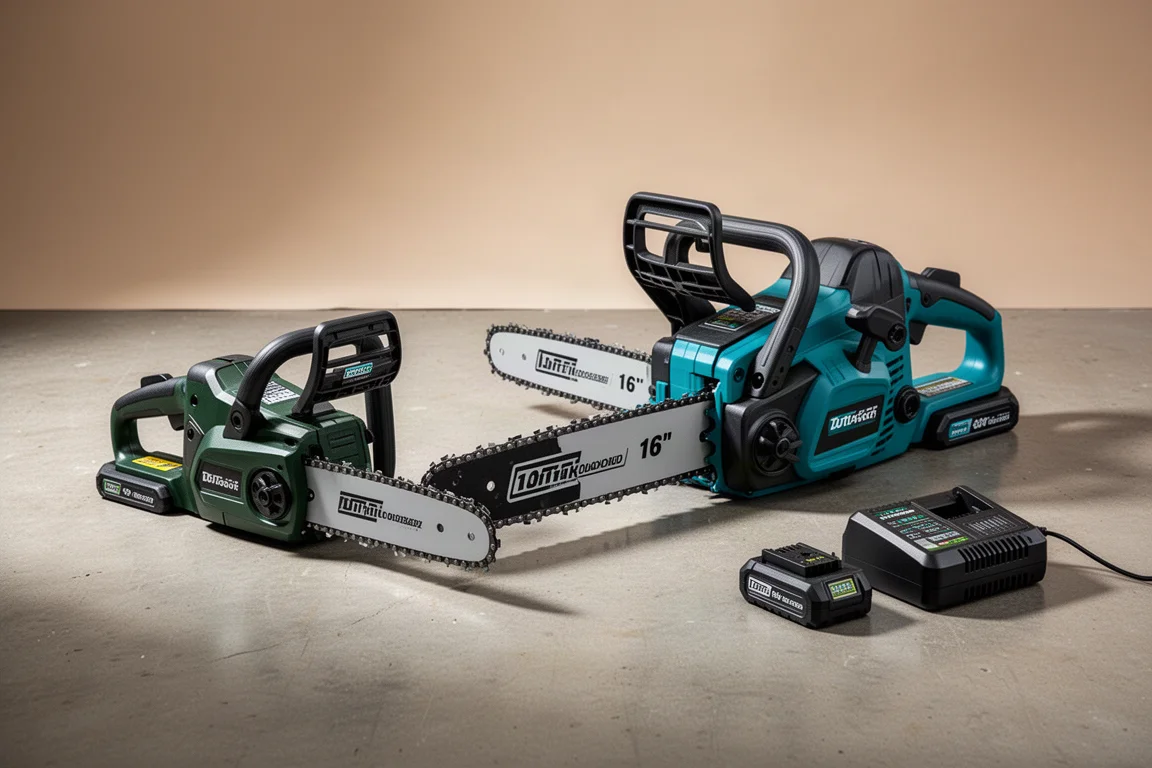
A lot of people assume a gas chainsaw is the only real option: more power, longer runtime, tougher builds. That is true in some cases, but for most homeowners a battery-powered chainsaw is a completely viable choice. If you are doing light tree work, you are handy around the house, or you have a small to mid-sized property you want to keep clear, a cordless saw is often the more practical tool.
Nearly every major tool brand now has its own battery chainsaw, in one or two voltage classes and often more. There are many options to choose from, so it helps to narrow the field based on how you actually plan to use the saw. Here are two models that cover opposite ends of the homeowner spectrum, plus the practical lessons that come from running cordless chainsaws for a few years.
Why Battery-Powered Chainsaws Work for Most Homeowners
Cordless chainsaws behave much like gas saws for the kind of cutting most homeowners actually do. The main difference shows up under sustained heavy load, and understanding that difference is the key to picking the right saw and being happy with it.
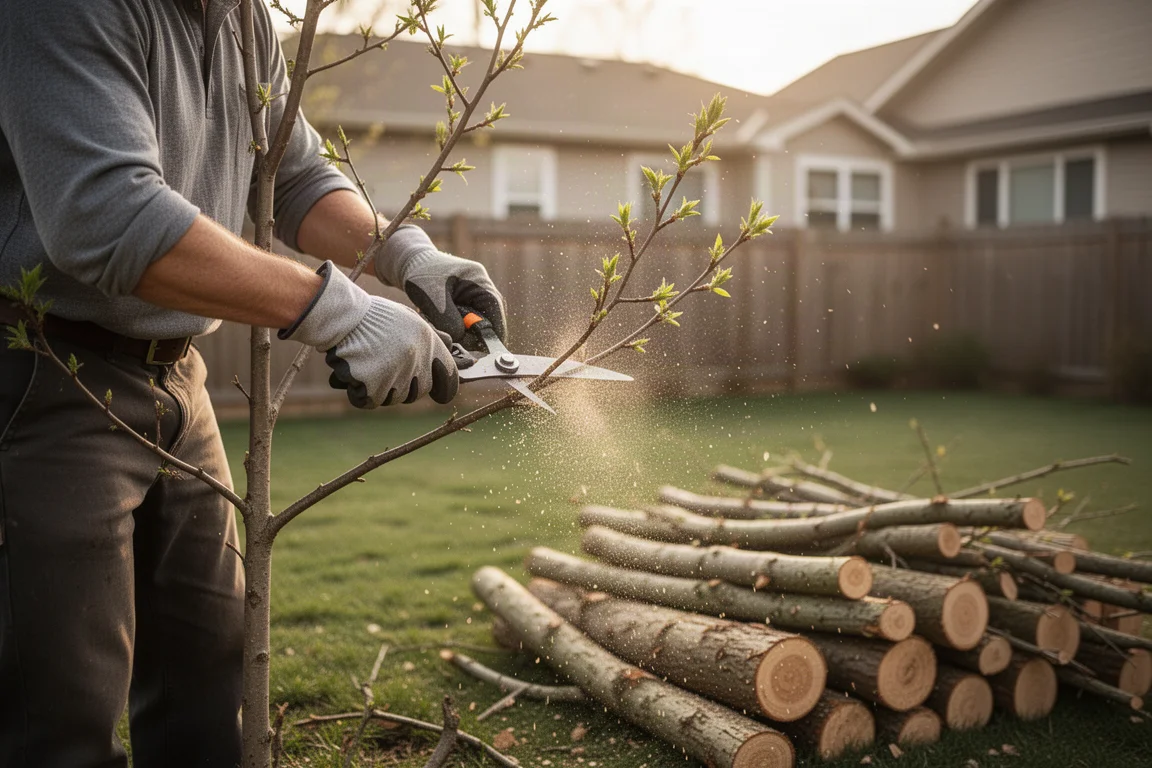
The core trade-off is simple: for occasional trimming, limbing, and clearing small pieces of land, a battery saw is more convenient and easier to live with. For nonstop, all-day cutting, gas still wins. Matching the tool to the workload matters more than the brand on the housing.
Ryobi Top-Handle Cordless Chainsaw
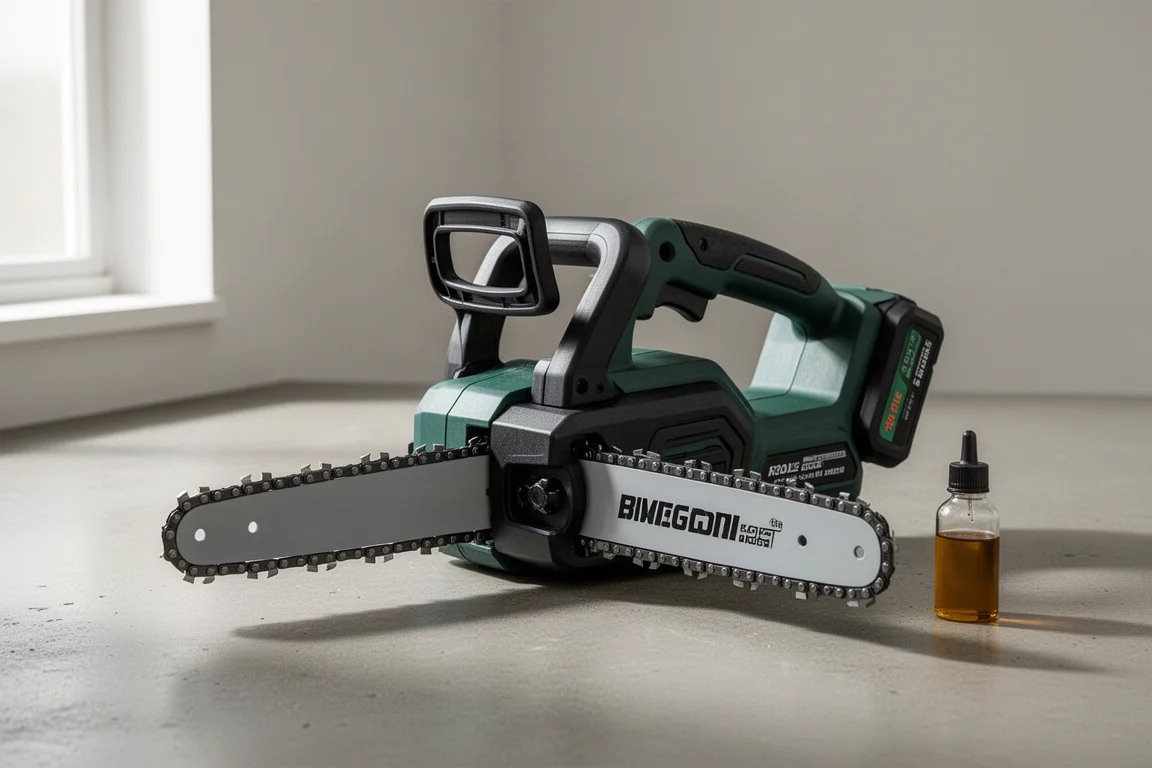
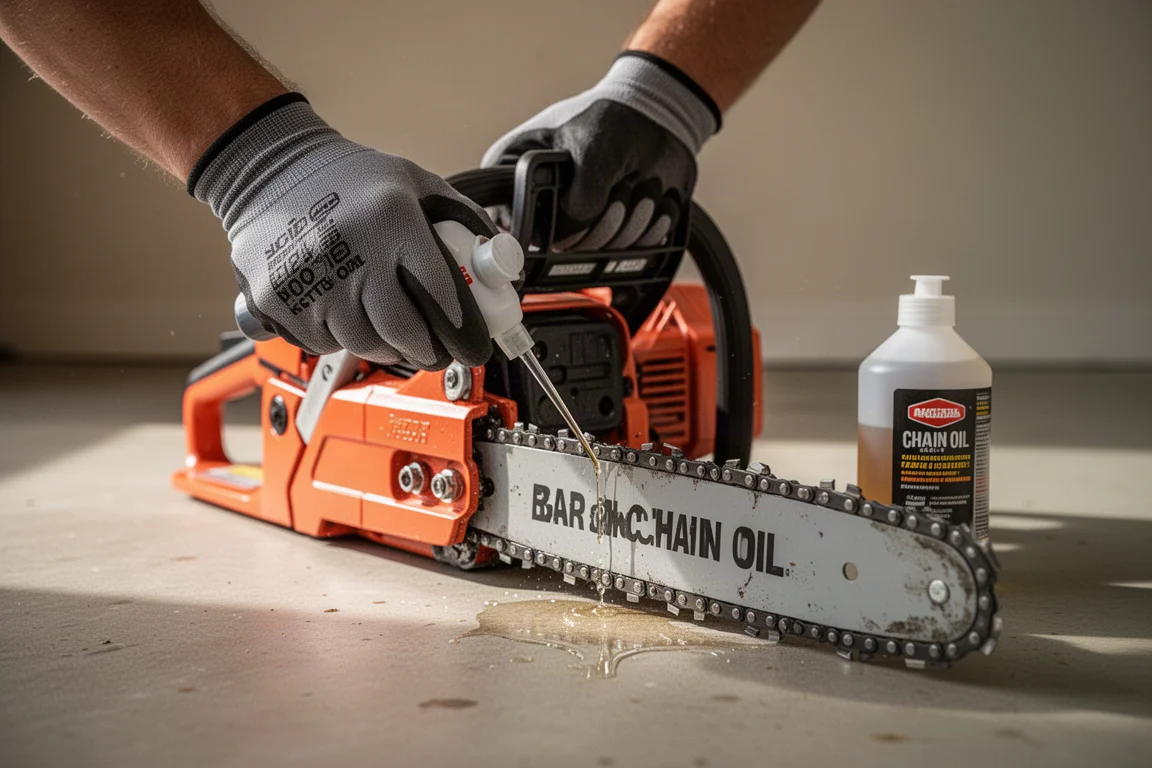
The Ryobi is a compact top-handle chainsaw built for small jobs: trimming things here and there, cutting roots out of the ground, and removing small limbs with one hand. This is the kind of saw that ends up getting the most use simply because it is so convenient to grab. Notably, it does not take oil at all, since it has no automatic oiling system. The trade-off is that you need to oil the bar and chain manually after use to keep things cool and lubricated.
Because it is a small saw that does not draw much current, it has never had overheating issues. It is not designed for heavy sustained cutting, and within that intended use it holds up well. The original bar and chain are still in place after extended use, though like any chainsaw you should expect to swap bars and chains periodically as wear accumulates.
Makita 18V Cordless Chainsaw
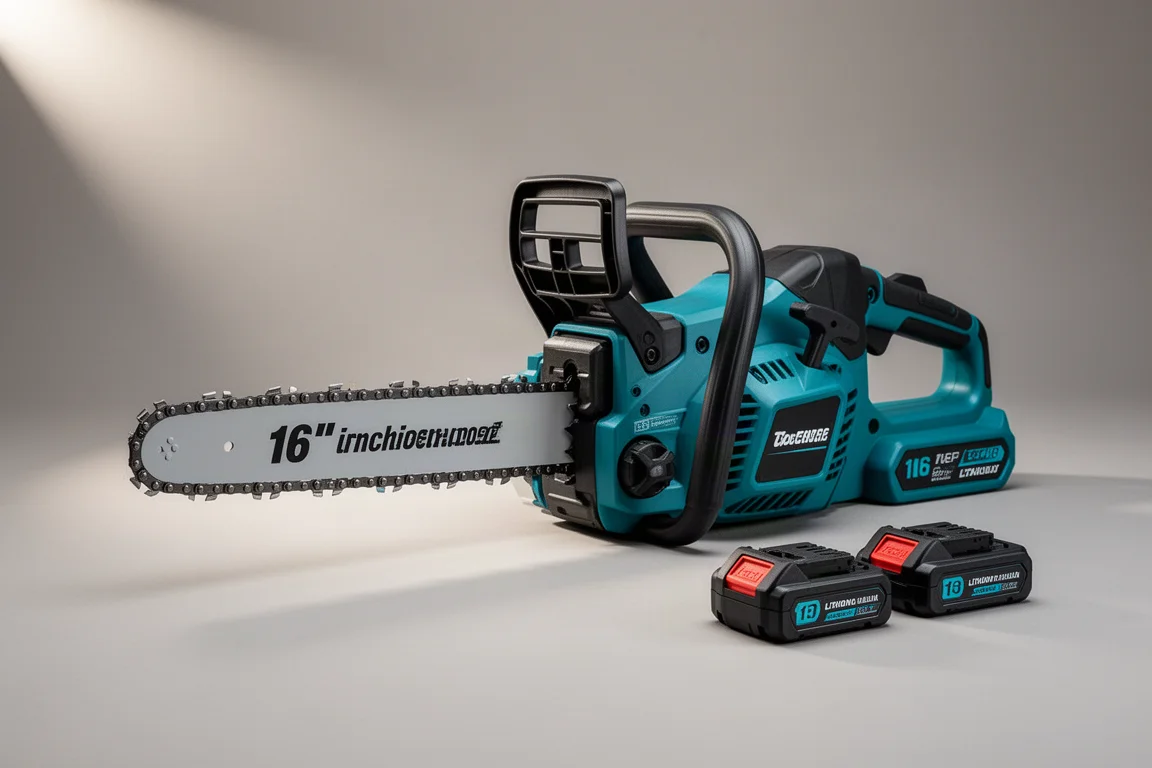
The Makita is a regular two-handed ground chainsaw that runs on two 18V batteries and comes with a 14 or 16 inch bar. This is the more versatile of the two, suited to light tree work and general property cleanup, and it is the platform worth considering if you expect to cut bigger material. As with any chainsaw, expect to change the bar and chain a couple of times over its life.
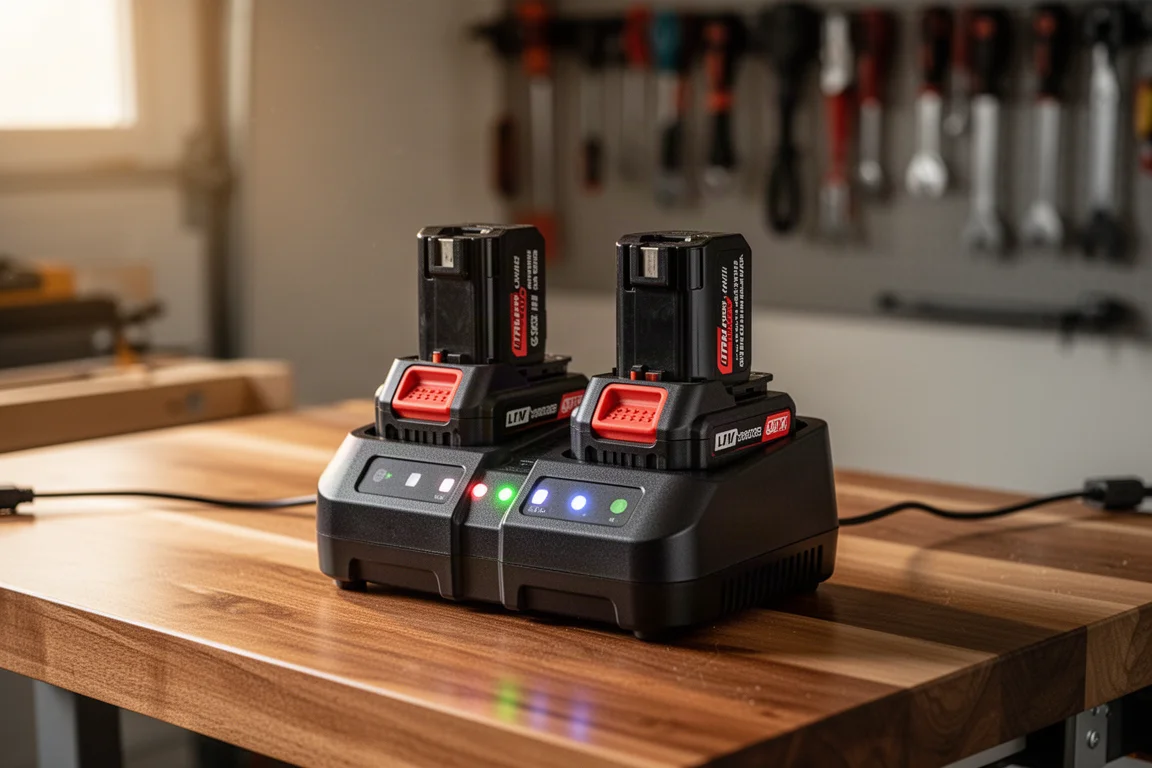
For larger jobs, battery logistics matter more than raw power. Running roughly a dozen batteries in rotation works well: keep two on the charger, use the rest in the saw, and keep swapping so you always have fresh, cool packs ready. That rotation keeps a bigger job moving without pushing the saw into thermal trouble.
Managing Heat and Batteries
The one big issue found with cordless chainsaws across brands, including Milwaukee, DeWalt, and Makita, is overheating. This is especially true in hot climates. If you push the saw hard through thick wood with almost no breaks, you can overheat the batteries or the motor. Expect roughly five to ten minutes of hard use before an overheat error can appear. Let the saw sit for a few minutes and it will recover, and swapping in cooler batteries helps as well.
A practical habit is to swap batteries when they drop to around 50 to 70 percent, which effectively resets you with fresh, cool packs. No brand escapes this, since cordless saws cannot use active cooling systems that would suck in debris. Higher-voltage saws with larger battery packs, such as 80V-class models, may cope somewhat better, but heavy users should still plan around heat. One workaround worth considering: own two saws and swap between them mid-job, letting one cool while you use the other.
Overall Buying Advice
If your jobs are genuinely heavy and continuous, such as a six-hour felling or storm cleanup session, or you run a professional tree company, gas is probably still the right call. The exception is climbing work up in the trees, where compact cordless top-handle saws are already seeing real professional use.
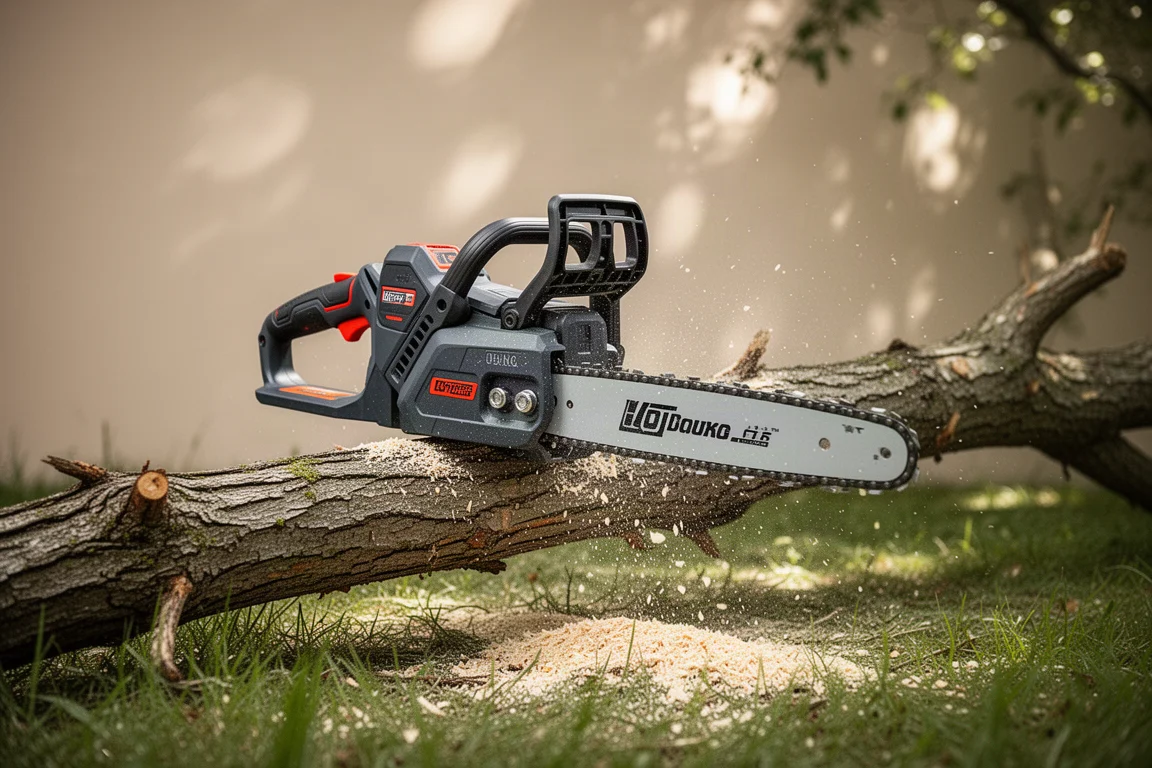
If you are a homeowner with light to moderate needs, a battery saw is a fantastic option, and the compact top-handle style is hard to beat for convenience. Just make sure you have enough batteries, take your time, and avoid pushing the saw until it overheats. And whichever saw you buy, plan on maintaining it: blow off debris after each use, since outdoor tools get dirty fast.
Conclusion
Cordless chainsaws have matured into a genuinely practical choice for homeowners and light-duty users. A compact top-handle model like the Ryobi excels at grab-and-go trimming, while a two-battery ground saw like the Makita handles more substantial cleanup work. Know your workload, keep spare batteries cycling, and respect the heat limits, and a battery saw will serve you well for years.
Further reading
Related Reviews
Power Tools
Best 1-Inch Pistol Impact Wrenches: Three Heavy-Duty Options Compared
We compare three 1-inch pistol impact wrenches, from a budget-friendly Harbor Freight model to a premium Caterpillar unit, to help you choose the right one.
Power Tools
Best 3/4-Inch Impact Wrenches 2026: Five Contenders Compared
We compare five 3/4-inch impact wrenches across price and performance, from a budget Amazon option to Snap-on's most powerful model yet.
Power Tools
Best Budget Cordless Tools 2026: Walmart Finds That Punch Above Their Price
We tested five cordless tools from Walmart, including a high-torque impact wrench that trades blows with Milwaukee and a $35 duster that outperforms its price class.