Power Tools
Best 4-1/2 to 5-Inch Cordless Angle Grinders: Five Models Put Through Real Power Testing
Bosch, Ridgid, DeWalt, and Hart angle grinders tested for raw power, runtime, and vibration to find out which cordless grinder is actually worth your money.
Introduction
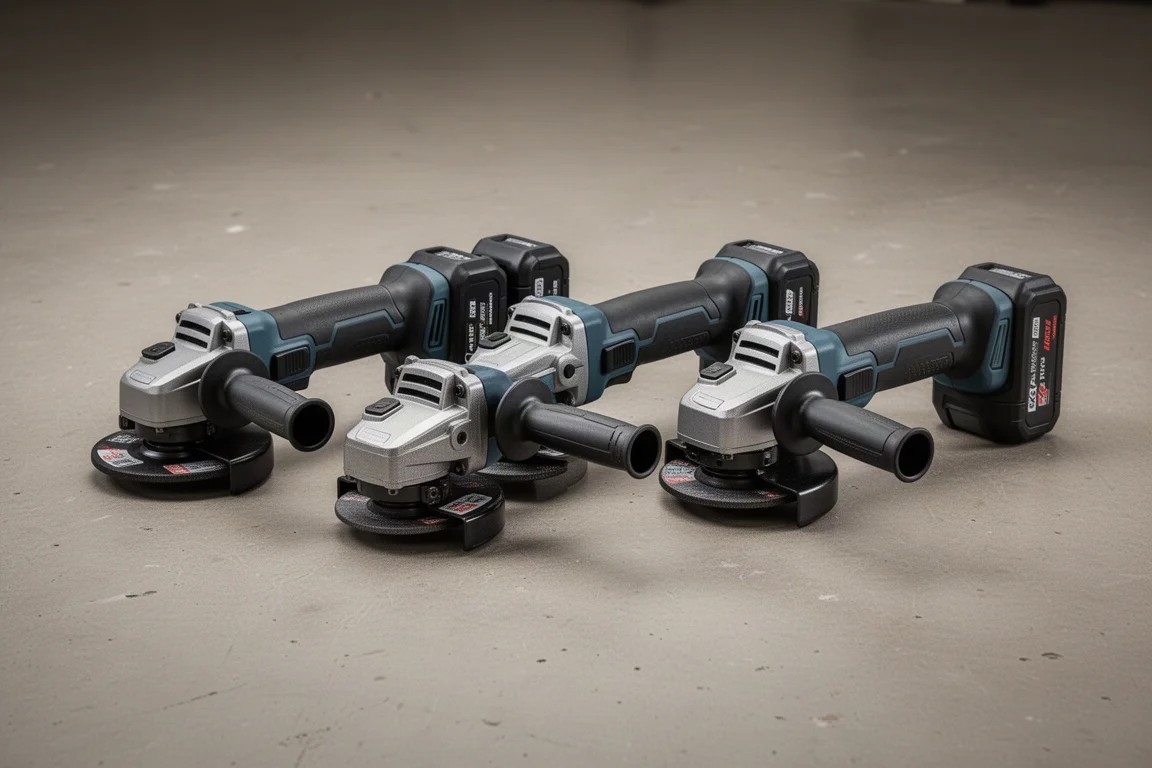
Cordless angle grinders have quietly become one of the most competitive categories in power tools. A fresh wave of brushless models now claims to replace 10-amp corded grinders, and some of those claims actually hold up under load. We looked closely at five models: Bosch’s newest GWS18V-10N, both the Ridgid Octane and the newer Ridgid brushless grinder, the DeWalt FlexVolt Advantage DCG416, and the budget-positioned Hart 4-1/2 inch grinder. All were measured for maximum power output, runtime under a realistic grinding load, and vibration levels with the disc attached, which is where most cheap marketing claims fall apart.
How These Grinders Were Tested
The numbers below come from load testing under realistic grinding conditions. Two measurements matter most: RPM under a moderate 200-watt load, which reflects how much material the grinder removes in everyday cutting and grinding, and maximum sustained wattage when the tool is pushed to its limit, similar to plunging a 5-inch cutoff wheel into thick steel. Runtime was measured on a light-to-medium grinding task, and vibration was recorded with a disc attached for accuracy.
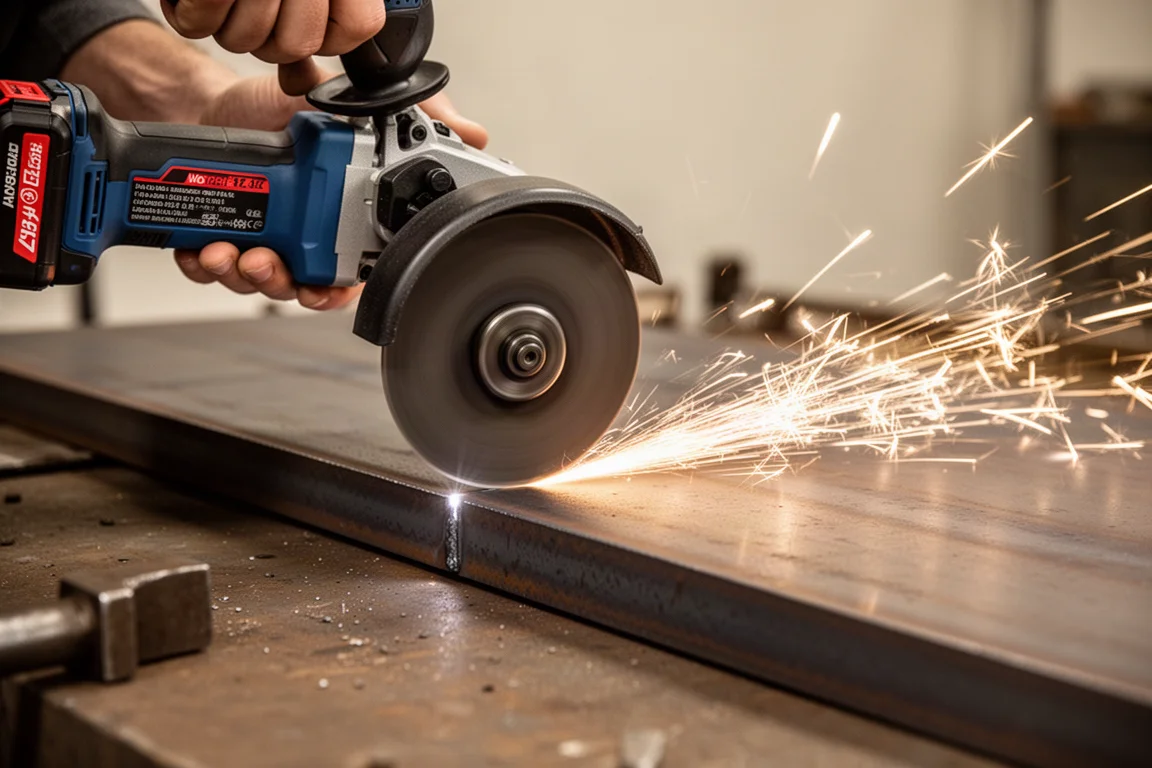
Battery choice matters enormously here. Several of these grinders change character completely depending on which pack you bolt on, so results are reported with the battery each tool performs best with.
Bosch GWS18V-10N: The Corded Replacement
Bosch’s newest 18V grinder is rated to replace a 10-amp corded model, and it mostly earns that description. With the recommended 8.0 Ah ProCORE battery, it peaks at 580 watts, comfortably ahead of a more expensive competitor kit and a similarly priced Hercules. Even with a smaller 4.0 Ah core battery it manages a respectable 430 watts. Under a 200-watt load it holds around 6,760 RPM, meaning plenty of material removal in real work.
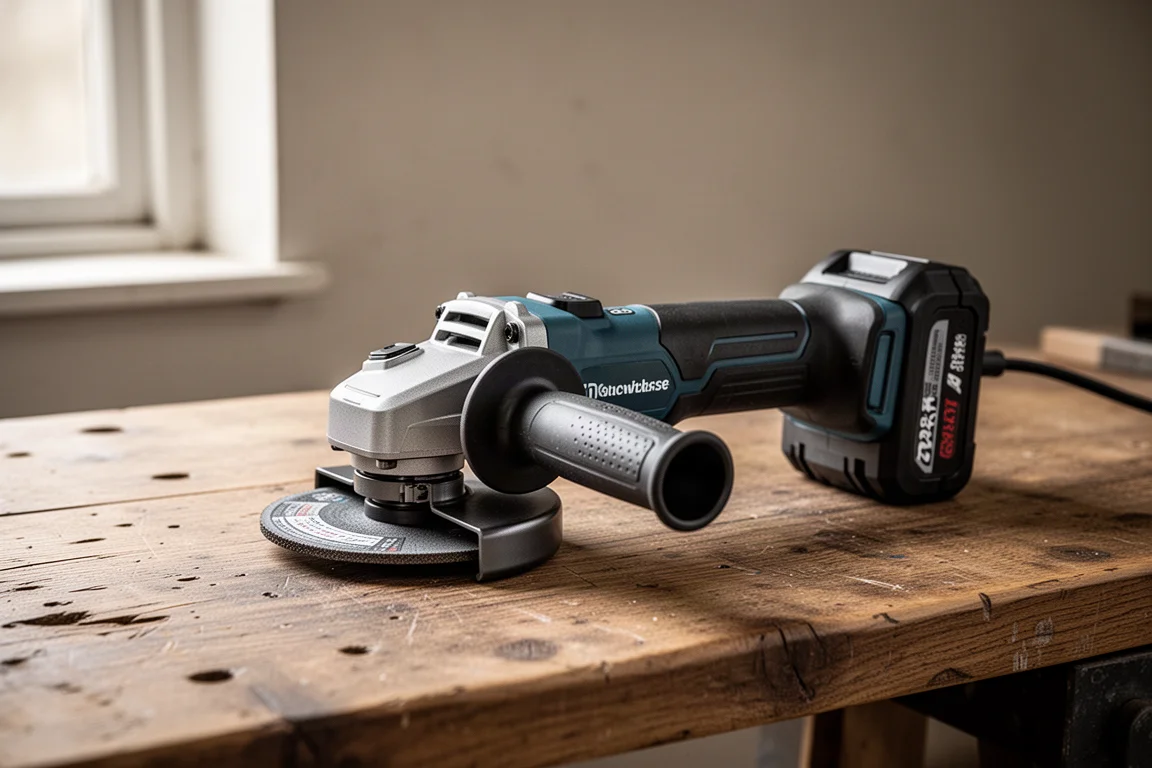
Practical details add up too. At 6.0 lb even with the 8.0 Ah pack, it is comparatively lightweight, roughly matching a competitor running a smaller 5.0 Ah battery. The toolless washer with a folding ring means no pin wrench needed for disc changes. Runtime is strong at 16.5 minutes under the test load, and vibration is the best in this group at 7 m/s squared with a 4.5-inch disc and just 20 with a 5-inch disc. Pricing moves around quite a bit, from roughly $140 to $175 for the bare tool, with the tested kit at $297.
Ridgid Octane vs. Ridgid Brushless
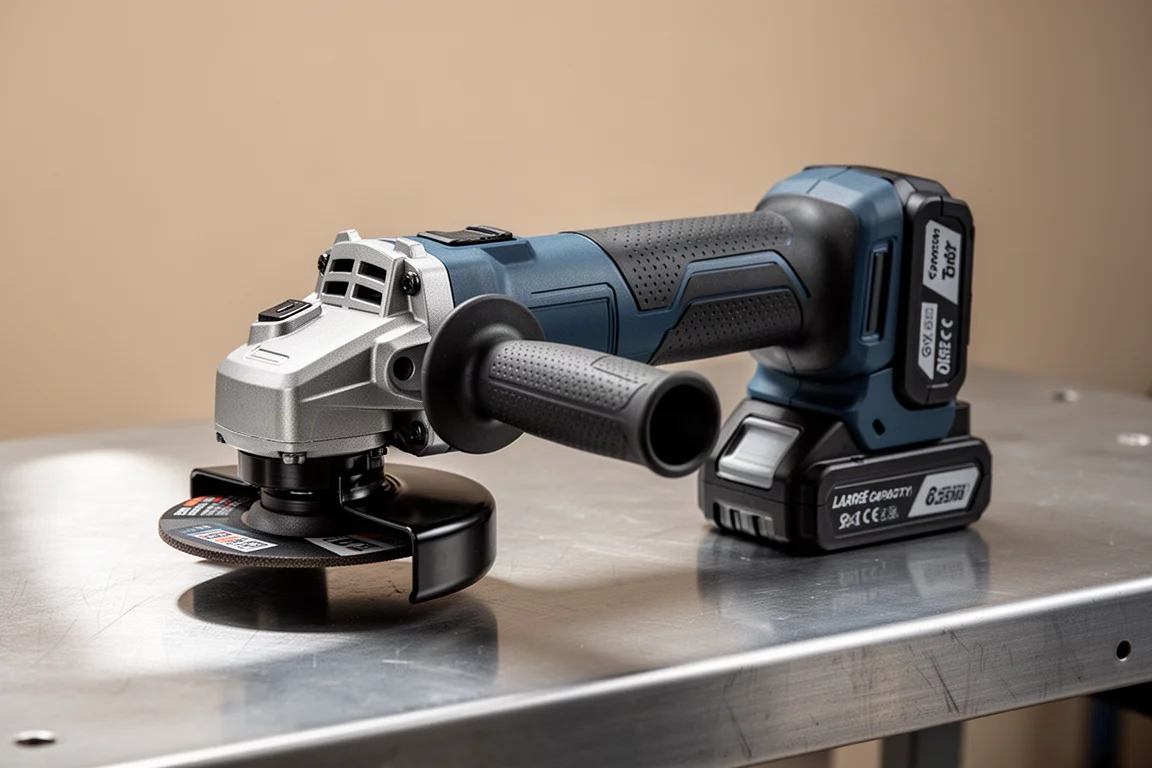
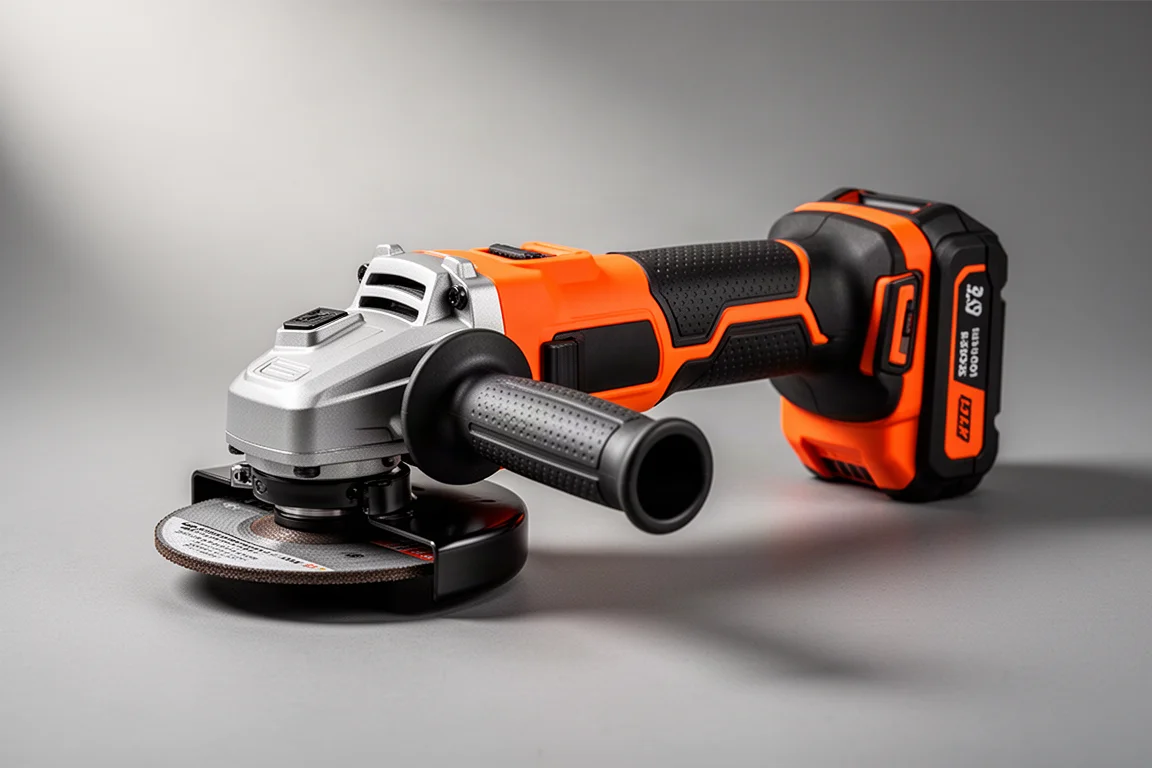
This is a family rivalry worth settling. The older Octane grinder posts an industry-leading 10,000 RPM free speed and holds about 8,500 RPM under grinding load. The newer brushless model spins slower at 9,000 RPM free speed, around 7,500 under load, but claims 25 percent more power, and that claim is true. With the new 8.0 Ah 21700-cell battery, the brushless model climbs into the mid-700s in watts before giving up, while the Octane tops out at a still-impressive 690 watts.
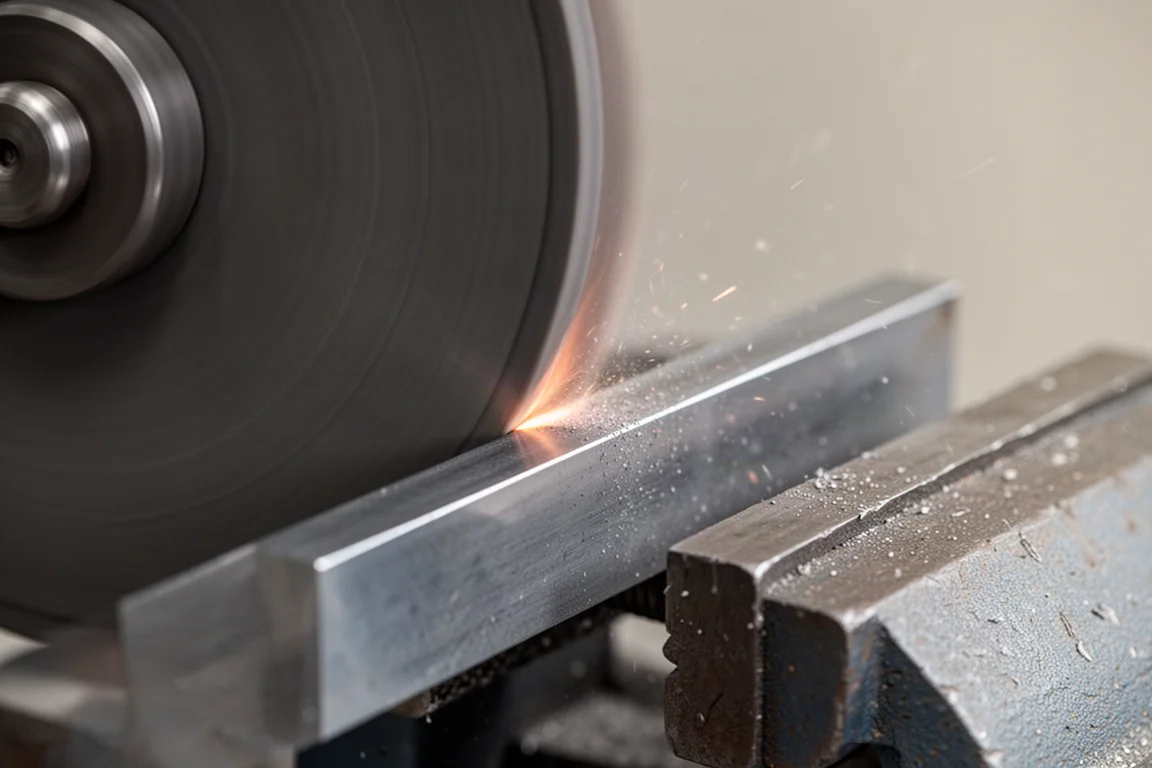
There is a catch: that 8.0 Ah battery costs $200, is only really available at Home Depot, and costs more than some of these tools. With a cheaper 4.0 Ah Max Output battery the Octane drops to 520 watts and the brushless model to 580. Trade-offs continue elsewhere. Vibration is the highest in this group, at 45 m/s squared for the Octane with a 4.5-inch disc and 68 with a 5-inch disc, improving to 55 and 40 on the brushless model. Runtime on the brushless model is 15.5 minutes, doing slightly less total work than the Bosch but at higher RPM throughout.
DeWalt FlexVolt Advantage DCG416: Real Power, One Big Catch
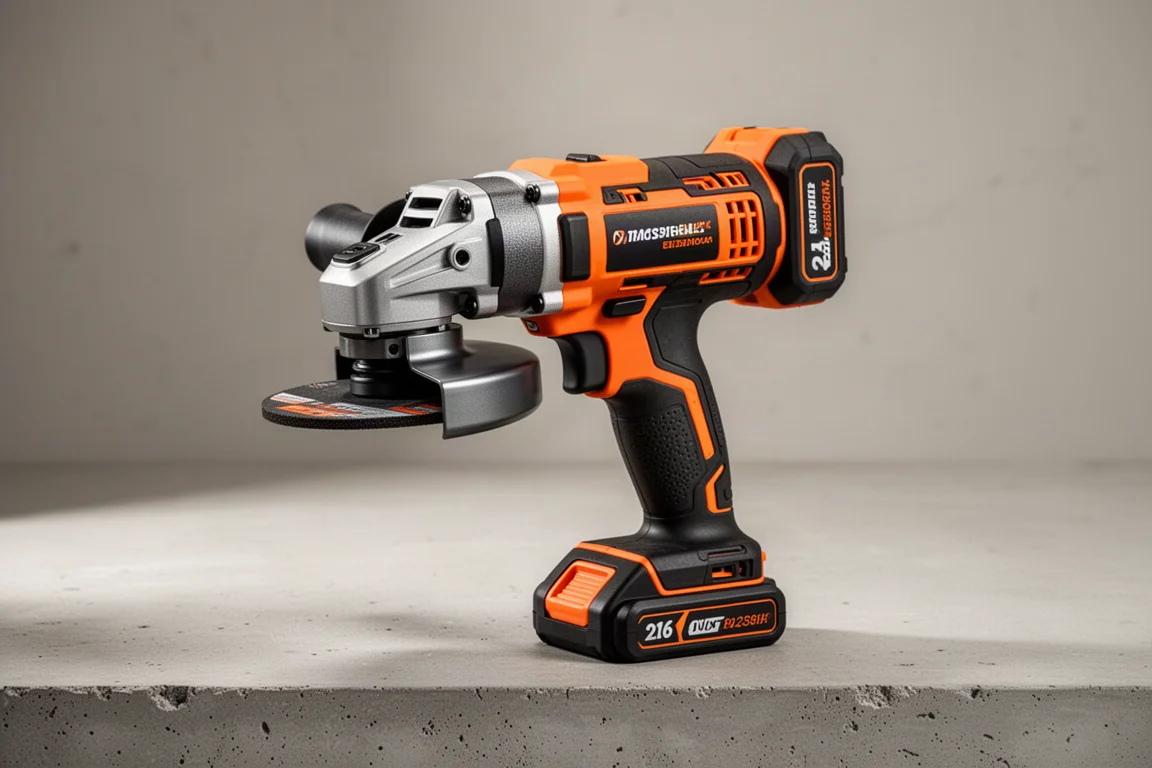
The DCG416 is the power king of this group, and the FlexVolt Advantage marketing is not just a label. With the 6.0 Ah FlexVolt battery it peaks at 780 watts, beating the 6.0 Ah XR battery’s 750 watts despite the XR’s better-performing 21700 cells, which points to genuine programming in the tool that favors FlexVolt packs. Strap on a 9.0 Ah FlexVolt and it delivers a category-leading 850 watts peak. Under moderate load it holds a very high 7,470 RPM, and vibration is well controlled at 15 and 18 m/s squared with 4.5- and 5-inch discs.
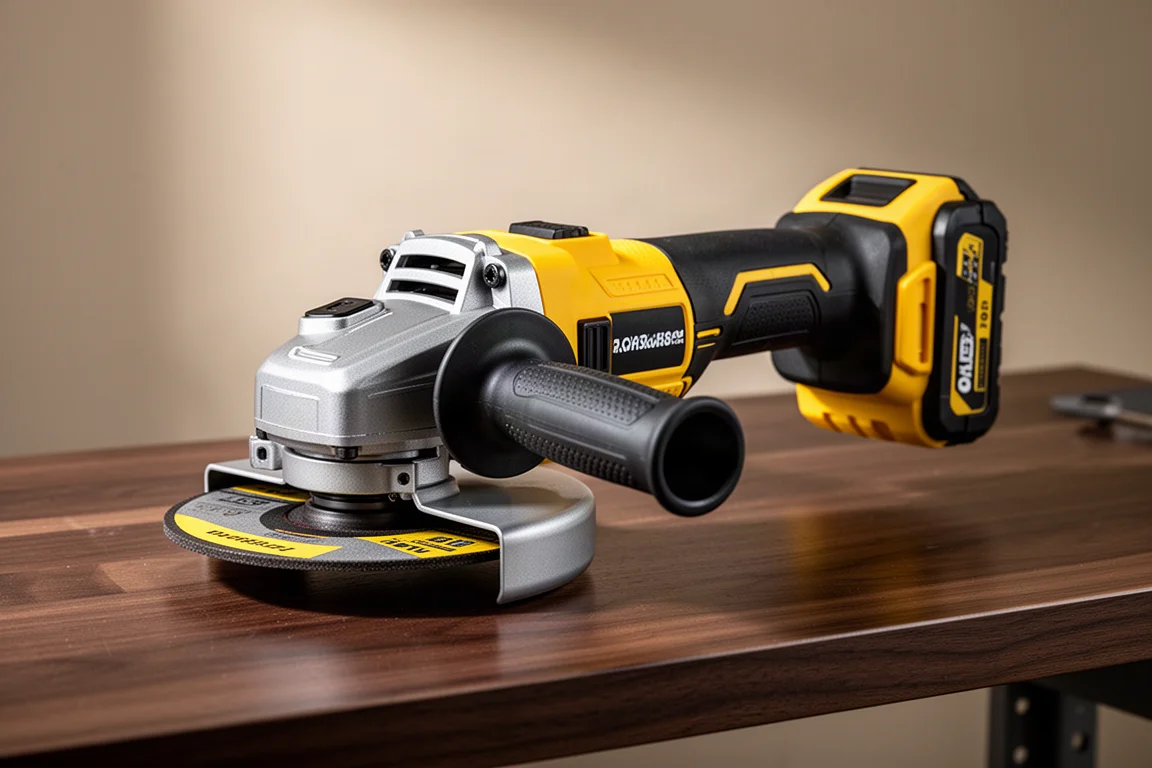
The catch is endurance. At a modest 200-watt load the grinder shuts itself down after about 5 to 6 minutes, and restarting it yields another short session of roughly 4 to 6 minutes. This happened across 6.0 Ah, 9.0 Ah, and larger packs and even at higher loads, so it behaves like a built-in cutoff rather than a heat issue, especially since competing grinders ran longer at similar temperatures. For short, brutal jobs this is the strongest grinder here; for long continuous sessions, keep the runtime limitation in mind.
Hart 4-1/2 Inch Angle Grinder: The Budget Surprise
Hart’s budget entry has gotten significantly better since its last showing, mainly thanks to the brand’s largest 6.0 Ah battery, which uses three rows of 18650 cells for decent discharge capability. With it, the grinder peaks at 620 watts, matching the output some competitors achieve with high-performance 21700 cells, and it holds more RPM under load than a much more expensive Milwaukee during the runtime test.
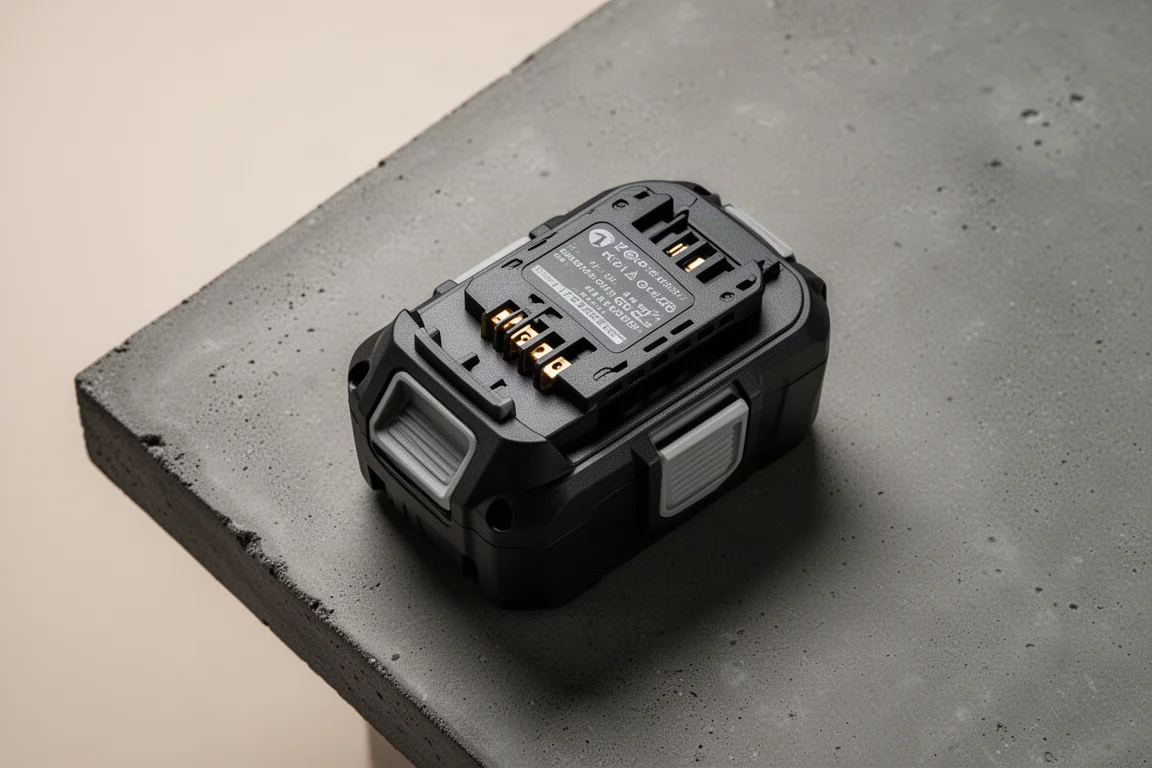
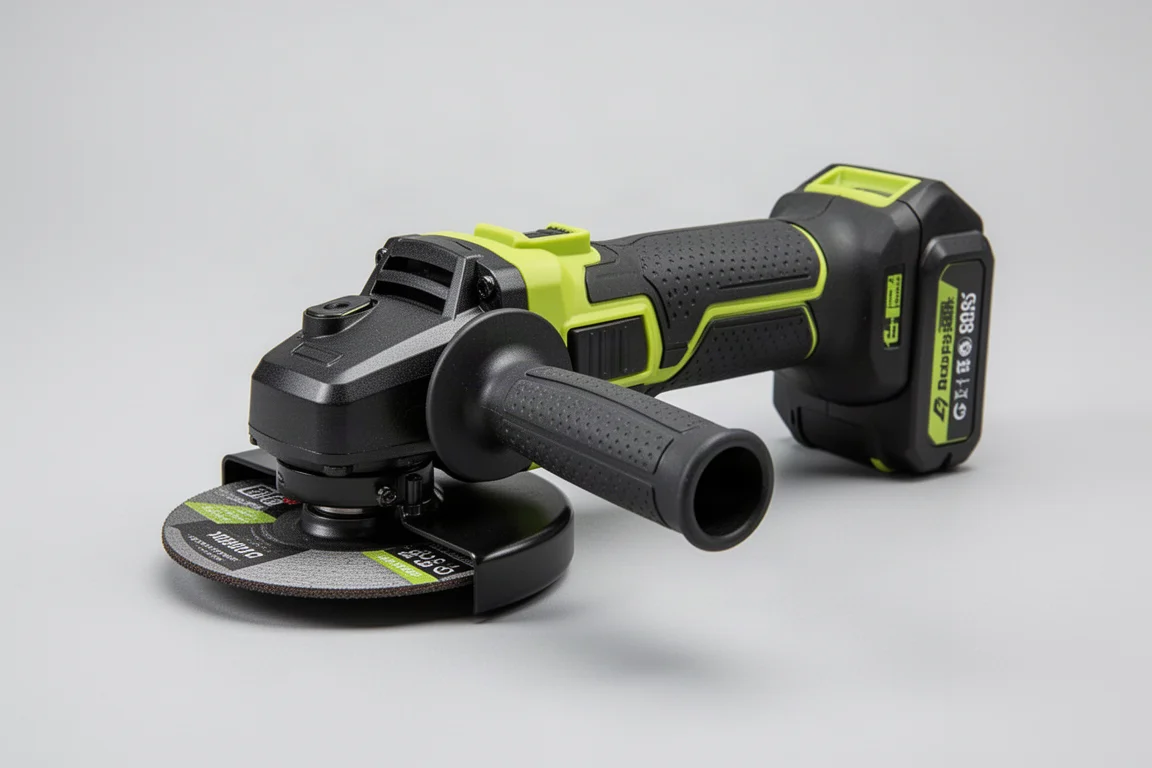
Runtime is a fair, if unspectacular, 11 minutes under light to medium grinding, and the tool carries a heavier weight penalty than the premium options. It scored 487.9 points in our standings, which moved it into second place overall at its price point. With the higher price of the new battery bundle, the value proposition has not changed dramatically, but as a cheap grinder that punches well above its price, it is hard to argue with.
Which One Should You Buy
For the odd job around the shop, the Bosch is the easiest recommendation. It is often found cheap, it is the lightest and smoothest of the group, and its 8.0 Ah battery does not break the bank. If the job is going to be a hairy one that needs grunt, both the Ridgid and the DeWalt will tear through it with massive power, with the Ridgid possibly holding the edge for longer sessions thanks to better endurance. The DeWalt takes the crown for pure power, especially with a 9.0 Ah FlexVolt pack, while the Hart remains the smart budget pick for lighter workloads.
Conclusion
Every grinder in this group beat the previously dominant benchmark in its class, which says a lot about how fast this category is moving. Match the tool to your workload: Bosch for balance and value, Ridgid or DeWalt for raw power, Hart for tight budgets, and always factor in which battery you will actually run it on, because that choice changes everything.
Further reading
Related Reviews

Power Tools
Best 1-Inch Pistol Impact Wrenches: Three Heavy-Duty Options Compared
We compare three 1-inch pistol impact wrenches, from a budget-friendly Harbor Freight model to a premium Caterpillar unit, to help you choose the right one.

Power Tools
Best 3/4-Inch Impact Wrenches 2026: Five Contenders Compared
We compare five 3/4-inch impact wrenches across price and performance, from a budget Amazon option to Snap-on's most powerful model yet.

Power Tools
Best Budget Cordless Tools 2026: Walmart Finds That Punch Above Their Price
We tested five cordless tools from Walmart, including a high-torque impact wrench that trades blows with Milwaukee and a $35 duster that outperforms its price class.