Power Tools
Best Cordless 3-Inch Cutoff Tools: Makita LXT Meets the Competition
We compare the new Makita XCM01Z against DeWalt, Ridgid, Ryobi, Milwaukee, Bauer, and Works cutoff tools on speed, power, and value.
Introduction
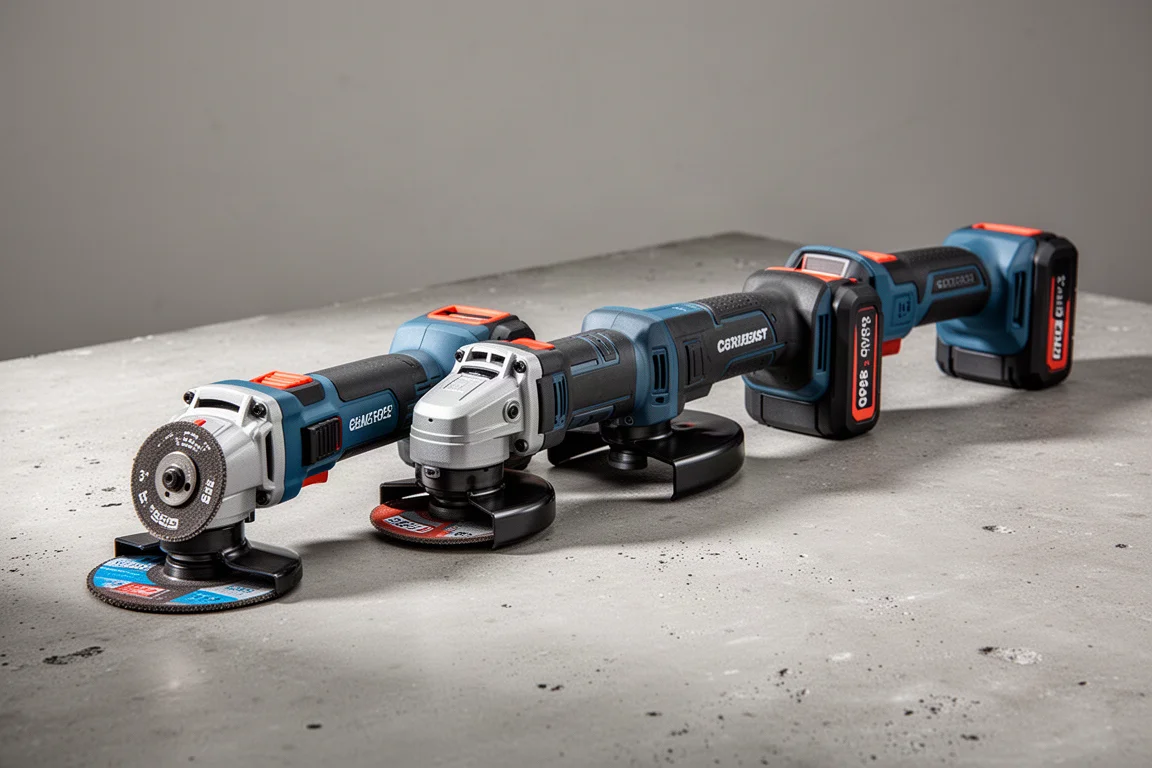
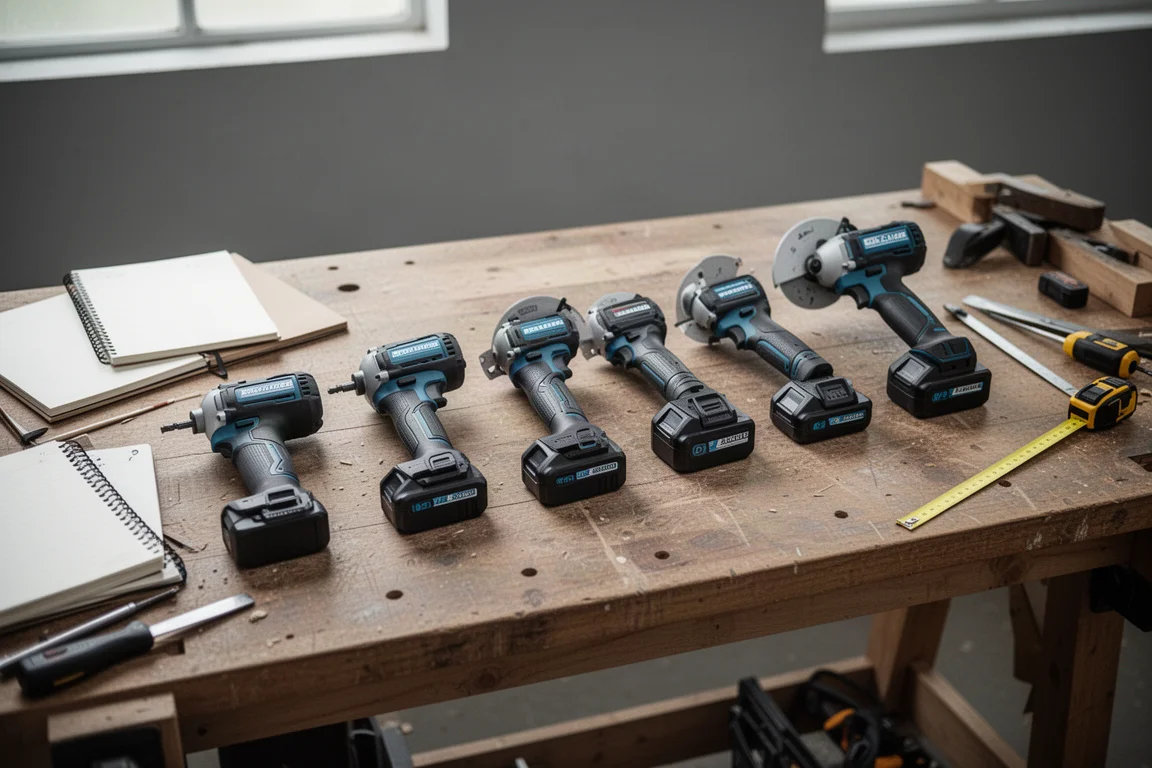
Small cordless cutoff tools, usually 3-inch, have quietly become some of the most useful tools you can keep around a shop. Some of the current options are awfully powerful for their size, and some are, well, the opposite of all that. This comparison looks at the new Makita LXT 3-inch cutoff tool against the top options from Milwaukee, DeWalt, Ridgid, and Ryobi, plus a pair of budget-friendly alternatives.
How We Compare
The key numbers here are RPM under a realistic cutting load (thin sheet metal at a normal pace), peak power in watts, and sustainable power, which is how much wattage a tool can keep producing without cutting out. Size matters too: every tool in this class gets dinged for bulk, since the whole point is a compact package. Finally, price and battery strategy shape the real-world value of each pick.
The New Makita XCM01Z
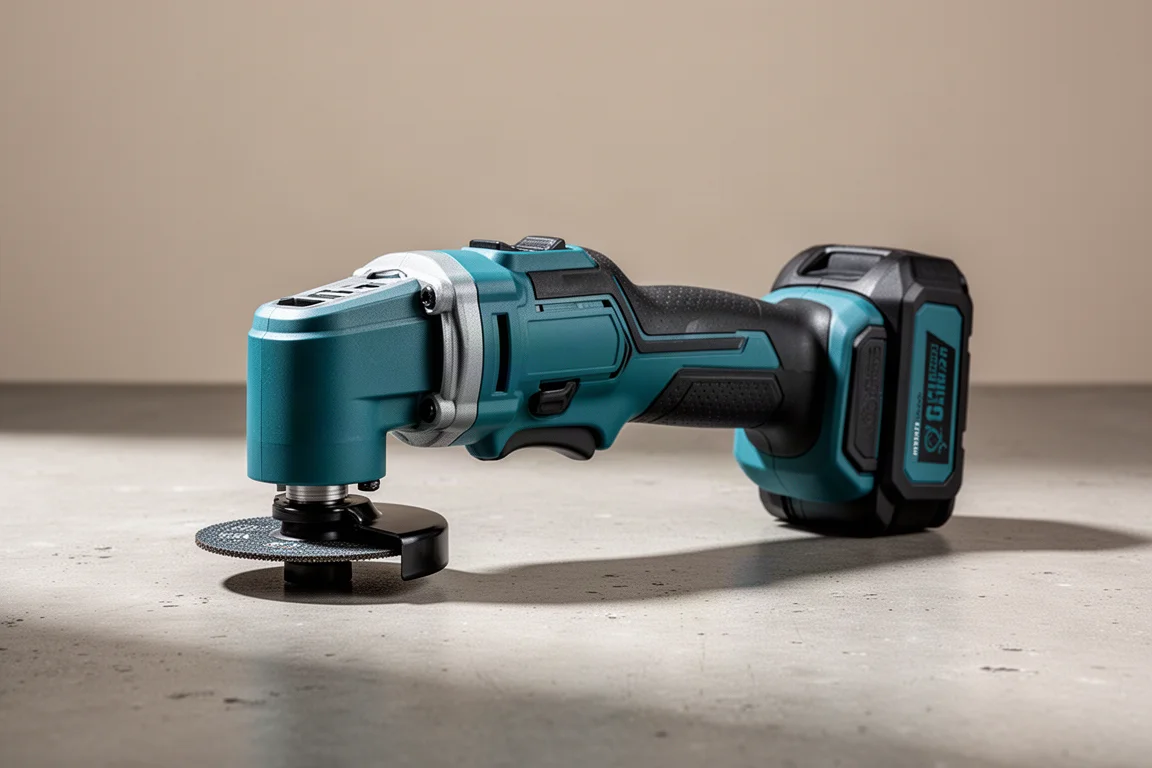
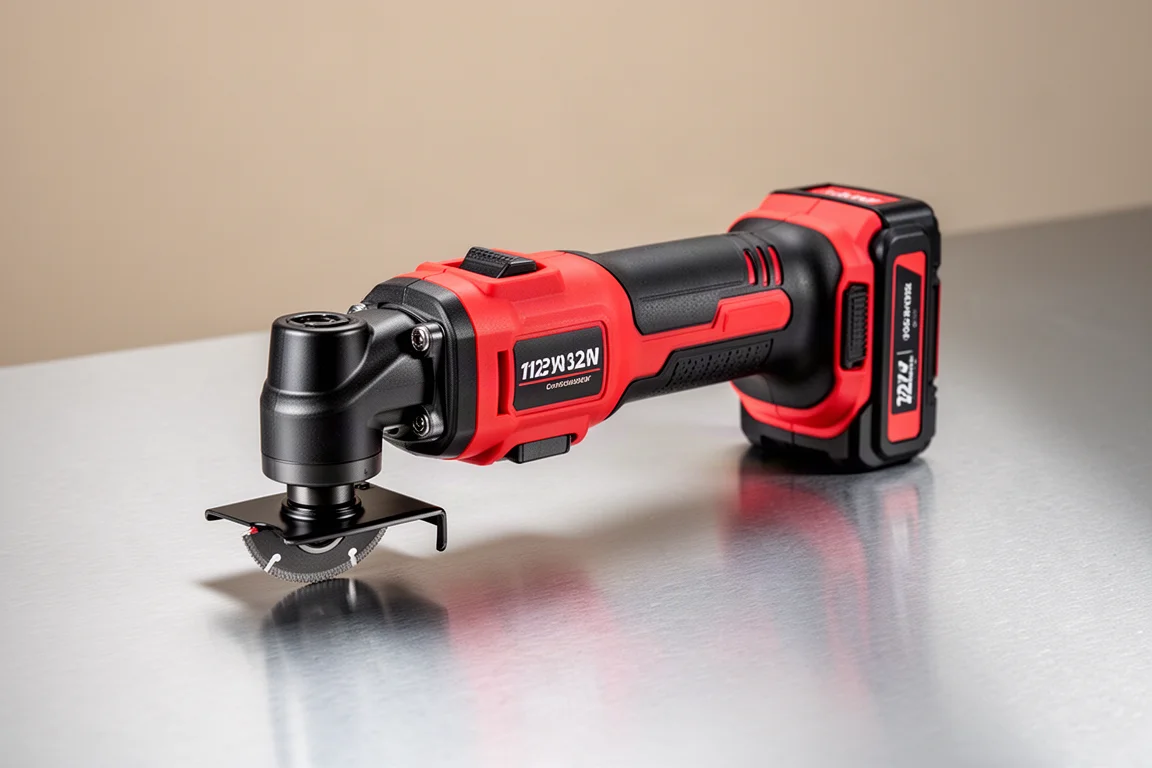
Makita’s new XCM01Z is a brushless 3-inch cutoff tool in the classic LXT line, not XGT, which immediately got our attention since the brand’s brushed one-handed die grinder already fared well. It has forward and reverse, which is handy for directing sparks away from your face. Size-wise it most resembles the DeWalt XR: the DeWalt head is bigger, but the Makita’s handle and battery slide are larger, and both tools displace 1,150 cc out of the box with a 5.0Ah battery.
Under load, the Makita makes about 16,575 rpm, close to the DeWalt and Ryobi. With a 5.0Ah battery it peaks at 330 watts, which puts it roughly in the top three cutoff tools available right now. Fed a high-output custom 18V pack built with large 21700 cells, it climbs to 17,400 rpm under load and 350 watts before shutting down, so it is thirsty enough to benefit from better batteries. It retails for $179, tying the DeWalt as the most expensive cordless 3-inch cutoff tool on the market, but it earns a third-place ranking overall and looks like a good, long-lasting buy, especially for 18V LXT users.
DeWalt XR 3-Inch Cutoff Tool
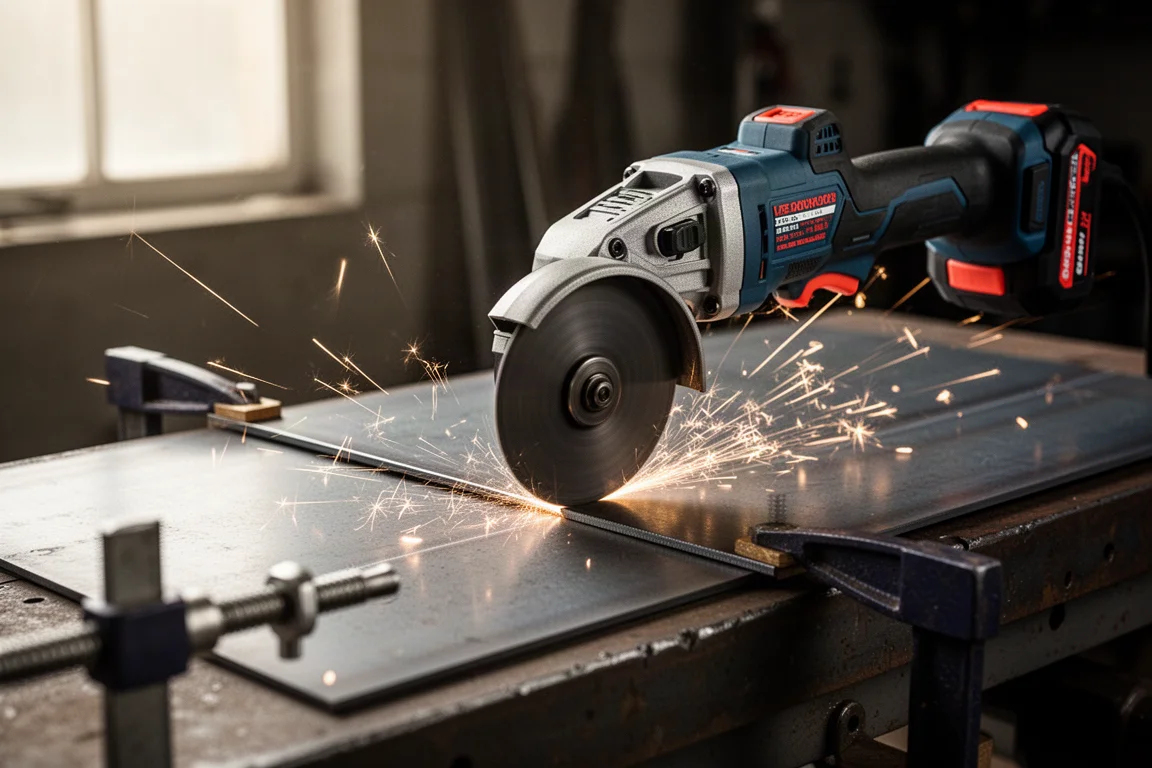
The DeWalt XR remains a benchmark in this category. It can out-cut the Ridgid when fed larger batteries, and it simply will not slow down with the right pack. It lists at $179 but often sells for around $150 these days, which softens the sting of being one of the priciest options here.
Ridgid 3-Inch Cutoff Tool
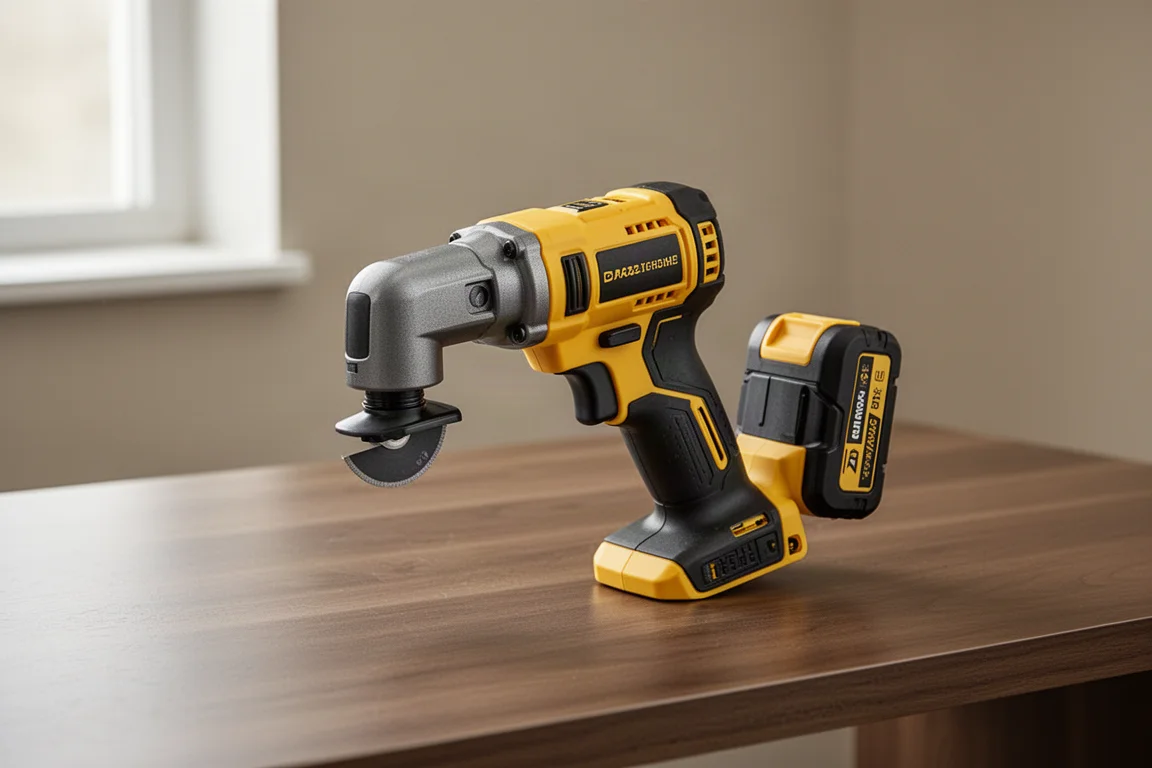
The surprise standout. Its tiny motor gets in the way less and allows a deeper cut in some cases. With equal, normally sized batteries, the Ridgid even holds an edge over the DeWalt, and at around $100 it is arguably the best buy in cutoffs right now.
Ryobi 3-Inch Cutoff Tool
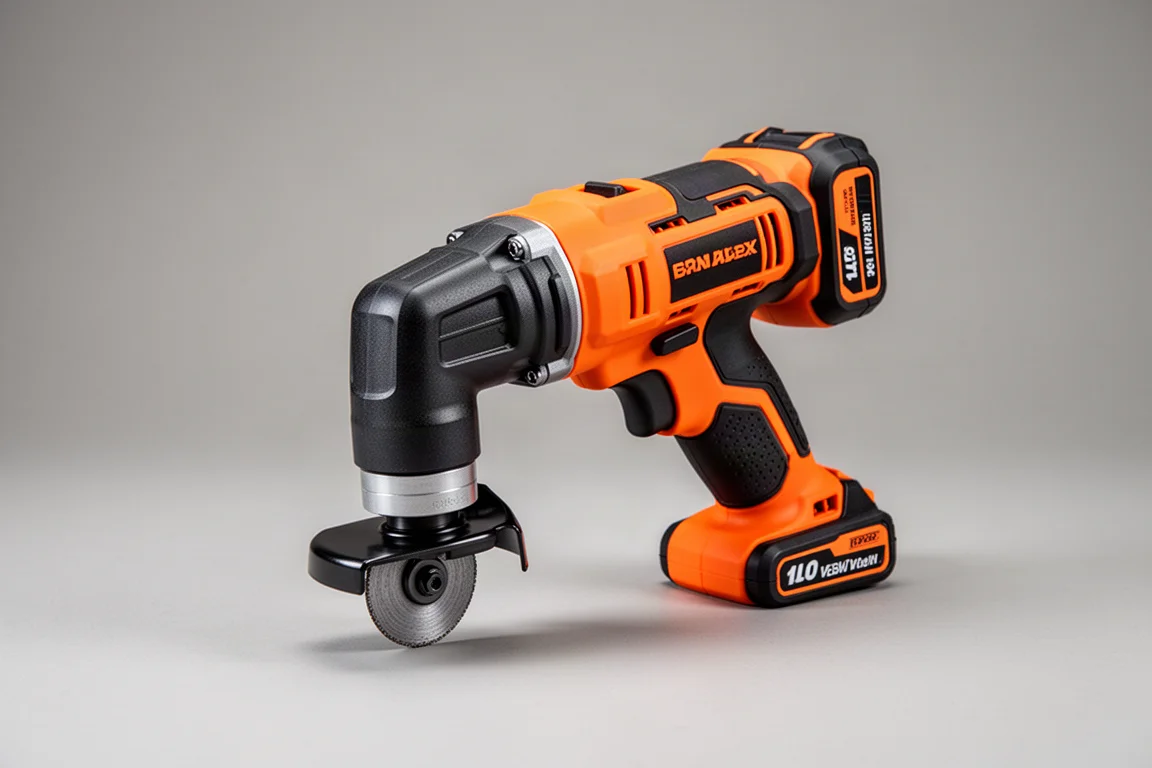
A very honorable mention. It sometimes sells for just $80 and remains miles ahead of Milwaukee in power until Milwaukee launches an M18 version or updates the M12. For occasional users, that price-to-performance ratio is hard to argue with.
Milwaukee M12 Cutoff Tool
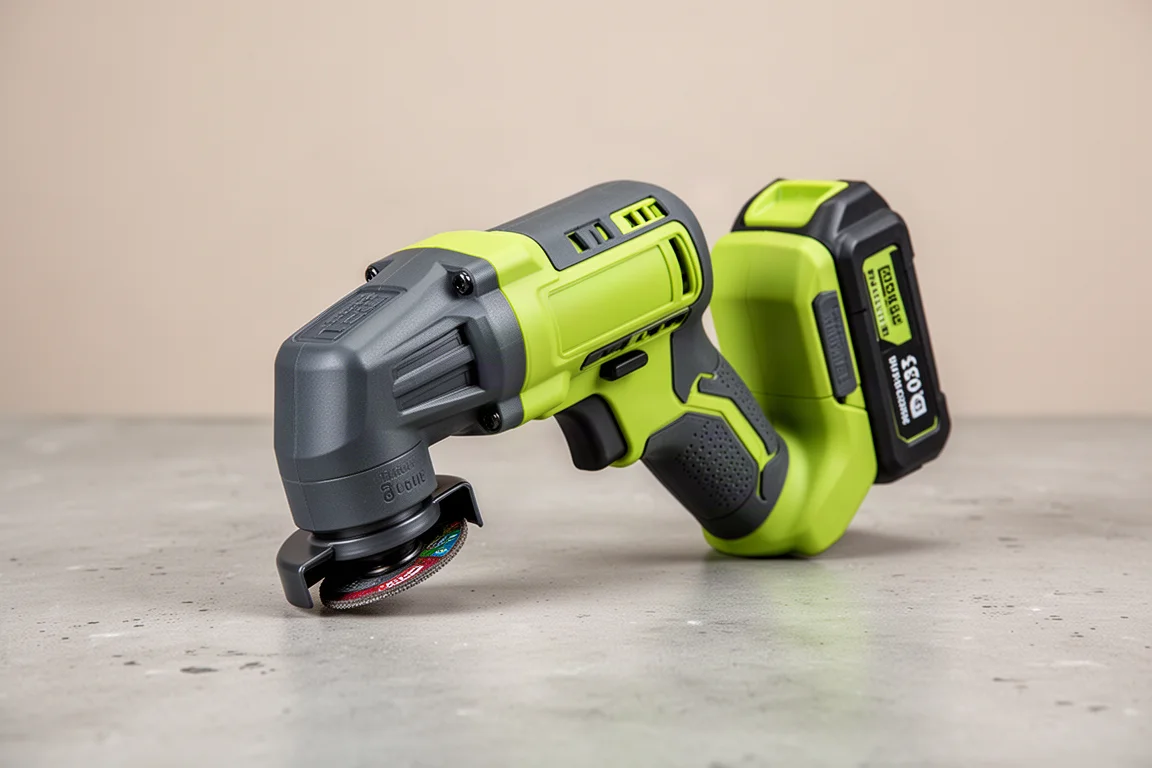
Milwaukee’s M12 cutoff tool trails the Ryobi in power in this comparison. It is a legitimate option if you are already invested in the M12 platform, but on raw cutting performance it sits behind the leaders here.
What Are 3-Inch Cutoff Tools Actually For?
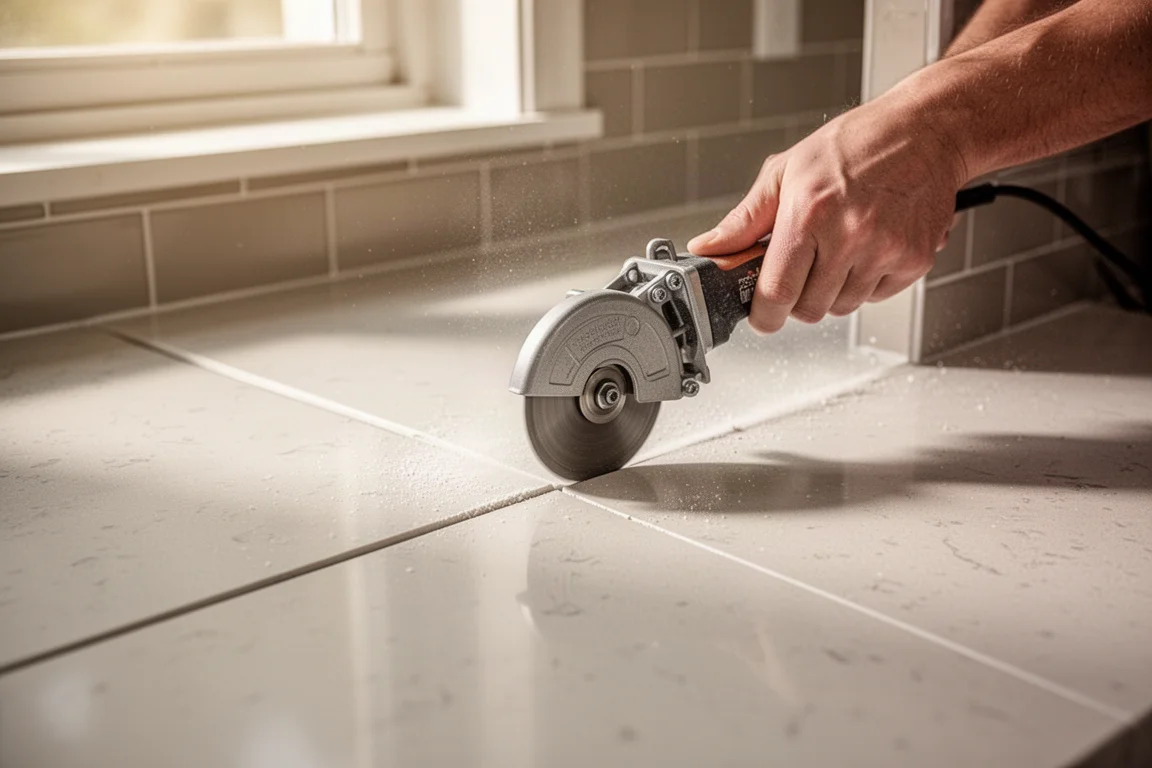
Practically everything around a shop. Die grinders got us used to the form factor, but these tools handle everything from sheet metal to bolts, even tailpipes. One DeWalt recently finished a cut on a quartz countertop, the last bit up against a tile backsplash that a large tile saw could not reach, then cut chicken wire on another project an hour later. Leave a battery on one of these and it will get used.
Budget Picks: Bauer and Works
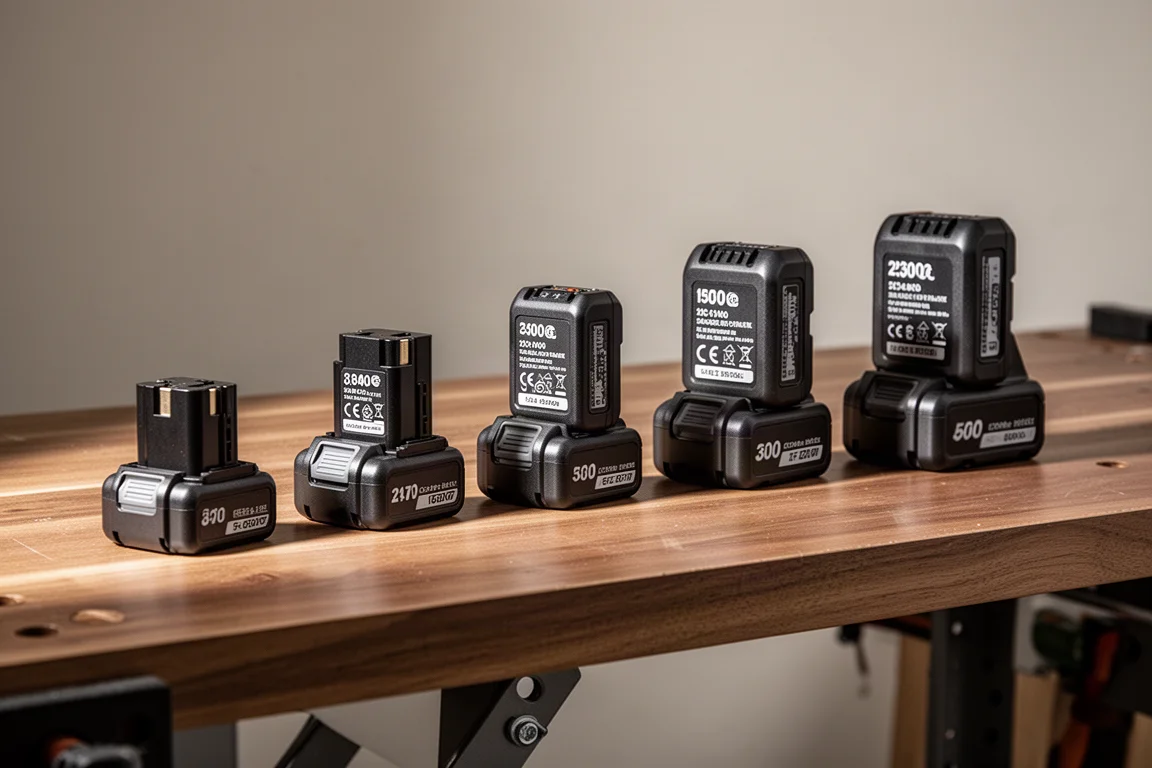
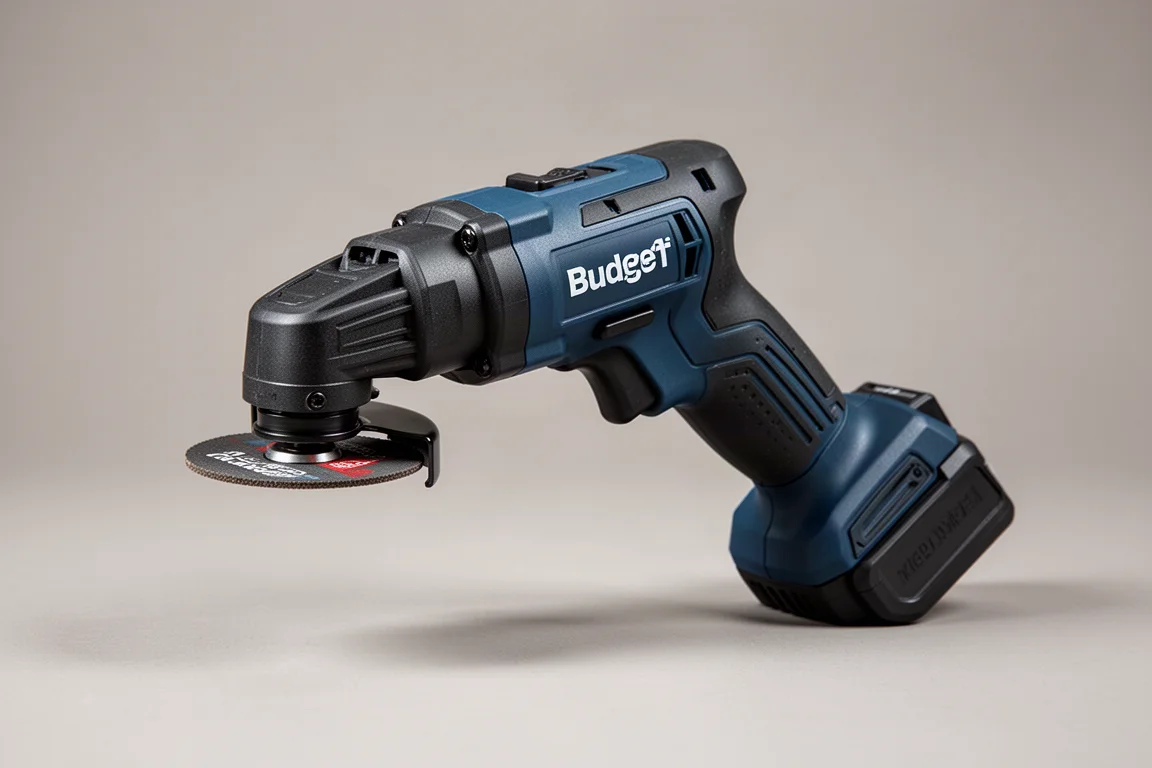
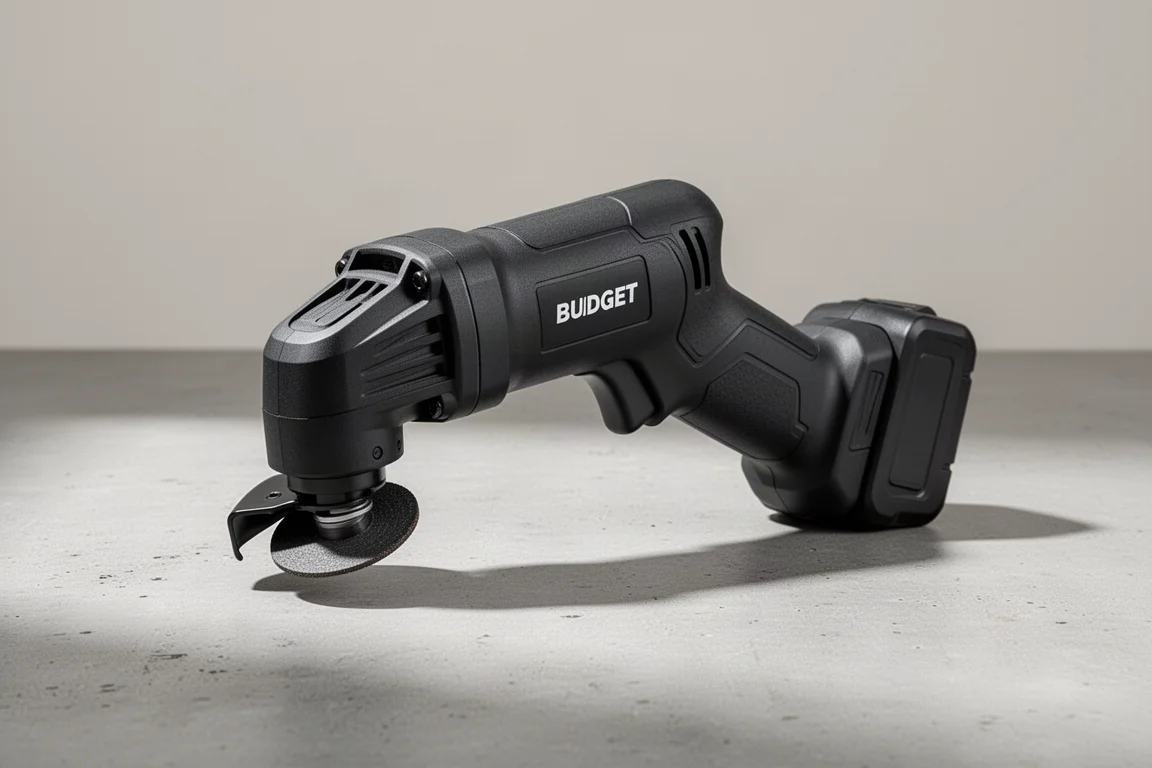
These tools are mostly a motor with a spindle, and they bog down when forced, so battery strategy matters. The Works brand tool cost $70 bare, or $80 with a 2Ah battery and charger, which sounds like a no-brainer until you meet the included charger: 0.4 amps at 20 volts, listed 12 watts max, which is painfully slow.
With its small battery, the Works cuts at about 12,900 to 13,000 rpm under load, better than the Bauer’s 11,400 rpm on its 1.5Ah pack. In kit form the Works peaks at 160 watts before cutting out, and with a 4Ah battery (which costs about as much as the tool itself, around $70 to $75) it gains to 14,000 rpm and 180 watts peak. But sustainable power tops out at 150 watts, around or under what the Bauer manages, and the Makita makes roughly twice the power. The Bauer sees a larger jump with a bigger battery, reaching 14,600 rpm. In the overall ranking the Works lands last, essentially a slightly more expensive Bauer, though as a kit for light steel wire cutting it can still make sense.
Best Buys Right Now
For the money, the Ridgid at around $100 is the standout value and our top recommendation. The DeWalt, often near $150, earns a second nod for unrelenting performance with larger batteries. The Makita XCM01Z is a good tool worth its $179 asking price for LXT loyalists. The Ryobi at around $80 is the bargain runner-up, while the Bauer and Works only make sense for very light, occasional use.
Conclusion
The new Makita XCM01Z is a strong brushless addition to the LXT line with top-three power, but the Ridgid offers the best balance of price and cutting performance, the DeWalt remains the heavyweight, and budget shoppers should approach the Bauer and Works with realistic expectations.
Further reading
Related Reviews
Power Tools
Best 1-Inch Pistol Impact Wrenches: Three Heavy-Duty Options Compared
We compare three 1-inch pistol impact wrenches, from a budget-friendly Harbor Freight model to a premium Caterpillar unit, to help you choose the right one.
Power Tools
Best 3/4-Inch Impact Wrenches 2026: Five Contenders Compared
We compare five 3/4-inch impact wrenches across price and performance, from a budget Amazon option to Snap-on's most powerful model yet.
Power Tools
Best Budget Cordless Tools 2026: Walmart Finds That Punch Above Their Price
We tested five cordless tools from Walmart, including a high-torque impact wrench that trades blows with Milwaukee and a $35 duster that outperforms its price class.