Power Tools
Best Corded 5-Inch Random Orbital Sanders: Budget to Premium Picks Compared
A price-sorted look at corded 5-inch random orbital sanders, from budget Amazon options up to the Festool, with what each one gets right and where it falls short.
Introduction
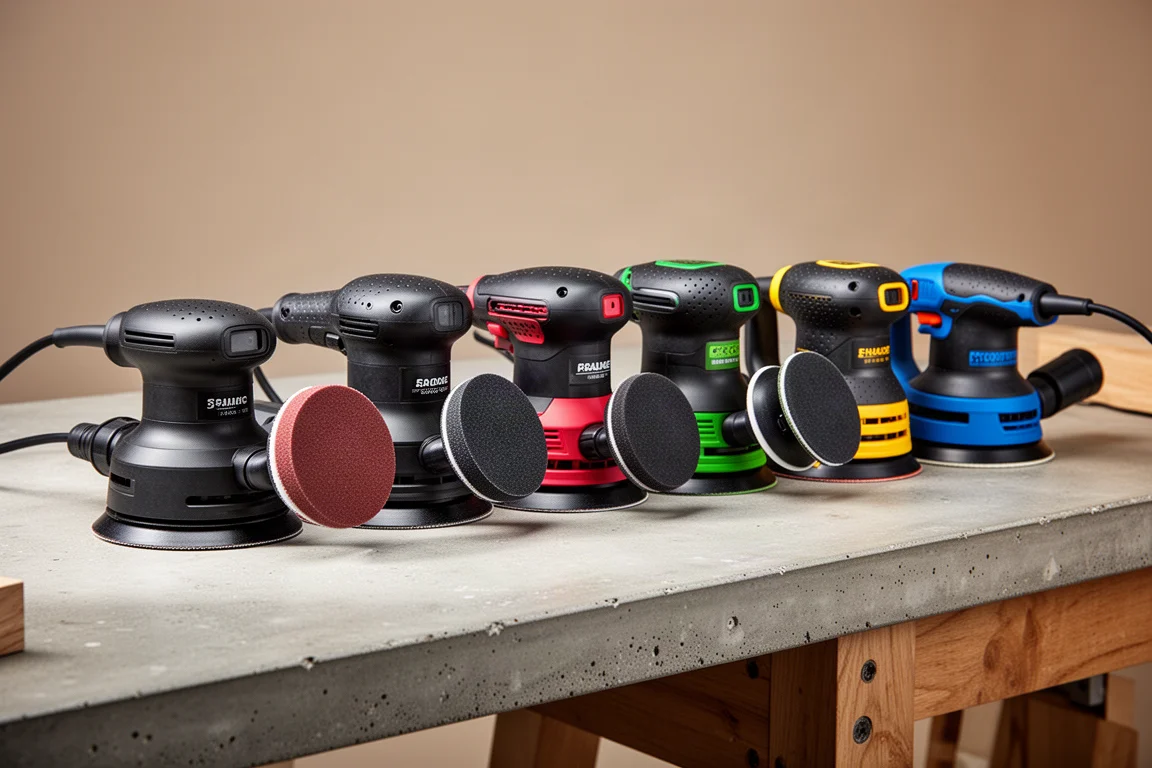
Sanding is one of those chores nobody looks forward to, but almost every project needs. The good news is that a decent random orbital sander does not have to cost a fortune, and even the premium options earn their keep if you use them often enough. This guide walks through corded 5-inch random orbital sanders sorted from budget to premium, covering what each one includes, how it handles dust, and who it actually makes sense for.
Why a 5-Inch Random Orbital Sander Belongs in Every Shop
There are plenty of sander types out there. Belt sanders remove large amounts of material but can get away from you. Sheet sanders handle medium removal, and detail sanders reach tight spots. But the 5-inch random orbital sander is the go-to for roughly 90 percent of shop applications, which is why it is considered the workhorse most other tools orbit around.
Corded electric models are the focus here, and variable speed is worth understanding. The speed dial lets you match the sander to the task, and while many people never touch it, having the option for the few times you need it beats being stuck without it. Non-variable versions typically run 5 to 10 dollars cheaper, but the upgrade is usually worth it.
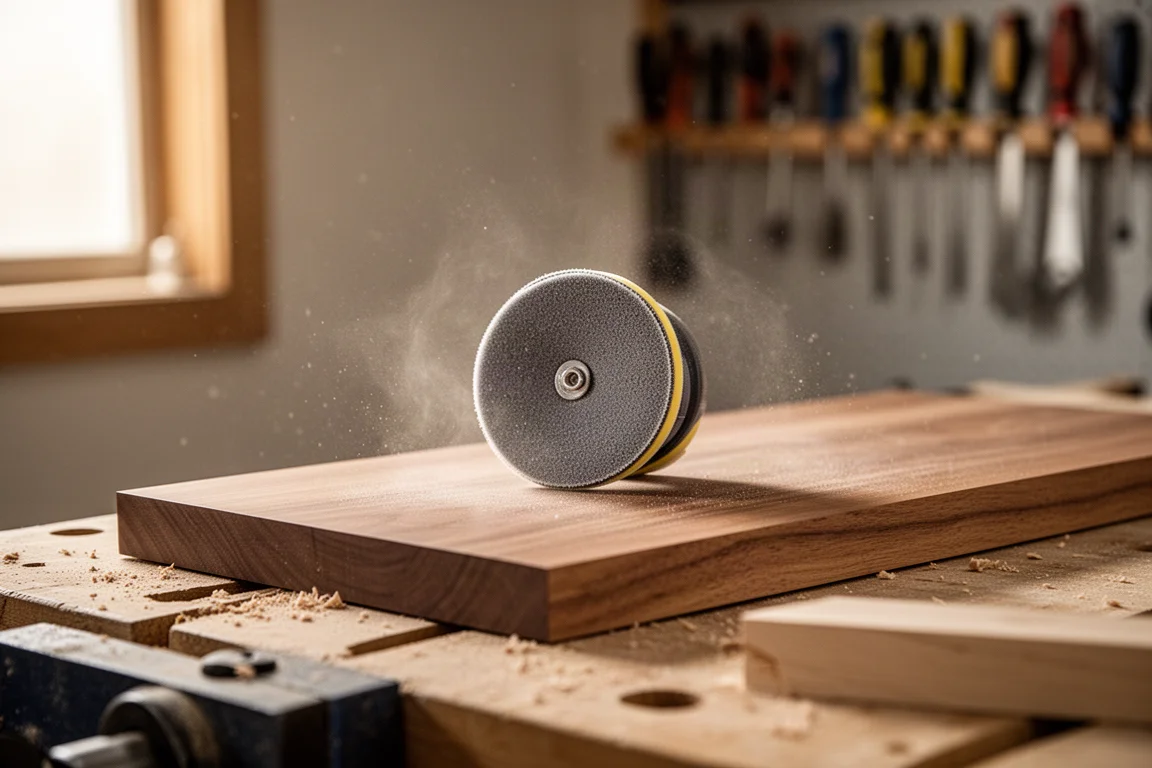
One technique note that applies to every sander on this list: do not push down for more aggressive sanding. Use a coarser grit paper instead, keep a light grip to control the tool, and let the machine do the work.
HiChica 5-Inch Random Orbital Sander
The HiChica is a 2.5 amp variable speed sander with six speeds up to 13,000 rpm, listed at 32.99 with a clicky coupon that brings it down to around 30. It is a fairly basic design with a cloth dust bag on the back, which is really only suited for outdoor use or situations where you cannot hook up to a vacuum.
Feedback from owners describes it as a good basic DIY-level tool, and that is the right way to think about it. If you buy one, plan on attaching a hose to a shop vac with a HEPA filter, because sanding dust is the worst kind of dust for you.
Skil 5-Inch Variable Speed Random Orbital Sander
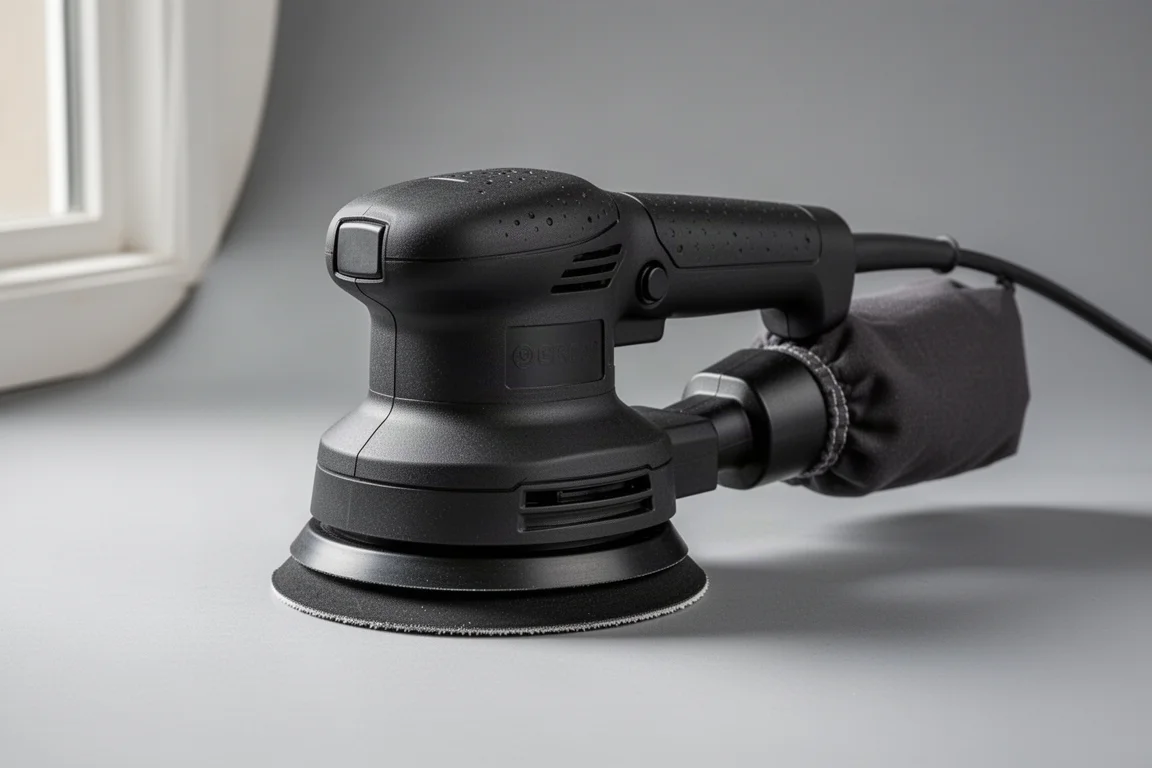
Over at Lowe’s, the Skil version of a random orbit sander comes in at 39.99, which is a solid deal for a well-known brand. It includes a canister on the back, and canister-style dust collection generally works better than cloth bags, which tend to let dust push right through when they fill up.
Skil has been picking up a lot of fans lately, and this sander with variable speed control at that price is easy to recommend as a step up from the generic options without spending big-brand money.
DeWalt Variable Speed 5-Inch Random Orbital Sander
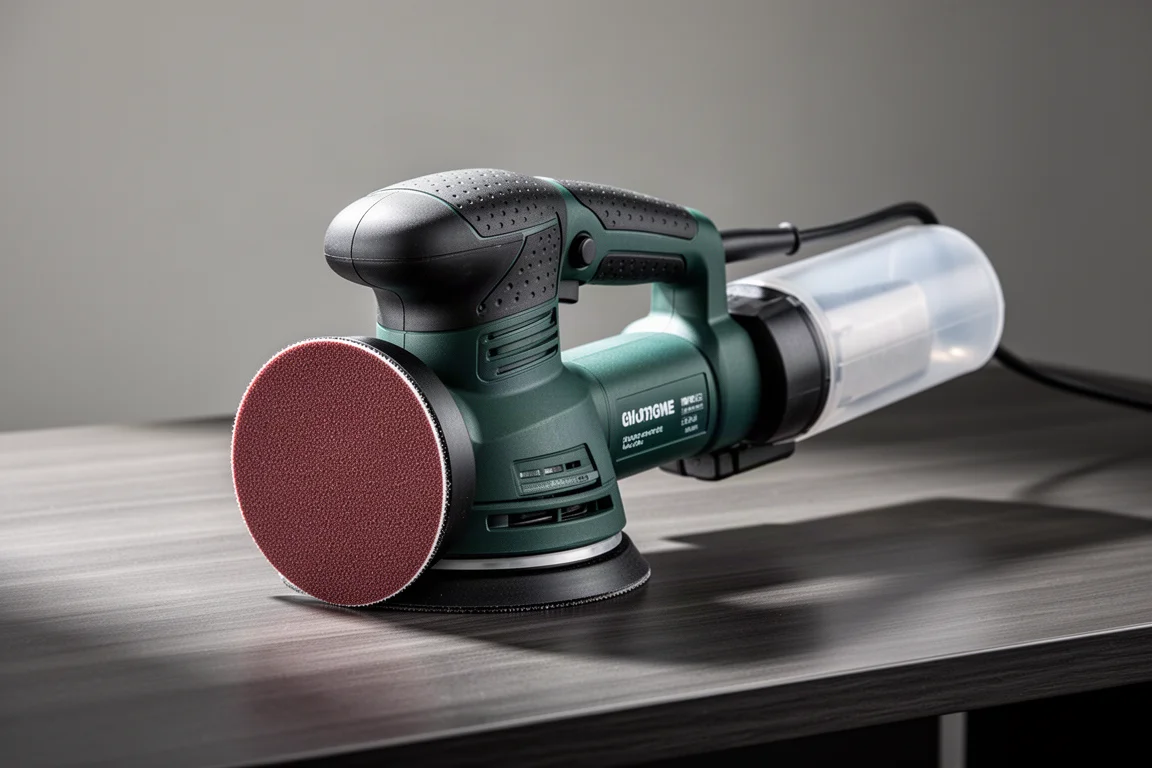
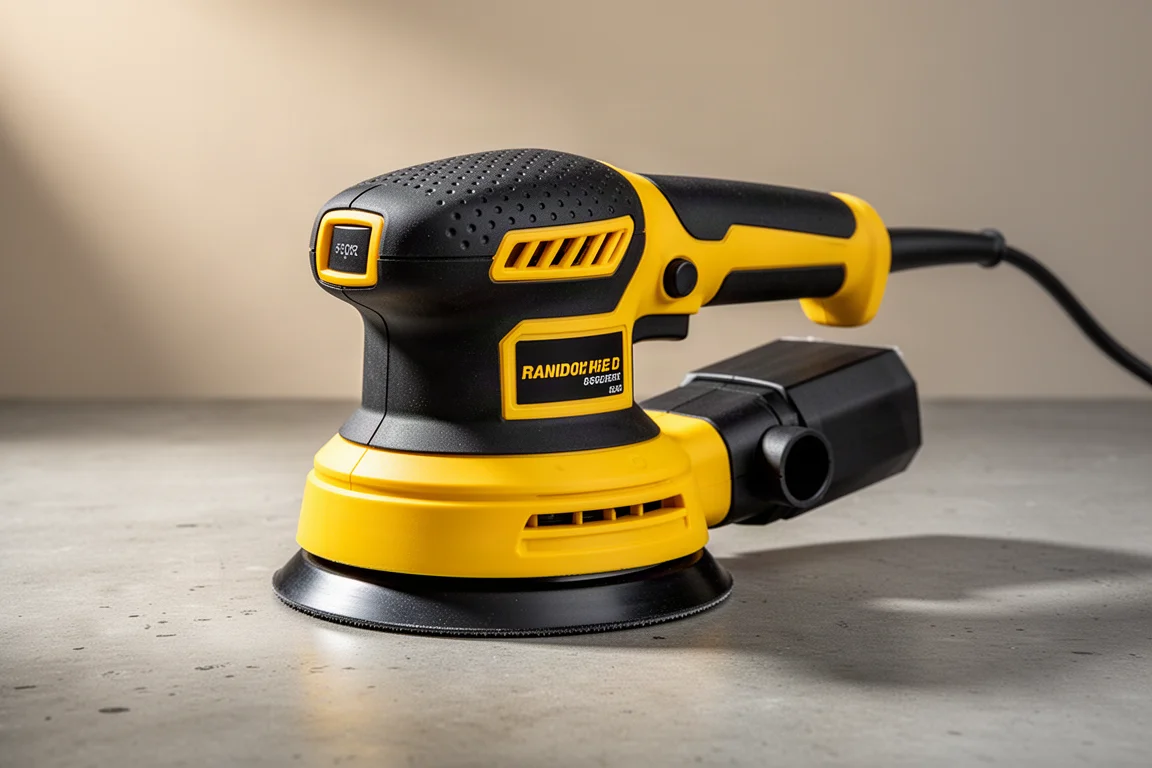
The DeWalt variable speed 5-inch sander is the professional-brand pick in the mid-tier. The non-variable version runs about ten dollars less, which puts the price difference into perspective. It performed as a decent sander, nothing flashy, but solid.
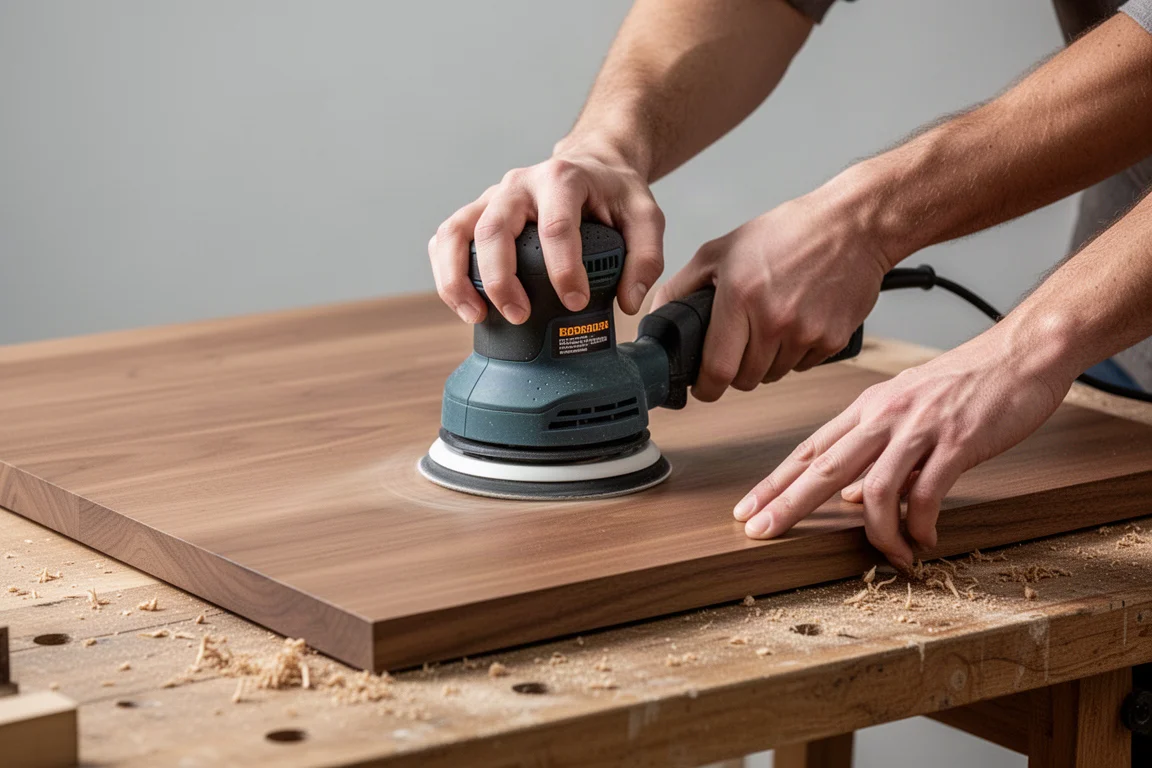
One honest point: longevity is not exclusive to premium badges. An old Black and Decker sander, essentially the same company wearing different colors, has lasted for years and is still going strong. DeWalt will last too, but you are partly paying for the professional positioning.
Makita Dual-Grip Random Orbital Sander
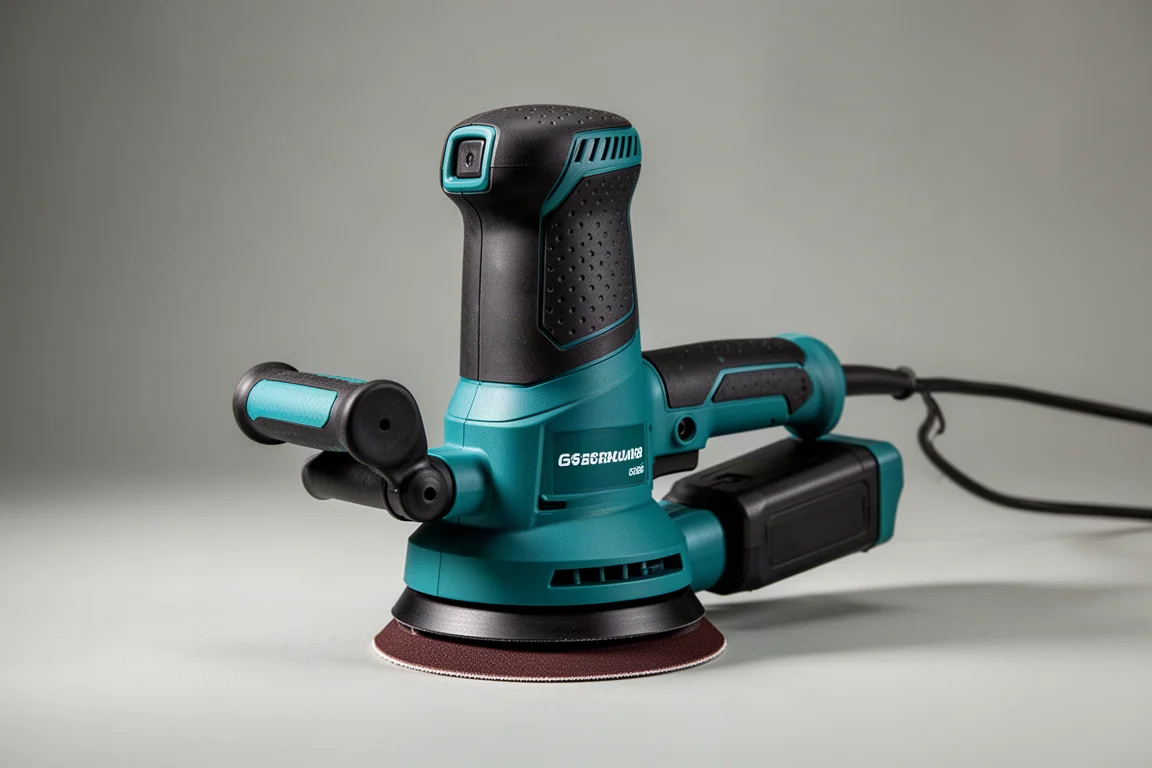
The Makita dual-grip sander is the first of the high-end double-grip designs on this list, and Makita has a strong reputation for sanders. At 89 it sits at a reasonable price point for that tier.
It comes with a dust bag, which again is fine only until you can hook it up to a dust collection system. The dual-grip layout is the real appeal here, giving you solid two-handed control over the pad.
Bosch Dual-Grip D-Handle Random Orbital Sander
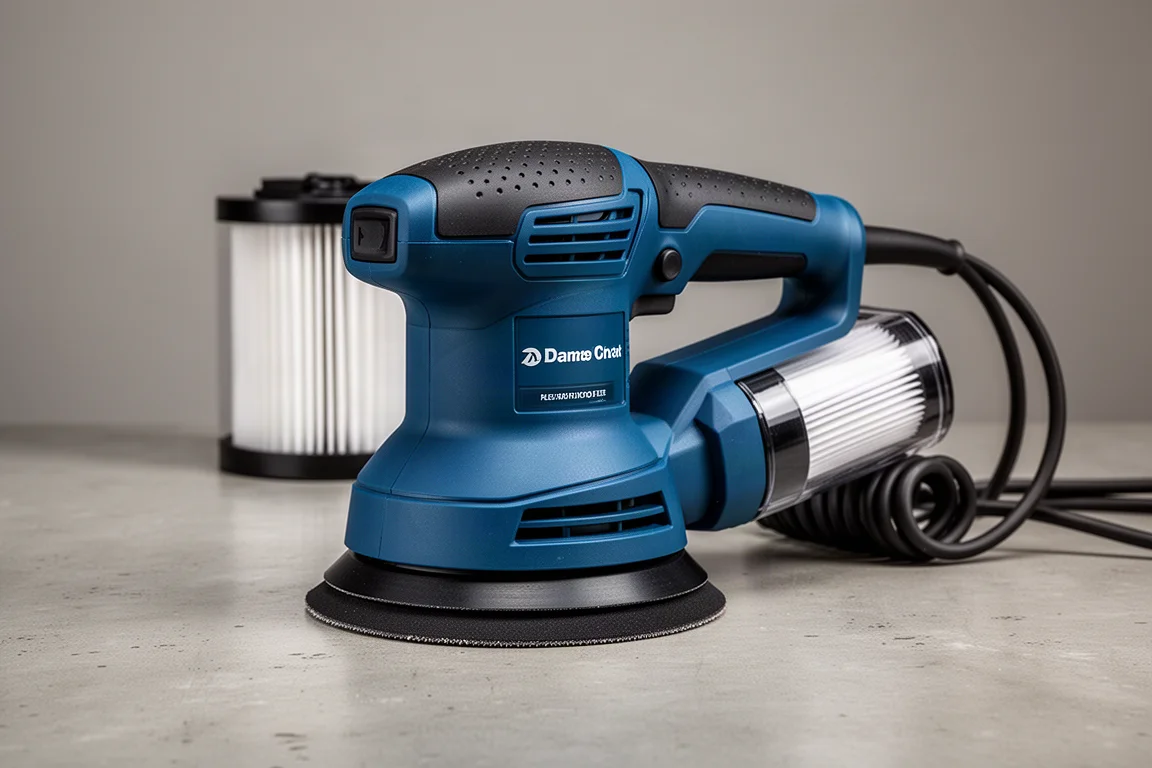
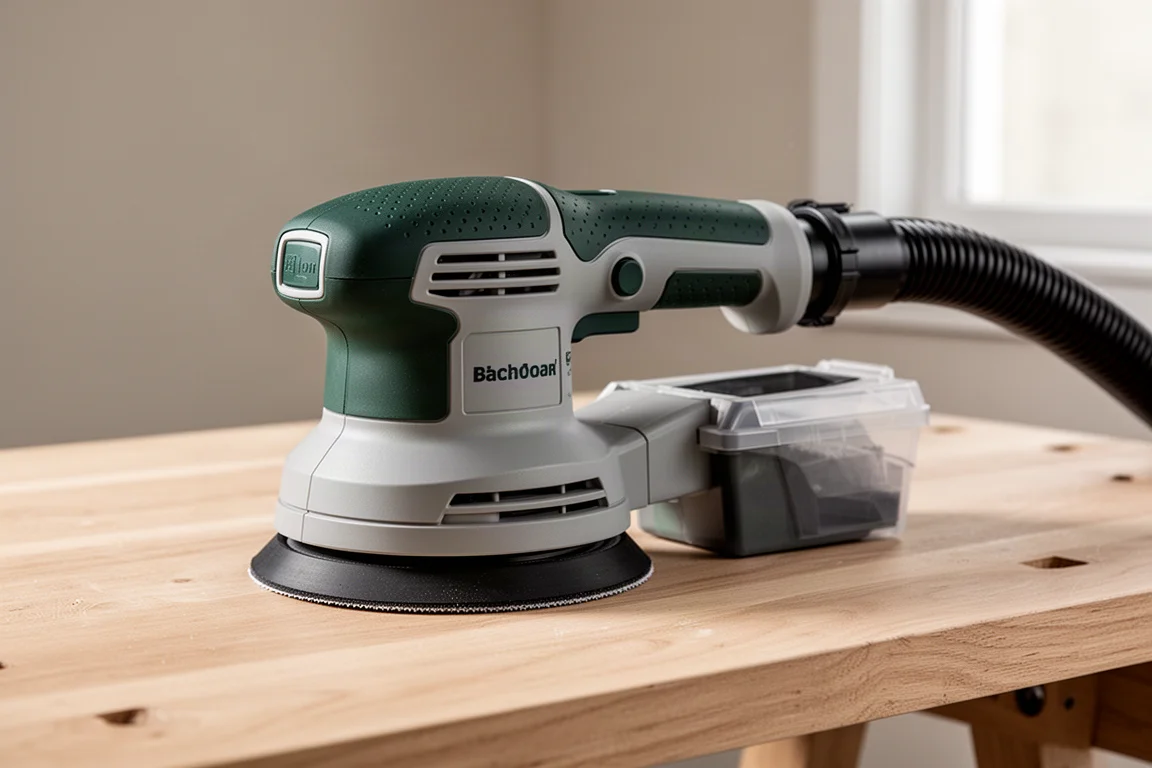
Bosch arguably started the whole canister-on-the-back dust collection approach, and the dual-grip D-handle version on Amazon is a clear step up in refinement at 139.55. It uses a micro filter dust system with an actual filter in the canister, and the large surface area gives you real airflow, which is what dust collection needs.
It also offers variable speed, an integrated pad, and aluminum gear housing. Most specs across this category are nearly identical, with top speeds rarely exceeding 13,000 rpm, so it is the ergonomics, dust system, and build details that set this one apart.
Festool Random Orbital Sander
The Festool is the big boy of the category at 525, and it genuinely is a fantastic sander. It is designed to be used with a dust extraction system, plugging in at the same time, and it comes with attachments and a dust box as part of a well-integrated system.
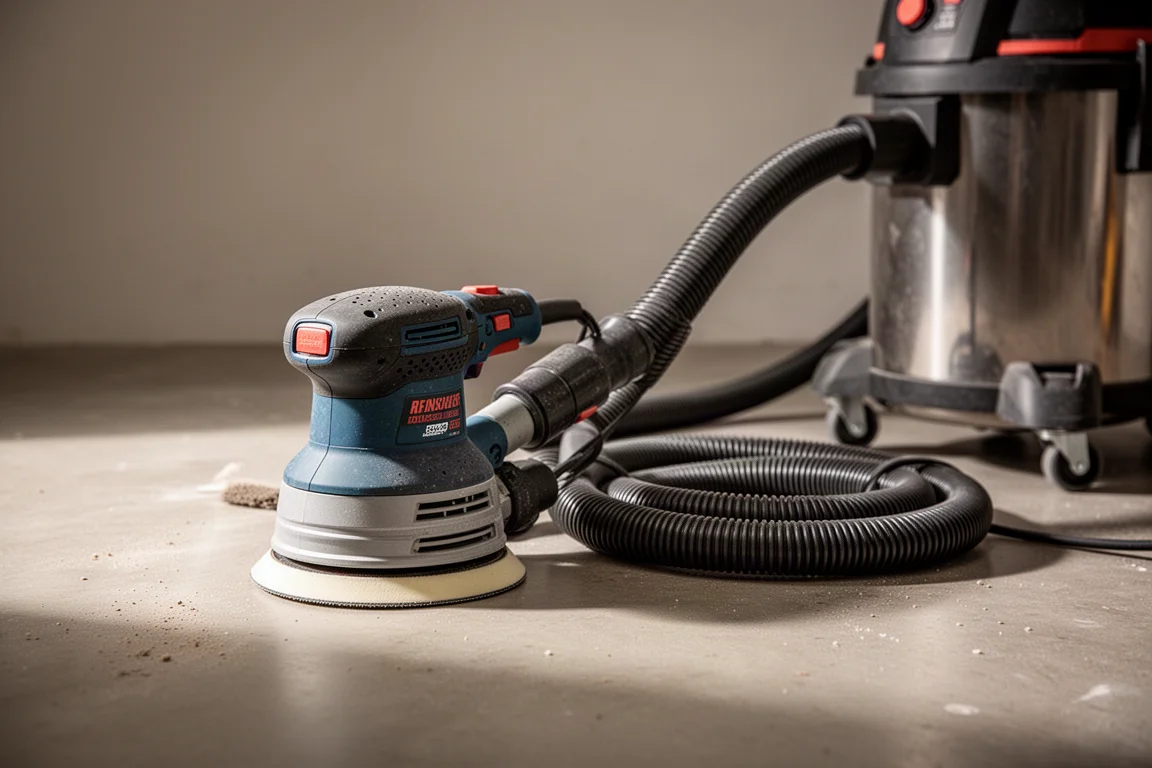
Whether it is worth it depends entirely on what you do. For cabinetmaking and fine woodworking where the tool earns money, it absolutely makes sense. For the average DIY homeowner, it is very hard to justify, however pleasant it is to use.
Overall Buying Advice
Most specs in this category are dead even, so shop with three things in mind: ergonomics, dust collection, and price. Skip cloth bags whenever you can, plan to connect your sander to a shop vac with a HEPA filter, and pay the small premium for variable speed if your budget allows. Budget buyers can start around 30 to 40 dollars, mid-range buyers get better dust handling and dual-grip control in the 60 to 90 dollar range, and professionals doing finish work have strong reasons to look at Bosch and Festool.
Conclusion
The right sander depends on how often you sand and what you sand. Occasional DIYers will be well served by the budget and mid-tier options, while woodworkers who live in the shop will appreciate the refined dust systems and dual-grip ergonomics of the premium picks. Either way, having a decent sander makes one of the least glamorous shop chores a whole lot easier.
Further reading
Related Reviews
Power Tools
Best 1-Inch Pistol Impact Wrenches: Three Heavy-Duty Options Compared
We compare three 1-inch pistol impact wrenches, from a budget-friendly Harbor Freight model to a premium Caterpillar unit, to help you choose the right one.
Power Tools
Best 3/4-Inch Impact Wrenches 2026: Five Contenders Compared
We compare five 3/4-inch impact wrenches across price and performance, from a budget Amazon option to Snap-on's most powerful model yet.
Power Tools
Best Budget Cordless Tools 2026: Walmart Finds That Punch Above Their Price
We tested five cordless tools from Walmart, including a high-torque impact wrench that trades blows with Milwaukee and a $35 duster that outperforms its price class.