Power Tools
Best Corded 4-1/2 Inch Angle Grinders: 11 Models Tested Head to Head
Eleven corded 4-1/2 inch angle grinders tested on cutting speed, startup torque, vibration, wheel stop time, and switch ergonomics, from a $15 Warrior to a 13-amp Makita.
Introduction
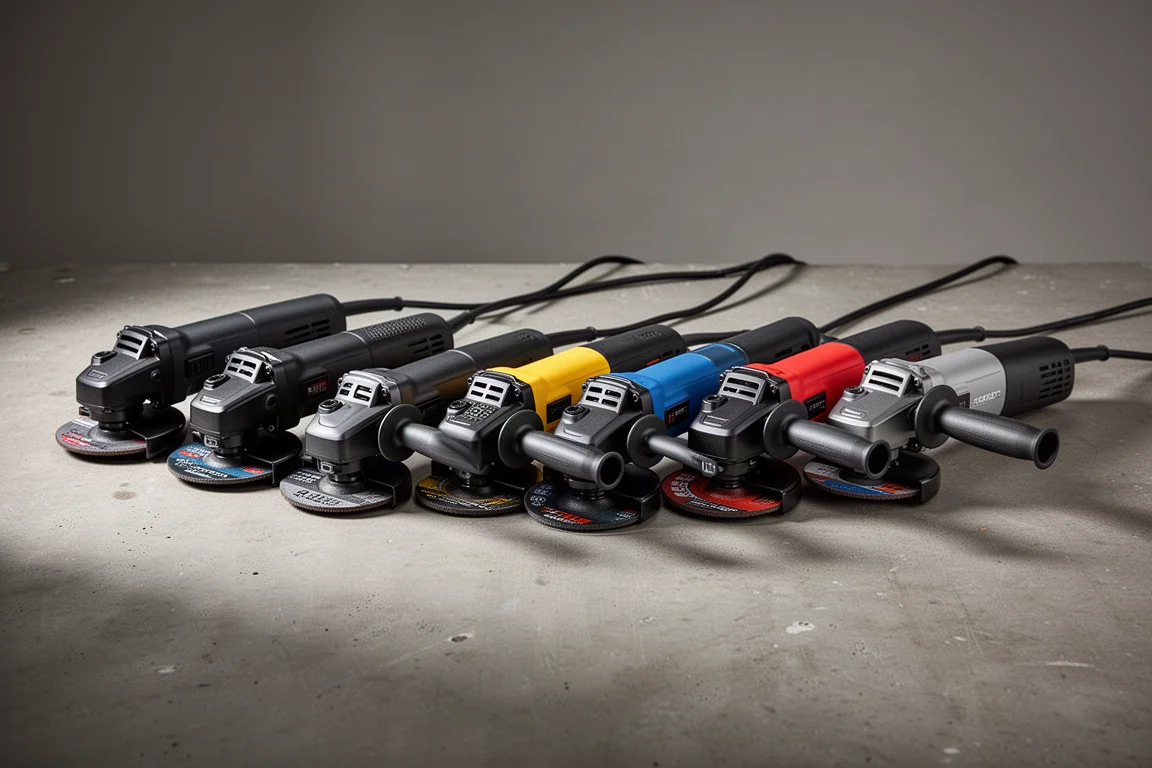
Cordless angle grinders are convenient, but bigger jobs chew through batteries quickly. A corded 4-1/2 inch grinder still offers the best combination of sustained power and price. To find out which one deserves a spot on your bench, eleven corded models were tested across cutting speed, tool reaction torque, vibration, wheel stop time, and switch ergonomics, with prices ranging from $15 to well over $100.
How the Grinders Were Tested
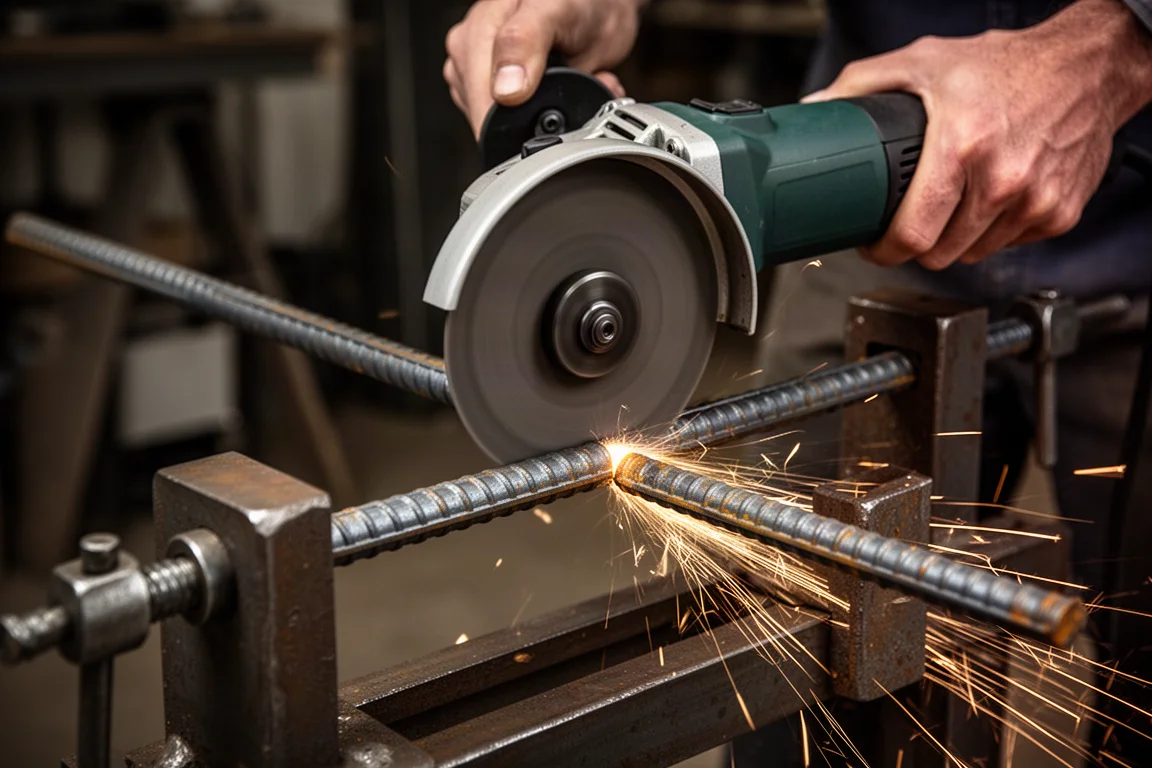
Each grinder faced the same battery of tests. First, cutting speed: how quickly each tool could slice through 1/2 inch rebar with a 4-1/2 inch by 0.045 inch cut-off wheel and a consistent 10 lb of applied force, using a fresh wheel for every tool. Next, tool reaction torque on startup, which reveals how much the tool twists when powered up. Finally, a maximum torque test with a 1/4 inch grinding wheel under 20 lb of force to see which tools could hold up under load. Noise, wheel stop times, and switch activation force were measured as well.
Budget and Value Picks
At only $15, the Harbor Freight Warrior is the least expensive grinder in this comparison, and it punches above its price. It has an all ball bearing motor for smooth running and long life, a cast aluminum gear box with a durable plastic body, a two-position side handle, and a 4.3-amp motor rated up to 12,000 RPM. Measured no-load speed came in at 10,500 RPM, and noise was a loud 88.7 dB. It finished the rebar cut in 14 seconds, losing notable RPM under load but never stalling. Its measured weight is 3 lb 3.2 oz, and its slide switch took a heavy 10.3 lb of force to activate.
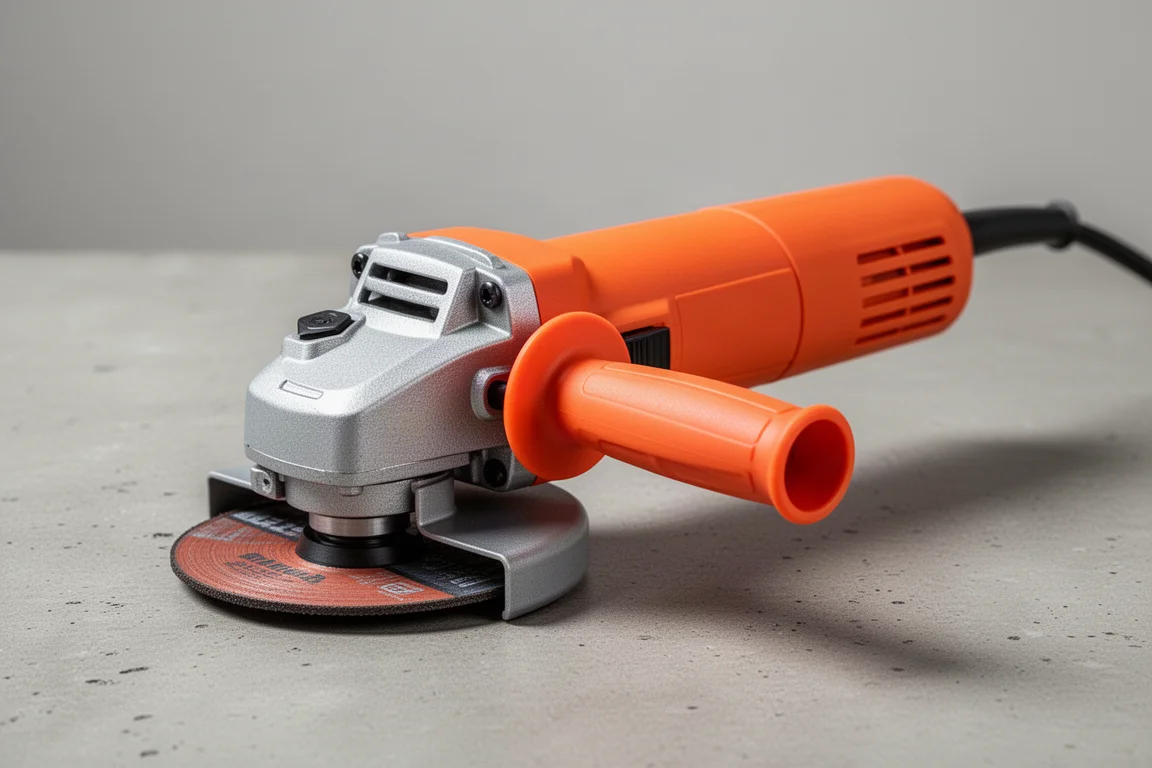
At $27, the Wen costs nearly twice as much as the Warrior and uses the difference well. Its 7-amp motor is a big advantage, generating up to 11,000 RPM (10,390 measured). It includes a lock-on switch and an arbor adapter that accepts both 5/8 and 7/8 inch arbor grinding wheels. It cut the rebar in 10.7 seconds, over 3 seconds faster than the Warrior, though the motor still audibly bogged down under load. It weighs 4 lb 4.5 oz, ran at 90.4 dB, and its switch needed only 5.8 lb of force, easily usable with one hand.
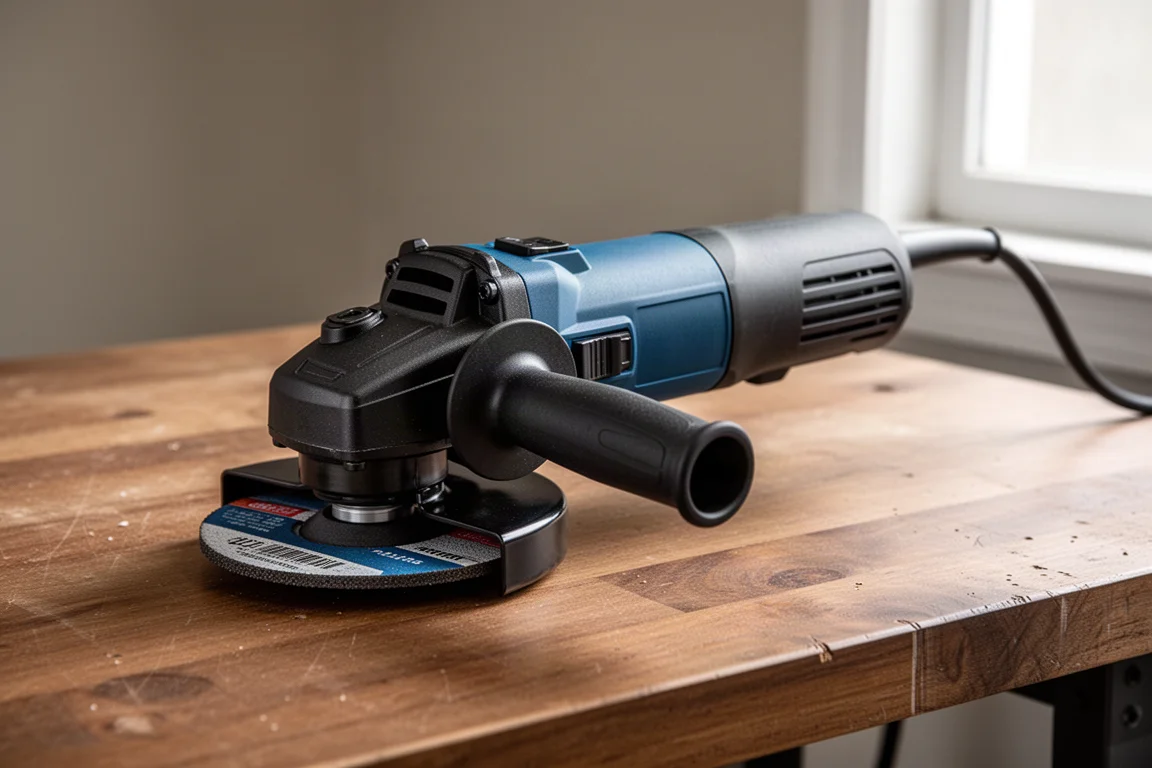
The Black and Decker costs $29, just $2 more than the Wen, but swaps a 6-amp motor into the deal. What it gives back is usability: a lever-adjustable blade guard instead of a screw, a thumb carve-out in the switch that makes activation easy even with sweaty or dirty hands, a three-position side handle, and a light 3 lb 8.5 oz body. It actually spun faster than advertised at 10,182 RPM and maintained blade speed well, cutting the rebar in just 6 seconds. The downside is noise: it was the loudest of the group at 98.7 dB.
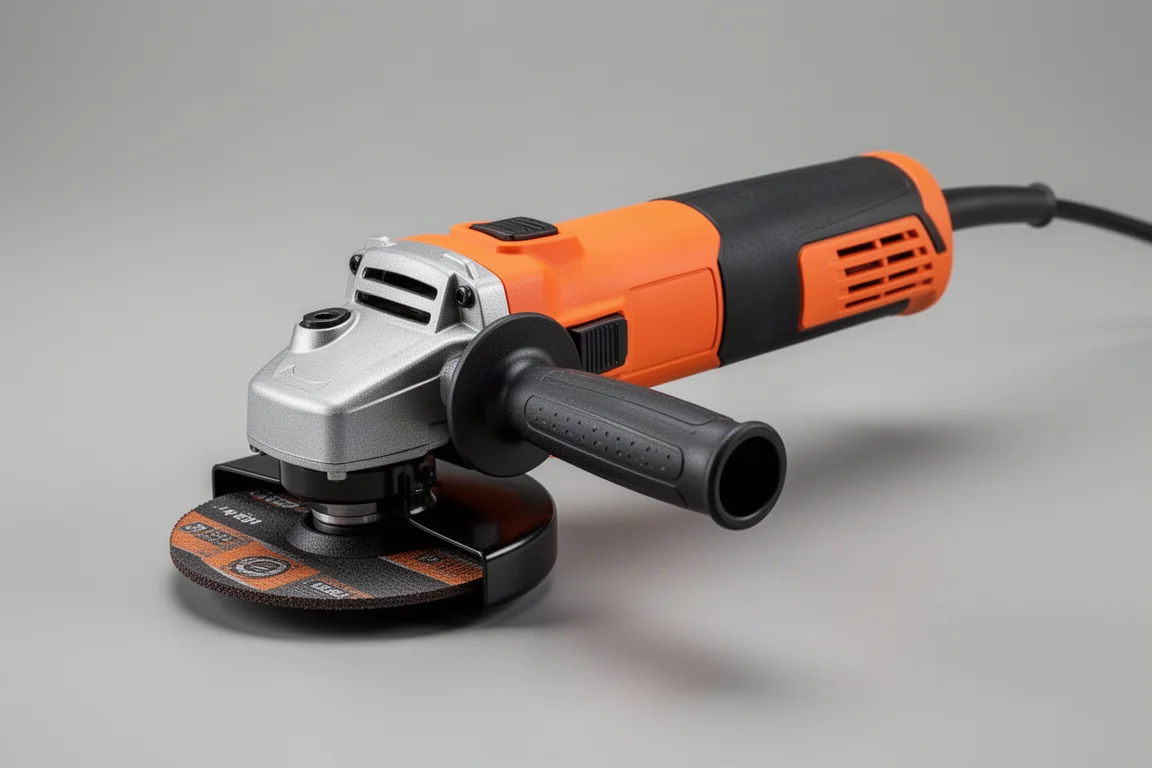
At $33, the Porter Cable brings soft start for smooth startup, tool-free guard changes, a three-position side handle, a 6-amp motor, and a 12,000 RPM rating. It measured 10,504 RPM, weighed 3 lb 10 oz, and held blade speed well, taking the cutting lead at 5.1 seconds. Noise was the highest in the group at 99.7 dB, and its switch, while only needing 6.5 lb of force, has little bump-out to grip. Vibration measured just over 100 m/s squared, among the best in the lineup.
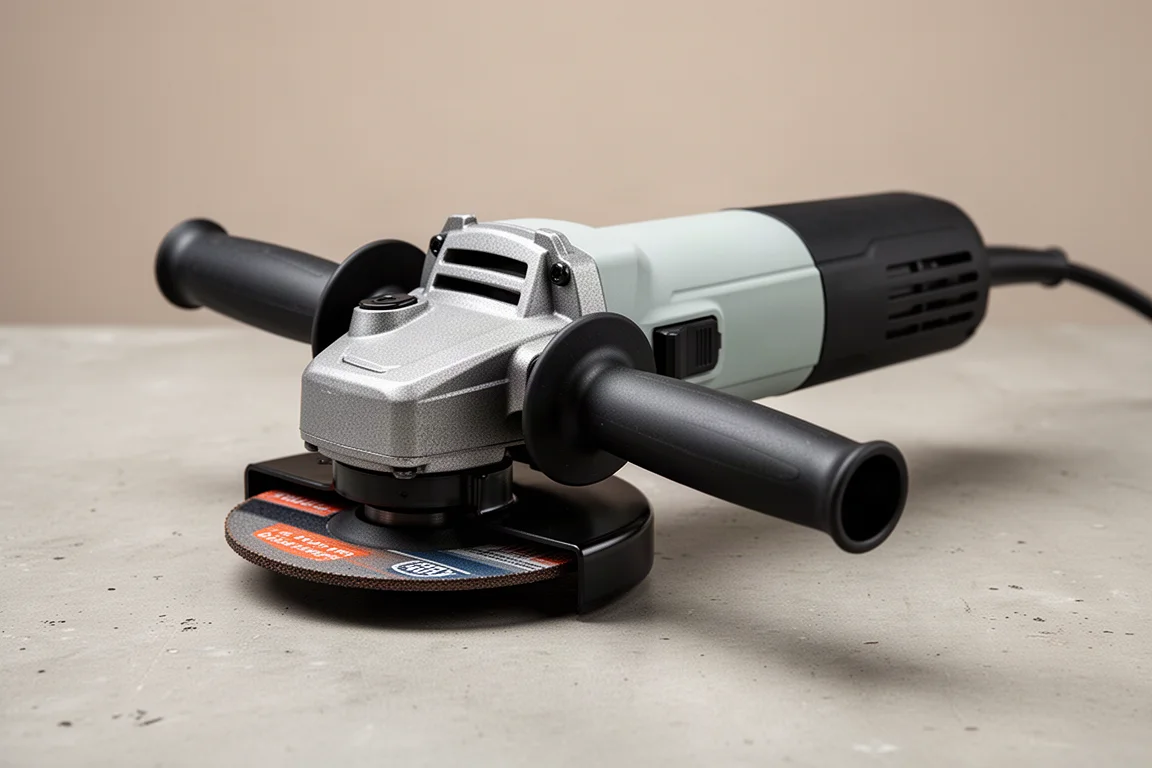
Mid-Priced Workhorses
At $60, the Ridgid is the standout value of this test. It includes a lifetime warranty, a ramp slide switch, and a slim body design. Its 8-amp motor is rated at 11,000 RPM but measured even faster at 12,065 RPM, and it shredded the rebar in 3.8 seconds, second fastest of all eleven tools. It also handled the 20 lb maximum torque test in 10.4 seconds, again second overall. The trade-offs: it is heavy at just over 5 lb, loud at 98.2 dB, vibrates at 175 m/s squared, and has by far the highest startup torque at 9 in lb, so a secure two-handed grip is a must.
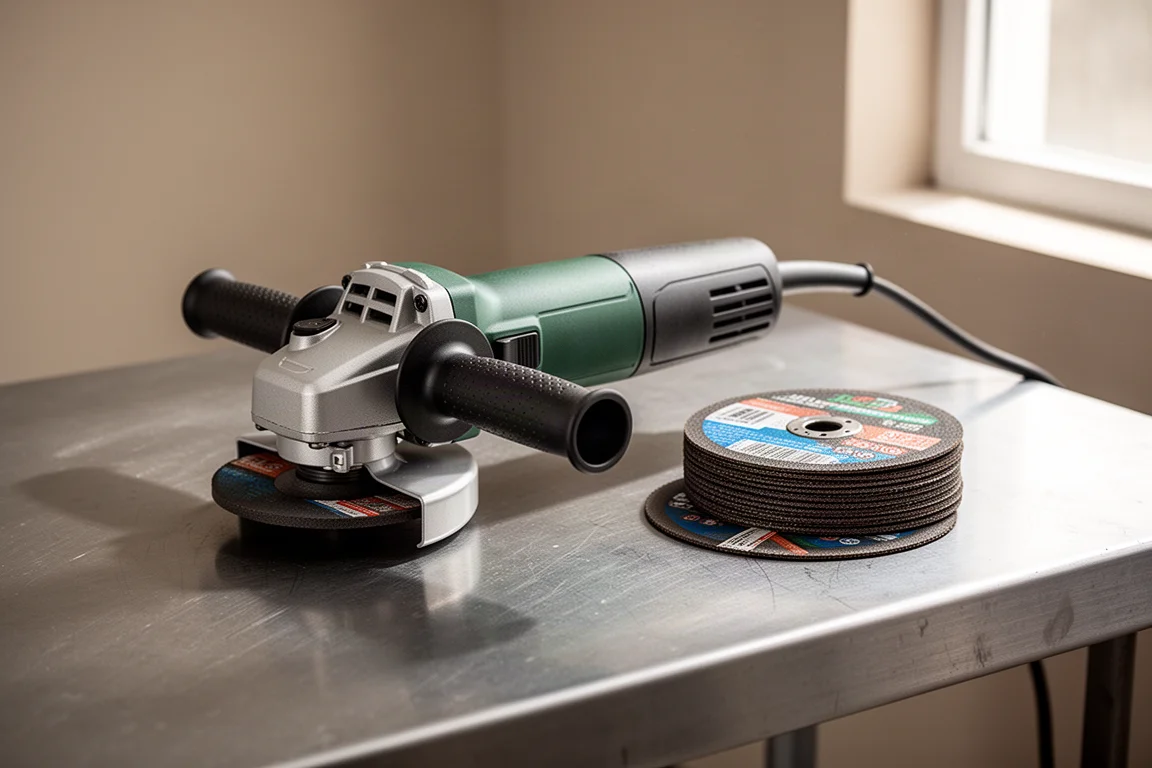
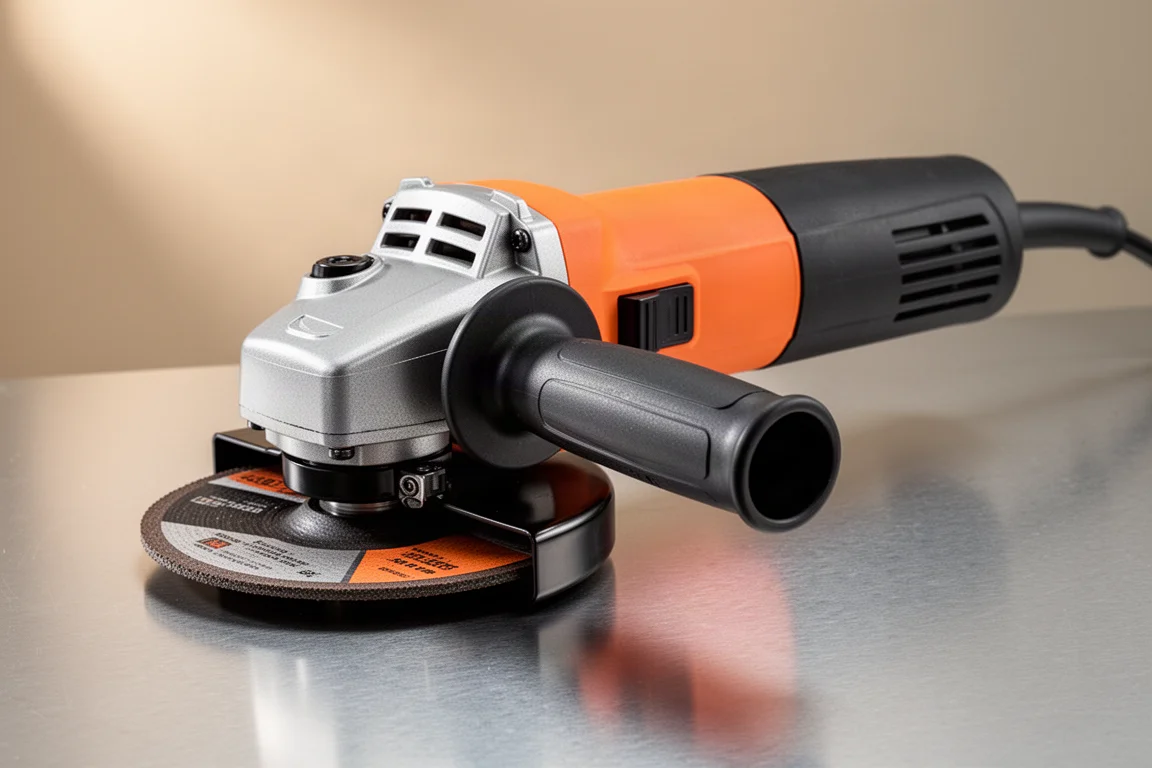
The Ryobi also costs $60 and emphasizes comfort over brute force. Its 7.5-amp motor measured 11,139 RPM, and it is lighter than the Ridgid at 4 lb 12.9 oz. It ran a quiet 88.9 dB and recorded by far the lowest vibration at around 12 m/s squared, the smoothest tool of the entire test. Its startup torque was so low it could not even be measured. On the downside, it bogged down noticeably during the rebar cut, finishing in 6.7 seconds, and it failed the maximum torque test badly: the motor glowed red and the brushes gave out after about 2 seconds under 20 lb. The Ryobi also earned the best subjective ergonomics rating in the group.
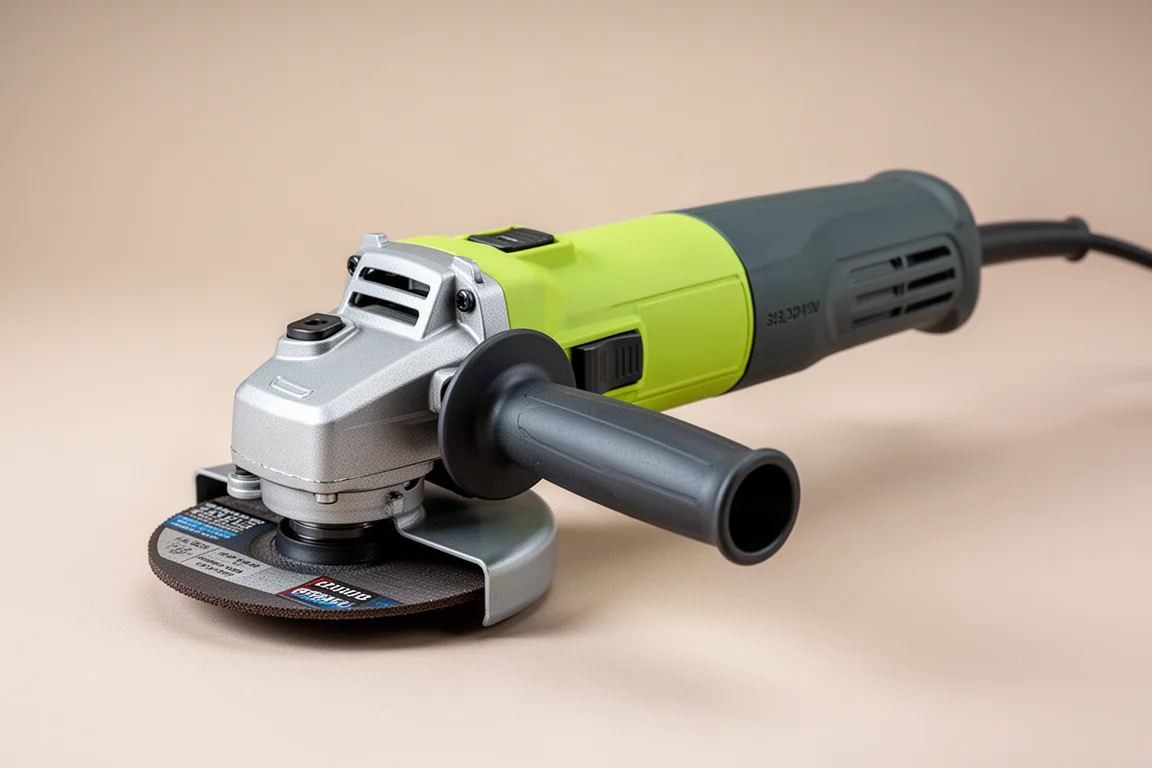
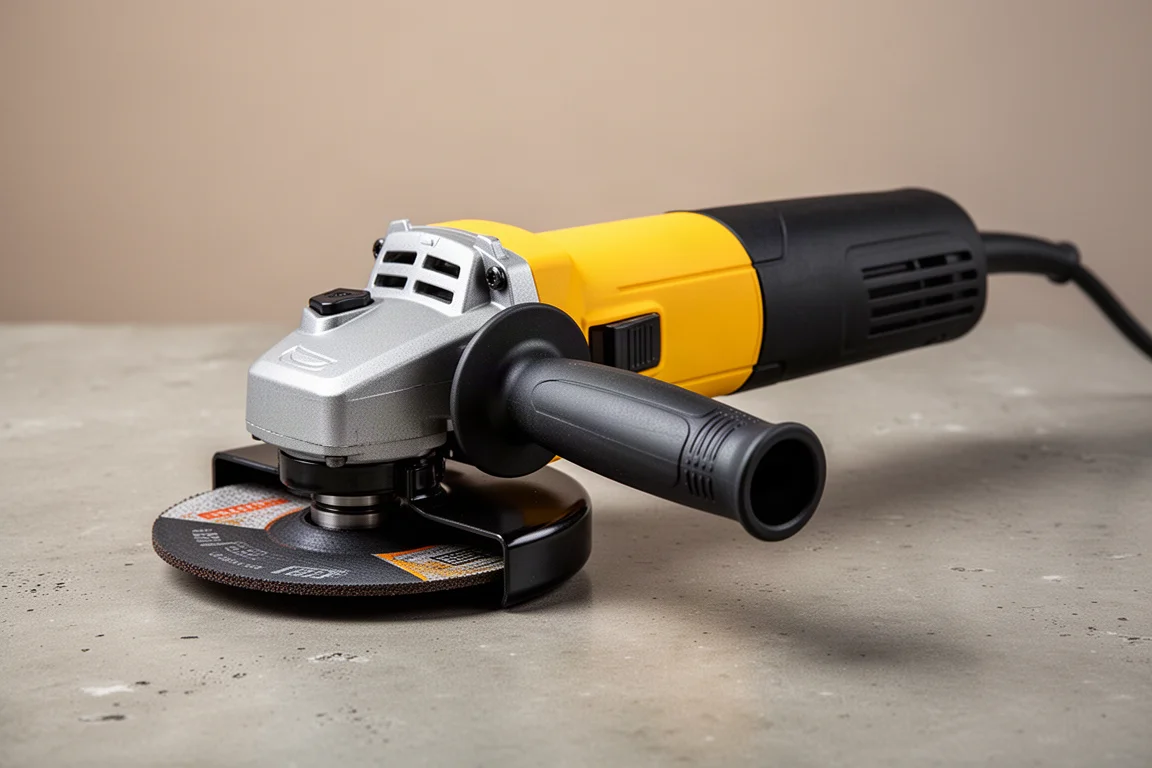
The DeWalt, at $92, steps up to an 11-amp motor rated at 11,000 RPM. It offers two handle positions, tool-free guard adjustment, and an Allen key for blade changes. It measured 10,334 RPM, weighs 5 lb 4 oz, and runs loud at 99 dB. Its switch takes the least force of any slide switch at 4.8 lb, with a helpful carve-out. On the cut it lost some blade speed but still finished in 4.3 seconds, second behind the Ridgid at that stage, and handled the 20 lb grinding test in 14.4 seconds. Vibration is its weak point: 271 m/s squared, the highest measured.
Premium Picks
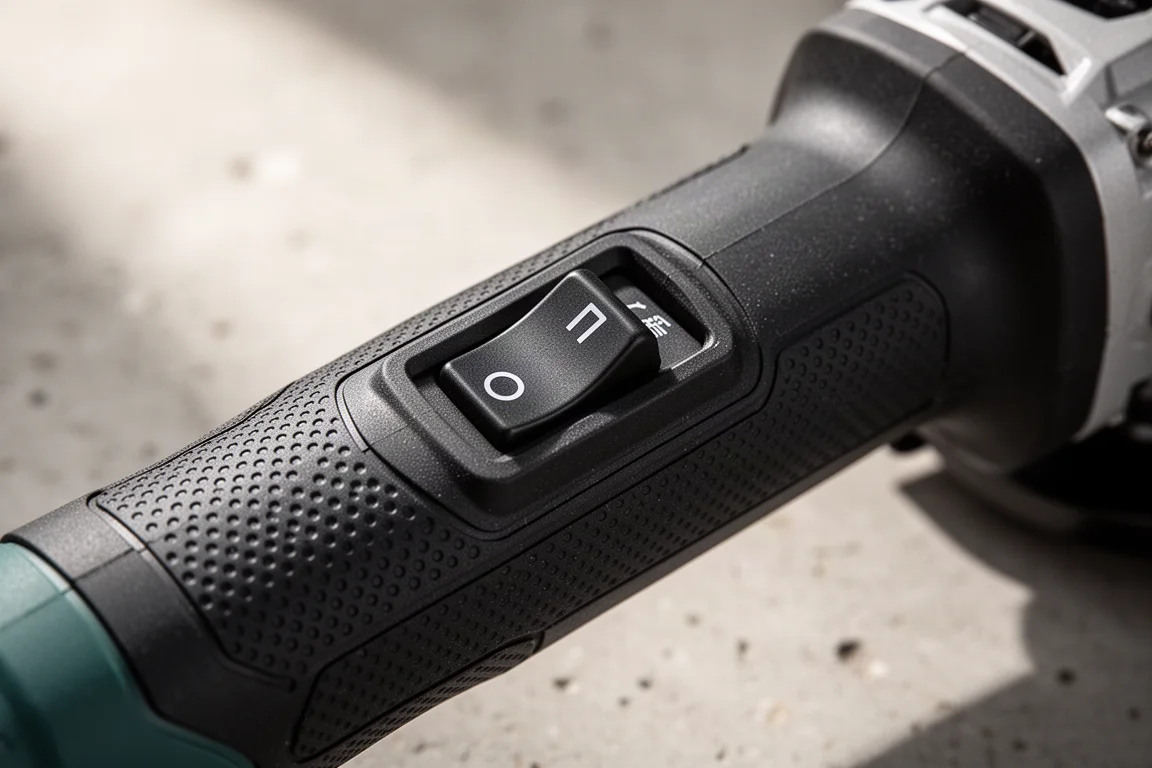
At $123, the Metabo stands apart with a paddle switch instead of a slide switch and includes an automatic mechanical safety clutch. Guard angle changes are tool-free, the motor is 11 amps at an 11,000 RPM rating (9,740 measured), and it weighs 5 lb 4.7 oz. It cut the rebar in 4.8 seconds and held blade speed better than the DeWalt in the 20 lb test, finishing in 12.6 seconds. Noise came in at 99.7 dB with 217 m/s squared of vibration, both on the high side, and its paddle switch needed 5.2 lb of squeezing force.
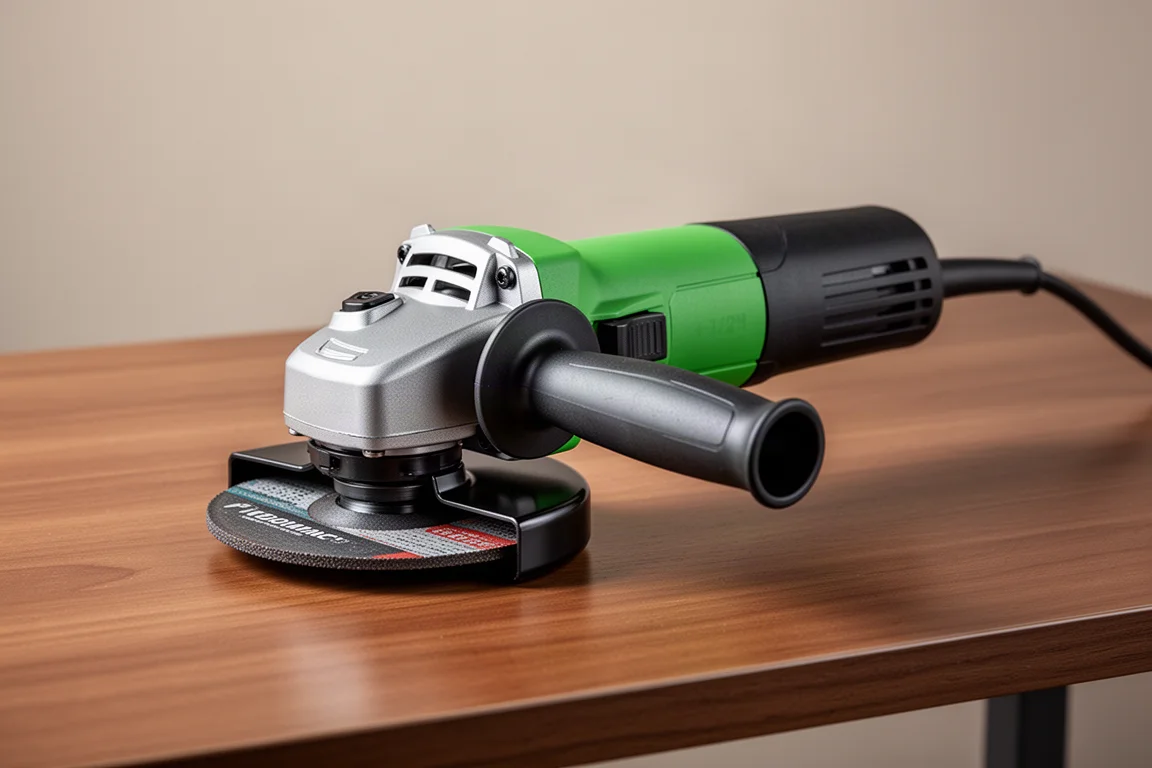
At $133, the Milwaukee packs in the most safety and durability features of any slide here: a tool-free burst-resistant guard, an electronic clutch that extends tool life and prevents bind-up, overload protection, and soft start, plus a slim grip, a tool bag, and a powerful 11-amp motor rated at 10,000 RPM. It actually measured 11,302 RPM, weighs 5 lb 7 oz, and ran at 98.8 dB. Despite the higher no-load speed, it lost a lot of blade speed under load and cut in 5 seconds, tying with the Metabo at 12.6 seconds in the torque test. Its paddle switch needed only 3 lb of force, the lightest of the group, and it includes a built-in safety feature that prevents power-up when the switch is already on.
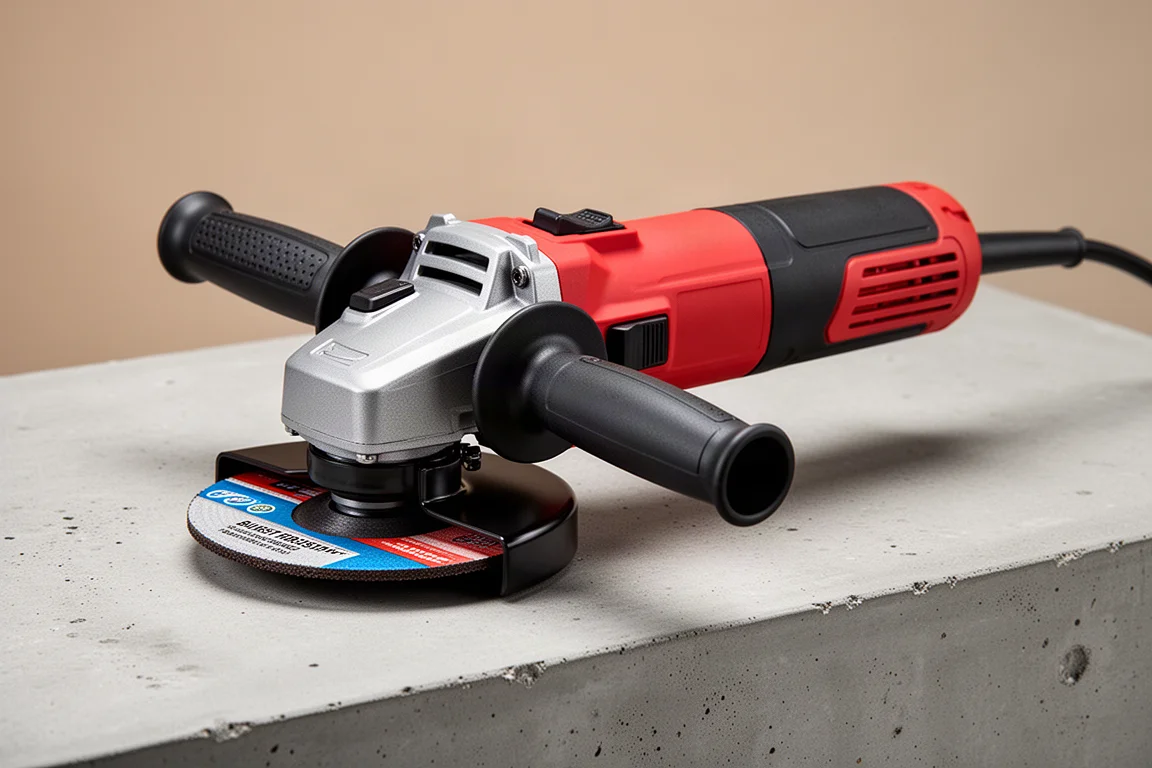
The Hilti, at $149, is surprisingly modest on paper: only a 6-amp motor, rated 11,500 RPM (10,510 measured), weighing 4 lb 12.3 oz. What it delivers is refinement: tool-free guard adjustment, two handle positions, a relatively quiet 91.8 dB, and low vibration at 85 m/s squared. It also stopped its wheel fastest of all tools at 3.4 seconds, a genuine safety plus. The modest motor shows under load, though: it cut in 7.5 seconds and stalled out entirely during the 20 lb torque test, failing to power through even with extra attempts.
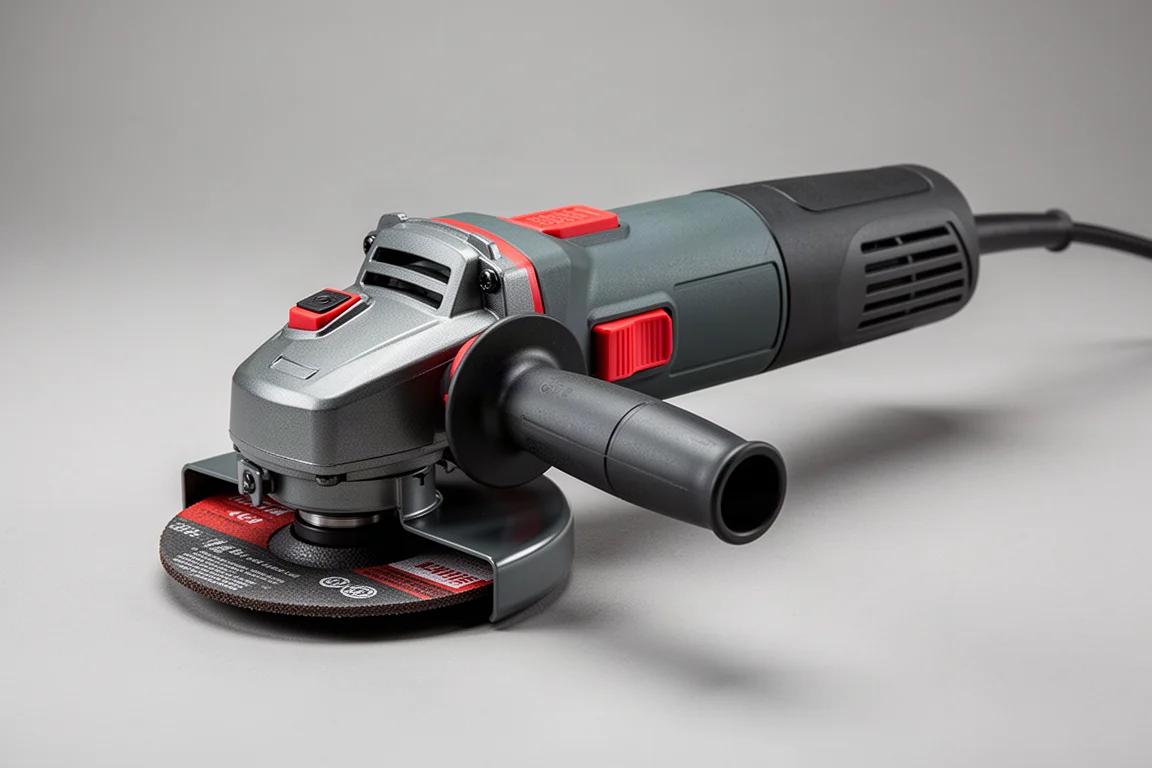
The most expensive tool in the test is the Makita SJS, a 13-amp high-powered grinder with SJS technology, a mechanical clutch system that lets the drive shaft slip if the wheel is forced to stop, protecting the motor and gears. It also has soft start, weighs 5 lb 9.5 oz, and is the quietest tool tested at 88.4 dB. Measured no-load speed was 9,832 RPM, slightly below the rating, but under load it was untouchable: 2.98 seconds through the rebar, the fastest cut, and just 5.82 seconds in the 20 lb maximum torque test, also the fastest. Its startup torque was so low it could not be measured. The switch needs only 3.7 lb of force, but the design requires inward pressure while pushing, which is awkward with sweaty or gloved hands.
Startup Torque, Vibration, and Wheel Stop Times
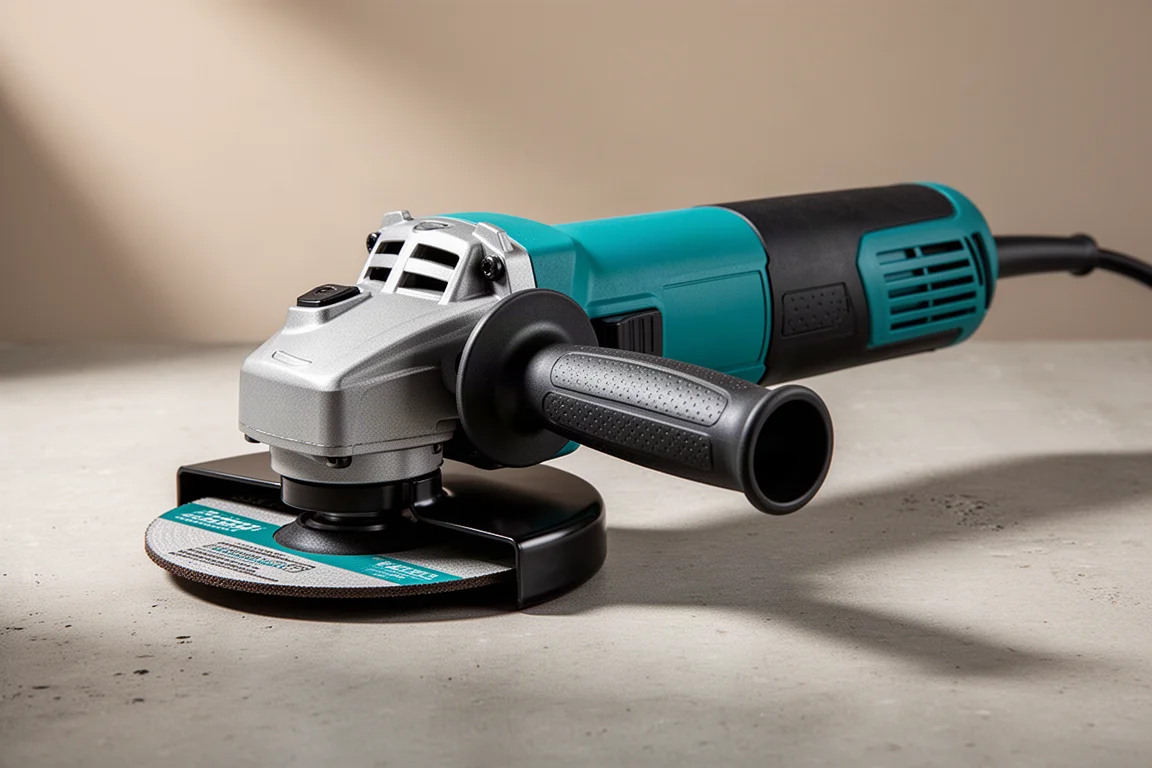
Startup torque matters more than most buyers expect, because a grinder that twists hard on power-up is genuinely hard to control with one hand. The Warrior, Wen, and Porter Cable reacted gently at just 3 in lb, while the Black and Decker and DeWalt measured 4 to 5 in lb, the Metabo 6, and the Ridgid 9. The Ryobi and Makita had the softest starts of all. For vibration, the Ryobi was the clear winner at around 12 m/s squared, with the Makita (70), Hilti (85), and Porter Cable (just over 100) also very good; the DeWalt was worst at 271.
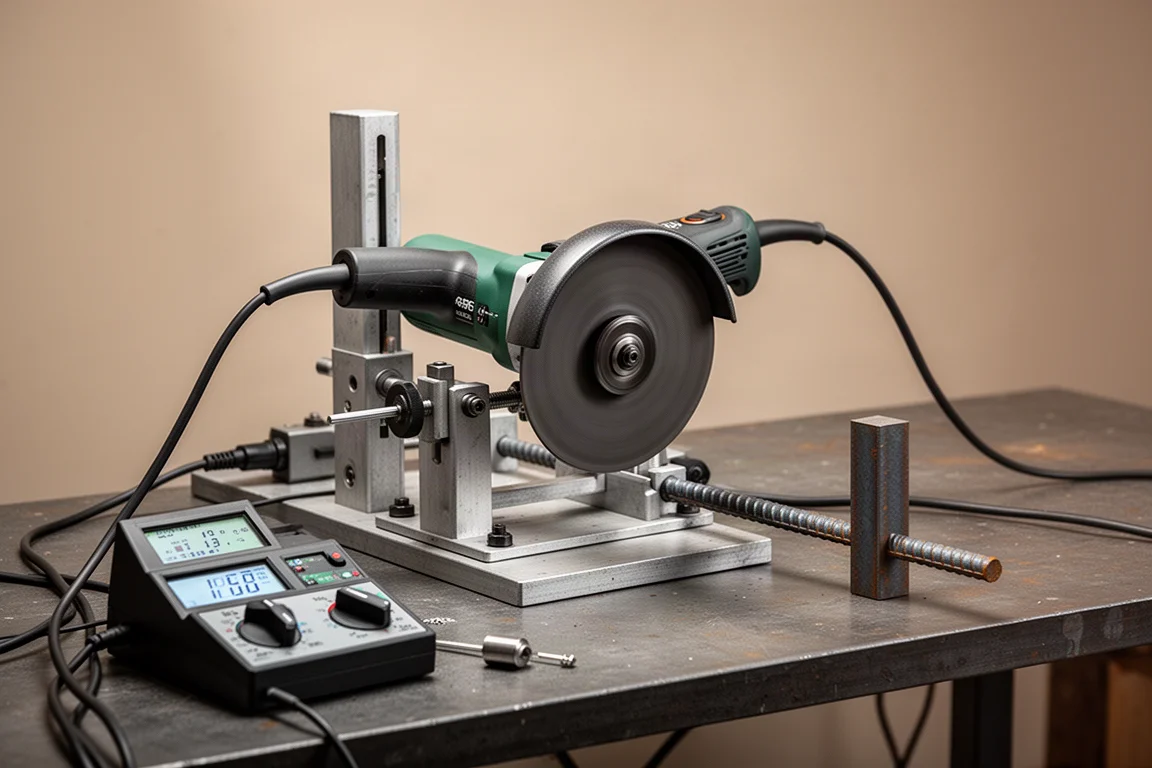
Wheel stop time is both a safety feature and a time saver. The Hilti stopped fastest at 3.4 seconds, followed by the Milwaukee at 4.6 and the Metabo at 5.1. The Black and Decker and Porter Cable tied at 5.3, while the Warrior took 7.3 seconds and the Ryobi 7 seconds, the slowest of the group.
Buying Advice
Considering every non-subjective category together, the Makita came out on top with an average finish of 2.2, ahead of the Milwaukee at 3.4 and the Metabo at 4.8. Unsurprisingly, the pricier grinders dominated. If it is purely about power and performance, the Makita won both performance tests outright. If value is the priority, the $60 Ridgid averaged an overall finish of two and delivered near-top cutting speed for a fraction of the price. And if it is all about spending as little as possible, the $15 Warrior held up as a surprisingly decent basic tool.
Conclusion
For most buyers, the choice comes down to three tools. The Makita SJS is the overall best grinder here, with the fastest cuts, the quietest running, and clutch protection built in. The Ridgid is the best value, pairing a lifetime warranty with second-place cutting speed at $60. And the Harbor Freight Warrior is the budget pick for occasional light use. Whichever tier fits your budget, any of these three will handle a typical 4-1/2 inch grinding workload with confidence.
Further reading
Related Reviews
Power Tools
Best 1-Inch Pistol Impact Wrenches: Three Heavy-Duty Options Compared
We compare three 1-inch pistol impact wrenches, from a budget-friendly Harbor Freight model to a premium Caterpillar unit, to help you choose the right one.
Power Tools
Best 3/4-Inch Impact Wrenches 2026: Five Contenders Compared
We compare five 3/4-inch impact wrenches across price and performance, from a budget Amazon option to Snap-on's most powerful model yet.
Power Tools
Best Budget Cordless Tools 2026: Walmart Finds That Punch Above Their Price
We tested five cordless tools from Walmart, including a high-torque impact wrench that trades blows with Milwaukee and a $35 duster that outperforms its price class.