Power Tools
Best Compact Impact Wrenches: DeWalt DCF911 vs DCF921 Atomic vs Milwaukee M18 Gen3
Three compact 20V and 18V impact wrenches go head to head on torque, size, and everyday usability to find the best compact for the money.
Introduction
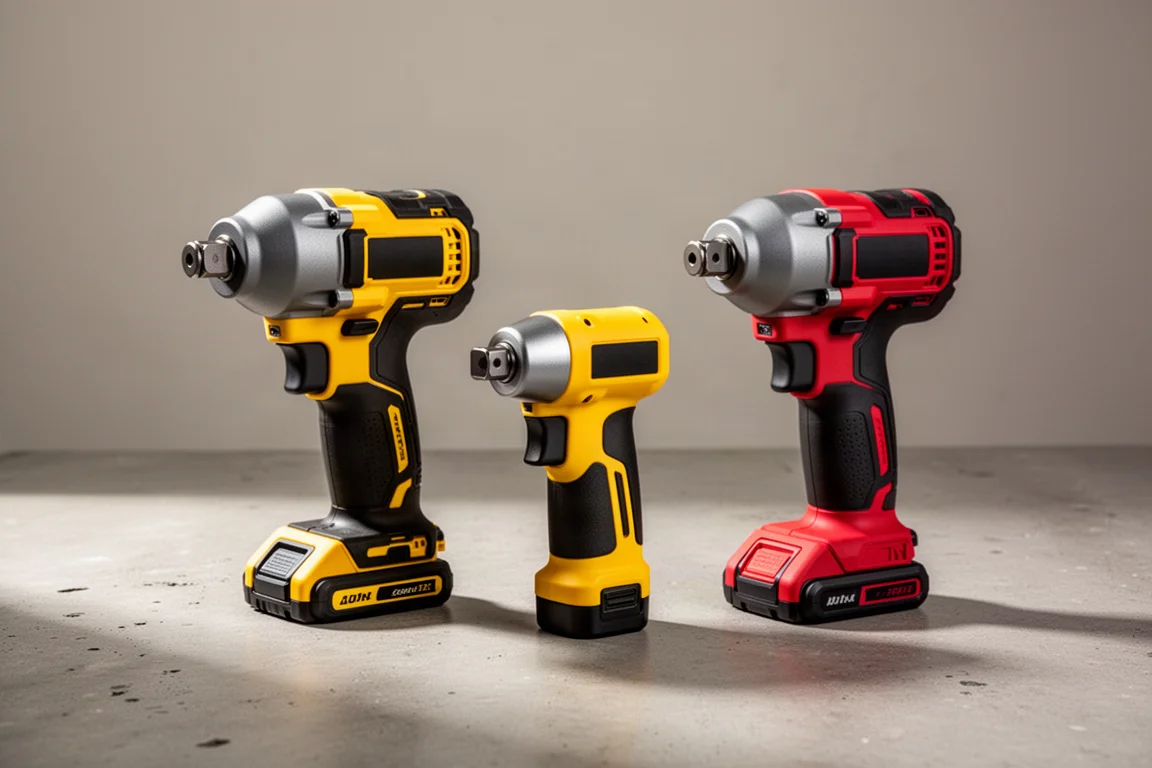
Compact impact wrenches have quietly become one of the most competitive corners of the cordless tool market, and two fresh DeWalt releases have just shaken things up. The 20V DCF911 and the DCF921 Atomic arrived with serious torque claims, and for the first time they line up neatly against Milwaukee’s M18 Gen3 Compact (2855-20) in a true apples-to-apples comparison.
We break down real measured torque, size, pricing, and usability so you can pick the right compact wrench for fasteners, automotive work, and tight spaces.
Meet the Contenders
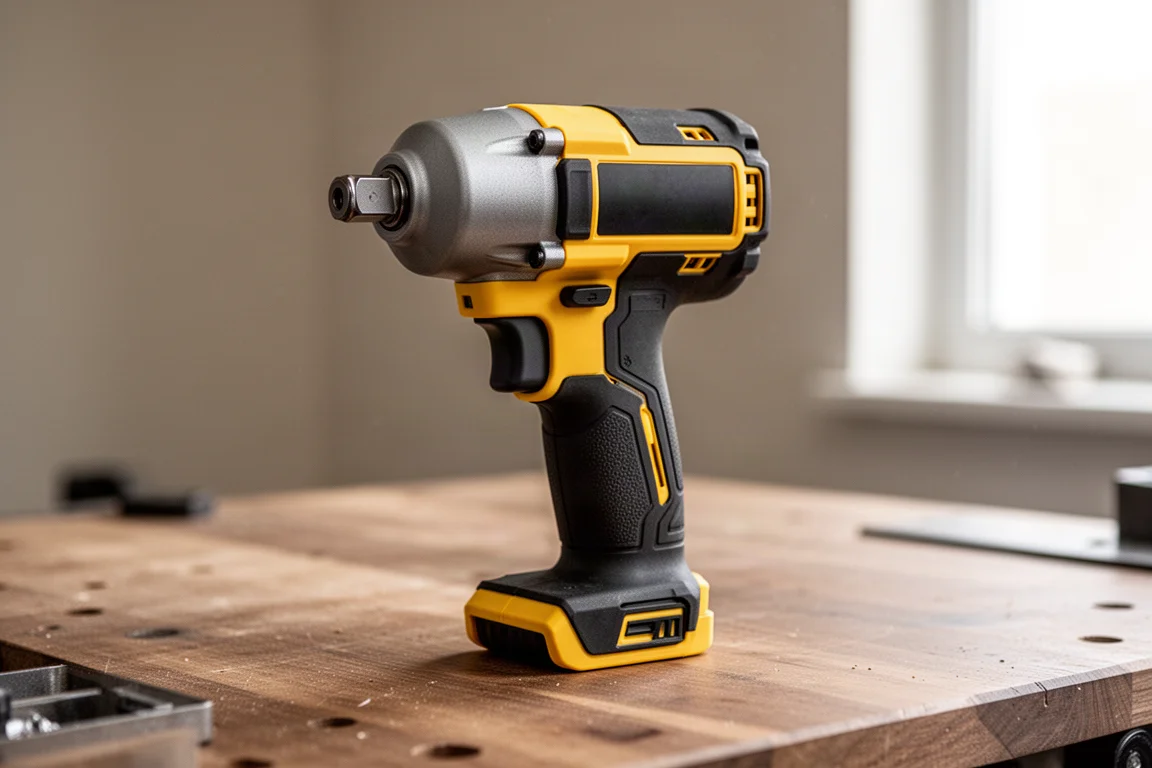
The DeWalt DCF911 is a 20V max compact rated for 400 foot-pounds, essentially a higher-voltage version of a proven 12V design, and it lists at $149. The DCF921 Atomic steps up to a 450 foot-pound breakaway rating with 300 foot-pounds of tightening, in a stubby body just under five inches long, priced at $199.
Milwaukee’s M18 Gen3 Compact 2855-20 is the shortest of the three at 4.9 inches and carries a 250 foot-pound rating. The DeWalt DCF911 measures 5.25 inches, still comfortably compact, while the DCF921 manages to be both smaller, lighter, and more powerful than its rivals in the lineup.
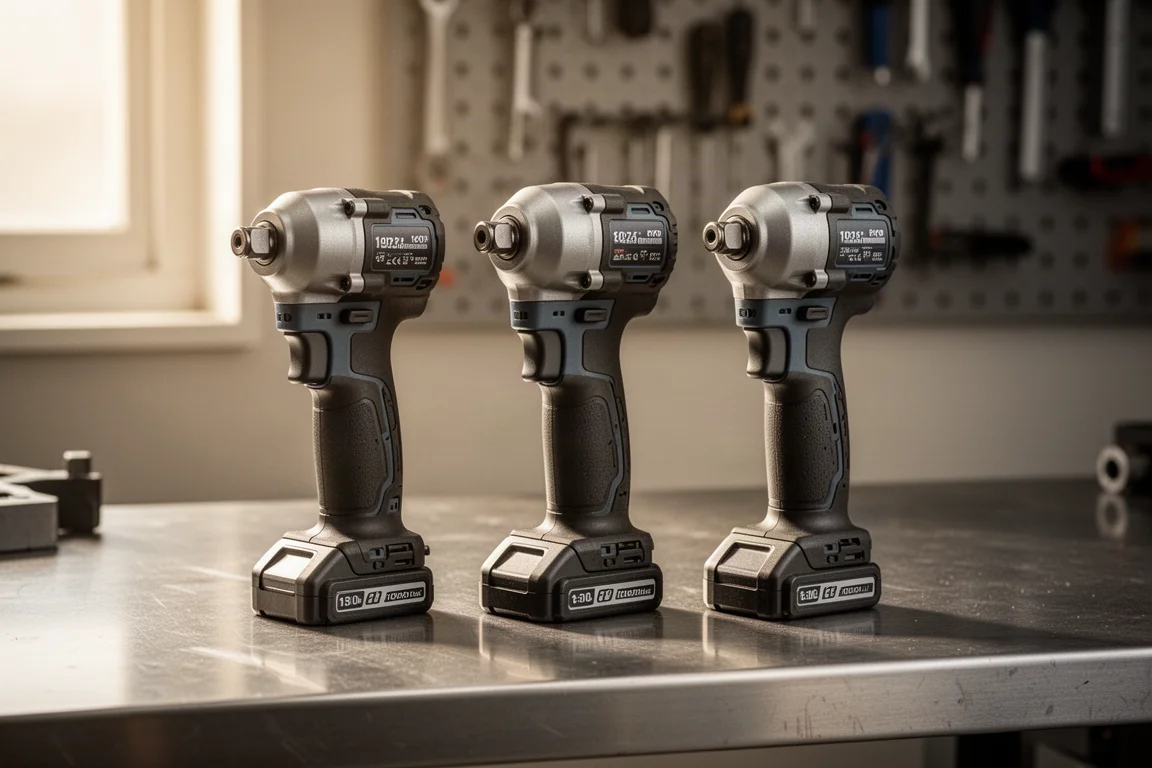
DeWalt DCF911
The DCF911 trades blows with the Milwaukee throughout testing. In working torque it measured 149 foot-pounds, slightly behind the Milwaukee’s 168, but it fought back hard in reverse max torque with 253 foot-pounds and pushed past the Milwaukee again in the tight-bolt test at 274 foot-pounds against 249.
Both tools essentially hit their advertised torque claims, which is worth trusting when comparing spec sheets. If you want a compact 20V wrench at a lower price than the Atomic and you mostly break loose mid-range fasteners, the DCF911 is a very sensible pick.
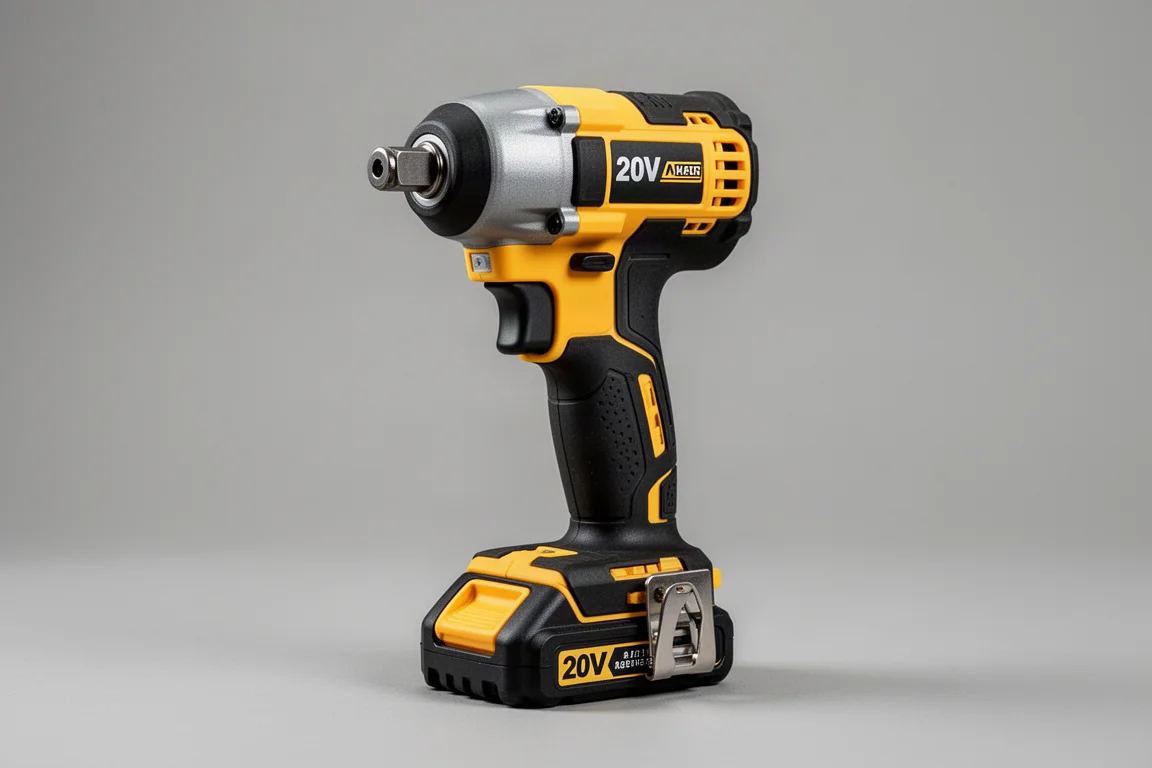
DeWalt DCF921 Atomic
The DCF921 Atomic is the star here. Despite being the smallest and lightest of the three, it led nearly every measurement: 189 foot-pounds working torque, 259 in reverse max torque, and a standout 319 foot-pounds on a truly tight bolt, well past its own rating.
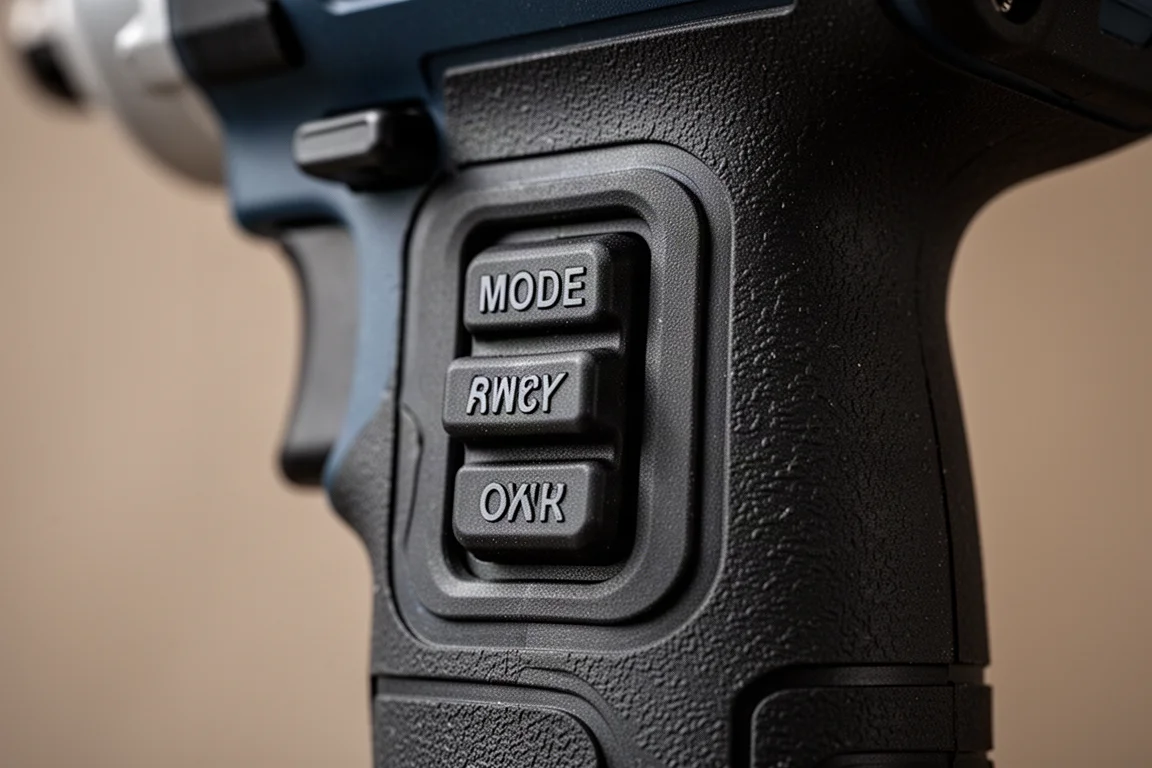
Its mode selection feels genuinely modern, with chunky cushioned rubber buttons replacing the older plastic toggles. Modes include power settings one and two (claimed at 150 and 300 foot-pounds of tightening), a timber mode, and a precision wrench mode that pauses the tool to prevent over-impacting. In practice, the low mode measured 135 foot-pounds, close to its claim, while the timber mode was roughly a wash at 191.
One quirk worth knowing: run-to-run variance can be higher than typical, and results shift noticeably depending on how you hold the tool. If you are stuck on a bolt, tilt it up or down until you see more progress. Even with that caveat, its worst-case numbers still beat both rivals.
At $199 it is expensive for a compact, but there is very little recycled design here and the performance justifies the premium. It scored highest of the three once cost, size, and claims were factored in, and it is arguably the new benchmark for cordless compact impact wrenches.
Milwaukee M18 Gen3 Compact 2855-20
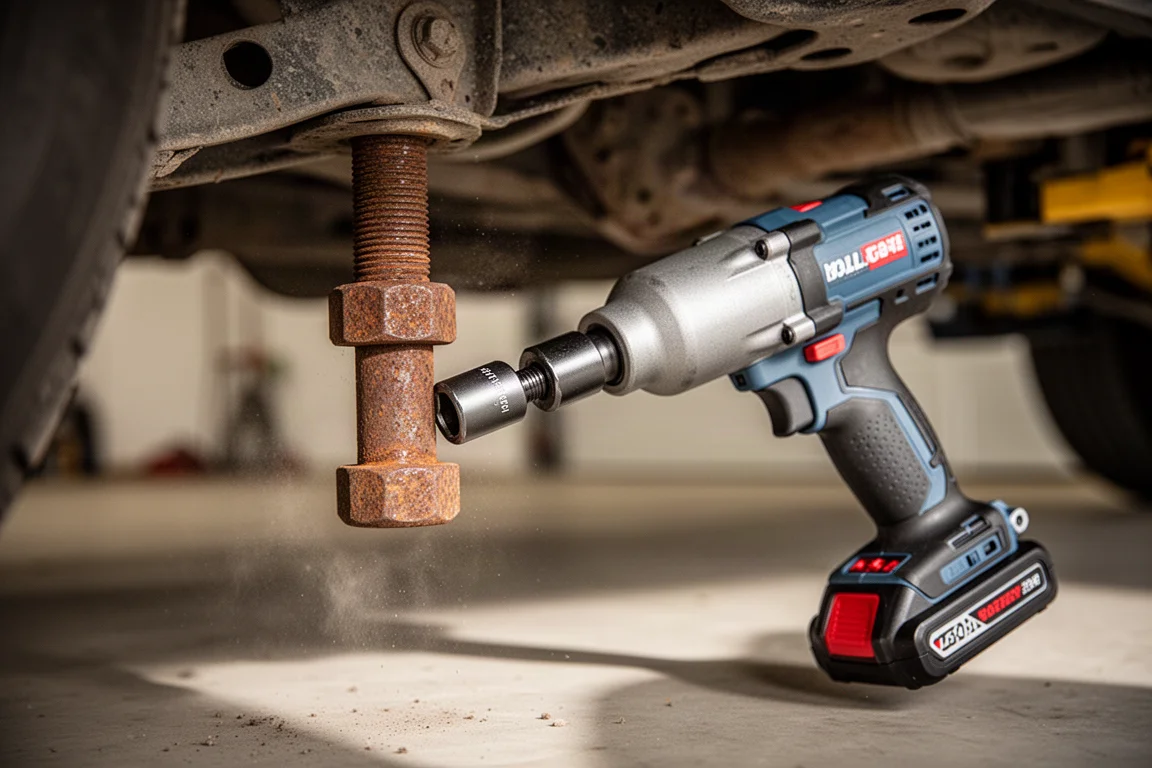
The Milwaukee remains a strong, refined option. It posted 168 foot-pounds of working torque, the best of the three in that test, and 205 foot-pounds in reverse max torque, cresting the 200 mark comfortably. Its 249 foot-pound tight-bolt result trailed the DeWalts but still lands in respectable territory for a compact.
Its key advantages are size and familiarity: at 4.9 inches it fits into tight spaces, and its behavior is consistent and predictable run to run. Milwaukee does not publish separate tightening and breakaway figures, so its single 250 foot-pound rating is the number to compare against.
If you are already invested in the M18 battery platform, this compact remains an easy recommendation.
Performance Test Results
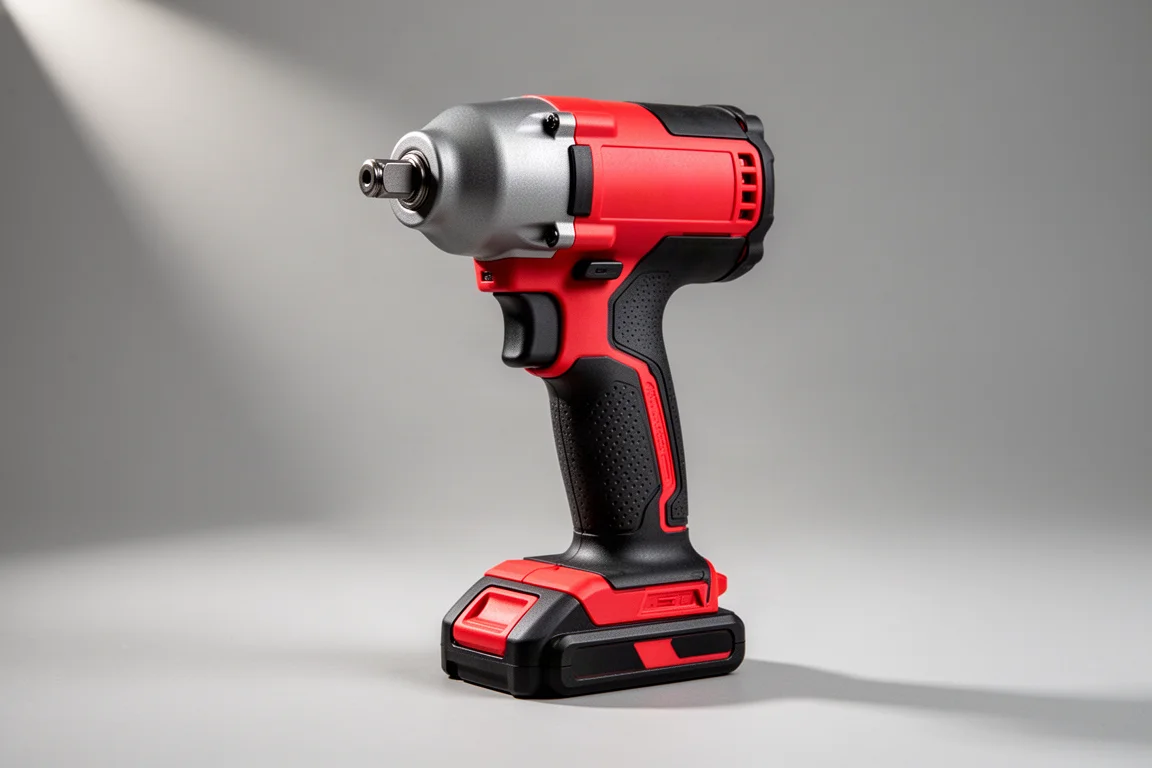
Across the full test series, the DCF921 Atomic placed second overall among cordless compacts, just behind a slightly longer competitor, while the DCF911 ranked just above the equivalent 12V model. Averaged across the runs, the two DeWalt tools produced 213 and 245 foot-pounds respectively, with the Atomic’s average pushing it past several air-powered compact wrenches.
The DCF911’s tight-bolt figure of 274 foot-pounds actually exceeded its own 400-class rating expectations relative to the class, and both DeWalt tools validated their published torque numbers, a consistency that makes the brand’s spec sheet genuinely useful for shoppers.
Buying Advice
If raw power in the smallest package is your priority and budget allows, the DCF921 Atomic is the clear winner: smallest, lightest, most powerful, and loaded with useful modes. It is the first compact we would point at as a genuine replacement for some small air impact wrenches.
The DCF911 makes sense if you want 20V DeWalt performance at a friendlier price and can accept slightly lower numbers across the board. The Milwaukee M18 Gen3 Compact is the pick for existing M18 users and anyone who values the shortest possible body and consistent handling over absolute torque.
Conclusion
This comparison marks a real turning point for compact impact wrenches. The DeWalt DCF921 Atomic combines size, power, and modern controls in a way no other cordless compact currently matches, while the DCF911 and Milwaukee M18 Gen3 remain solid, dependable alternatives. Match your choice to your battery platform, your budget, and how stubborn your bolts tend to be.
Further reading
Related Reviews
Power Tools
Best 1-Inch Pistol Impact Wrenches: Three Heavy-Duty Options Compared
We compare three 1-inch pistol impact wrenches, from a budget-friendly Harbor Freight model to a premium Caterpillar unit, to help you choose the right one.
Power Tools
Best 3/4-Inch Impact Wrenches 2026: Five Contenders Compared
We compare five 3/4-inch impact wrenches across price and performance, from a budget Amazon option to Snap-on's most powerful model yet.
Power Tools
Best Budget Cordless Tools 2026: Walmart Finds That Punch Above Their Price
We tested five cordless tools from Walmart, including a high-torque impact wrench that trades blows with Milwaukee and a $35 duster that outperforms its price class.