Power Tools
Best Compact Impact Wrenches Compared: Hercules Gen 2, Ryobi, ACD, and a Modified Milwaukee
Four compact impact wrenches go head to head on a dyno, including a viewer-modified Milwaukee sleeper that outpunches everything else in the class.
Introduction
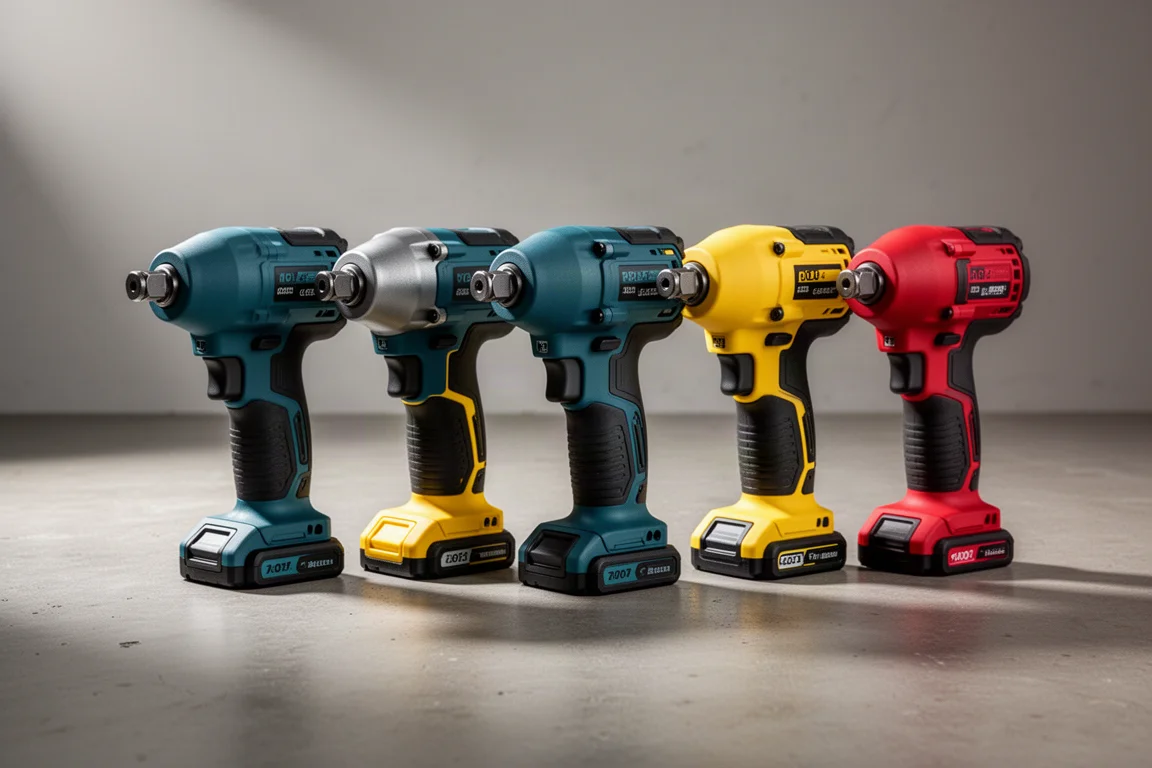
The compact impact wrench class has quietly become one of the most competitive corners of the cordless tool market. Brands are shrinking bodies, squeezing out more torque, and pushing prices in very different directions. To see where the class actually stands, four compact impact wrenches were run through the same standardized testing: Harbor Freight’s new brushless Hercules Gen 2, Ryobi’s PSBIW25B, the Amazon-brand ACD CC 332T, and one wild card: a Milwaukee M18 2855 that was motor-swapped with Milwaukee’s Gen 4 impact driver by a resourceful owner. The results say a lot about where the value is right now.
How We Tested
Every tool ran the same two benchmarks: a 5-second forward working torque test and a 10-second max torque test, both performed on a calibrated dyno. Results shown are median figures from repeated runs. Length and price matter too, because a compact impact wrench has to fit behind brake calipers and suspension hardware to earn its name.
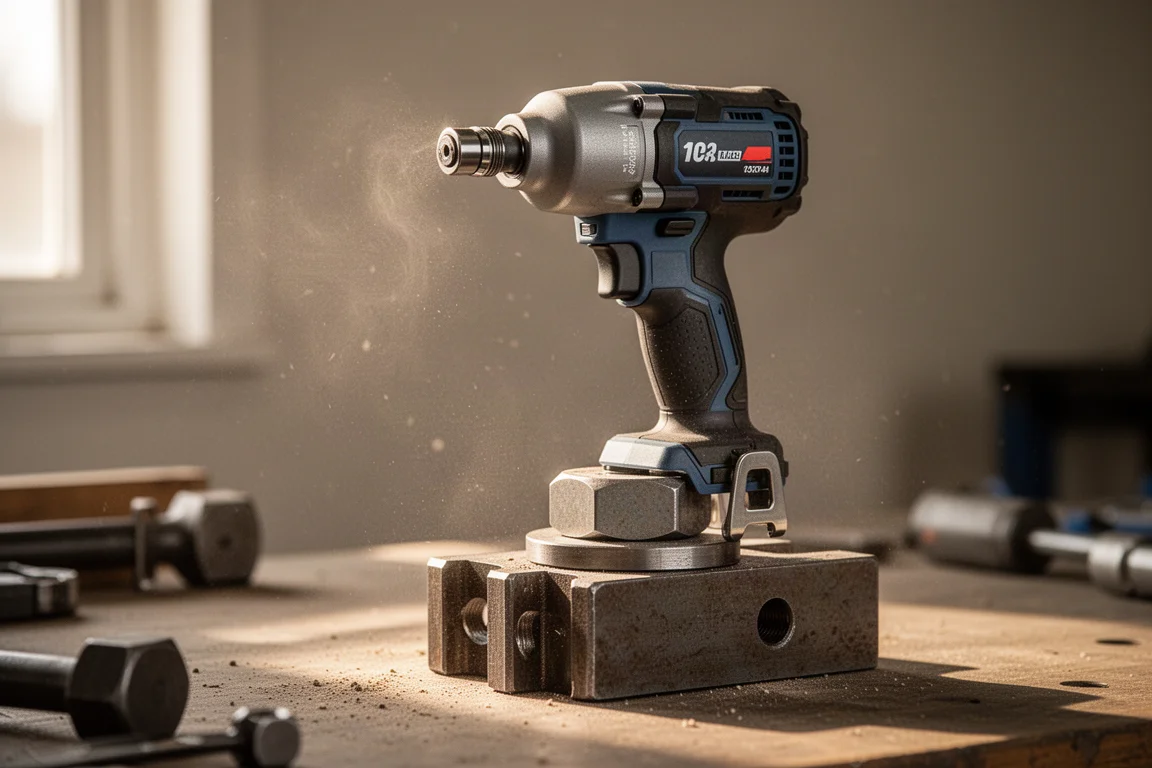
One note before the numbers: the dyno was calibrated specifically for the smaller 3/8-inch socket used by the ACD, so its figures remain directly comparable with the 1/2-inch tools in this roundup.
Harbor Freight Hercules Gen 2 Compact Impact Wrench
Harbor Freight’s new brushless Hercules Gen 2 follows the same recipe that made the Gen 2 Ultra Torque a pleasant surprise: similar looks, a new model number with a two on the end, and a new brushless motor. The execution this time is less convincing. The price climbed from $65 to $80, a 19% increase, yet the claimed breakaway torque actually dropped: 500 ft-lbs rated versus 555 for the previous model.
On the dyno, the story continued. The Hercules posted 161 ft-lbs in the forward working torque test and 220 ft-lbs in the max torque test, while the cheaper outgoing model managed noticeably more at 265 ft-lbs. It also measures over 6 inches long, which puts it behind the Milwaukee compact and even Milwaukee’s mid-torque for length. Light and narrow, yes, but not compact in the direction that matters for automotive work.
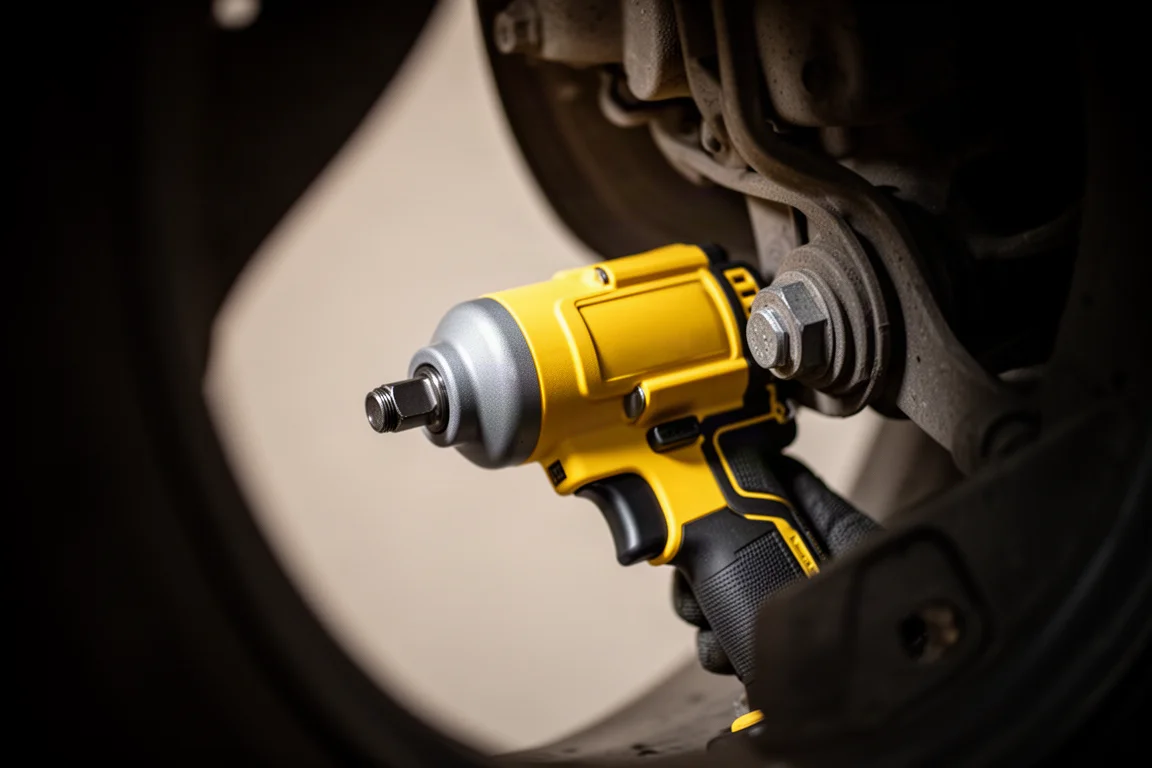
Even adding Harbor Freight’s 12 amp-hour battery did not turn things around. With the bigger pack it still felt and sounded weak, like a middle-of-the-road impact driver. Higher price, less torque, and no meaningful size advantage make this one hard to recommend over its own cheaper predecessor.
Ryobi PSBIW25B Compact Impact Wrench
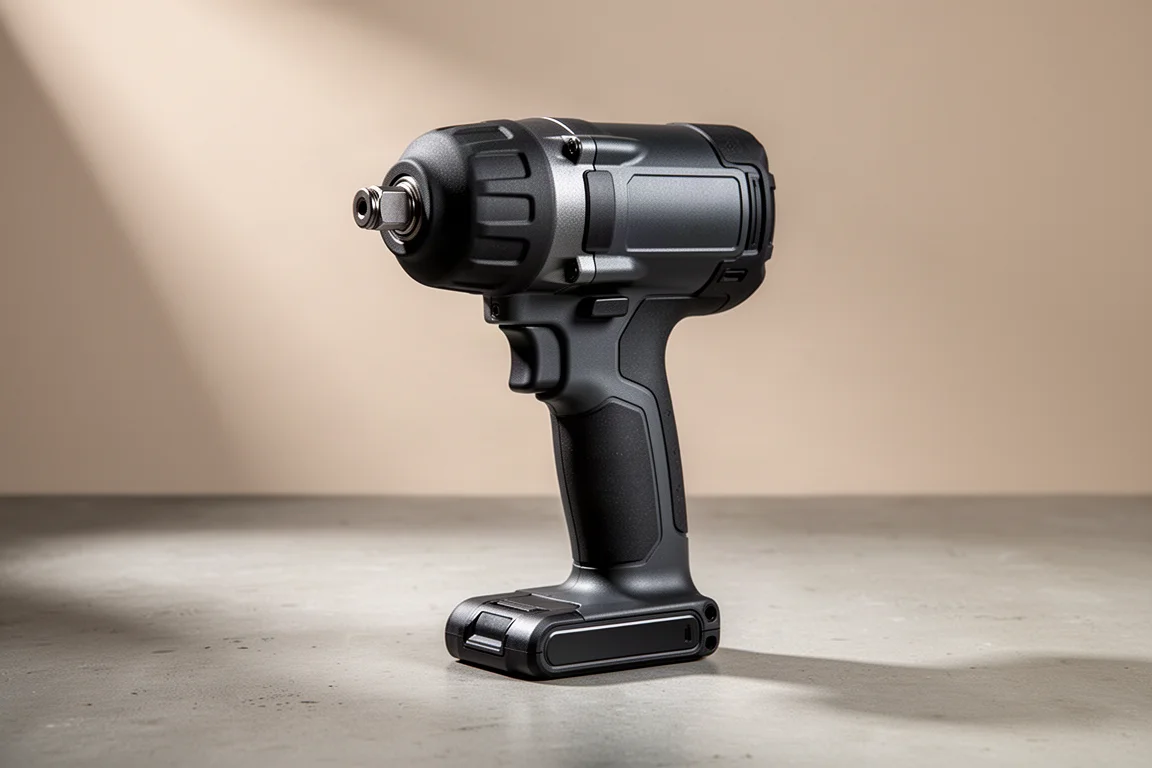
Ryobi’s PSBIW25B has been on the scene for a couple of years but remains a genuinely strong performer. At 5.4 inches long it has a better chance of fitting behind brake calipers than the Hercules, though the battery footprint keeps it chunky in the hand. It was $140, a fair step above the Hercules, and carries a 275 ft-lbs rating that sounds modest until you look at the results.
In testing it beat the newer Hercules in the forward working torque test at 183 ft-lbs, which is excellent for a compact, and took the best-case scenario contest with 238 ft-lbs in the max torque run. Its real trick, though, is battery scaling. With Ryobi’s 12 amp-hour pack, output jumped over 10% to 283 ft-lbs, lifting it from just under Milwaukee M18 compact territory to well above it. That motor is clearly being underdriven by smaller packs.
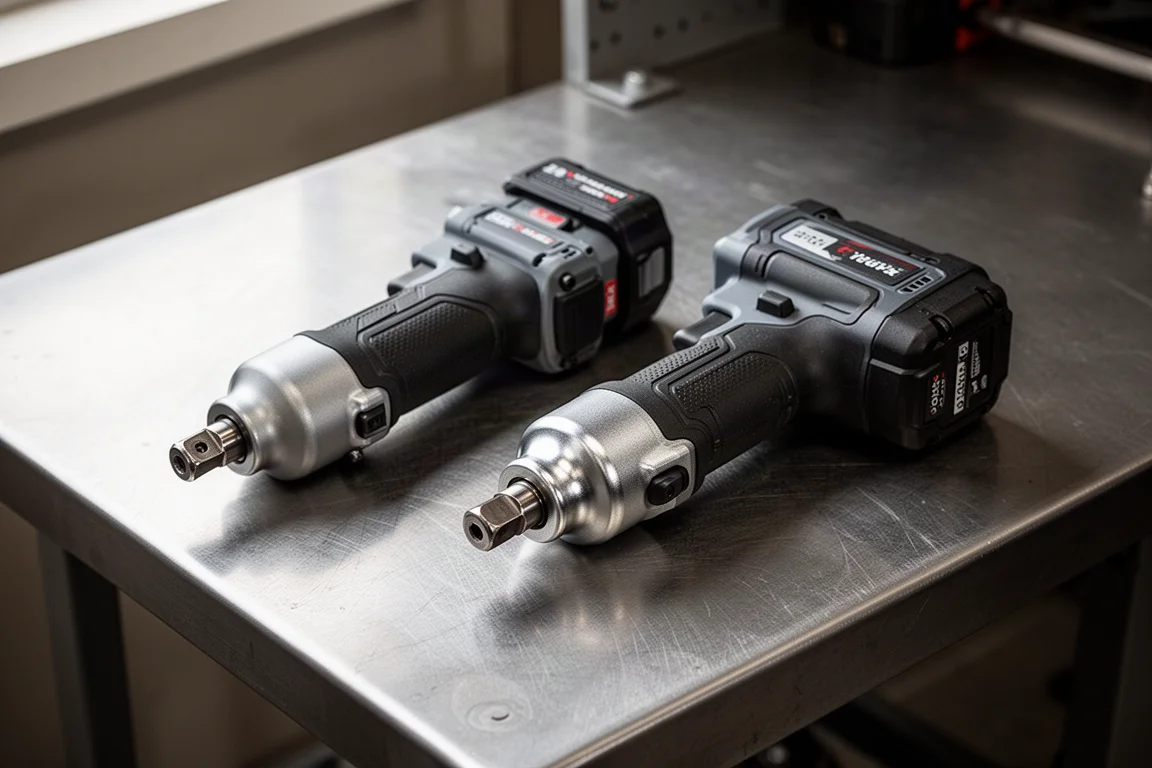
For Ryobi one-battery households, this is about as close to Milwaukee-class performance as that ecosystem gets.
ACD CC 332T Compact Impact Wrench
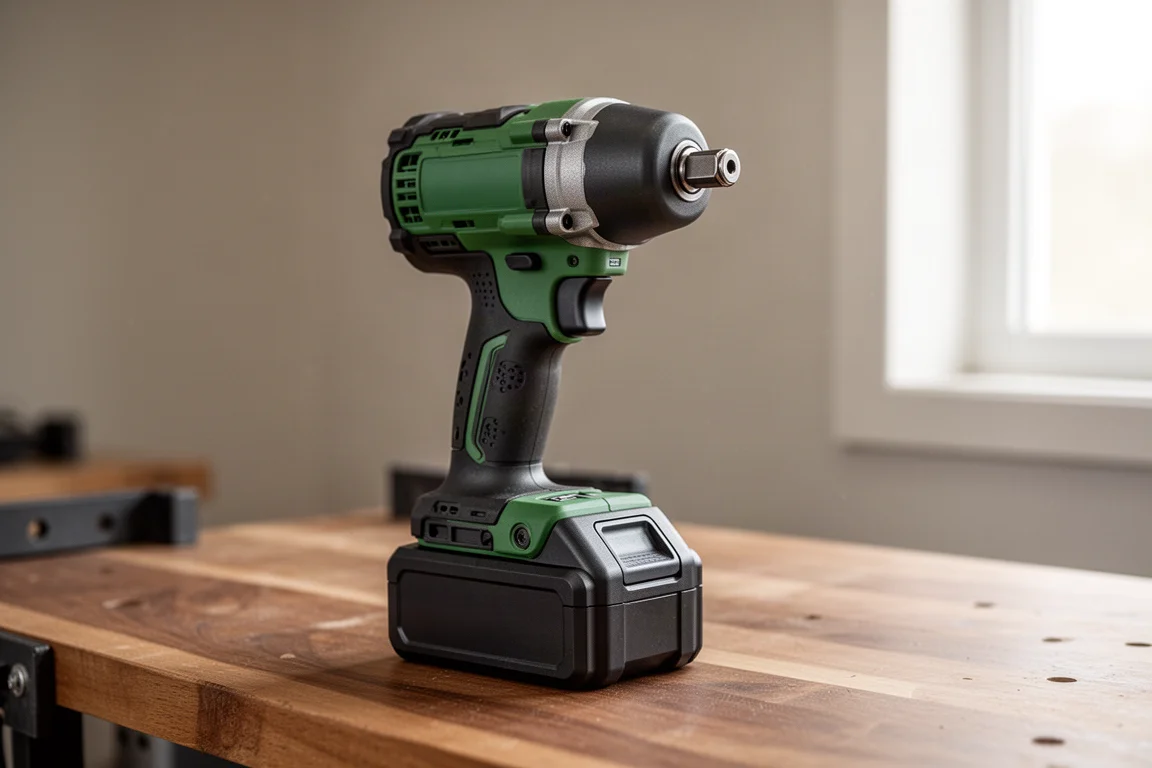
After mixed results with ACD’s larger high-torque wrenches, the smaller 332T is a step in the right direction. The overmolding is arguably the best in the group, smooth enough to feel almost premium, and the body is the most Milwaukee-like of the bunch. At 5.1 inches long it sits just behind the Milwaukee compact for length, with a slightly long anvil being the main reason it is not shorter.
The kit was $120 including charger, battery, and sockets, and sometimes sells for less on coupon. A genuine bonus: it accepts Makita batteries. Forward output is its weak spot at 150 ft-lbs, but in the max torque test it pushed 227 ft-lbs, and with a standard 5 amp-hour Makita pack it reached 247 ft-lbs with less voltage sag, essentially M18 compact-level performance on a name-brand battery.
Milwaukee 2855 M18 Compact: The Modified Sleeper
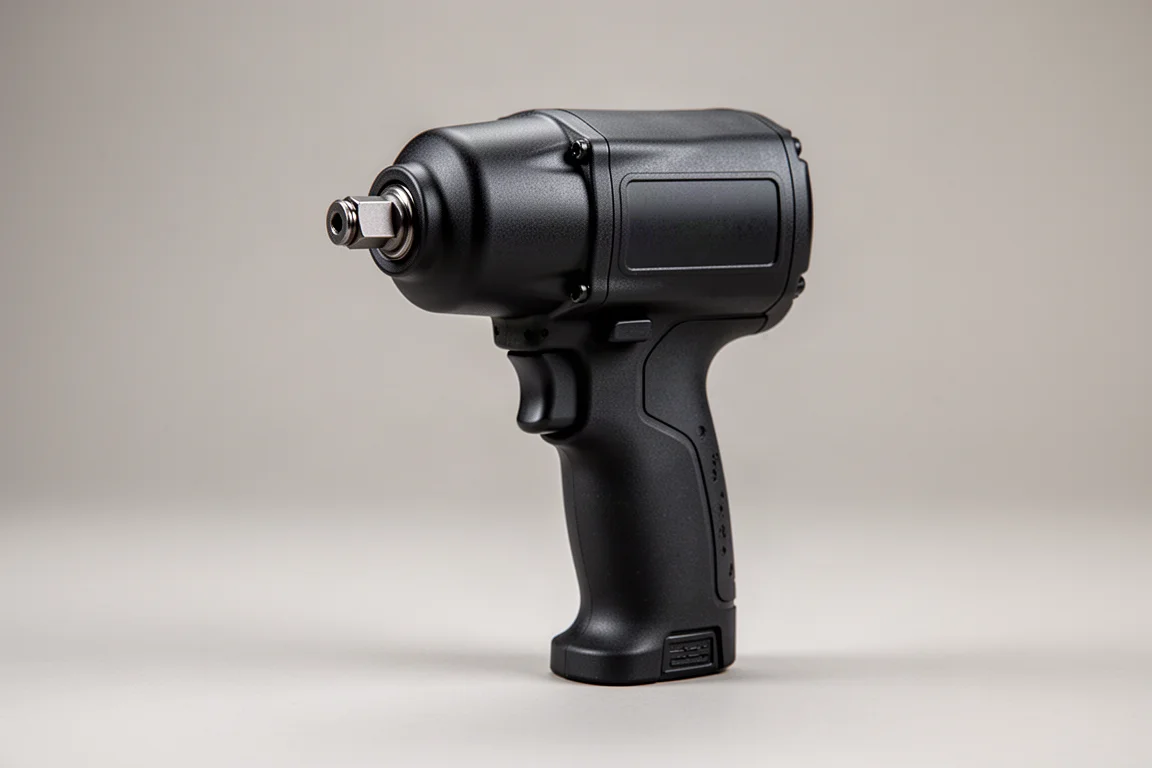
The stock Milwaukee 2855 was never a favorite here: 250 ft-lbs rated, not earth-shattering for a compact, and outshone by the slimmer M12 Fuel for most tasks. But this particular unit was motor-swapped with Milwaukee’s Gen 4 2953 impact driver, whose stator uses double windings per phase compared to the single winding in the 2855. After desoldering the hall effect sensor board and swapping in the more copper-rich stator, the result was a tool spinning at around 3,100 RPM versus the stock 2,380, with the mode switch still working.
The numbers are remarkable for a compact: 208 ft-lbs in the forward working test, 344 ft-lbs in reverse, and a class-leading 358 ft-lbs in the max torque test, a record for cordless compacts. It earns its internal nickname of “Hellspawn” honestly. It is also the only compact in this group to ever damage the test sockets.
The trade-offs are real: output is inconsistent, sometimes dipping as low as 140 ft-lbs, it is lively and hard to hold onto, and the hammer occasionally skips over the anvil dogs at high speed, which explains the odd running sound. Since the build requires cannibalizing two tools, it is not an economical or sane purchase route. But it proves there is untapped performance hiding inside modern brushless platforms.
Overall Buying Advice
Scoring on price, length, torque claims, and real dyno output, the Ryobi PSBIW25B lands almost exactly level with the Milwaukee M18 compact, making it the best value of the factory tools when paired with a larger battery. The ACD CC 332T sits just below the Metabo compact while delivering comparable output, and its Makita battery compatibility makes it a legitimate compact option for Makita users, a size and shape Makita’s own LXT lineup arguably should offer. The Hercules Gen 2, meanwhile, trails its own cheaper predecessor and is best skipped unless it drops well below the original’s price.
As for the modified Milwaukee, it tops the entire cordless compact class assuming it does not grenade the next time the trigger is pulled. It is a fascinating proof of concept rather than a buying recommendation, but it makes a strong case that these brands have more performance available in their existing parts bins than they ship from the factory.
Conclusion
The compact impact wrench class rewards patience with battery ecosystems and punishes blind spec-sheet trust. Ryobi delivers Milwaukee-adjacent output with the right pack, ACD punches above its price when fed a quality battery, Harbor Freight’s latest steps backward, and one clever motor swap shows just how much headroom modern brushless tools still have. Match the tool to the batteries you already own, and the numbers here should point you in the right direction.
Further reading
Related Reviews

Power Tools
Best 1-Inch Pistol Impact Wrenches: Three Heavy-Duty Options Compared
We compare three 1-inch pistol impact wrenches, from a budget-friendly Harbor Freight model to a premium Caterpillar unit, to help you choose the right one.

Power Tools
Best 3/4-Inch Impact Wrenches 2026: Five Contenders Compared
We compare five 3/4-inch impact wrenches across price and performance, from a budget Amazon option to Snap-on's most powerful model yet.

Power Tools
Best Budget Cordless Tools 2026: Walmart Finds That Punch Above Their Price
We tested five cordless tools from Walmart, including a high-torque impact wrench that trades blows with Milwaukee and a $35 duster that outperforms its price class.