Power Tools
Compact Impact Wrenches Compared: Ingersoll Rand, DeWalt, Milwaukee, Craftsman and a Budget Curveball
Five cordless impact wrenches tested side by side, from a $230 premium compact to a $130 all-in Amazon mid-torque, to see what your money actually buys.
Introduction
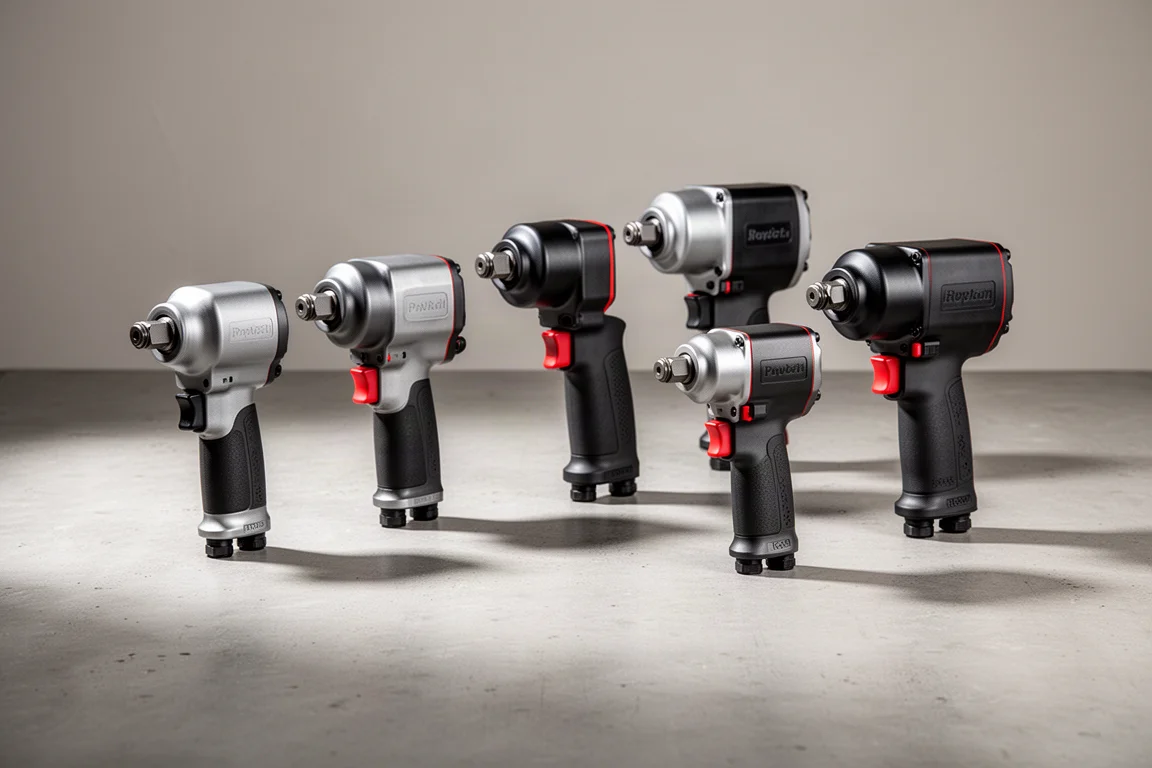
Price used to tell you everything about a cordless impact wrench. Industrial brands sat at the top, big-box professional brands below them, and Amazon’s anonymous offerings were assumed to be disposable. That hierarchy no longer holds up as cleanly. A new compact from a premium brand can cost $230 and still not clearly beat a $219 competitor, while a no-name Amazon mid-torque with battery, charger and sockets included can sell for around $130 and hang with tools costing more.
This comparison looks at five cordless impacts across that price spectrum: a premium compact from Ingersoll Rand, the DeWalt Atomic, the Milwaukee M18 compact, the Craftsman V20 mid-torque, and the newest generation of an Amazon-brand mid-torque. The focus is simple: what kind of performance can you actually get for your dollar?
How They Were Compared
Testing focused on real-world torque output rather than spec-sheet claims. Key measurements included a five-second forward working torque test, the industry-standard ten-second maximum torque test in reverse (median of three runs), and a fifteen-second maximum test with batteries fresh off the charger. Length and price per performance also factored in, since a compact tool earns its keep by delivering torque in a small package.
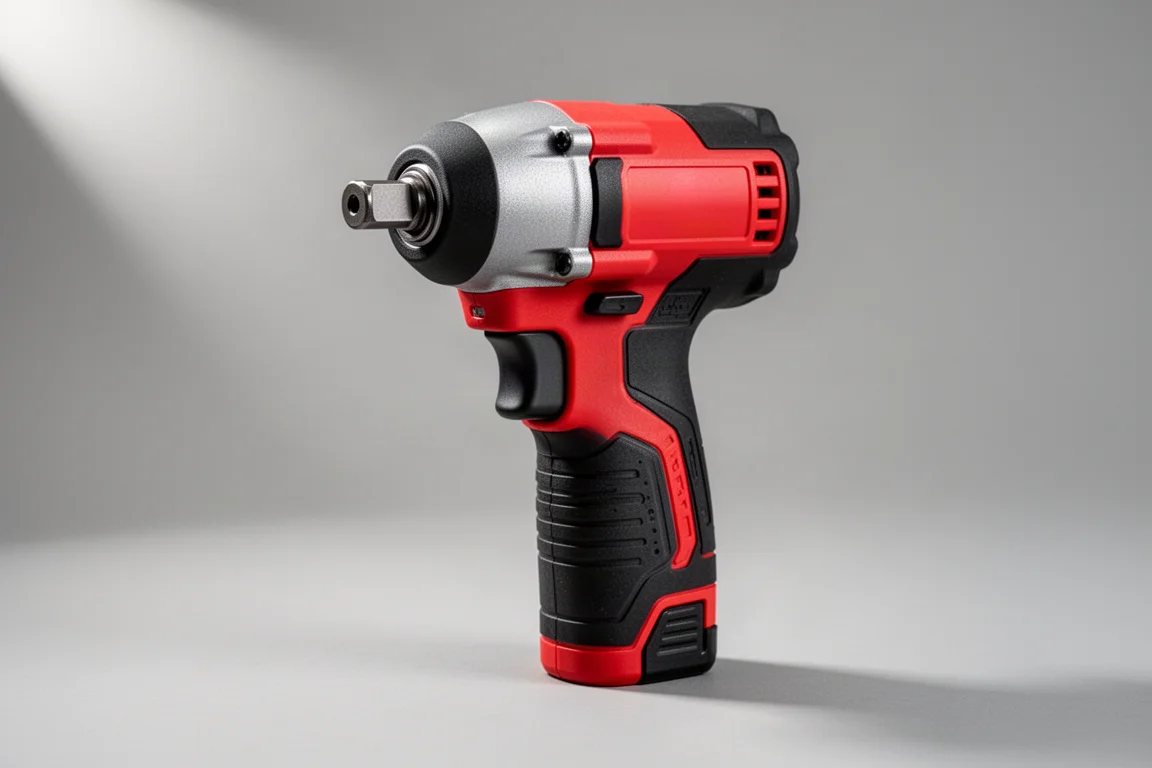
Ingersoll Rand W3151
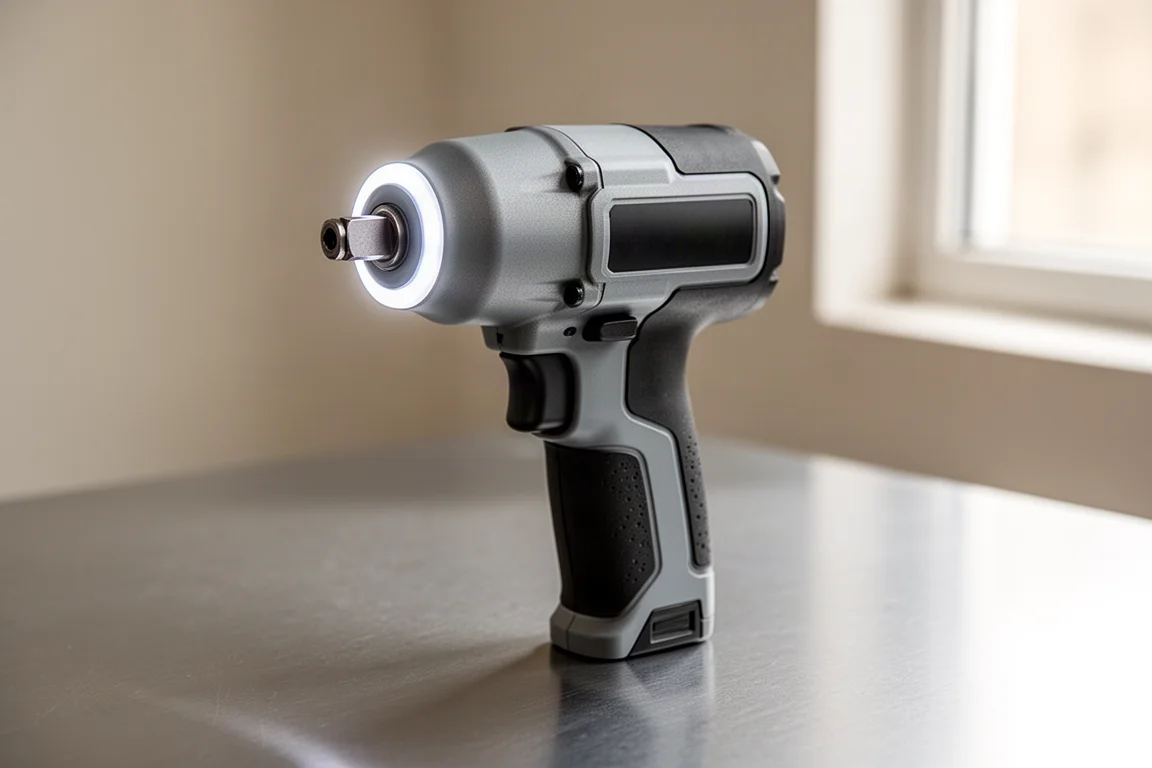
Ingersoll Rand makes what many consider the most powerful cordless impact wrench in the world, but it rarely releases new cordless models, and a compact was a gap in its modern lineup. The W3151 is a 5.3-inch compact advertised at 236 foot-pounds of fastening torque with 400 foot-pounds of breakaway torque, plus a trick front ring light. On paper, that should beat a Milwaukee compact and stay within striking distance of the DeWalt Atomic.
In testing, it posted about 149 foot-pounds in the five-second forward test and roughly 184 foot-pounds in the ten-second reverse test, essentially matching the median result of the M18. In the fifteen-second maximum test it reached about 238 foot-pounds, unable to match the M18 across everything. It scores well on quality, with Ingersoll Rand historically honest about its cordless ratings, but at $230 for the category and a longer body than the M18, the value case is harder to make. It lands between two Metabo options on the overall ranking, likely a professional-quality tool, just not the standout its price suggests.
DeWalt Atomic
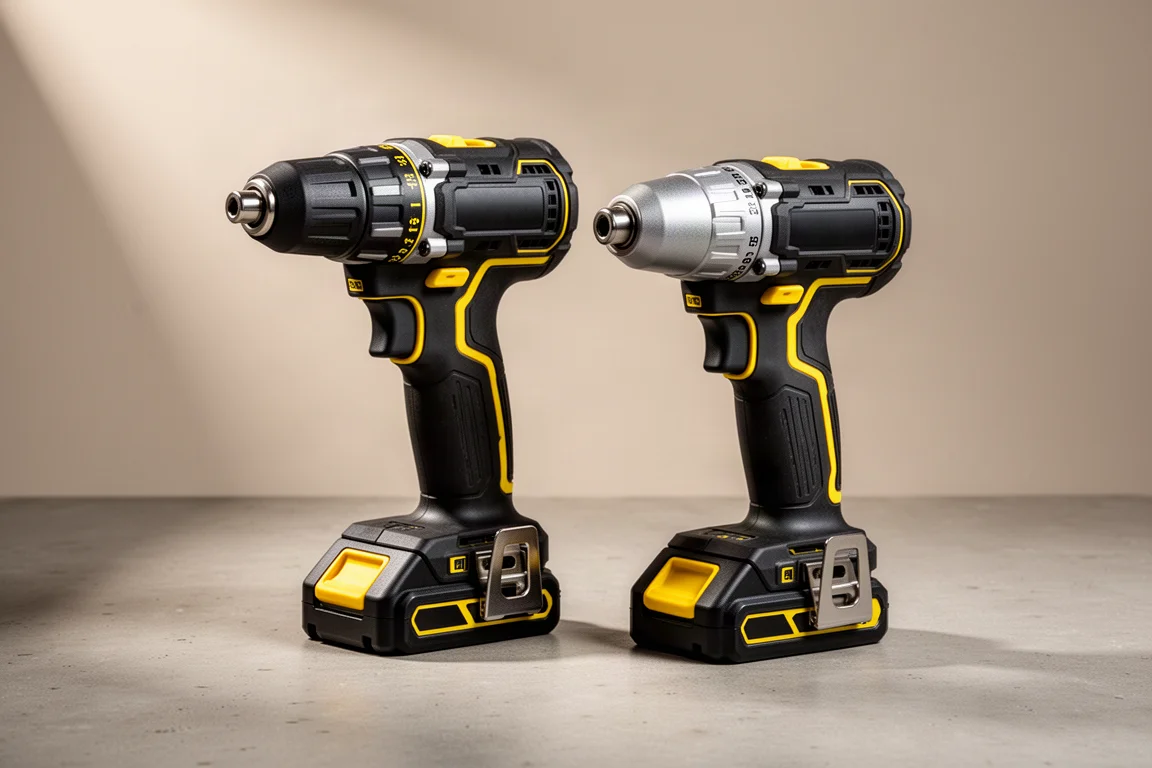
The DeWalt Atomic remains one of the benchmarks of the compact impact class. In the five-second forward working torque test it edged out the Milwaukee compact, and it represents the performance ceiling this Ingersoll Rand was hoping to reach.
For buyers who want the strongest compact performance and are comfortable paying for it, the Atomic is still a safe reference point. Its consistent showing across forward and reverse tests is what the newer challenger was measured against.
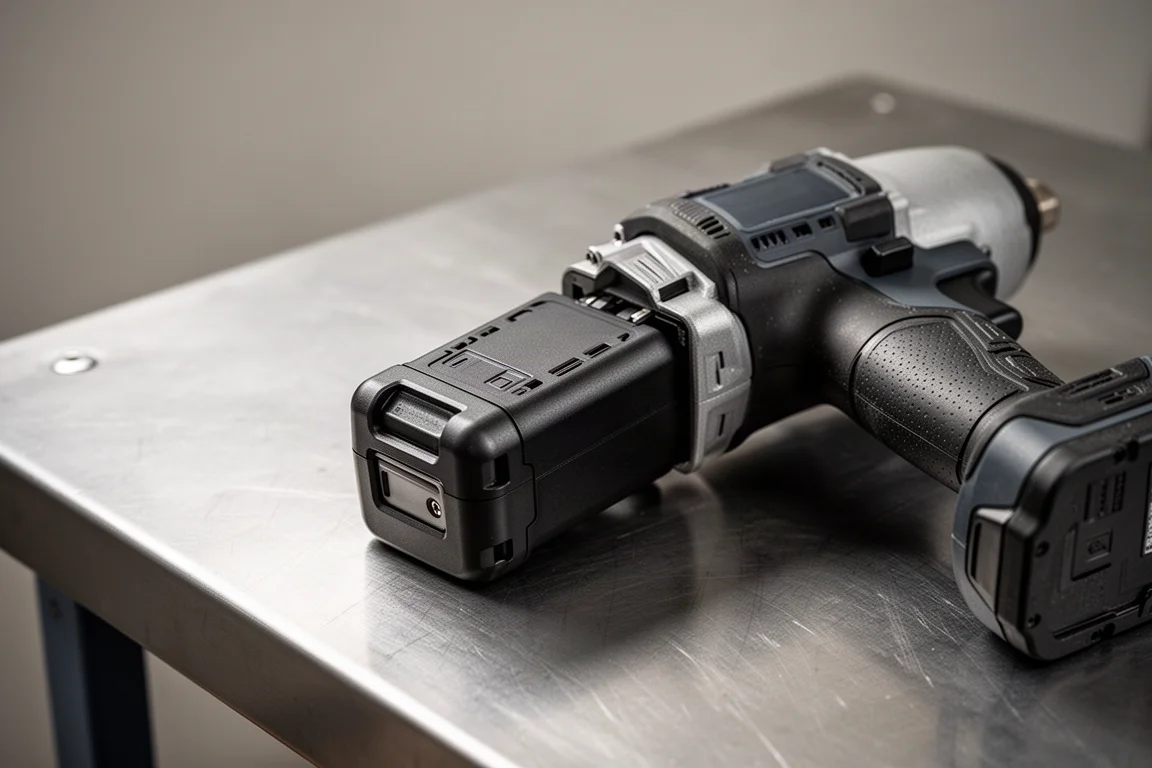
Milwaukee M18 Compact
The Milwaukee M18 compact posted roughly 184 foot-pounds in the ten-second reverse test, in a package that is shorter overall than the Ingersoll Rand while delivering the same output. That combination of size and torque is exactly what makes compacts from major brands appealing in tight spaces.
At a lower price than the Ingersoll Rand with better length efficiency, the M18 remains a strong default choice for anyone who values a compact footprint without giving up real breakaway torque.
Craftsman V20 Mid-Torque
The Craftsman V20 is the highest-value mid-torque in its class at just $119 bare. At 6.7 inches long, it trades some compactness for price, and in the mid-torque comparisons it performed on screen alongside the Ridgid and Milwaukee mid-torque, coming out strong on low-torque tasks.
It was included here as the value anchor of the mid-torque class, and notably the Amazon-brand challenger costs less than it once batteries and a charger are included.
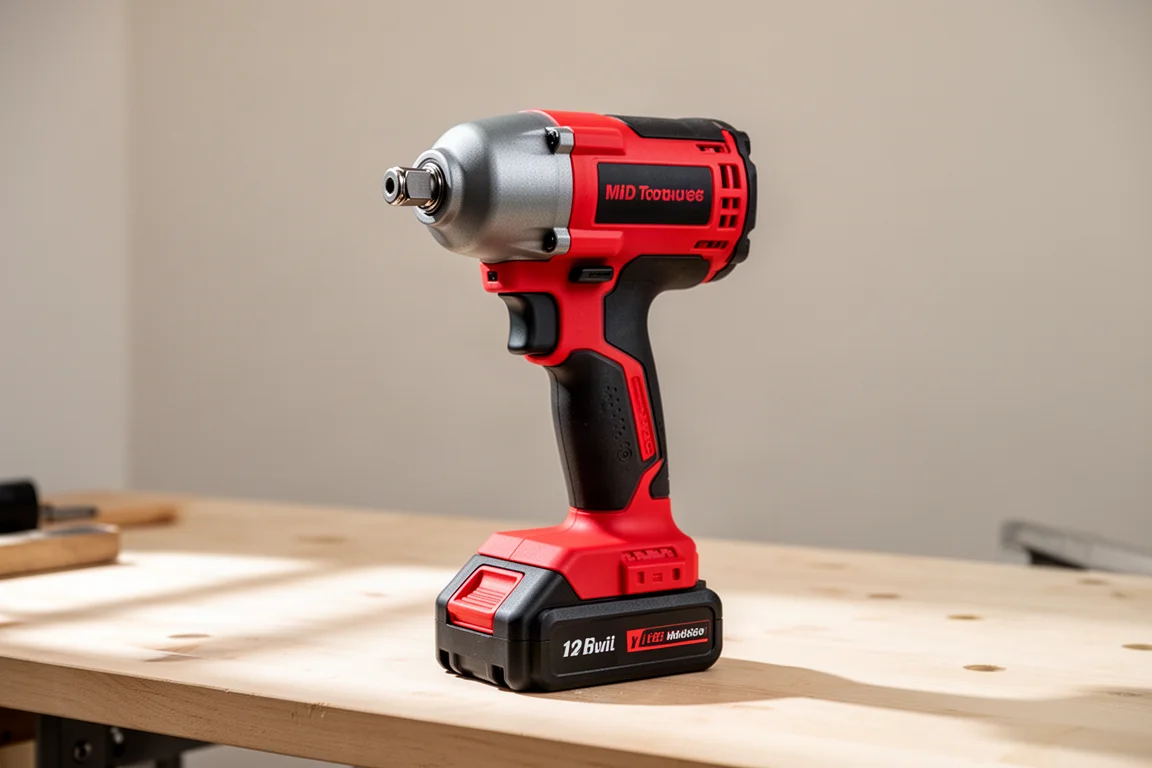
CC Mid-Torque: The Amazon Curveball
The newest generation of the Amazon-brand CC mid-torque claims 1,000 newton-meters of breakaway and 800 of tightening torque, which works out to a claimed 627 foot-pounds of tightening, well above almost any mid-torque on sale today. In reality it delivered 76 percent of that claimed figure, though it still posted 343 foot-pounds in the forward test and 386 in the ten-second reverse test, right in the mix with established brands.
Its most impressive result came in the fifteen-second maximum test: 473 foot-pounds. Unlike competitors that flatten out, it kept climbing steeply through the run, a good sign of headroom. It is slower hitting but hits with more emphasis, so on stuck or rusted 200 to 400 foot-pound bolts, faster tools like the Ridgid or M18 mid-torque will remove them sooner, but the CC reaches the same torque conversation. It is also the shortest mid-torque the brand has made, at 70 foot-pounds per inch of length. Caveats are real: a roughly 30-day warranty, unknown factory pedigree, and the brand’s habit of aggressive headline numbers. But it has never been broken in long-term use, and at around $130 all-in with battery, charger and sockets, it just barely took second place overall.
Buying Advice
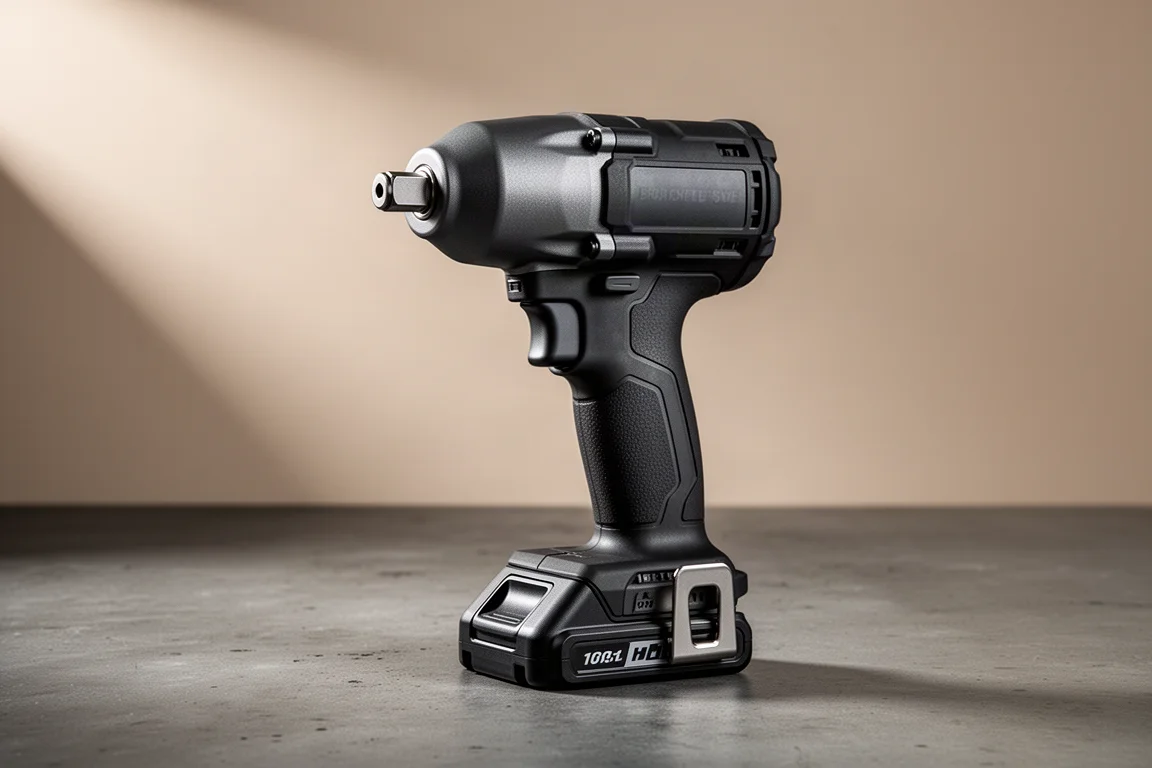
The old price categories are blurring. Premium pricing still tends to bring build quality, but raw performance can be a question mark compared to hardware-store brands. An example: in 18V compacts, Ridgid’s latest model delivers torque output versus size that makes a much higher price hard to justify. Meanwhile, Amazon brands are almost all brushless now, and names like CC are genuinely pushing technology into the same conversation as the established brands, even if plenty of clutter remains to sift through.
If you work on rusted or stuck bolts daily and want the fastest removal, the established mid-torque tools still take them off sooner. If you want a compact from a professional brand and value build quality over value, the Ingersoll Rand is likely a fine tool, just pricey for its output. If you want maximum performance per dollar and accept warranty risk, the budget mid-torque is a genuinely competitive option.
Conclusion
What you pay for a cordless impact wrench no longer maps neatly to what you get. The $230 premium compact performed respectably but was matched or beaten by cheaper tools, while a $130 all-in Amazon mid-torque scored 473 foot-pounds and placed near the top of the ranking. Maybe not every handheld cordless tool needs to cost $200 to $250, and honest testing of the alternatives is the best defense against prices creeping ever upward.
Further reading
Related Reviews
Power Tools
Best 1-Inch Pistol Impact Wrenches: Three Heavy-Duty Options Compared
We compare three 1-inch pistol impact wrenches, from a budget-friendly Harbor Freight model to a premium Caterpillar unit, to help you choose the right one.
Power Tools
Best 3/4-Inch Impact Wrenches 2026: Five Contenders Compared
We compare five 3/4-inch impact wrenches across price and performance, from a budget Amazon option to Snap-on's most powerful model yet.
Power Tools
Best Budget Cordless Tools 2026: Walmart Finds That Punch Above Their Price
We tested five cordless tools from Walmart, including a high-torque impact wrench that trades blows with Milwaukee and a $35 duster that outperforms its price class.