Power Tools
Best Compact Impact Drivers Compared: Makita XDT19 vs XDT16, DeWalt DCF850, and Flex 24V
Makita's new XDT19 trims the head and adds smoother delivery, but the DeWalt DCF850 still wins on compactness and the Flex 24V owns raw power. Here is how the four stack up.
Introduction
Makita’s latest compact impact driver, the XDT19, has finally landed in the US, and it arrives with a familiar dilemma. Anyone who has followed the brand knows the pattern: the newest Makita tools typically show up elsewhere months before the US versions, so you either pay nearly twice the price importing from Japan or you wait. The XDT19 has already started shipping inside Makita’s updated XT288 kit, and bare tools have been hard to come by through normal retail channels.
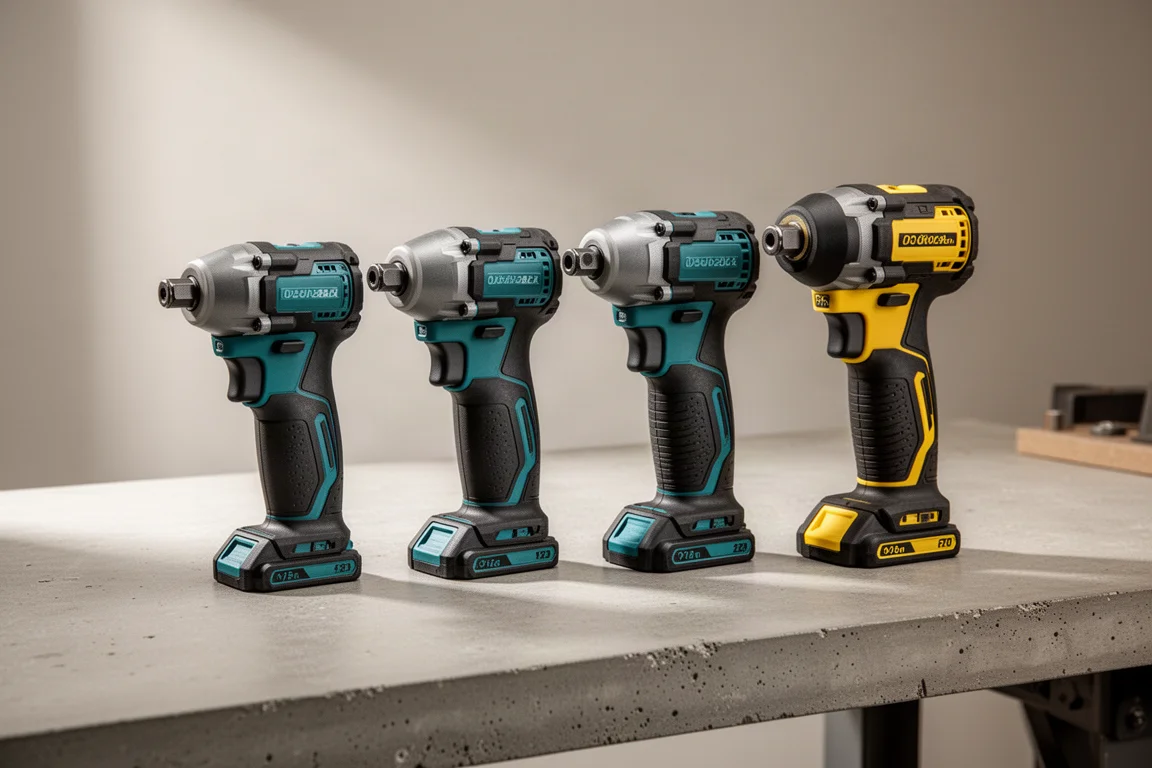
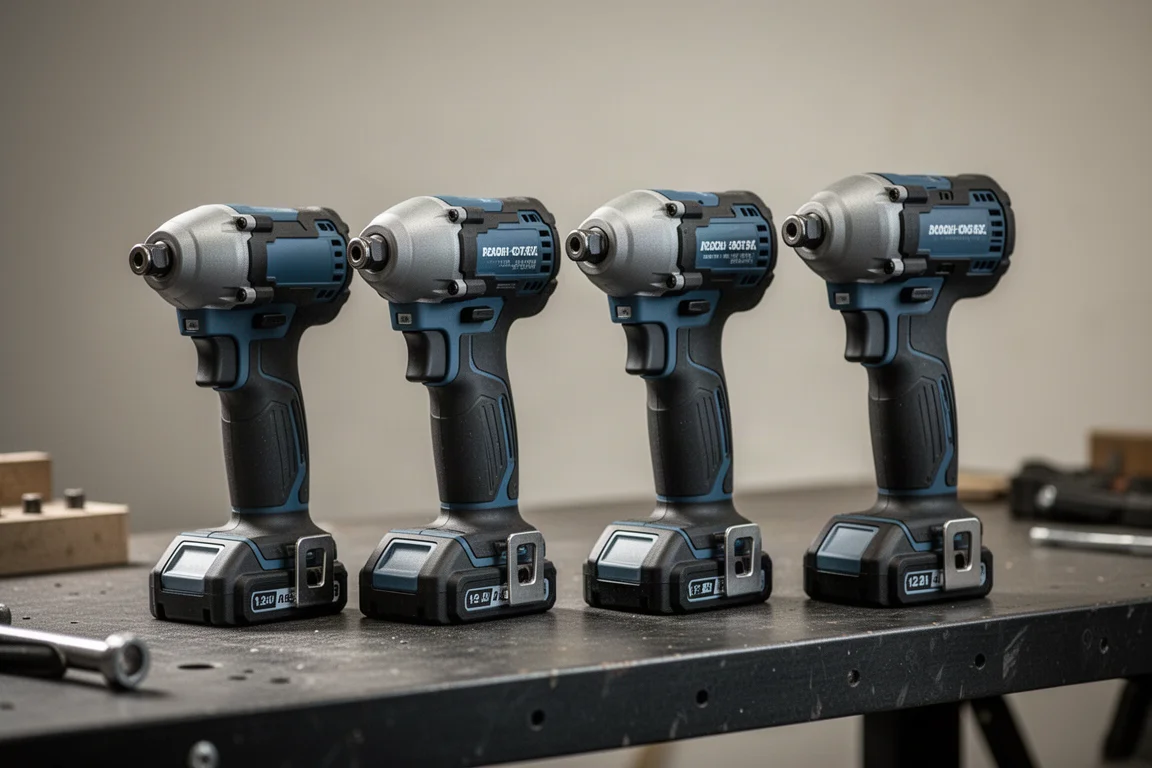
This comparison looks at four distinct takes on the impact driver: the new Makita XDT19, its predecessor the XDT16, the ultra-compact DeWalt DCF850, and the Flex 24V impact driver for anyone chasing maximum torque. Each serves a different priority, and the right choice depends less on raw numbers than on balance, comfort, lighting, and control.
What Actually Changes on the Makita XDT19
The headline upgrades on the XDT19 are not about power or speed. Speed and impacts per minute are essentially the same as the XDT16, though the XDT19 runs about 200 more impacts per minute, suggesting a revised hammer and anvil or motor. The real changes are in the head, the control panel, and the weight.
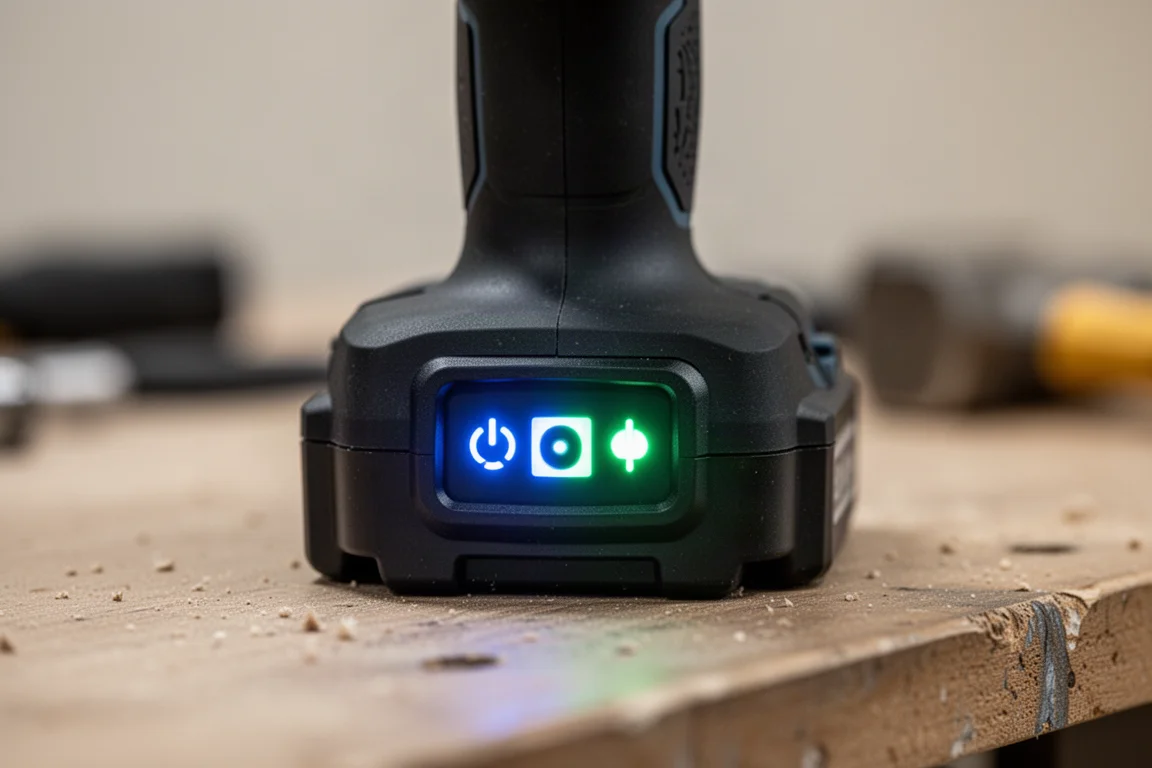
The control panel layout is the most visible difference. The XDT16 uses a four-speed selection with a quick-change mode button up top, separate light controls, and a set of fastening and removal modes including two self-tapping modes, a screw mode, and a bolt removal mode. The XDT19 consolidates all of that into five LEDs: four speed modes, plus a blue LED that corresponds to the fastening modes below. Some will find the new panel a little more cluttered than the older layout, but it can also be easier to read. The green and blue LEDs are arguably nicer than the red LEDs on the XDT16.
Weight drops slightly too. Without batteries, the DeWalt DCF850 weighs 2 pounds 1.4 ounces, the XDT16 comes in at 1 pound 15.1 ounces, and the XDT19 is the lightest at 1 pound 14.1 ounces. It is a small reduction, but noticeable in the hand.
Corner Access: Why Head Size Matters
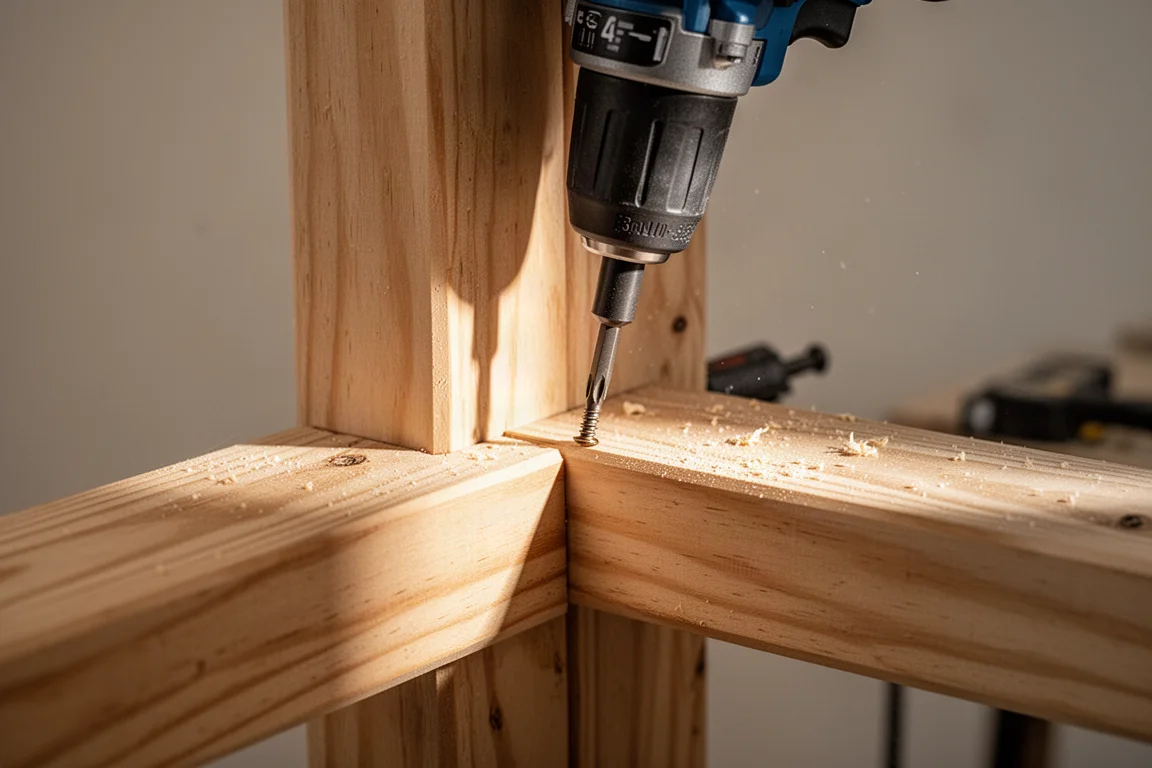
Makita clearly designed the XDT19 around a smaller head so screws can be driven into tight corners more easily. The XDT16’s head bulk can block a screw from reaching a corner, and this is exactly the same limitation noticed on the DeWalt DCF850: despite being impressively compact overall, its thick head limits where the tool can reach.
On measurements, the DCF850 is the shortest at just under 4 inches total, the XDT16 measures about 4.7 inches, and the XDT19 sits roughly a quarter inch shorter at about 4.5 inches. The DCF850 remains the overall size record holder and is genuinely tiny, but the XDT19’s head is noticeably slimmer and lower than the DCF850’s bulkier nose.
One trade-off with the smaller, lighter head: the XDT16 feels better balanced overall, sitting nicely with the battery, while the XDT19 feels a bit heavier on the battery side. That is the only real con found so far in hands-on use.
Power Across the Four
If you are expecting a big power jump from the XDT16 to the XDT19, that is not what this update is about. In independent testing, the two trade blows: the 19 wins some tests while the 16 carries about 10 inch-pounds more rated torque. The XDT19 is rated at 1,590 inch-pounds, with identical RPMs to the 16 and slightly more impacts per minute.
The DCF850 is where you find a genuine jump, at around 1,600 to 1,825 inch-pounds depending on the figure you go by, and it has proven to be impressively strong in months of use. But even it is not the most powerful option. Milwaukee’s Gen 3 and Gen 4 sit around 2,000 inch-pounds, and the Flex 24V impact driver tops the category outright at roughly 2,300 to 2,400 inch-pounds. That level of torque comes with a caveat: at 2,000 inch-pounds and above, breaking bits and snapping screws off becomes a real problem.
A Look at the Makita XDT16
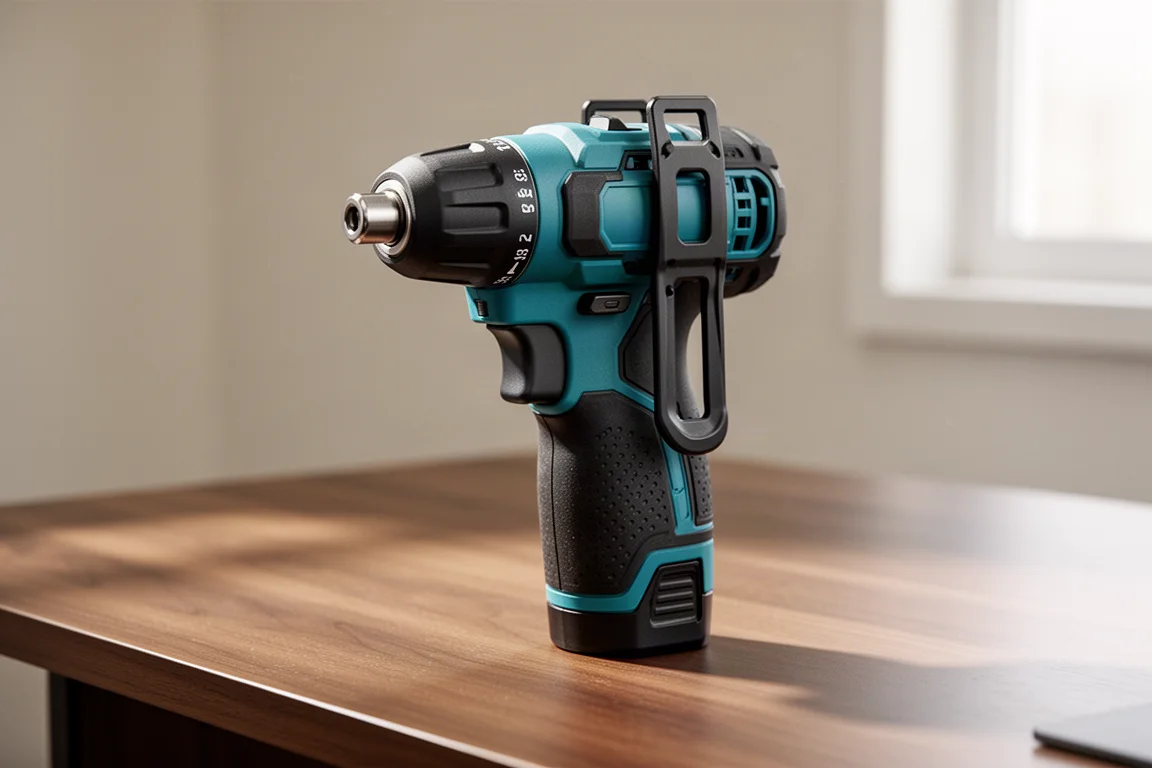
The XDT16 remains a fantastic choice in its own right. It has proven itself as a carry-everywhere driver with excellent size, feel, and one of the richest feature sets in the class: four speed modes with quick-change, adjustable light control, two self-tapping modes, screw mode, and bolt removal mode. If you prefer the older-style control panel over the new consolidated layout, the XDT16 is still the tool to buy.
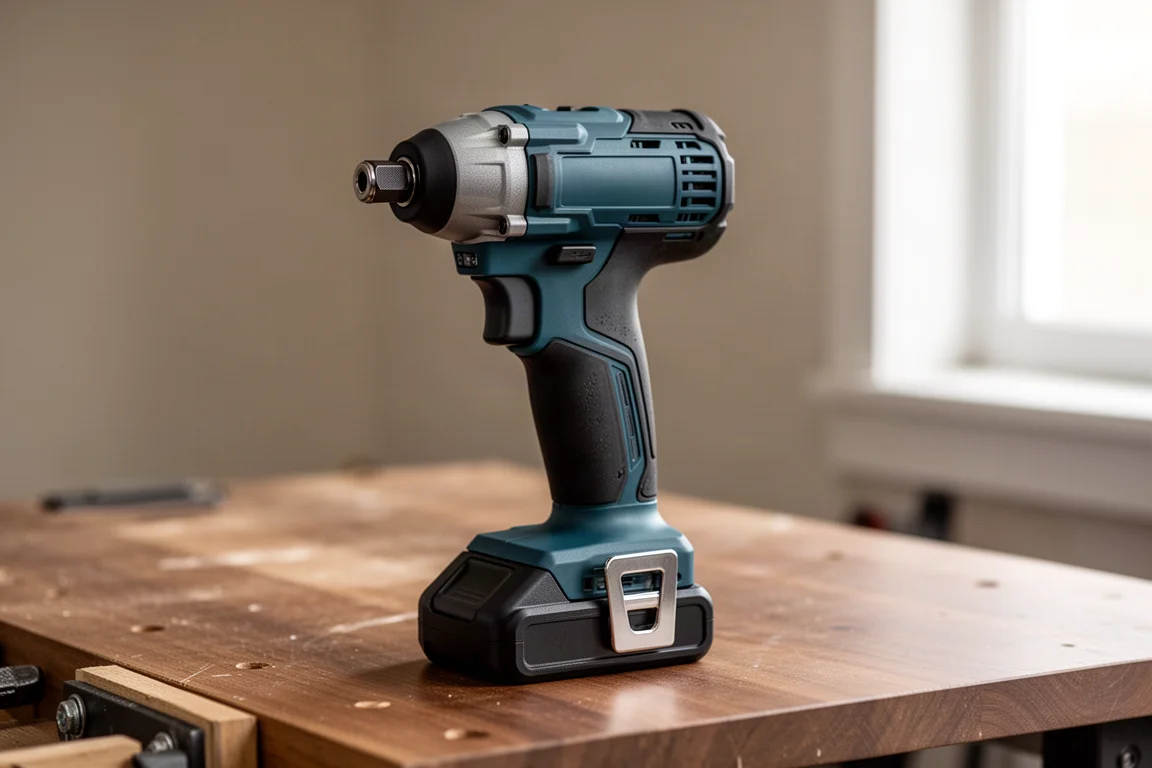
The DeWalt DCF850: Compactness Champion
The DCF850’s calling card is size. At just under 4 inches long, nothing in this comparison beats its overall footprint. It also delivers a serious power step up over either Makita here. The downside is the head: it is thicker than the XDT19’s, which limits access into corners, and the delivery feels rougher under load, using fewer but more forceful impacts. As an ultra-compact, powerful daily driver, though, it is easy to recommend.
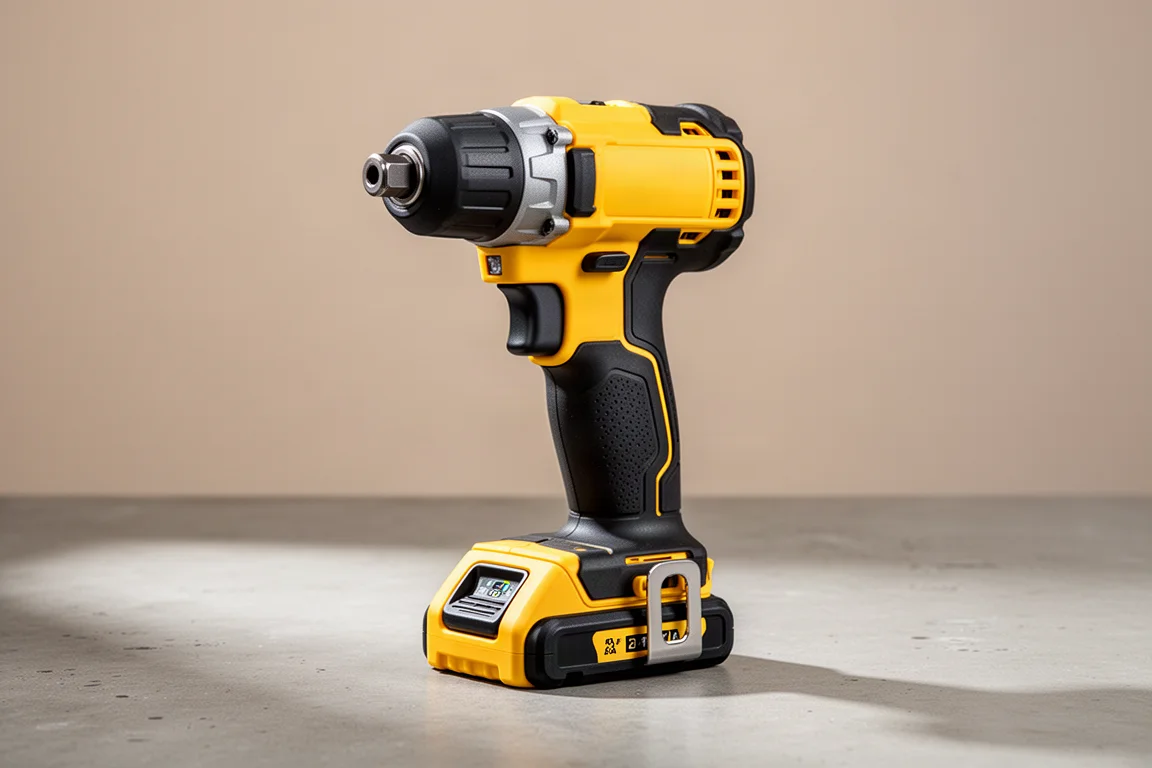
Flex 24V Impact Driver: When Only Maximum Power Will Do
For sheer torque, the Flex 24V impact driver sits at the top of the class at roughly 2,300 to 2,400 inch-pounds. It is an absolute beast. But that power cuts both ways: above the 2,000 inch-pound mark, drivers like this start snapping bits and breaking screws off in regular use. It makes sense for heavy structural fastening, not for everyday screwdriving where control matters more than brute force.
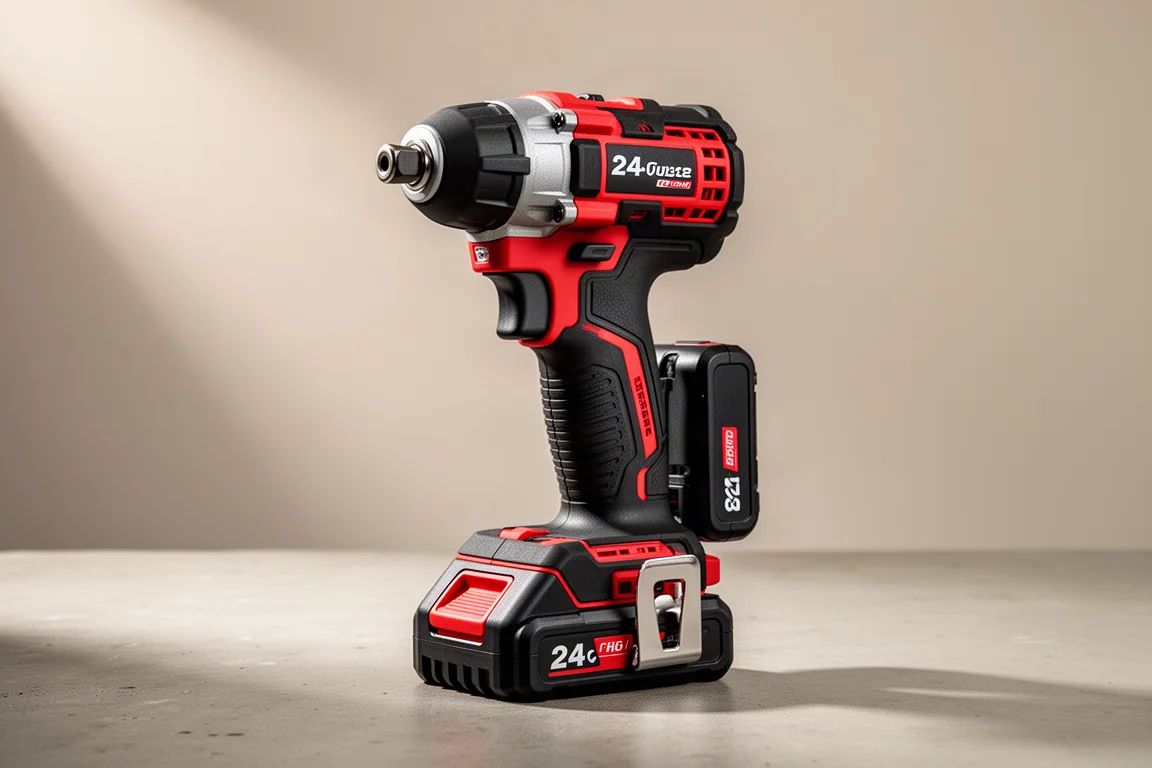
How the XDT19 Feels in Real Use
After a full day of driving self-tapping screws on a job, the XDT19 feels smoother than the XDT16, with noticeably more low-end torque. It also runs quieter: the 16 sounds louder when impacting, and the 19’s motor has a higher-pitched, smoother note. There is also a sense that the 19 engages its impacts slightly later than the 16 under load.
Of the three compact drivers here, the XDT19 is the smoothest. The DeWalt is the roughest and most aggressive under load, and the XDT16 sits in between with a proven, well-balanced character. None of these differences will matter much when driving the occasional screw, but over a 3,400-screw fencing job, a couple of seconds saved per fastener and a smoother delivery add up to real fatigue savings.
Buying Advice: Power Is Not Everything
It is tempting to buy impact drivers on speed tests alone, but that misses most of the picture. Adjustable modes, good balance, low weight, and excellent lighting matter enormously in daily use, and the Makita’s mode selection and self-tapping features get used constantly. A 2,000 inch-pound driver sounds great on paper until it starts breaking bits off.
If you want the smoothest, most refined compact driver with the smallest Makita head yet, the XDT19 is a great upgrade, if you can find one. If you prefer the older control panel or want the best balance, the XDT16 is still excellent. If ultra-compact size and a power step-up matter most, the DeWalt DCF850 wins. And if you genuinely need the most torque on the market, the Flex 24V is the current leader.
Conclusion
The Makita XDT19 is a thoughtful refinement rather than a raw power play: a shorter, slimmer head, a smoother motor, slightly reduced weight, and a consolidated LED control panel. The XDT16 remains a well-balanced, feature-rich alternative, the DeWalt DCF850 leads on compact size and delivers more torque, and the Flex 24V owns the top of the power chart. Match the tool to how you actually work, and every one of these makes sense in the right hands.
Further reading
Related Reviews

Power Tools
Best 1-Inch Pistol Impact Wrenches: Three Heavy-Duty Options Compared
We compare three 1-inch pistol impact wrenches, from a budget-friendly Harbor Freight model to a premium Caterpillar unit, to help you choose the right one.

Power Tools
Best 3/4-Inch Impact Wrenches 2026: Five Contenders Compared
We compare five 3/4-inch impact wrenches across price and performance, from a budget Amazon option to Snap-on's most powerful model yet.

Power Tools
Best Budget Cordless Tools 2026: Walmart Finds That Punch Above Their Price
We tested five cordless tools from Walmart, including a high-torque impact wrench that trades blows with Milwaukee and a $35 duster that outperforms its price class.