Power Tools
Compact Impact Driver Face-Off: DeWalt Atomic vs Milwaukee M18 vs Makita XGT
Three compact impact drivers go head to head on real measured torque, size, and value, with a clear winner for tight-space work.
Introduction
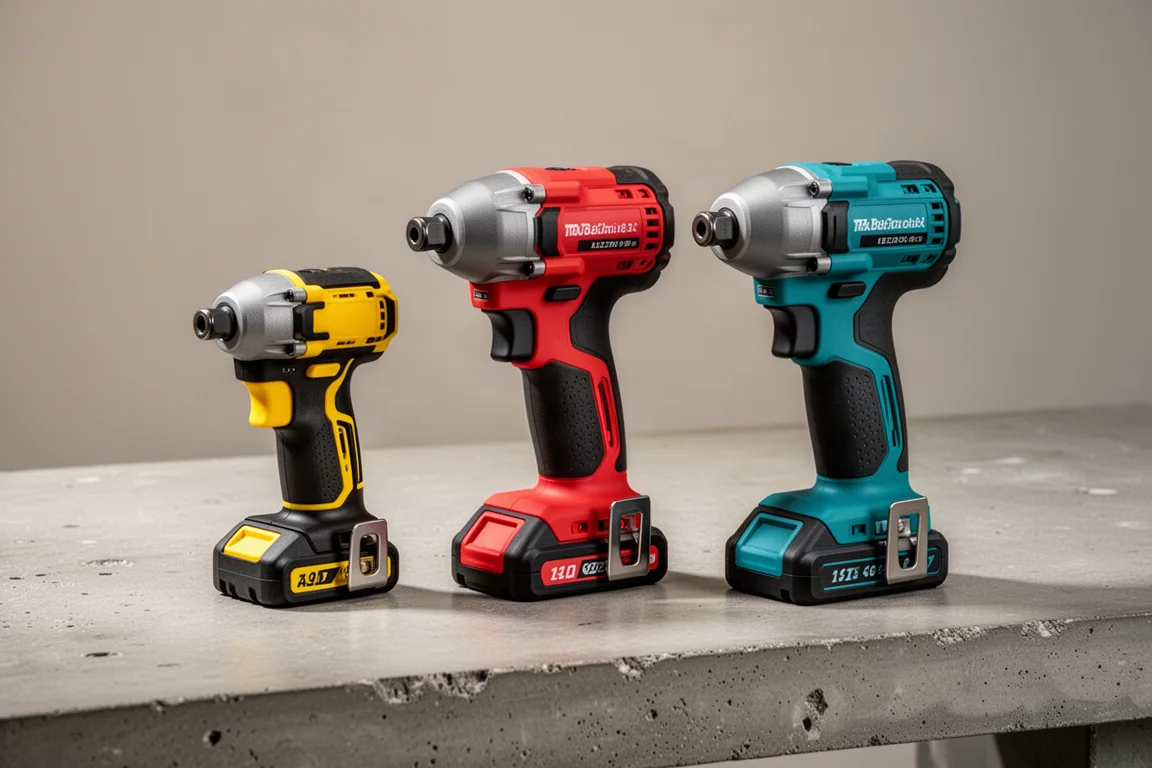
Compact impact drivers are the tools most of us reach for more often than anything else in the kit, so when DeWalt released the new DCF850B Atomic, it was time to see how it measured up against two established heavy hitters: the Milwaukee M18 Gen 3 and the Makita XGT 40V GDT01Z. All three were put through the same controlled torque testing to see whether the marketing claims hold up under load.
The short version: the numbers tell an interesting story, and the smallest tool in the group does not behave like the smallest tool in the group.
How They Compare on Paper
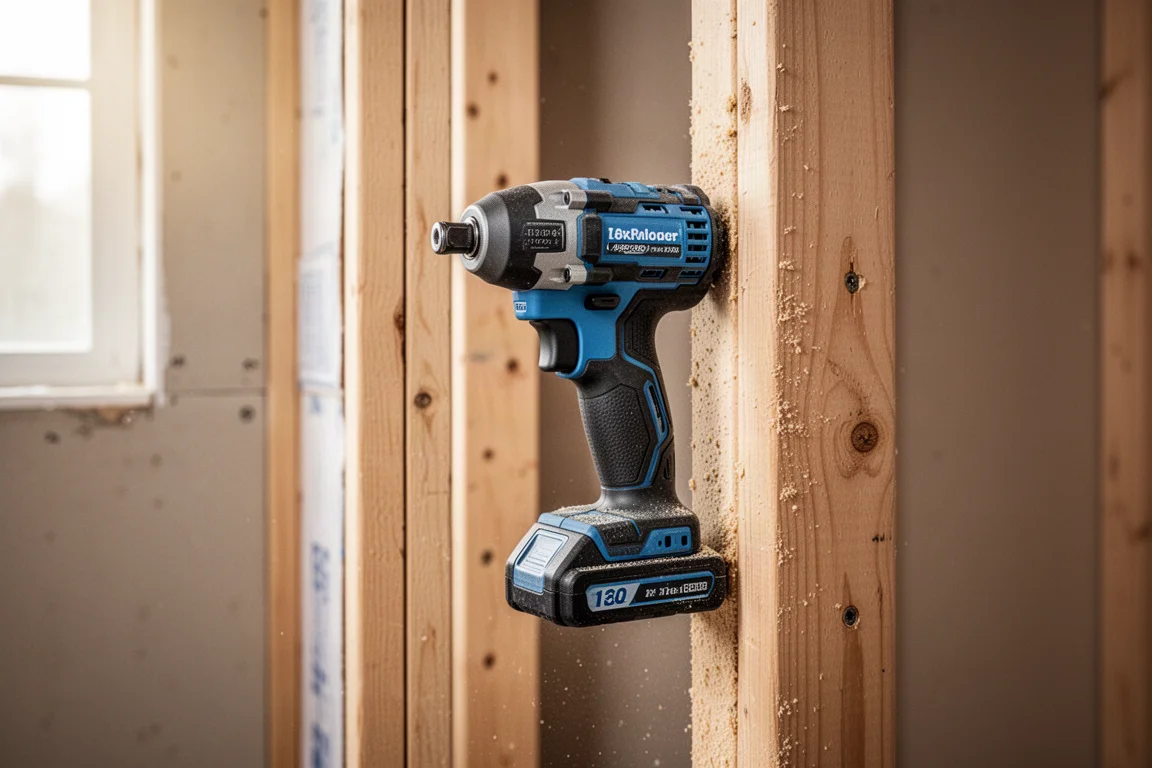
DeWalt advertises the DCF850B at 1,825 inch-pounds of torque, which works out to roughly 152 foot-pounds. That alone is not the headline here, since older DeWalt models delivered similar numbers for less money. The real trick is size: at just 3.97 inches long, it is dramatically shorter than most of the market, including the 5.9-inch DeWalt 887 it sits alongside on the shelf.
The Milwaukee M18 Gen 3 claims 2,000 inch-pounds, about 167 foot-pounds, and measures 4.6 inches, which has long felt like the standard for a compact driver. The Makita XGT GDT01Z, running on the 40V XGT platform, claims 1,950 inch-pounds, or about 163 foot-pounds, at 4.7 inches long.
DeWalt DCF850B Atomic: The Size Champion
In torque testing, the DeWalt posted 141 foot-pounds in the working torque test, close to its advertised claim, then climbed to 167 foot-pounds in reverse and 177 foot-pounds in the maximum forward test. For a tool this small, those are genuinely impressive numbers, and it kept pulling strong late in each run, something rarely seen as tools get smaller.
Bare, the DCF850B sells for around $150, with a kit including a 5Ah battery and charger running about $200. Older DeWalt models with the same torque rating can still be found for less, but none of them come close to this footprint.
Milwaukee M18 Gen 3: The Benchmark
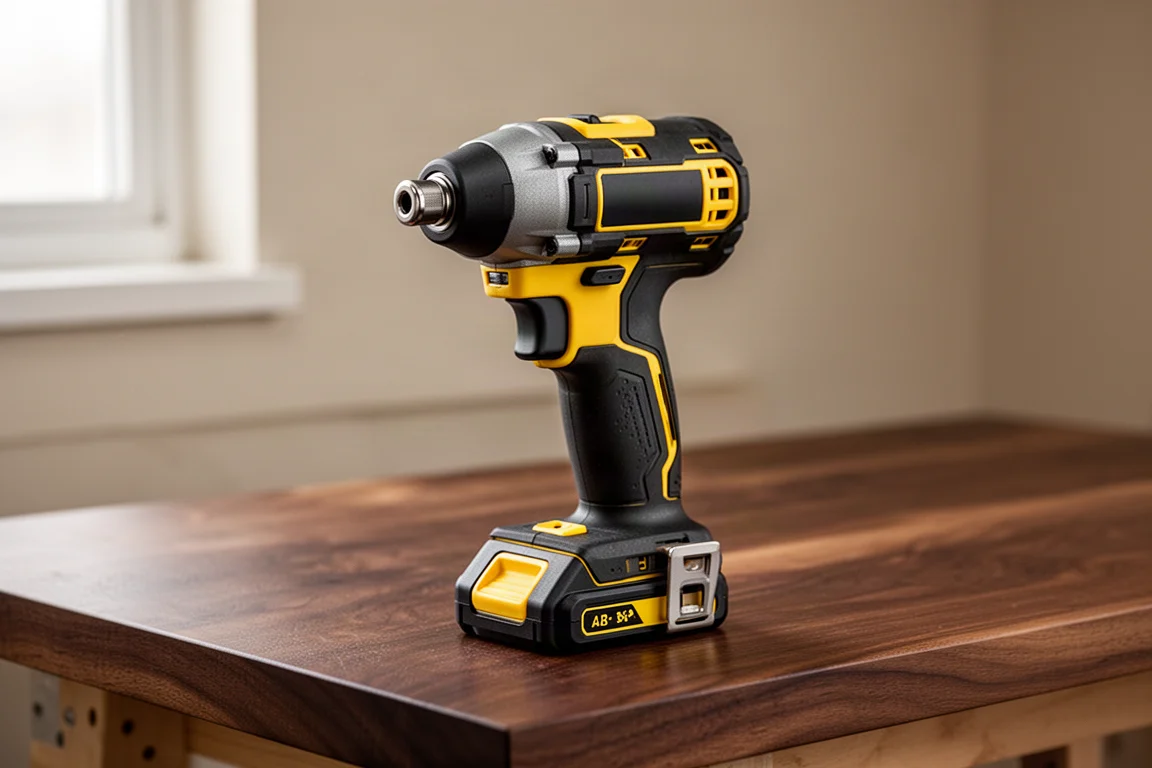
The Milwaukee turned in the strongest numbers of the group across the board: about 167 foot-pounds in working torque, 181 in reverse, and 188 in max forward. It is the performance standard in this category, and nothing here dethroned it on raw output.
The trade-off is size. At 4.6 inches, it is noticeably longer than the new DeWalt, and that 17 foot-pound gap in advertised specs is not something you will always feel, while the length difference is visible at a glance.
Makita XGT 40V GDT01Z: The Disappointment
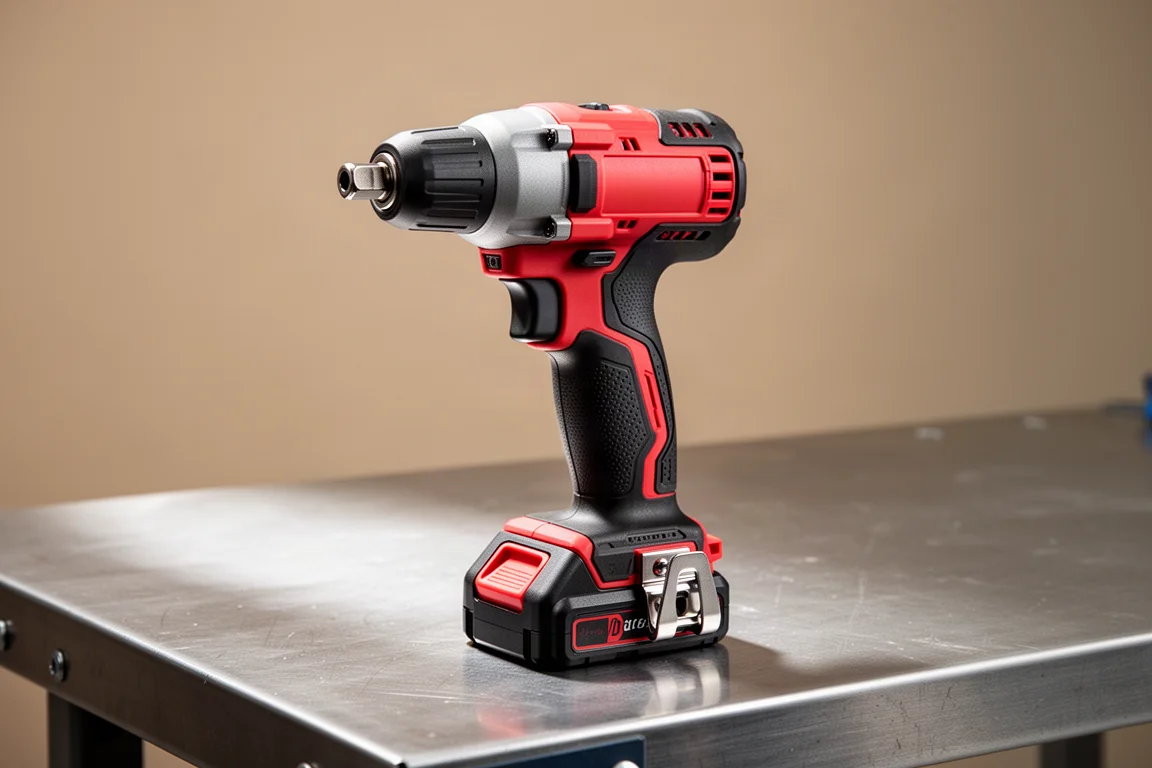
Here is where things get surprising. The Makita, despite its 40V platform and the highest claimed specs relative to price, managed only 114 foot-pounds in working torque, never cracking 120 across three runs. In reverse it reached 140, and max forward landed at 131. Retesting produced the same results every time.
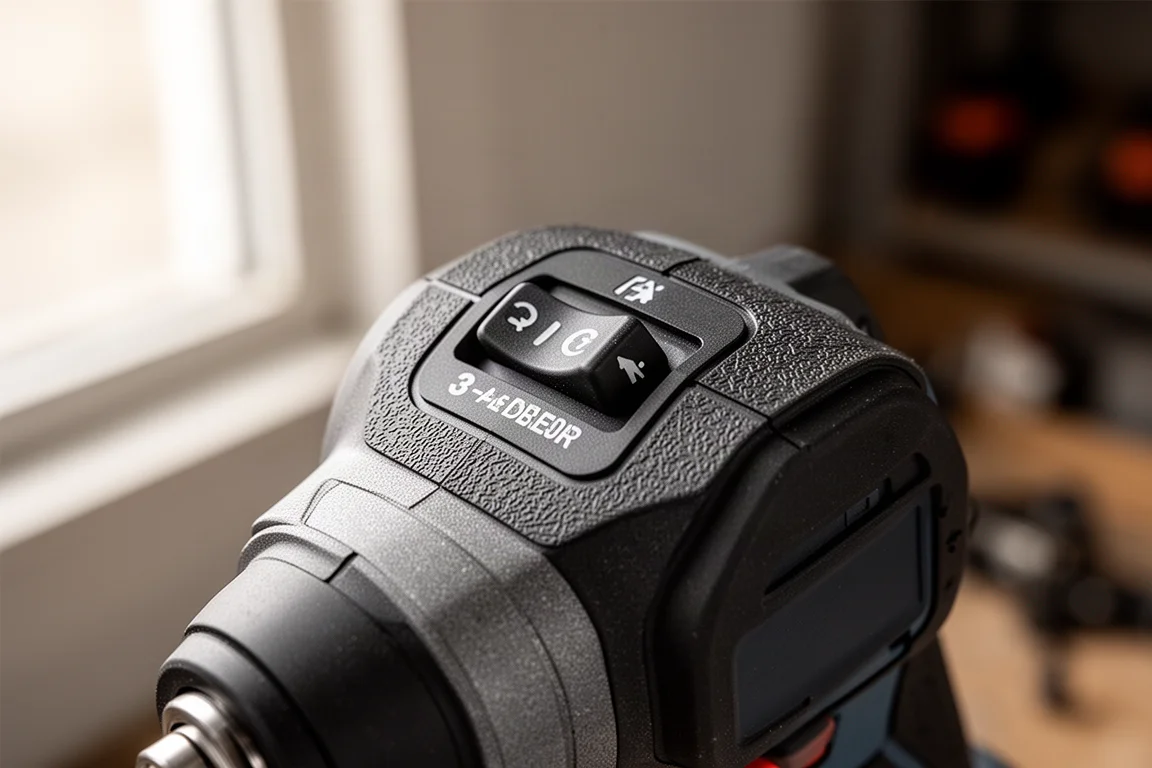
At around $200 bare, it is the most expensive of the three and simply does not bring the performance its voltage and spec sheet suggest. It also offers an unusually rich set of modes and settings, so there is flexibility here, but the core power output lags badly behind the group.
Controls and Mode Options
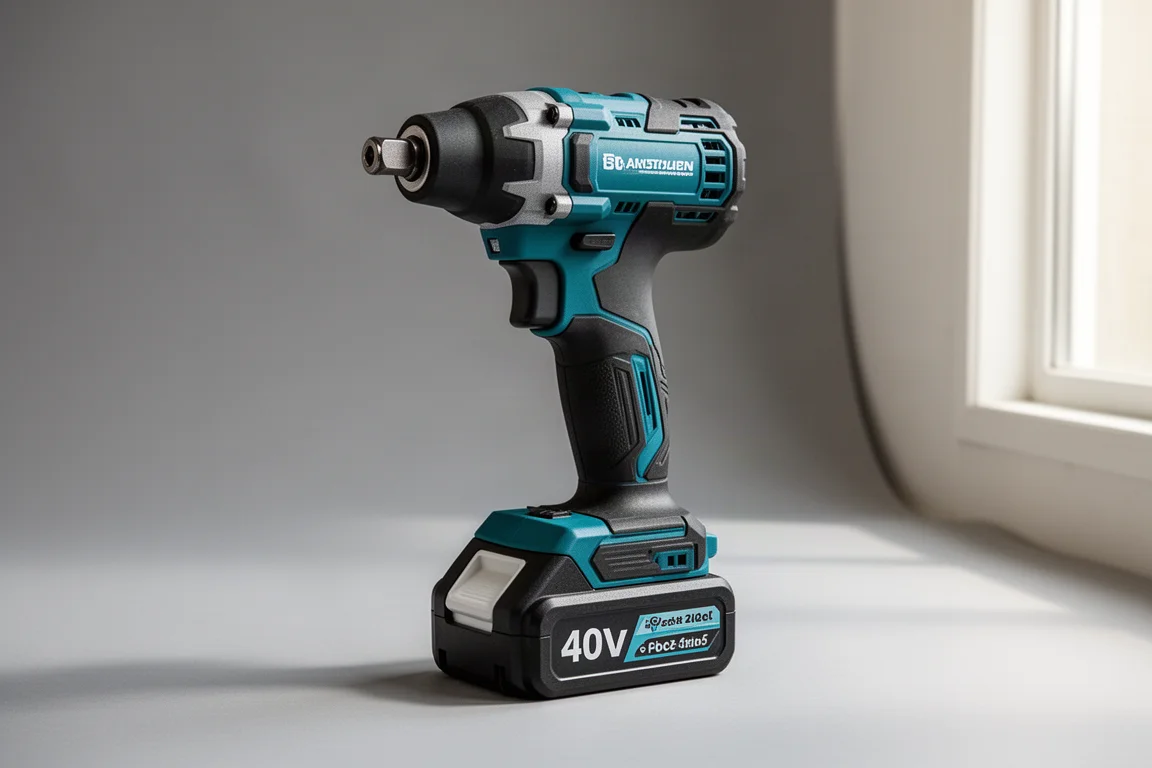
The DeWalt sticks with the classic three-speed toggle DeWalt users know well, paired with a new progressive trigger. It may lack some of the extra settings found on competitors, especially at this price point, but the core speed control works well. The Makita is the clear feature leader here, with more modes and options than most drivers will ever need.
Battery Choice Matters More Than You Think
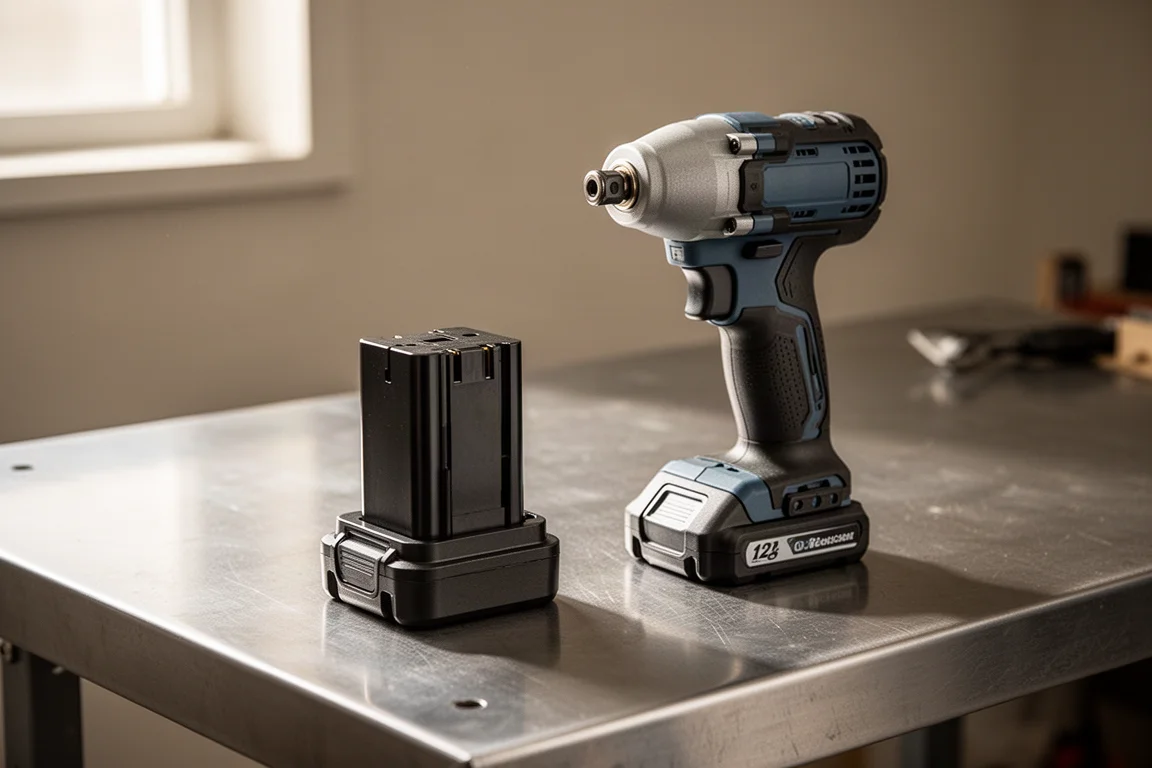
One interesting finding: pairing the DeWalt with its 4Ah compact battery built on 21700 cells delivered 164 foot-pounds, essentially identical to the 167 from the larger 5Ah pack. That means you can carry noticeably less weight and bulk on the tool and give up nothing in power. Given that some DeWalt tools have not paired well with standard compact packs, this combination looks like the best of both worlds for this driver.
Efficiency and Fit in Tight Spaces
Measured by torque per inch of tool length, the DeWalt posted around 44.3 foot-pounds per inch versus about 29.8 for the Makita, beating the Milwaukee on efficiency in a way that smaller tools rarely manage. In practical terms, the DeWalt will fit between plumbing and wall studs better than almost anything else in its class, and it is hard to think of many jobs the Milwaukee can do that it cannot.
Overall Verdict and Rankings
On a combined score weighting measured power against claims, size, and value, the DeWalt finished third overall on the broader ranked chart with roughly 249.7 points, moving above the Makita, which landed around 198.4, a score in the same territory as some of the weakest performers in the category. For raw output, the Milwaukee remains the one to beat.
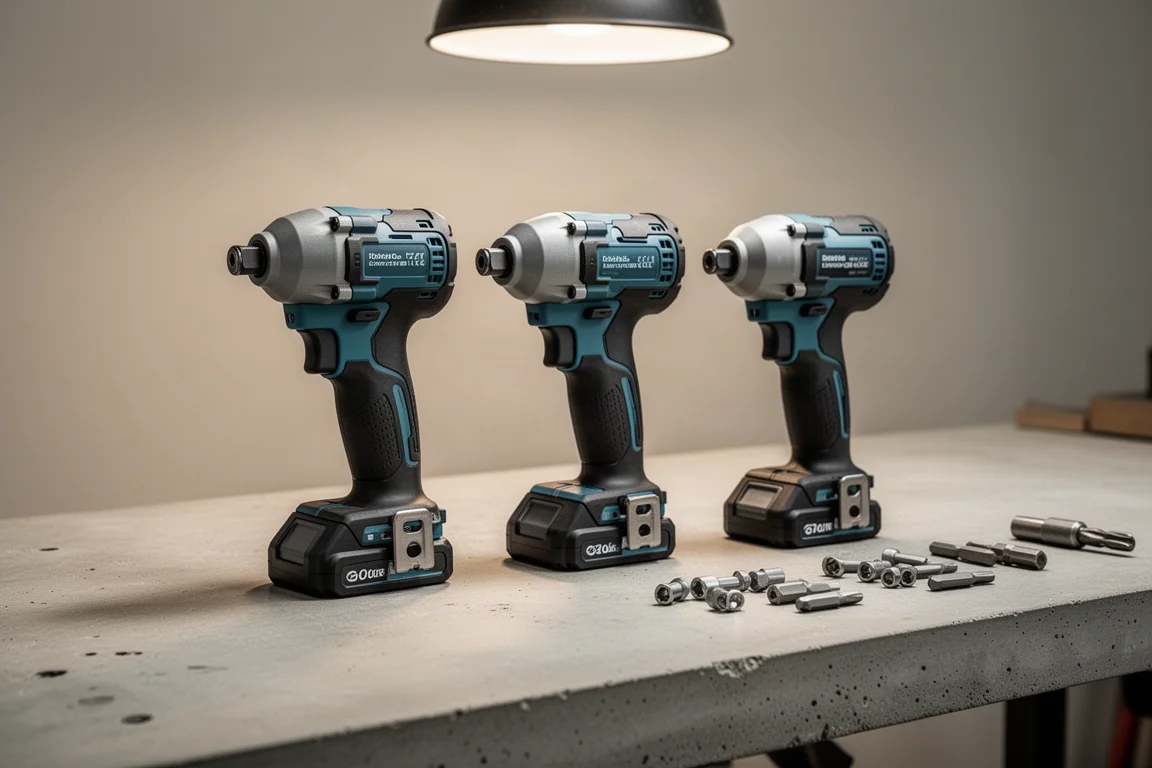
If you want maximum torque regardless of length, the Milwaukee M18 Gen 3 is still the benchmark. If you want the best balance of power, compactness, and modern design for tight job-site work, the DeWalt DCF850B Atomic is the standout of this comparison and arguably the impact driver to buy for packaging, power, and size. The Makita XGT GDT01Z is the hardest to recommend right now given its price and measured output.
Conclusion
The DeWalt DCF850B Atomic proves that small no longer means weak: it is dramatically shorter than its rivals and still posts numbers close to Milwaukee’s benchmark. The Milwaukee remains the outright torque leader. The Makita’s 40V entry shows that higher voltage alone does not guarantee higher performance in a compact driver. Choose based on what matters more to you: peak power or fitting into spaces nothing else can reach.
Further reading
Related Reviews
Power Tools
Best 1-Inch Pistol Impact Wrenches: Three Heavy-Duty Options Compared
We compare three 1-inch pistol impact wrenches, from a budget-friendly Harbor Freight model to a premium Caterpillar unit, to help you choose the right one.
Power Tools
Best 3/4-Inch Impact Wrenches 2026: Five Contenders Compared
We compare five 3/4-inch impact wrenches across price and performance, from a budget Amazon option to Snap-on's most powerful model yet.
Power Tools
Best Budget Cordless Tools 2026: Walmart Finds That Punch Above Their Price
We tested five cordless tools from Walmart, including a high-torque impact wrench that trades blows with Milwaukee and a $35 duster that outperforms its price class.