Car Accessories
Compact Car Jump Starters Compared: Loki Thor's, DeWalt and Battery Tender
Three portable jump starters at different power levels, from a tiny 2,000-amp unit to a 1,000-amp budget-friendly option, and what each one does well.
Introduction
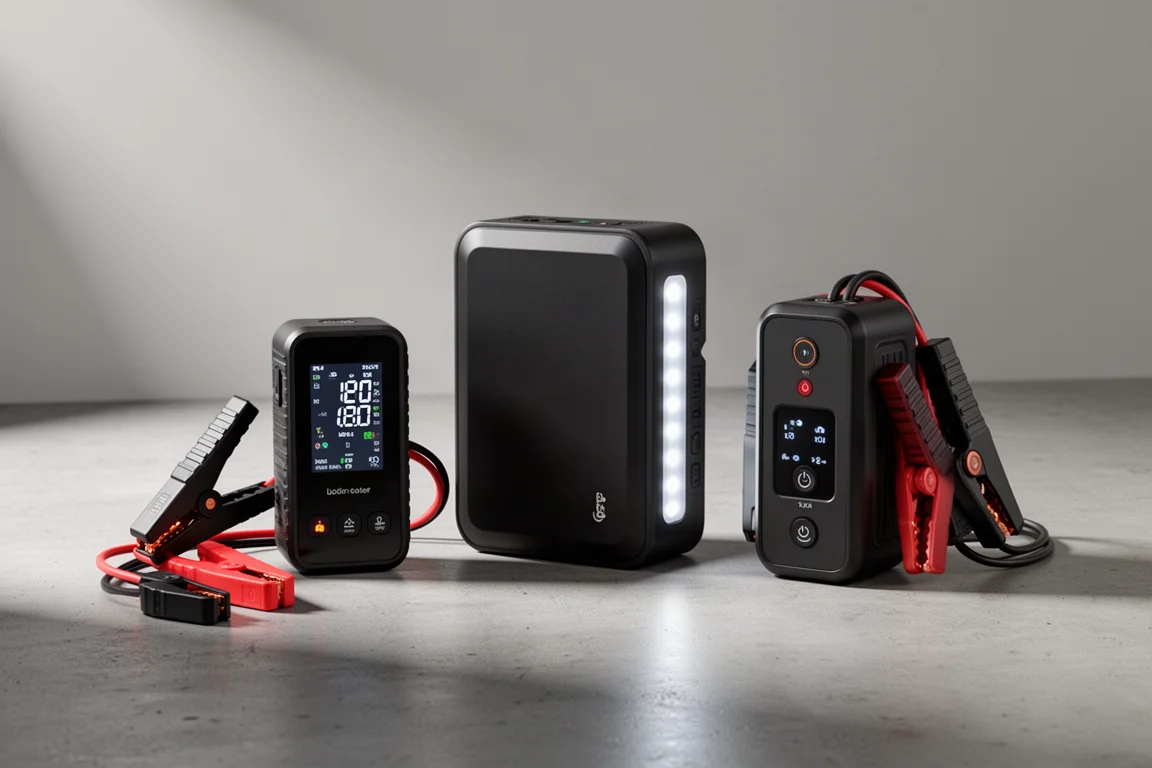
A dead battery always seems to happen at the worst possible moment, and a compact jump starter has become the modern fix. We compare three units aimed at different needs: the Loki Thor’s 2,000-amp peak jump starter, the DeWalt 1,600-amp unit, and the Battery Tender 1,000-amp model. Each has its own approach to power, display feedback, and cable design, and those differences matter more than raw amp numbers suggest.
Loki Thor’s 2,000-Amp Jump Starter: Small Body, Serious Power
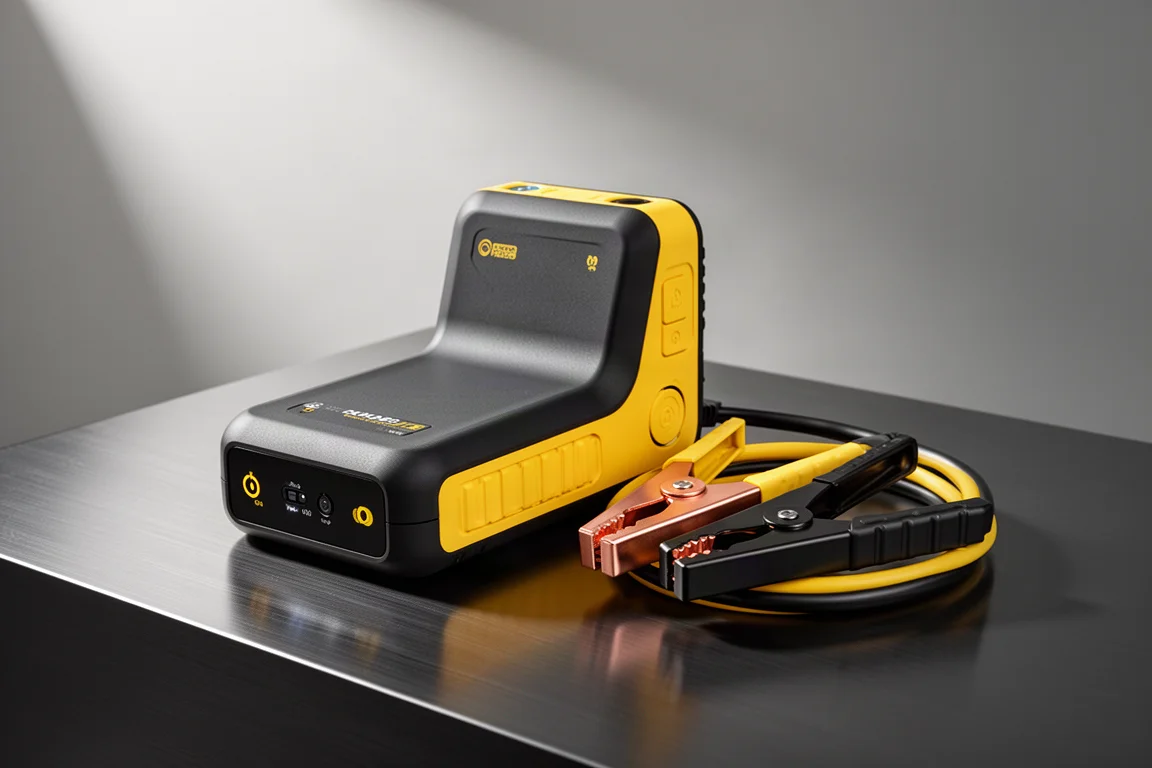
Loki Thor’s new unit is designed to be one of the smallest jump starters with this kind of power. It delivers a 2,000-amp peak current with an actual starting amperage of 1,000, and it packs an 8,000mAh onboard battery. For engine compatibility, it’s rated for up to 8L gas engines and 6L diesel engines.
In use, it performs impressively. It jumps a vehicle right away and kicks in without hesitation. If a battery is too low to trigger the start, a button lets you override the safety features to get the charge going. Testing also showed sensible protection: when connected backwards, it clearly flagged the error.
A few design details stand out. The integrated display shows the onboard battery power, something several larger competitors omit entirely. The clamps come with both a short and a long lead, adding some slack for fumbling around the engine bay without shorting anything out. And while the unit can double as a phone charger, keep in mind that using it for a few days of charging could leave too little juice to start your vehicle.
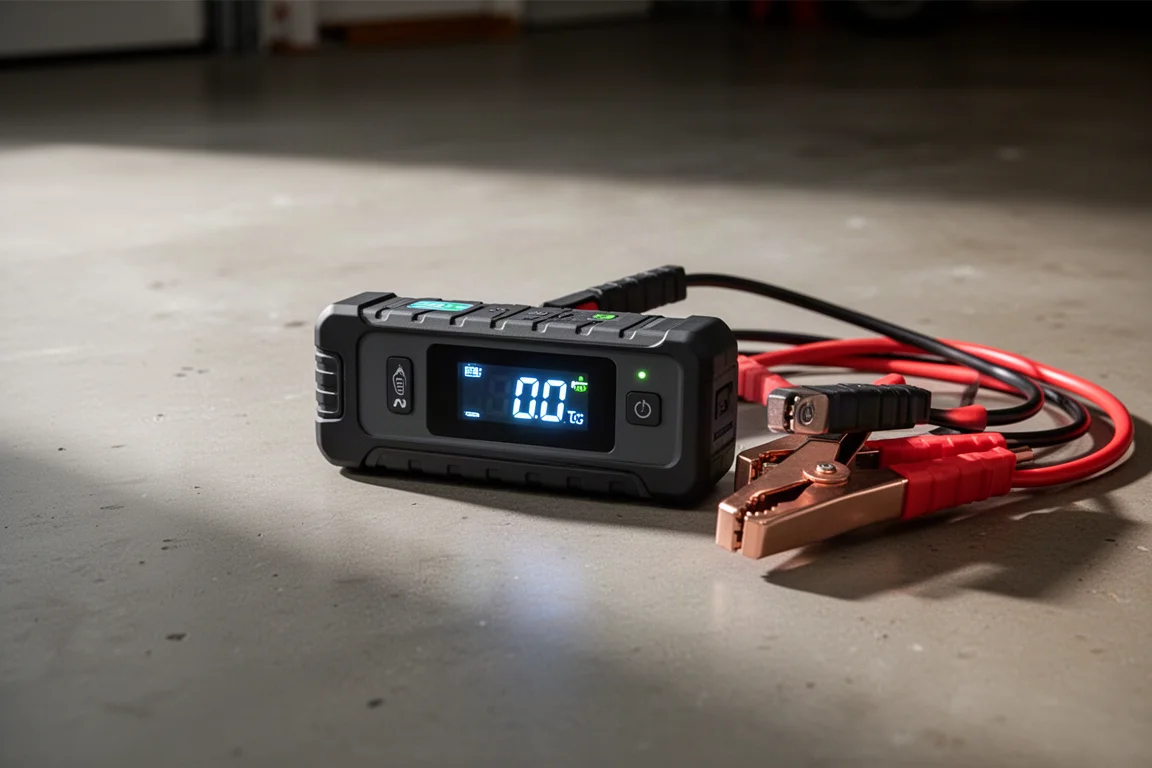
This is the model for anyone chasing the tiny-but-powerful niche: a genuinely small unit that still handles large engines.
DeWalt 1,600-Amp Jump Starter: Built Tough but Lacking a Display
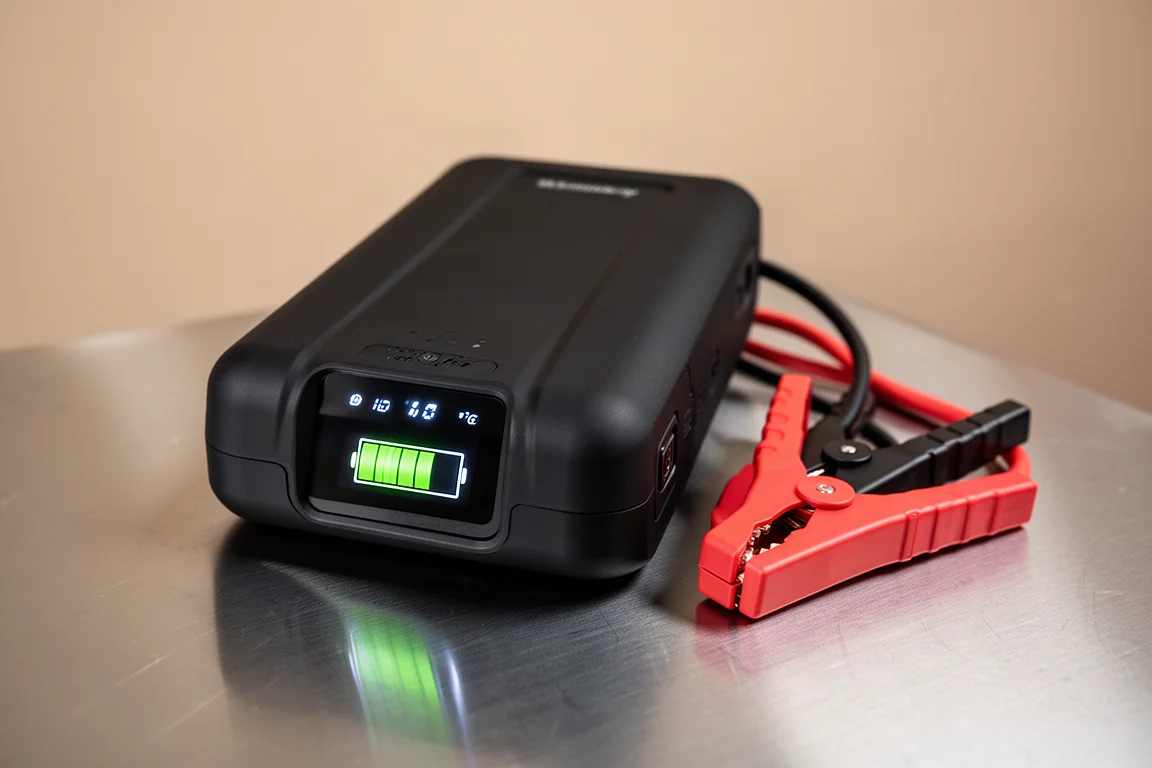
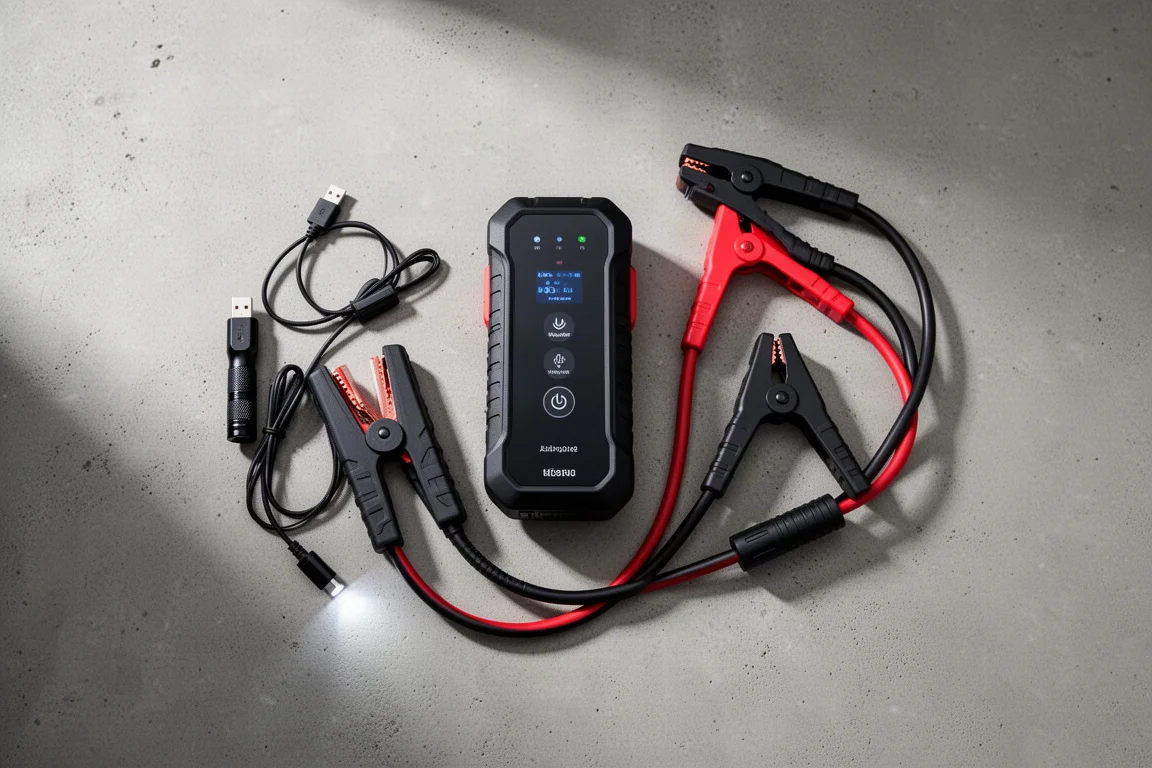
The DeWalt unit brings more brand recognition and a hard plastic build that has held up well over time. At 1,600 amps, it sits between the other two on peak power.
Where it falls short is in usability details. There is no display, so you get no information about the state of the onboard battery. Its LED light is positioned on the front of the unit, but the jumper cable exits from the side, which means everything bunches up when you try to use the light to connect the clamps. That is a real problem if you need to move the unit away from the battery for visibility.
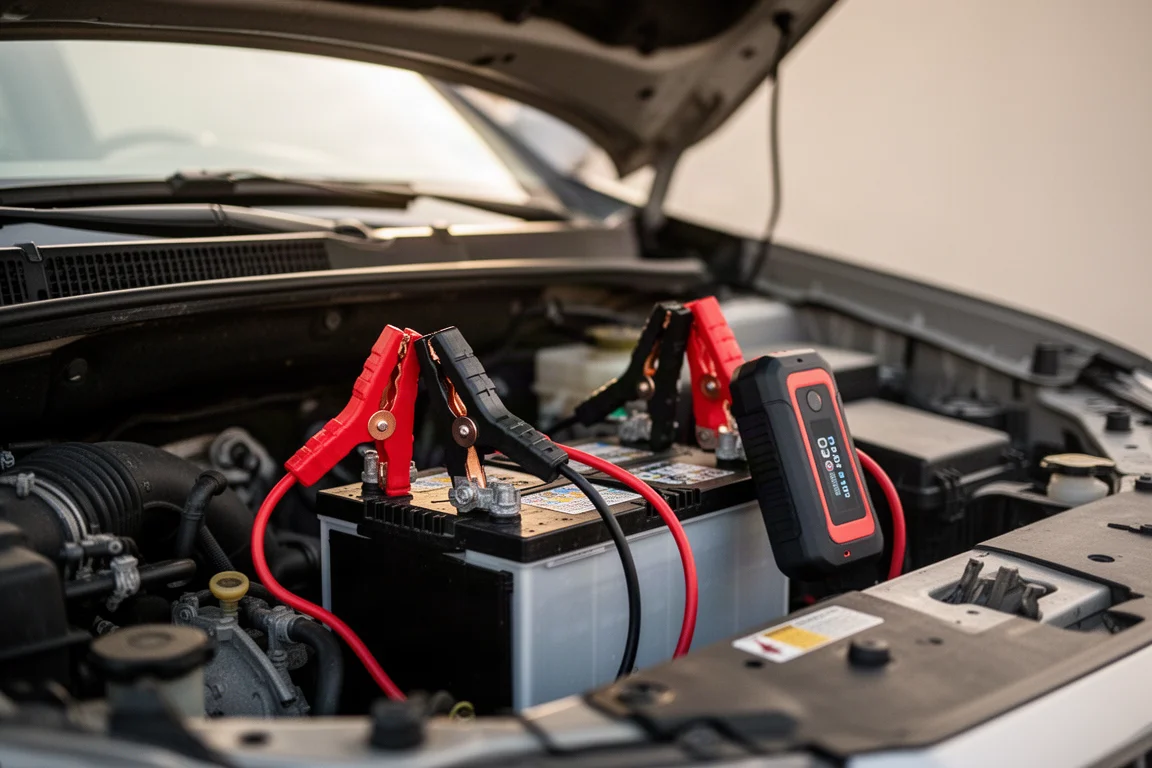
It remains a dependable, sturdy option, but the lack of feedback and the awkward cable routing make it less convenient for careful, by-the-numbers connections.
Battery Tender 1,000-Amp Jump Starter: Basic but Practical
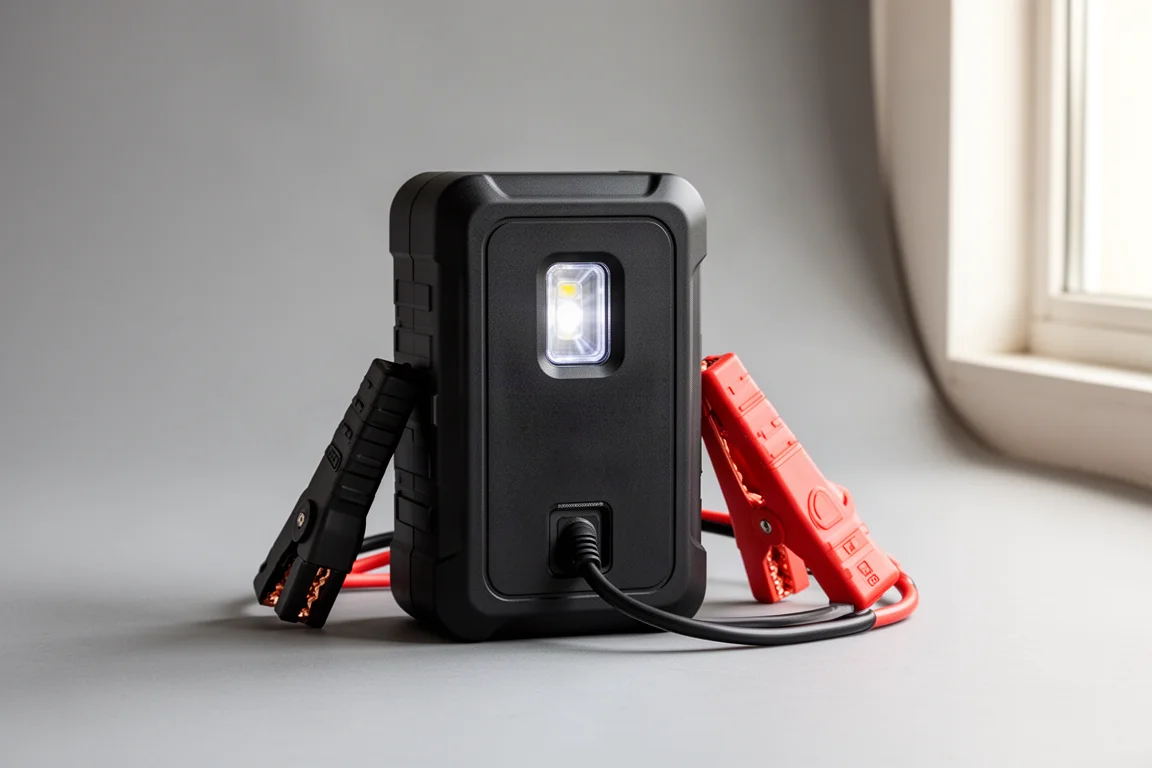
The Battery Tender model is the smallest in peak power at 1,000 amps, with a starting current around 400 amps. What it does right is ergonomics: the jumper cable exits from the front of the unit, close to the light, so connecting the clamps is far less of a juggling act than on the side-exit design.
It has proven durable as well. Even though the housing is hard plastic, it has survived extended use without breaking, which is worth knowing given it was not cheap when new. For smaller engines and light-duty use, the lower amperage is rarely a problem.
How to Choose the Right Jump Starter for You
Size versus reserve power is the core trade-off. On a long trip where you cannot recharge, a larger unit can make sense, because if you spend a few days using it as a phone charger or flashlight, you might not have enough capacity left to start the vehicle. Smaller units like the Loki Thor’s are easier to carry but have less reserve to spare.
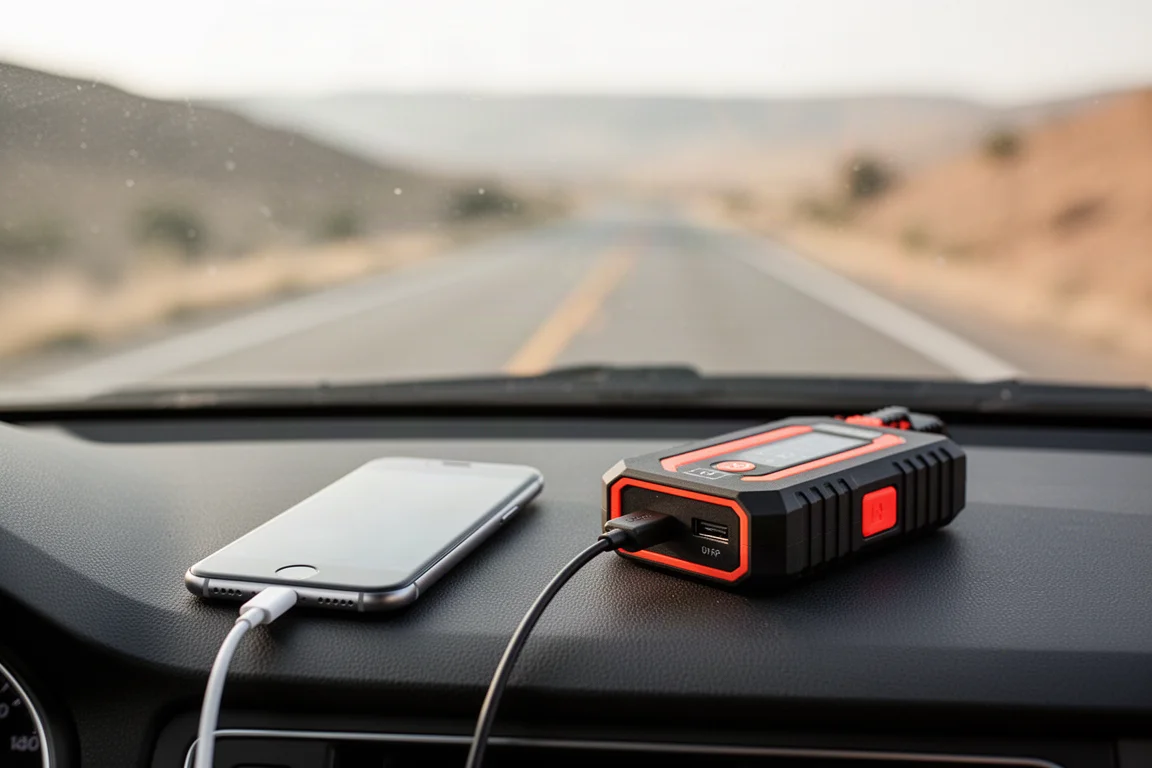
The Loki Thor’s 8,000mAh battery allows a few phone charges, and some users can also top off a laptop. If you plan to use a jump starter for anything beyond emergencies, check the onboard capacity before committing.
Conclusion
If you want the smallest package with the most power, the Loki Thor’s 2,000-amp unit is the standout, combining strong starting performance with a display and useful safety overrides. The DeWalt offers solid build quality at 1,600 amps but skips the display and has awkward cable routing. The Battery Tender 1,000-amp unit is the practical choice for smaller engines, with sensible front-facing cable design and proven durability.
Further reading
Related Reviews

Car Accessories
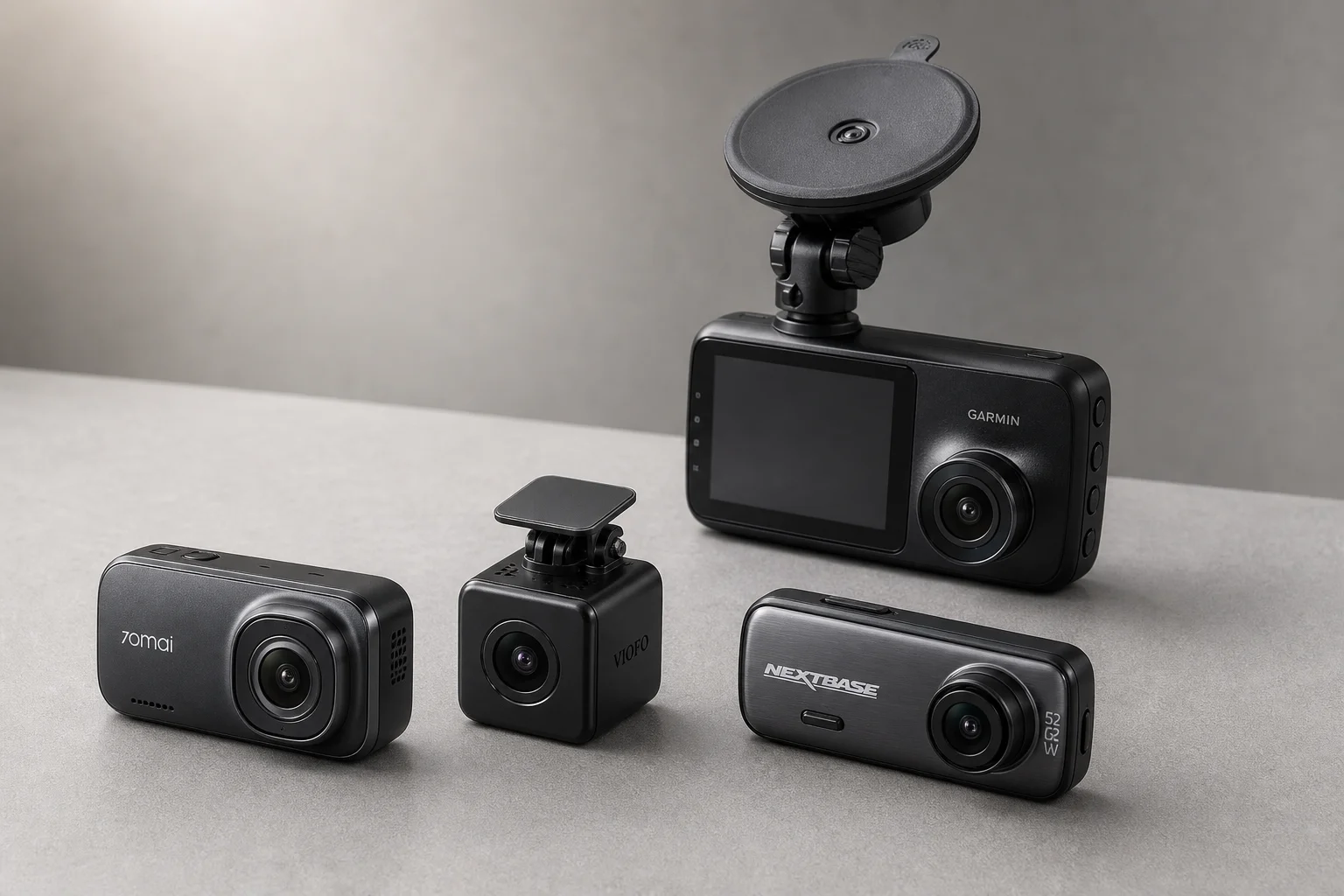
Best Dash Cams: What to Prioritize and What to Ignore When Buying
A comprehensive guide to choosing the right dash cam, covering night vision performance, capacitor technology, and top recommendations across single, dual, and triple channel options.
Car Accessories
Best Dash Cams Under $100: Budget-Friendly Options That Actually Work
We tested twelve popular dash cams to find which models deliver real value. Most are disappointing, but two stand out as genuinely practical choices.

Car Accessories
Best Tablet Car Mounts: Five Options for Every Driving Need
A practical comparison of five tablet car mounts, from flexible gooseneck designs to magnetic headrest holders, helping you choose the right mount for your vehicle and passengers.