Power Tools
Best Compact 3/8 Impact Wrenches Compared: Snap-on CT861 vs Milwaukee M12 2555 and More
Four compact 3/8 impact wrenches face off on working torque, reverse power, and weight, with clear picks for everyday auto work.
Introduction
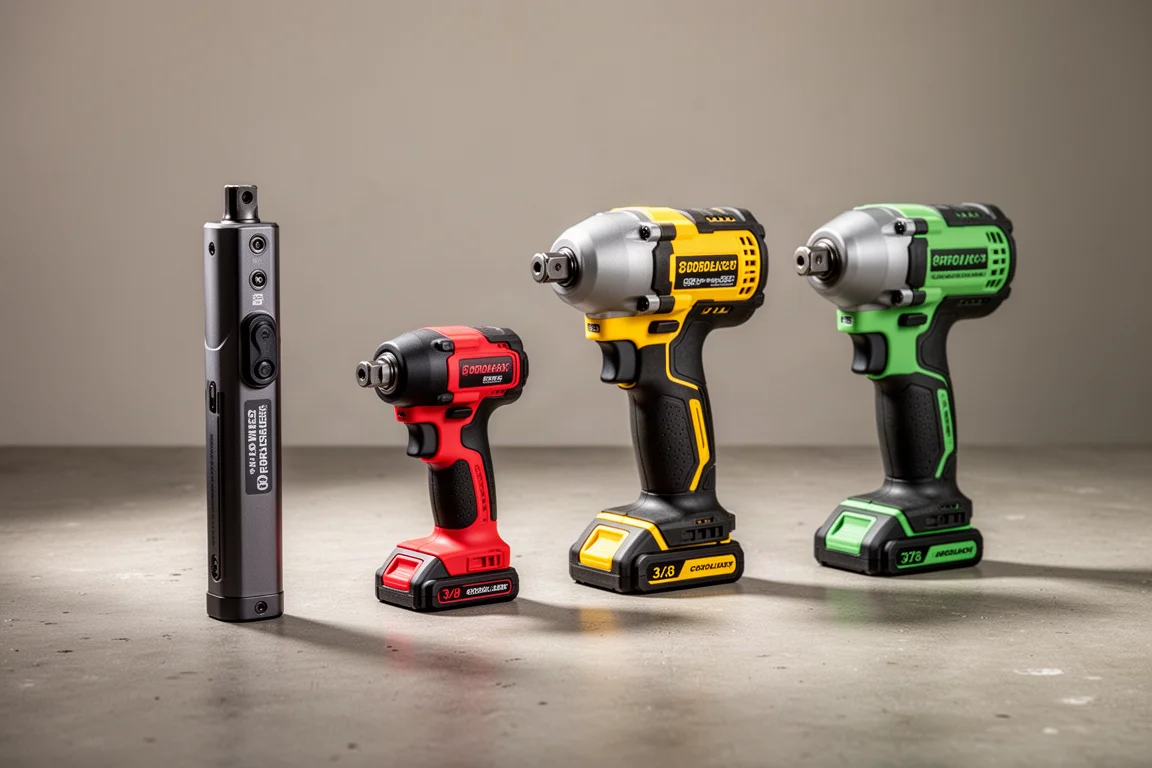
Compact 3/8 impact wrenches are the grab-and-go guns of the auto trade: the tool that lives on the roll cart for valve covers, intakes, interior work, and the occasional lug nut. A new entry in this space always gets attention, and the Snap-on CT861, the brushless successor to the popular CT761, has done exactly that. We put it up against the Milwaukee M12 2555, the Craftsman V20 3/8 impact, and a dedicated 3/8 Ryobi across three tests: working torque in forward, a 10-second max torque run in reverse, and a breakaway-style power run.
Why Compact 3/8 Impacts Matter
The CT861 runs on Snap-on’s 14.4V line, which is effectively a 16V-class platform without the peak-charge voltage trickery, and it carries the brand’s Glock-magazine-style battery. Its defining feature is a dual rocker switch for forward and reverse, so you never push a mode button to change direction. That detail says a lot about the category: this is a tool meant to be picked up constantly, all day.
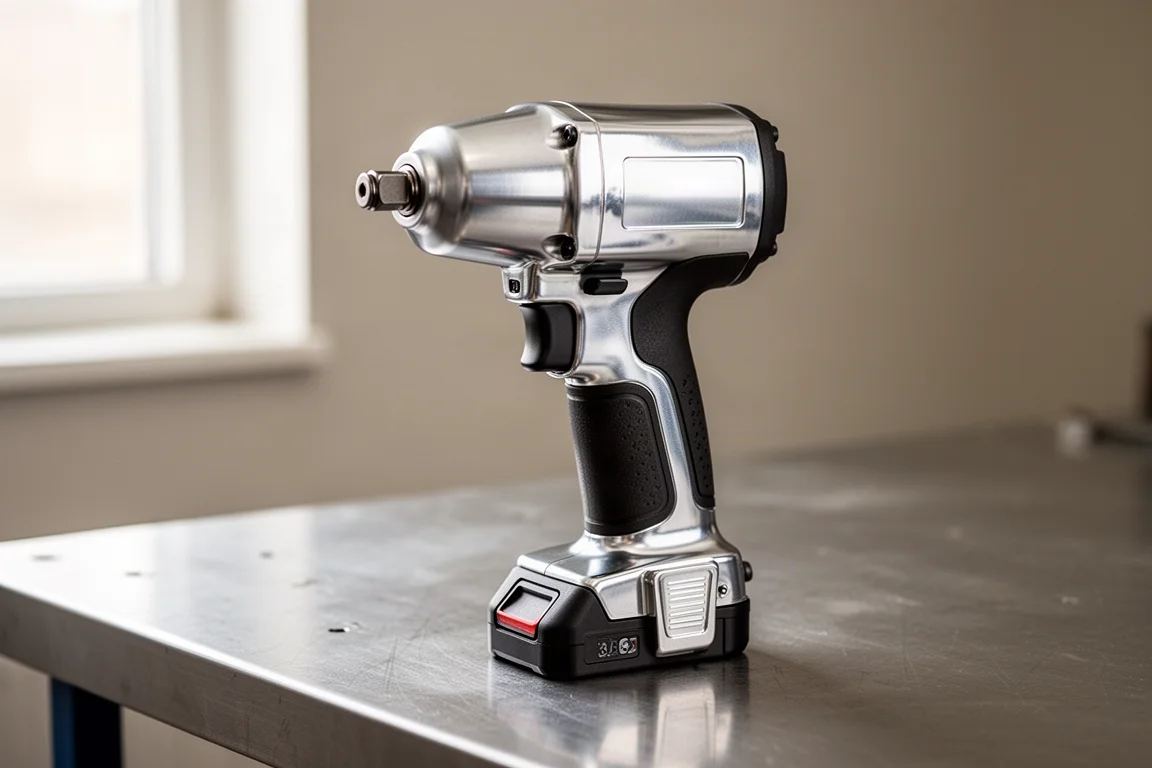
The narrow body keeps it light at just 2.75 pounds with a battery attached, slightly heavier and a smidge longer than the outgoing brushed CT761, but still just under the Milwaukee M12 2555 with a real battery fitted. On paper, Snap-on calls it at 150 ft-lbs, up from 120 for the CT761.
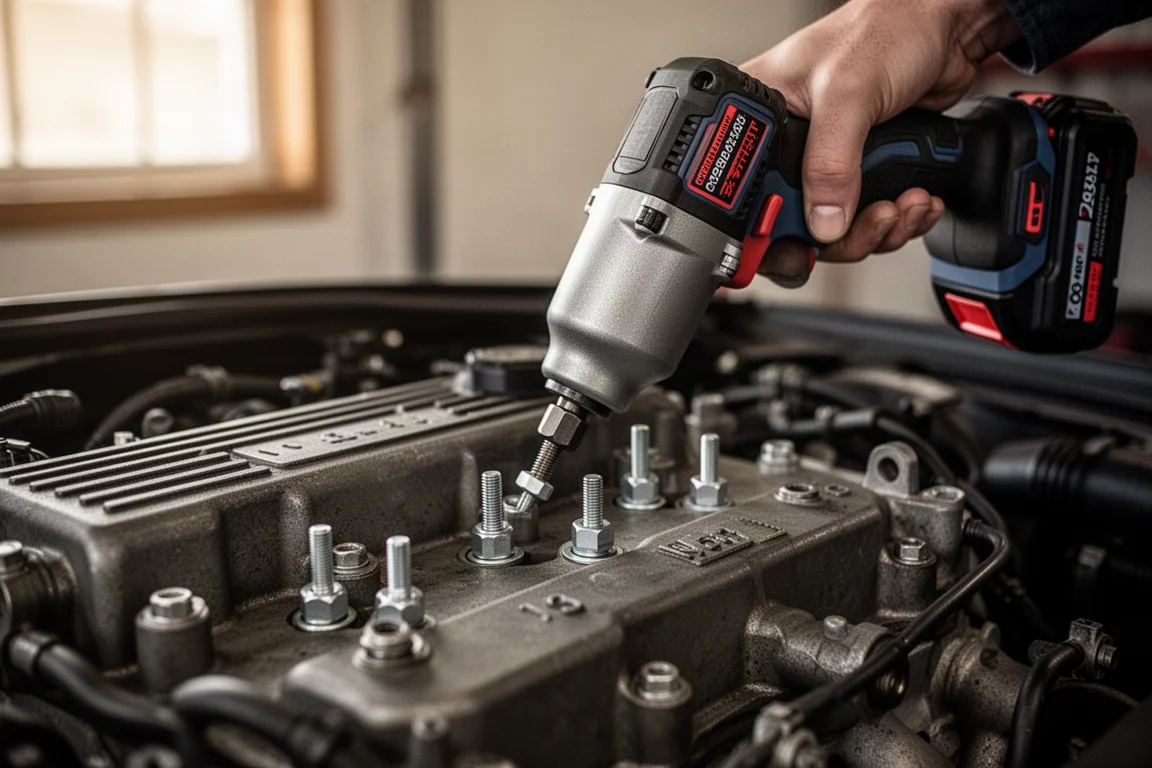
One thing worth knowing up front: Snap-on impacts have a long history of preferring reverse. Forward is tuned more for snugging fasteners, while reverse delivers full removal power. The CT861 follows that pattern.
How We Tested
We ran three standardized tests with a consistent socket setup. First, a working torque test in forward to see what each tool delivers for typical installation work. Second, a 10-second max torque run in reverse, since that is where removal power shows up. Third, a breakaway-style power run to push each tool to its limit.
One note on the Milwaukee: we tested the M12 2555 with our usual deep half-inch socket, and previous back-to-back testing showed the socket choice makes less difference than the run-to-run variance at this bolt size. The M12 ran on the XC 4.0 battery, which produced slightly more power than the 6.0 on this tool.
Test Results: Torque Compared
In forward working torque, the Milwaukee M12 led the field at 145 ft-lbs over the runner-up’s 131, with the Snap-on CT861 at 102, not even close at this stage. That result fits the CT861’s 150 ft-lbs max rating, suggesting it really is a 150-class tool in forward.
Reverse told a different story. The Milwaukee M12 and the Craftsman V20 both hit 205 ft-lbs, but the area under the curve showed the M12 delivering more power everywhere despite similar peak numbers. The Snap-on CT861 posted 203 in reverse, and at the five-second mark it was making a full 65 ft-lbs more than it did in forward. That is a huge reverse bias.
In the final power run, the CT861 reached 211 ft-lbs, well above its 150 claim. It ties the Craftsman for average power across the run at 172 ft-lbs per second, ahead of a larger brushed 3/8 at 170 and the Ryobi at 168. The small-diameter motor and hammer do eventually have limits, but the real output clearly beats the spec sheet.
Power to Weight: The Everyday-Carry Case
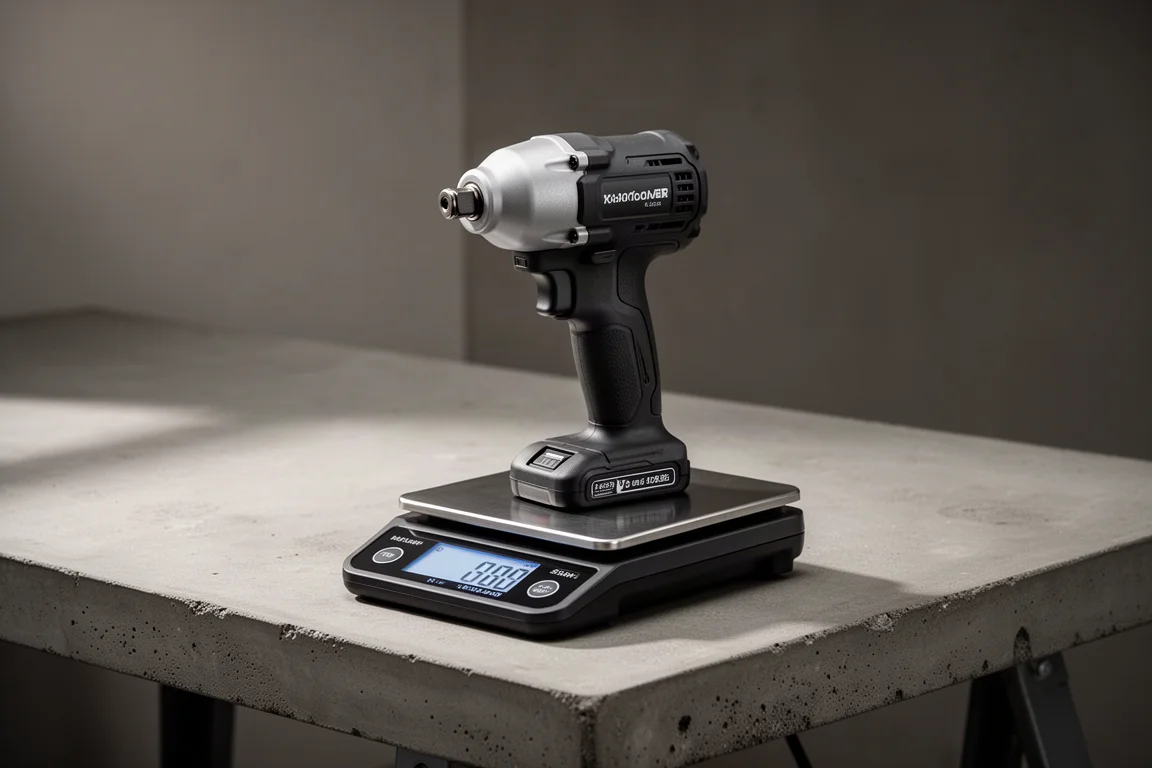
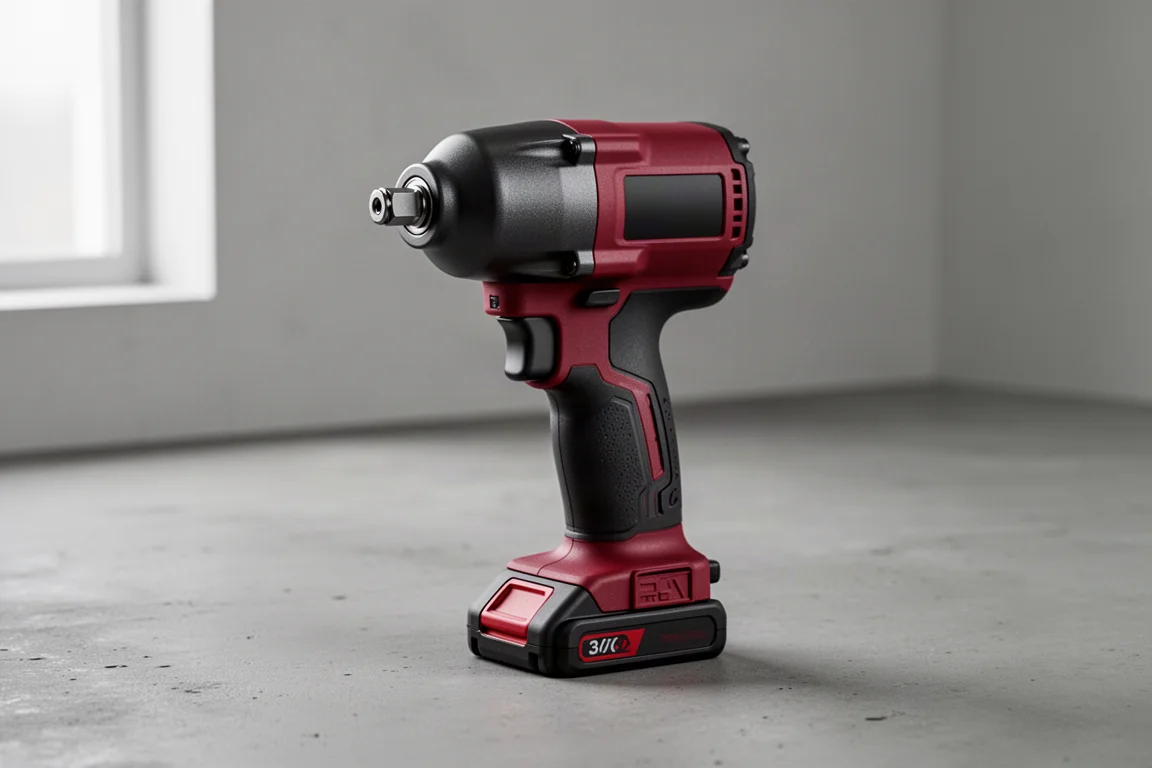
This is where the CT861 earns its keep. At 2.75 pounds with a battery and 6.7 inches long, it is the lightest of the group by some measure and ties for the shortest. That works out to a very high 76.7 ft-lbs per pound, a number that matters if this is basically your hip-mounted go-to tool all day.
The trade-off is price. At $280, it is a tall order in this crowd, and the penalty shows: it loses 20 to 30 points to several rivals purely on cost. Yet it still totals a strong 322.5 in our combined scoring, landing in third overall and nearly matching the Ryobi when everything else is considered. If Snap-on’s 144V-class ratings are anything like the CT9050, which tested straight up more powerful than advertised, some of that spec-sheet conservatism may be intentional.
The Value Alternatives
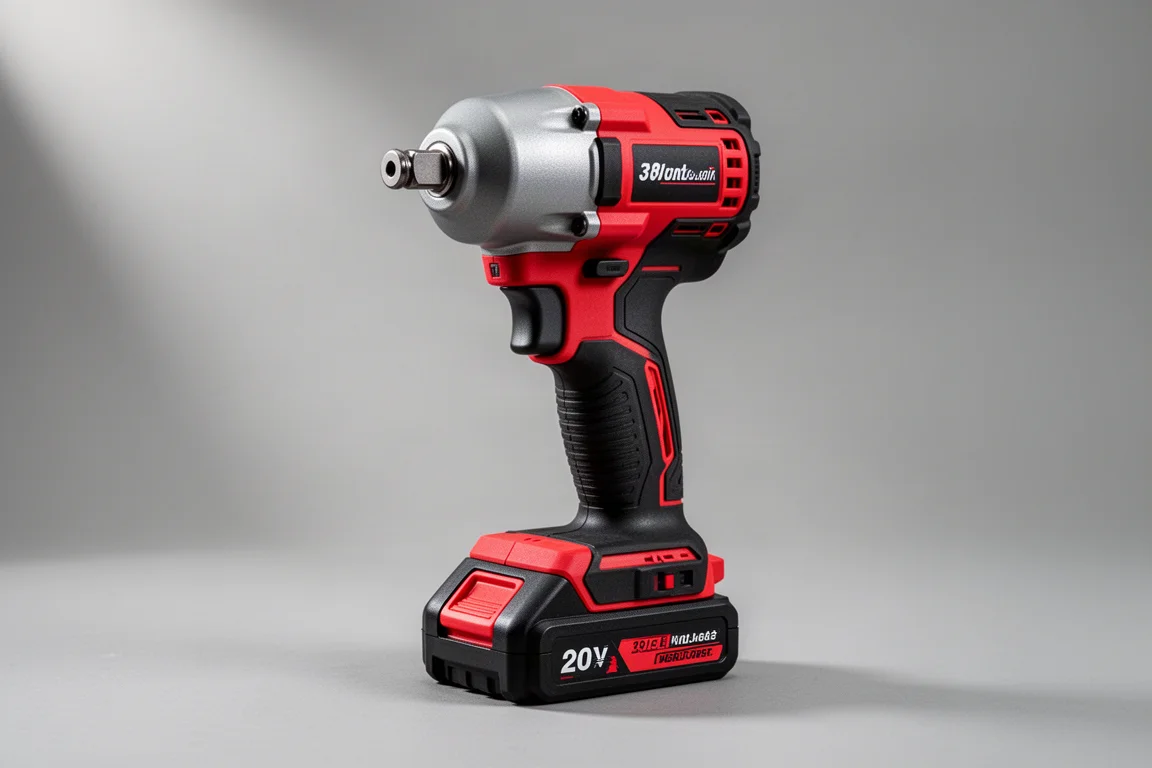
The Craftsman V20 3/8 impact put up a genuinely good number for the price, matching the Milwaukee M12’s 205 ft-lbs reverse peak, even though the M12 clearly delivered more sustained power on the curve. For anyone paying attention to dollars per ft-lb, it is the standout.
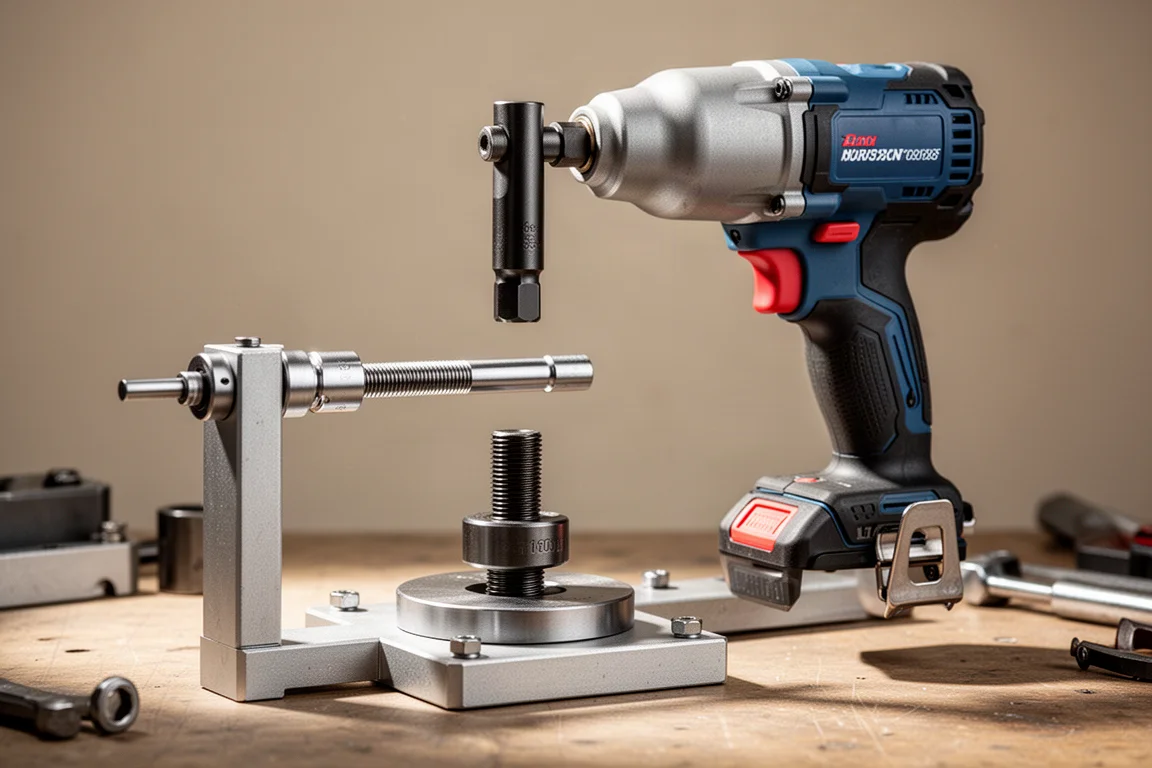
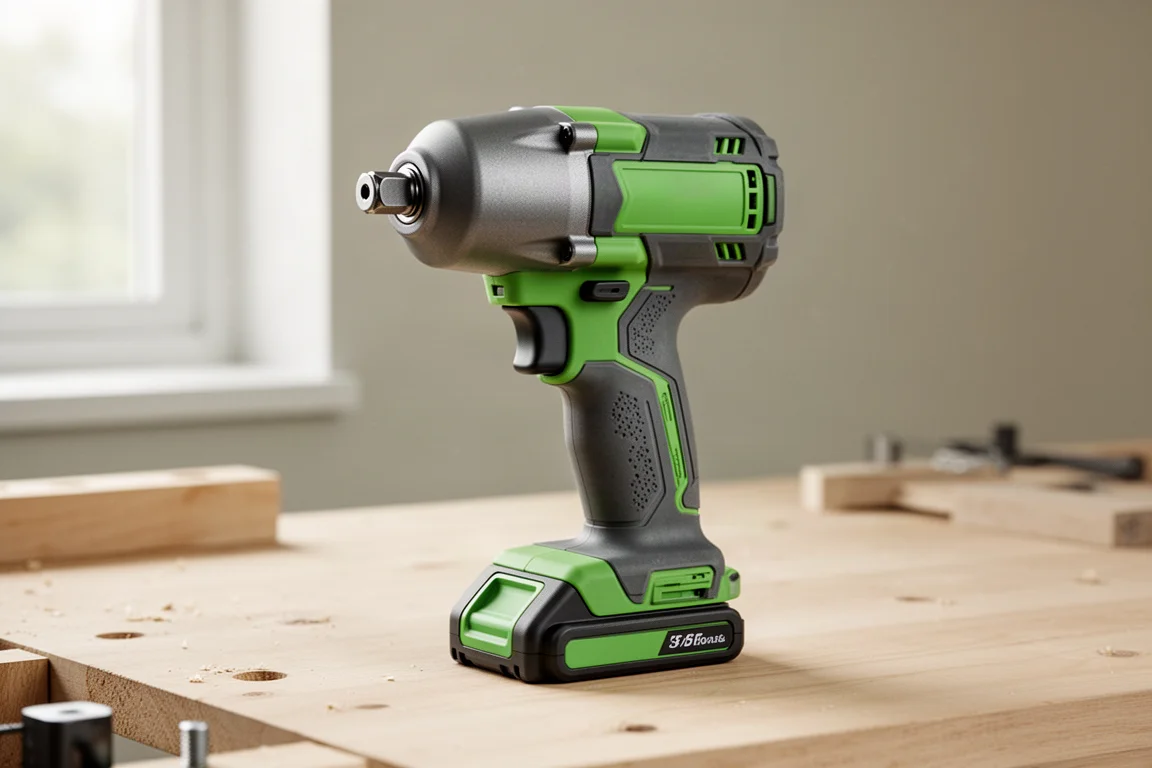
The Ryobi 3/8 remains the benchmark in the overall ranking, and the CT861 nearly matches it once weight and features are factored in. The Ryobi also held its own on the average power chart at 168 ft-lbs per second when running a high-performance battery. Both of these tools prove you do not need a tool-truck budget for serious compact 3/8 performance.
Which One Should You Buy
If you own or were eyeing the older CT761, the CT861 is an easy upgrade: it shoots above its claims, the front lights actually stay on now, and it handles 10 through 14 mm hex bolts regularly, maybe even 16 mm. It is the definition of a grab-and-go everyday gun, and its power-to-weight ratio is the best here.
If you are a Milwaukee buyer, the M12 2555 is still the one to beat. It makes more usable power than the CT861 in forward, fits small areas beautifully, and with the smaller CP 2.0 or 3.0 battery it can be lighter too, all for a lot less money. Brand loyalty probably decides this one more than specs do.
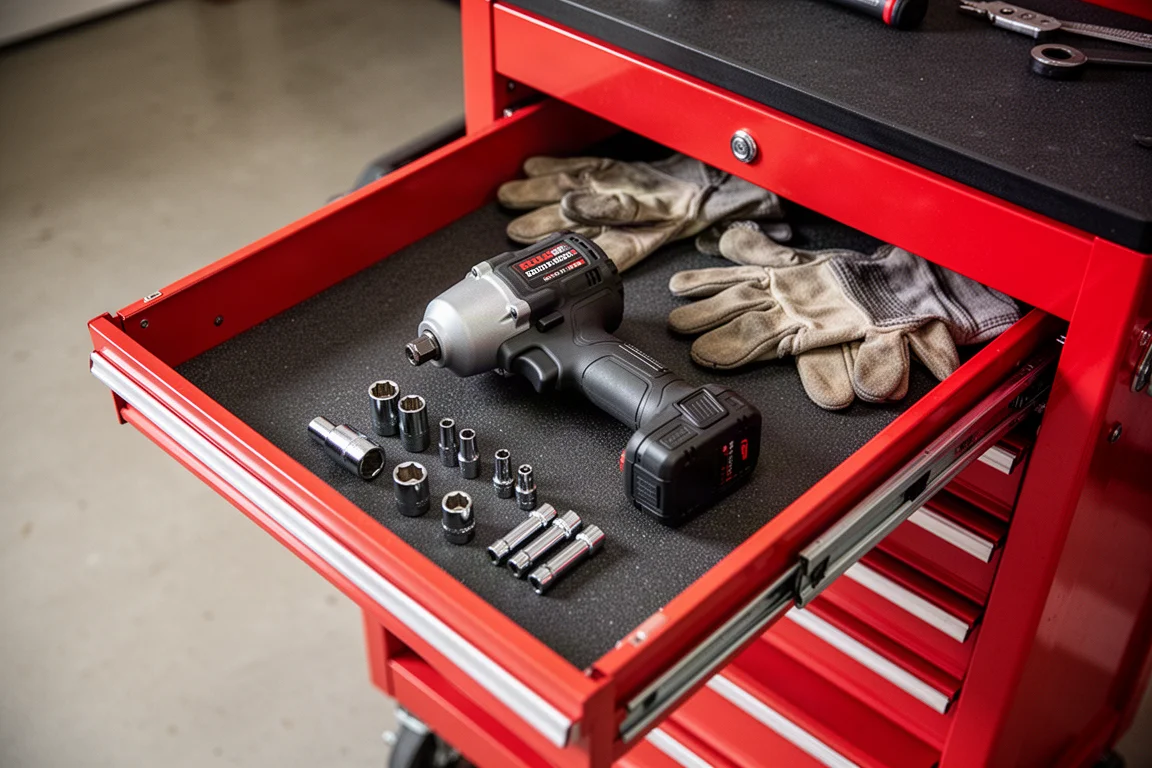
If you are on a budget, the Craftsman V20 and the Ryobi both deliver real torque performance at friendlier prices, with the Ryobi still topping the combined ranking and the Craftsman matching premium rivals on peak reverse torque. Our hope for Snap-on’s next cordless: a mid-torque that says 300 and makes a real 500.
Conclusion
The Snap-on CT861 is a refined, lightweight everyday-carry 3/8 impact that outperforms its 150 ft-lbs rating and wins on power to weight, if you can stomach the $280 price. The Milwaukee M12 2555 remains the strongest all-around compact in forward and the smarter value for most buyers. The Craftsman V20 and Ryobi 3/8 round out a field where even the budget picks deliver genuinely competitive torque.
Further reading
Related Reviews
Power Tools
Best 1-Inch Pistol Impact Wrenches: Three Heavy-Duty Options Compared
We compare three 1-inch pistol impact wrenches, from a budget-friendly Harbor Freight model to a premium Caterpillar unit, to help you choose the right one.
Power Tools
Best 3/4-Inch Impact Wrenches 2026: Five Contenders Compared
We compare five 3/4-inch impact wrenches across price and performance, from a budget Amazon option to Snap-on's most powerful model yet.
Power Tools
Best Budget Cordless Tools 2026: Walmart Finds That Punch Above Their Price
We tested five cordless tools from Walmart, including a high-torque impact wrench that trades blows with Milwaukee and a $35 duster that outperforms its price class.