Hand Tools
Best Combination Wrenches Tested: From $1 Bargains to $40 Premium Picks
Twenty half-inch combination wrenches went through rust, grip, and failure testing. Here is how the top performers stacked up and which ones are worth your money.
Introduction
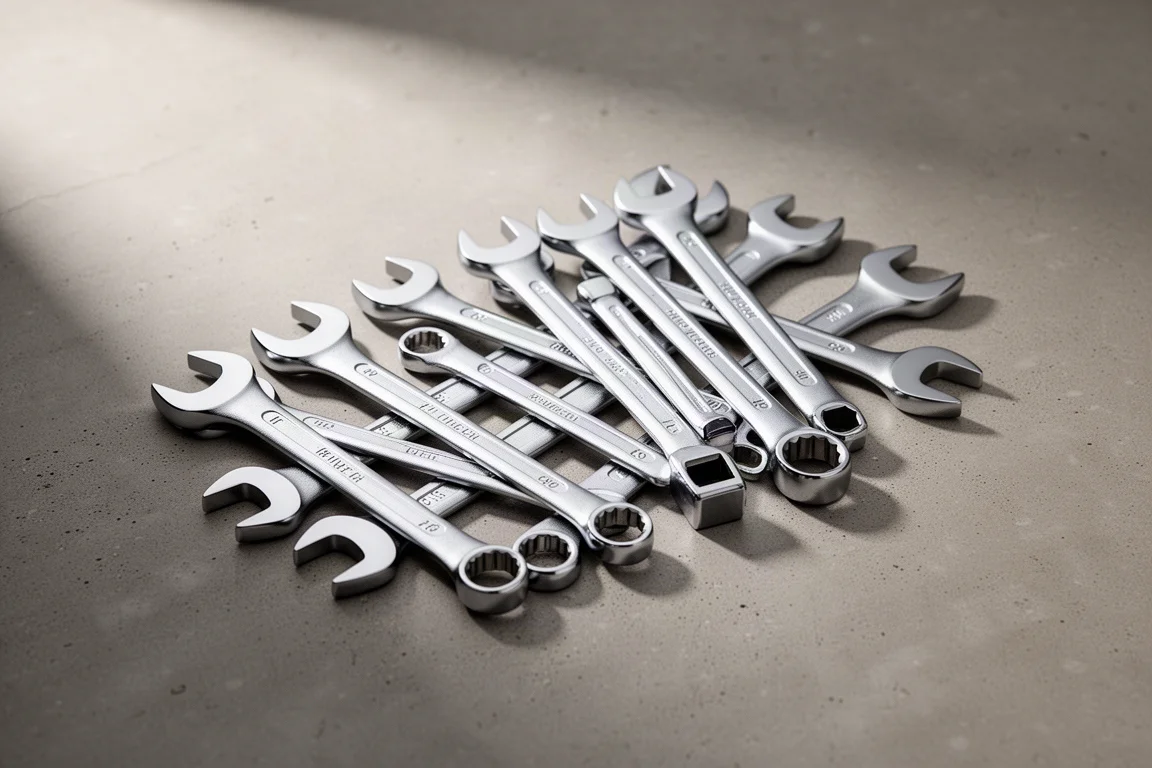
Is a $1 combination wrench really that much worse than one that costs $40? To find out, twenty half-inch 12-point combination wrenches from brands including Pittsburgh, Husky, GearWrench, Craftsman, Tekton, Williams, Wright, Proto, Gedore, Sunex, Facom, and Snap-on were put through a series of demanding tests: gripping a rusty bolt, maximum open-end grip strength, slop measurements, rounding resistance on soft coupling nuts, and failure testing of both ends.
The results were surprising. Some budget wrenches punch well above their price, while a few expensive options gave up early on the rusty-bolt test. Too much taper on poorly designed 12-point box ends often gives even quality wrenches a bad reputation for rounding rusty fasteners, and that single design detail separated the winners from the losers more than anything else.
How the Wrenches Were Tested
Every wrench faced the same four challenges. First, a pass-fail grip test on rusted half-inch fasteners that had been stripped of zinc plating and exposed to around one hundred cycles of an aggressive rusting agent, with a target torque of 370 in-lbs, roughly the point where the rusty bolts break. Second, an open-end strength test on low-carbon steel bolts. Third, a rounding test using soft coupling nuts, with all wrenches tested at an 8-inch handle length for a fair comparison. Finally, failure-load tests on both the open and box ends to see which wrenches bend, break, or simply refuse to quit.
Fit and finish mattered too. Back-and-forth slop was measured with a dial indicator, since a loose fit hurts both efficiency in tight spaces and overall grip.
The Rusty Bolt Test
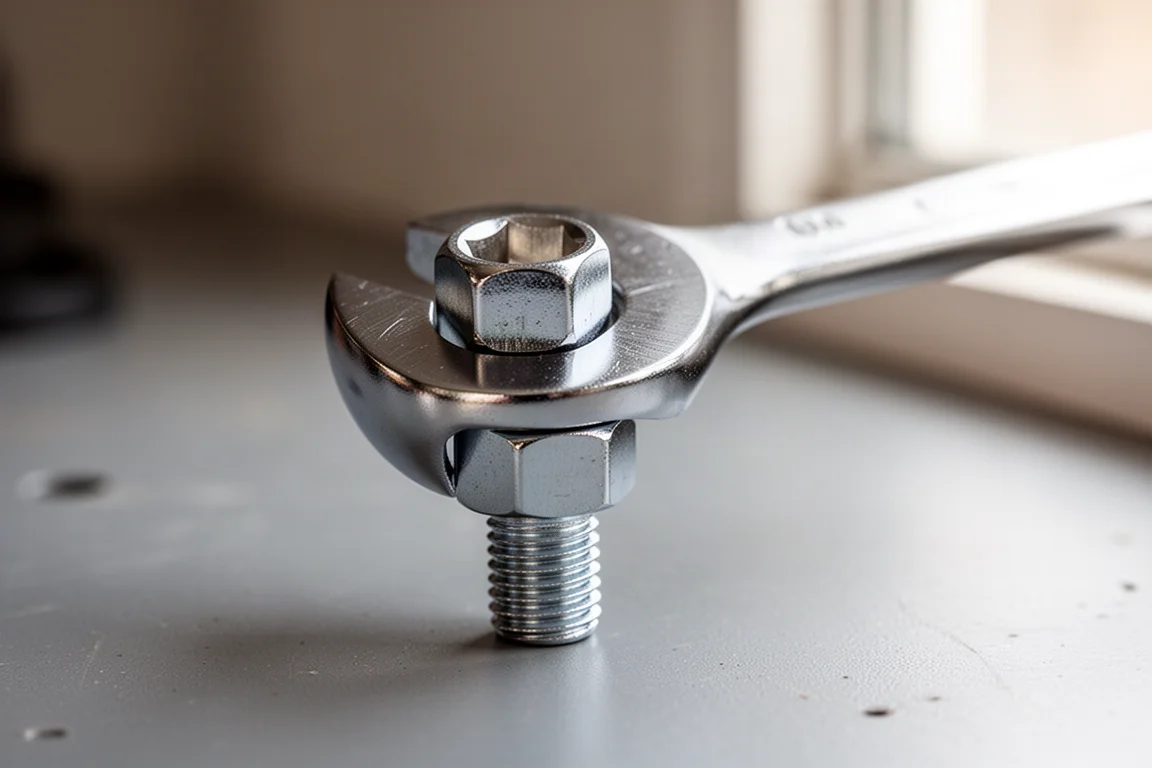
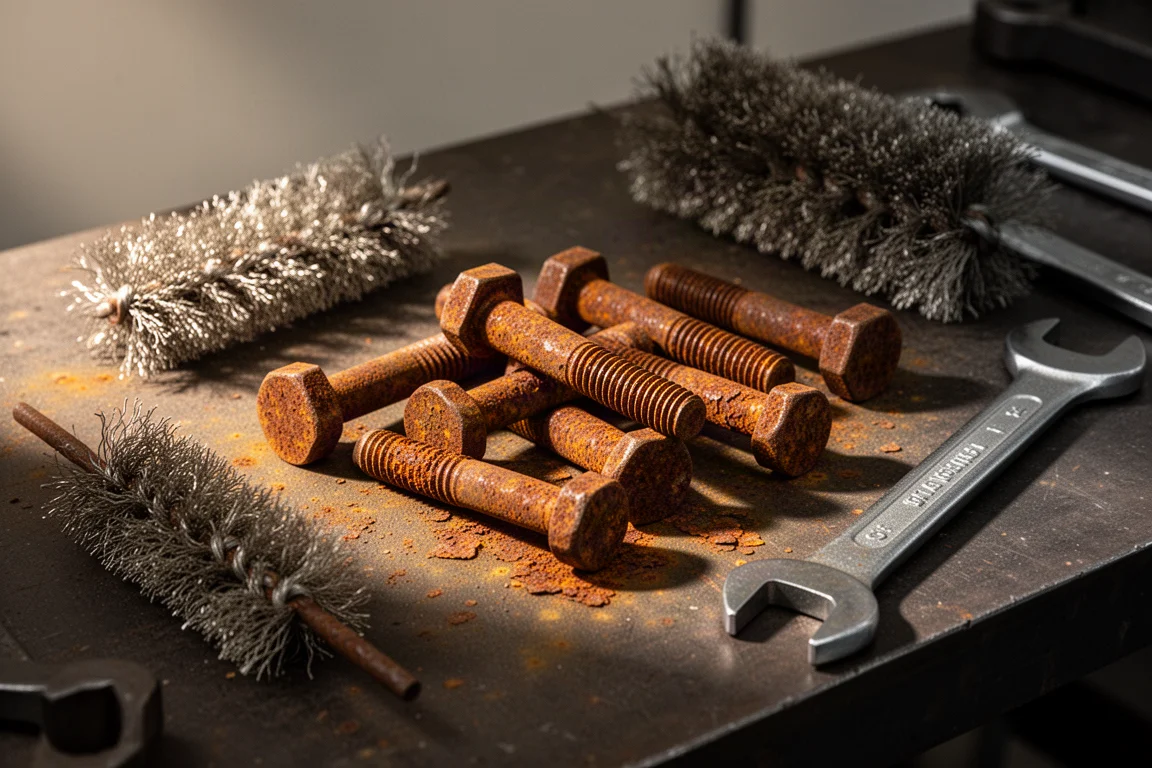
The rusty-bolt test sorted the field quickly. Pittsburgh, at just $1, gave up early at 203.7 in-lbs, with way too much taper on the box end. GearWrench’s $7 six-point also showed excessive taper and stopped at 329.5 in-lbs, and Performance Tool ($8) slipped at 251.1 in-lbs. Kobalt ($10) gave up earliest of the mid-priced wrenches at 168.3 in-lbs, while Craftsman barely reached the 370 in-lb target before slipping and Klein Tools ($11) managed only 321.1 in-lbs. Sunex ($21) struggled to get a good grip at 240.3 in-lbs, and a vintage SK wrench with heavy taper managed just 242.8 in-lbs.
On the other side, Husky reached 407.7 in-lbs, Crescent outlasted the bolt at 388.5 in-lbs, Tekton hit 378.7 in-lbs, Matco 378.4 in-lbs, the 12-point GearWrench 374.2 in-lbs, and Facom 373.3 in-lbs. The Williams, with virtually no chamfer on its box end, delivered a standout result: the bolt broke at 403.8 in-lbs with no slipping at all. Snap-on topped the category at 409.6 in-lbs with no damage to the bolt head.
Best Value: Husky Combination Wrench
At $4, the Husky combination wrench is made from chrome alloy steel and heat treated for added strength, with chamfered lead-ins for quick placement onto fasteners. It weighs about 74 g and is manufactured in India.
In the rusty-bolt test it comfortably beat the 370 in-lb target at 407.7 in-lbs, and it recorded very low slop: 0.39 in on the open end and 0.37 in or less on the box end. In the coupling-nut rounding test it reached 277 lb before the fastener rounded off, comfortably ahead of several pricier rivals. For general home and automotive use, it is hard to argue with this price-to-performance ratio.
The one caveat: in the box-end failure test it bent badly at 464 lb, so it is not the wrench for prying or abuse. As a straightforward, honest everyday wrench, though, it earns its spot.
Solid Budget Alternative: Tekton Combination Wrench
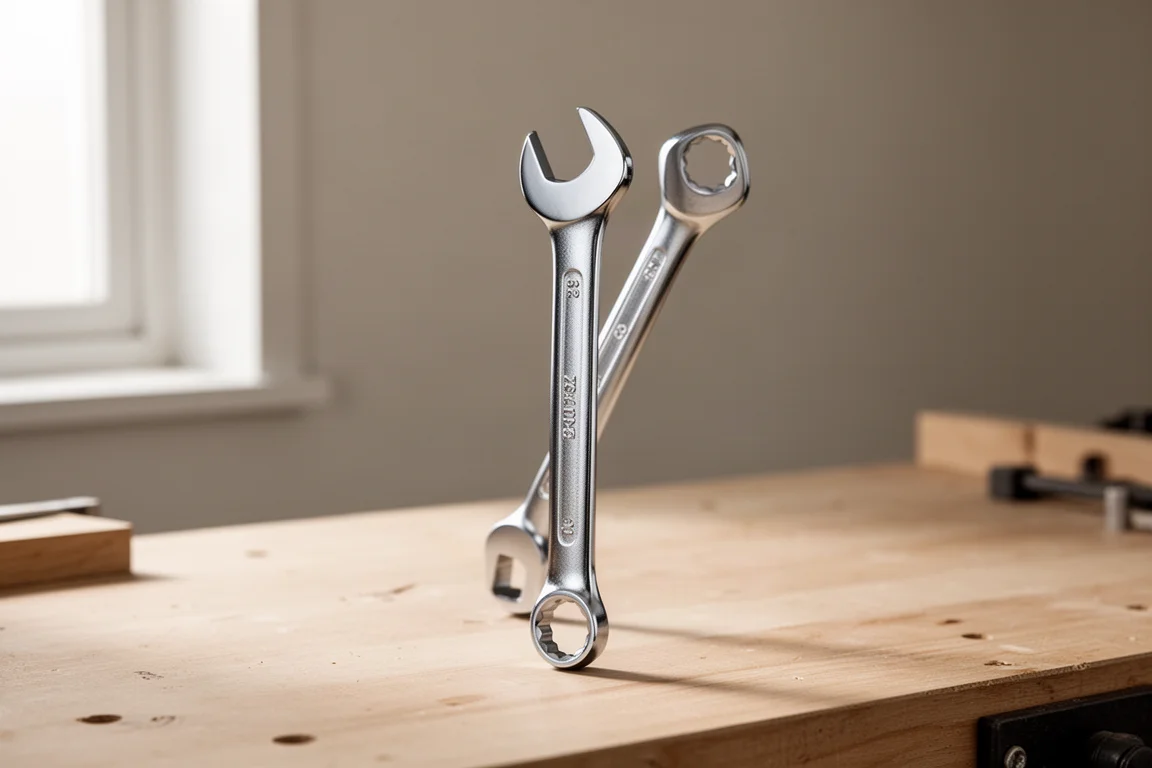
The $10 Tekton stands out for having less taper than most brands in the test, and it is made in Taiwan at a reasonable 80 g. That lower taper translated directly into grip: the Tekton easily outlasted the rusty bolt at 378.7 in-lbs.
Its weakness showed up in the open-end test, where it lost grip at 338.7 in-lbs, one of the lower results, and it carried more back-and-forth play than the Kobalt or Crescent. In the failure tests it was impressively tough, hitting 1,162 in-lbs on the open end and refusing to break in the box-end test, instead gaining a twist that would genuinely help for reaching around corners. If you want a durable wrench that grips rusty fasteners well and shrugs off abuse, the Tekton is a smart pick.
Strength Test: Open End Performance
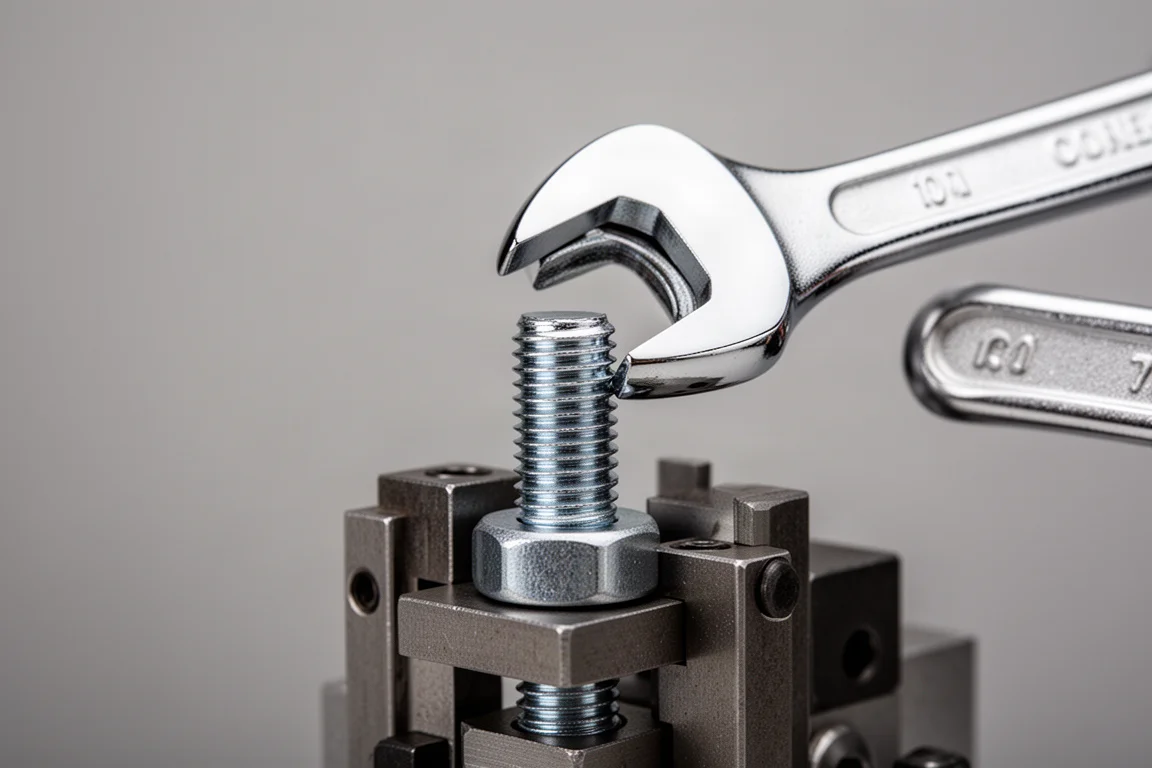
The open-end grip test produced some of the most interesting rankings. Kobalt (373.3 in-lbs), Crescent (368.1), and SK Pro (372.9) sat near the middle of the pack. Wright performed very well at 400.5 in-lbs, the 12-point GearWrench posted 411.1 in-lbs, and Mac Tools impressed at 410.8 in-lbs on the way to the overall win.
The leaders were in a class of their own. Proto’s anti-slip design reached 424.8 in-lbs, Gedore’s slim, tall, textured jaws took 426.4 in-lbs, Facom hit 421.9 in-lbs, and Snap-on peaked at 427.3 in-lbs. But Mac Tools was in a different league entirely, reaching a remarkable 504.9 in-lbs on the strength of its jaw design.
Best Overall: Mac Tools Combination Wrench
The $22 Mac Tools wrench, made in Taiwan, features a non-slip open end designed to prevent rounding of fastener edges. At 104.4 g it is one of the heavier wrenches tested, and its box end has only a very small amount of taper.
That design translated into the best all-around result of the entire comparison. It easily outlasted the rusty bolt at 408.6 in-lbs, dominated the open-end test at 504.9 in-lbs, had the least box-end slop measured at 0.35 in, and scored 312 lb in the rounding test. It finished near the top of the box-end failure test at 468 lb and took the best overall average finish of the whole showdown at 3.6. If you want one wrench that does everything well, this is it.
Premium Pick: Snap-on Combination Wrench
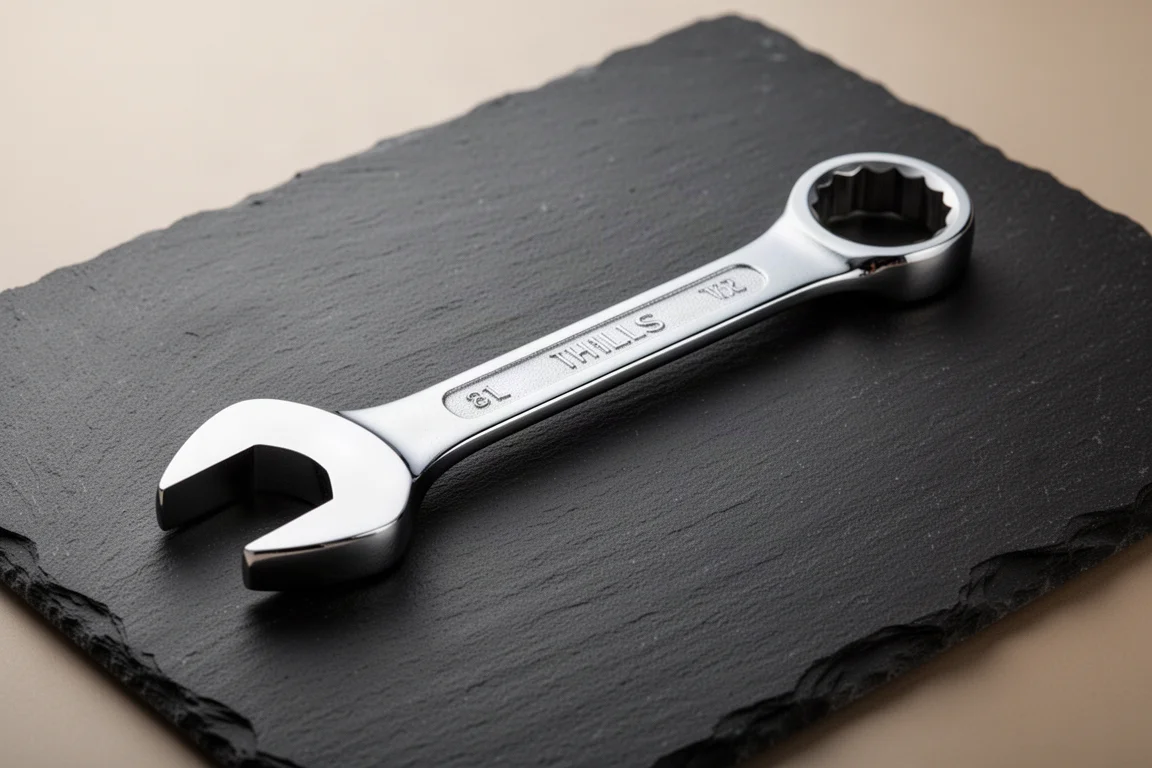
At $40, the Snap-on is the most expensive wrench in the comparison. It uses the brand’s flank drive system, claimed to grip the fastener flats and provide up to 15 to 20% more turning power, and is precision forged and heat treated from special alloy steel in the USA. It weighs 90.4 g.
The performance backed up the price. It topped the rusty-bolt test at 409.6 in-lbs with no damage to the bolt head, took second in the open-end test at 427.3 in-lbs, and had essentially the lowest open-end slop at 0.34 in, just behind Facom. It finished tied for an average finish of six overall alongside the 12-point GearWrench. In the box-end abuse test it refused to snap, though it did take a bad bend at 379 lb.
Best Open End: Proto Combination Wrench
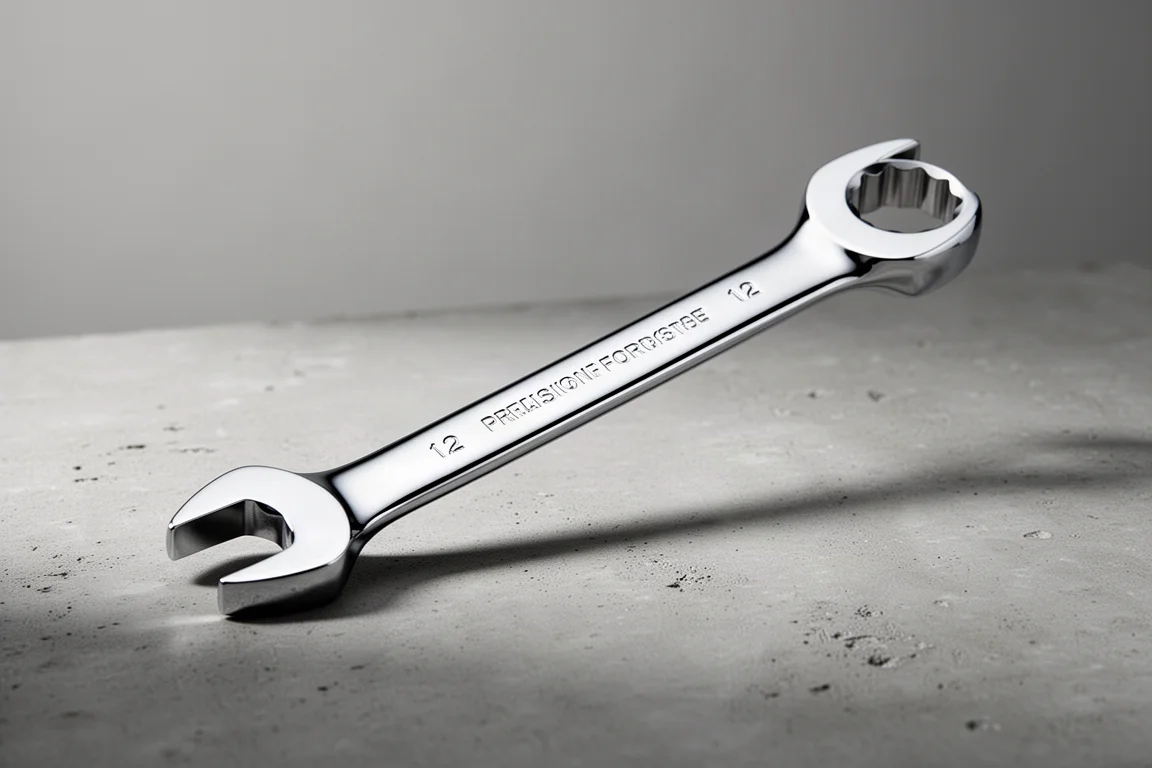
The $19 Proto, made in the USA, includes an anti-slip design on the open end and is the heaviest wrench tested at 105.4 g. Its open-end result of 424.8 in-lbs was good enough for the lead at the time, beaten only by Gedore, Facom, Snap-on, and Mac Tools.
In the coupling-nut rounding test the Proto was outstanding, reaching 334 lb to briefly take the lead before Sunex edged past it. In the open-end failure test it behaved differently from everyone else: instead of the jaws stretching, it slipped at 1,003 in-lbs, which still beat the field average. In the box-end abuse test it was built like a tank, surviving to 492 lb without breaking, though with a bad bend. It finished with the second-best overall average at 4.6.
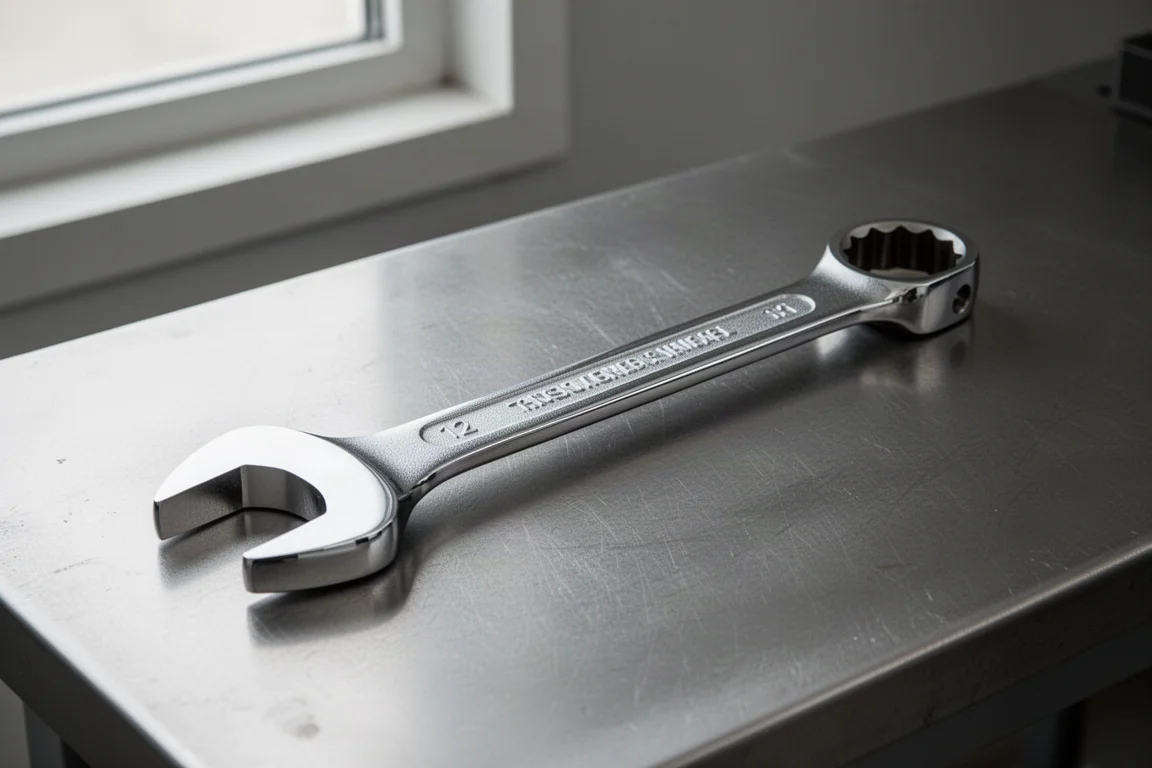
Best All-Rounder: GearWrench 12-Point Combination Wrench
The $14 12-point GearWrench, made in Taiwan, uses an off-corner loading open-end design claimed to provide up to 25% more torque, along with Surface Drive Technology for better grip on fasteners. It weighs 95.7 g.
It easily outlasted the rusty bolt at 374.2 in-lbs, matched the Tekton at 266 lb in the rounding test, and topped the entire field in the open-end failure test at 1,333 in-lbs. In the box-end abuse test it performed better than average, giving up at 425 lb. Its main weakness is the off-corner loading design, which creates noticeable excess unloaded back-and-forth travel on the open end, worth knowing if you work in tight spaces. Tied with Snap-on at an average finish of six, it offers serious capability at a mid-tier price.
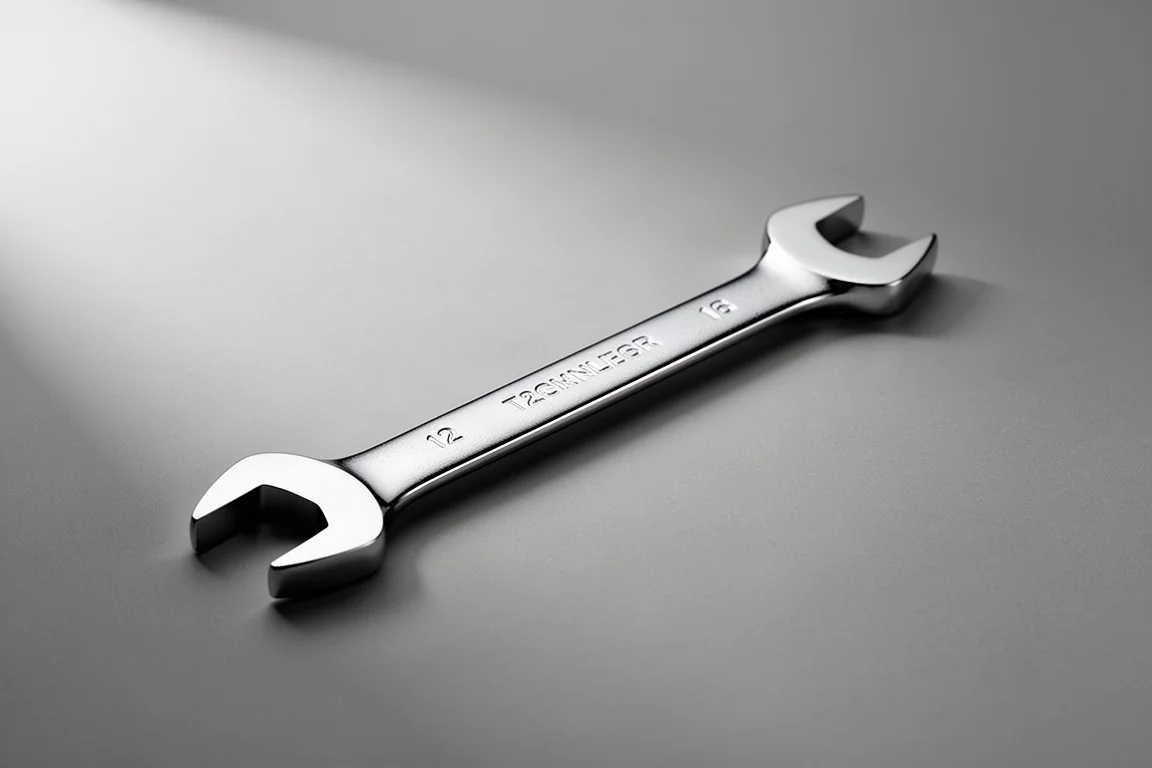
Box End Durability: Which Wrenches Survive Abuse
The final box-end failure test, using a hex Allen key, was pure brutality: every wrench either bent or broke. The Pittsburgh rolled over at 379 lb and was badly bent, the Kobalt suffered major damage, and the Performance Tool box end had already broken earlier.
The survivors told an interesting story. Sunex gave up early at 312 lb, Matco bent badly at 311 lb, and Snap-on bent at 379 lb without breaking. Wright refused to break but bent at 424 lb, Mac Tools held to 468 lb, Klein Tools gave up at 458 lb, and the Crescent broke at 489 lb. The Craftsman held on for a long time before finally reaching 507 lb.
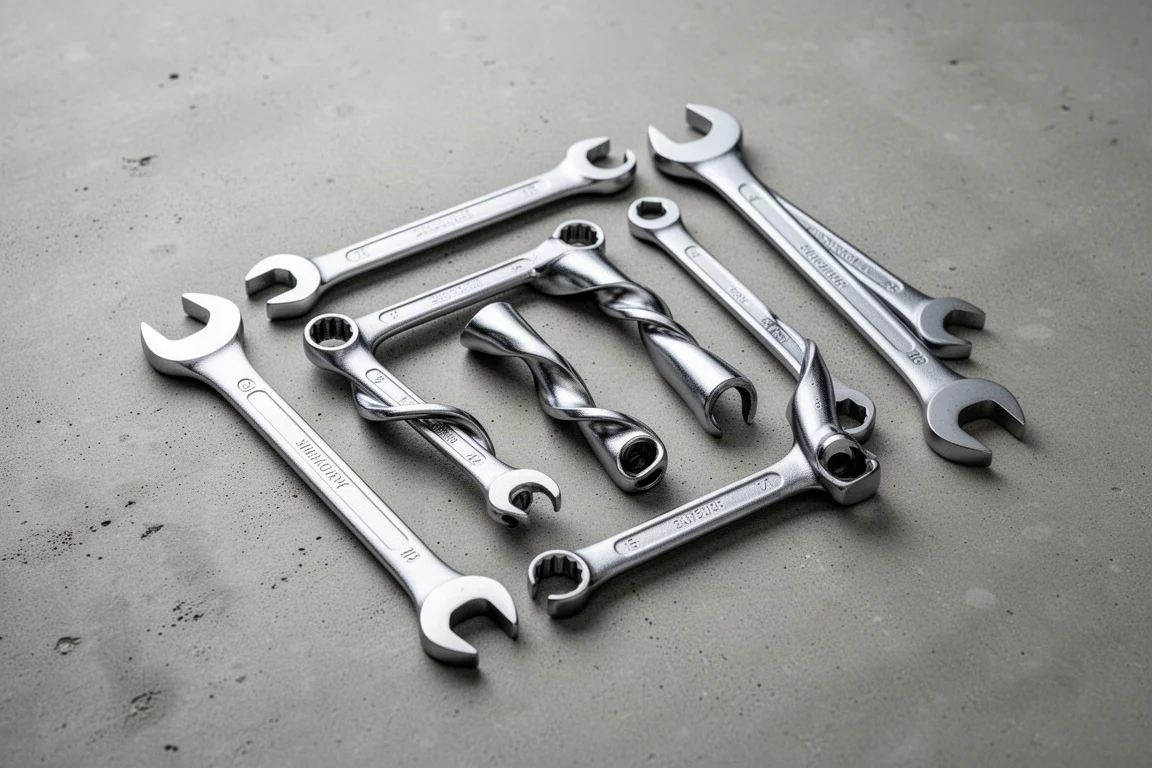
At the top, the vintage SK reached 556 lb and stayed together, while the modern SK Pro took the overall win at 577 lb. If your wrenches see rough service, SK’s durability record is the one to beat.
Buying Advice
A few patterns are worth more than any single ranking. First, check the taper on the box end before you buy: minimal chamfer meant better grip on rusty fasteners in every case, which is why the Williams with virtually no chamfer never slipped, and why heavily tapered wrenches like the Pittsburgh and Kobalt failed early. Second, slop matters in tight spaces. Facom had the least open-end travel at 0.33 in and Mac Tools the least box-end play at 0.35 in, while off-corner loading designs trade that precision for extra unloaded movement.
Third, price does not guarantee performance. The $4 Husky beat several $10 to $14 wrenches on rusted fasteners, and the $10 Tekton and Crescent both beat the 370 in-lb target easily. If you work on rusty equipment regularly, prioritize low-taper box ends and tight fit. If your tools take abuse, look at the SK Pro, Wright, or Proto. And if you want the single best all-around performer, Mac Tools earned it.
Conclusion
This comparison proves that price alone does not predict how a combination wrench performs. Mac Tools took the best overall finish, Proto and the GearWrench 12-point delivered outstanding value at their price points, Snap-on lived up to its premium billing on grip, and Husky and Tekton showed that smart shoppers do not need to spend a fortune. Match the wrench to how you actually work, and any of these picks will serve you well.
Further reading
Related Reviews
Hand Tools
Best Diagonal Cutters 2026: 16 Pliers Tested for Cutting Power and Durability
We put 16 diagonal cutters through nail, screw, drill bit, and hex key tests to find the best value picks for your toolbox.
Hand Tools
Best Hex L Key Sets 2026: Nine Sets Tested for Real-World Torque
Nine hex L key sets from budget to premium, tested for torque, fit, and durability. See which sets deliver real performance and which ones to skip.
Hand Tools
Best Locking Pliers 2026: Top Picks Tested for Grip and Durability
We tested 18 brands of 10-inch locking pliers for grip strength, jaw bite, build quality, and ease of release to find the best options for tough jobs.