Hand Tools
Best Combination Wrenches for Open-End Grip: Nine Wrenches Tested
We look at how nine affordable and premium combination wrenches handle the hardest job in the set: gripping on the open end without slipping or rounding fasteners.
Introduction
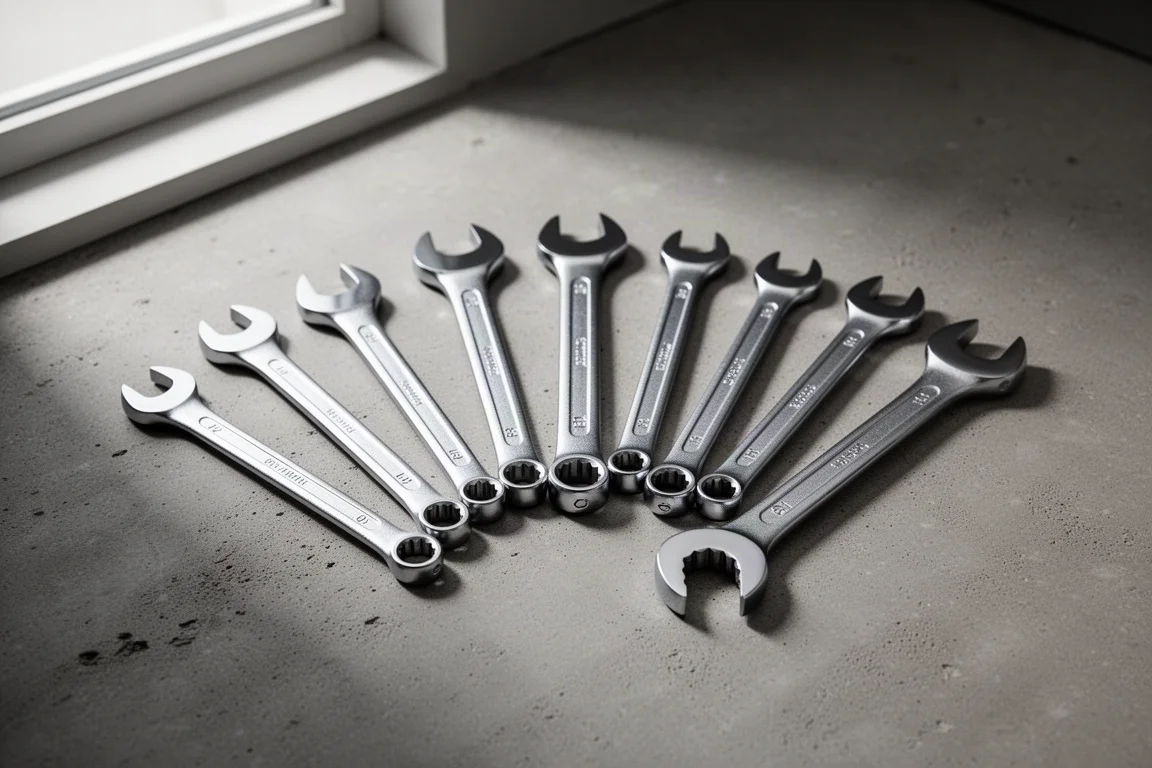
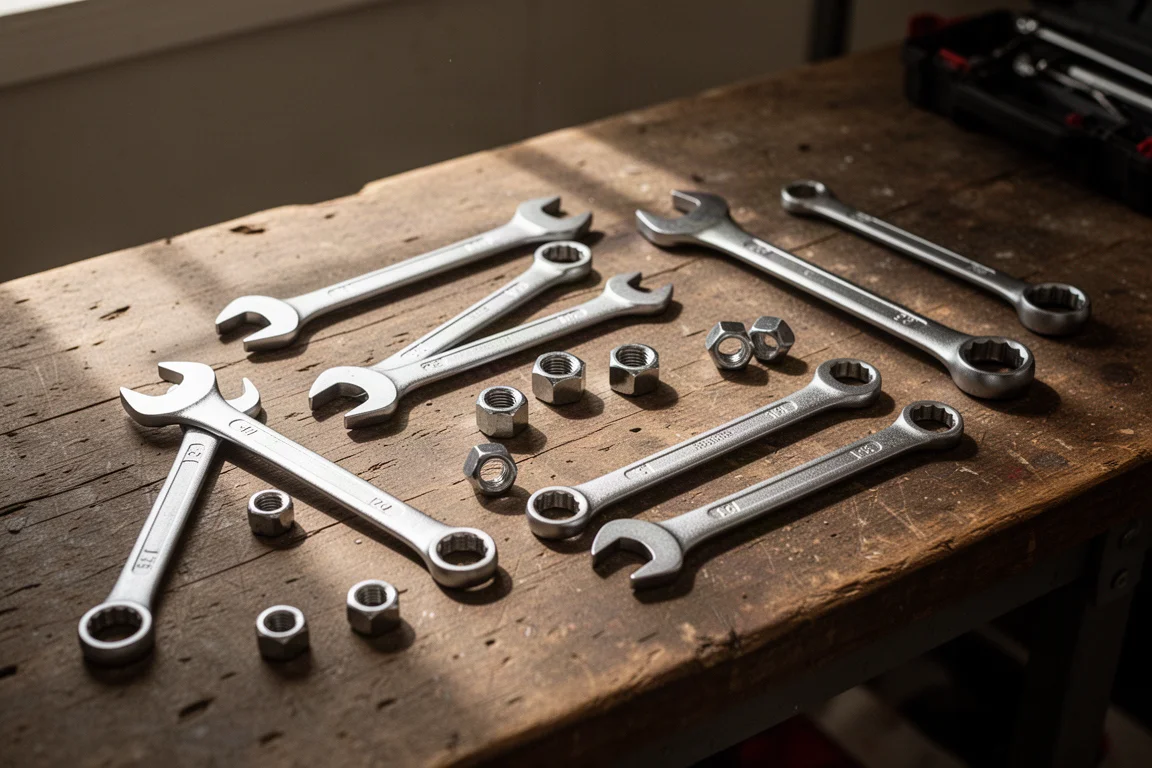
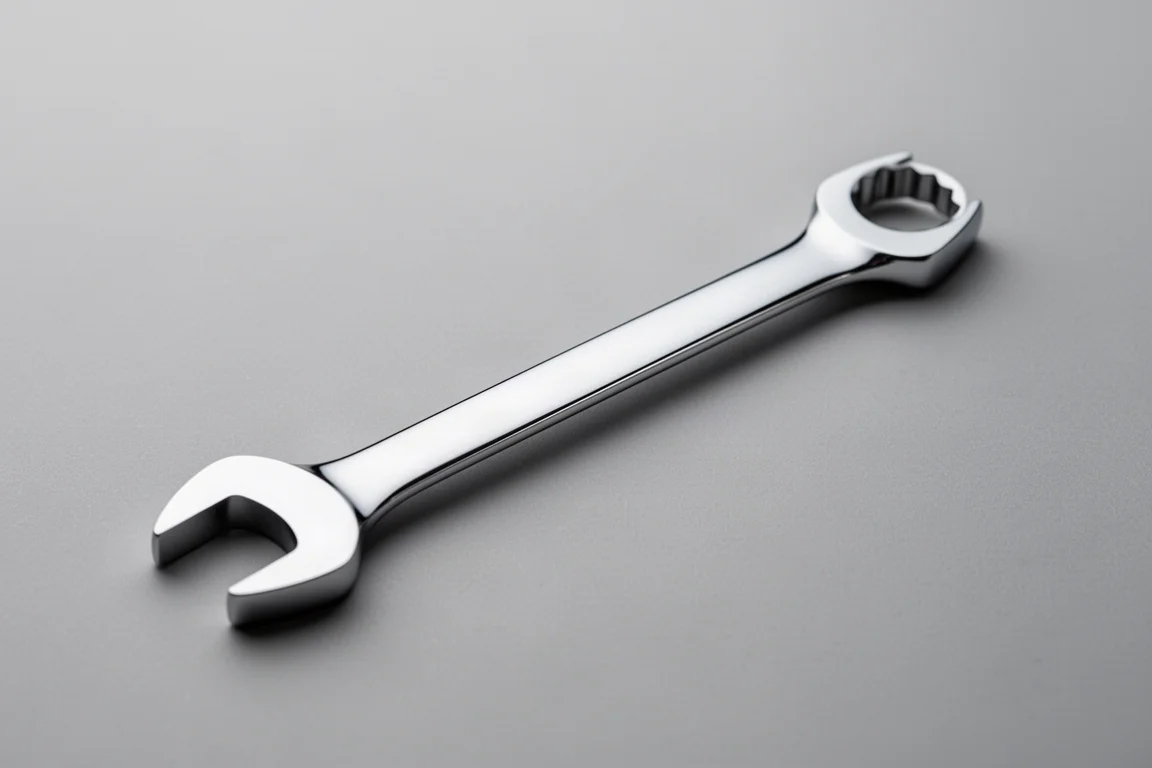
The open end of a combination wrench is the end nobody wants to use, yet engine bays and tight spaces force it on us constantly. It is also the end most likely to slip, round off a fastener, and bust your knuckles. To find out which wrenches actually hold on, we tested nine popular brands, including the most requested names from hardware store shelves and three wrenches that share a remarkably similar specialty jaw design.
Evaluation Criteria
Each wrench turned the same 16 millimeter fastener across three tests, with the median result shown. We measured how much clearance each open end has over the matching bolt size, since a loose fit invites slipping. We also tracked peak tension before the wrench slipped, jaw thickness, hardness, and how much damage the jaw left on the fastener when it let go.
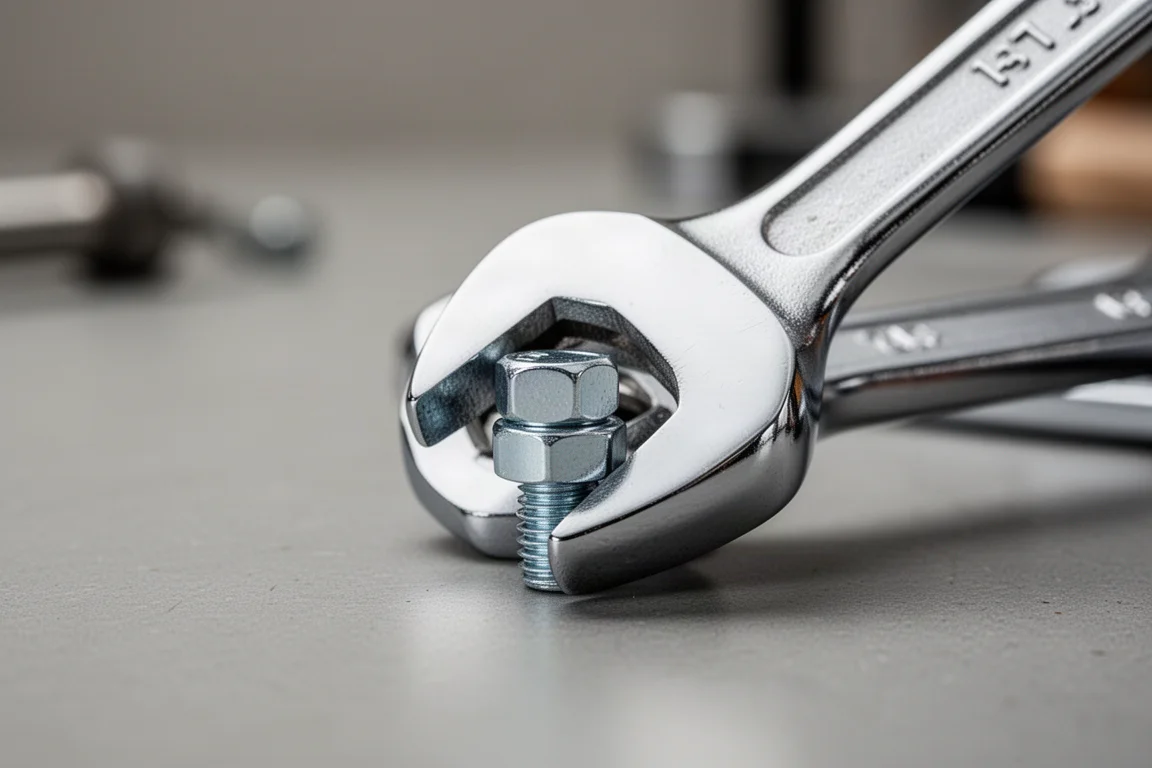
Specialty jaw designs with cuts and grooves have made a positive difference in prior testing, but most of those were premium brands. This round added budget hardware store options to see whether the fancy jaws or the price tag deserve the credit.
Pittsburgh Combination Wrench (Harbor Freight)
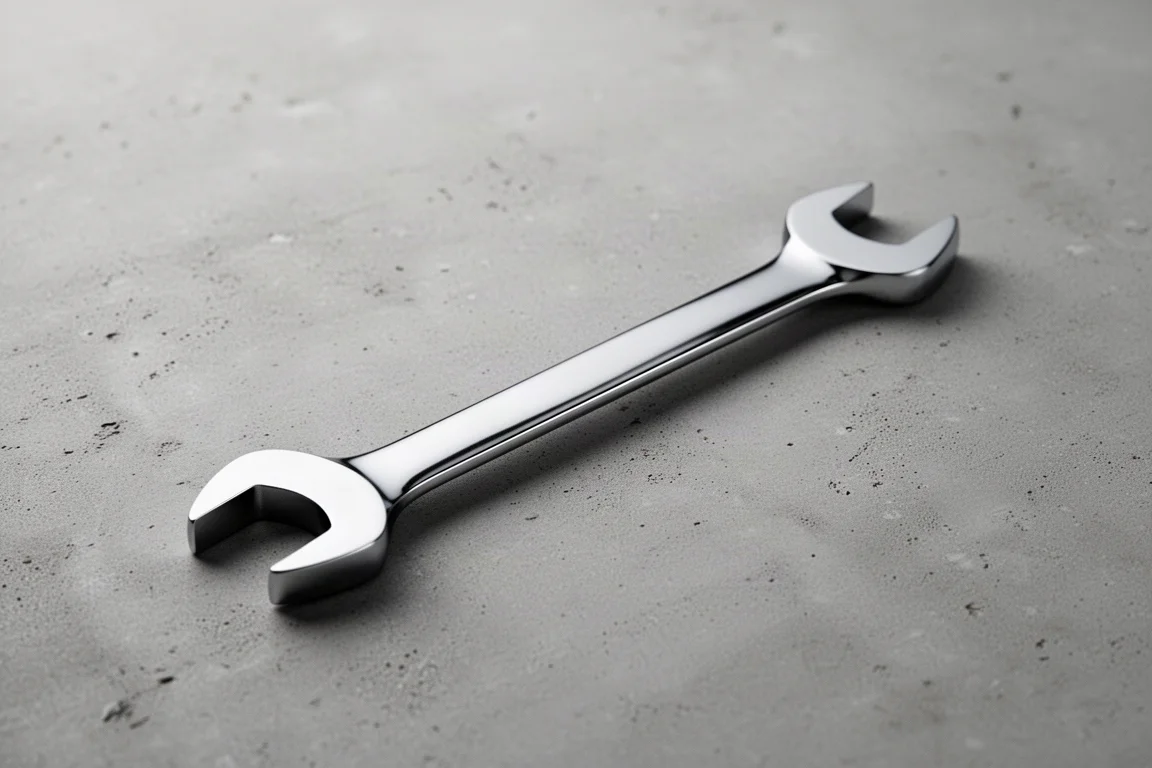
Pittsburgh wrenches from Harbor Freight cost just $1.79 each, making them among the cheapest options on the market. Made in India with a conventional jaw, this wrench had the worst bolt clearance measured to date at 0.29 millimeters over, paired with a thinner than average 6.2 millimeter body. It climbed slowly to 940 psi before slipping. That slim body may earn it some points in use, but on raw grip it finished at the bottom, though the price is certainly proportionate.
Met Wrench
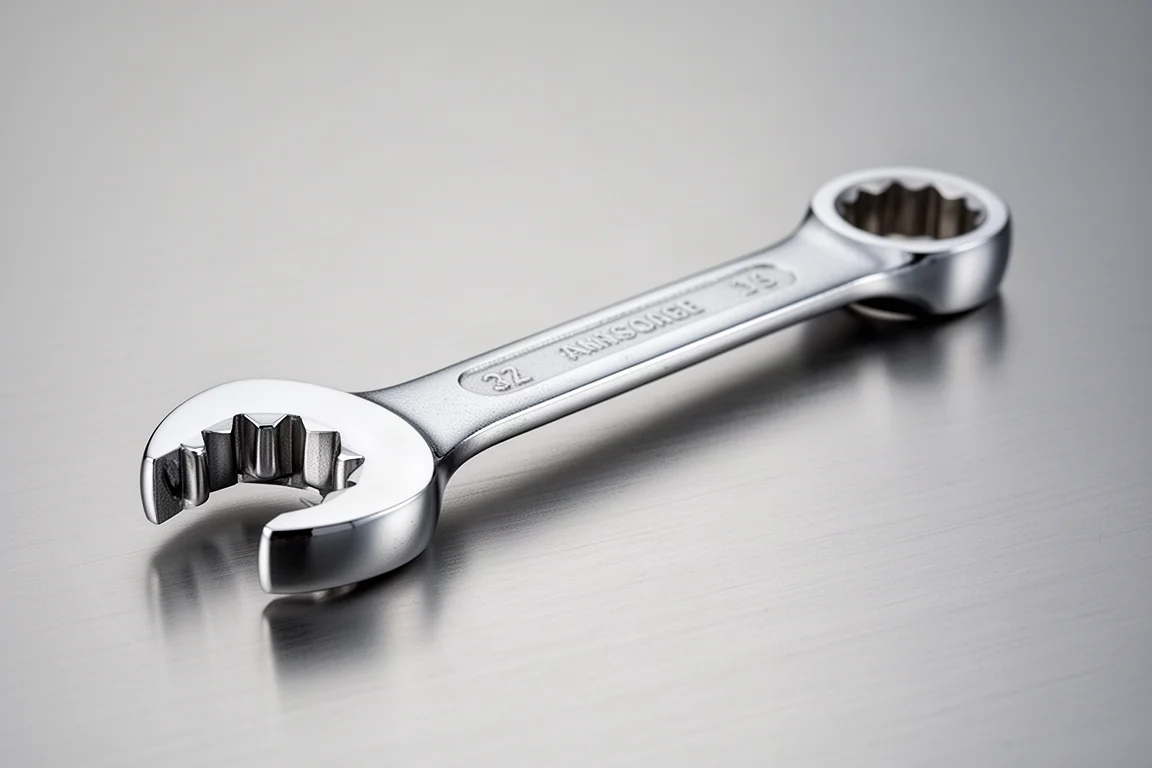
At $11.42 each, MetWrench is the most expensive wrench of the day, an as-seen-on-TV specialty design meant to work on SAE and metric fasteners and even rounded bolts. Its jaws cam into position and bite with protruding lobes, and if it ever slips, it takes material with it. It reached 1,463 psi with the thinnest jaws measured at just 0.16 millimeters of clearance, earning top honors across everything tested. The major caveat: contacting the company for warranty support proved essentially impossible, with calls, emails and voicemails going unanswered for two weeks.
Husky Combination Wrench
Husky, sold at Home Depot for $2.97, measured 0.19 millimeters of clearance, which is not bad. In use it feels solid and predictable, then suddenly it doesn’t. Its median test made 1,168 psi, and it was consistent, with its lowest test at 1,153 psi. Made in China, it sits firmly in the middle of the pack: not a standout, not a disaster.
DeWalt DWM T73810 Wrench Set
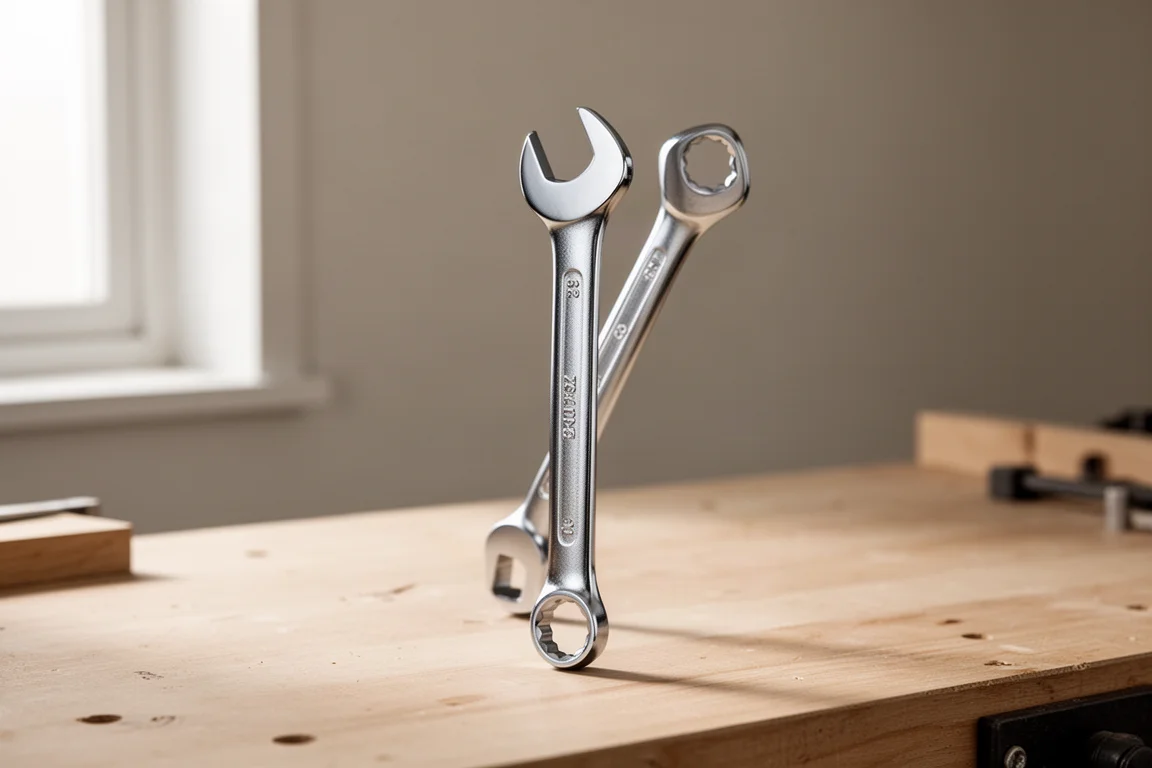
The DeWalt wrench, found only in the DWM T73810 set in long pattern-style designs, was requested by viewers who suspected it was not especially strong, particularly compared to Milwaukee. The results largely agreed. Its bolt clearance was not very good, and it rounded over at 1,028 psi in its median test, with a high of 1,067 across all tests. It performed about as advertised, which is to say unremarkably.
Kobalt Combination Wrench
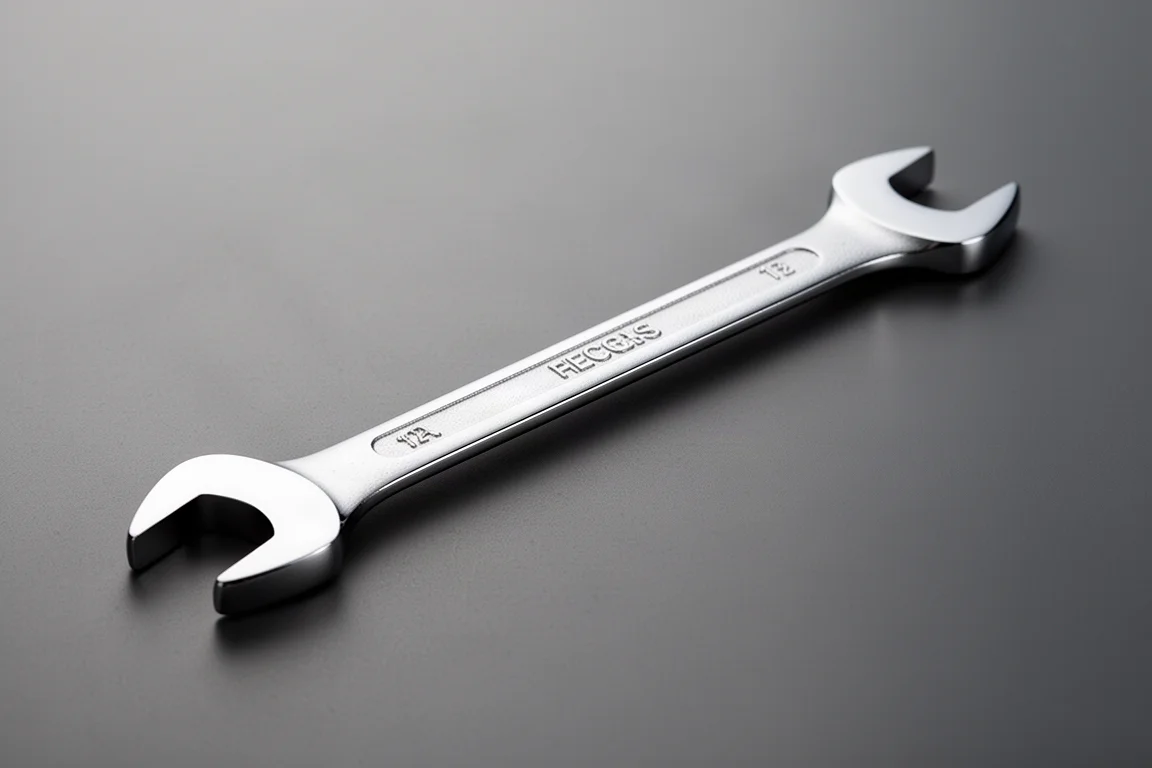
Kobalt, from Lowe’s, has historically performed around the middle of the pack, and its 0.18 millimeter clearance is respectable. Unlike Husky, this wrench is made in Taiwan, which may explain its solid, Tekton-like feel in person. It climbed to 1,060 psi, enough for second place among the hardware store group, making it one of the better mid-priced standouts of this round.
Urrea Combination Wrench
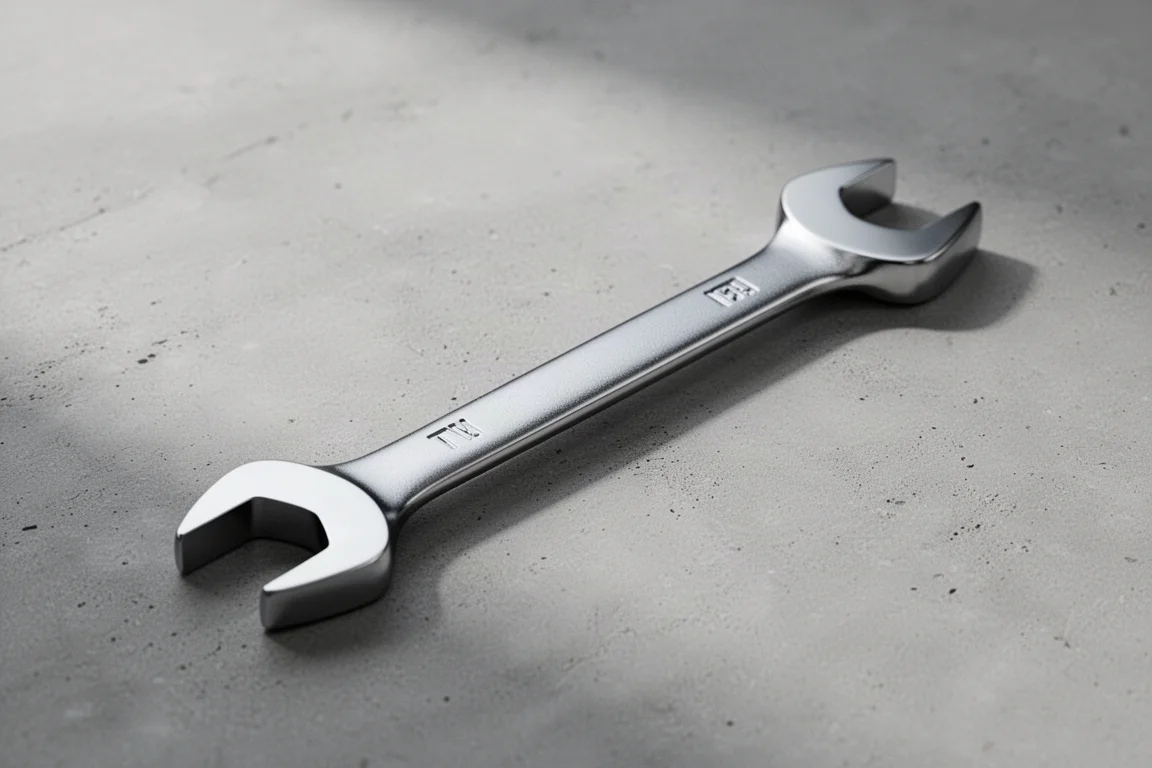
Urrea, a made-in-Mexico brand sold predominantly on Home Depot’s website, costs $4.77 per wrench. Its dimple-notch specialty jaw is claimed to offer three points of contact on a nut instead of the traditional two. The reality was less impressive: it had the worst clearance measurement seen at 0.38 millimeters over, close to a 16.5 millimeter wrench in practice, and it would not pass a simple no-go gauge inspection. It slipped at 998 psi, and its 8.4 millimeter thick jaw scored among the worst performance-per-thickness results recorded. In our view, a third contact point has nothing on the opposing side to stop the nut from simply being pushed away under load.
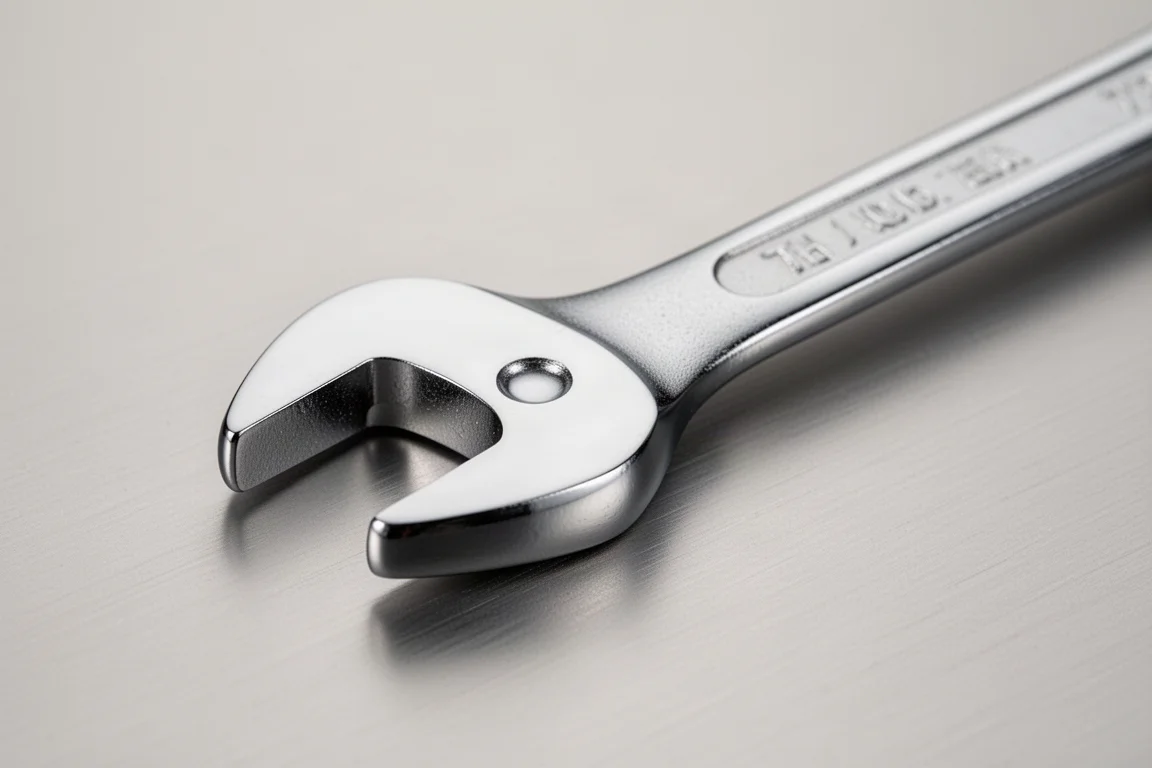
Milwaukee Combination Wrench
Milwaukee’s wrench costs $8.66 each and uses an aggressive everything-but-the-kitchen-sink jaw: a V-groove base, radiused corners, and deeper grooves and slats than anything previously tested. Its clearance measured 0.17 millimeters. It piled up 1,492 psi for first place in its median test, but not without cost: the marks left on the fastener show it slipping in the 1,200 to 1,300 psi range, so expect some fastener wear near its limit.
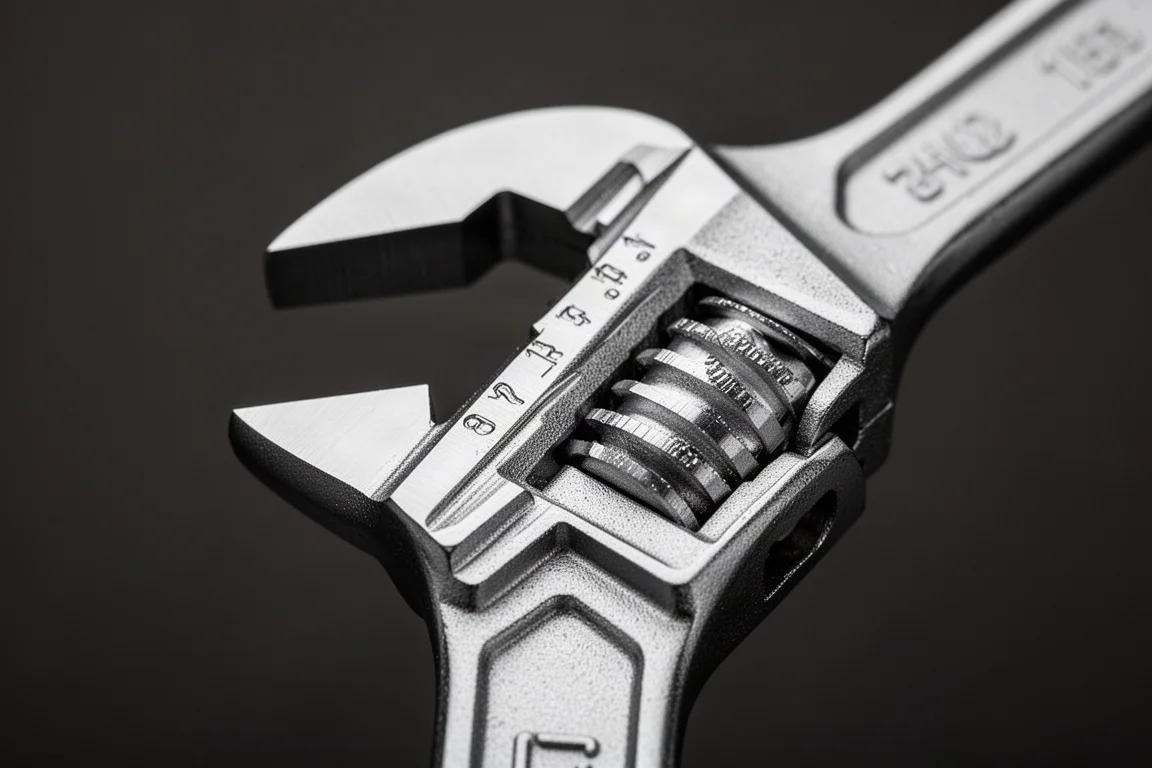
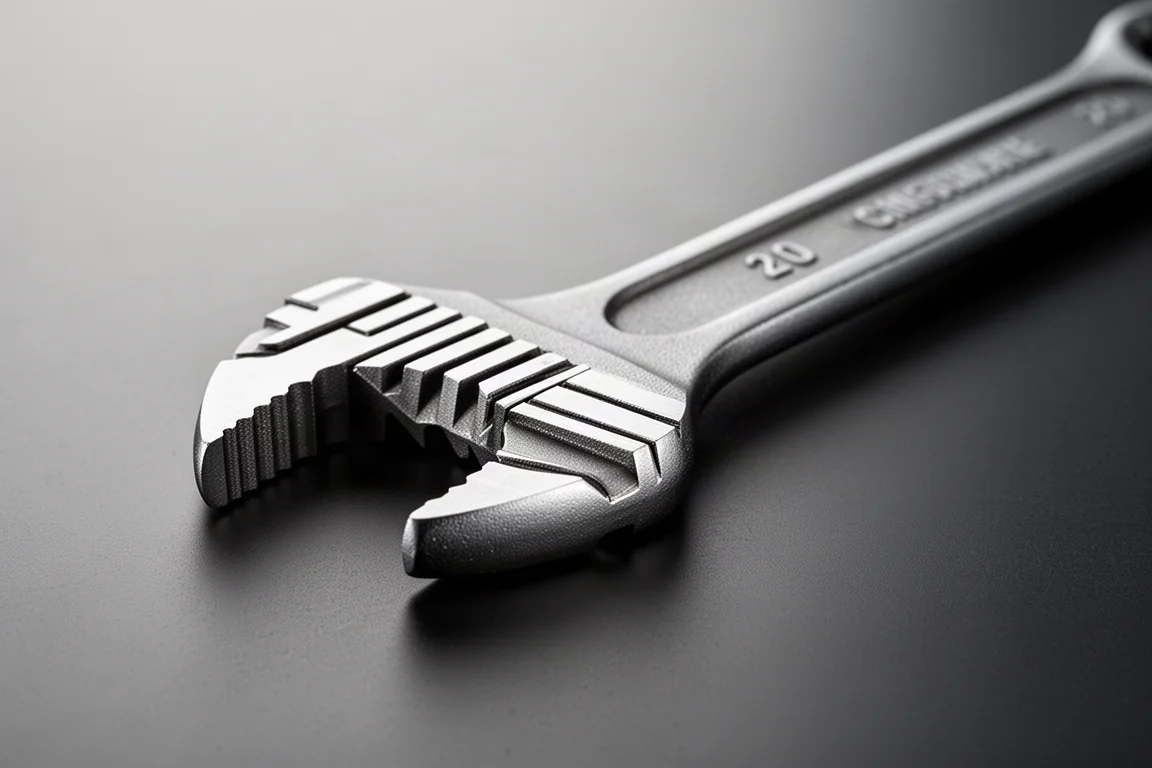
Harbor Freight ICON Combination Wrench
The ICON from Harbor Freight uses the same specialty jaw design as the Milwaukee and Carlyle, yet its tooling is clearly different: it is heavier and thicker than the Carlyle, with a tighter 0.11 millimeter clearance, tied for the best measured. It posted 1,495 psi, just barely edging out the Milwaukee, and in one test maxed out the test rig at 1,542 psi, something none of the others managed. On pure gripping power, it did best overall. It is also one of the cheapest wrenches of the bunch to buy individually, shipping free from Harbor Freight for around $10 if you have the part number.
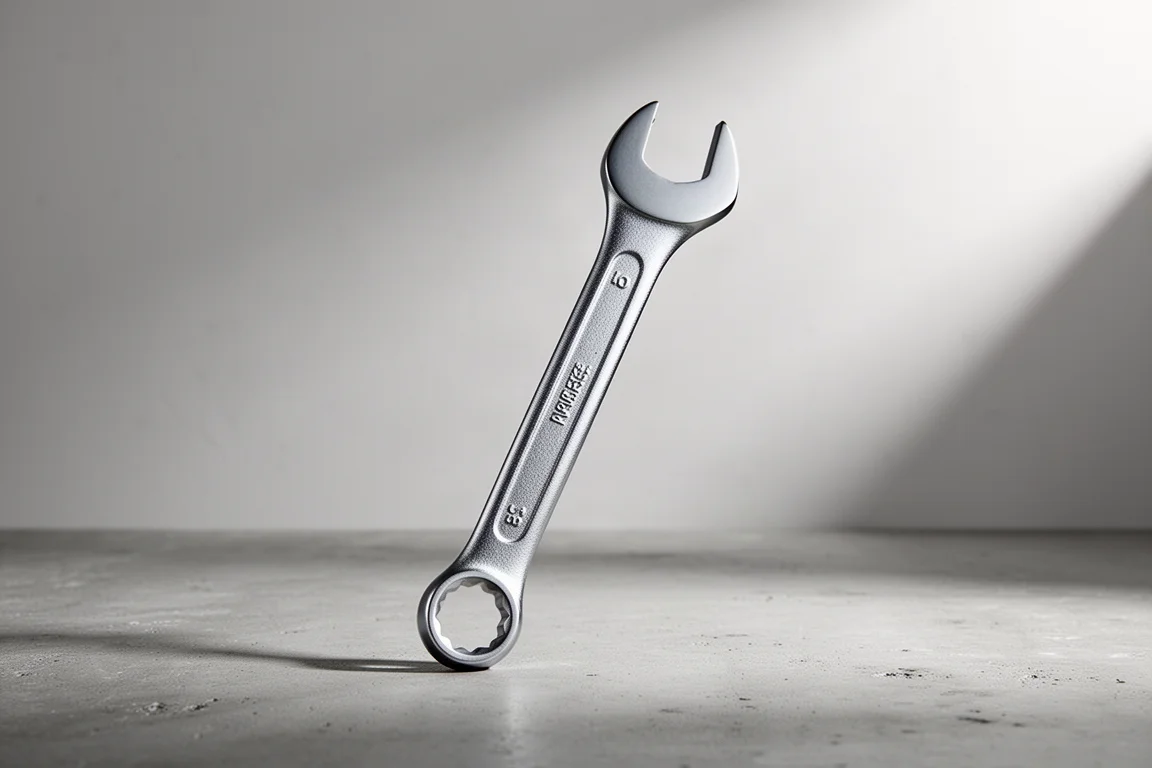
Carlyle Combination Wrench (Napa)
The Carlyle from Napa Auto Parts predates the Milwaukee and uses the same jaw design with the thinnest body of the trio and a tight 0.12 millimeter clearance. It reached 1,465 psi, performing superbly, and earned a 10 out of 10 in performance per jaw thickness. Carlyle tools are always priced a bit higher than expected, but they also tend to perform well, and this wrench was close enough to the top to earn top marks alongside the MetWrench.
Overall Buying Advice
All three wrenches sharing the same specialty jaw design performed similarly and landed at the top of the standings, confirming that specialty jaws make a real difference if you are willing to accept some scuffed bolts and nuts along the way. The MetWrench, with its thin jaws, delivered the best grip-to-thickness result, while the ICON offered the best raw grip and the friendliest price. Kobalt stands out among the mid-priced options, Pittsburgh is acceptable for the price, and Urrea underperformed its specialty jaw claims more than anything else tested.
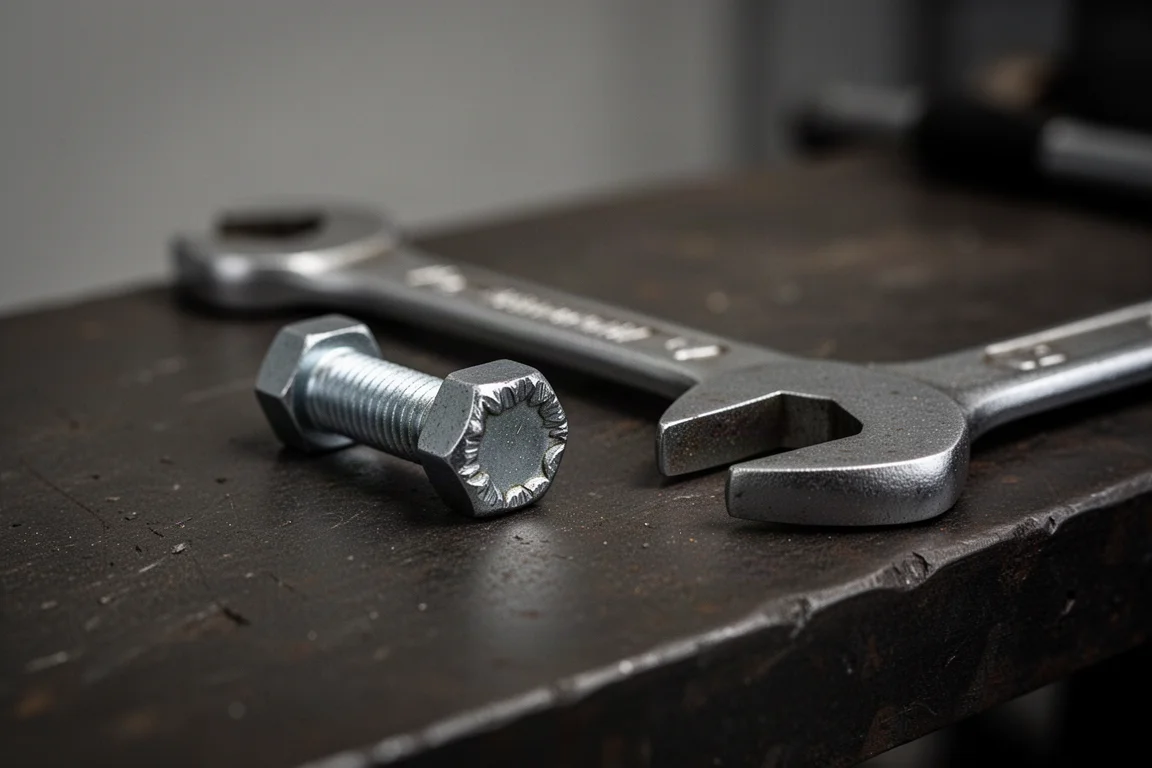
If you work mostly on fasteners you cannot afford to damage, a tight-clearance conventional wrench or the thin-jawed MetWrench approach is safer. If you are breaking loose badly stuck bolts where some fastener wear is acceptable, the ICON or Milwaukee style jaw earns its keep.
Conclusion
Specialty jaw designs continue to prove their worth, but not all of them. The ICON, Milwaukee and Carlyle trio dominated on grip, the MetWrench matched them with thinner jaws, and Kobalt was the best of the conventional hardware store wrenches. Urrea showed that a three-point-contact claim does not guarantee real-world grip, and Pittsburgh remains the definition of getting what you pay for.
Further reading
Related Reviews
Hand Tools
Best Diagonal Cutters 2026: 16 Pliers Tested for Cutting Power and Durability
We put 16 diagonal cutters through nail, screw, drill bit, and hex key tests to find the best value picks for your toolbox.
Hand Tools
Best Hex L Key Sets 2026: Nine Sets Tested for Real-World Torque
Nine hex L key sets from budget to premium, tested for torque, fit, and durability. See which sets deliver real performance and which ones to skip.
Hand Tools
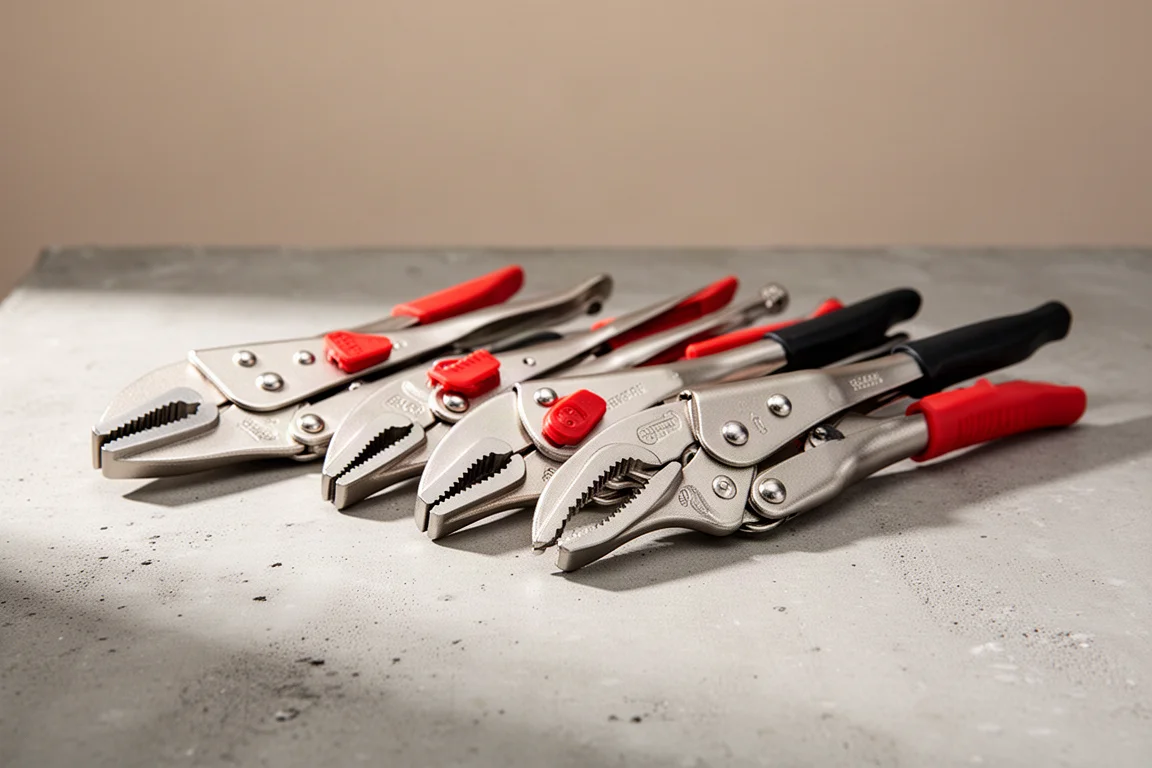
Best Locking Pliers 2026: Top Picks Tested for Grip and Durability
We tested 18 brands of 10-inch locking pliers for grip strength, jaw bite, build quality, and ease of release to find the best options for tough jobs.