Hand Tools
Best Combination Wrenches: European Spanners vs US Combo Wrenches
Fourteen wrenches from Europe and the United States go head to head on grip, jaw thickness, hardness, and tolerance to find out which are worth your money.
Introduction
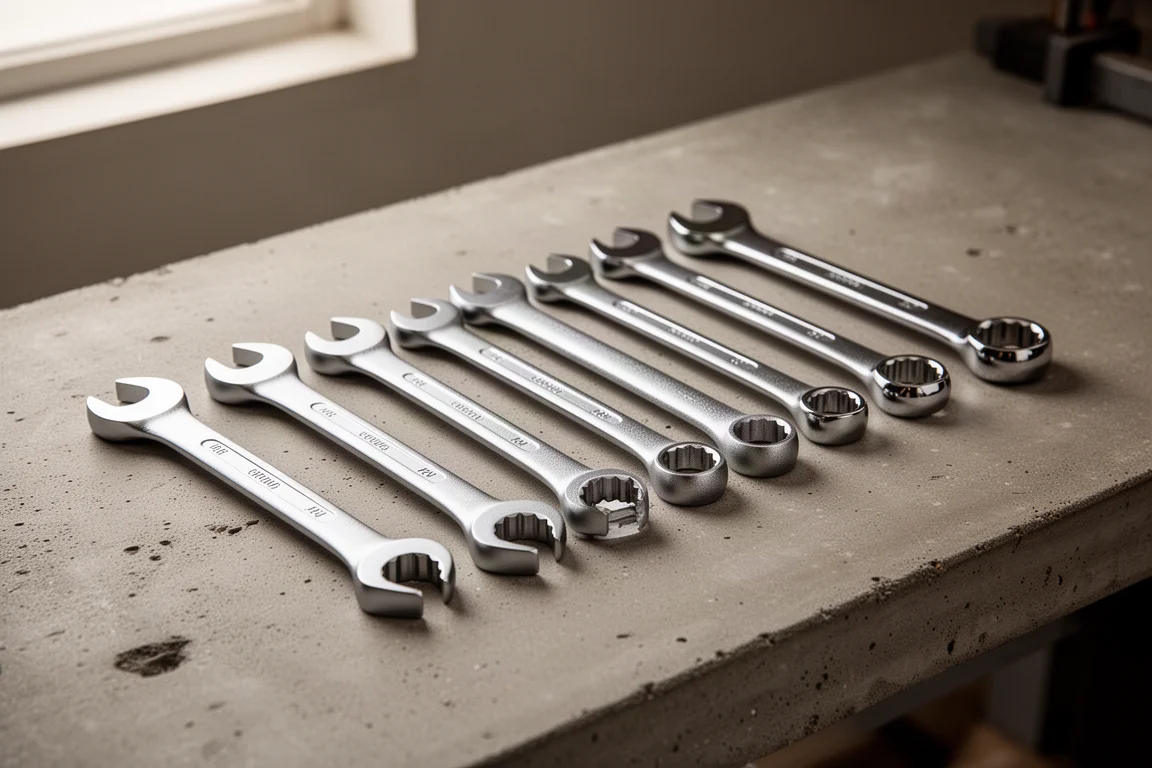
This comparison rounds up fourteen wrenches that had never faced our dyno before: combination wrenches and spanners from European makers, plus a batch of US combo wrenches, several of them built around anti-slip jaw designs. The question is simple. Which ones grip hardest before slipping, how do they do it relative to jaw thickness and hardness, and where do they land against benchmarks like Snap-on, Icon, and Milwaukee from earlier tests?
The pricing spread alone makes this interesting. Some European spanners cost around nine or ten dollars a wrench, while the most expensive US entry here sells for fifty-four dollars each. Price does not always predict performance, but it certainly frames expectations.
How We Tested
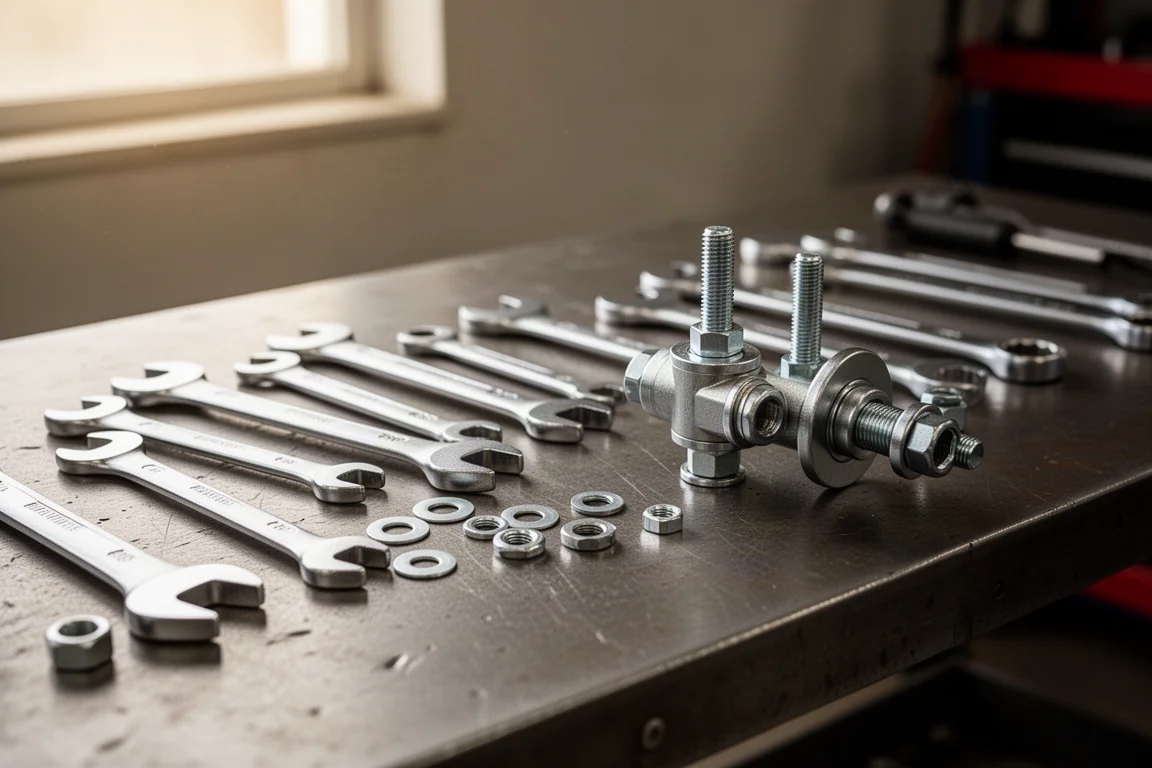
Every wrench was tested more than once in each direction, and we report the median result. All hardware was new for every test, with fresh nuts, washers, and bolts each time, so no fastener was pre-stressed by a previous run. Grip performance is measured as bolt tension at the point of slipping, and results are considered together with jaw thickness and opening tolerance.
On tolerance, the opening is measured across the flats and compared to what is stamped on the tool. Tighter is better. Most wrenches we have tested run around 0.18 millimeters over nominal, and typical hardness for wrenches on our bench sits near 47 Rockwell.
European Spanners: Tight Tolerances and Slim Jaws
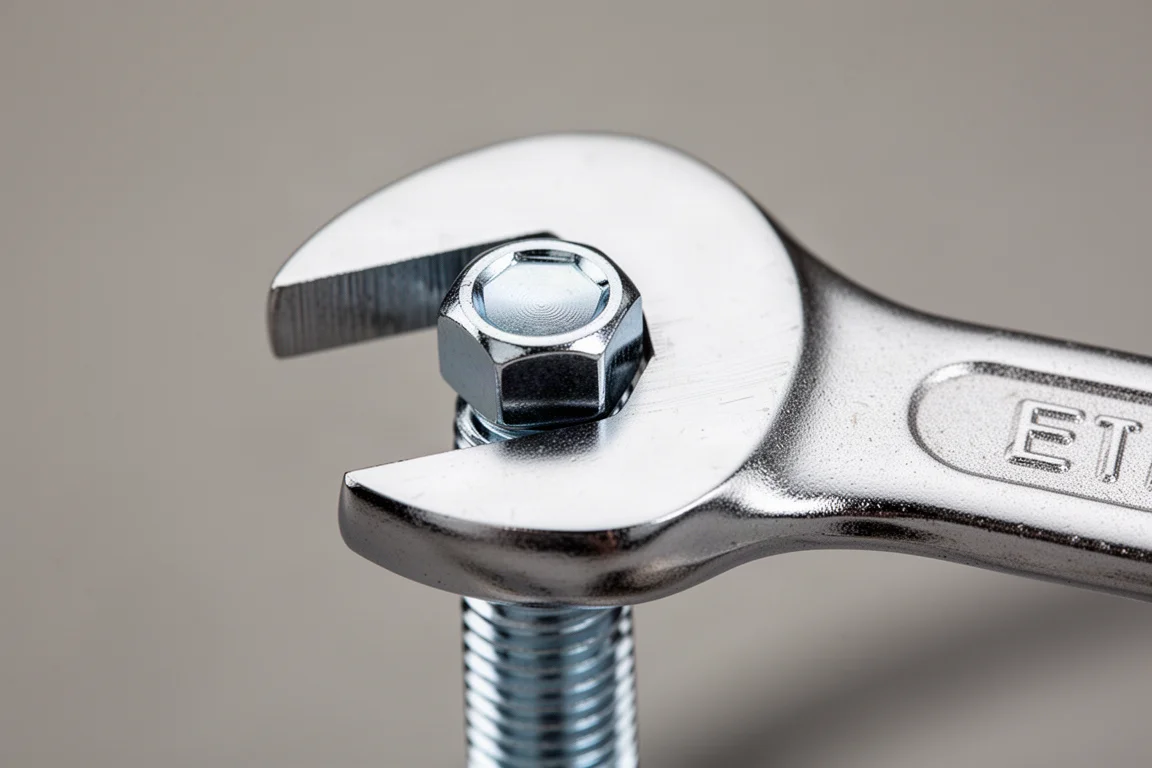
The European entries generally impressed on clearance, with several running tighter than anything we had measured before, and many managed strong results despite noticeably slimmer jaws than typical US wrenches. That slimness is a scoring factor, since a thin jaw has less material to resist spreading, but several brands still performed well regardless.
Bahco CM Combination Wrench Set
The Bahco CM ten-piece set came in at 75 dollars, or about 7.50 per wrench. Bahco is made in Sweden and is often described as a more affordable way into the Snap-on family, since it sits under the same umbrella. The opening measured 0.18 millimeters over nominal, so not a Snap-on-like start, with 6.7 millimeter jaws that are about normal for thickness. It slipped at around 1109 in bolt tension, and finished with six points overall.
Heyco Combination Wrench
The first German entry measured only 0.09 millimeters over its stamped size, a channel record that beats the 0.11 over of Snap-on. The jaws are slender at 6.25 millimeters, which we factor into scoring but which makes piling on pressure harder. It still passed Bahco with 1220 before slipping, and averaged 8.33 points, promising strong performance per millimeter of jaw thickness thanks to that tight tolerance.
Hazet Combination Wrench
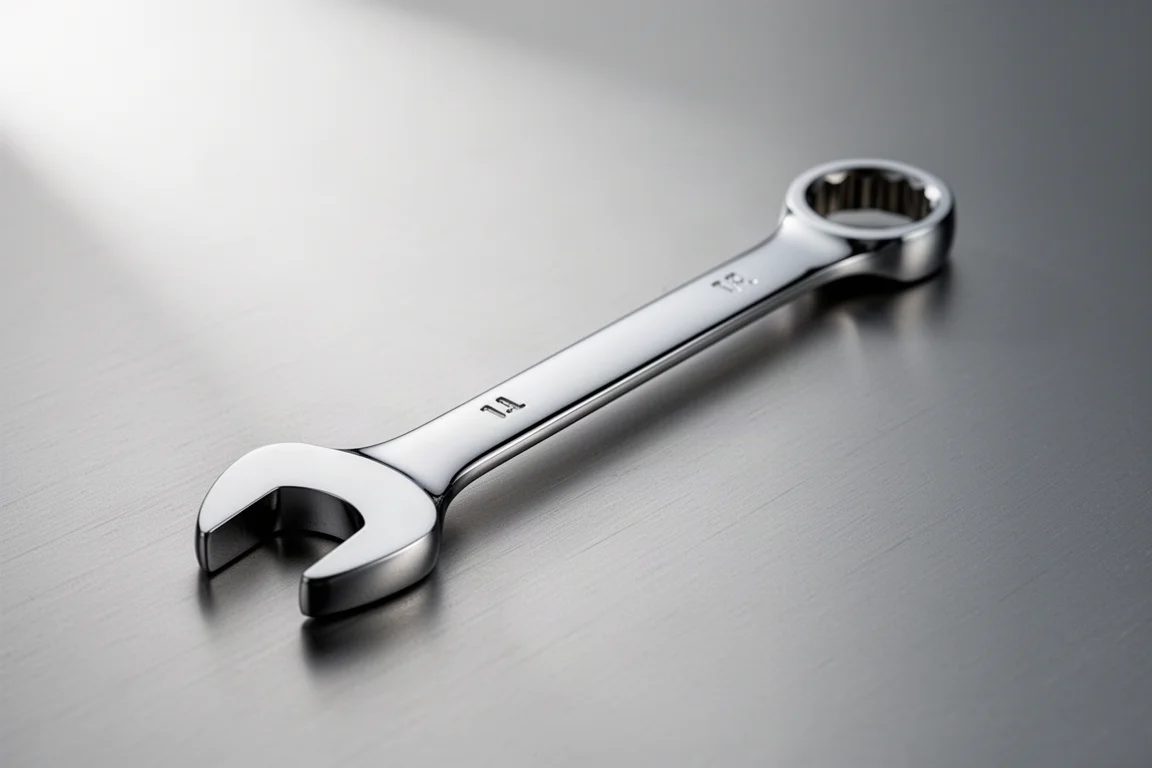
Hazet looks similar to Heyco but uses a cool offset box-end design. At about ten dollars a wrench, it measured 0.14 millimeters over, still quite good, and its 6.5 millimeter jaws are on the thin side, which limits how much pressure it can pile on but keeps it slim in the hand. It reached 1368 before slipping and scored 8.66 overall.
Gedore Spanner
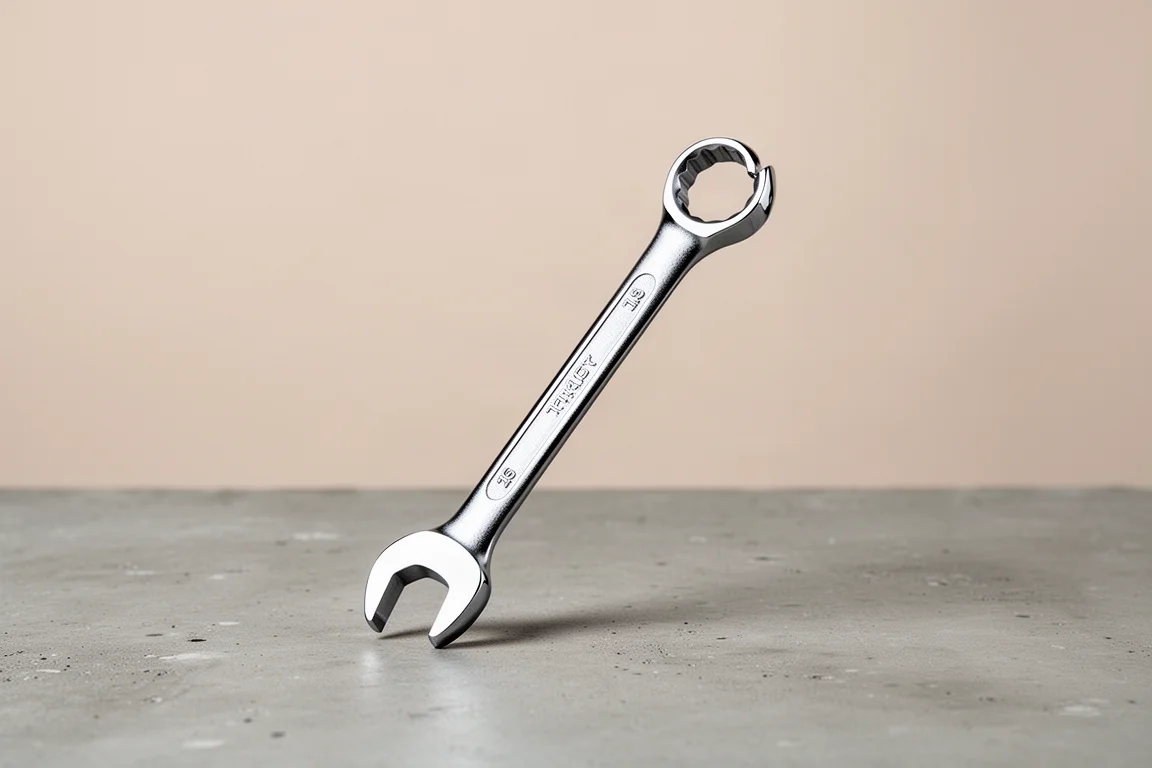
The Gedore is a true spanner with no box end, wearing a satin sandblasted chrome finish that seems popular in Europe. It also measured 0.14 millimeters over, with 6.3 millimeter jaws that are again quite narrow. This one felt very grippy, almost sticky: it wanted to slip but would not let go, turning up to 1309 before it did. It averaged 8.66 points, though hardness testing showed it ran too soft, below even the ANSI standard used in the US, which could matter for inspection.
Wera Joker
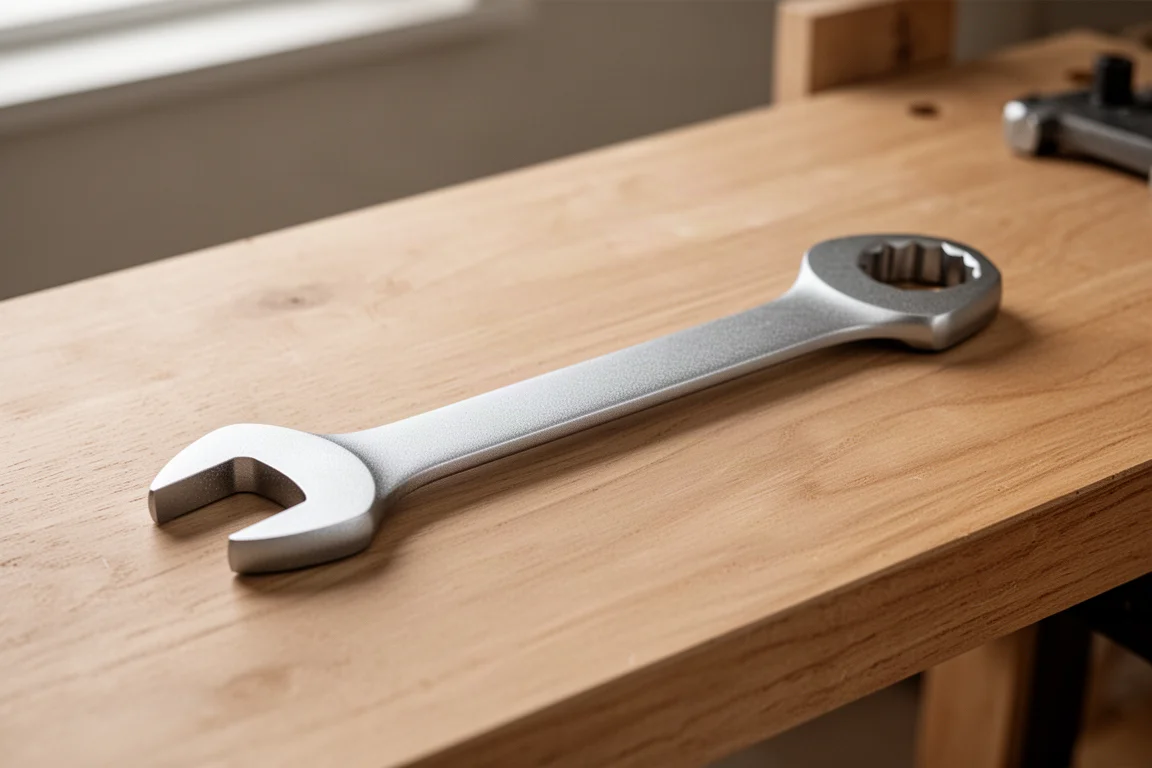
The Wera Joker is a highly requested wrench and certainly different: a cut-open 12-point box end turned into an open end. The 12-point inspired design needs only 30 degrees of repositioning, or just 15 when flipped back and forth. Measured across the flats on the 12-point design it is 0.13 millimeters over, very good, but grip is the weak point. Tested in both the corners and the flats orientations, it reached about 1020 to 1022 before slipping, with remarkably consistent runs within about one percent. As a function of jaw thickness, it is not great against conventional wrenches. It averaged 6.33 points, and makes the most sense in cramped quarters where a ratcheting design would not fit rather than for peak torque.
Stahlwille Combination Wrench
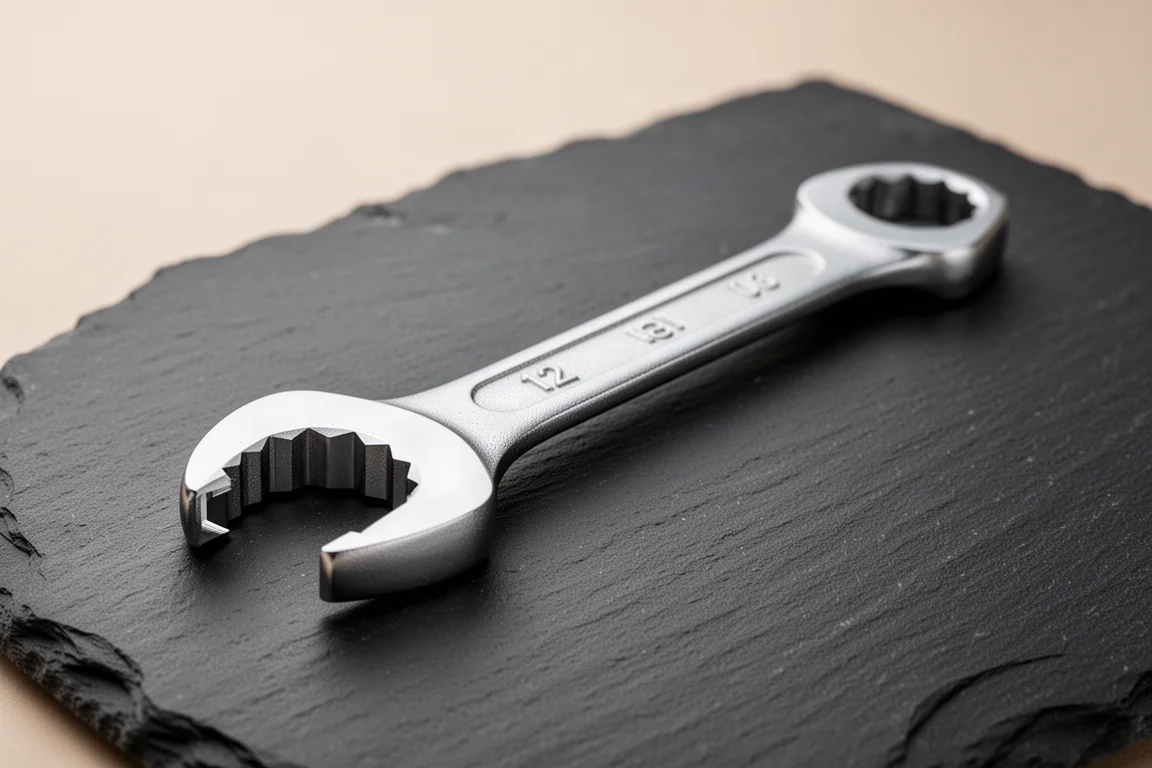
The Stahlwille looks unique next to the others, with 7 millimeter jaws and 0.13 millimeters over nominal, nothing wrong with that. But it will jump-scare you: it suddenly lurches forward with no warning while you are cranking. We tested it three times with less than half a percent difference between runs, so it simply did not like being pushed, though we may have received a lemon. It scored 4.33, the lowest of the group.
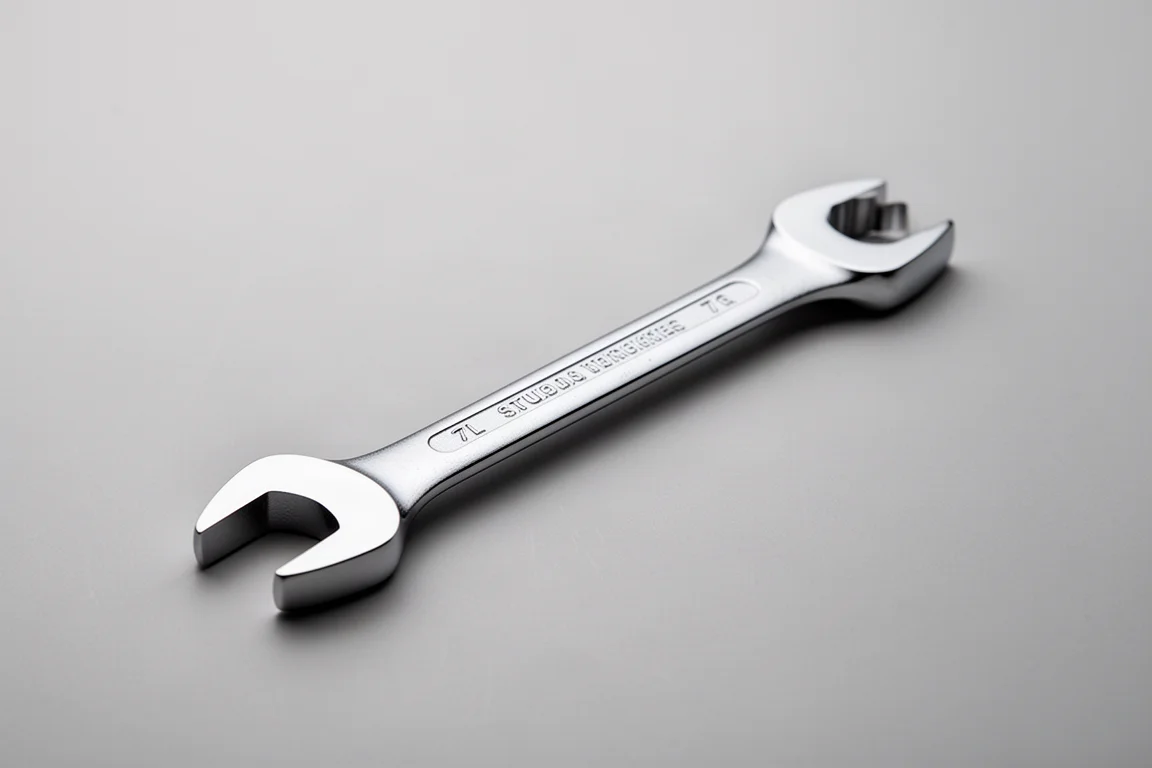
Beta: Two Wrenches, One Surprise Winner
Beta is Italian, and we ended up with two examples. The first we ordered turned out to be a tappet wrench, the shorter, thinner snugging-up style, and we included it anyway because it looks the part. The standard Beta wrench looks very American in finish and length.
The tappet measured 0.11 millimeters over and feels solid and confident under abuse. Despite its narrow jaws it climbs into the points surprisingly well, reaching 1233 before slipping. For its size, it set an overall record for performance per millimeter of jaw thickness. Honestly, if you need a little palm wrench, this thing is a beast and you will never generate enough torque on its length to make it slip.
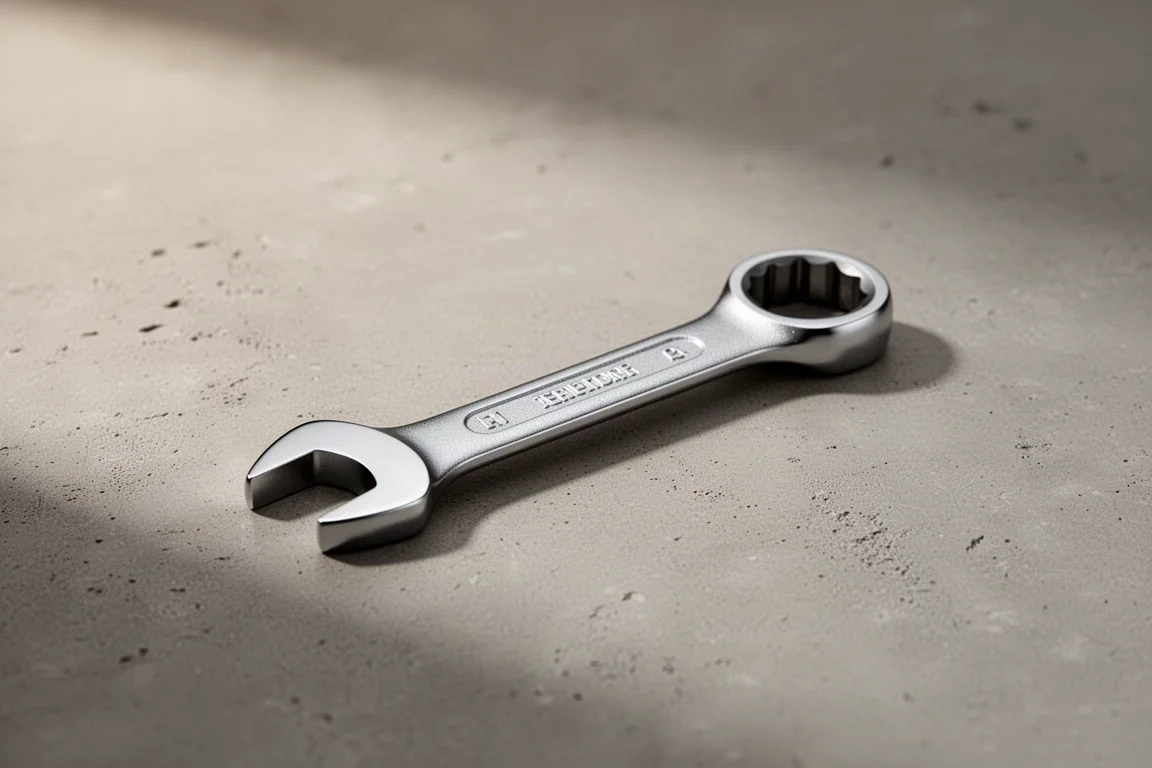
The standard Beta wrench is wider at the jaws, but strangely that did not help: it measured 0.13 millimeters over and delivered 1208, slightly less than the tappet wrench on every test. It still scored a respectable 8.33.
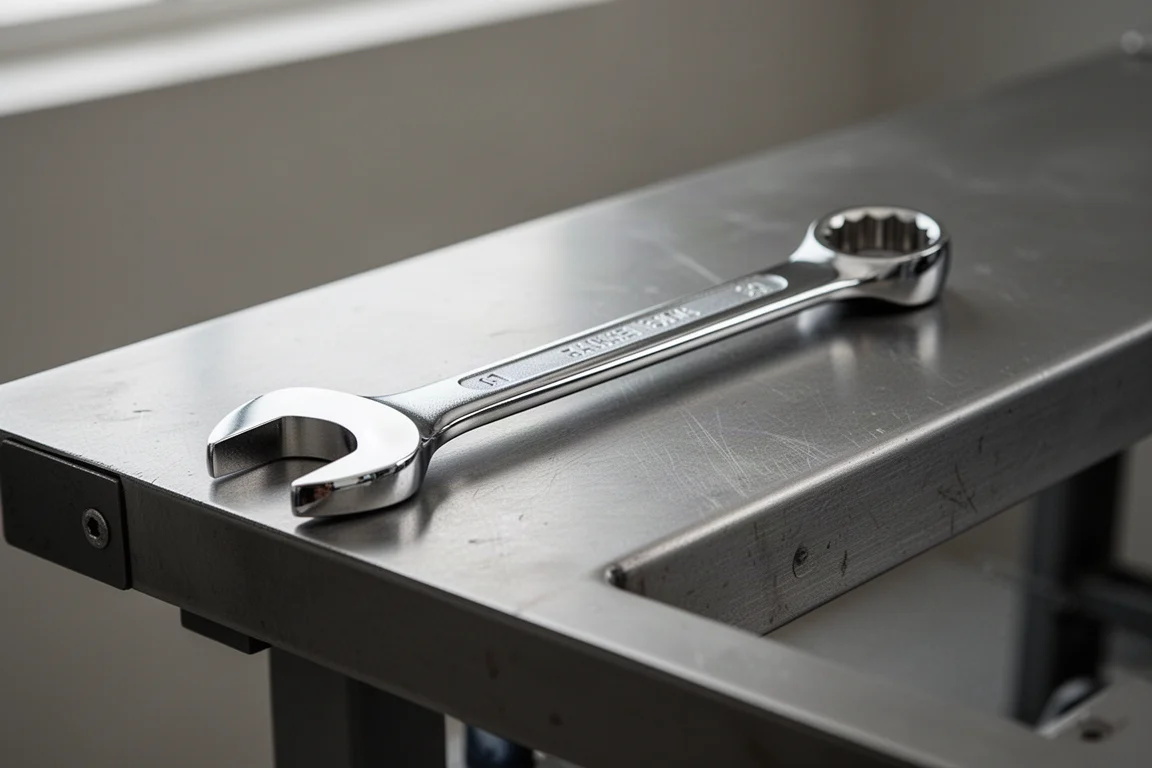
American Combo Wrenches Bring the Anti-Slip Designs
US wrenches simply cost more in this comparison, and several of them lean on specialty anti-slip jaw geometry rather than tight European-style clearances. On average, US wrenches beat Taiwanese and other Asian sources on tolerance even without specialty jaws, but Europe still held the edge on slimness.
Williams Super Combo
At 160 dollars a set, or 16 per wrench, the Williams Super Combo is one of the nicer wrenches we have held, nicer than some US wrenches including Snap-on, for whom Williams often manufactures items like sockets. Thick, bolstered, smooth radiused edges give it a pleasant weight and comfort when cranking, and the head tapers for better access.
The opening measures 0.09 millimeters over, a good sign, and the open end is a specialty non-slip design with simple cuts and a radiused groove pattern intended to direct force away from the fastener corners, with 7.6 millimeter jaw thickness. It feels planted until the very end, and you can see the slip coming instead of it going suddenly sideways. That said, we expected more from the several runs we did given how other non-slip designs have performed.
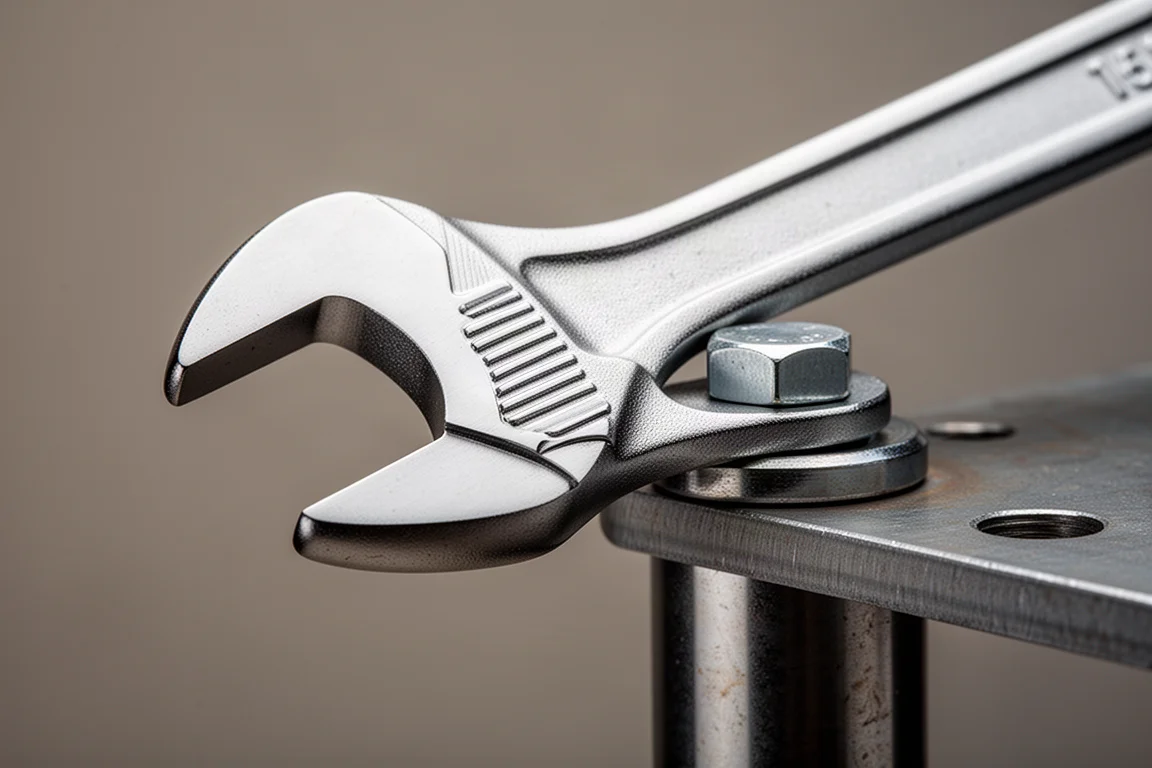
King Dick Combination Wrench
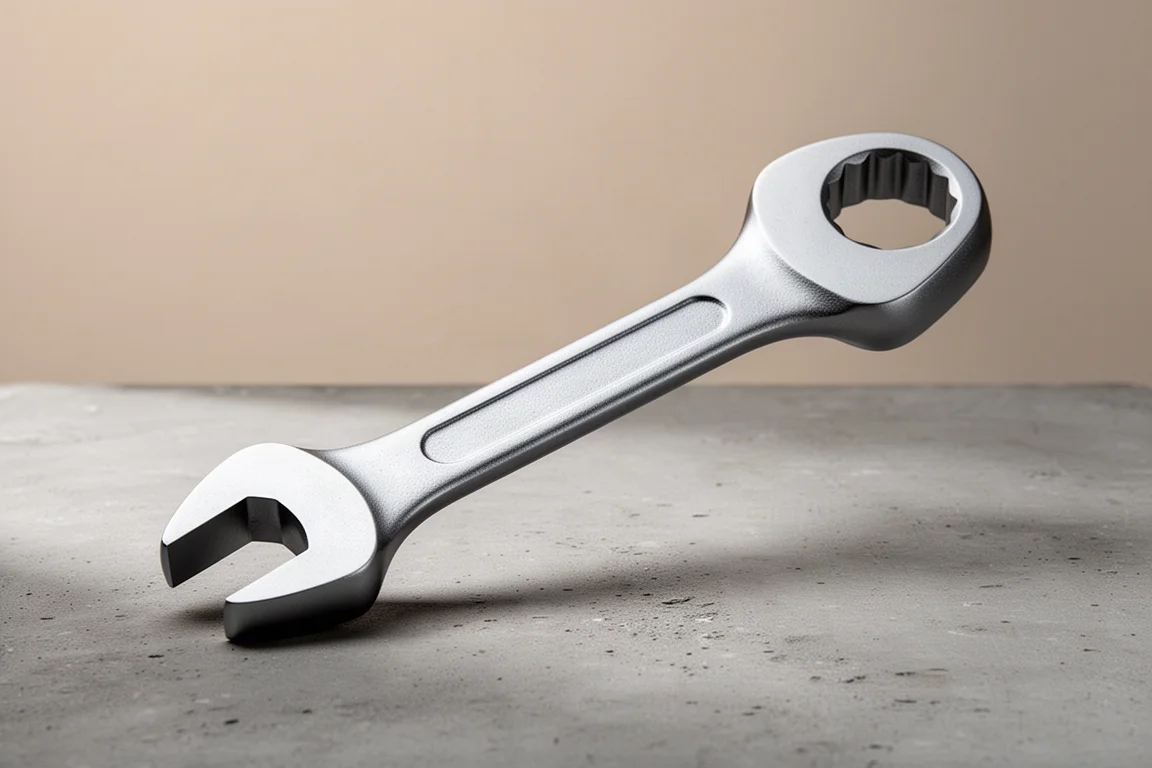
You cannot cover European spanners without a UK entry. King Dick was much more expensive bought in the US at 16.60 per wrench as a set, though it costs considerably less in the UK. It measures 0.15 millimeters over with just 6.25 millimeter jaws, more of a length-over-girth design, and it is frequently suggested by readers.
Unfortunately, on its very first use, a piece of the wrench failed dramatically, flying off the bench. We could not complete our minimum of three tests, something not even the worst wrenches we have tested have done. Its hardness results were notably high, and thin combined with hard does no one any good. It averaged 5.66 points.
Proto Anti-Slip Combination Wrench
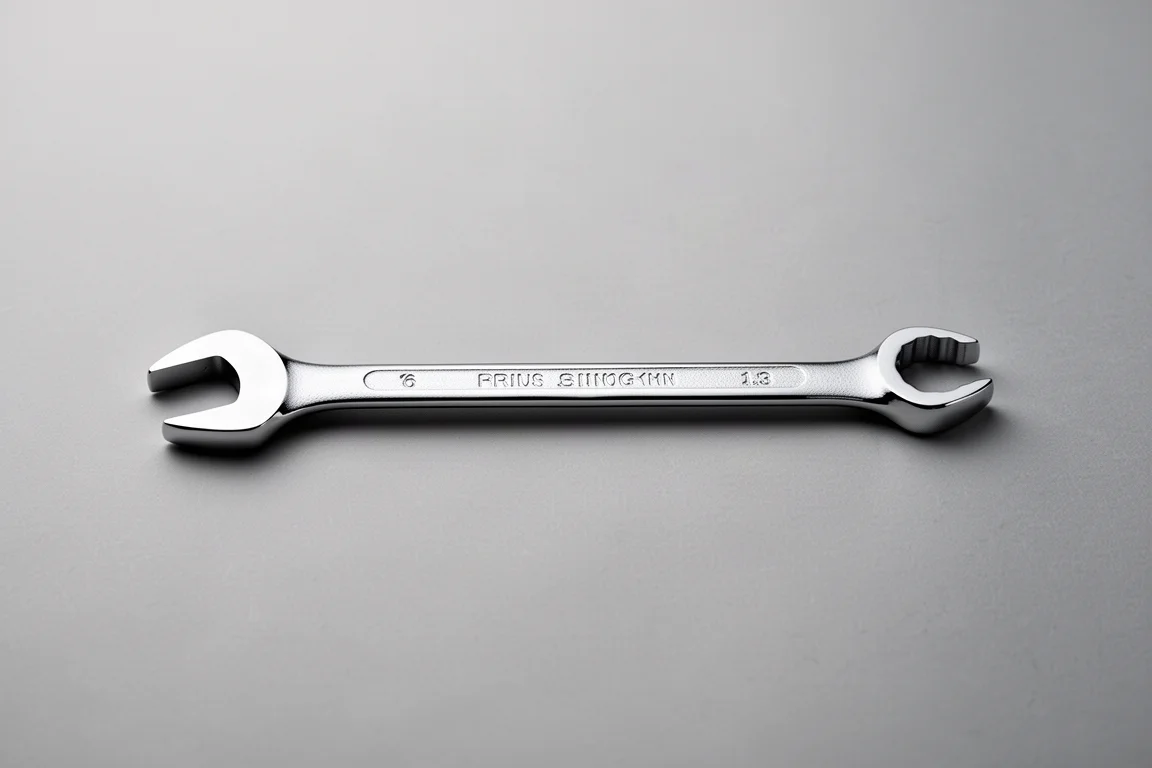
Proto’s US-made wrench features their anti-slip design, similar in concept to the Williams but without aggressive shark-bite style jaws that chew up bolt heads. It measured 0.12 millimeters over with an 8 millimeter wide jaw, certainly on the wide end for this size, and it uses that width plus the anti-slip geometry to climb higher and higher in bolt tension.
The median run maxed out our fastener, which began collapsing in on itself, and higher numbers appeared in one orientation than the other. That puts it in the elite class of wrenches that max out the rig, alongside only one other brand. It scored 10.33 overall, earning a bonus score for maxing the rig without reaching its true maximum, placing it at the top of everything we have ever tested. It costs a bit more at 19 dollars a wrench, but it is easier to find.
Cornwell Ratcheting Anti-Slip Wrench
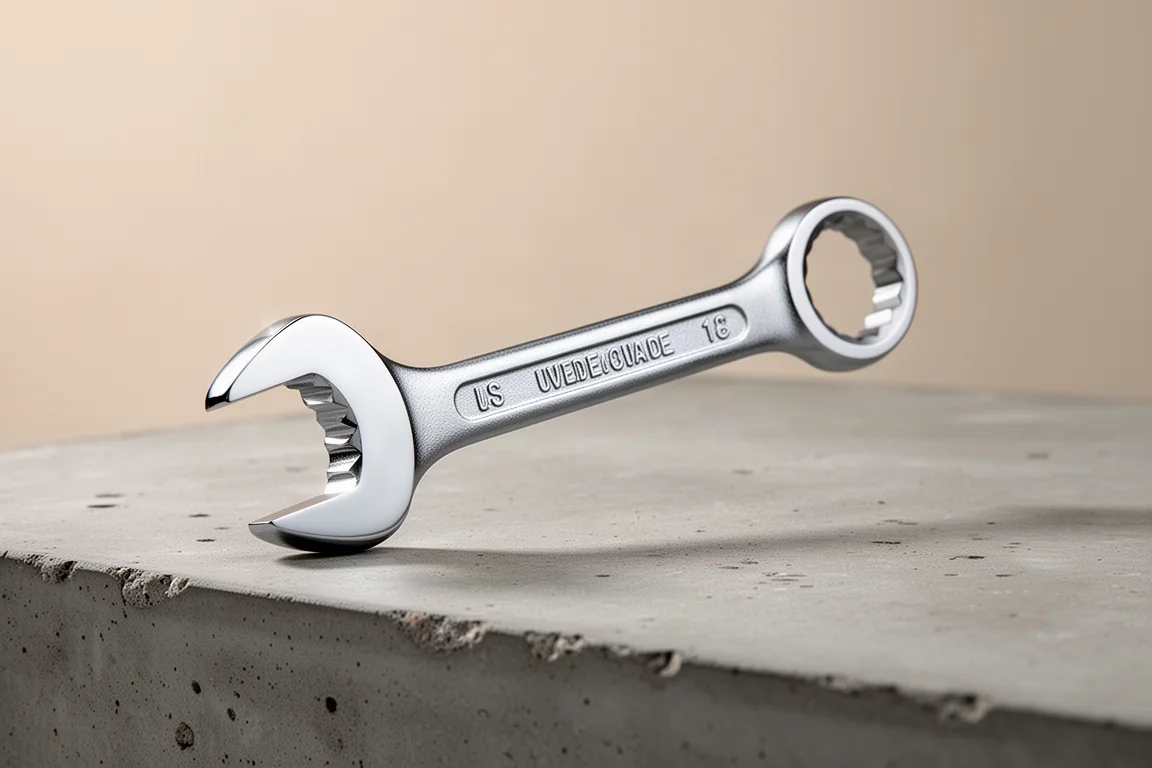
The Cornwell ratcheting anti-slip measured 0.13 millimeters over with 7.6 millimeter thickness. The design is reminiscent of the Snap-on Flex Head Plus, with cuts and lines on one side and a raised section opposite, and it has a similar effect, reaching 1468, very close to the 1492 of the Snap-on from our first round. It placed well overall with nine points.
Cornwell Hex Throat Combination Wrench
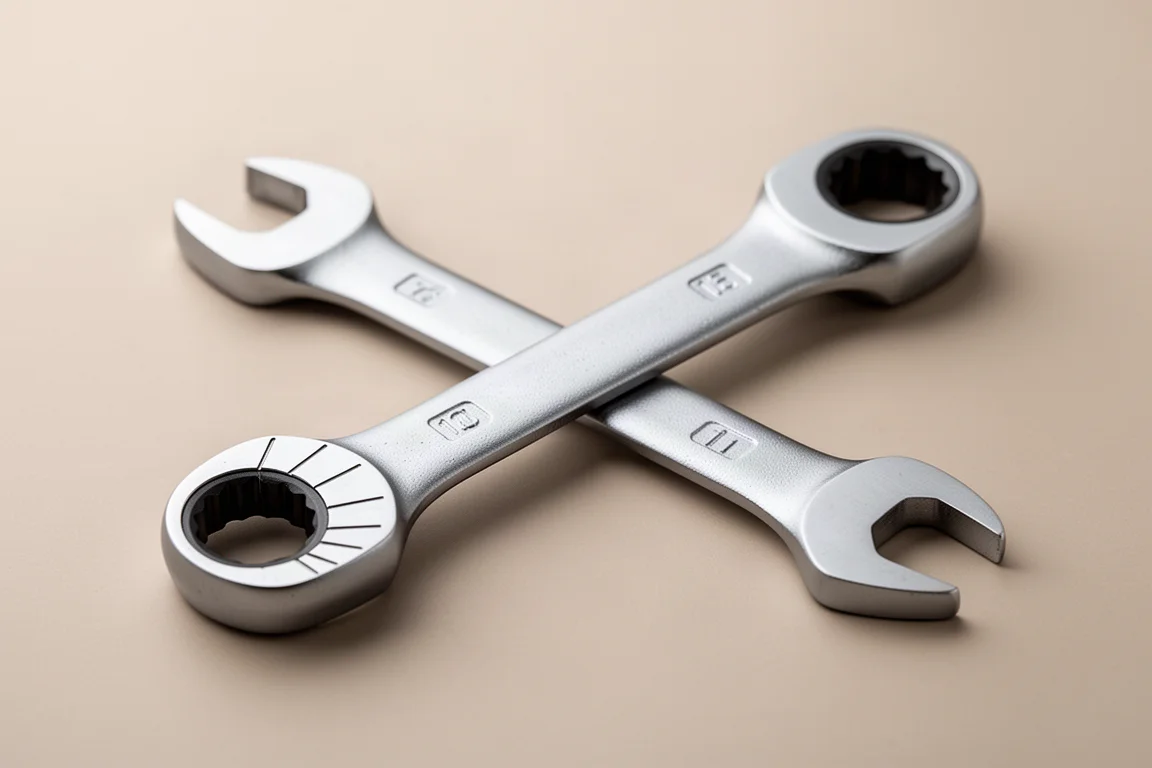
The other Cornwell uses the hex throat design, which we are not big fans of and suspect may do little. Dimensionally it is fine at 0.13 millimeters over and 7.7 millimeters thick, but it excelled in neither direction across multiple runs in both orientations, and it did not place well. It was included at a reader’s request in the hope that Cornwell might improve it.
Mac Tools Knuckle Saver
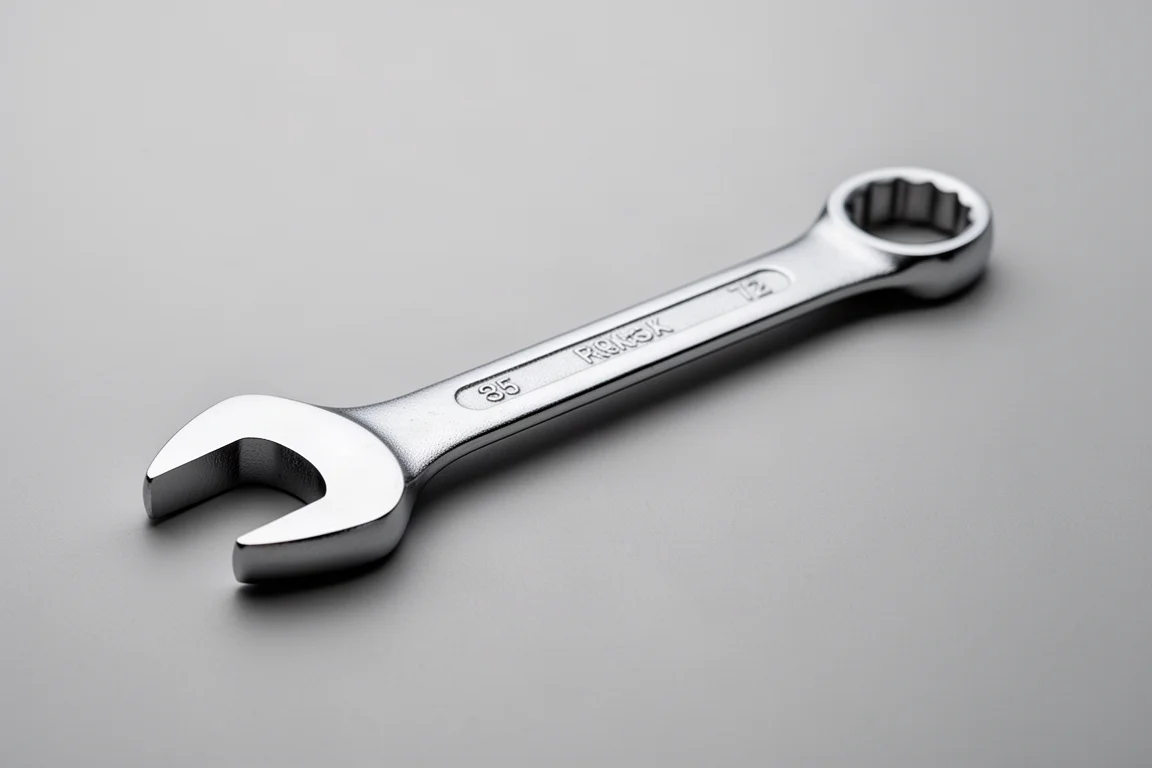
Last is the Mac Tools Knuckle Saver, US made with a long history of not sucking, and priced accordingly at 54 dollars a wrench, 545 for a set, more than Snap-on. Tolerance is 0.12 millimeters over with 7.4 millimeter jaw thickness, and it performed well: 1374 in one direction and up to 1420 in any direction across five tests, with the median shown. It averaged 8.66 points, and a new Mac Tools model based on their rounded bolt extractor line is reportedly coming that will be interesting to compare.
Hardness and Scoring Results
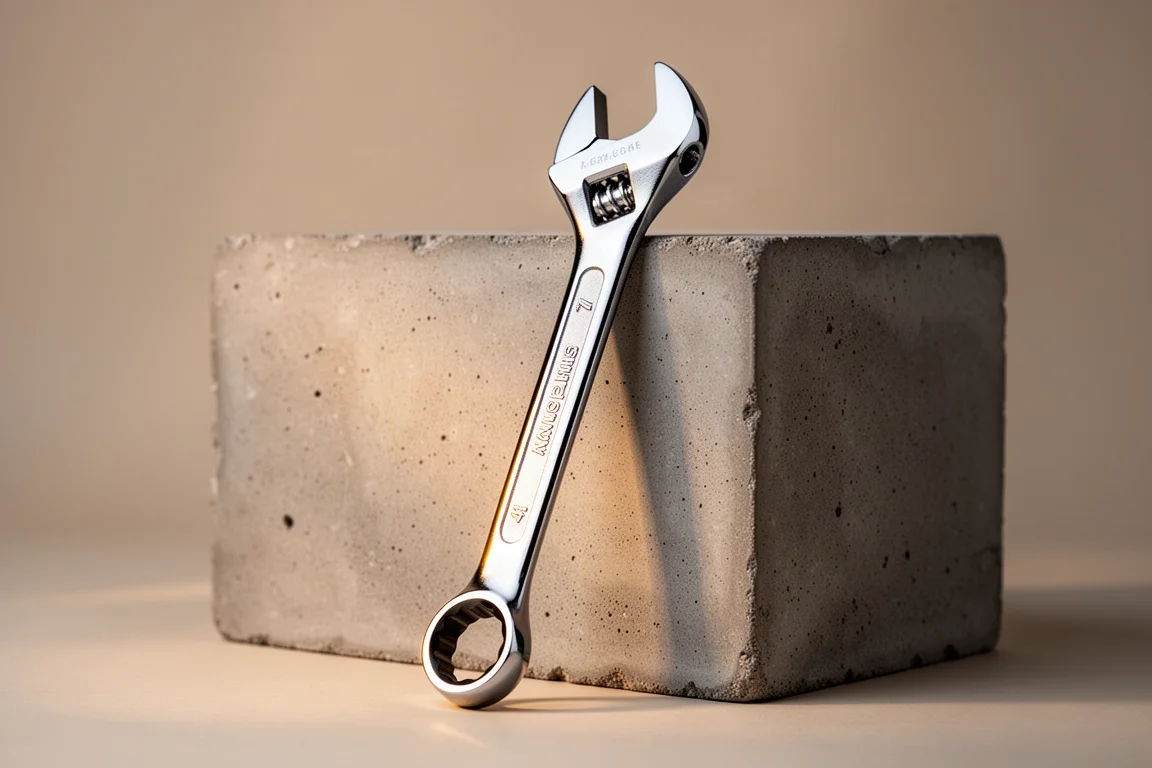
Hardness testing after the chrome was removed showed most results in the typical mid-40s Rockwell range, but there were standouts in both directions. The Gedore ran too soft, below the ANSI standard, and the King Dick ran hard, which sounds good but is a liability in a thin-jaw wrench and lined up with its early failure.
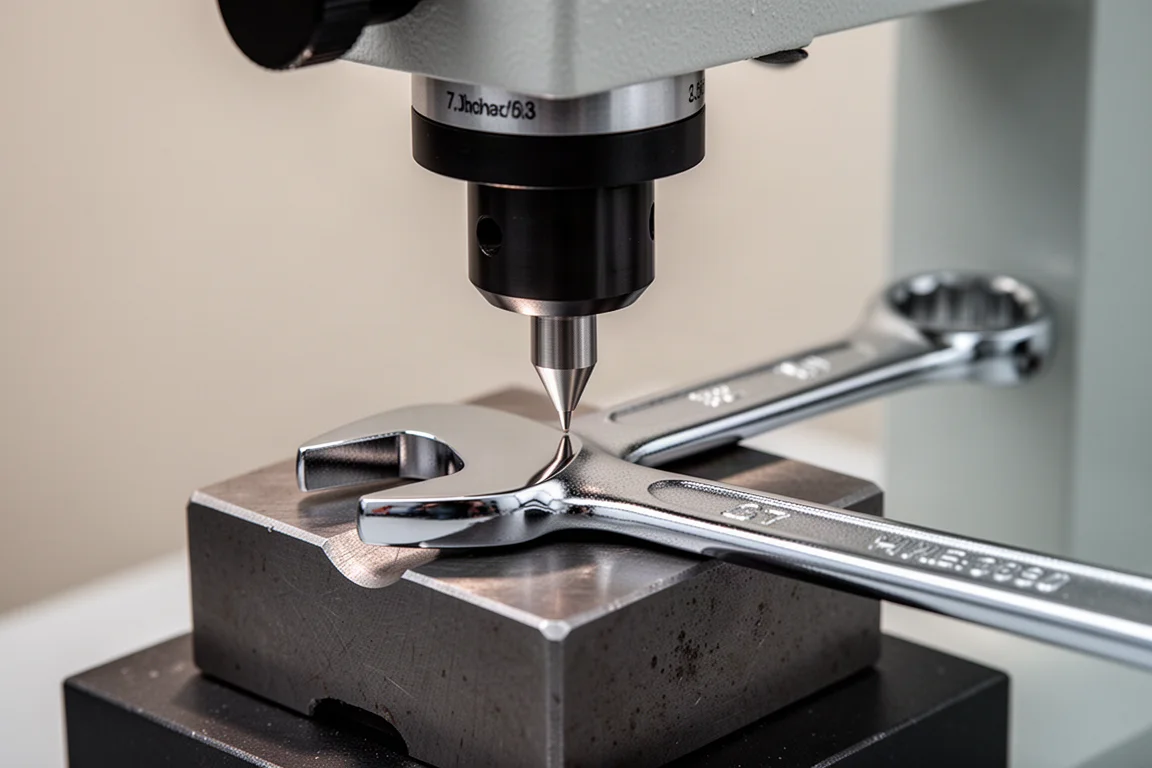
On tolerance scoring, a few rare 11-out-of-10 grades were awarded because some wrenches cleared better than anything previously tested. European brands generally ran tighter clearances than US or Asian sources, though Europe was less dominant on raw torque. The Proto anti-slip topped the entire field, beating every previous wrench on a combination of clearance and bolt tension, with the Cornwell ratcheting anti-slip close behind and several European entries holding strong mid-pack positions ahead of specialty-jaw wrenches from larger brands.
Which Should You Buy
If you want the best all-around performer and can pay for it, the Proto anti-slip combination wrench is the clear pick: it maxed out the test rig and scored highest of anything tested here. The Cornwell ratcheting anti-slip is the alternative if you want near-Snap-on grip with a ratcheting head, and the Mac Tools Knuckle Saver delivers proven performance at a steep price.
On the European side, Hazet and Gedore offer the best balance of tight clearance, slim jaws, and strong grip for around ten dollars a wrench, with Heyco right there for tolerance-focused buyers. The Beta tappet wrench is a niche but genuinely excellent buy for small fastener work, while the Wera Joker is best treated as a tight-space tool rather than a torque instrument. The Stahlwille and King Dick entries here are the ones we would hesitate on based on this testing.
Conclusion
European spanners win on opening tolerance and slim jaws, and the best of them, like Hazet and Gedore, punch well above their price. US brands, led by the Proto anti-slip, win on raw grip, helped by wider jaws and specialty geometry, though you pay a clear premium for it. Match the wrench to the work: tight spaces and precision favor the European picks, high-torque breaking loose favors the anti-slip US designs.
Further reading
Related Reviews
Hand Tools
Best Diagonal Cutters 2026: 16 Pliers Tested for Cutting Power and Durability
We put 16 diagonal cutters through nail, screw, drill bit, and hex key tests to find the best value picks for your toolbox.
Hand Tools
Best Hex L Key Sets 2026: Nine Sets Tested for Real-World Torque
Nine hex L key sets from budget to premium, tested for torque, fit, and durability. See which sets deliver real performance and which ones to skip.
Hand Tools
Best Locking Pliers 2026: Top Picks Tested for Grip and Durability
We tested 18 brands of 10-inch locking pliers for grip strength, jaw bite, build quality, and ease of release to find the best options for tough jobs.