Hand Tools
Best Combination Wire Strippers: Doyle, Klein J206 and Milwaukee Compared
Three hybrid plier-strippers that combine wire stripping, cutting and crimping in one hand tool. Here is how they differ and which one suits your bench.
Introduction
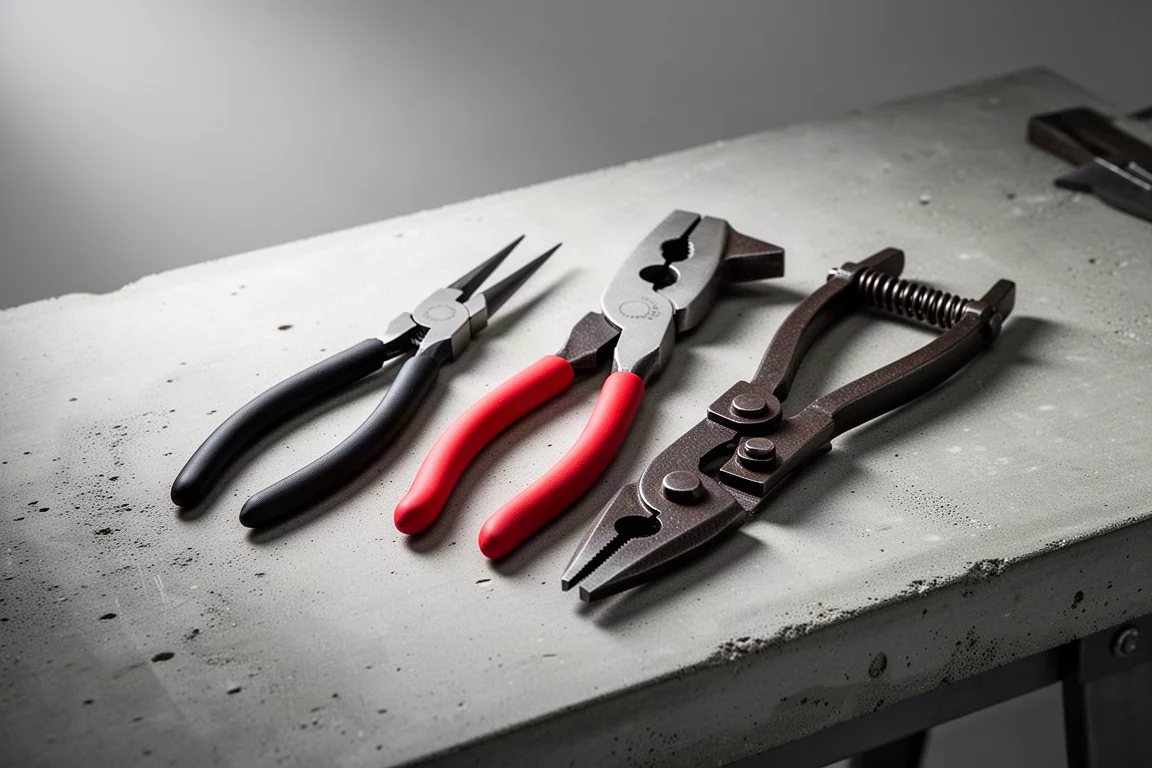
Hybrid hand tools are always a little risky. Combining pliers, strippers, cutters and a crimper into one tool can mean every function ends up mediocre. The interesting thing about the current crop of combination stripper pliers is that most of them avoid that trap. We looked at three of the most talked-about options: the Doyle combination stripper pliers from Harbor Freight, the Klein J206, and the Milwaukee combination stripper pliers.
The Doyle is the newest of the three and the cheapest, frequently on coupon for around $17.99 instead of the full $19.99 price. The Klein J206 has been the benchmark for years and typically sells in the $40 range. The Milwaukee launched at $29 and has since dropped to around $19, which makes this a genuinely competitive price bracket.
Why Combination Pliers and Strippers Work
The appeal is simple: one tool that strips solid and stranded wire, cuts cleanly, snips small bolts and still works as a decent pair of pliers. For electricians and anyone doing regular rough-in work, fewer trips back to the toolbag is a real productivity gain.
The risk with any hybrid is that one function suffers to make room for another. That is exactly where these three tools differ, and where the comparison gets interesting. All three have forged jaws, and all three strip wire well, but the details around crimpers, springs and knife geometry split them apart.
Doyle Combination Stripper Pliers: The Budget Hybrid
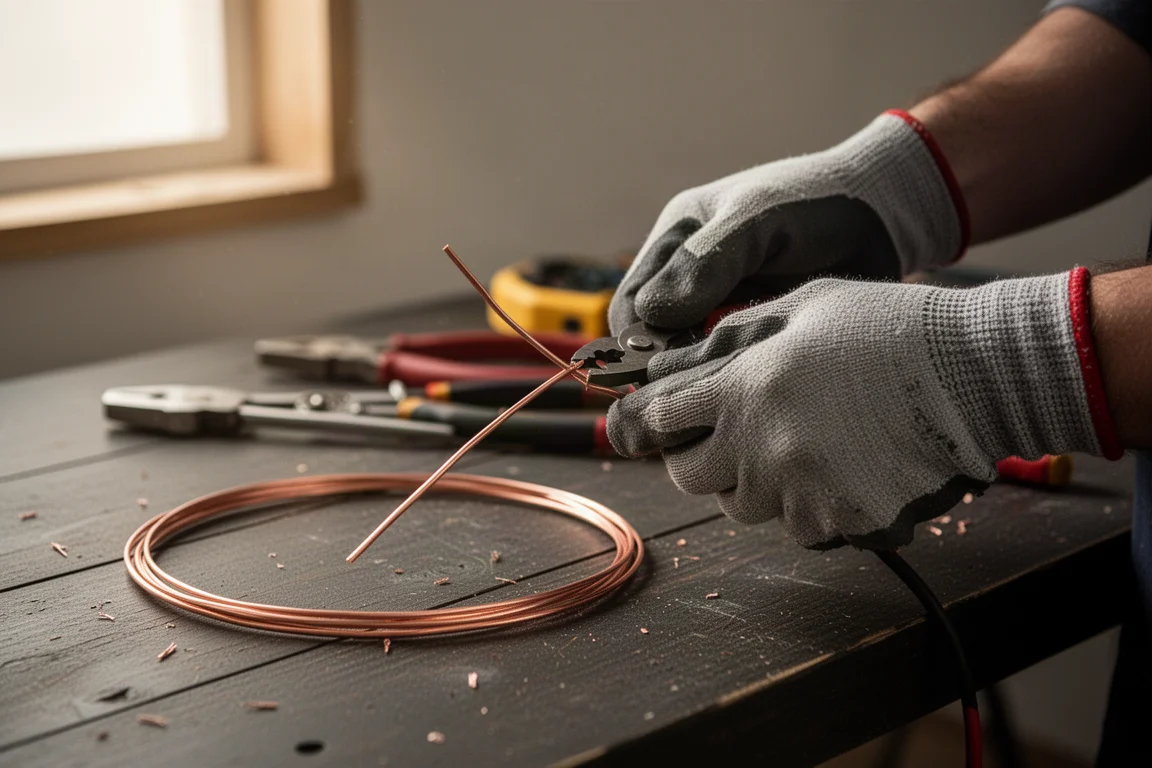
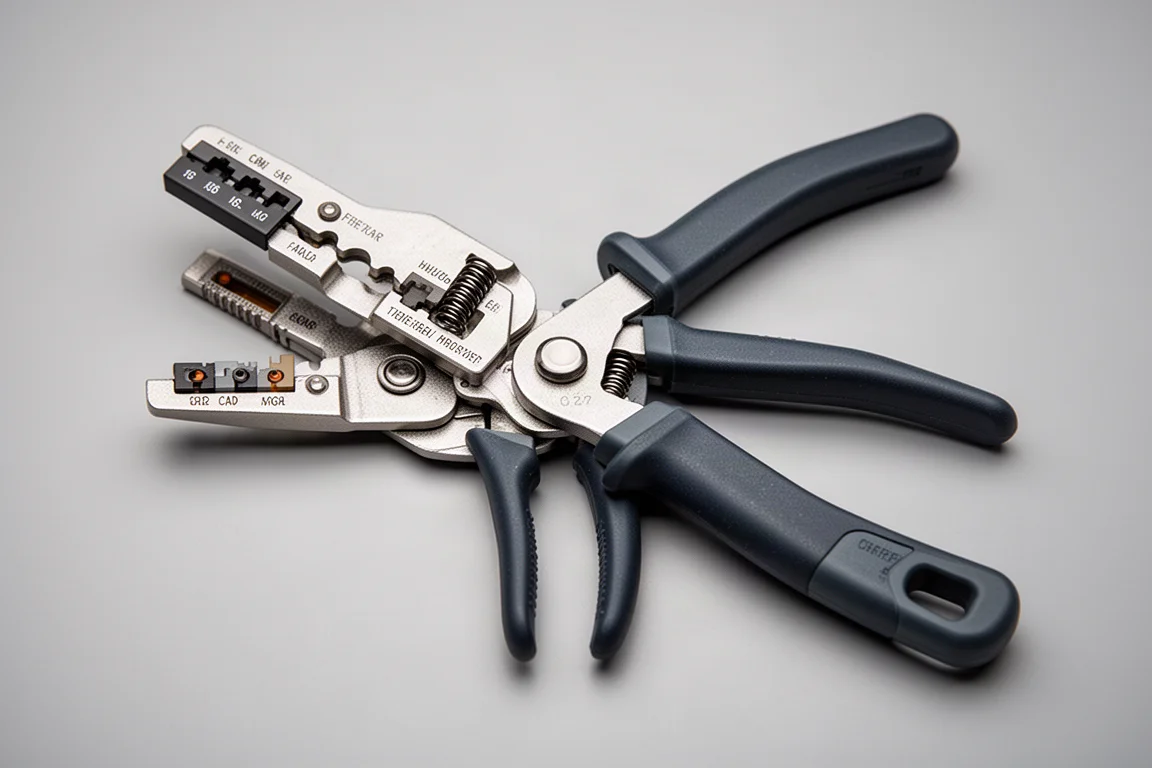
The Doyle is a deliberately in-between design: larger handles like the Milwaukee, but a smaller, more needle-nose beak at the front. That smaller beak is genuinely useful on a stripper like this, especially for bending and fine work, and it also makes this the narrowest of the three tools. It is not spring-loaded, which some people will miss, though a bit of resistance when opening is not necessarily a bad thing, particularly when you want to wedge a large wire into the jaws near the bottom of the cutting range.
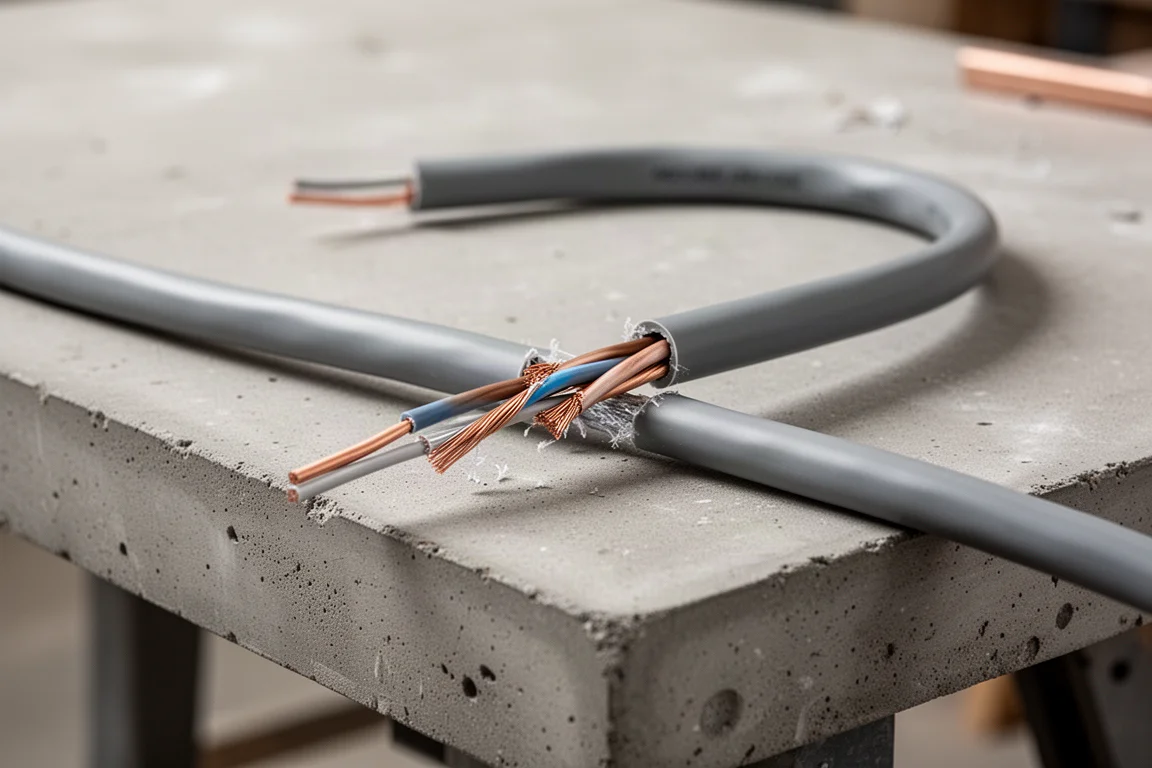
The feature list is strong for the money. It has curved knives, which work much better than straight knives for stranded wire, a crimper that sits in line with the jaws for a more solid crimp, and decent-sized side wire cutters. It strips Romex sheathing cleanly: drop the 12-2 jacket into the right spot, clamp down and push, and the sheath pulls apart without visible damage to the conductors. The labeled stations cover 18 to 8 in solid and 20 to 10 in stranded, though a color-coding scheme would help, because grabbing the wrong station can score the wire. It also snips 6-32 and 8-32 bolts with very little effort.
In use it strips well, cuts cleanly and feels great in the hand, with a grip that is noticeably tackier than the Milwaukee’s. Harbor Freight’s warranty is also a practical advantage: if something fails, you walk back into the store with the tool and walk out with a new pair.
Milwaukee Combination Stripper Pliers: Proven but Showing Wear
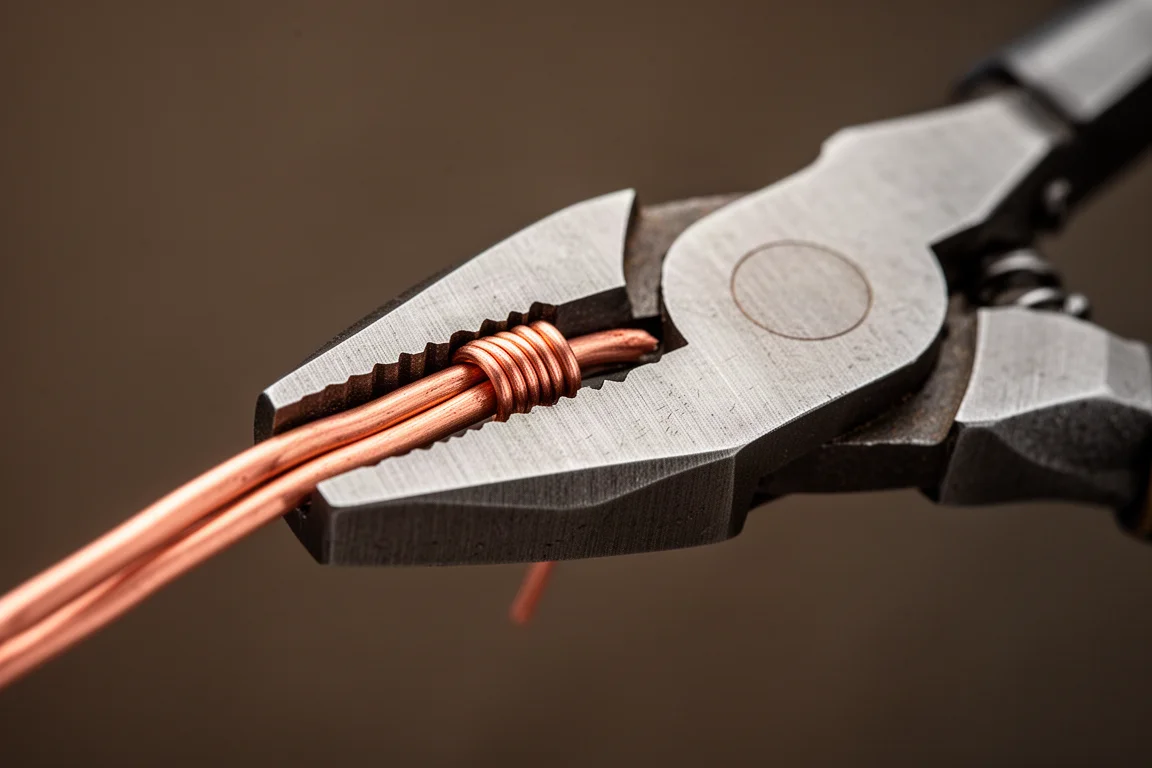
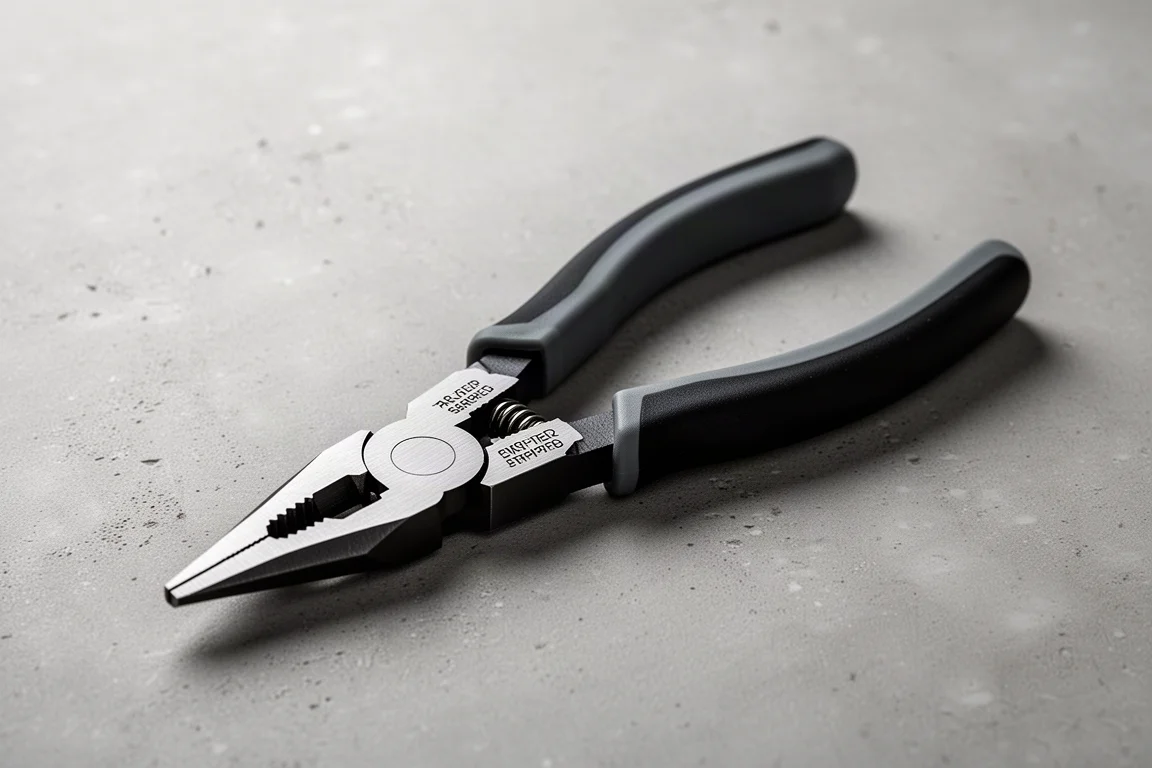
The Milwaukee combination stripper pliers were the early favorite in this category, and they still perform on par with anything else here. Stripping is buttery smooth: a 14-gauge stranded conductor pops clean off with a perfect cut, and solid wire stations cover 18 to 8 with stranded 20 to 10. The shorter Milwaukee variant is designed more for de-sheathing Romex, and it does that well. The large front knife is also bigger than what you get on the Doyle.
There are two caveats worth knowing. First, the crimper has a large gap in it, which does not inspire confidence in crimp quality compared with the Doyle’s more solid design. Second, the spring-loaded mechanism at the bottom of the handles doubles as the crimper location, so you have to engage it if you do not want the pliers opening up inside your toolbag.
Long-term durability is the bigger question. After extended use, the jaws on a well-used pair have started to get a little wiggly, with the tips clicking and banging against each other, and the knives are getting a bit dull. That wiggle will not improve. Milwaukee’s warranty process involves going through their hoops rather than an instant swap, which is a small friction point compared with Harbor Freight.
Klein J206: The Benchmark
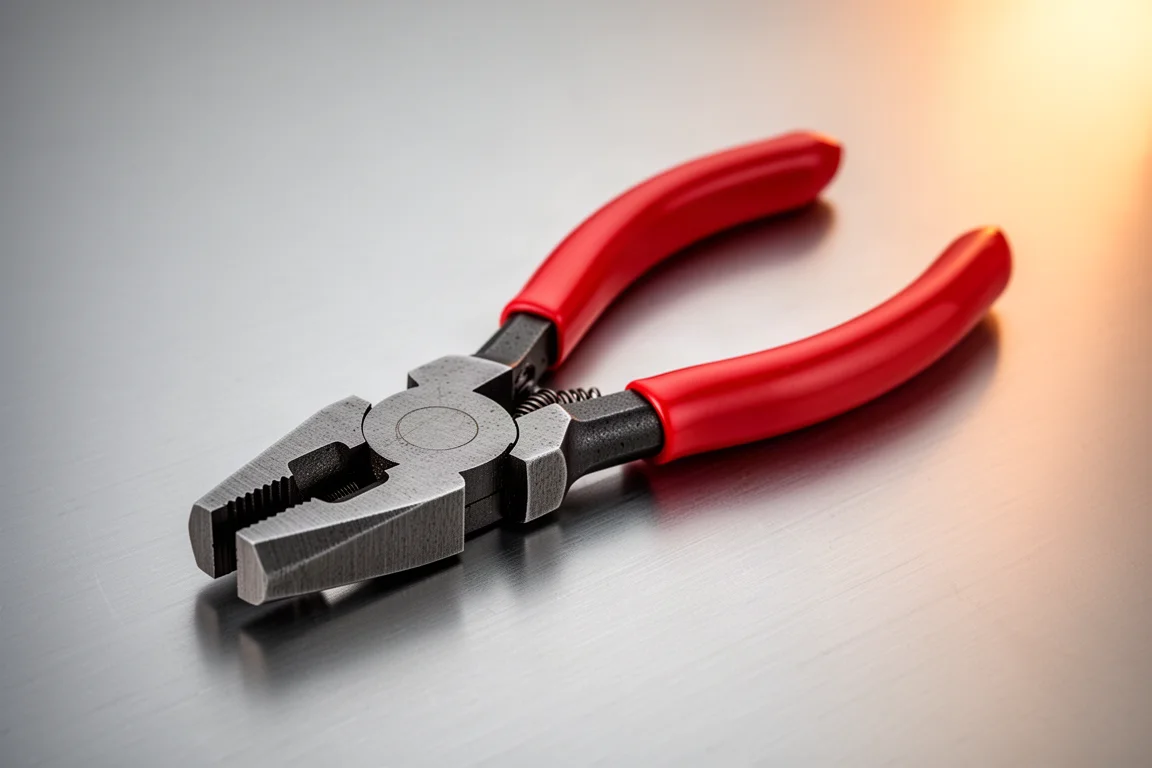
The Klein J206 is the tool Harbor Freight compares the Doyle to, and the comparison is fair in a lot of ways. The Klein is simply an outstanding plier, with a very strong, stout front end and forged jaws that inspire confidence the moment you pick it up.
The main functional difference is the feature list: the Klein does not have a crimper, so if crimping matters to your work, that alone may decide the comparison. On price it sits in a different bracket, typically in the $40 range, roughly double the Doyle’s sale price. If you want a no-compromise traditional combination stripper and do not need the crimper, the Klein remains the safe pick.
Buying Advice: Which One Should You Pick
If you are on a budget, the Doyle is the easy recommendation. At the coupon price of around $17.99 it strips and cuts on par with the Milwaukee, its crimper design is arguably better, the curved knives are friendlier to stranded wire, and the Harbor Freight warranty makes failure nearly risk-free.
If you already own the Milwaukee and like it, there is no urgent reason to replace it, but the jaw wiggle that can develop over time is worth watching. If you prefer a classic, crimper-free combination stripper and are willing to pay more for it, the Klein J206 is still the reference point the others get measured against.
Conclusion
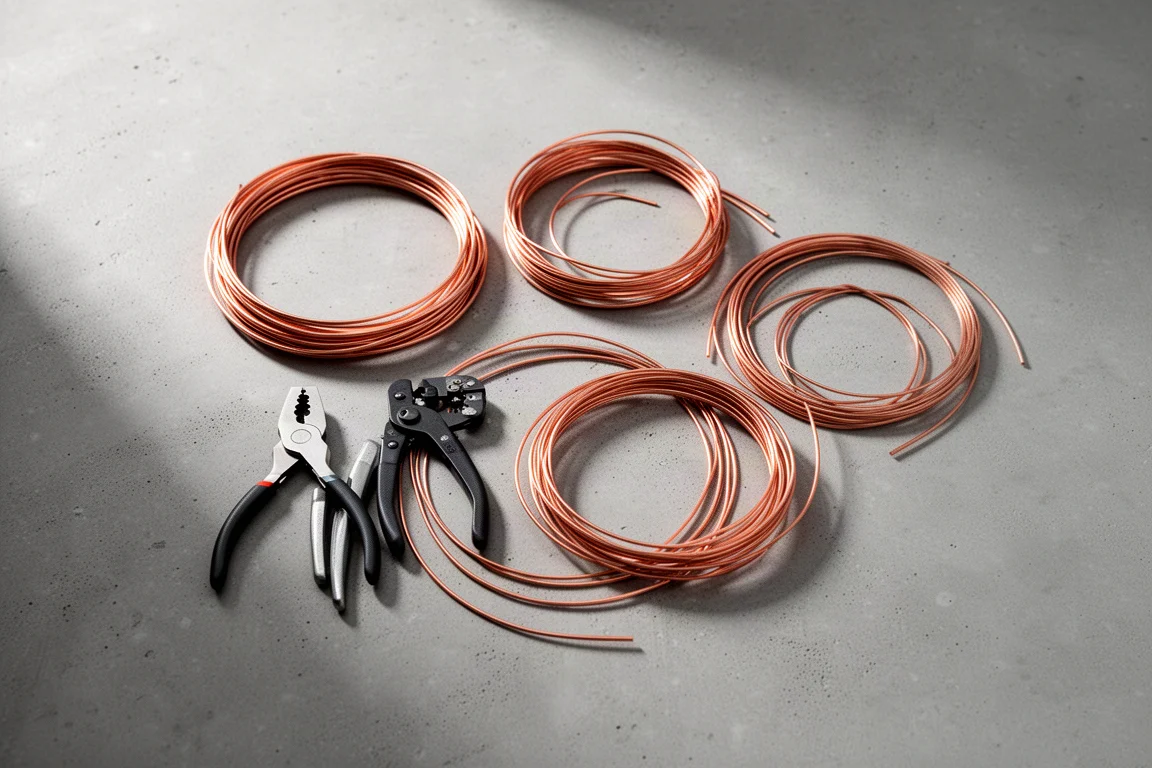
All three of these tools prove that a hybrid plier-stripper can be more than a gimmick. The Doyle is the best value right now, the Klein J206 is the premium traditional choice, and the Milwaukee remains a strong performer with some long-term durability question marks. Match the tool to the functions you actually use, and any of the three will serve you well.
Further reading
Related Reviews
Hand Tools
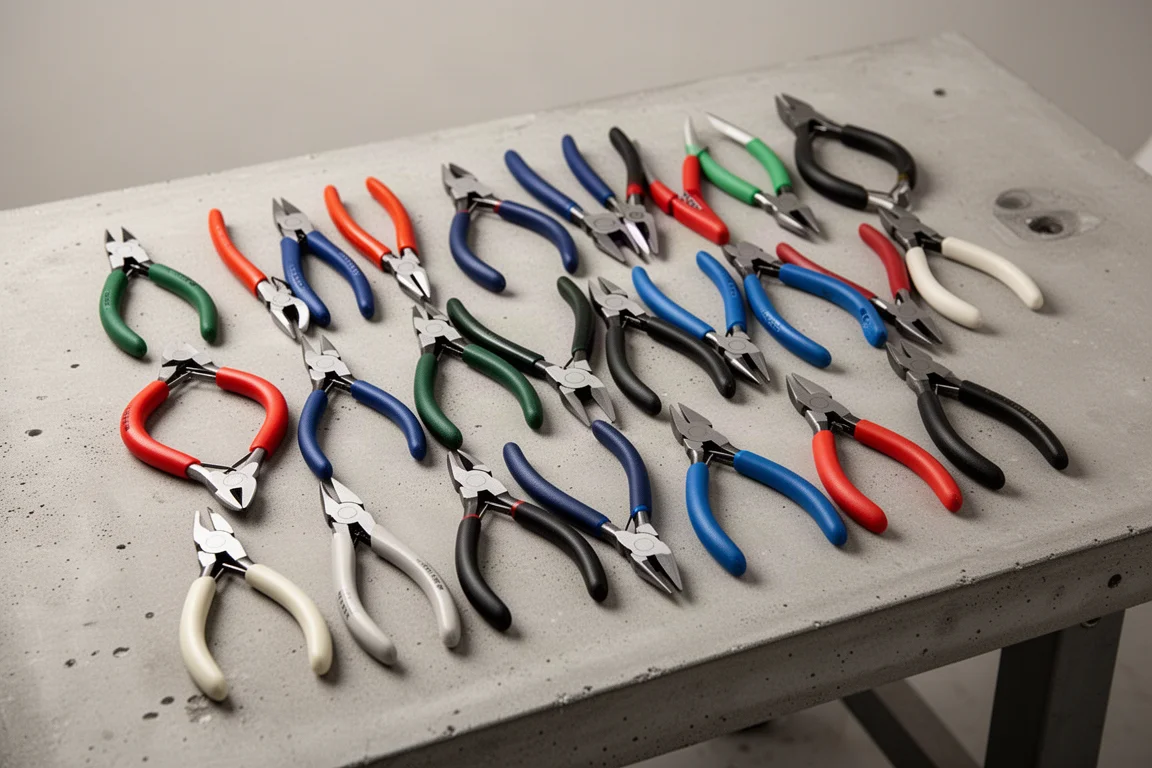
Best Diagonal Cutters 2026: 16 Pliers Tested for Cutting Power and Durability
We put 16 diagonal cutters through nail, screw, drill bit, and hex key tests to find the best value picks for your toolbox.
Hand Tools
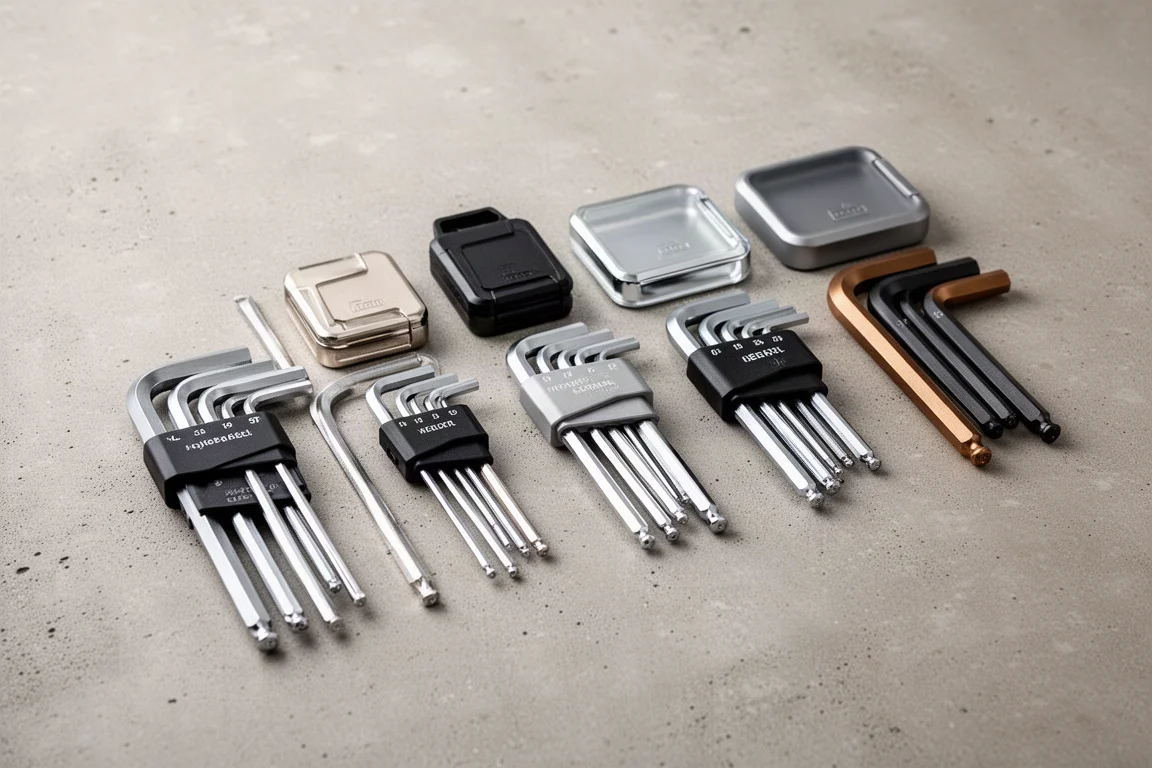
Best Hex L Key Sets 2026: Nine Sets Tested for Real-World Torque
Nine hex L key sets from budget to premium, tested for torque, fit, and durability. See which sets deliver real performance and which ones to skip.
Hand Tools
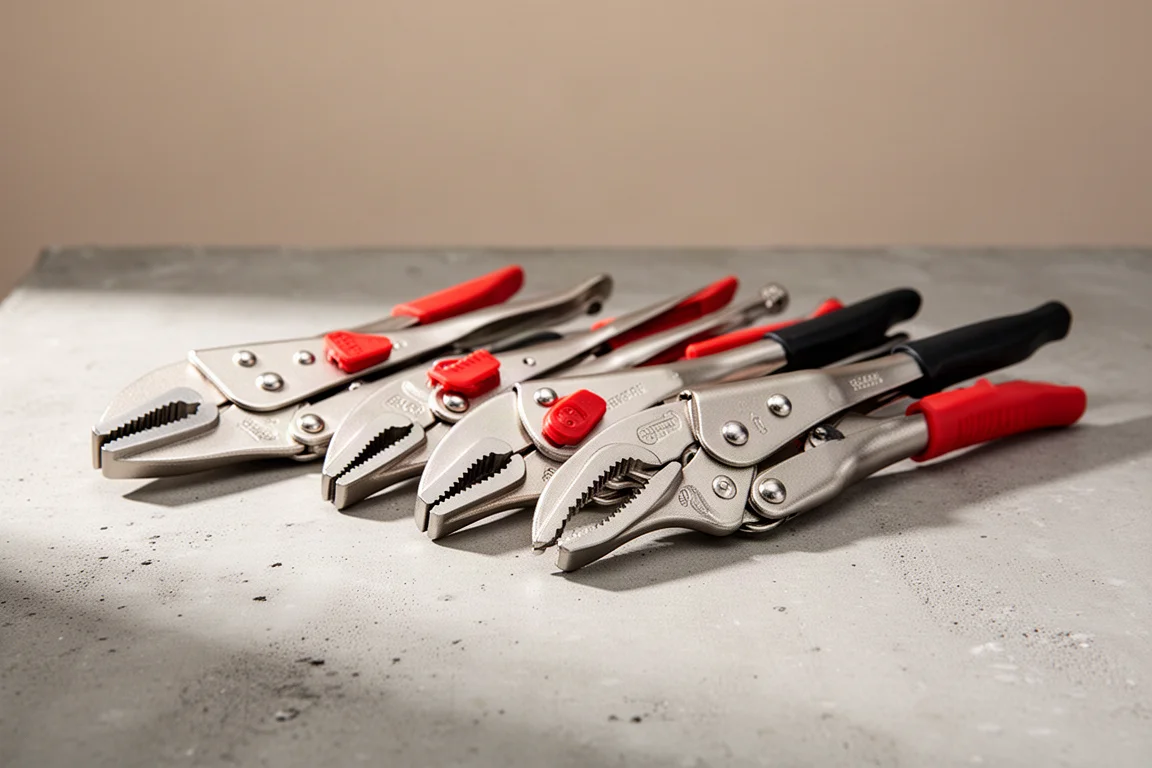
Best Locking Pliers 2026: Top Picks Tested for Grip and Durability
We tested 18 brands of 10-inch locking pliers for grip strength, jaw bite, build quality, and ease of release to find the best options for tough jobs.