Hand Tools
Best Combination Squares Compared: Klein 935CS-EL, Stanley 33-122 and Empire
Three combination squares with very different locking systems, compared for real-world measuring, scribing and layout work.
Introduction
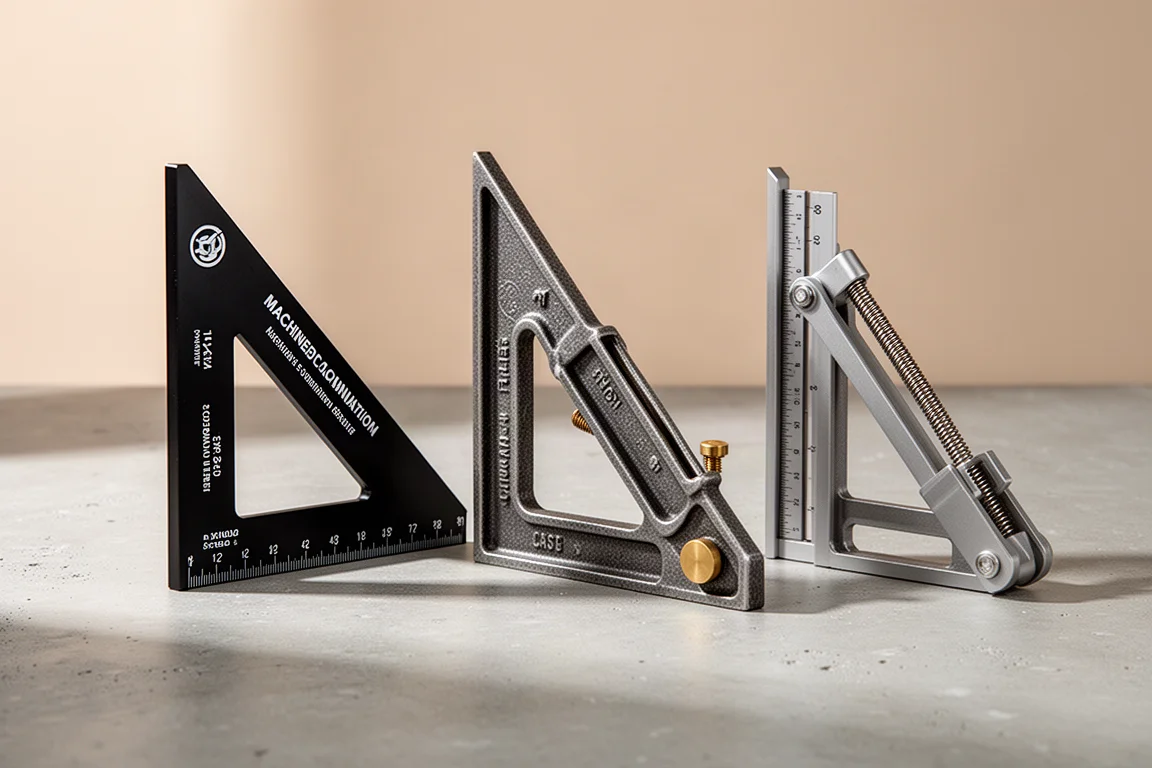
The combination square has barely changed in decades, so a genuinely new take on the format is worth paying attention to. Three squares show three different philosophies: a classic screw-tensioned design, a spring-tensioned middle ground, and a magnetic, tool-free layout built for electricians. Here is how they compare for everyday measuring, scribing and layout work.
Classic Design: Stanley 33-122 Combination Square
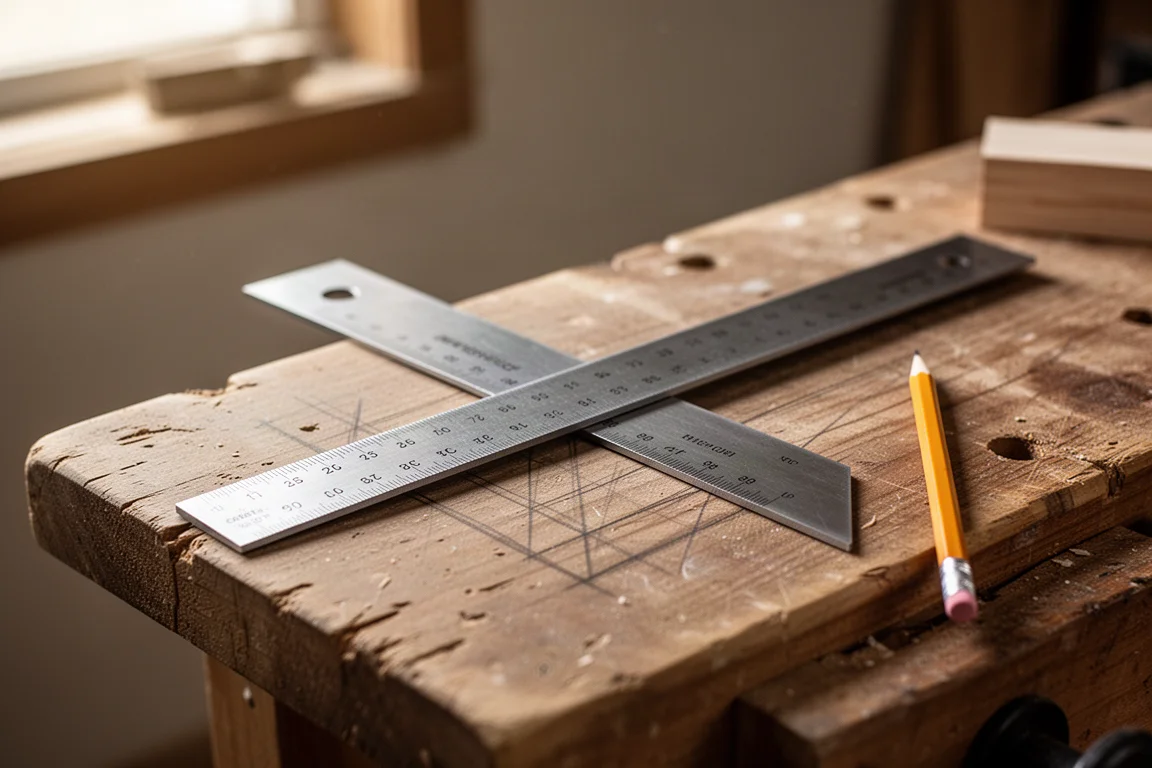
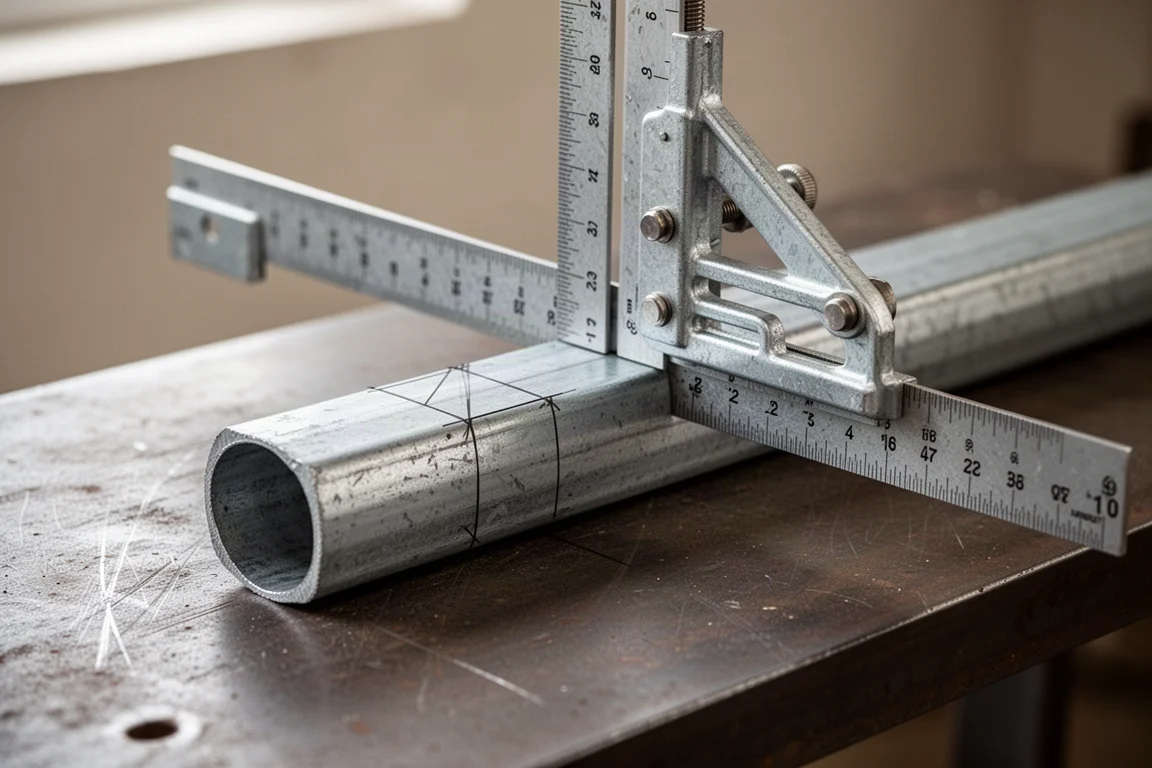
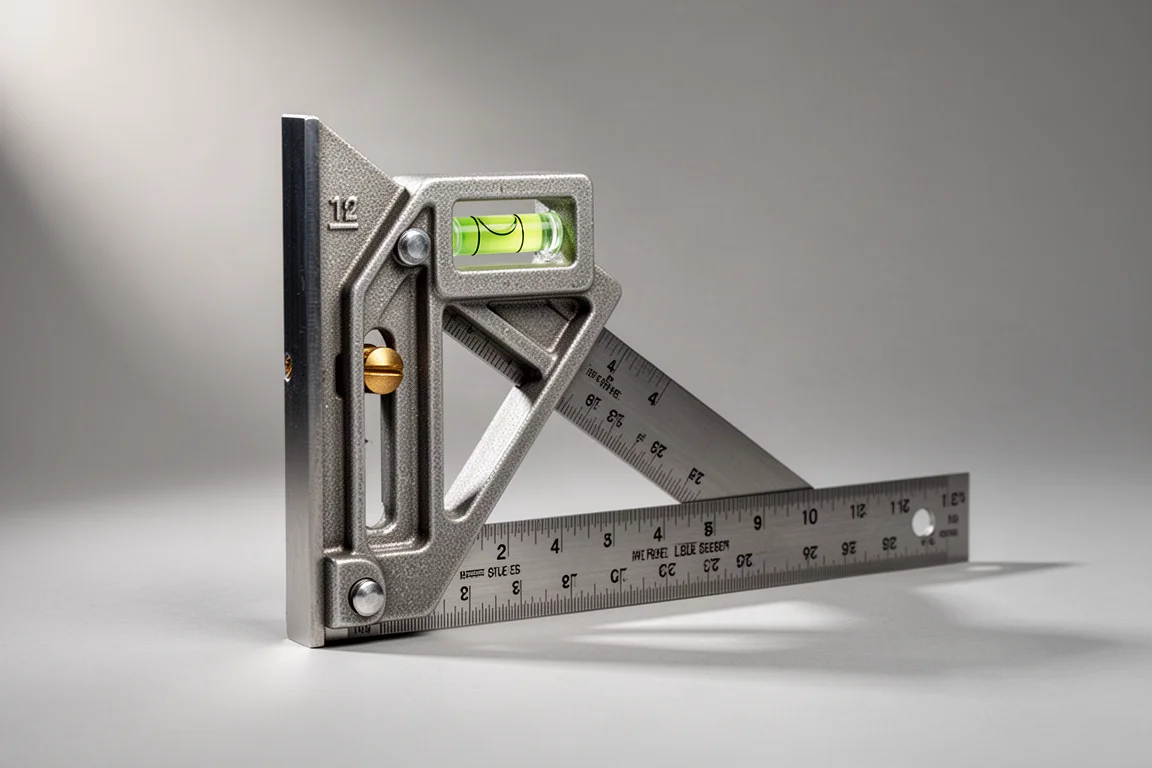
The Stanley 33-122 is the industry-standard 12-inch combination square that most tradespeople already know. It uses a simple design with a small brass screw for tensioning the sliding rule, offers 45-degree and 90-degree faces, includes a pull-out scribe for scratching metal or wood, and carries a bubble level in the head. Versions like the one used here have been USA made.
The classic mechanism has one well-known drawback. When you pop the rule out, which happens often in real use, it can simply fall out, and reassembling it means aligning the internal groove with the blade before you can slide it back together. Anyone with decades of muscle memory on this design knows that ritual well.
Spring-Tension Compromise: Empire Combination Square
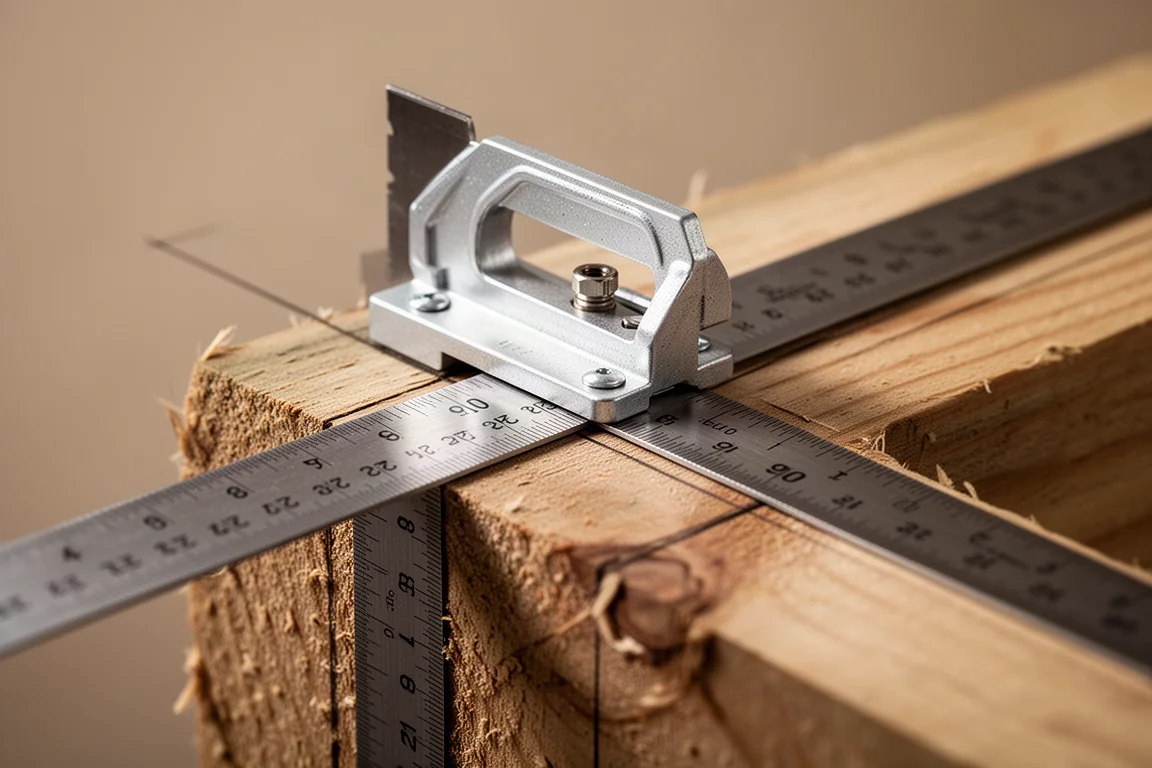
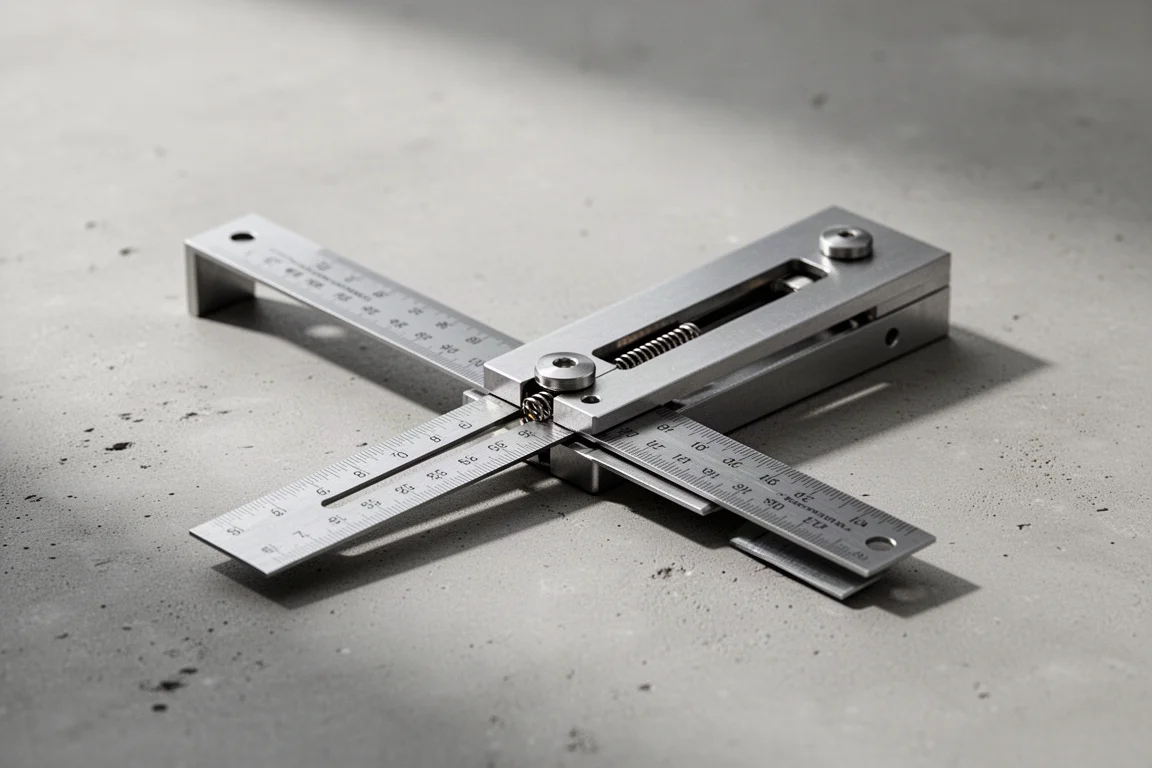
The Empire square sits halfway between the other two. Its rule can be tightened fully so it is fixed in place, or loosened slightly so it slides back and forth under spring tension. That makes it a strong option for quickly setting a depth, dropping the blade down to measure something fast, and transferring that measurement.
It is a clever solution that gives you friction sliding without completely giving up positive locking, though it never quite reaches the effortless swap-out of the magnetic approach below.
Electrician-Specific Detail: Klein 935CS-EL
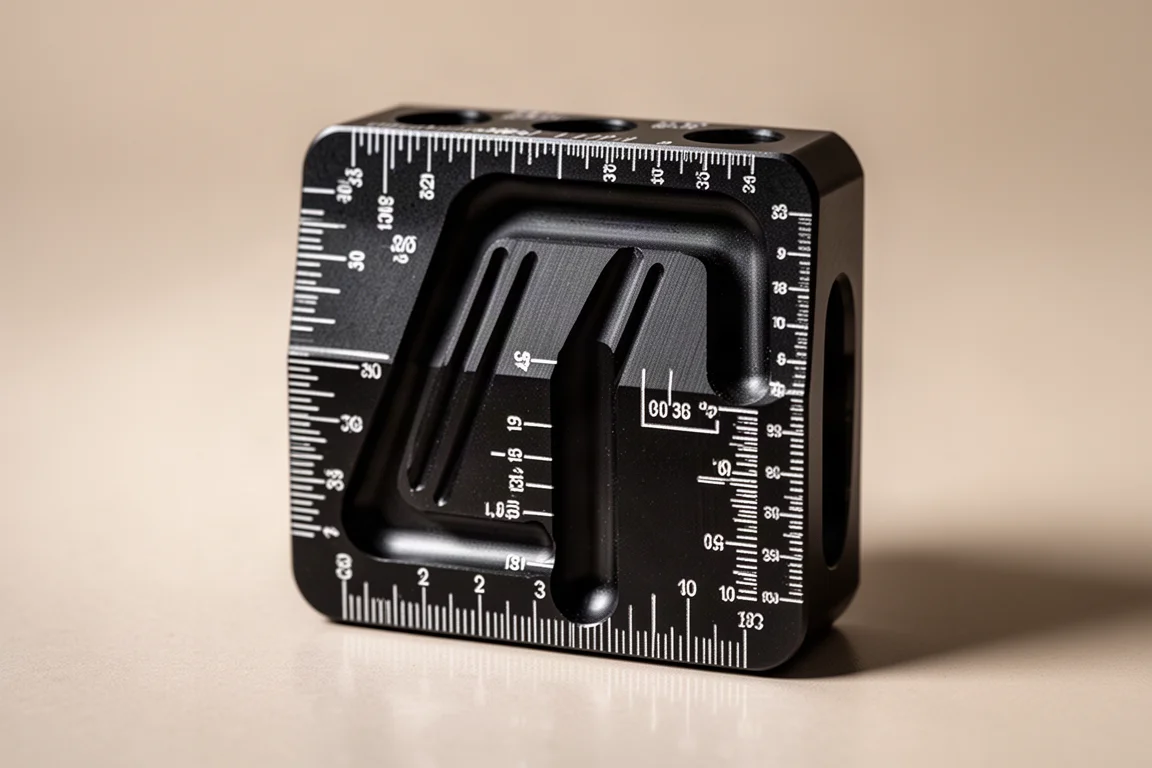
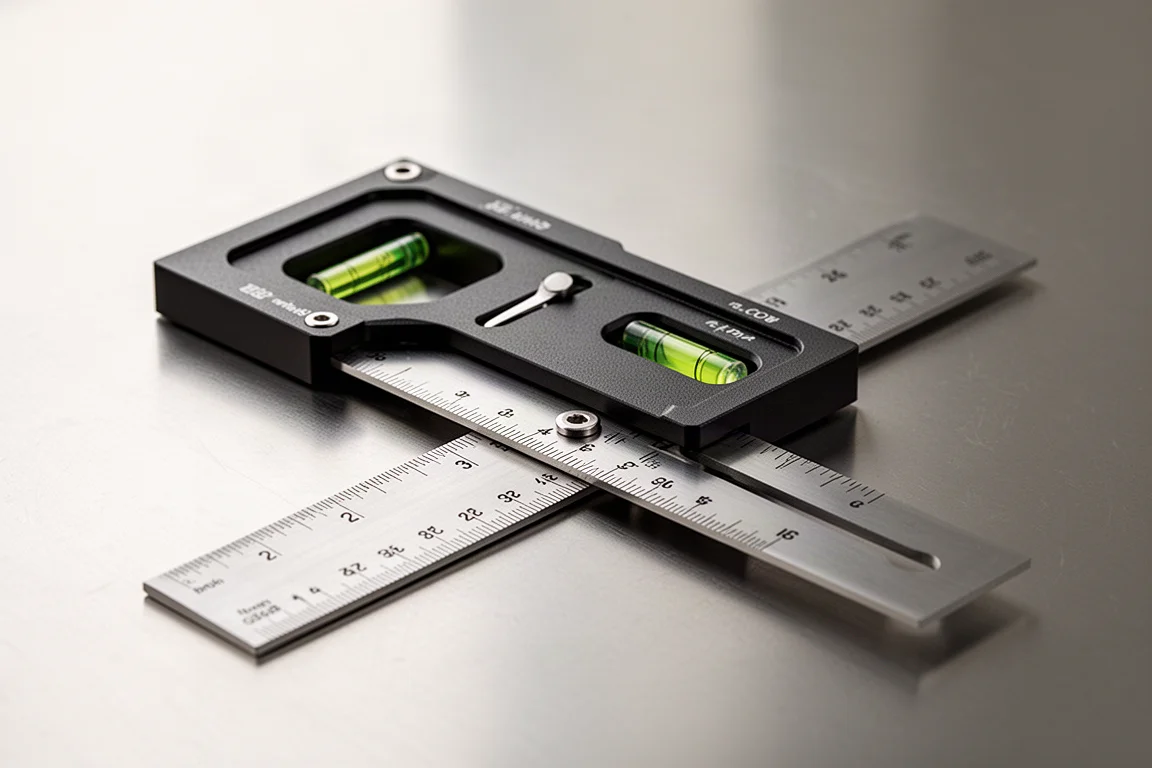
The Klein 935CS-EL 12-inch Electrician’s Combination Square takes the classic format in a new direction. There is no tensioning screw at all: a strong neodymium magnet holds the ruler blade in position with friction sliding, and the blade pops out just as easily and snaps right back in. That solves the classic falling-out problem entirely, and it lets you pull the blade out to use as a straight edge or flip it around when the head depth gets in the way.
The head is machined aluminum, made in China, and packed with electrician-specific markings on the back: panel schedule phases, strut lines in different sizes, and alignment references for different conduit types such as EMT and rigid conduit, where a socket dropped in lines up with the matching conduit size printed on the square. The fractional scale layout, with sixteenths on one side and eighths on the other, also makes the famously fussy fractional system easier to read. The level and a firmly held scribe round out the classic functions. It sells for just under 30 dollars at Lowe’s.
Two wishes remain open: a metric version would be welcome, since the Stanley rule actually snaps into the Klein head just fine, and the design seems ready for additional interchangeable rules for framing, other trades, or a smaller and larger version of the head itself.
Buying Advice
Choosing between these three comes down to how you use the sliding rule. If you mostly lock it in and measure, the classic screw-tension design remains perfectly serviceable and simple.
If you frequently set depths and want quick sliding with the option to tighten, the spring-tensioned Empire design is the smart middle path, and you can fine-tune its tension a hair at a time with the spring mechanism.
If you want the easiest blade handling, the magnetic Klein is the standout: slide it, pop it out, snap it back in, no screw, no dropped blades. It is also the only one here with purpose-built electrician markings, and for general use around metal or wood, the easy-out blade is what makes it a better choice for many tasks.
Conclusion
The Klein 935CS-EL is a pleasant surprise: a genuinely useful rethink of a classic tool at a modest price, with magnetic blade handling that removes the most annoying part of using a combination square. The Empire square remains a solid hybrid for depth setting, and the Stanley 33-122 keeps its place as the familiar classic. Pick based on how often you slide the blade, and how much you hate reassembling it.
Further reading
Related Reviews
Hand Tools
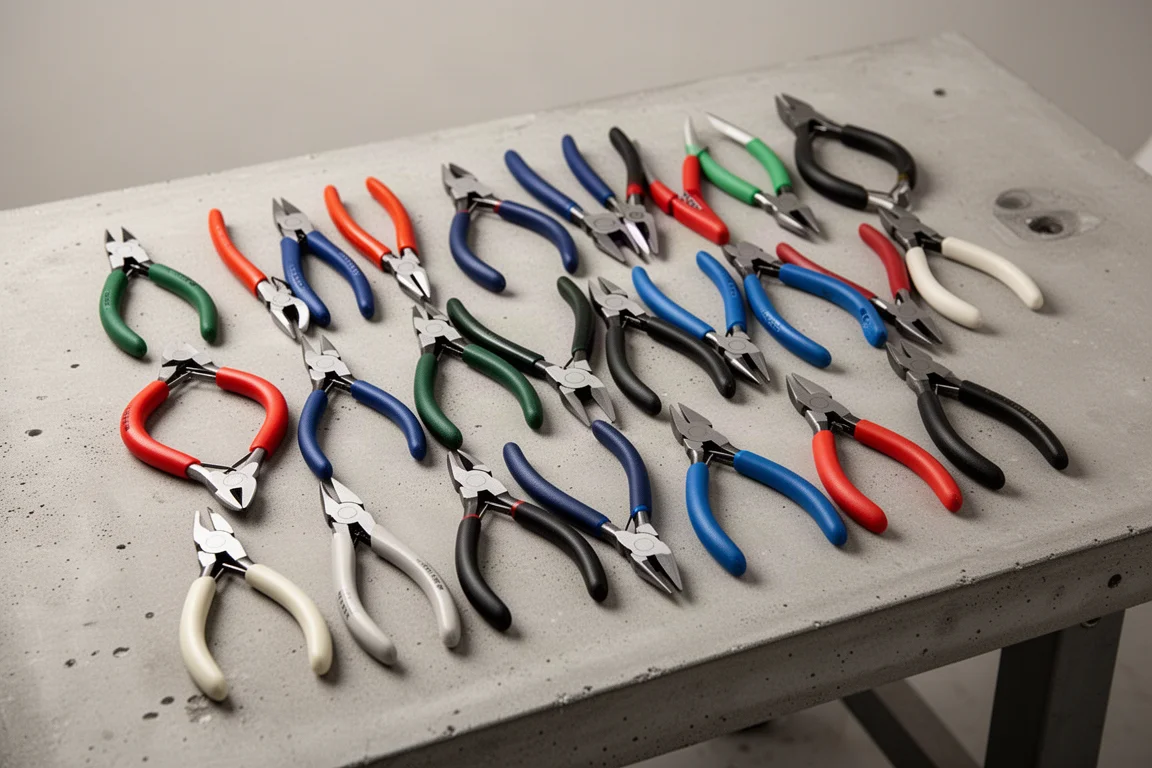
Best Diagonal Cutters 2026: 16 Pliers Tested for Cutting Power and Durability
We put 16 diagonal cutters through nail, screw, drill bit, and hex key tests to find the best value picks for your toolbox.
Hand Tools
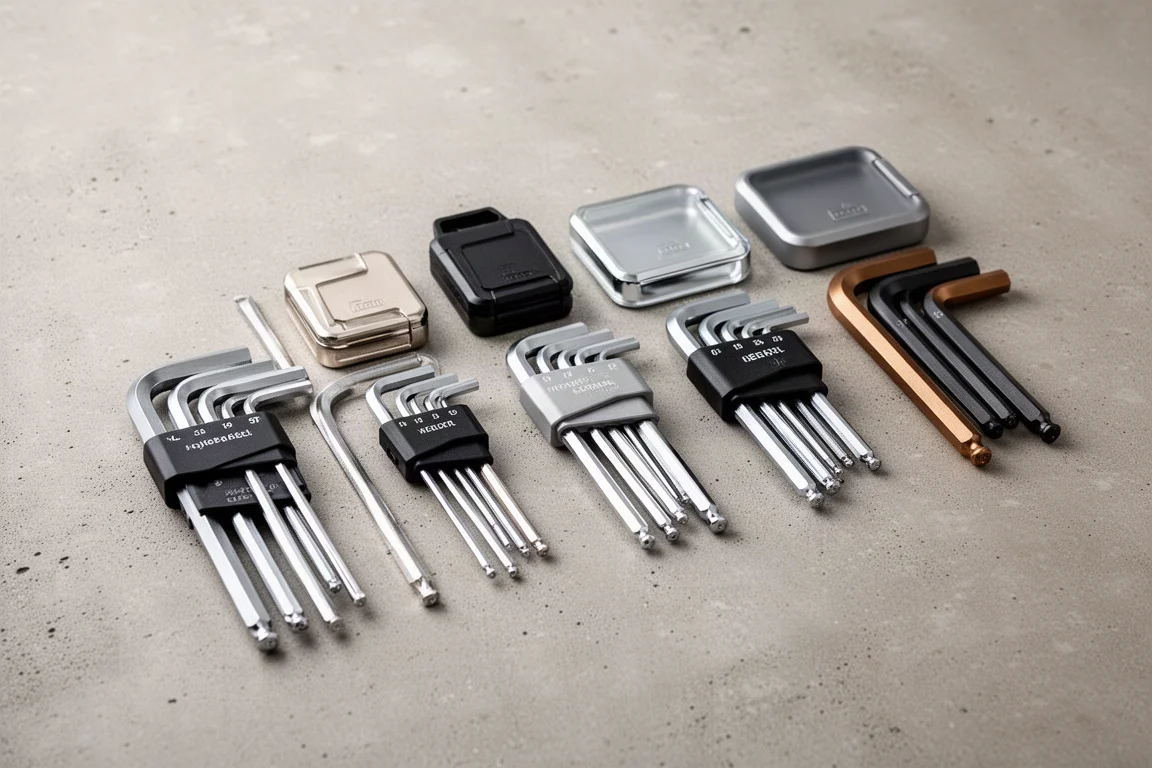
Best Hex L Key Sets 2026: Nine Sets Tested for Real-World Torque
Nine hex L key sets from budget to premium, tested for torque, fit, and durability. See which sets deliver real performance and which ones to skip.
Hand Tools
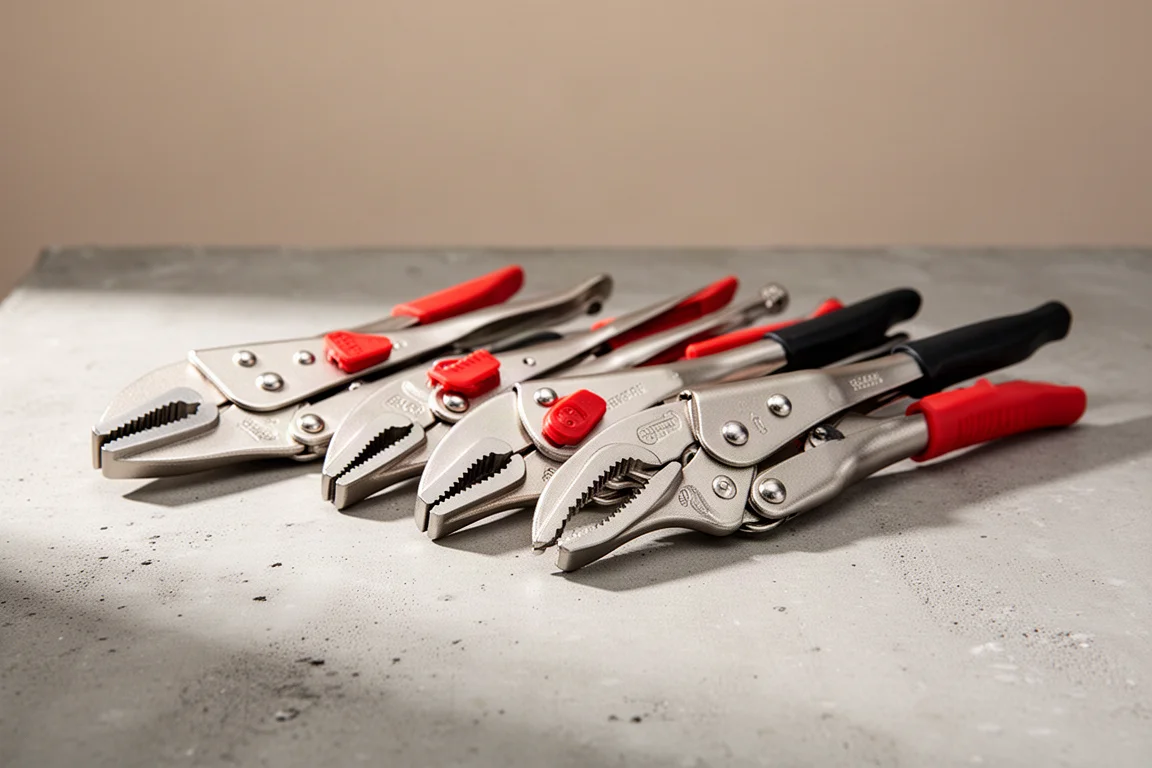
Best Locking Pliers 2026: Top Picks Tested for Grip and Durability
We tested 18 brands of 10-inch locking pliers for grip strength, jaw bite, build quality, and ease of release to find the best options for tough jobs.