Power Tool Accessories
Best Circular Saw Blades Tested: 15 Blades Compared for Speed and Durability
Fifteen circular saw blades from Spyder to Makita, tested for ripping speed, hardwood performance, heat, and nail-damage durability.
Introduction
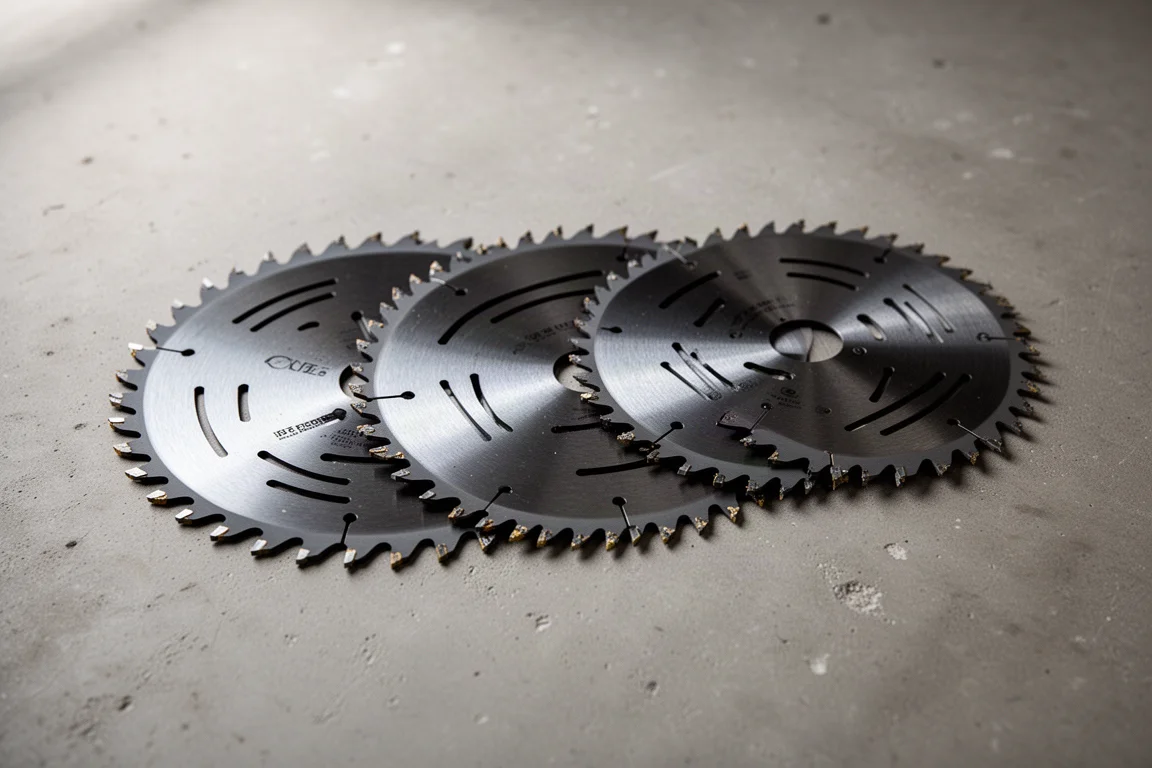
Circular saw blades range from around five dollars to well over twenty, and the price gap does not always tell you much about performance. To find out which brands actually deliver, fifteen blades went through a consistent set of trials: ripping speed through softwood 2x4s, hardwood cutting, a long 8-foot 4x4 cut, cut smoothness, and a punishing nail-embedded board test.
If you just want the short version: the Makita Max Efficiency was the standout speed performer, while the Spyder delivered the best balance of price, speed, and durability.
How the Blades Were Tested
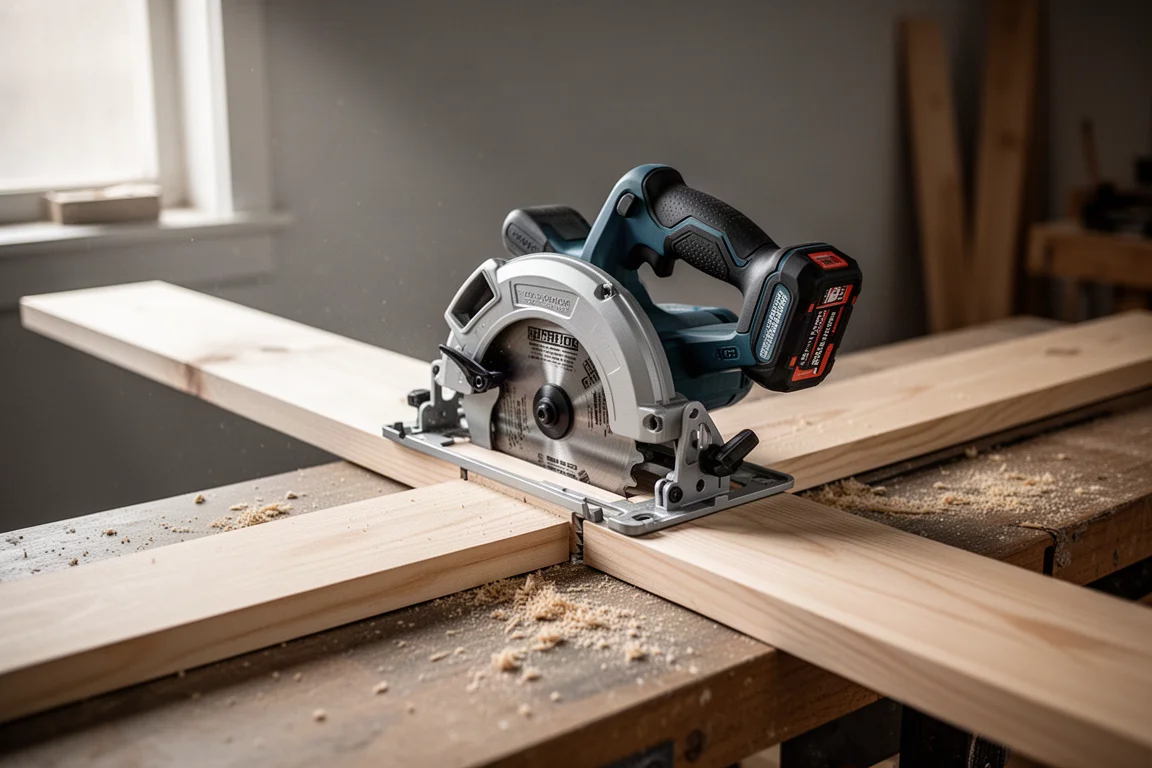
Each blade was mounted on the same saw, which slid along a track with roller guides to keep cuts perfectly straight and prevent blade binding. A five-pound weight and pulley system pulled the saw through each cut, so every blade faced identical conditions.
Testing covered four scenarios: ripping twelve-inch pieces of 2x4 lumber, cutting through dense oak, driving through an 8-foot pressure-treated 4x4, and slicing through a 12-inch 2x4 with ten 16-penny nails embedded inside. Blade weight and temperature were also recorded.
Spyder Ultratuff
At five dollars each, or ten dollars for a two-pack, the Spyder Ultratuff was the cheapest blade on test. It uses polymer stabilization vents, a nickel cobalt construction, and claims to last six times longer than regular blades. Made in China and weighing 185 grams, it ripped through the 2x4 in an average of 2.81 seconds and cut oak in 3.44 seconds, good for second place in the hardwood round.
Durability is where it really shines. After cutting through the nail board, it lost only two teeth and showed just an 11 percent increase in cut time, the best recovery of any blade tested. If you can find it for five or six dollars, it is arguably the best value here.
Irwin Classic
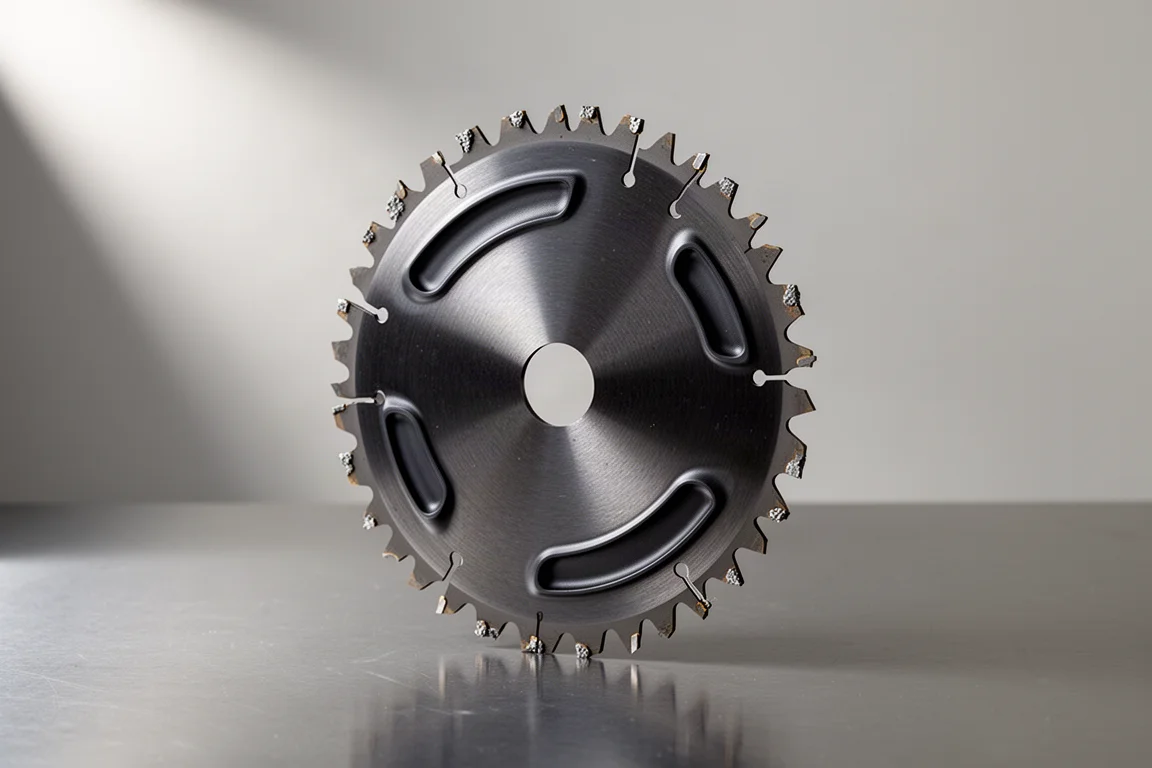
The Irwin Classic, at five dollars, is a no-frills blade with no laser-cut vents or stabilizer features, just precision-ground teeth for smooth, accurate cuts. Made in Vietnam and notably heavier at 246 grams, it averaged 4.33 seconds on the 2x4, about a second and a half behind the Spyder.
The nail test was brutal: it needed 38 seconds to cut through the nail board, and all 24 of its carbide teeth came out after impacting the nails. It is a smooth-cutting budget blade, but avoid it if nails are a realistic risk.
Mastic
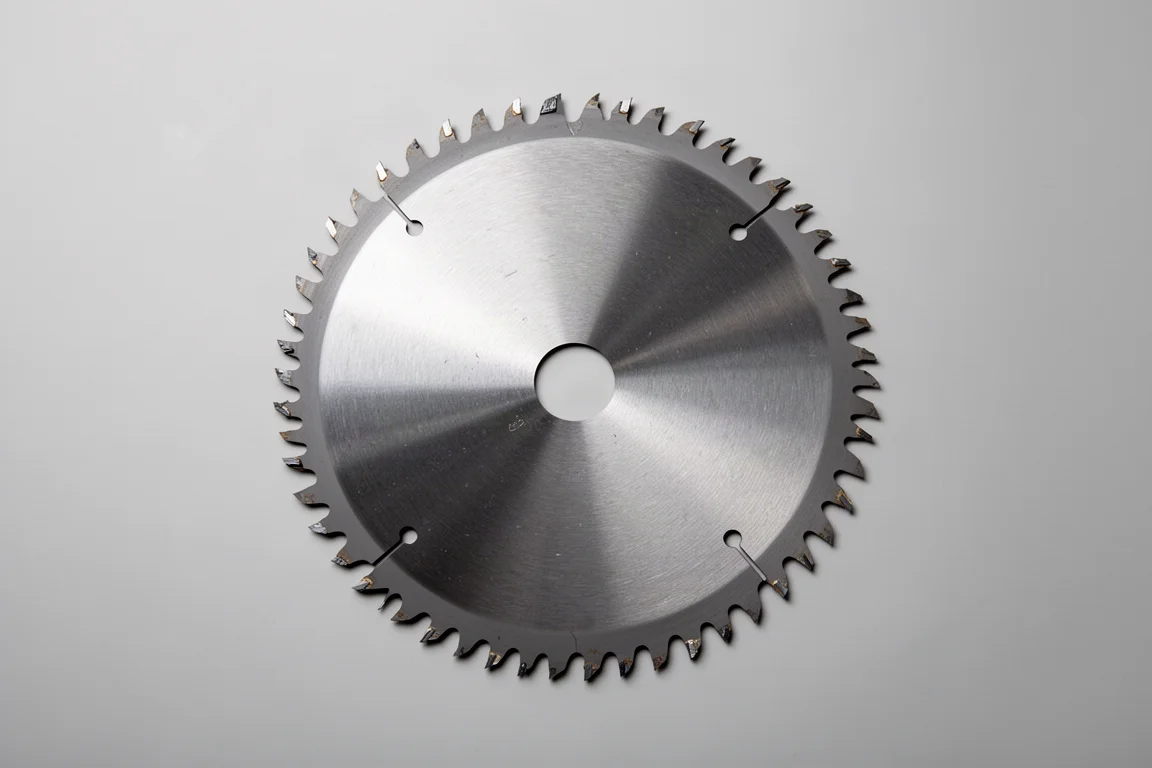
At seven dollars, this budget blade offers expansion slots for heat dissipation, claimed tougher tungsten carbide tips, and an anti-kickback shoulder for safety. It is made in China and was the heaviest blade tested at 274 grams.
Performance dropped steadily as it heated up, going from 4.92 seconds on the first 2x4 cut to 5.98 seconds on the third. Oak slowed it further to 6.94 seconds, and while it lost no teeth in the nail test, the blade dulled considerably.
Craftsman
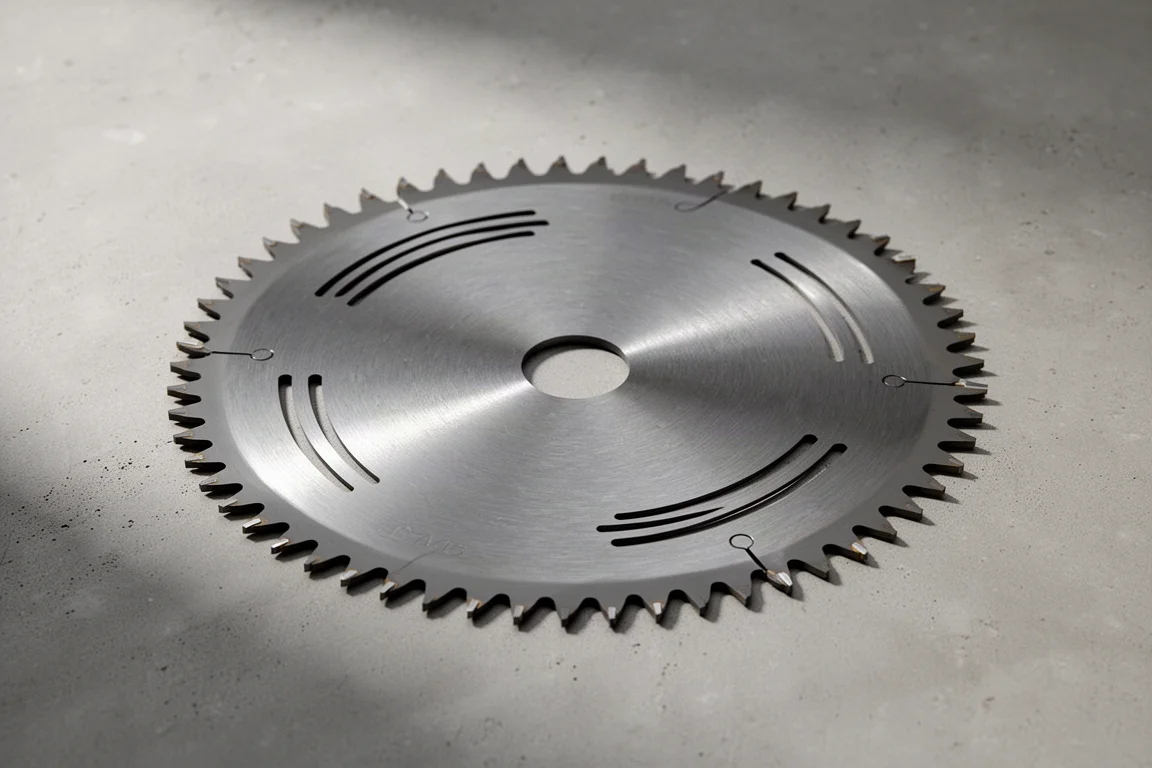
Priced at eight dollars, the Craftsman blade features expansion body slots for cooler running and reduced flex, a thin kerf for smooth cuts, and construction-grade carbide. Made in Vietnam at 207 grams, it delivered very consistent 2x4 times around 3.44 seconds and held second place in the hardwood round at 4.45 seconds.
In the nail test it needed 5.98 seconds, with teeth showing only minor chipping. A solid, dependable mid-pack performer.
Ryobi Thin Kerf
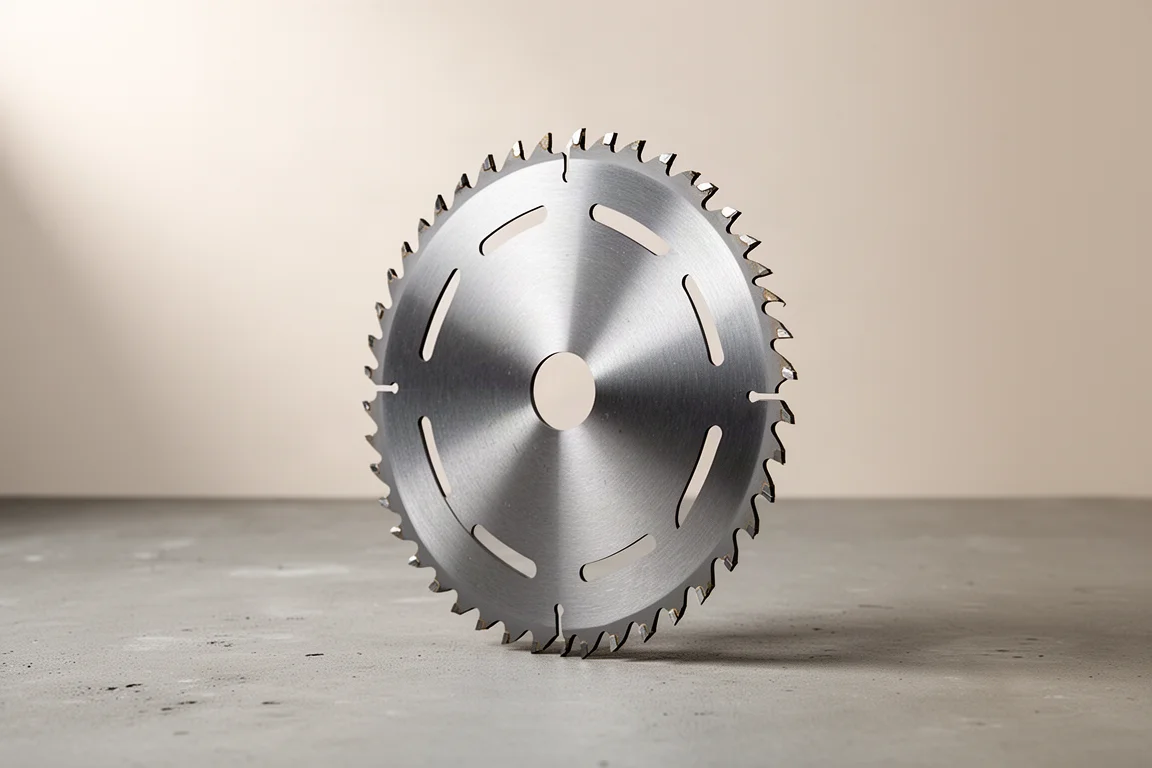
For nine dollars, the Ryobi thin kerf blade is designed for quick, clean cuts in hardwood, softwood, plywood, and other lumber. It weighs 194 grams and posted remarkably consistent 2.57-second times across all three 2x4 cuts, briefly taking the speed lead.
Oak slowed it to 3.95 seconds, and it finished second on the 4x4 at 11.2 seconds. After the nail test it showed no missing teeth and only minor damage, with a 36 percent time increase. A genuinely good all-around budget choice.
Metabo HPT Premium VPR
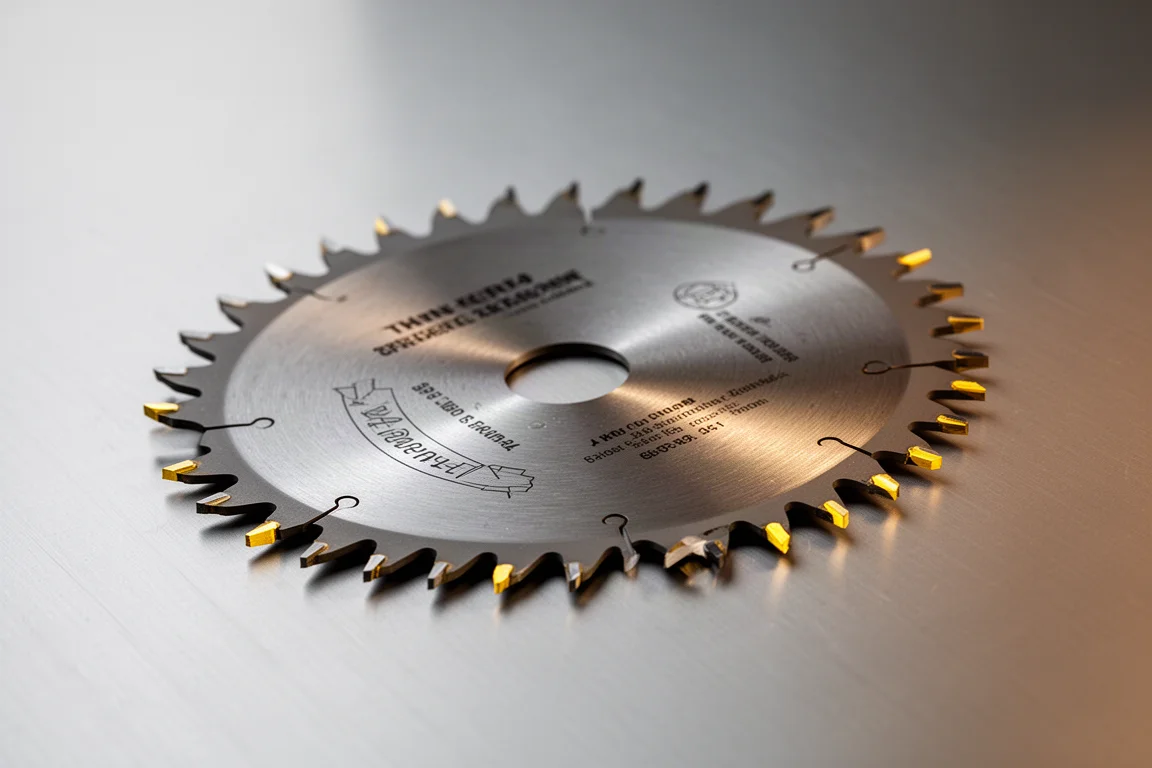
Also at nine dollars, the Metabo HPT Premium VPR is laser cut from Japanese steel with welded tungsten carbide tips and automated grinding for accurate tooth geometry. Made in China at 224 grams, it averaged 2.98 seconds on the 2x4 and 4.5 seconds in oak.
Nail impacts hurt it badly: cut time increased by 112 percent, and the teeth accumulated a lot of small chips even before hitting the nails. Fast enough new, but fragile under abuse.
The $10 Contenders
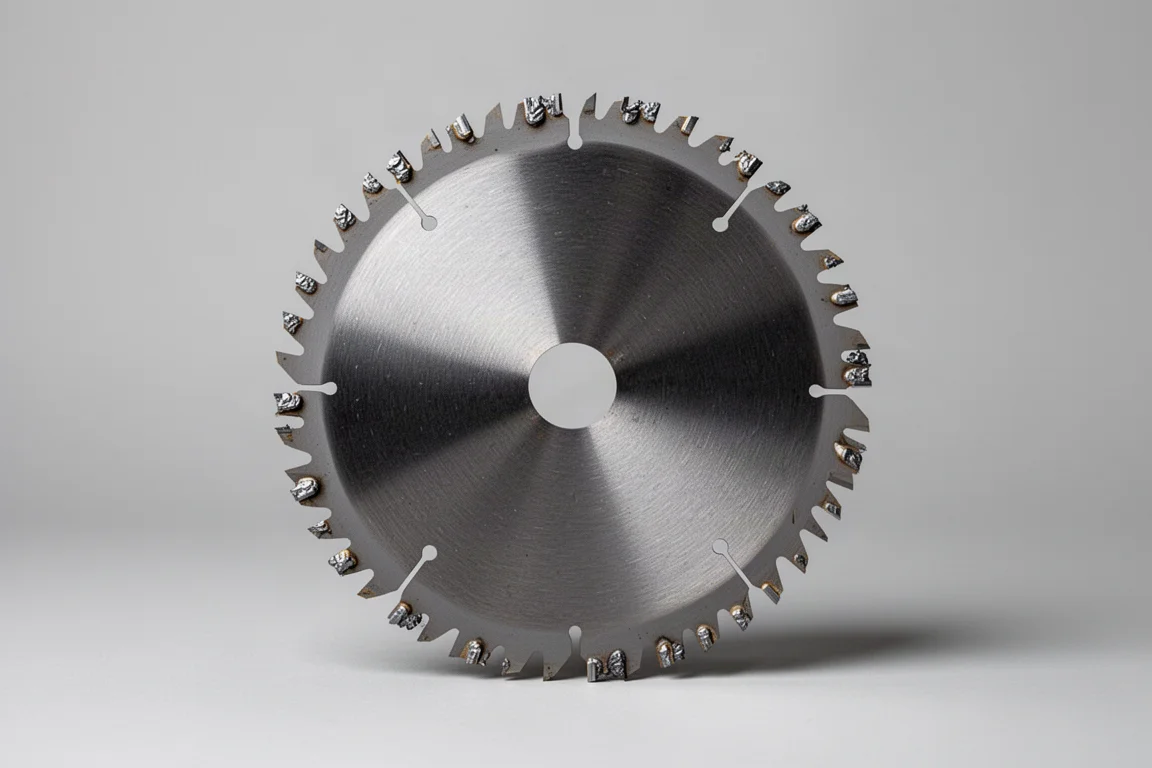
Six brands cluster right around ten dollars, and this group produced some of the most interesting results of the entire test.
Bosch Edge
The Bosch Edge claims blades that start sharp, stay sharp, and resist impact damage, using an upgraded C3/C4 micrograin carbide formulation for tough construction work. Made in China at a light 197 grams, it took the 2x4 lead at an average of 2.39 seconds and stayed cool at 77 degrees on the 4x4.
Oak slowed it to 3.79 seconds, but the nail test exposed a weakness: a 271 percent time increase with heavy tooth chipping. Very fast, not very tough.
DeWalt ToughTrack
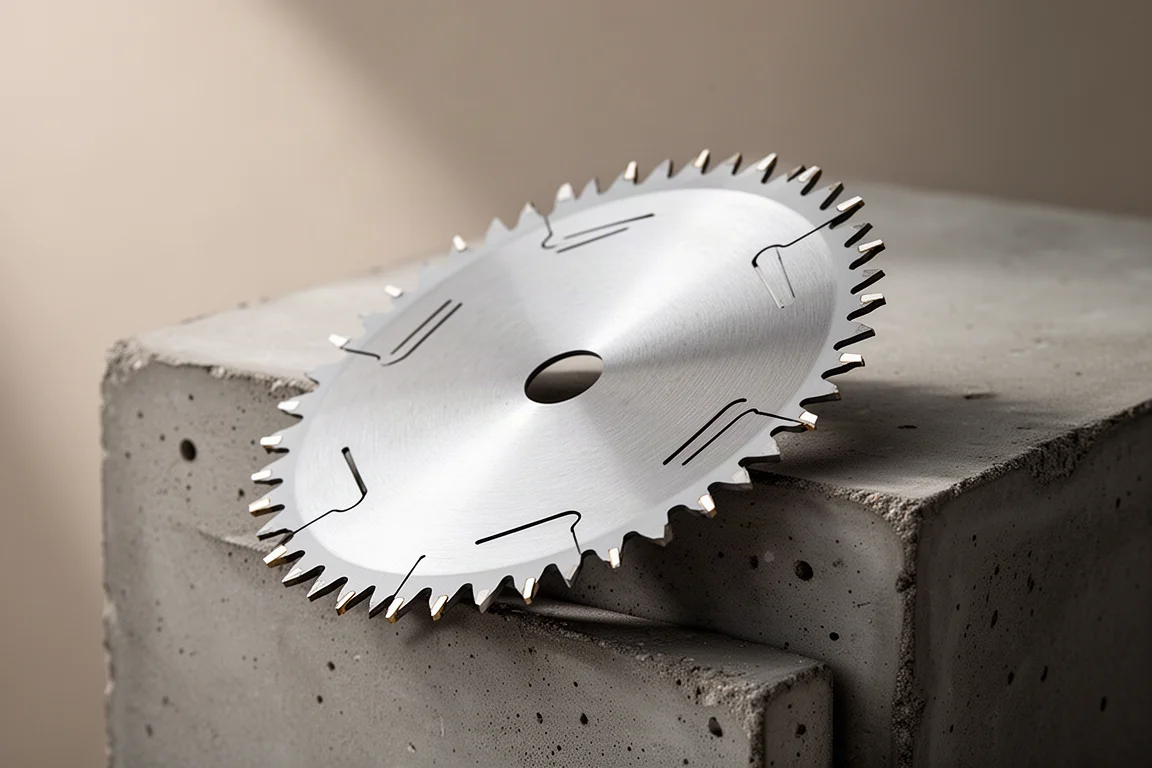
The DeWalt features a patent-pending ToughTrack tooth design for accurate tracking, patented body slots that reduce vibration, an 18-degree hook angle, and high-density tungsten carbide. Made in Vietnam and weighing 185 grams, it was extremely consistent at 3.03 seconds across all 2x4 cuts.
It held up impressively against nails, losing very little performance, only an 18.5 percent slowdown, and showing minimal tooth damage. One of the most durable blades in the group.
Milwaukee
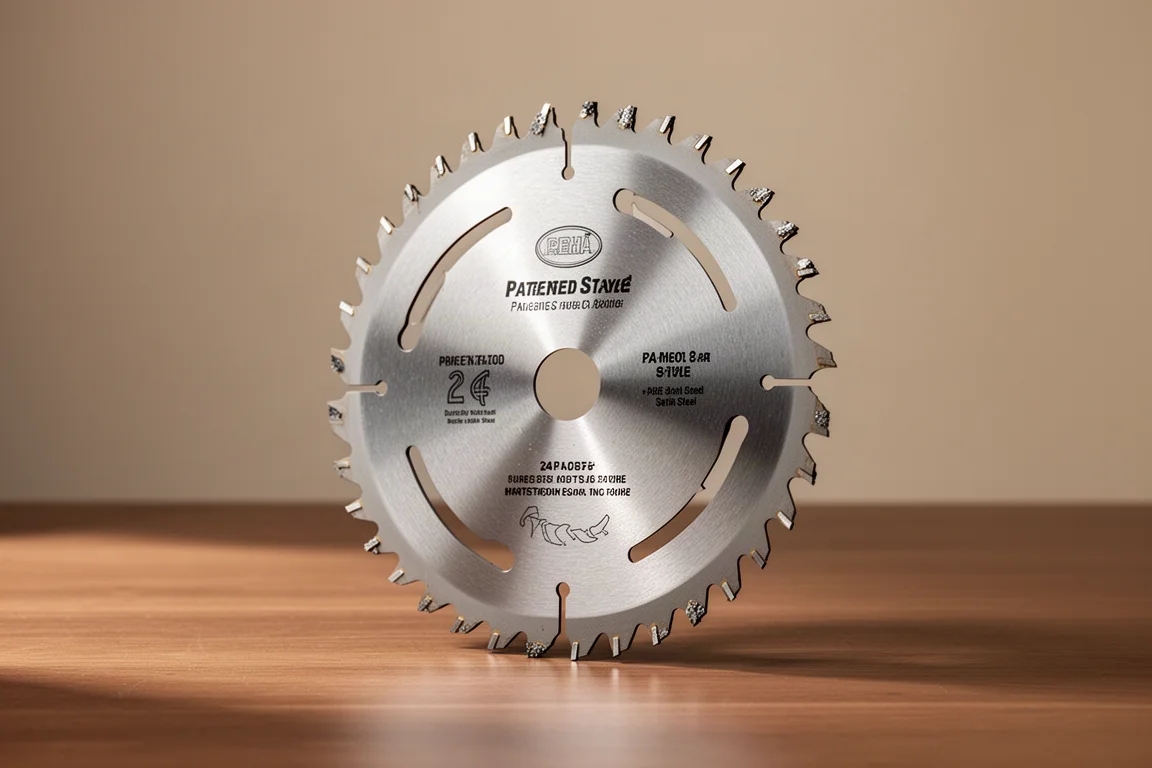
The Milwaukee blade, made in Japan, targets fast ripping and crosscutting in all woods with an extra-thin kerf, industrial carbide teeth, and engineered heat vents and expansion slots to prevent distortion. At 217 grams it averaged around 2.86 seconds on the 2x4 and 3.89 seconds in oak.
The nail test went well: only a 35.9 percent slowdown and very little tooth damage. Alongside DeWalt and Diablo, it is one of the better picks if nail contact is likely.
Diablo
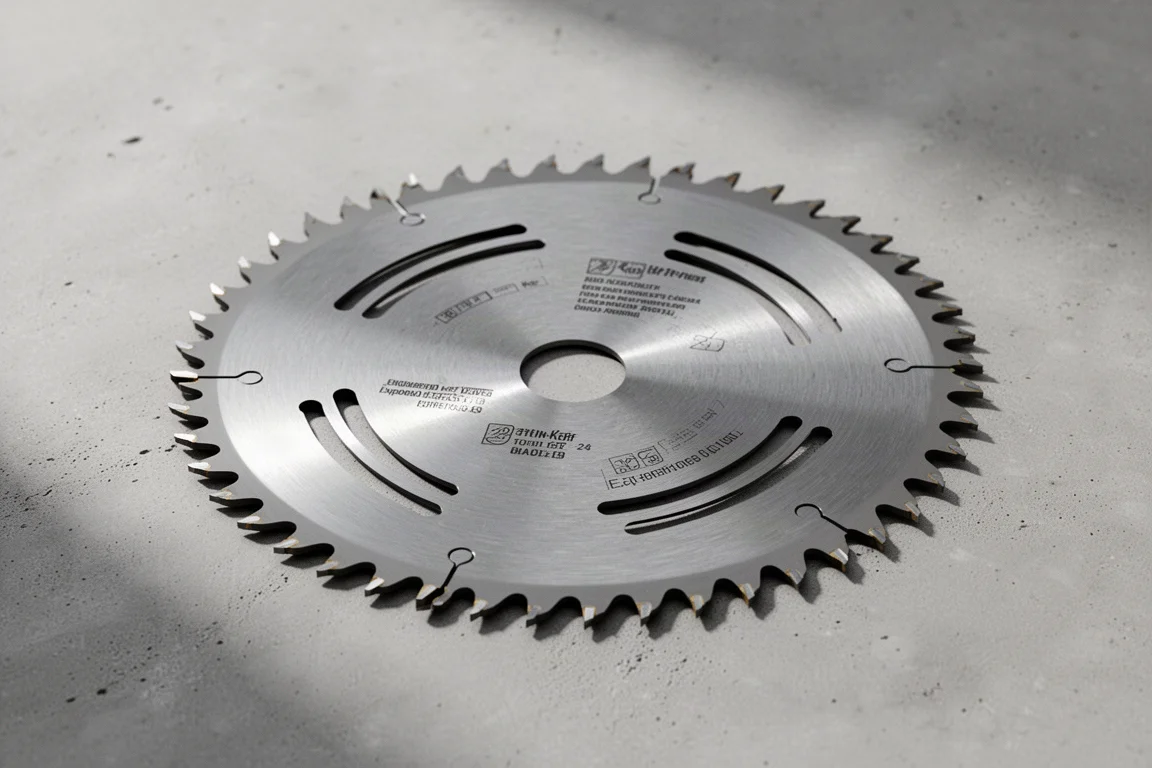
Diablo’s blade is made in Italy and features a super-thin laser-cut kerf, a nonstick Perma-Shield coating that resists gumming and corrosion, micrograin titanium carbide, and laser-cut stabilizer vents that trap noise and vibration. Very light at 187 grams, it averaged 2.91 seconds on the 2x4 and 4.15 seconds in oak.
It made the fastest nail-board cut of the first durability pass at 3.13 seconds and showed only a 24.9 percent slowdown afterward with teeth still in good shape.
Makita Max Efficiency
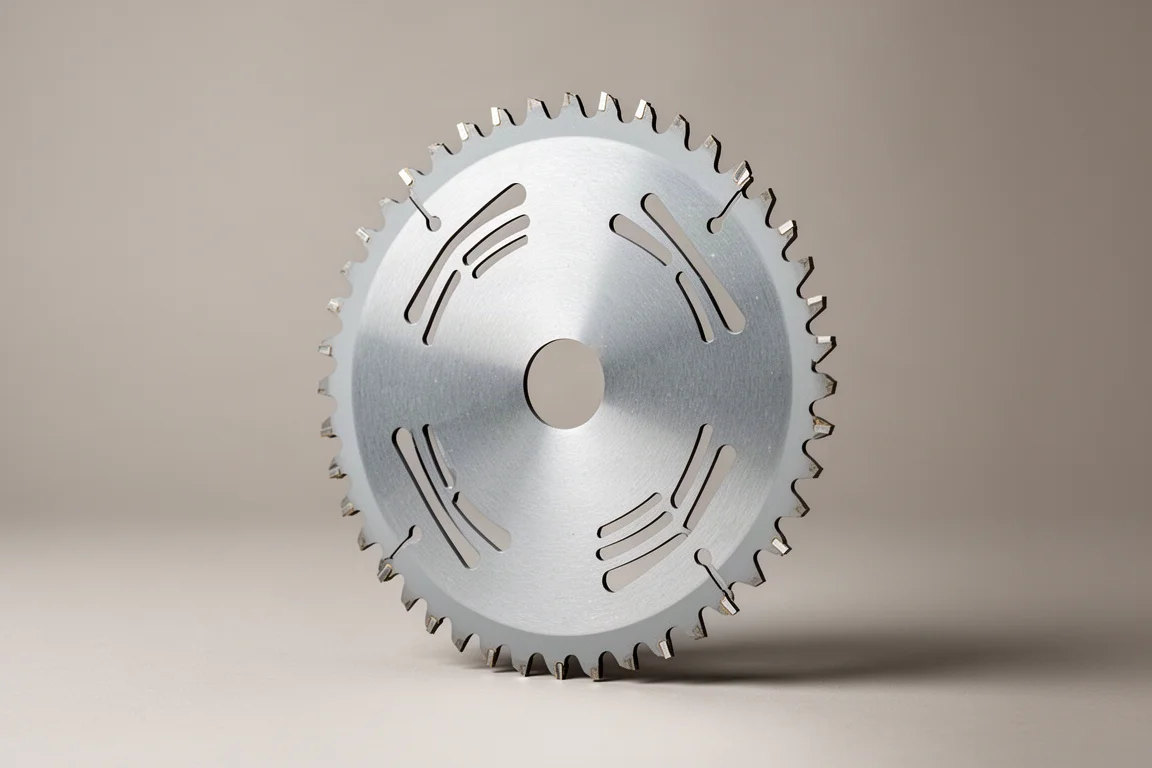
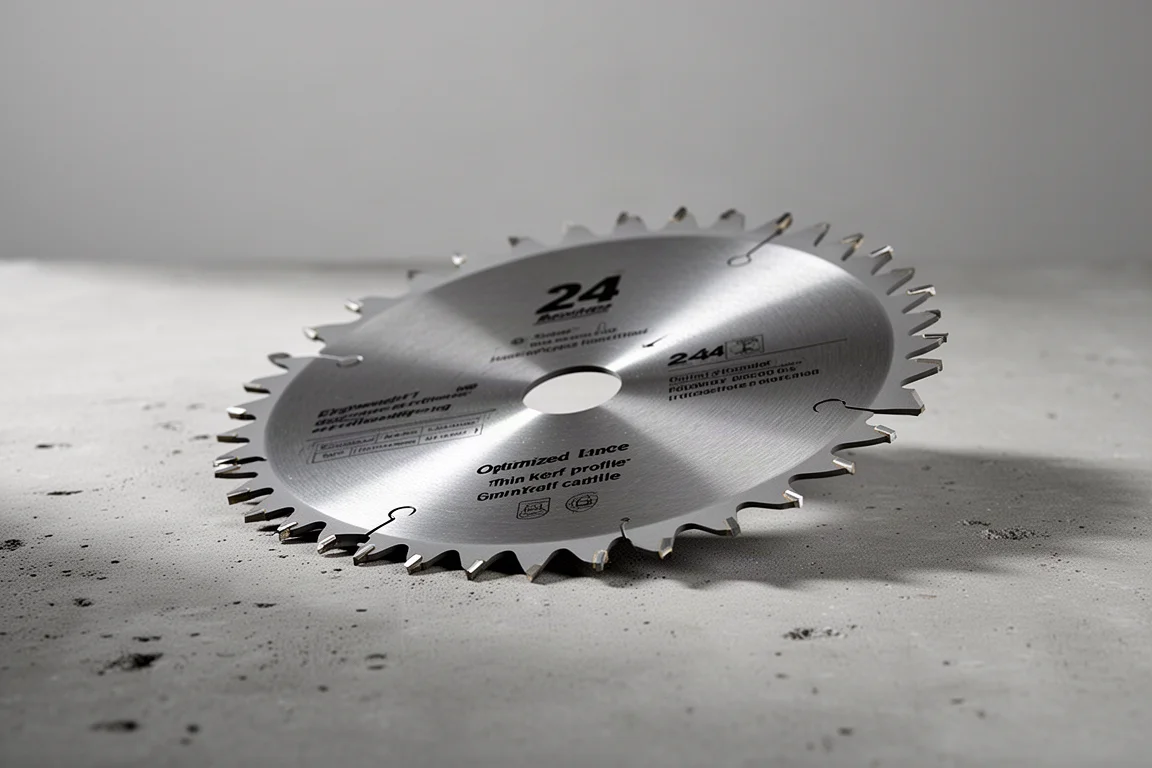
The Makita Max Efficiency blade claims up to 70 percent faster cutting and up to 70 percent more cuts per charge compared to standard blades, making it especially interesting for cordless saw users. Made in China and light at 185 grams, it posted numbers that bordered on absurd: 1.41 seconds on the 2x4, beating the entire field by nearly a full second.
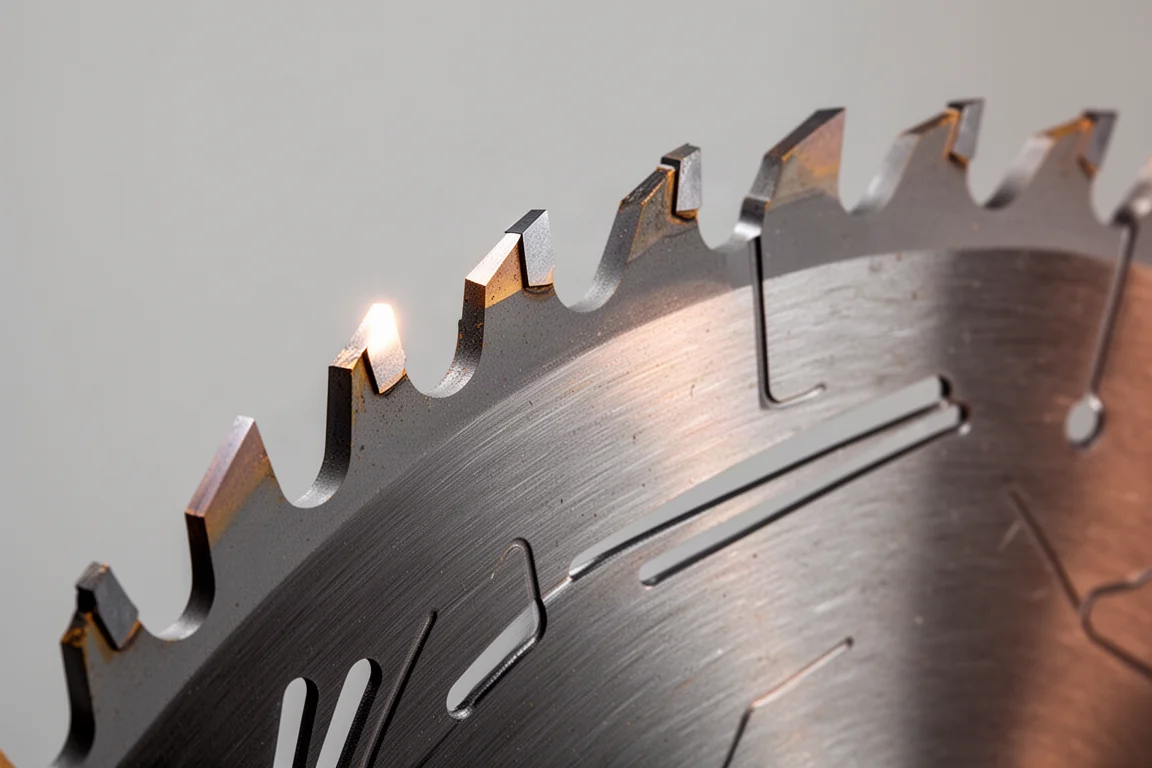
It stayed dominant everywhere: 2.17 seconds in oak, 7.4 seconds on the 8-foot 4x4, and among the smoothest cuts in the subjective smoothness comparison. The one caveat is durability. After the nail test it lost two teeth, dulled noticeably, and needed 319 percent longer to cut. For clean lumber, especially on battery power, nothing else came close.
Flex Active Speed
The Flex Active Speed carbide blade pairs a thin kerf design with laser-cut form for precision ripping. Made in China at 183 grams, it averaged 2.78 seconds on the 2x4, finished second on the 4x4 at 10.9 seconds while staying cool, and delivered the fastest nail-board cut overall at 2.93 seconds.
After the nails it still needed 58 percent longer on clean wood, so durability is middling, but raw speed is excellent.
Norske Radical
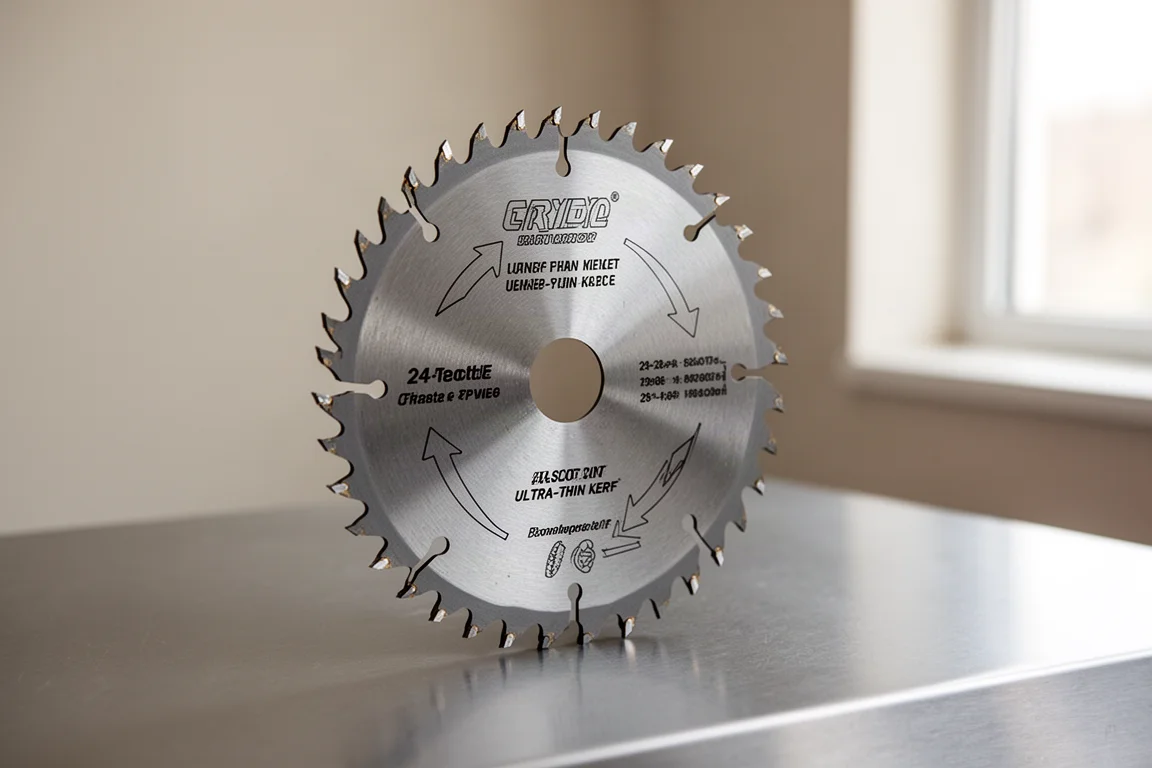
At fourteen dollars, the Norske Radical uses a bi-directional tooth profile that claims to double cutting life, C3 micrograin carbide tips sharpened on all sides, and Japanese tool steel. It was the lightest blade tested, and it is the only bi-directional blade in the field.
Performance lagged, though: a 5.35-second 2x4 average, 5.92 seconds in oak, and 16.6 seconds on the 4x4. Running it in the reverse direction was even slower at 11.35 seconds after nail damage, with both leading and trailing teeth suffering.
Skil
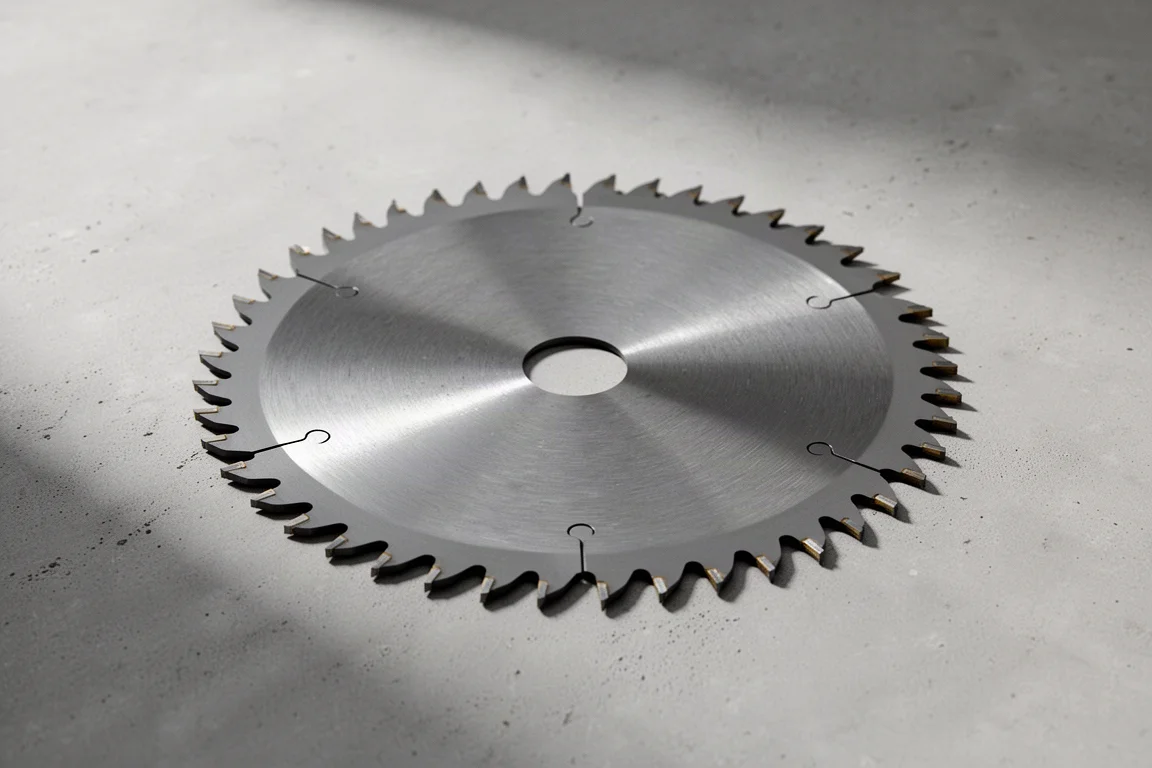
The Skil blade, at seventeen dollars, claims to last up to 60 times longer than steel blades, with expansion slots for straight running and a clear anti-stick coating against friction heat and binding. Made in China at a heavy 249 grams, it averaged 3.79 seconds on the 2x4 and 5.31 seconds in oak, second slowest on the 4x4 at 20.8 seconds.
The nail test showed some dulling but no missing teeth. Consistent, but not fast for the price.
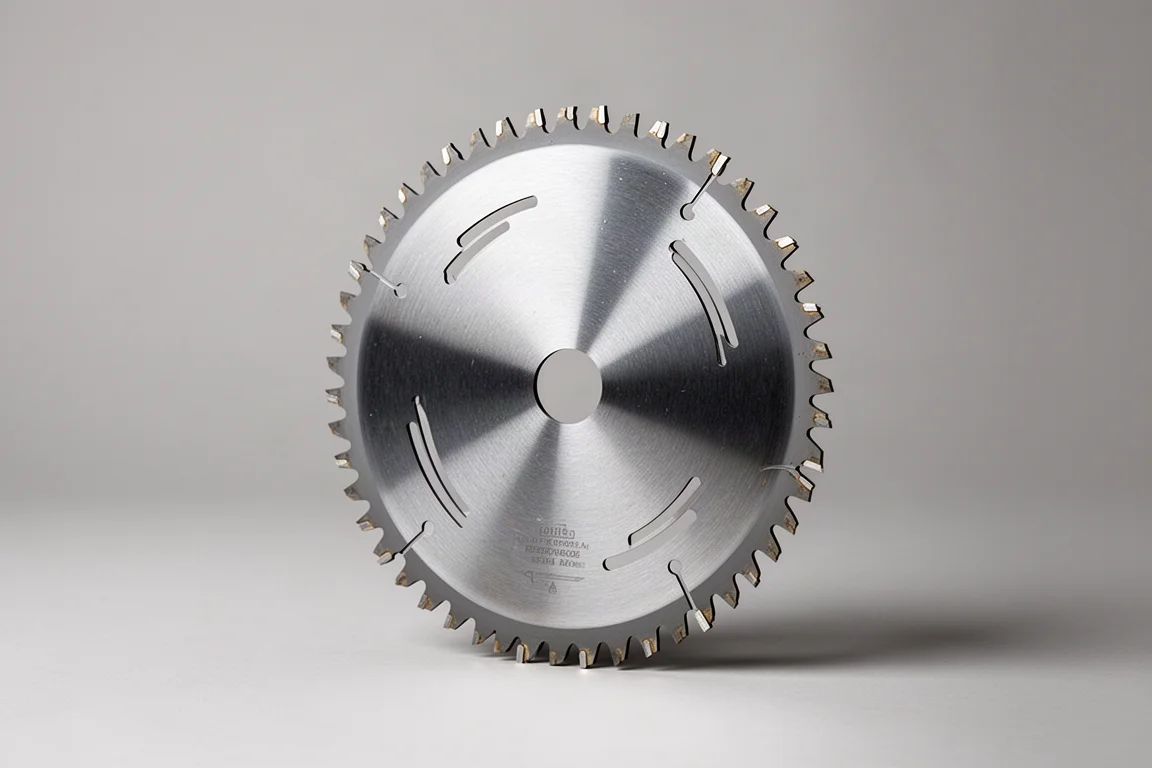
Falcon Premium
The most expensive blade at 28 dollars, this German-designed, China-made blade targets wood with nails, aluminum, and plastics. It uses 20 teeth instead of the 24 found on every other blade here, claims 100 fast-cut robust carbide cutting surfaces, and was by far the heaviest at 335 grams.
Despite the nail-focused design, it was slow everywhere: around 4.3 seconds on the 2x4, 7.86 seconds in oak, and 25.2 seconds on the 4x4, with heavy dulling and chipping after the nails. The premium price did not translate into premium results.
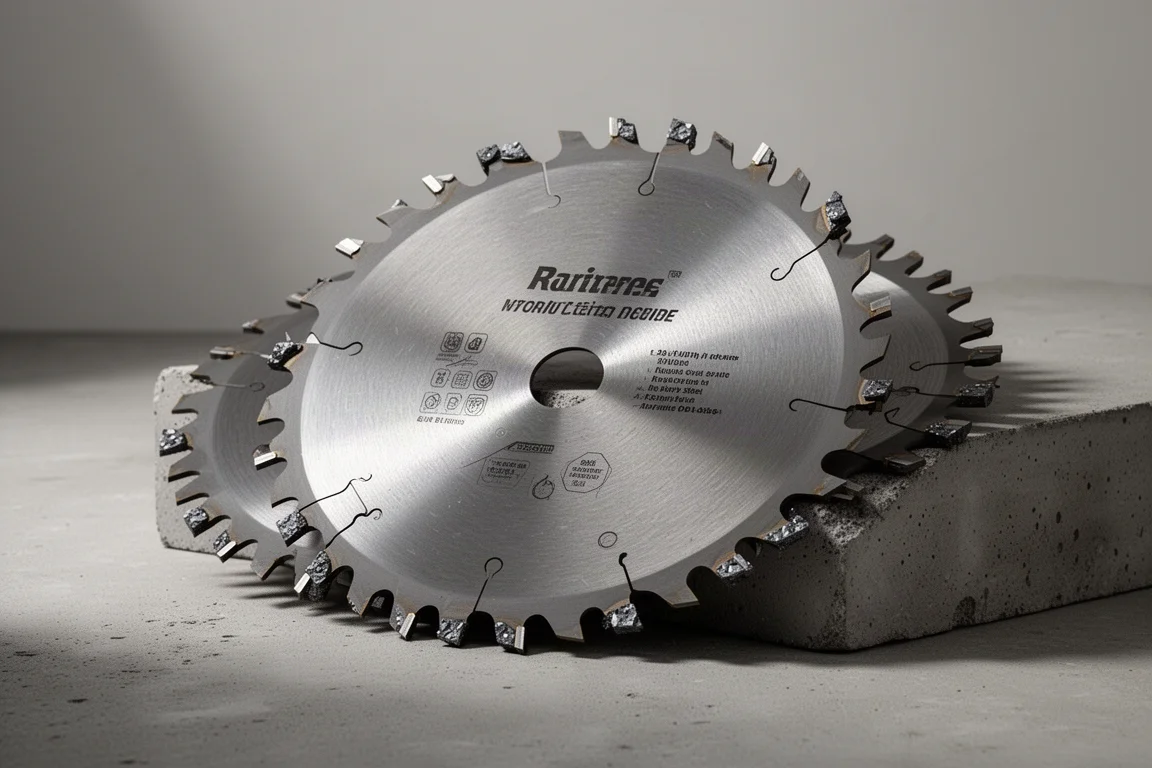
Long Cut Test: 8-Foot 4x4
Cutting two and eleven-sixteenths inches deep through an 8-foot pressure-treated 4x4 gave a better sense of sustained performance and heat buildup. The Makita finished in 7.4 seconds, followed by Flex at 10.9, Ryobi at 11.2, Spyder at 12, and Bosch at 12.5.
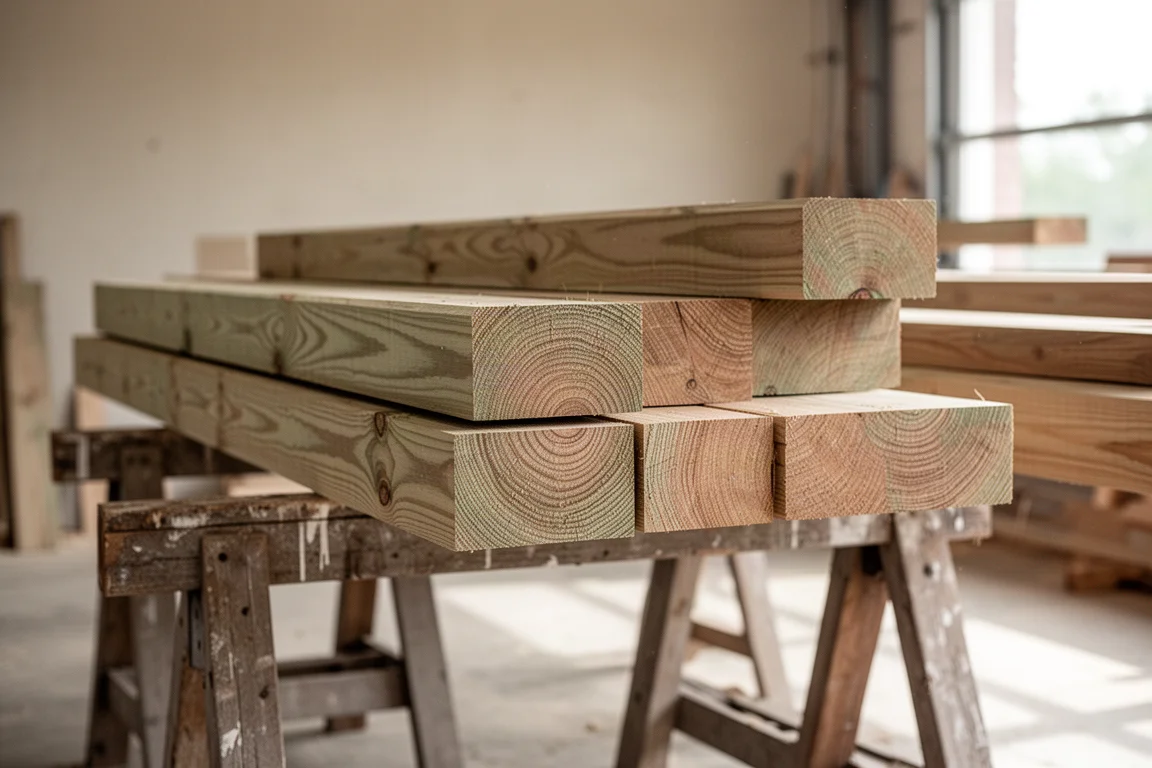
Temperature told its own story. The Spyder stayed coolest at 76 degrees Fahrenheit, with Bosch and Skil close behind at 77, while the DeWalt ran hottest at 85 degrees.
Cut Smoothness
A 24-tooth framing blade is never going to produce a fine finish, but the differences were still worth noting. The Spyder, Bosch, Makita, Metabo HPT, and DeWalt earned the best subjective smoothness rating, with most other brands close behind.
Nail Damage Durability
Looking at how much slower each blade cut clean wood after chewing through the nails gives the clearest durability picture: Spyder at just 11 percent, DeWalt at 18.5 percent, Diablo at 24.9 percent, Ryobi at 35.8 percent, and Milwaukee at 35.9 percent.
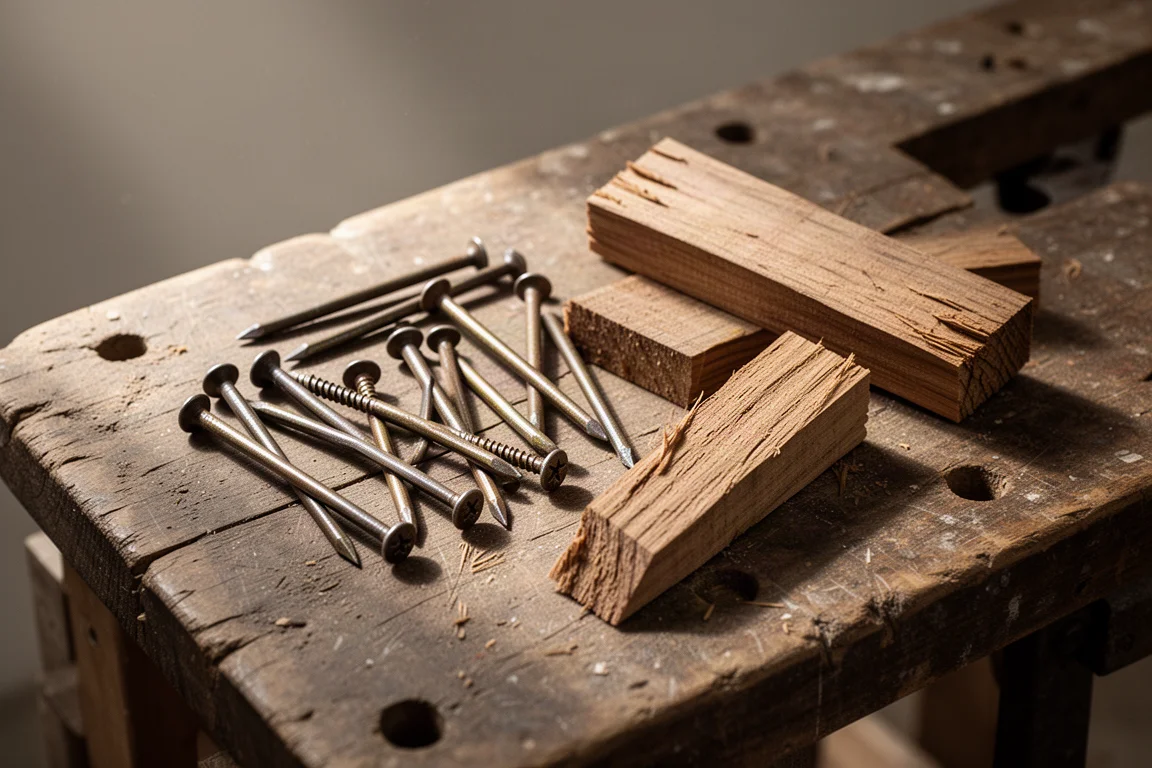
At the other end, Bosch needed 271 percent longer, Metabo HPT 112 percent, Makita 319 percent, and the Falcon Premium 233 percent. Fast blades with hard carbide are not always tough blades, and this test made that distinction impossible to ignore.
Buying Advice
For pure cutting speed, especially with a cordless saw, the Makita Max Efficiency is the clear winner, provided you avoid nails. If nail contact is likely, the Milwaukee, DeWalt, Diablo, and Ryobi all held up far better, though they will drain cordless batteries faster than the Makita.
For value, the Spyder is hard to beat at five to six dollars: fast, consistent, and remarkably resilient. The Flex and Bosch are very fast but less forgiving when things go wrong.
Conclusion
Speed and durability pull in different directions, and no single blade won everything. The Makita dominated clean-lumber speed, the Spyder owned the value-and-toughness crown, and DeWalt, Milwaukee, and Diablo offered the best middle ground. Match the blade to the lumber you actually cut, and any of these picks will serve you well.
Further reading
Related Reviews

Power Tool Accessories
Best Drill Attachments 2026: Three DeWalt Tools Worth Buying
A practical look at three DeWalt drill attachments that deliver real value, plus the sketchy options you should skip.

Power Tool Accessories
Best Drill Bits 2026: 14 Sets Tested on Mild Steel, Spring Steel, and AR500 Armor
We tested 14 drill bit sets across mild steel, spring steel, and AR500 armor plating to find the best value, speed, and durability.

Power Tool Accessories
Best Right Angle Impact Adapters 2026: Five Options Tested for Speed, Torque, and Durability
We tested five right angle impact adapters from DeWalt, Milwaukee, Warrior, Titan, and Milescraft to see which ones deliver real performance without failing early.