Power Tool Accessories
Best Circular Saw Blades: How to Pick the Right Blade for Every Cut
Tooth counts, kerf widths, rip and crosscut grinds explained, plus the blades worth relying on for framing, finish work, and everything in between.
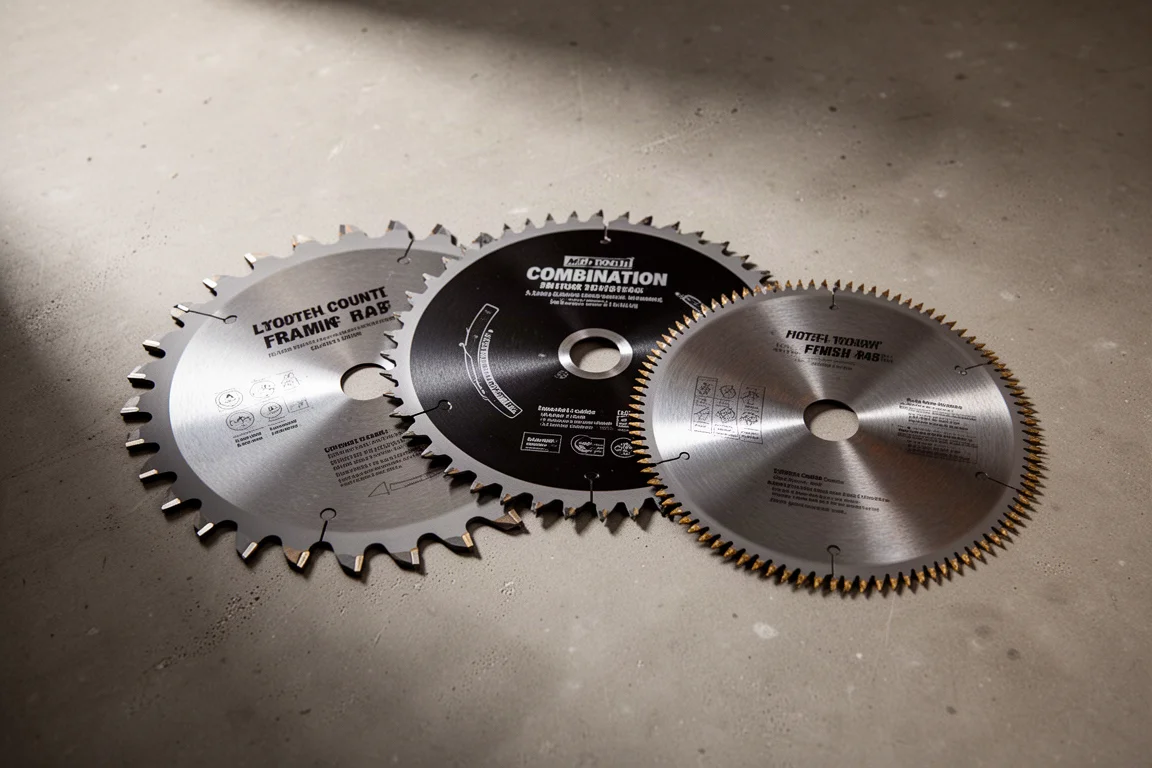
Introduction
Walk into any big-box store looking for a saw blade and you are met with a wall of sizes, colors, tooth counts, combination blades, framing blades, and finish blades at wildly variable prices. Without a plan, it is easy to give up and just grab whatever is closest. The good news is that choosing a blade is simpler than it looks, and one well-chosen combination blade covers most of what a typical project needs.
This guide walks through tooth count, blade grind, kerf, and price tiers, then looks at specific blades that hold up in real jobsite and shop use.
Start With Tooth Count
The single most important spec is the number of teeth. More teeth means less power delivered to each tooth. If one tooth is in contact with the edge of a board, that tooth gets the full horsepower of the saw. With two teeth in the cut, each gets half, and so on.
A 24-tooth framing blade is the general-purpose workhorse for framing, crosscutting, and ripping. A 40-tooth blade removes less wood per tooth and should cut somewhat smoother, though in practice the difference between 24 and 40 teeth is hard to see in the cut. A 60-tooth blade is where you really notice it: expect a much finer cut on material like Baltic birch plywood, maple, or birch-faced plywood where tear out matters.
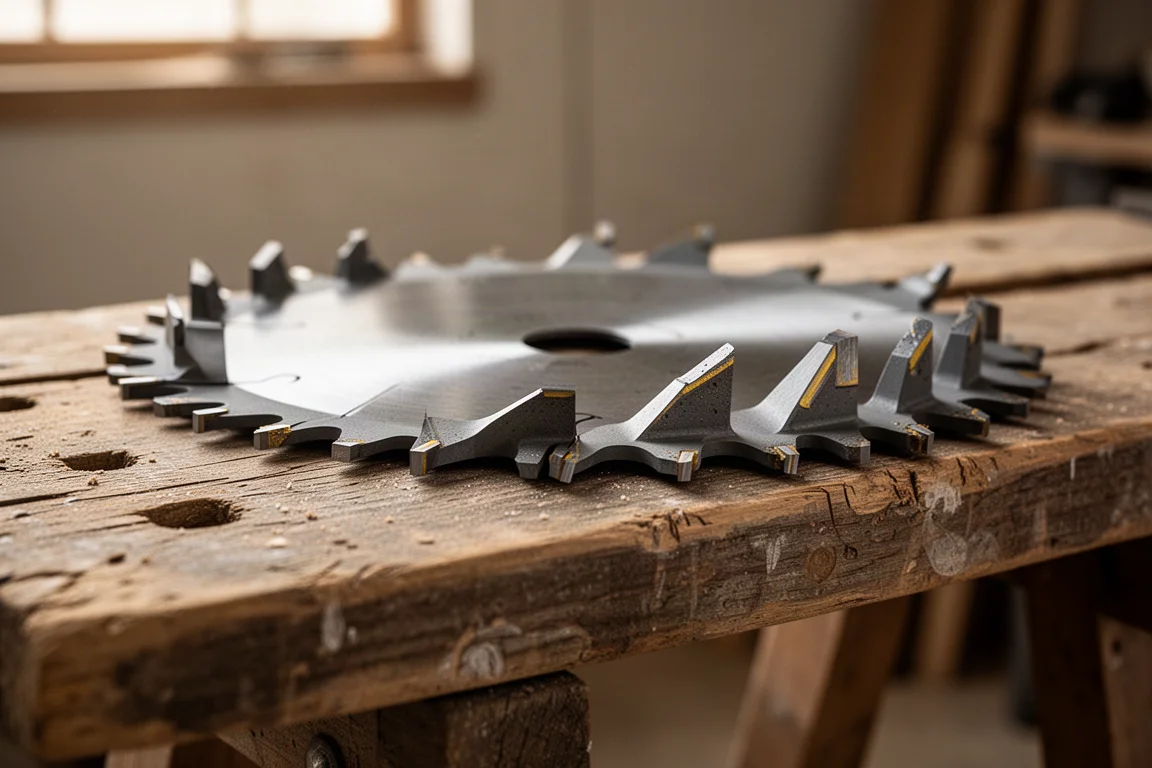
The simple rule: fewer teeth for rougher, faster work. More teeth for finer, slower work.
Ripping vs Crosscutting
The other broad distinction is whether a blade is designed for ripping, meaning cutting solid wood parallel to the grain, or crosscutting. In industrial lumber production, ripping blades use a straight bevel where the tooth presents square to the wood and bevels back, while crosscut blades use alternating tips that score the wood and remove it as they cut.
In a wood shop or on a construction site, almost everything uses some form of alternating tip at various angles and bevels, so the rip-versus-crosscut grind distinction matters less than tooth count and blade quality. That said, dedicated ripping and combination blades are still worth understanding, which we cover below.
What a Combination Blade Actually Does
Modern combination blades carry details older blades do not. Compare a blade from the 1970s with one bought off the shelf today and they look similar, but a modern blade typically has a narrower kerf, meaning the teeth are not as wide, plus a set of small intermediate bumps right after each tooth.
Those little humps work like the rakers on a chainsaw chain: they keep the teeth from digging too deep into the wood. As soon as a tooth removes sawdust, it can rub against that hump before the next tooth arrives, which produces a uniform cutting depth no matter how fast you push the saw into the wood. The blade cannot choke itself into the cut.
Price, Quality, and Service
Blade tiers matter more than most buyers expect. The stock blade that came bundled with a budget chop saw is barely a saw blade at all: lots of teeth that look impressive on the shelf, relief cuts that look scientific, but rough finishing everywhere and weak cutting performance. A very high tooth count on an underpowered saw means every tooth pulls a little wood and sucks a little energy, and the friction between the plate and the cut steals power and adds heat.
Stepping up in quality changes everything. Here are the blades that earn their keep.
Irwin Marathon Framing Blade
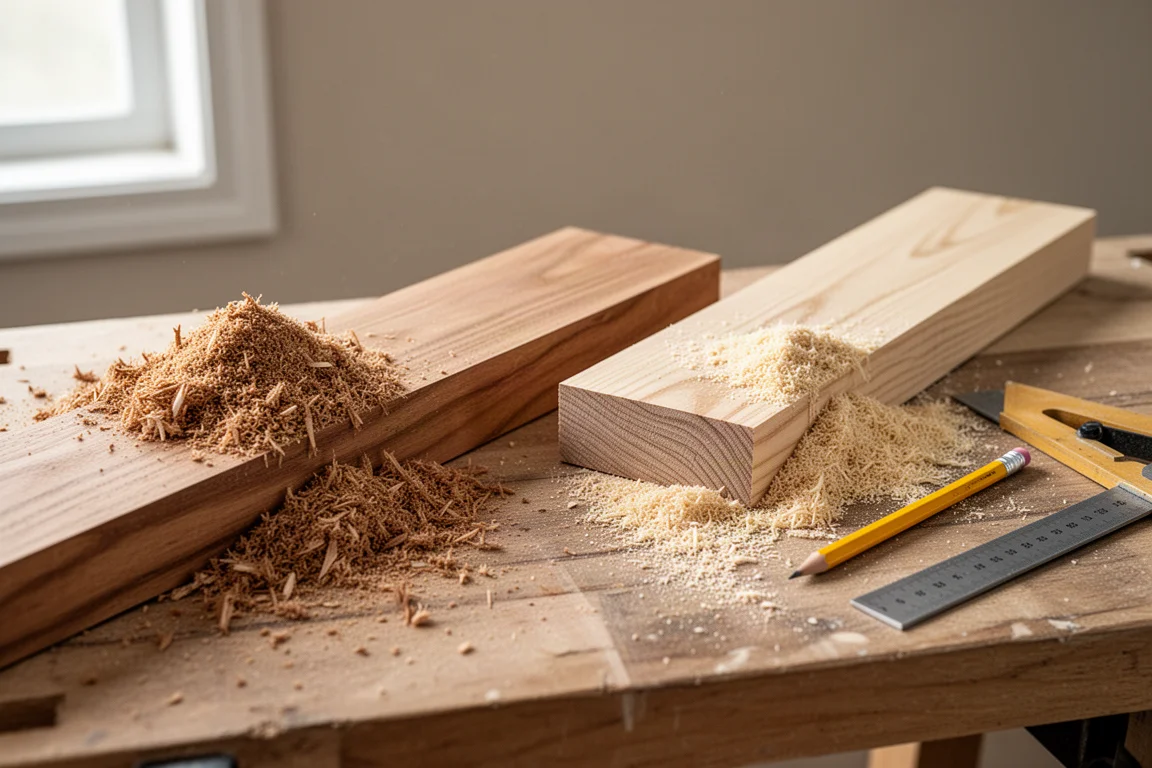
The Irwin Marathon 24-tooth framing blade is a solid general-purpose option covering framing, crosscutting, and ripping. It is a good blade in a market full of them, and a modern 24-tooth combination-style framing blade will handle nearly everything a typical project demands.
Diablo Combination Blade
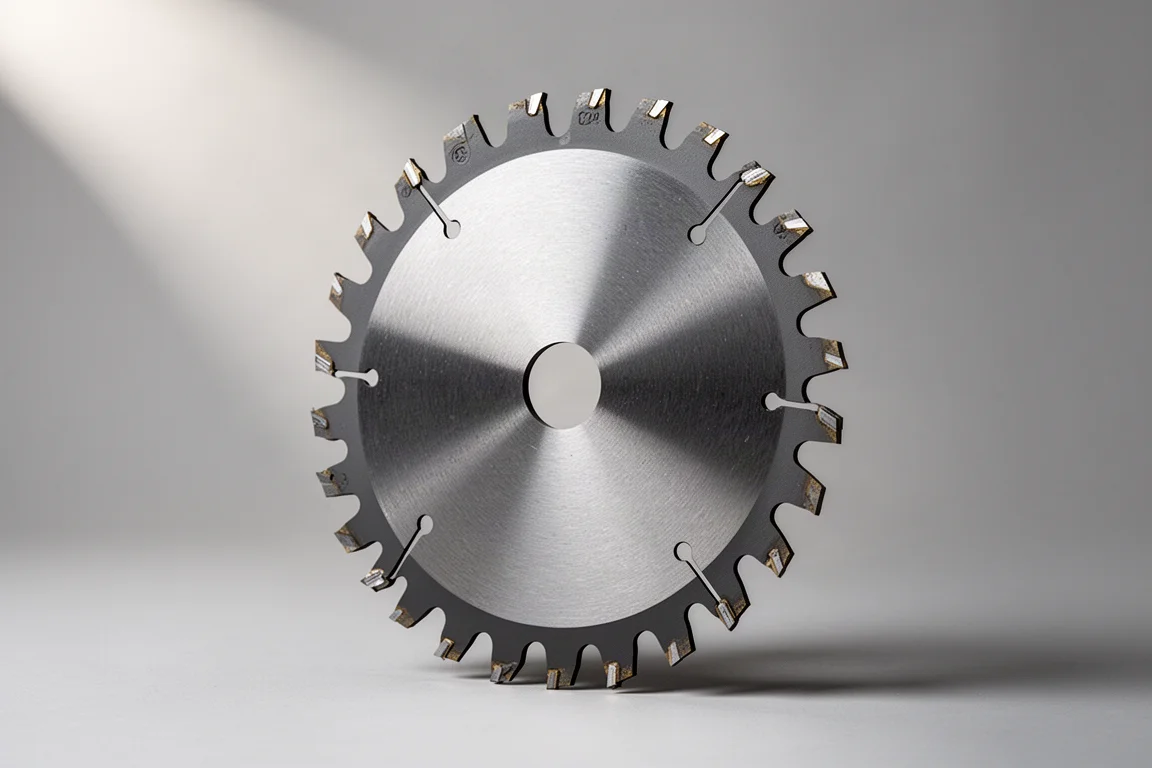
Diablo blades get heavy use, and for good reason. The combination blade carries a nonstick Permashield coating that reduces friction, and even with miles of use it stays very smooth. The stabilizing relief cuts on the plate deal with the tensions and stresses acting on the blade edge, advertised as delivering precise cuts. In practice, Diablo blades simply run well.
Diablo Ripping Blade
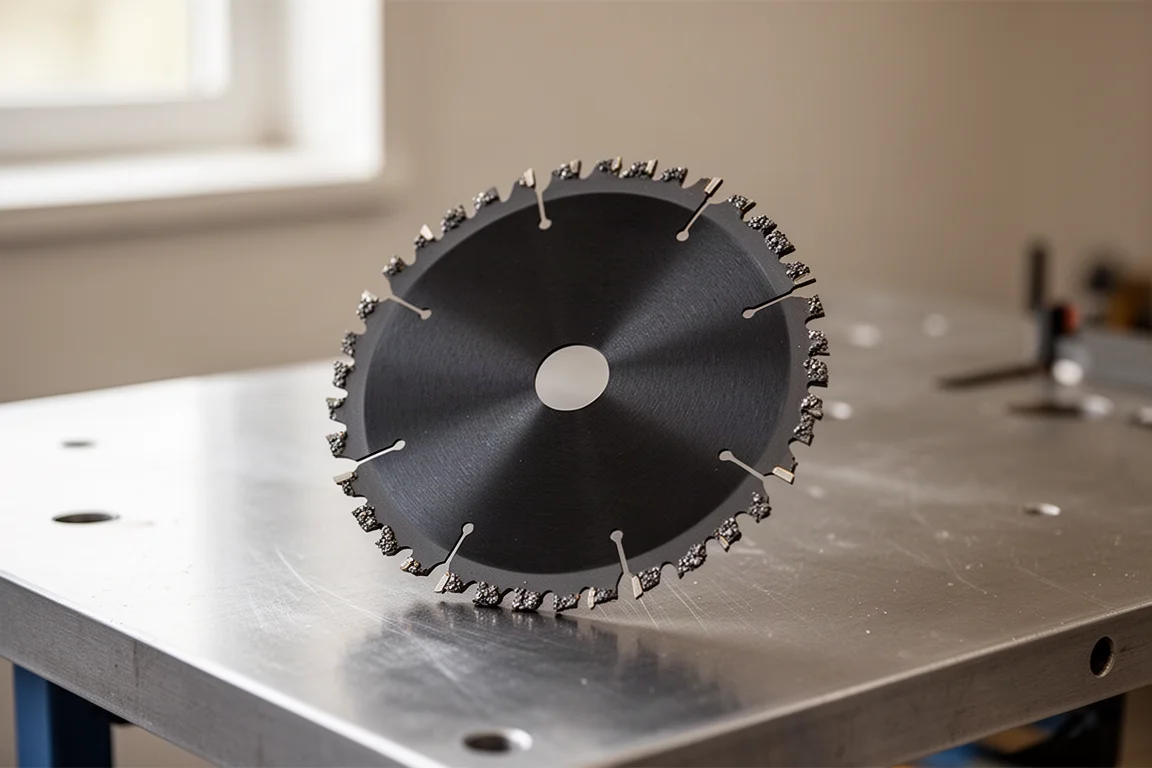
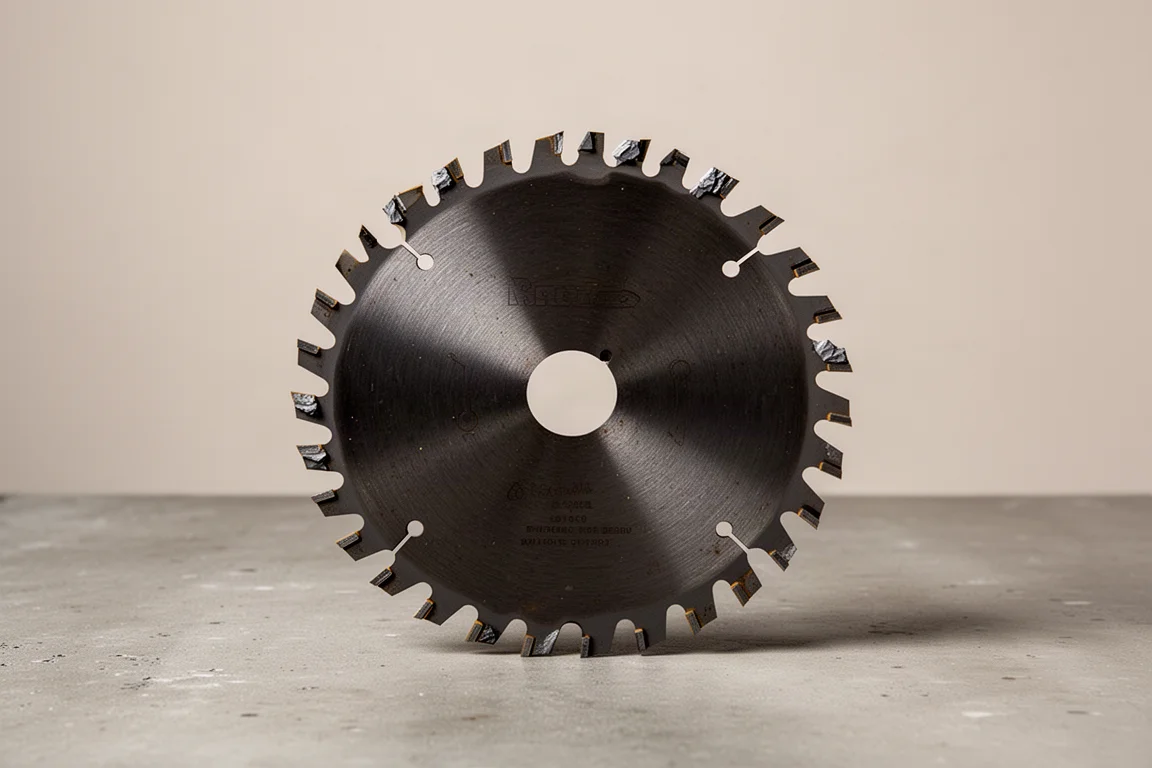
The Diablo ripping blade is the companion piece. Where the combination blade carries a lot of teeth with a depth gauge only every fourth or fifth tooth, the ripping blade has depth gauges, sometimes called riders, all the way around with longer spacing between teeth. The idea is that it will not bog down in a rip while still making enough cuts for a clean job on end grain. Both run well, and the ripping blade is the pick when solid-wood rip cuts dominate your work.
Freud Circular Saw Blades
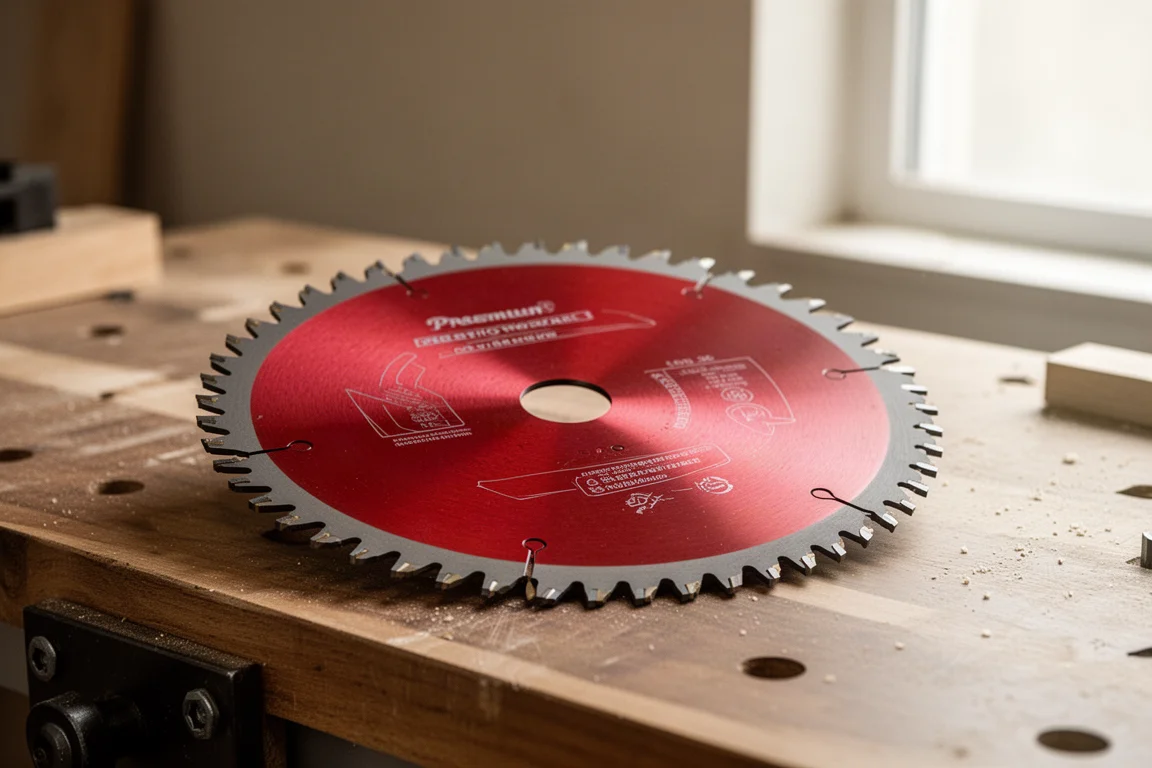
At the top tier, the ceiling is high. Stores like Rockler carry a wide selection of premium blades, Freud among them. Freud is the parent company that makes Diablo blades, so the shared engineering shows. If a stack of red Freud or Diablo blades is on the shelf, the price is reasonable, the blades last a long time, and the cut quality will likely beat anything you can make freehand anyway.
One note on thin-kerf cordless blades: a Makita thin-kerf blade that ships on some cordless saws is a decent blade, but the kerf is so narrow in pursuit of runtime that it does not measure up for general cutting. It simply is not taking out enough wood.
Tips That Save Your Cut
A few field tricks make any blade perform better:
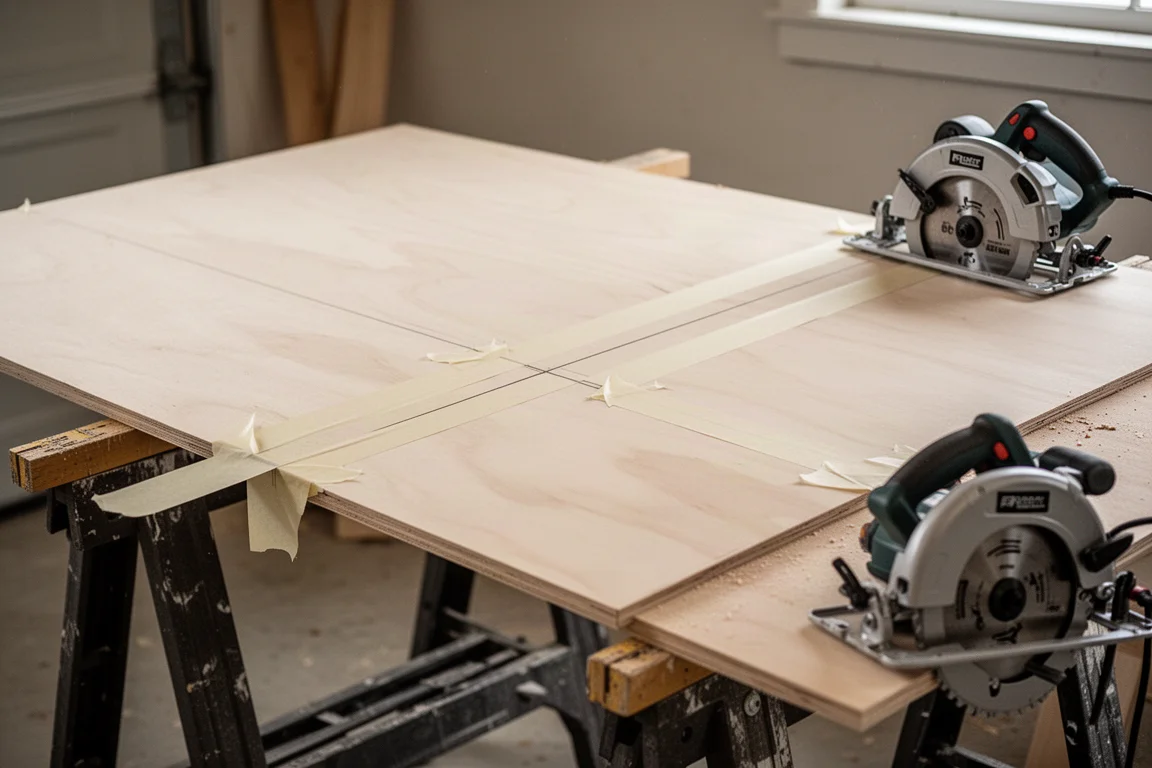
- Tape your cut lines. Without a dedicated plywood or melamine blade, put masking tape along the cut line and cut right through the middle of it. Cutting the bottom off a door? Tape the side of the mark that has to stay. Masking tape reduces tear out; duct tape will peel the finish off your door, so avoid it.
- Corrugated roofing: a worn-out framing blade will cut it, knocking off a little carbide in the process. Feed slow, and protect your eyes and ears. Some crews flip the plywood blade backwards to grind through corrugated, but it gets hot and wobbles.
- Fiberglass, Lexan, and plastic panels: any forward-mounted blade, even a 40- or 60-tooth, is grabby and will chip translucent roof panels or drop-ceiling light diffusers. Turn the blade around. It will not jerk out chunks; it wears them off instead.
Specialty Blades Worth Knowing
Beyond general-purpose blades, a few specialty options earn their place in the bag. A diamond blade in a skill saw handles block, brick, tile, and cementitious material. A Carborundum cutoff wheel cuts steel and rebar, which is handy more often than you would think. A Hardie panel blade, visually similar to a framing blade but with only about four teeth, cuts fiber cement lap siding well.
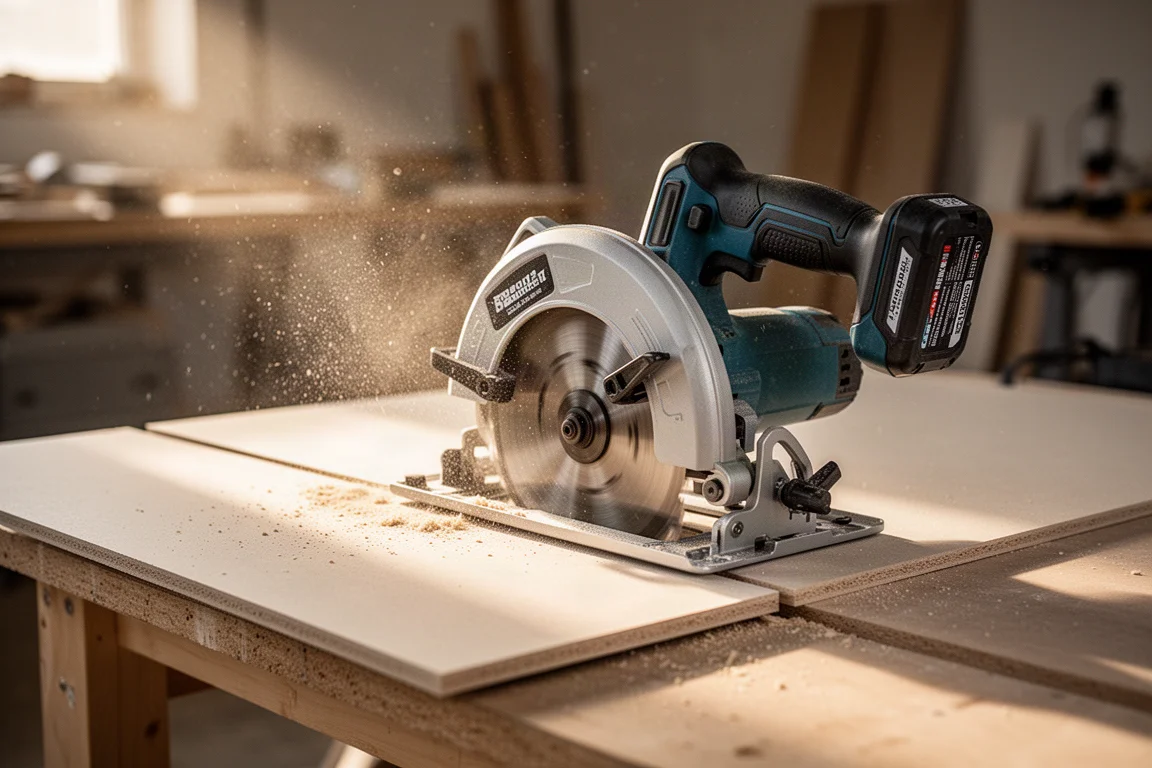
For melamine and fine sheet goods, high-tooth-count blades with a special three-way grind on the teeth reduce tear out significantly. If your project involves a tricky material, there is very likely a specialty blade that takes some of the pain out of the job.
Conclusion
For most buyers, the decision compresses neatly: a modern combination-style framing blade with a 24-tooth count does nearly everything, a 60-tooth blade handles fine plywood and tear-out-sensitive work, and Diablo or Freud blades are a dependable default when quality matters. Skip the ultra-cheap stock blades, match tooth count to the job, and use masking tape when tear out is a risk. And whatever blade is in the saw, keep it well away from the parts of you that grow back slowly. Be careful, and keep up the good work.
Further reading
Related Reviews

Power Tool Accessories
Best Drill Attachments 2026: Three DeWalt Tools Worth Buying
A practical look at three DeWalt drill attachments that deliver real value, plus the sketchy options you should skip.

Power Tool Accessories
Best Drill Bits 2026: 14 Sets Tested on Mild Steel, Spring Steel, and AR500 Armor
We tested 14 drill bit sets across mild steel, spring steel, and AR500 armor plating to find the best value, speed, and durability.

Power Tool Accessories
Best Right Angle Impact Adapters 2026: Five Options Tested for Speed, Torque, and Durability
We tested five right angle impact adapters from DeWalt, Milwaukee, Warrior, Titan, and Milescraft to see which ones deliver real performance without failing early.