Hand Tools
Best Chisel Knives for Woodworking and Bushcraft: Mora vs Hultafors vs Bahco
Three budget-friendly chisel knives compared for carpentry, carving, batoning, and backcountry use, with the trade-offs that separate them.
Introduction
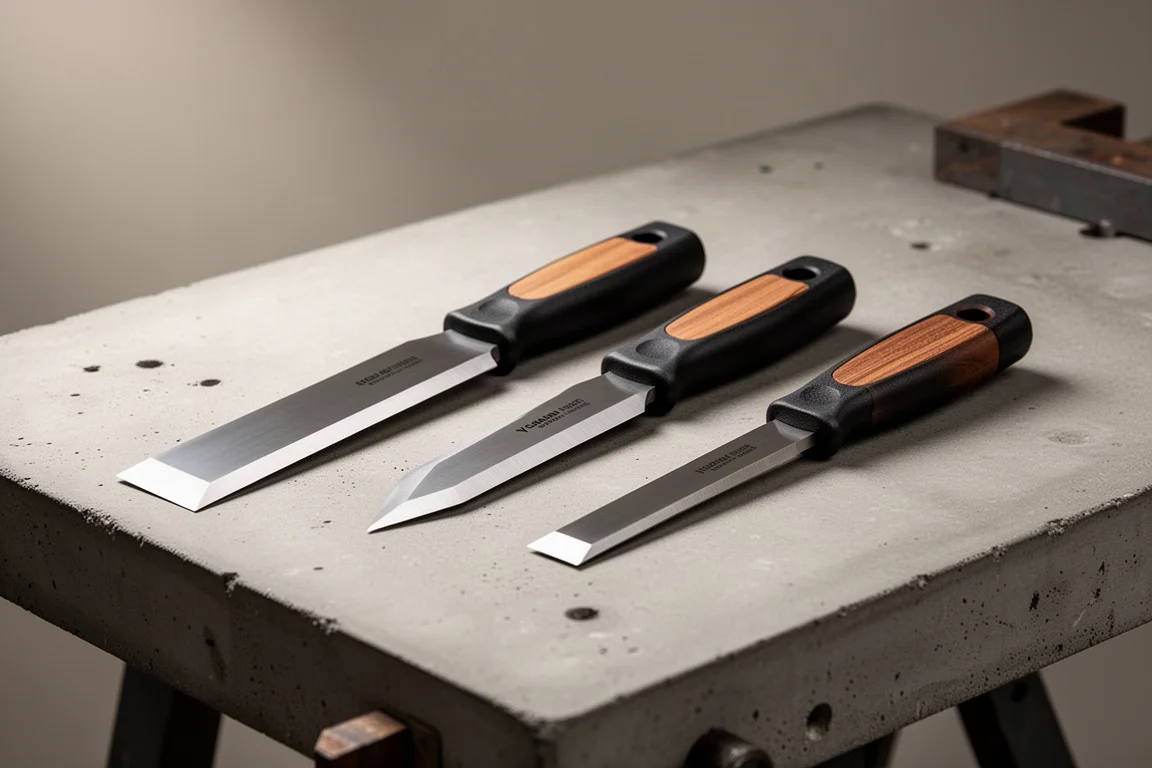
Chisel knives occupy a genuinely interesting corner of the tool world. In shape they look like a conventional fixed-blade knife, but the blade is ground like a razor-sharp chisel, which makes them just as at home in a carpentry or woodworking shop as they are at a bushcraft camp. They are fairly unusual in the outdoor space yet common around the wood shop, and the three covered here represent the most accessible ways to try the category without spending much.
What Is a Chisel Knife?
The defining feature is the edge. Two of the knives covered here use a conventional V-shaped edge, essentially a Scandi or combination flat grind that comes to a point and grinds straight to the very edge. The third takes a true chisel approach: sharpened on one side only, so everything drives to a single edge.
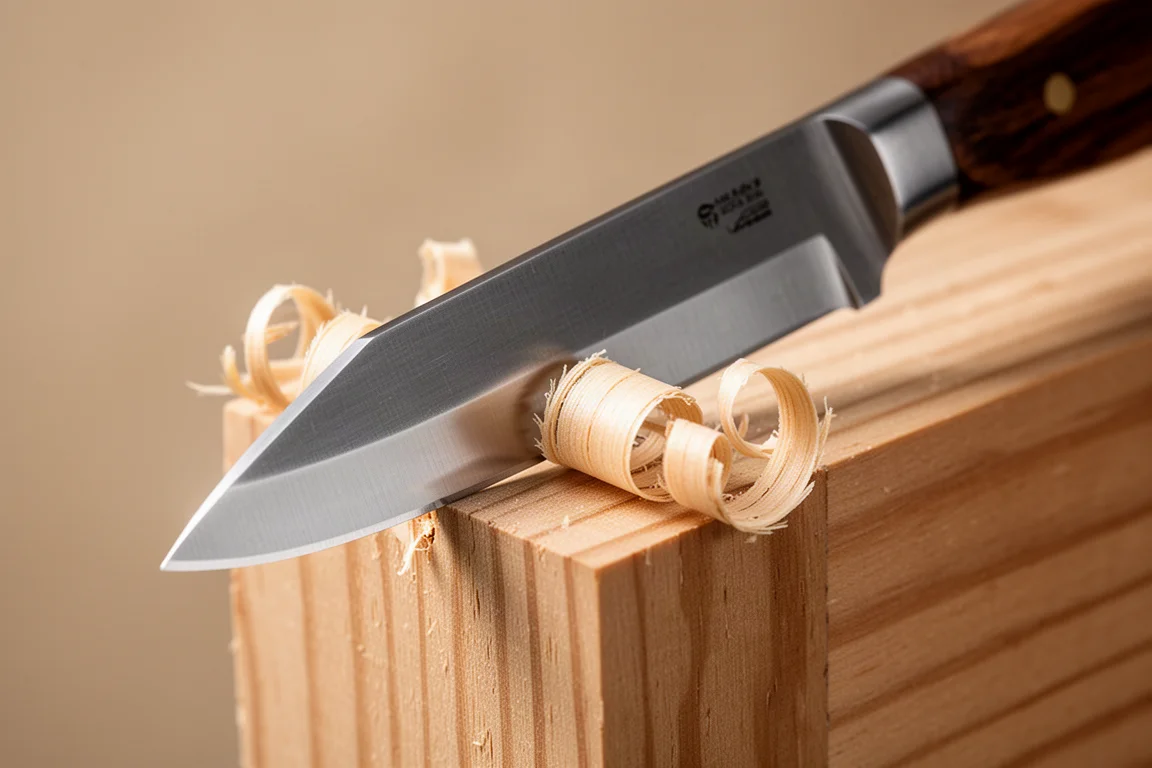
That difference matters in practice. With a variable knife edge, sliding the blade across a surface while tilting it can disengage the edge from the work. With a single-bevel chisel, you are always engaging the edge. The trade-off is slicing ability: a conventional knife lets you use the slicing action across the belly of the blade, while most chisel knives only let you get the blade onto the work in limited ways unless you can isolate the workpiece.
Mora Chisel Knife
Mora is a Swedish company known for using both stainless and high carbon steel, keeping prices low for the quality, and enjoying a genuinely cult following. The company explores all kinds of blade shapes, with knives ranging from around ten dollars up to sixty or seventy dollars and beyond. This chisel knife came in under twenty dollars, at roughly eighteen dollars, and it is the only true single-bevel chisel of the three. For quality steel and a distinctive edge geometry at that price, it is easy to see why the brand has the following it does.
Hultafors Chisel Knife
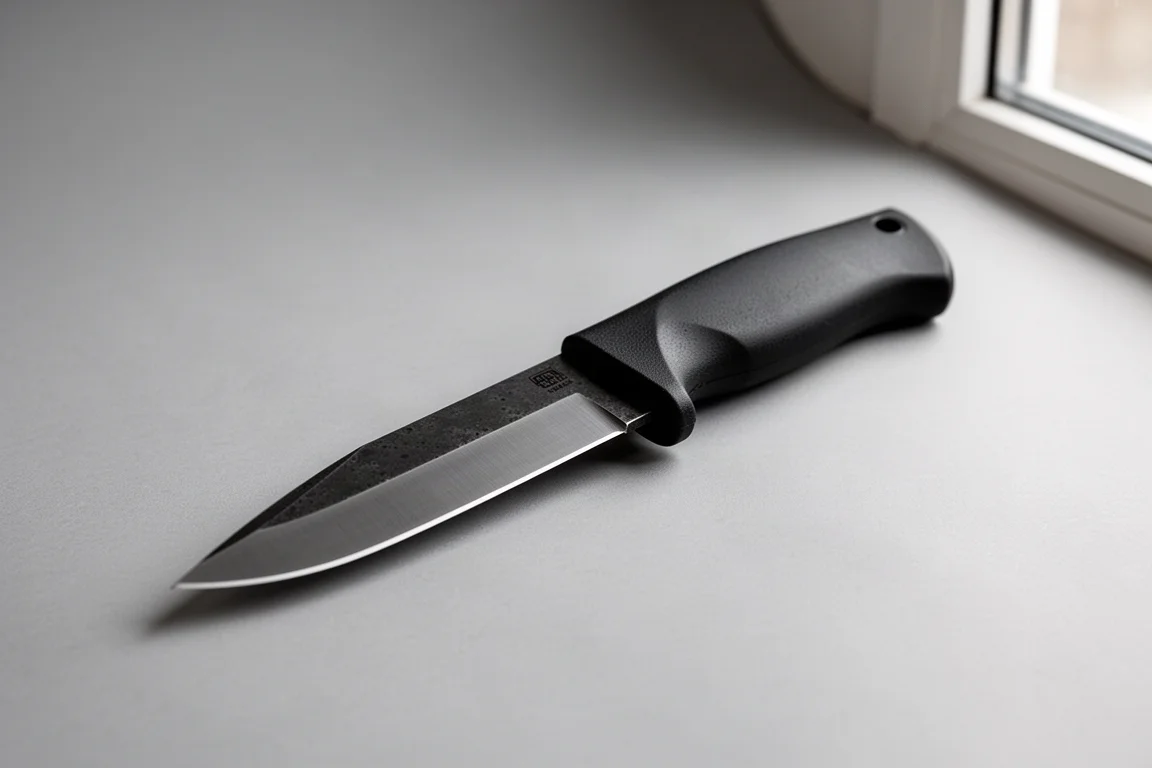
Hultafors makes all kinds of carpentry equipment, including an entire series of utility knives with different blades, and this is simply their chisel knife. It is the least expensive of the three, coming in at a little over eight dollars, which makes it a nearly frictionless entry point into the category.
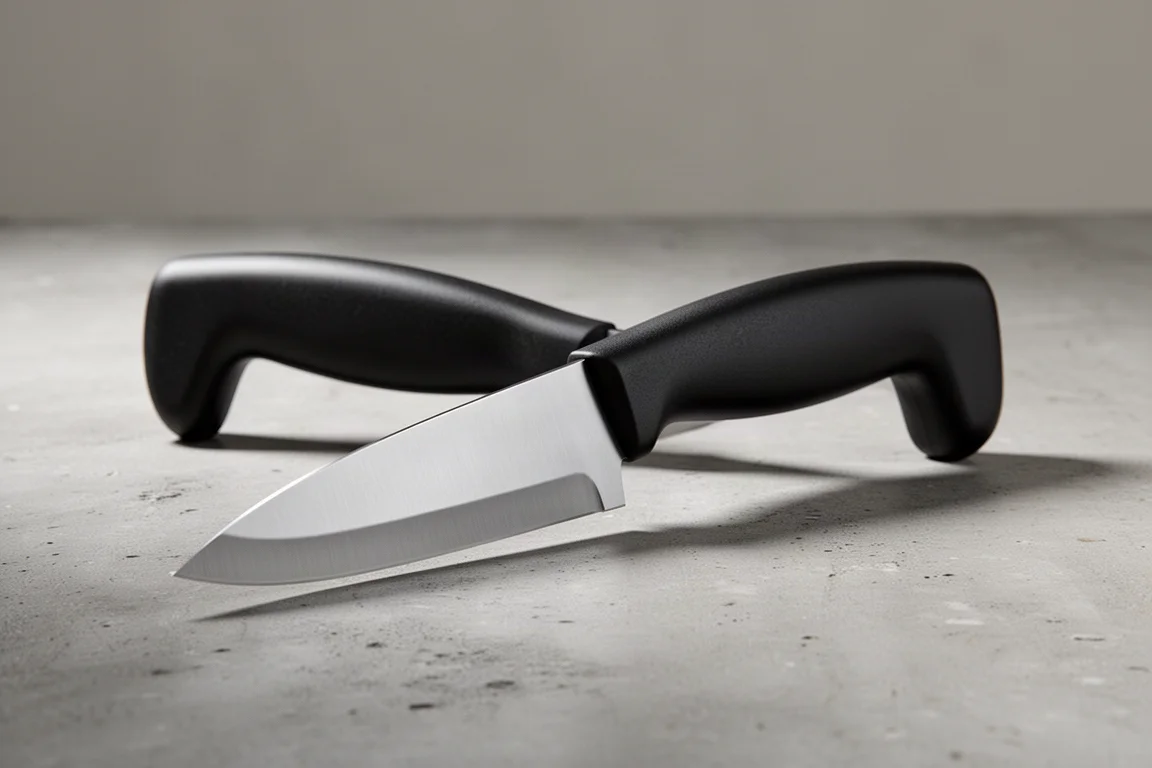
The handle is very reminiscent of a professional chef’s knife: completely featureless solid plastic, with no indentations or rubber coating. That is a deliberate choice, since a smooth handle can be sanitized easily, and Hultafors may simply have repurposed the handle from another knife in their utility line. The company also makes excellent axes, hatchets, striking tools, and prying tools, so this knife sits within a well-regarded carpentry brand.
Bahco Chisel Knife
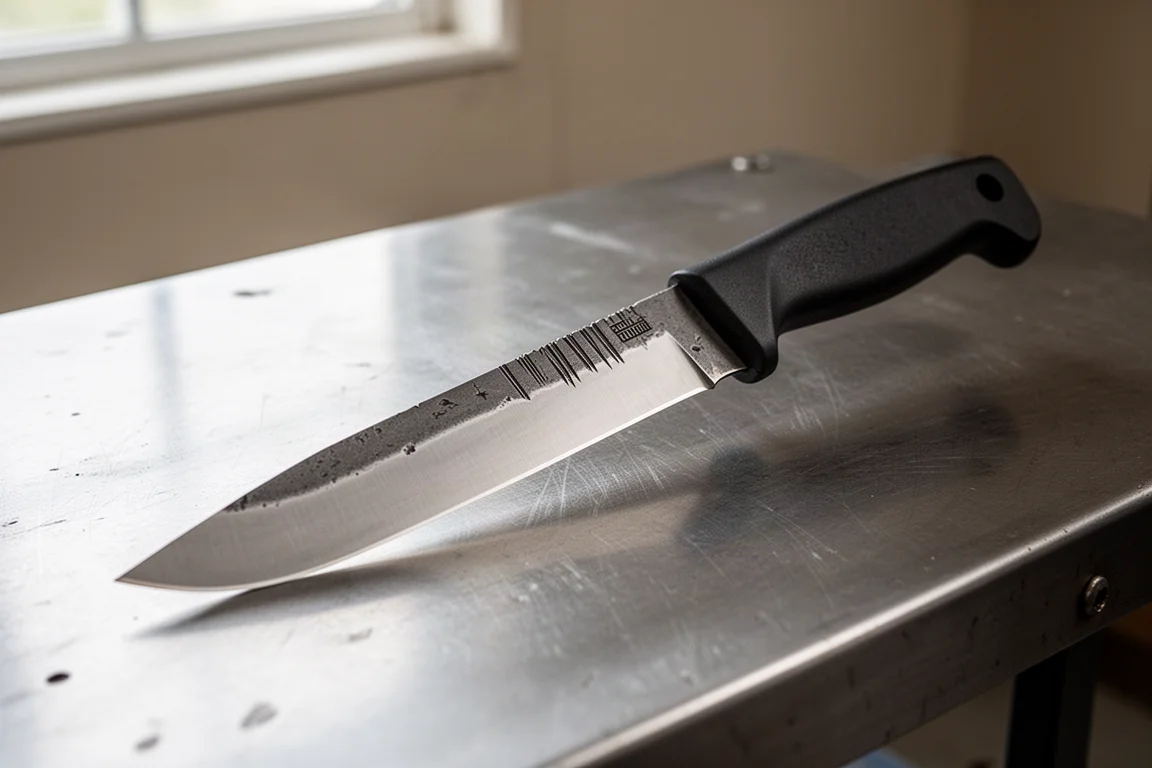
The Bahco has the longest and thickest blade of the three, and correspondingly it is also the most expensive at around twenty-two or twenty-three dollars. Even so, at roughly twenty dollars it remains a strong value, and there is a lot of usable real estate on the blade. The top of the blade is almost unfinished with visible tool marks, which is intentional: this is a knife meant to be beaten on.
Despite the robust build, it still allows genuinely precise work, which is what makes it appealing for carving and bushcraft alongside shop use. The tang is partial, with strong metal extending partway into the handle, which is plenty strong for most tasks this knife will see.
Why Carry One Outdoors?
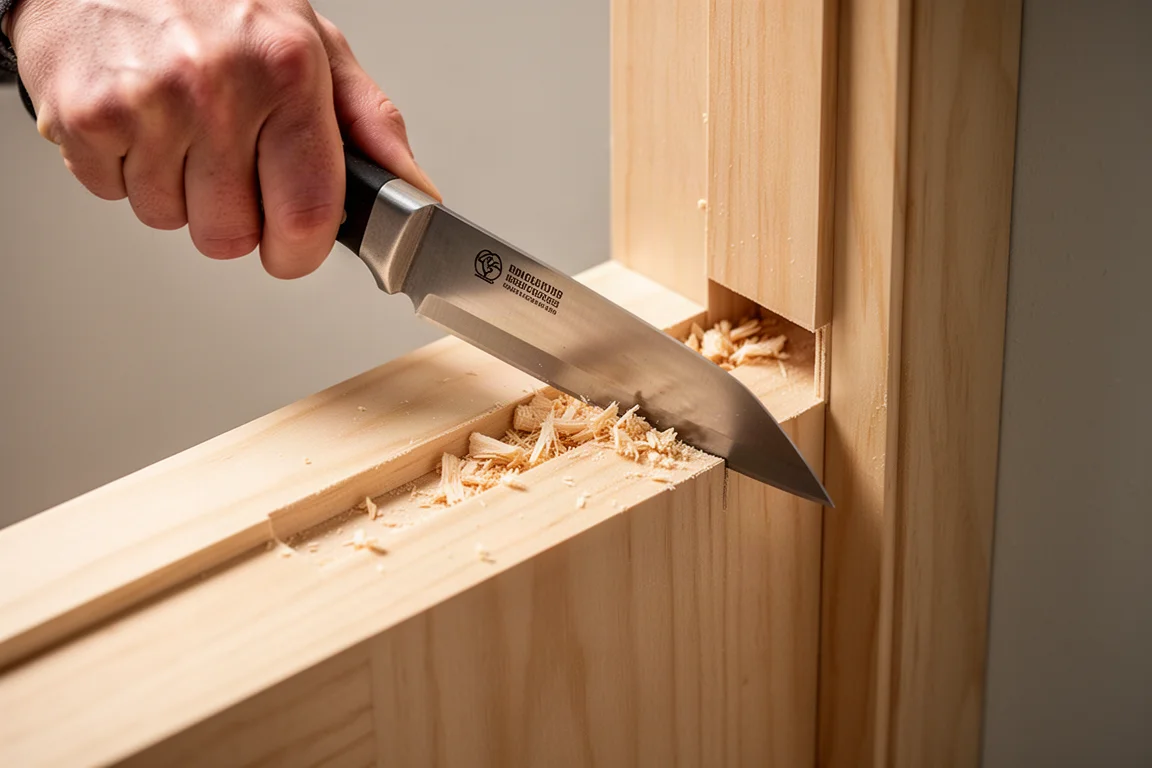
The clearest use case is carpentry finish work, not fine chairmaking but jobs like fitting door hinges. The typical approach is to slice out sections matching the width and length of the hinge, chop down, and then use the knife to pry the waste out.
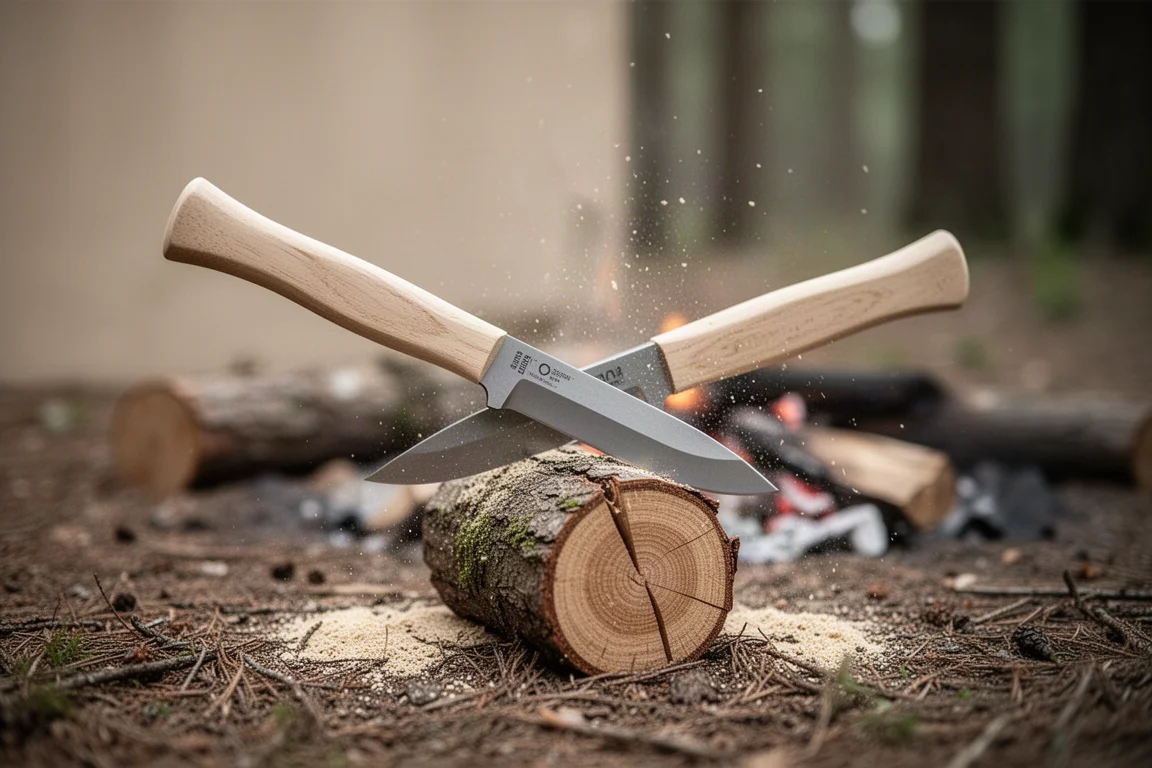
In the backcountry, the appeal is different. Proper bushcraft and survival knives can run two hundred and fifty dollars or more apiece, and the last thing you want to do with a precision blade like that is use it for brute force trauma, beating a chunk of wood to death. A chisel knife takes that abuse instead. It also handles carving, whittling, general processing, and fire starting, including making fire sticks and splitting small tinder wood.
Batoning is a common outdoor knife technique where these knives excel: place the blade on your piece of wood, strike it with another stick or a hammer to get it started, work your way down the cut, and finish with a firm whack to slice through. You would not want to do this with a weaker knife or your best high-quality blade, but a chisel knife handles it well.
Sheaths and Carry
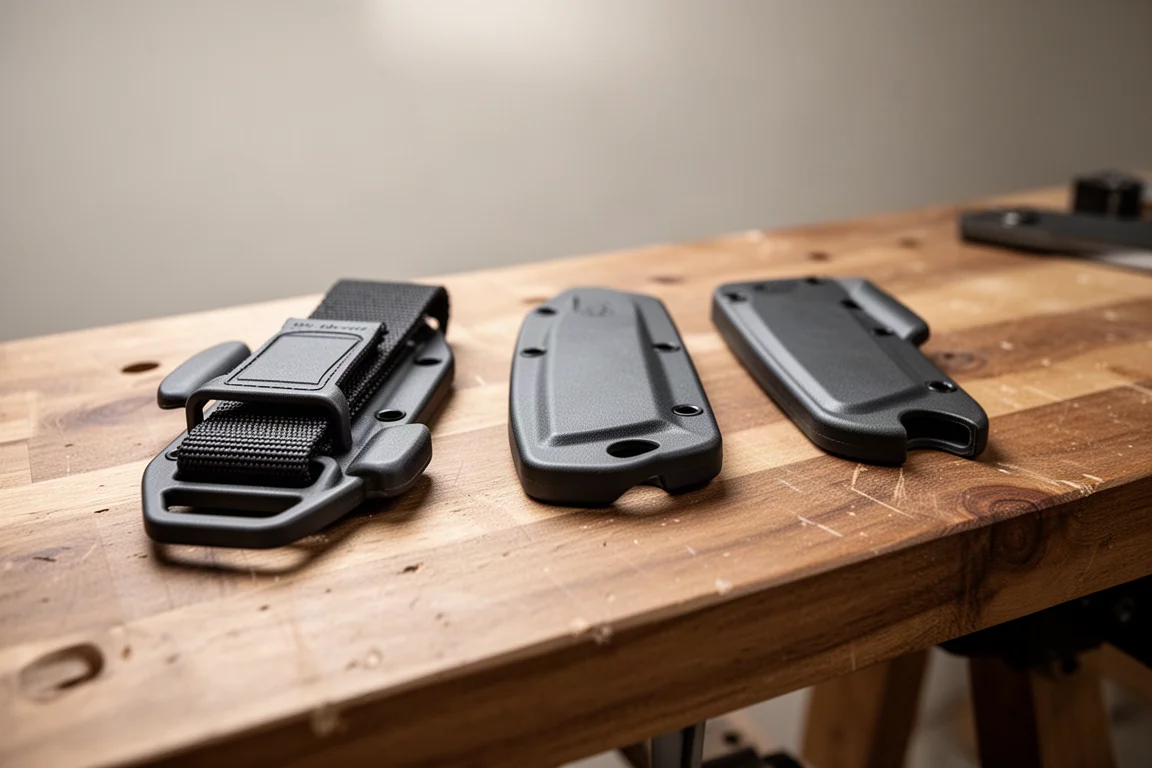
All three ship with molded plastic sheaths, nothing fancy, but the details differ. The Mora and Hultafors sheaths are directional, designed so that if you drop the knife in on your right hip, the blade points backward for a natural draw. The Bahco sheath is reversible and ambidextrous, fitting either way, with two thumb ramps added for leverage when popping the knife out.
All three use some version of a snap-on sheath concept, letting you attach the sheath to a button or round fastener. Belt loop sizes and ease of attachment vary, and some users complain that the narrower loops are awkward. For an eight-dollar knife, though, that is a low-level complaint.
Buying Advice
If you want the true chisel experience, the single-bevel edge geometry is the point of the category, and the Mora delivers it for around eighteen dollars. If you want to experiment for the smallest possible outlay, the Hultafors at a little over eight dollars is the natural starting point. If you want the biggest, thickest blade for heavy batoning and prying, the Bahco justifies its position as the most expensive of the three.
Part of the appeal across all three is that they are inexpensive enough that you are not afraid to use them hard. Start with something expensive and you end up babying it, hesitating to loan it out, worrying more about the tool than what the tool can do. With knives at these prices, dulling, losing, or even breaking one is simply part of learning the tool.
Conclusion
Chisel knives sit at the overlap between camping, bushcrafting, and the wood shop, and all three of these perform well within that space. The Mora brings the authentic single-bevel design and brand pedigree, the Hultafors brings the lowest price and a clean utilitarian handle, and the Bahco brings the most blade to work with. Any of them is a low-risk way to explore a tool category that keeps gaining popularity.
Further reading
Related Reviews
Hand Tools
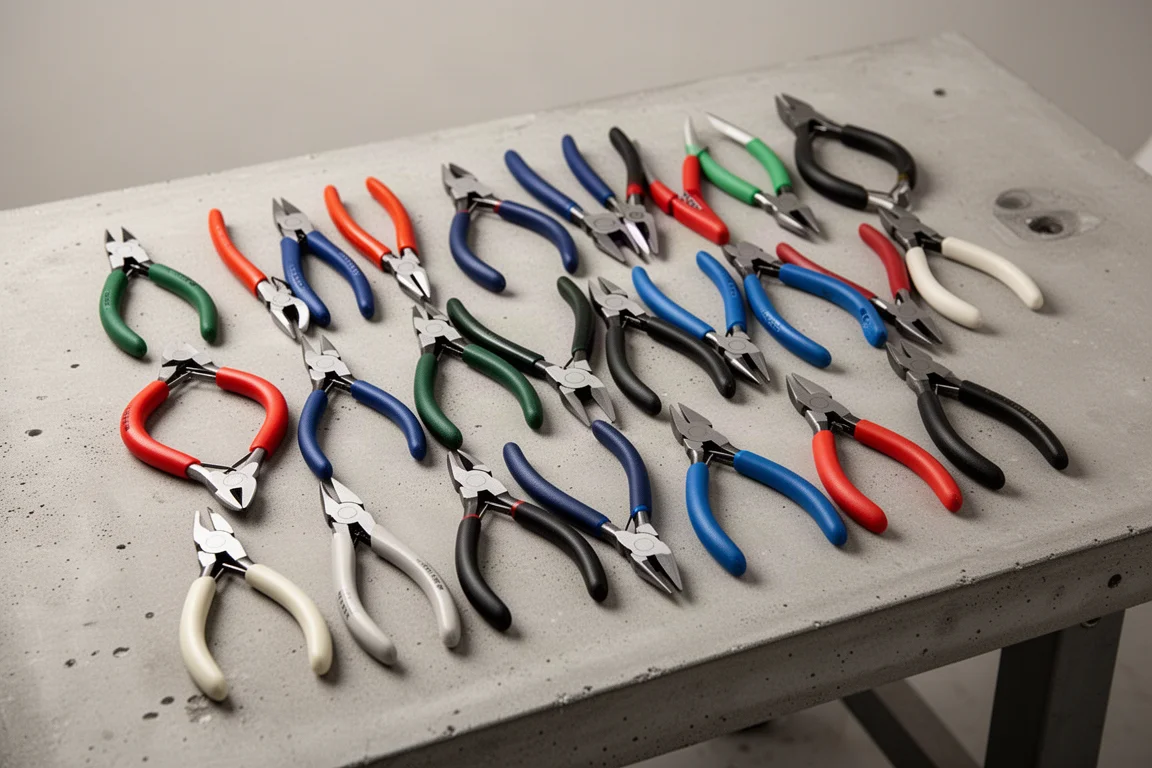
Best Diagonal Cutters 2026: 16 Pliers Tested for Cutting Power and Durability
We put 16 diagonal cutters through nail, screw, drill bit, and hex key tests to find the best value picks for your toolbox.
Hand Tools
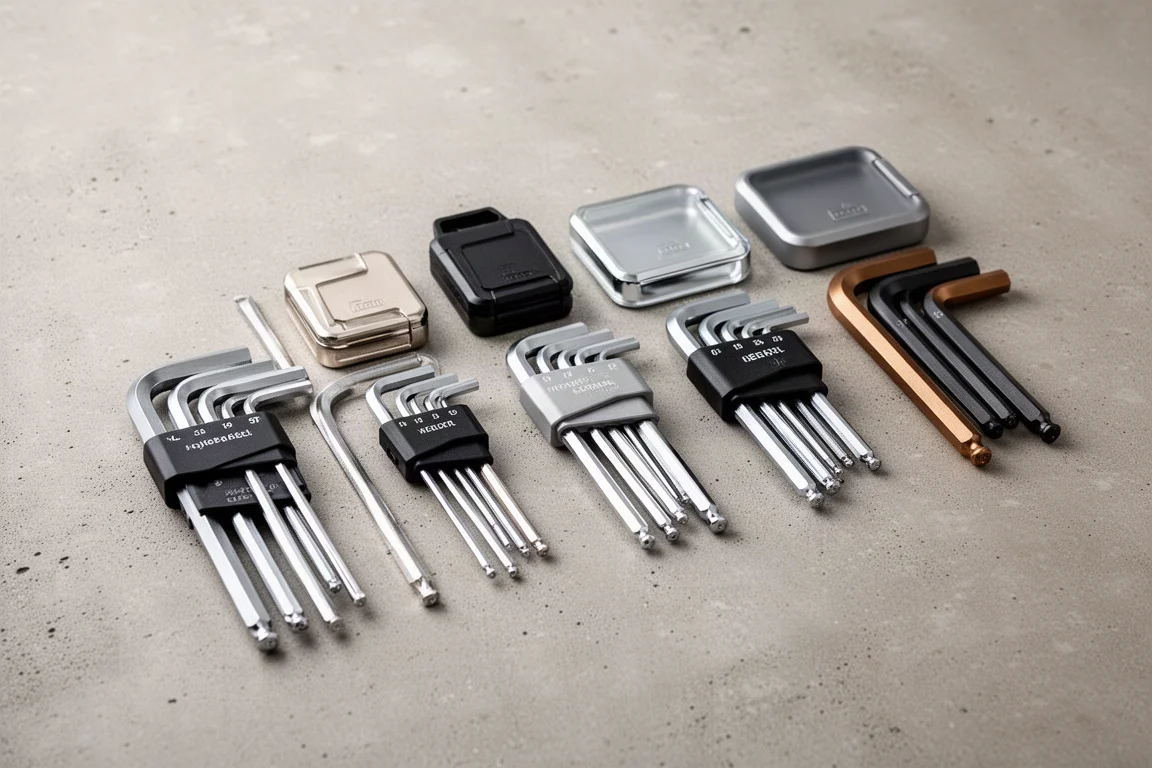
Best Hex L Key Sets 2026: Nine Sets Tested for Real-World Torque
Nine hex L key sets from budget to premium, tested for torque, fit, and durability. See which sets deliver real performance and which ones to skip.
Hand Tools
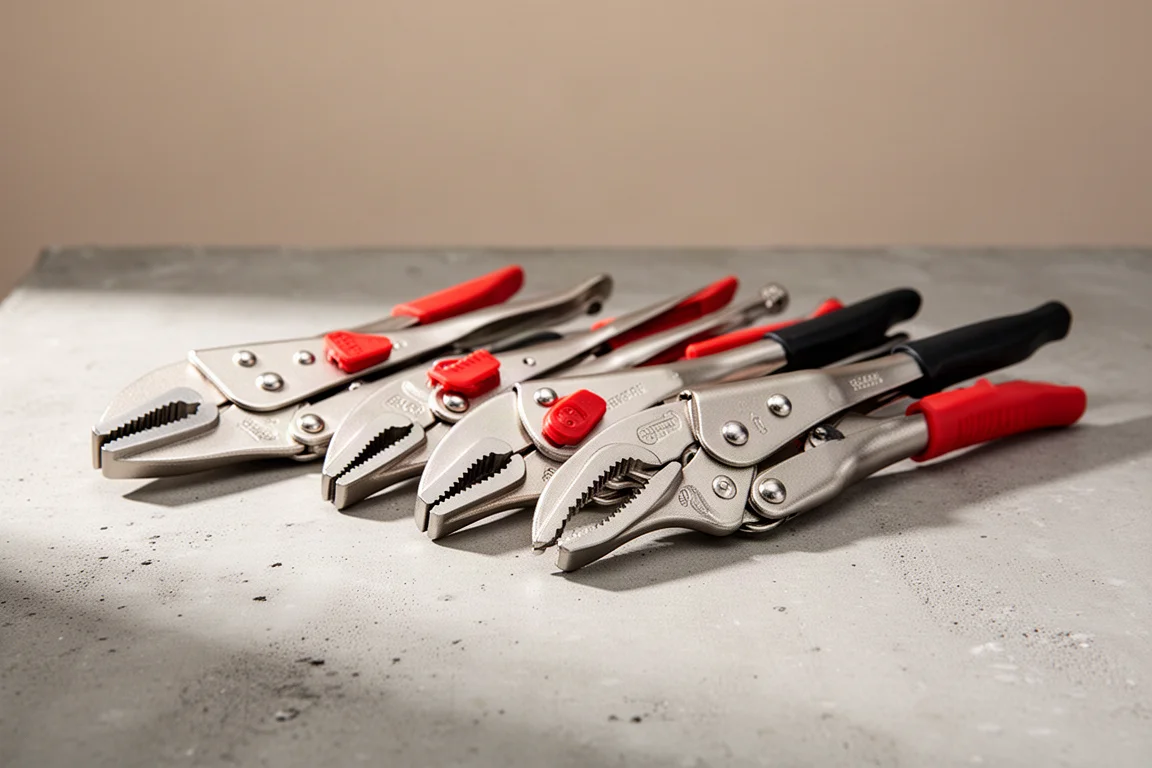
Best Locking Pliers 2026: Top Picks Tested for Grip and Durability
We tested 18 brands of 10-inch locking pliers for grip strength, jaw bite, build quality, and ease of release to find the best options for tough jobs.