Kitchen Knives
Best Chef's Knives: 26 Knives Tested and Compared
We put 26 popular 8-inch chef's knives through hands-on testing to find which ones are worth your money, from budget stamped blades to premium Japanese steel.
Introduction
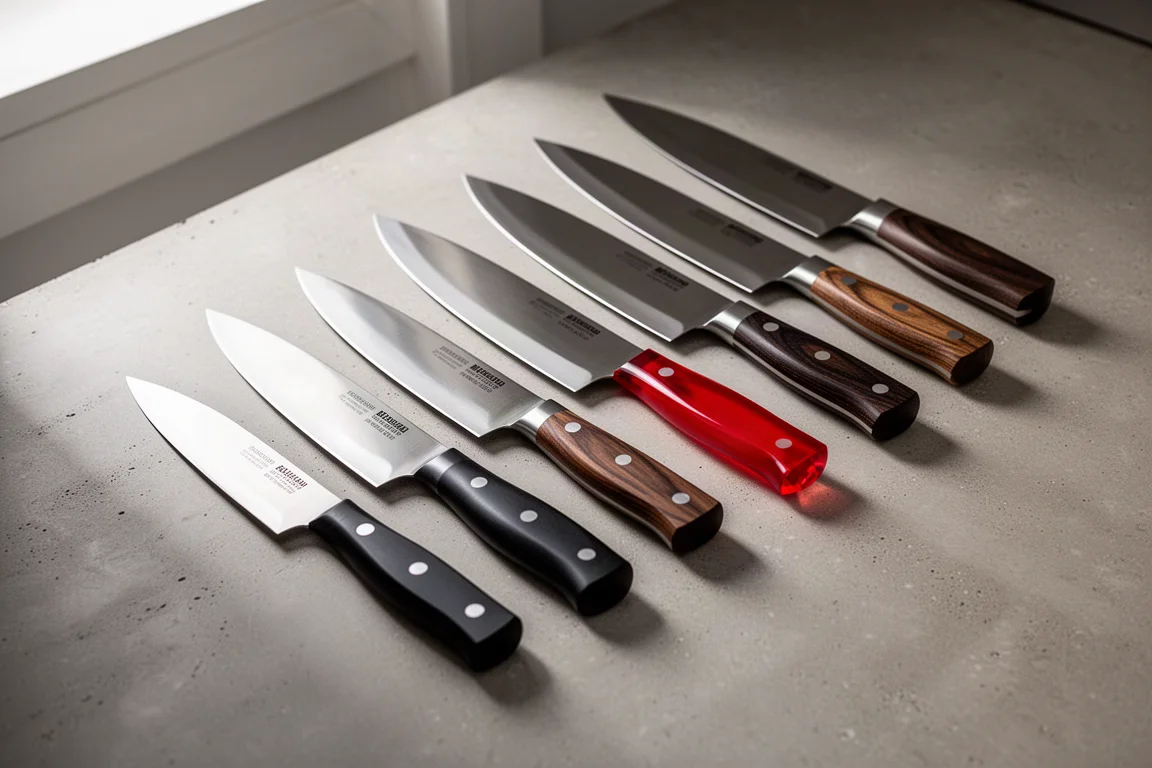
We tested 26 popular 8-inch chef’s knives, ranging from around $18 to $380, and covered the cheapest to the most expensive. This guide explains what we liked, what we didn’t, and whether each knife justifies its price. All the knives tested are sharp enough to cut through everyday ingredients, so the real deciding factors turned out to be handle design, weight, balance, and overall feel.
How We Evaluated Each Knife
Sharpness mattered less than you might expect. Every knife here can cut cleanly and all of them eventually dull and need re-sharpening. What separates a great chef’s knife from a mediocre one is how it feels in your hand: the grip, the balance point, the bolster, the choil, and the handle shape. Harder steel holds an edge longer, while softer steel is more durable and less prone to chipping, so we noted where each knife falls on that spectrum.
Budget and Entry-Level Picks
Henckels Solution
The Henckels Solution has a thin stamped blade and is very affordable, but you get what you pay for. It is blade heavy and unbalanced, the edge dulls relatively quickly, and the thin, sharp choil digs into your hand when you use a pinch grip. Skip it unless budget is your number one priority.
Caraway
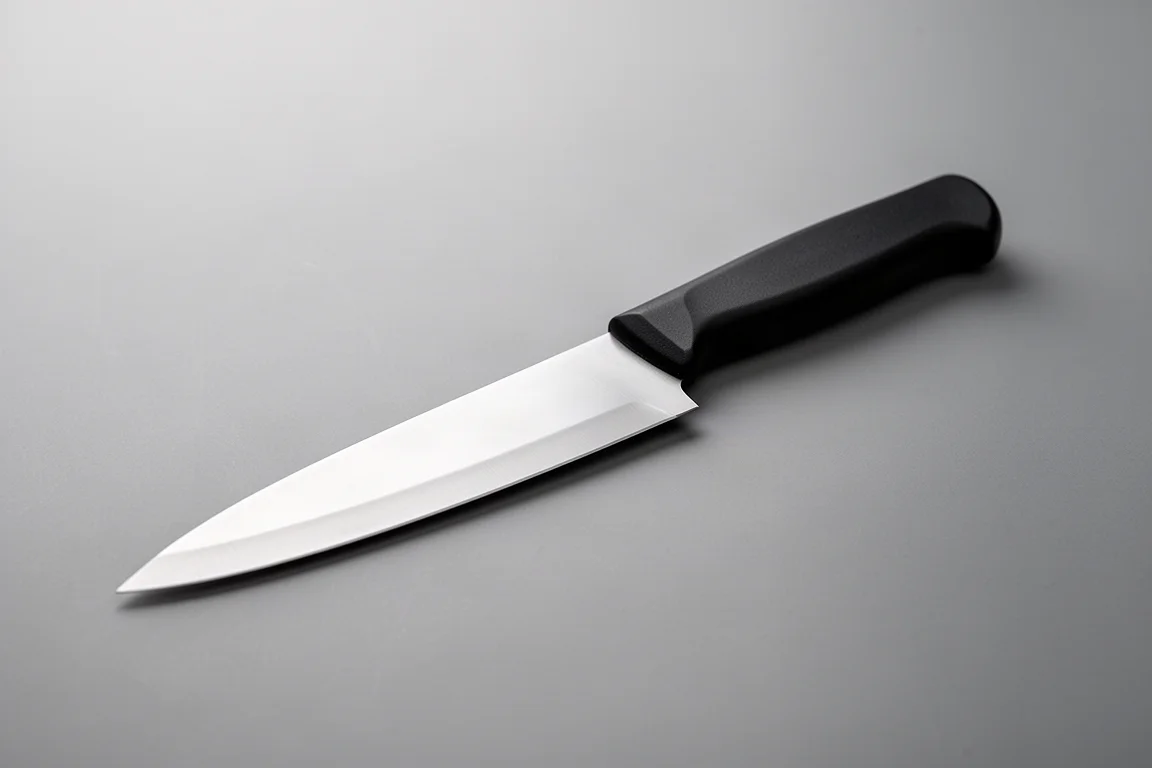
Like the Henckels Solution, the Caraway chef’s knife has a thin stamped blade that makes the pinch grip uncomfortable. The handle is completely straight and flat on top, so it is not the most ergonomic design, and the plastic handle looks and feels cheap. It is not available individually; it comes as part of Caraway’s Prep and Knife Sets. Unless you love one of the handle colors, pass on it.
Ninja Foodi Premium
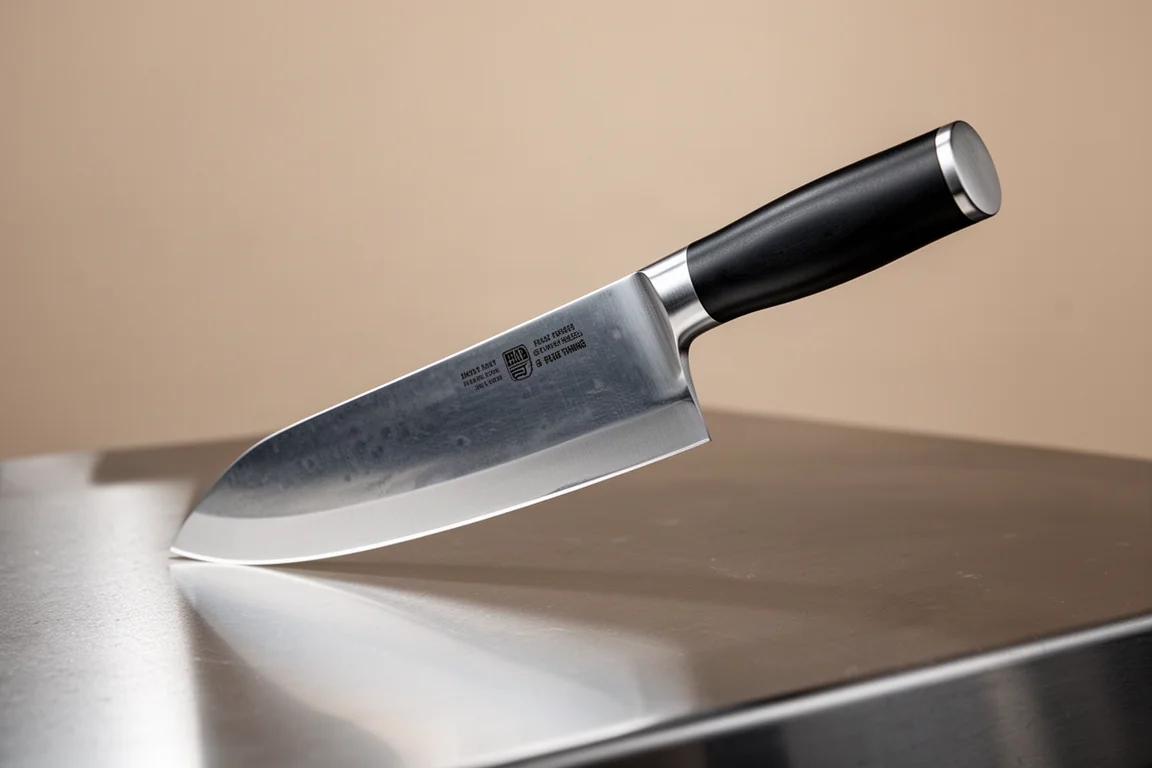
The Ninja Foodi Premium is a heavy-duty knife with a forged blade, full tang, and steel end cap. It is well balanced, and the half bolster provides a comfortable pinch grip. The handle is thick with a wide circumference, so it suits cooks with large hands or anyone who wants a handle that fills the palm. Overall, it is a decent knife at an excellent price, though the logo engraving and some imperfections where the plastic meets the steel are minor blemishes.
Victorinox Swiss Classic
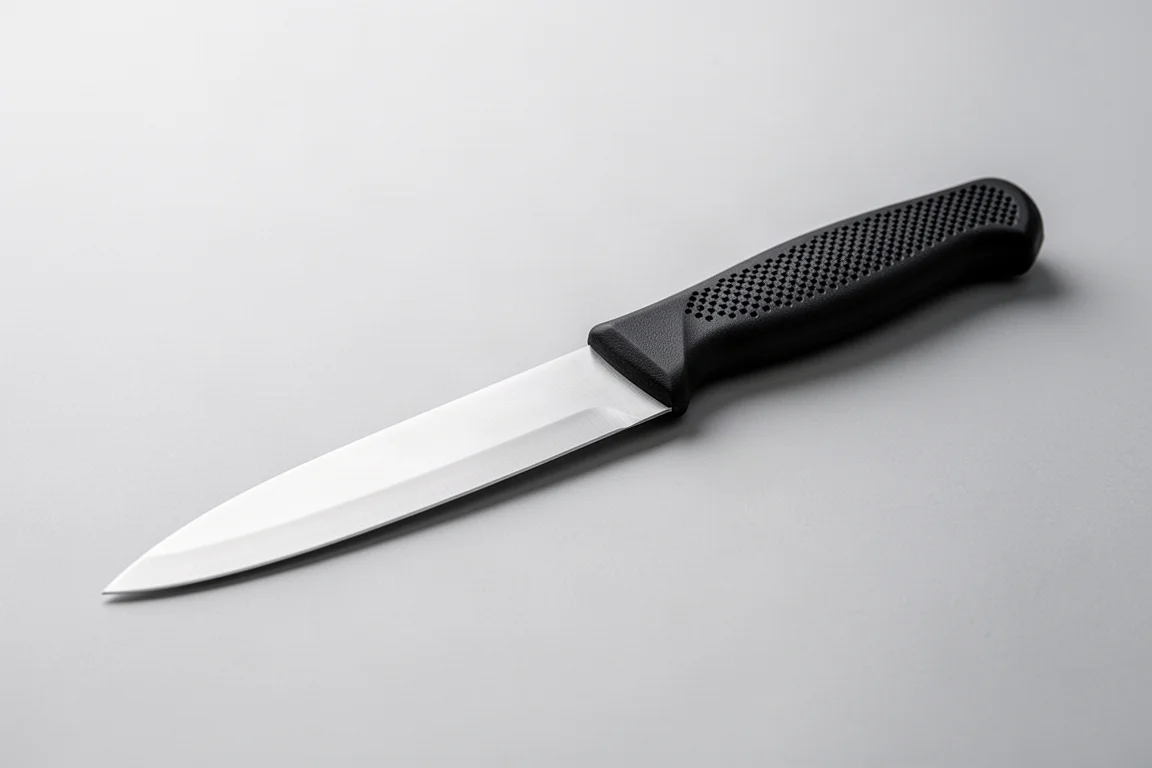
At a little under 6 ounces, the Victorinox Swiss Classic is one of the lightest knives tested, so you can use it for long periods without fatigue. The black plastic handle has a grippy texture that prevents slipping even when your hands are wet. The main downside is relatively soft 56 Rockwell steel, so the edge dulls faster than harder knives. It is not the prettiest knife, but it is functional, durable, and cheap, which is why it is a favorite in many restaurant kitchens.
Misen
The Misen has a slim but not extreme blade profile with a slight edge curve for rocking, though it is straighter than traditional Western knives, so more of the edge contacts the board when chopping up and down. The curved bolster provides a comfortable resting spot for the pinch grip. The main downside is the squared edges at the end of the handle, which can dig into your hand if you are not choked up on the blade.
Mid-Range Standouts
Cangshan Helena Rocking
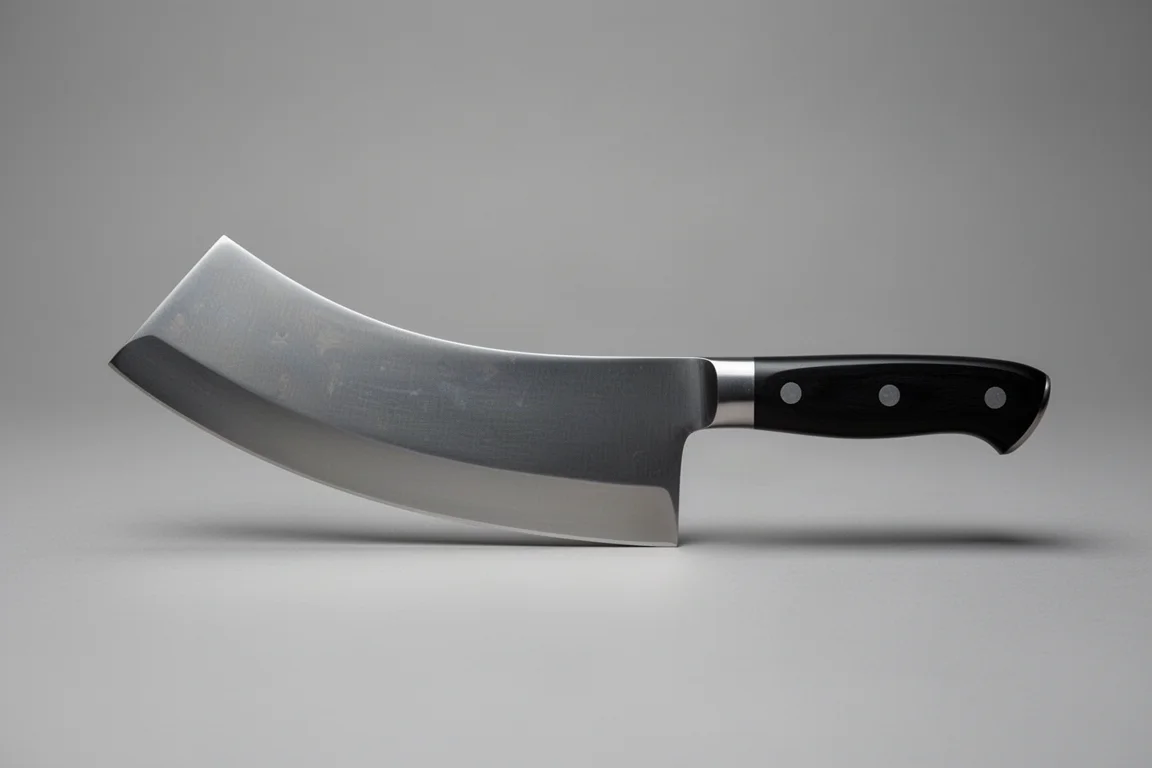
The Cangshan Helena Rocking has a steeply curved edge that is ideal for rocking cuts, but it also has one of the thickest blades tested and is the heaviest knife in this guide. The weight sits mainly in the blade, which works fine for rocking since you are not lifting the knife, but it feels unbalanced when chopping up and down. Choose it if you want a heavy, durable knife for rock chopping; it is not designed well for other techniques.
Dalstrong Phantom
The Dalstrong Phantom is another lightweight knife with a thin blade profile, which makes it nimble, but there is less knuckle clearance and the blade is too thin to scoop ingredients. The Pakkawood handle with a red stripe and mosaic stands out, but its D-shape can feel awkward for left-handed cooks. The bigger problem is the prominent curve on the choil, which comes to a sharp point and can poke you when reaching for the knife.
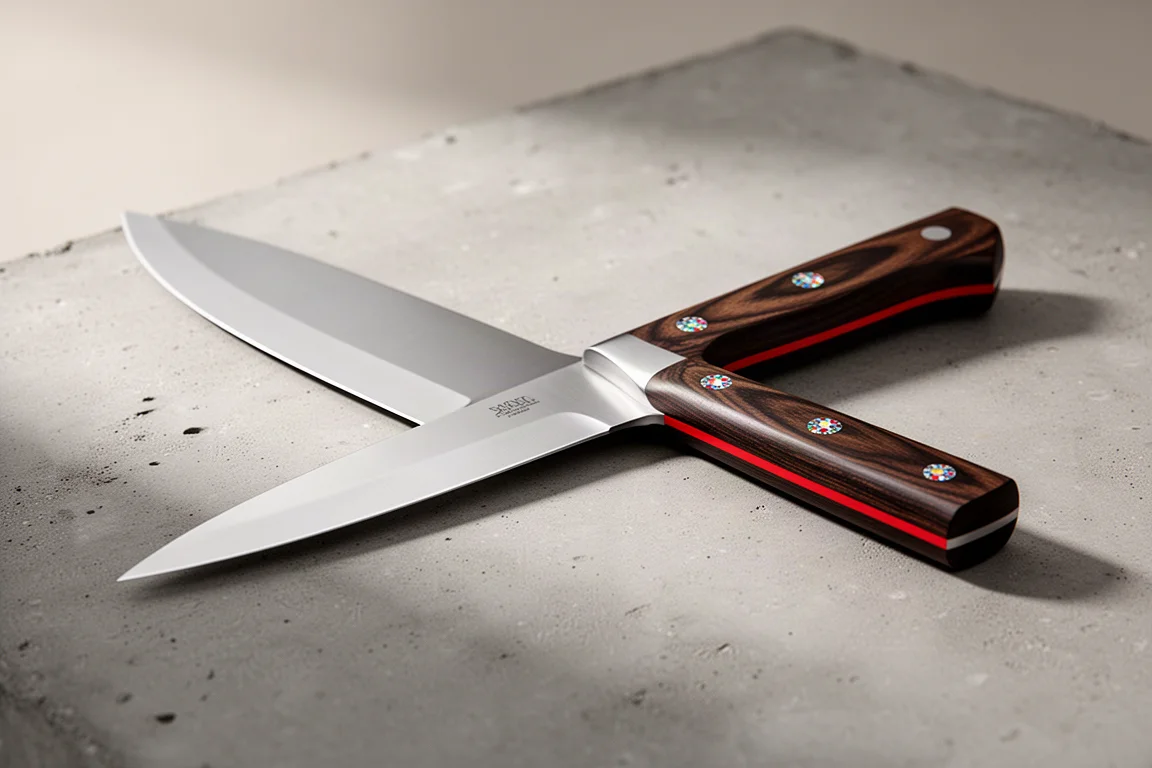
Lamson Vintage
The Lamson Vintage is a beautiful American-made knife with a long walnut handle, glossy polished tang, and two large brass rivets. The relatively thin handle makes it a good option for smaller hands, and the weight and balance feel natural. The choil and spine are smooth, so there are no sharp edges during the pinch grip. The only real downside is that a wood handle is less durable than synthetic options and can scratch or dent if you are not careful.
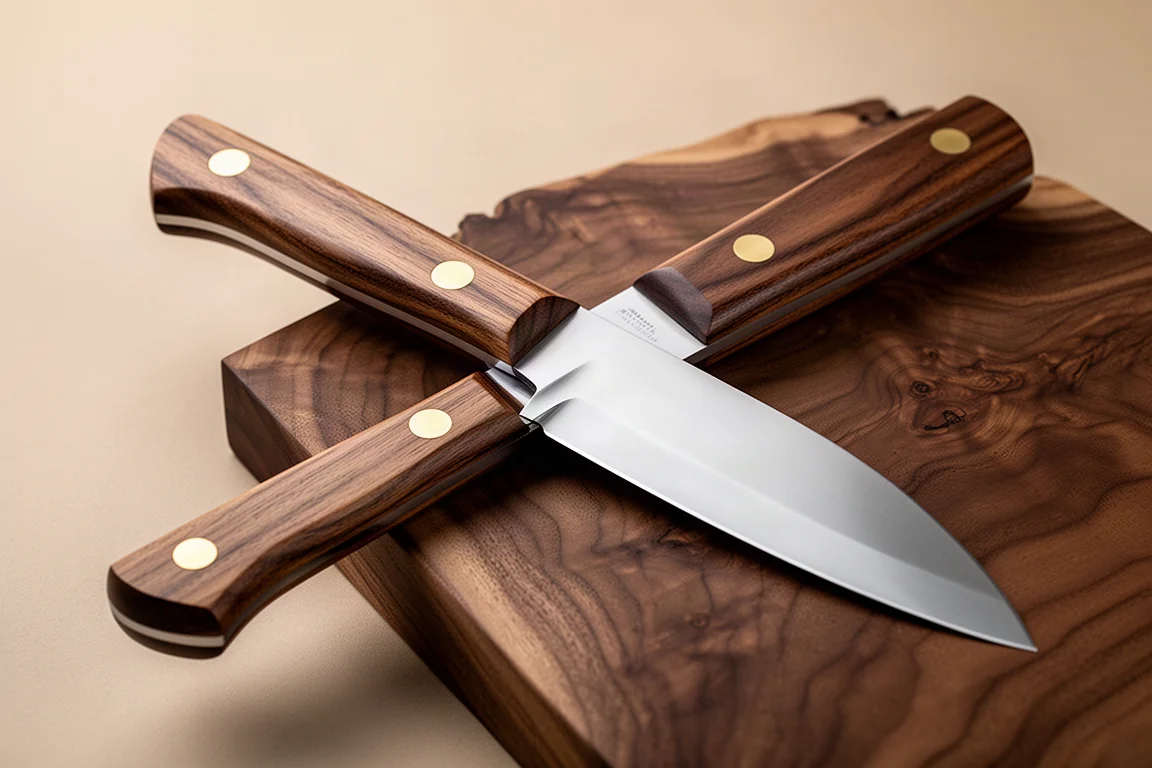
HexClad
The HexClad chef’s knife has a very narrow blade profile, just 1.7 inches from spine to heel, which makes it agile but leaves little room between your knuckles and the cutting board. The green-dyed PakkaWood handle also fades over time with washing. It is not the best knife for dense ingredients like squash, but the thin blade works well for fruits, vegetables, and other small ingredients.
Zwilling Four Star
The Zwilling Four Star is the most affordable and lightest of the three Zwilling knives here. It has a classic Western blade profile, but that is the only highlight. The handle is bulky, the knife is blade heavy and unbalanced, the edges of the bolster stick into your hand during a pinch grip, and the squared butt end is clunky. It is a decent price for a German-made forged knife, but it is the least impressive Zwilling tested.
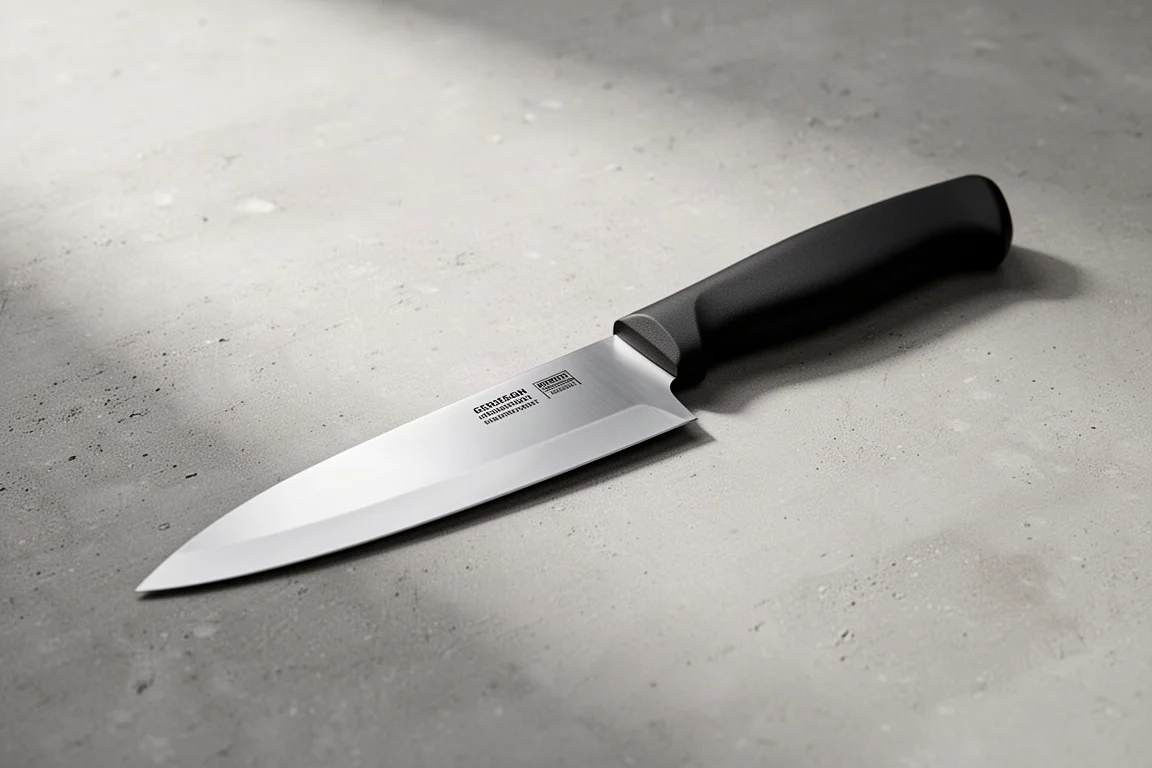
Wusthof Gourmet
The Wusthof Gourmet is the cheaper version of the Wusthof Classic. The handle design and lightweight feel are great, and it is sharp out of the box, but the softer steel dulls quicker, and the thin stamped blade struggles with dense ingredients. If you love the look of the Classic but it is out of your price range, the Gourmet is a decent alternative, though in this price range there are better options, including forged knives.
Made In
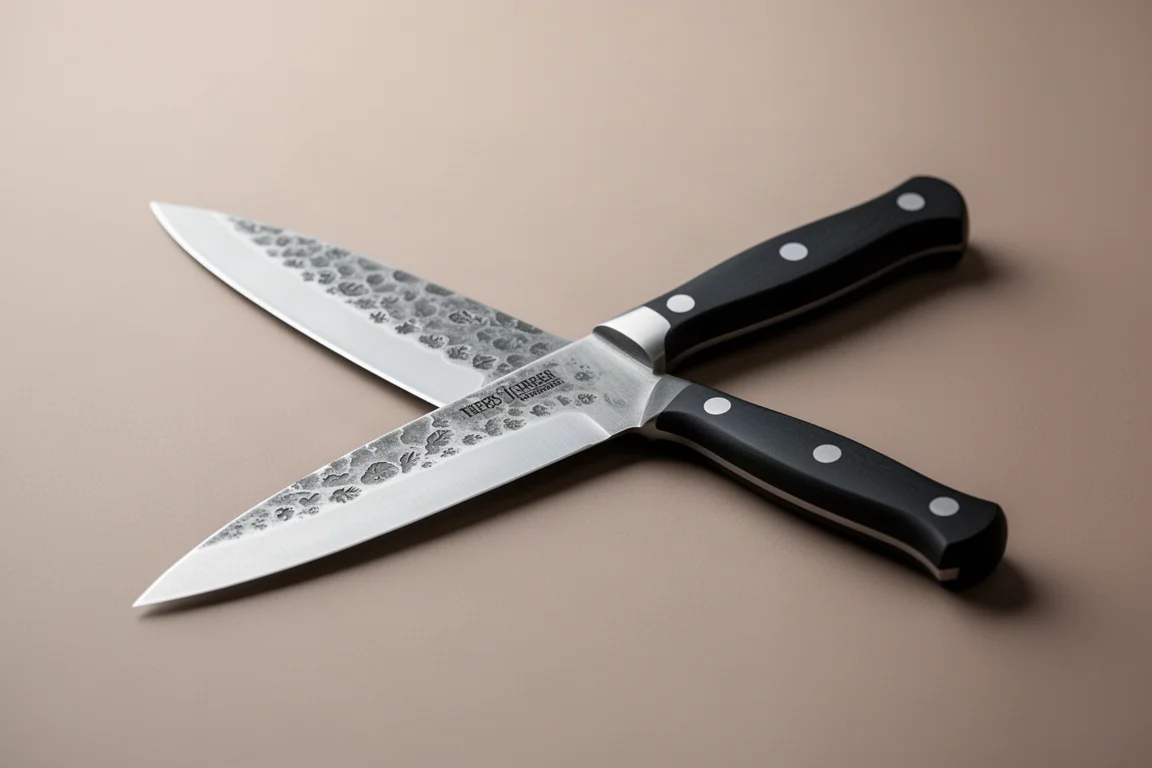
The Made In chef’s knife has good heft and is balanced right in the center where the handle and blade meet. The wide blade provides plenty of knuckle clearance and is great for smashing garlic cloves and scooping ingredients. The trade-offs are that it is not the most nimble knife and can feel unwieldy if you are used to lighter, narrower blades, and the handle is set back too far from the blade, so you do not hold much handle during the pinch grip.
Dalstrong Shogun
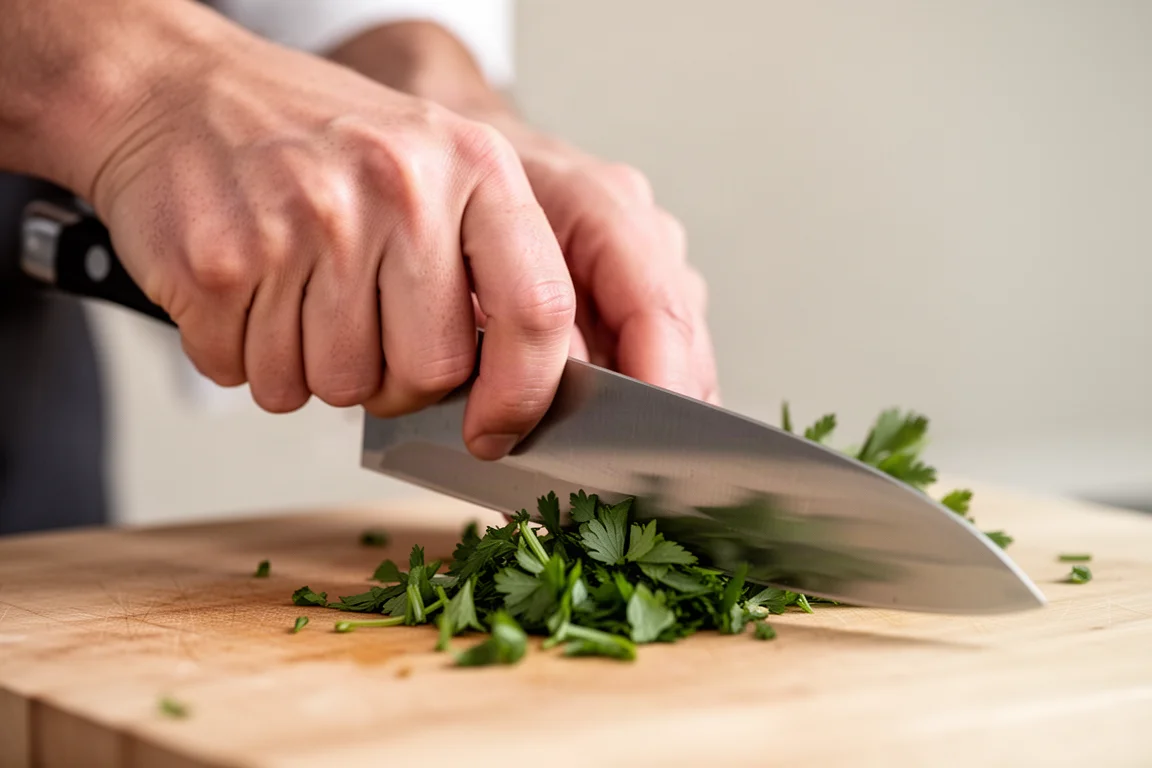
The Dalstrong Shogun is one of our go-to chef’s knives. The handle length and thickness fit the hand well, the bolster has a gradual slope, and the heel of the blade sits close to the handle for a comfortable, controlled grip. The blade is wide at the heel and tapers to a thin tip, so it handles both small and large ingredients, and the very hard steel holds an edge well.
Cangshan Yari
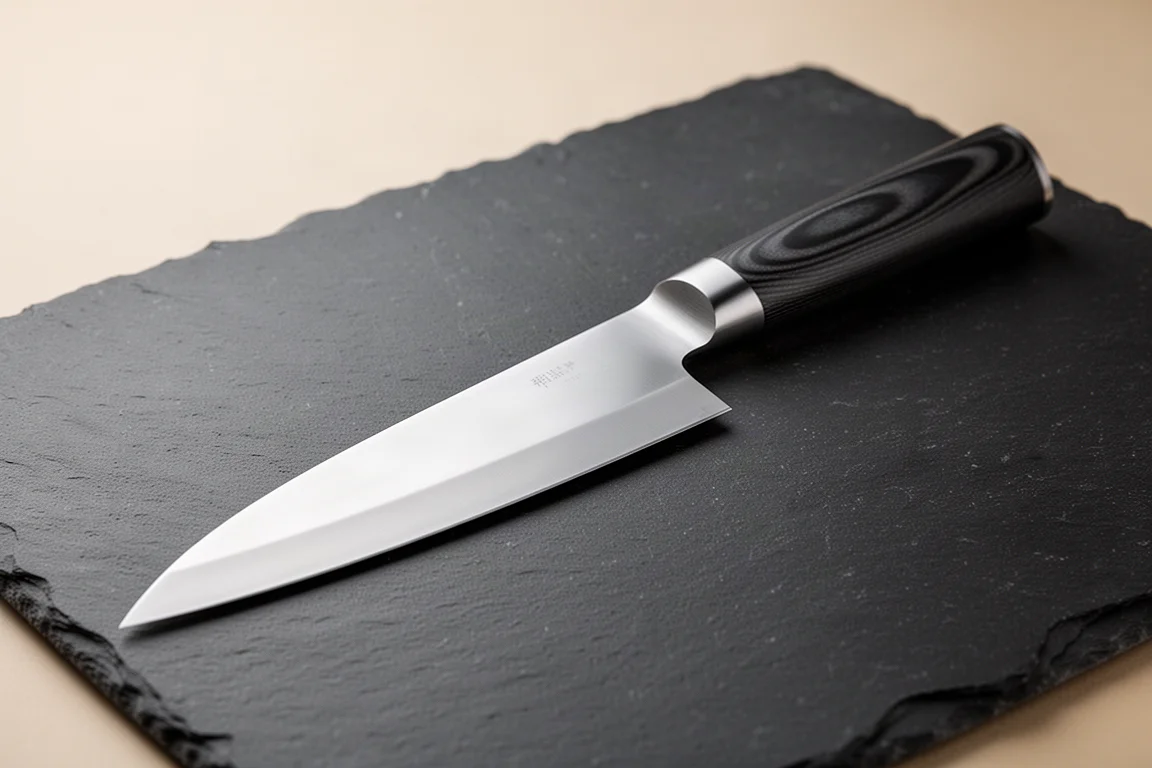
The 7-inch Cangshan Yari has a subtle Damascus pattern on the blade and thoughtful handle details, with an octagonal handle that provides a secure grip. The hard X-7 steel retains its edge well. This knife is ideal for chopping vegetables and slicing fish, but if you prefer rocking cuts and cook a lot of meat, root vegetables, and dense ingredients, a more traditional chef’s knife with a curved edge and wider profile will serve you better.
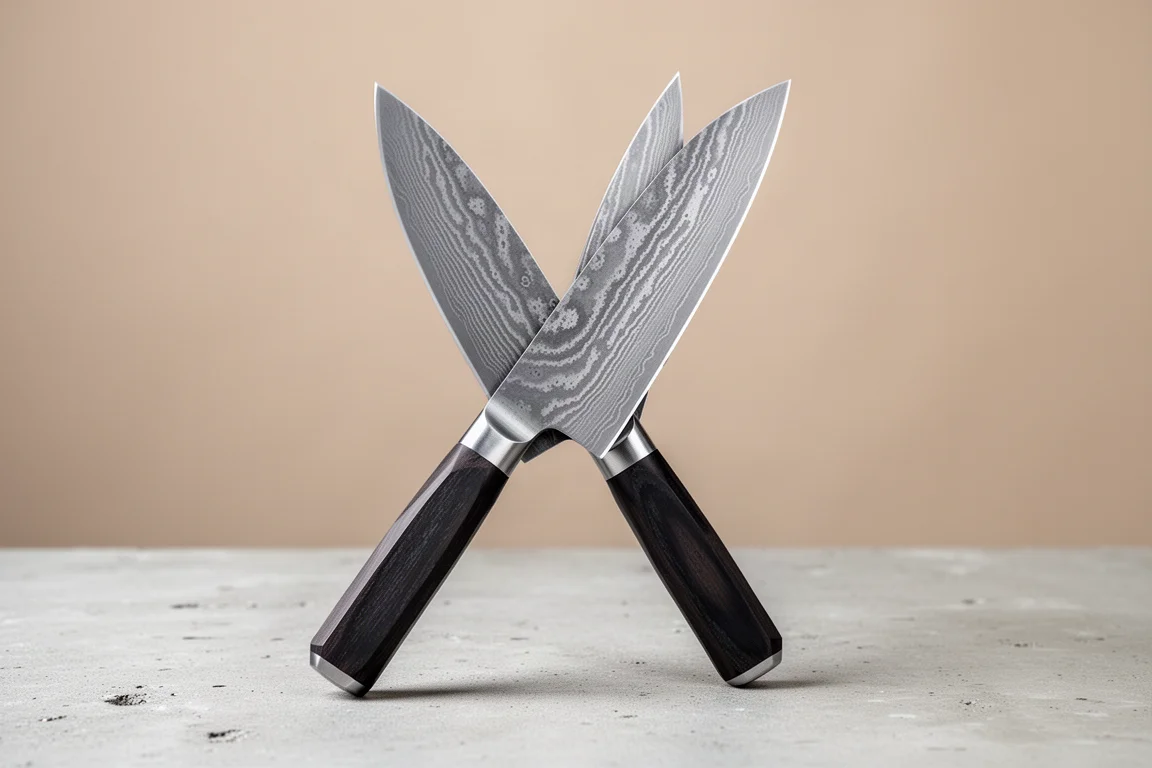
Cangshan Haku
The Cangshan Haku uses the same steel as the Yari, so you get the same edge retention, but the blade is an inch longer with a curved edge. It is lightweight, well balanced, and has a beautiful African blackwood handle. There is little to criticize other than a relatively slim blade profile that is close to the HexClad in narrowness.
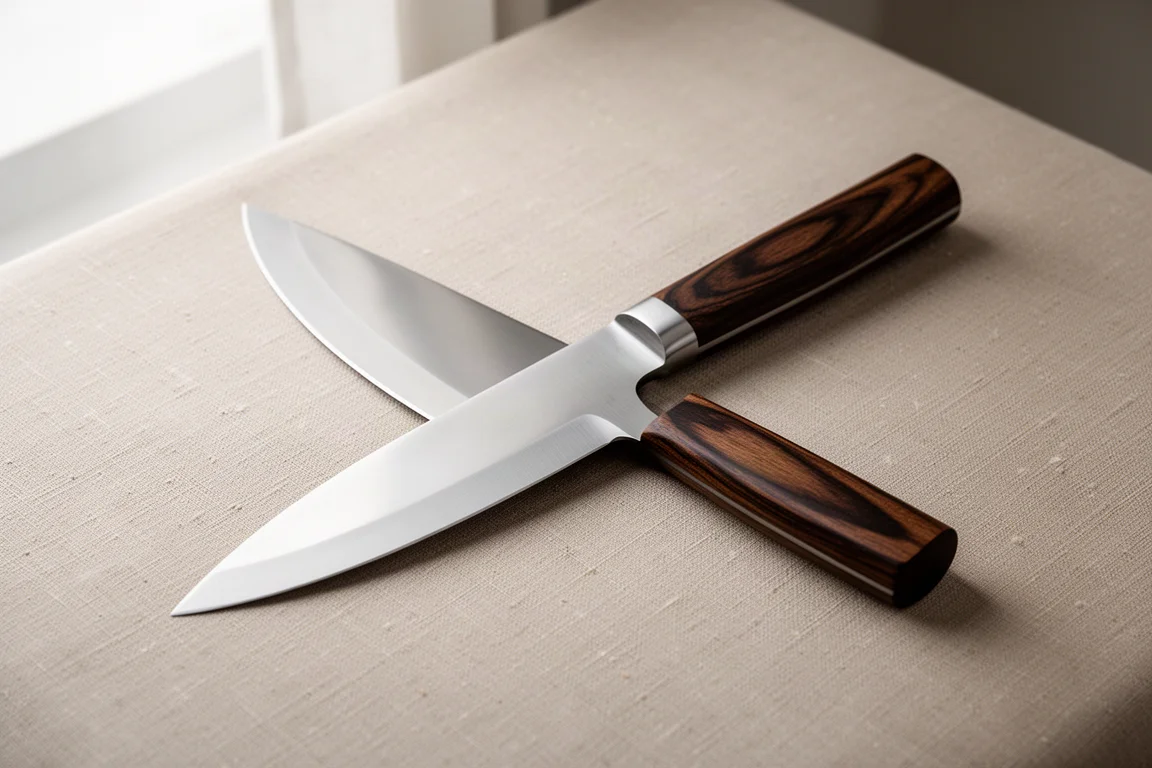
Lamson Premier Forged
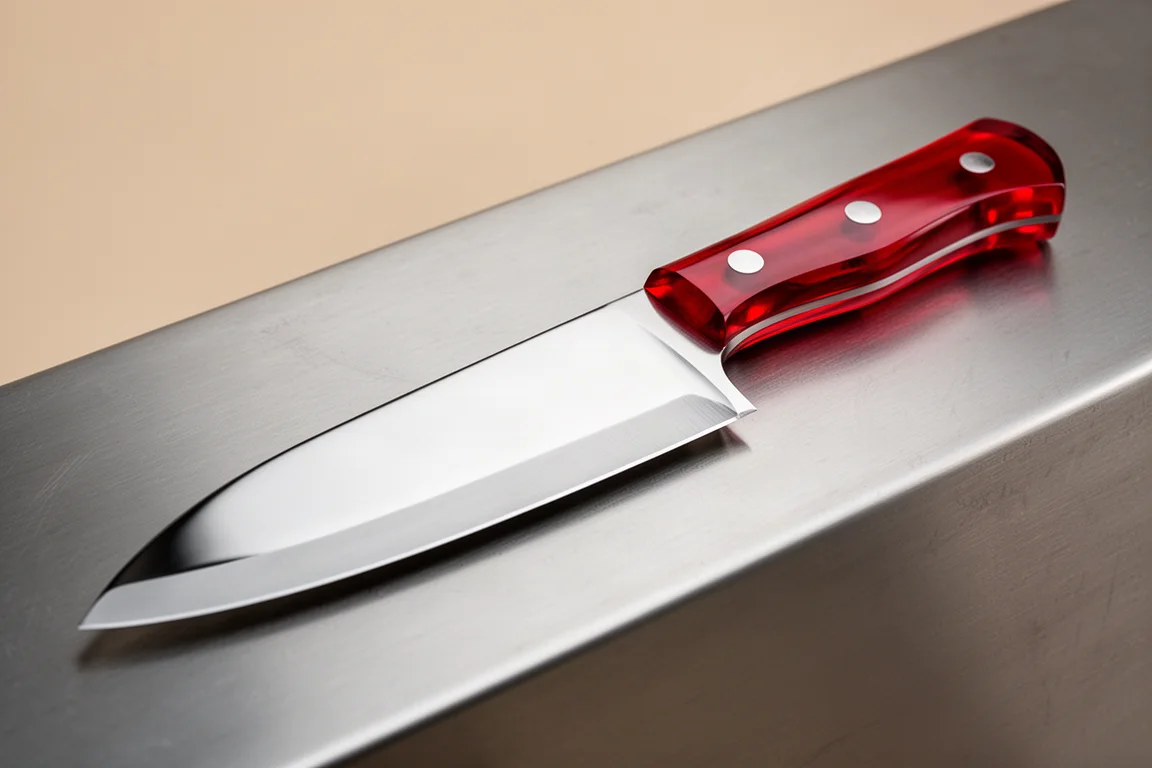
Made in Massachusetts, the Lamson Premier Forged has a highly polished finish and, in this version, a striking red acrylic handle with three large rivets. At 9.6 ounces it is one of the heaviest knives tested, but the weight is evenly distributed so it does not feel heavy in use. The full bolster edges are smoothed better than most, so pinching the blade does not hurt. Downsides: fingerprints and smudges show on the polished blade, and the shiny smooth handle gets slippery when wet or greasy. A striated wood handle version is also available; both are good, but the red handle is more eye-catching.
Premium German and Japanese Knives
Zwilling Pro
Instead of extending the bolster down to the edge, the Zwilling Pro uses a sloped bolster with a gradual transition from handle to blade. It is thicker, transitions more gradually, and extends further up the blade than other brands’ sloped bolsters, so even when you choke up and pinch the blade, the handle fills your palm for a secure grip. It is the most comfortable knife tested for the pinch grip. The main downside is the blade profile: the straight spine and prominent belly curve put the tip higher than most knives, so dicing an onion or making precise tip cuts requires angling the knife much higher.
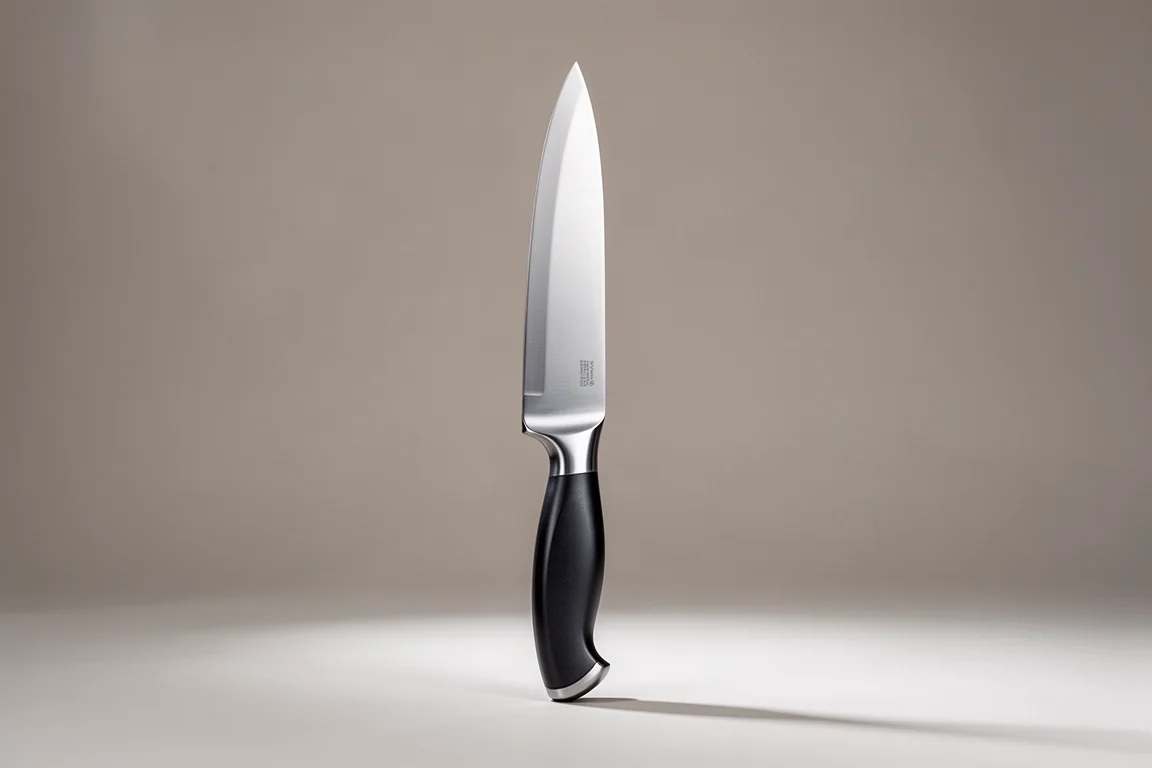
Zwilling Professional S
The Zwilling Professional S uses the same materials as the Zwilling Pro but with a full bolster and a traditional blade profile. It is a solid German workhorse with an appealing black riveted handle. However, like the Four Star, the edges of the bolster are sharp and can be painful if you press against them for long periods.
Victorinox Grand Maitre
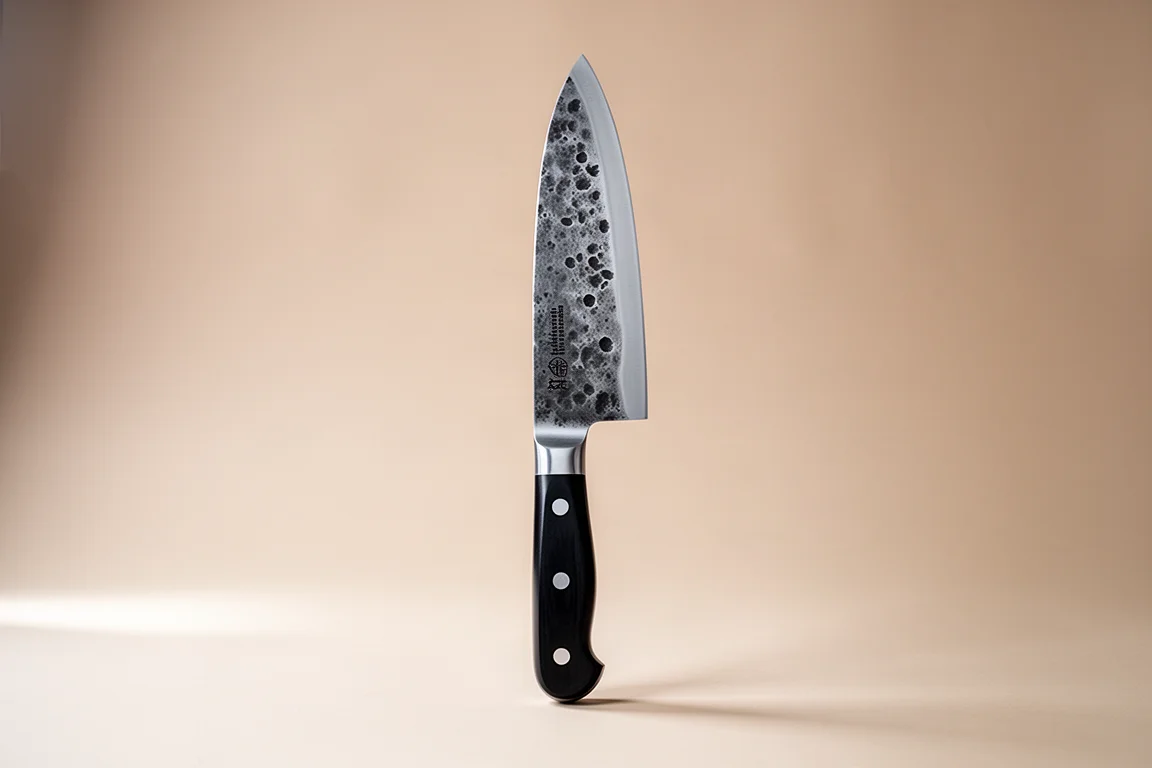
The Victorinox Grand Maitre has a beautiful contoured maple handle that fits nicely in the hand, good heft, and a balance point right at the bolster so it does not feel too heavy. It is an elegant-looking knife, but the heel of the blade sits a bit too far from the handle, so you are not holding much of the handle during a pinch grip. Like the Swiss Classic, the blade steel is on the softer side, so plan to sharpen it more often.
Wusthof Classic
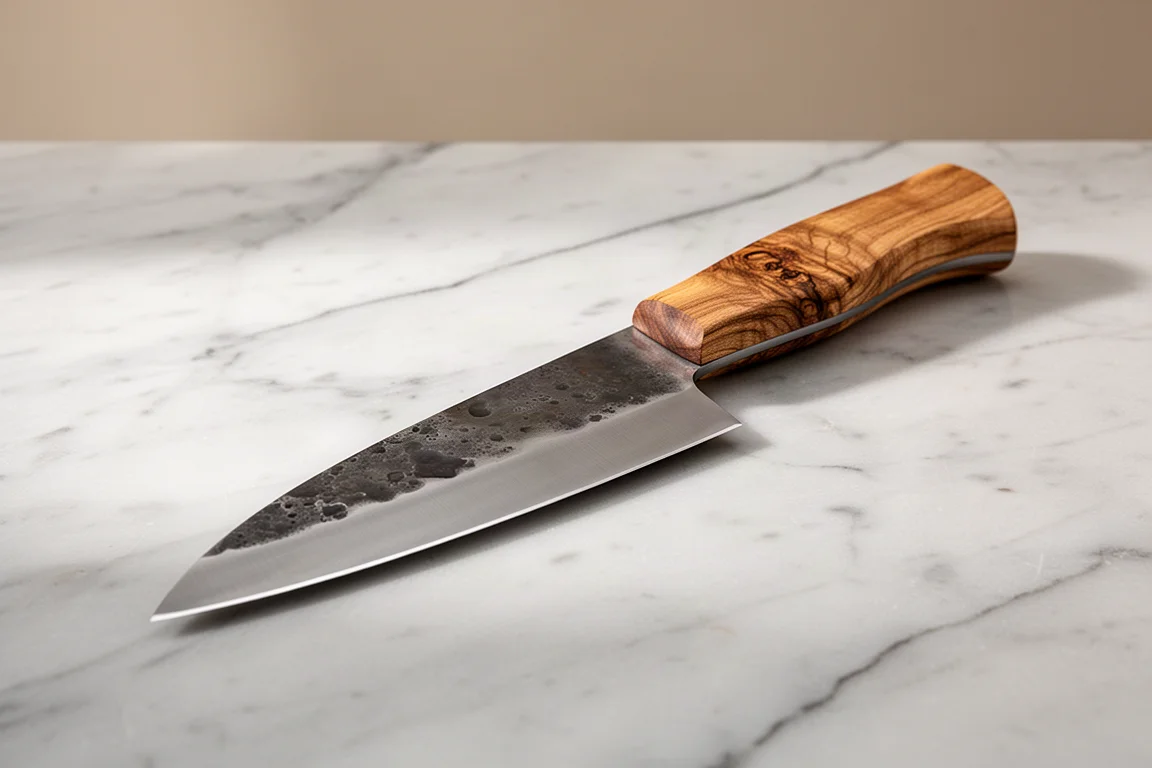
The Wusthof Classic looks and feels almost exactly like the Zwilling Professional S, but the handle is slightly flatter from side to side, the curve at the end is less drastic, and the bolster edges are less sharp. The handle fits nicely in the hand without being too thick or thin, and the blade profile is a happy medium, not too wide like the Cangshan Helena or Made In and not too narrow like the Dalstrong Phantom or HexClad. The biggest downside is price: you can get similar blade and handle materials from brands like Ninja for a fraction of the cost.
Cutco
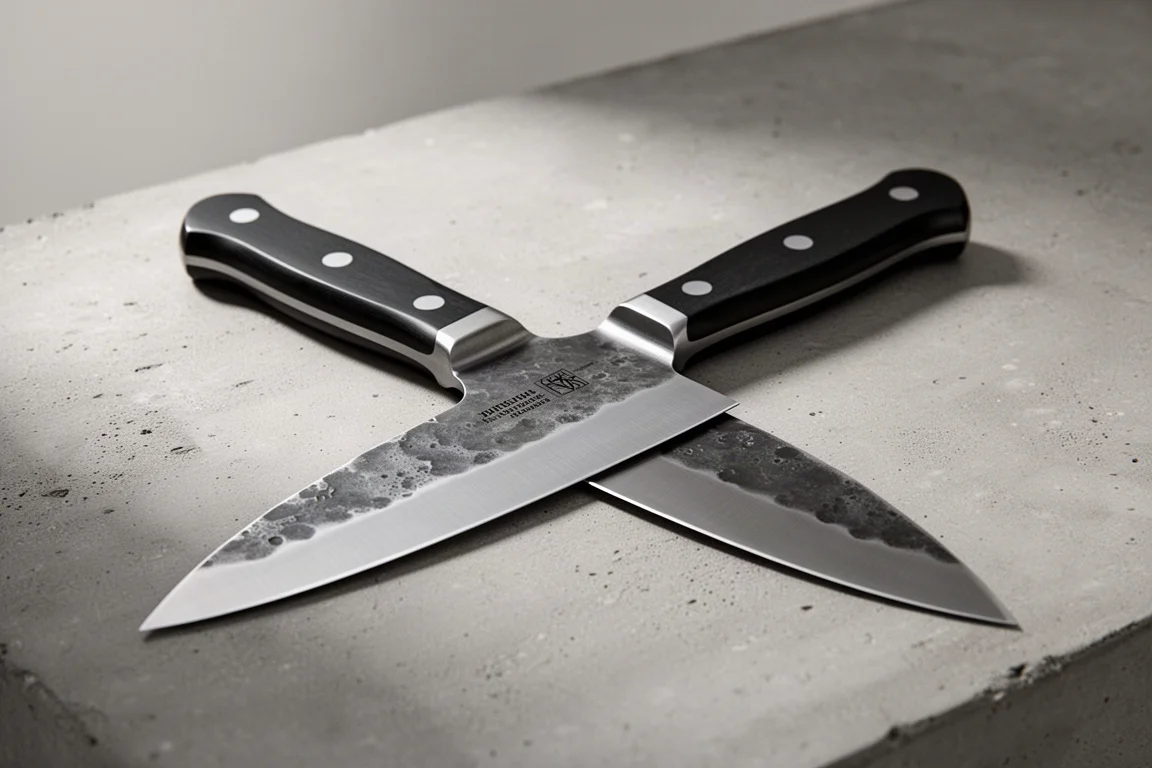
The Cutco chef’s knife has a unique Wedge-Lock handle with a wavy pattern that is supposed to fit more comfortably in the hand. Some people love it and some hate it; it is okay, but all else equal, a more traditional handle is preferable. It is made in New York and is fairly expensive, so it is only worth buying if you love the handle.
MAC MTH-80
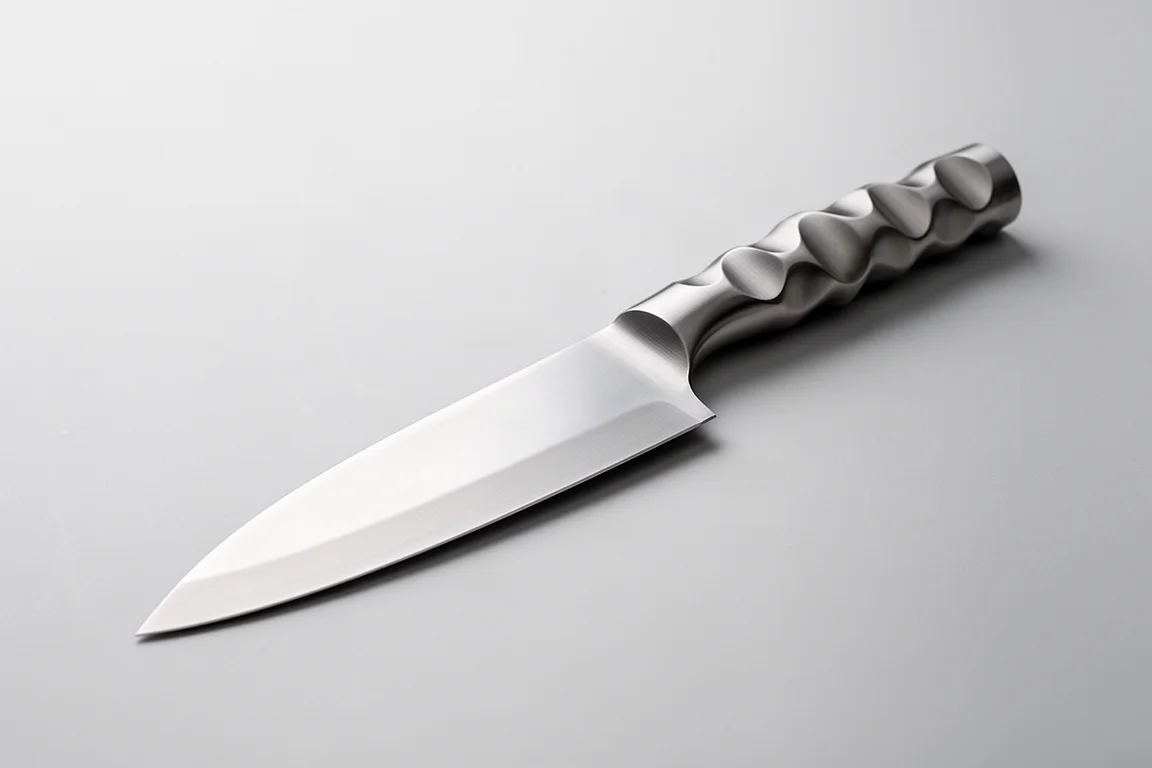
The MAC MTH-80 has a strong reputation as a best-in-class chef’s knife, and hands-on testing generally supports that assessment. This Japanese knife is lightweight, agile, and comfortable to hold, with a blade profile that balances Western and Japanese designs. It has just enough curve for rock chopping but is flatter than most Western chef’s knives, so you get cleaner cuts when chopping up and down. The one complaint: the handle is relatively short at 4.5 inches, so cooks with large hands may find it cramped.
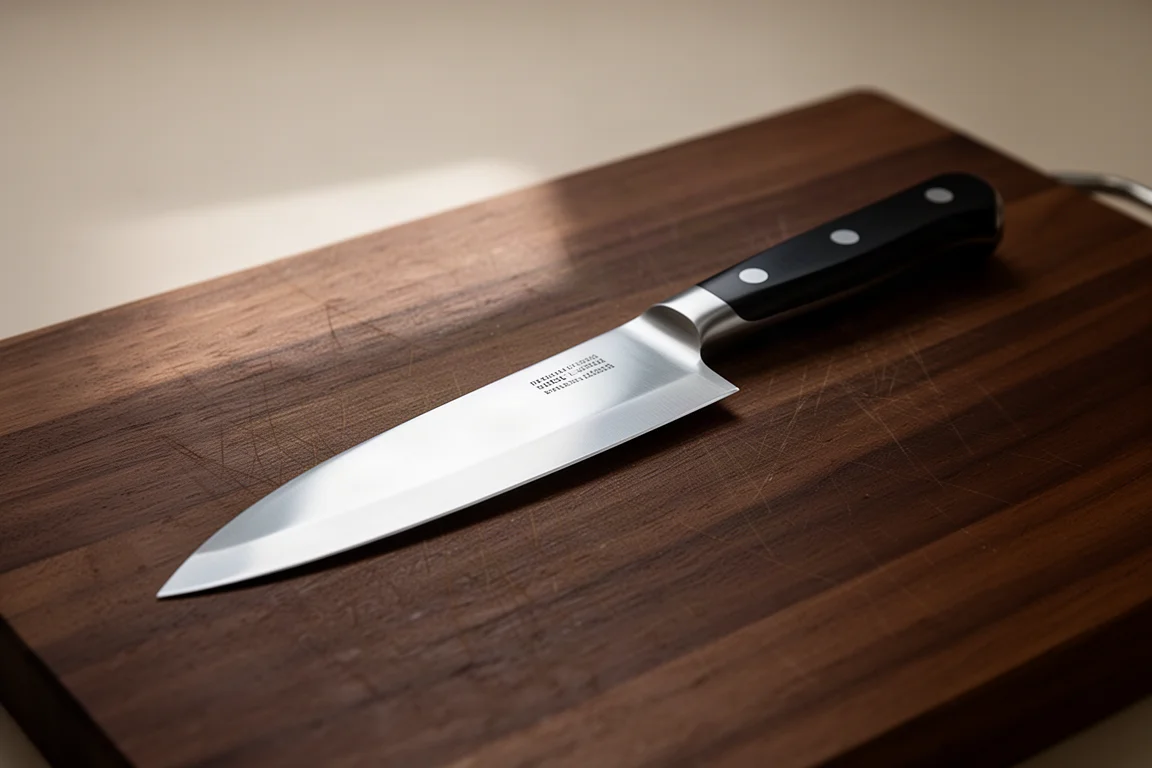
Cangshan Thomas Keller Collection
Designed in partnership with Michelin-starred chef and restaurateur Thomas Keller, this knife is one of the most well balanced tested, with excellent edge retention thanks to extremely hard powdered steel. The downsides: the handle is an awkward shape, much taller than it is wide, there are uneven gaps where the plastic and steel meet, and it is the most expensive China-made knife in this comparison by a noticeable margin.
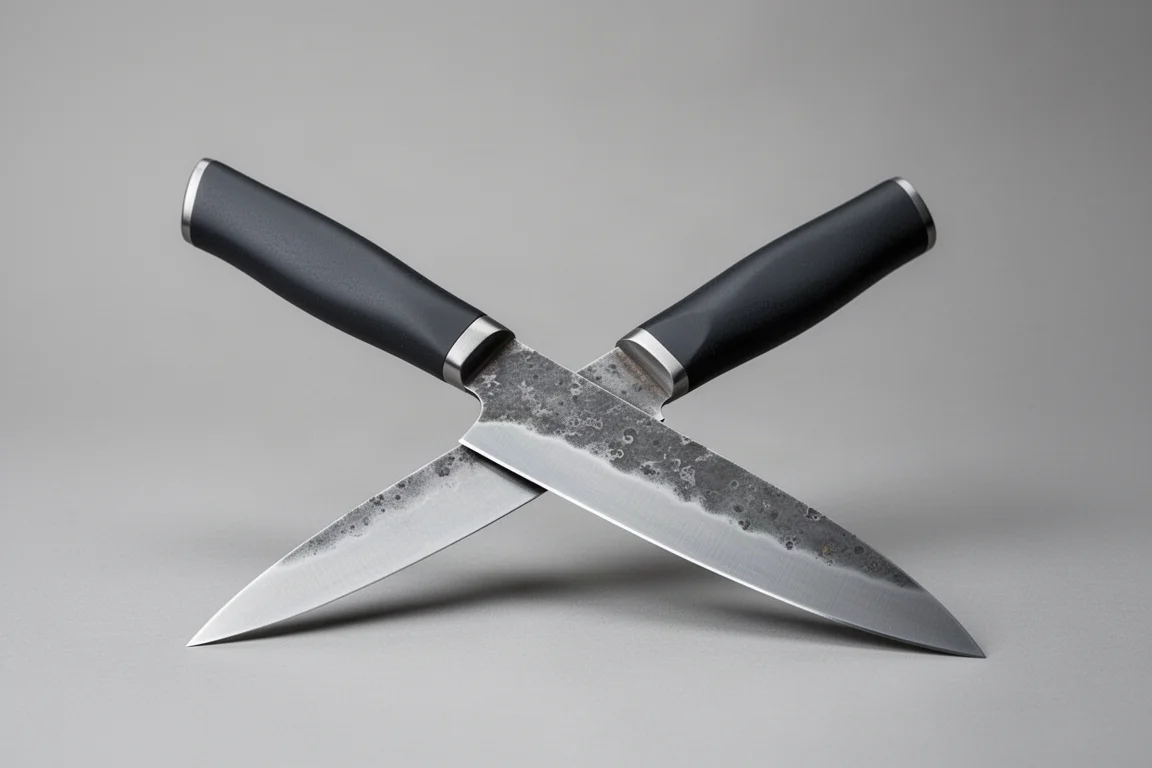
Wusthof Classic Ikon
If you like German-style knives but dislike the bolster on the Wusthof Classic or the high tip on the Zwilling Pro, the Wusthof Classic Ikon is a good option. It has the same blade profile as the Classic with a tapered bolster and a longer handle with a gentler curve. Because of the long handle and steel end cap, it is back-heavy, with the balance point about an inch behind the blade, which can feel awkward at first if you are used to blade-heavy or center-balanced knives.
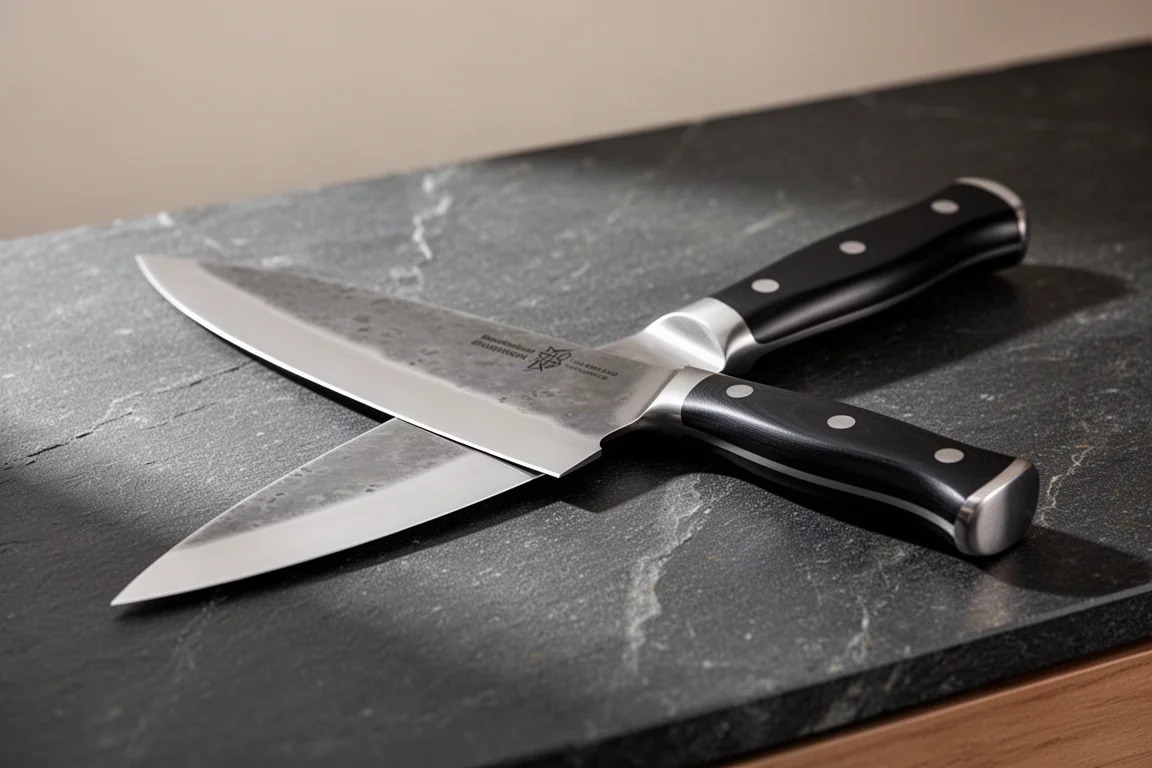
Shun Classic
The Shun Classic is a beautiful knife, with a wavy Damascus blade and dark PakkaWood handle with subtle wood grains. It cuts incredibly well and stays sharp for a long time thanks to its hard VG-Max steel. Note that hard steel is prone to chipping if you use it on hard ingredients like bones or frozen food.
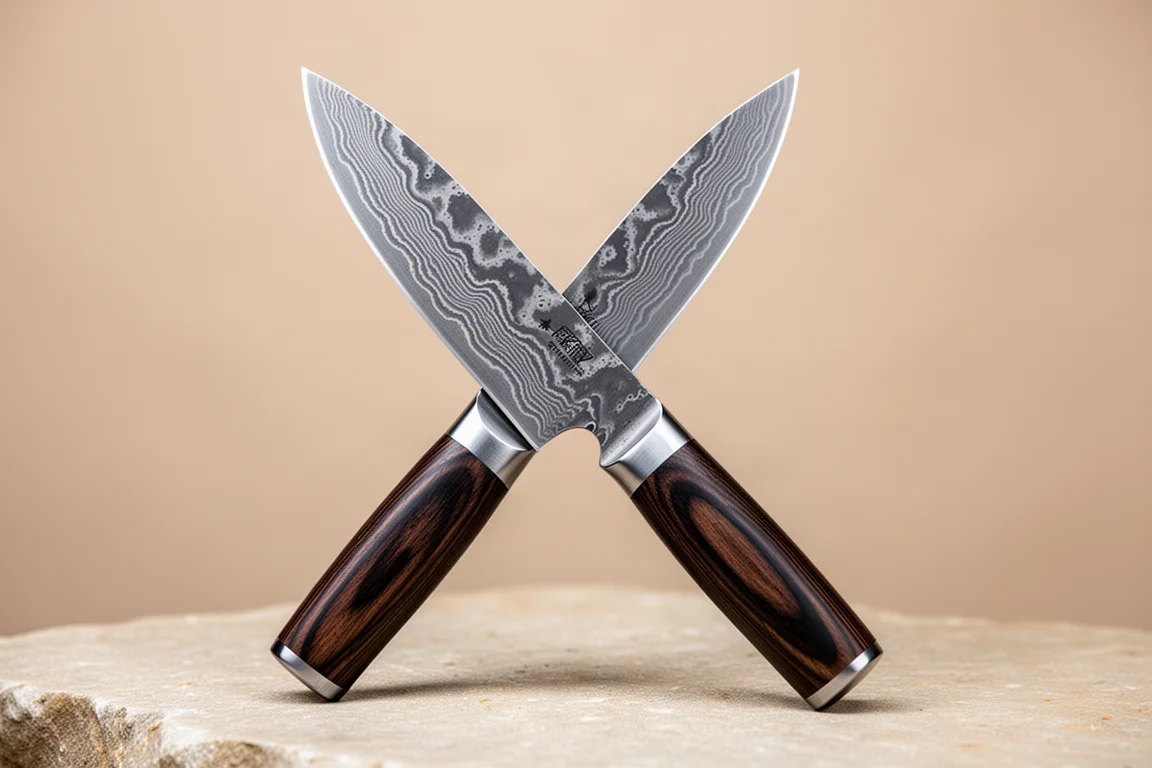
Oishya Gyuto
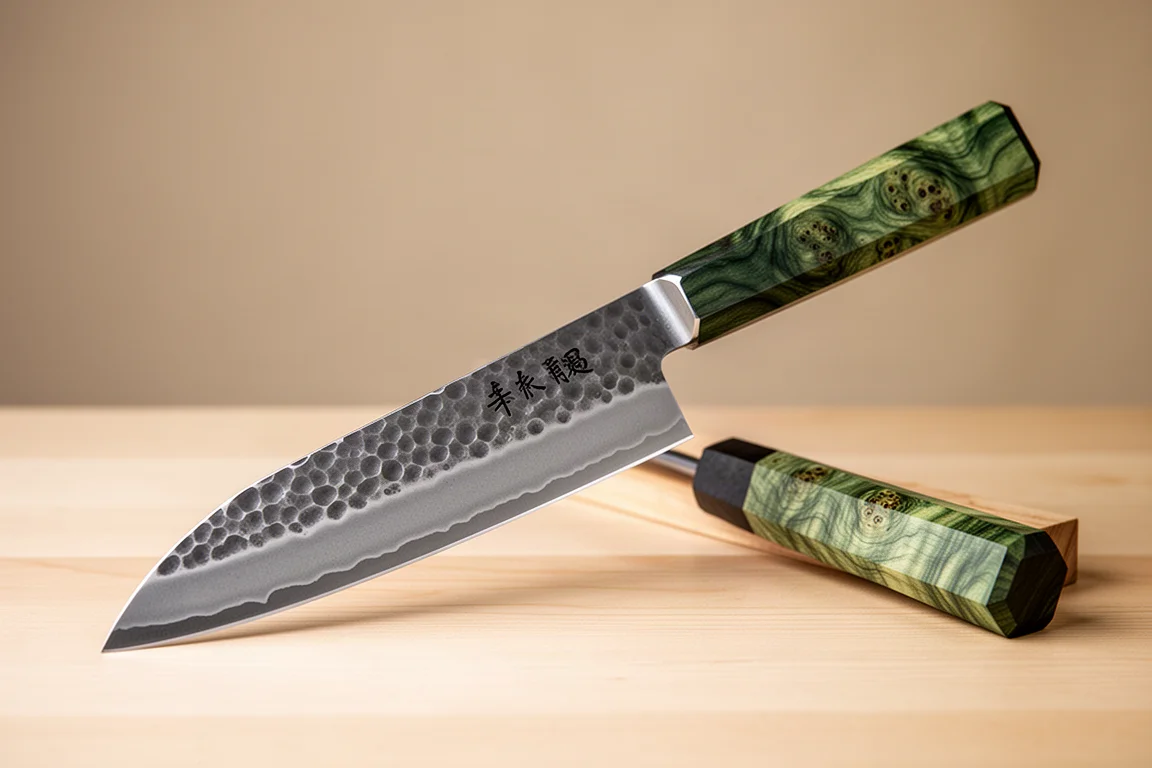
The Oishya Gyuto is by far the most expensive knife tested, and also the most beautiful. It is hand-crafted in Japan with a hammered finish and a green-dyed European maple burl octagonal handle that fits the hand perfectly. It is lightweight and razor-sharp. The problem is that it is so expensive and beautiful that you may not want to use it: the wood handle can scratch and dent, and the hard steel is prone to chipping. It is great if you are willing to take extra care of it, but it is not a knife you can neglect without feeling guilty.
Quick Comparison Notes
A few callouts from testing side by side: the Cangshan Helena, Wusthof Classic Ikon, and the two Lamson forged knives are the heaviest, while the Henckels Solution, Oishya, and Victorinox Swiss Classic are the lightest. The Ninja Foodi Premium, Zwilling Four Star, and Victorinox Grand Maitre have the bulkiest handles, while the Caraway and Victorinox Swiss Classic have the thinnest. The Dalstrong Shogun, Oishya, Cangshan, and Thomas Keller knives use the hardest steel, while the Henckels Solution, Wusthof Gourmet, and both Victorinox knives use the softest. Harder steel retains sharpness better; softer steel is more durable and less prone to chipping.
Top Picks at a Glance
So which chef’s knives are worth buying? The favorites are the Lamson Vintage and Misen on the low end of the price range, the Made In and Dalstrong Shogun in the middle, and the Wusthof Classic, MAC MTH-80, and Oishya Gyuto on the high end. The knives to avoid are the Henckels Solution, Caraway, Dalstrong Phantom, and Zwilling Four Star.
The best chef’s knife for you depends on your hand size, how you like to grip the knife, and your preferences in weight, balance, and design. The most reliable way to decide is to pick three you think you will like, order them, hold them for a while, keep your favorite, and return the rest. Some retailers will also let you try knives in store.
Conclusion
Every knife in this guide is capable in the kitchen; what separates the winners is comfort, balance, and how naturally they fit your hand. Match a knife to your grip style and budget, and you will end up with a tool you reach for every day.
Further reading
Related Reviews

Kitchen Knives
Best Chef's Knives 2026: 27 Popular Options Tested and Ranked
A comprehensive review of 27 chef's knives ranging from $18 to $380, with honest assessments of handle comfort, blade balance, and real-world performance.

Kitchen Knives
Best Chef's Knives Under $75: Two Tested Recommendations
Two practical 8-inch chef's knives that balance sharpness, comfort, and durability without premium pricing.

Kitchen Knives
Best Chef's Knives 2026: 27 Options Tested and Ranked
A comprehensive review of 27 chef's knives ranging from $18 to $380, with honest assessments of handle design, balance, blade profile, and real-world performance.