Kitchen Knives
Best Chef Knives Worth Buying: Shun Premiere and Kramer by Zwilling Carbon
Two chef knives that earned lasting recommendations after extensive testing, plus practical buying rules that help you avoid overpaying for knives you don't need.
Introduction
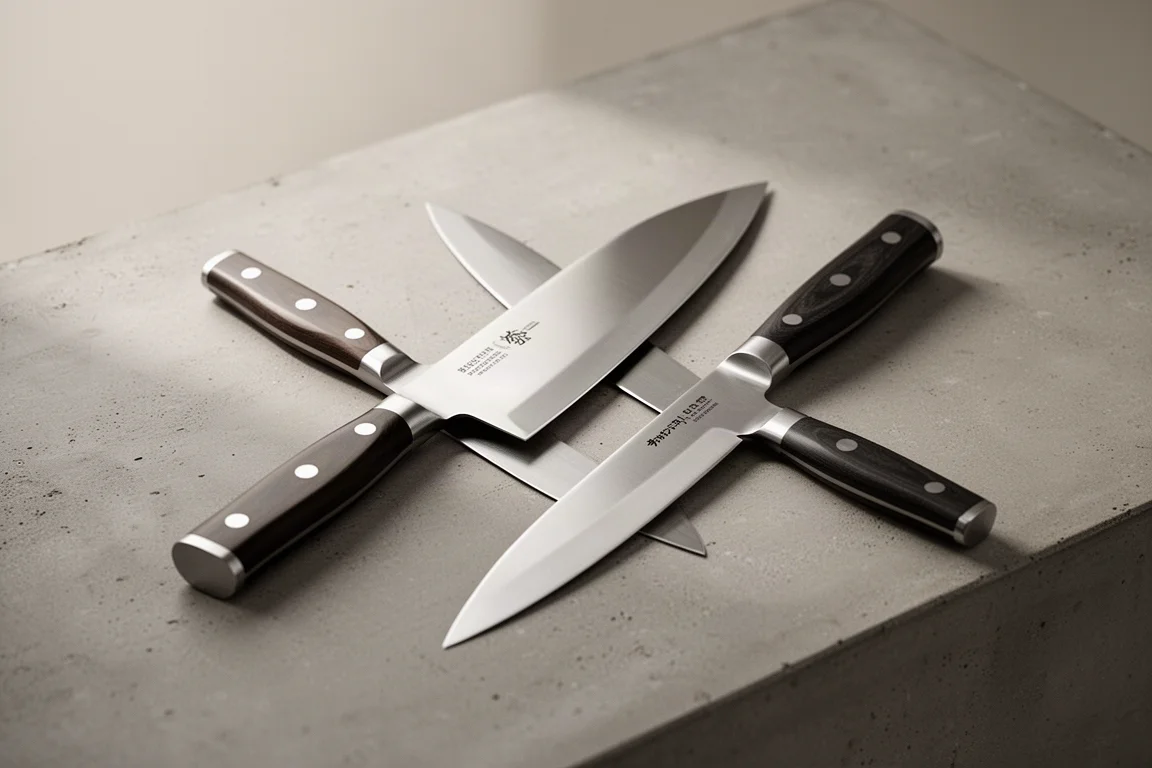
After testing dozens of chef knives over several years, with every candidate spending at least a few days as the primary knife in a working home kitchen, two models have held their ground at the top: the Shun Premiere and the Kramer by Zwilling Carbon. Both have been long-standing recommendations, and neither is getting dethroned. Here is what makes each one special, and how to decide which fits your kitchen.
Three Rules for Buying a Chef Knife
Before comparing knives, it helps to establish a few ground rules. First, versatility beats everything. The chef’s knife is a multitasking powerhouse, and it is why it remains the default recommendation. Even Chad Robertson of Tartine, one of the most famous bakers in the world, uses a chef’s length knife every day to cut his bread. Manufacturers would love to sell you a full set, but for most people it makes more sense to buy one unit at a time, starting with a general-purpose knife.
Second, used good is better than new bad. High-quality knives require sharpening less often, which actually means less maintenance over time. If you believe your knife needs no care at all, you may simply not know what a sharp knife feels like.
Third, the smith matters more than the steel. Most knives are made from the same foundry-supplied steels, so it is the profile, grind, heat treatment, and handle design that define your day-to-day experience. A mediocre knife can be made from great steel; the finishing work is what counts.
What to Look For
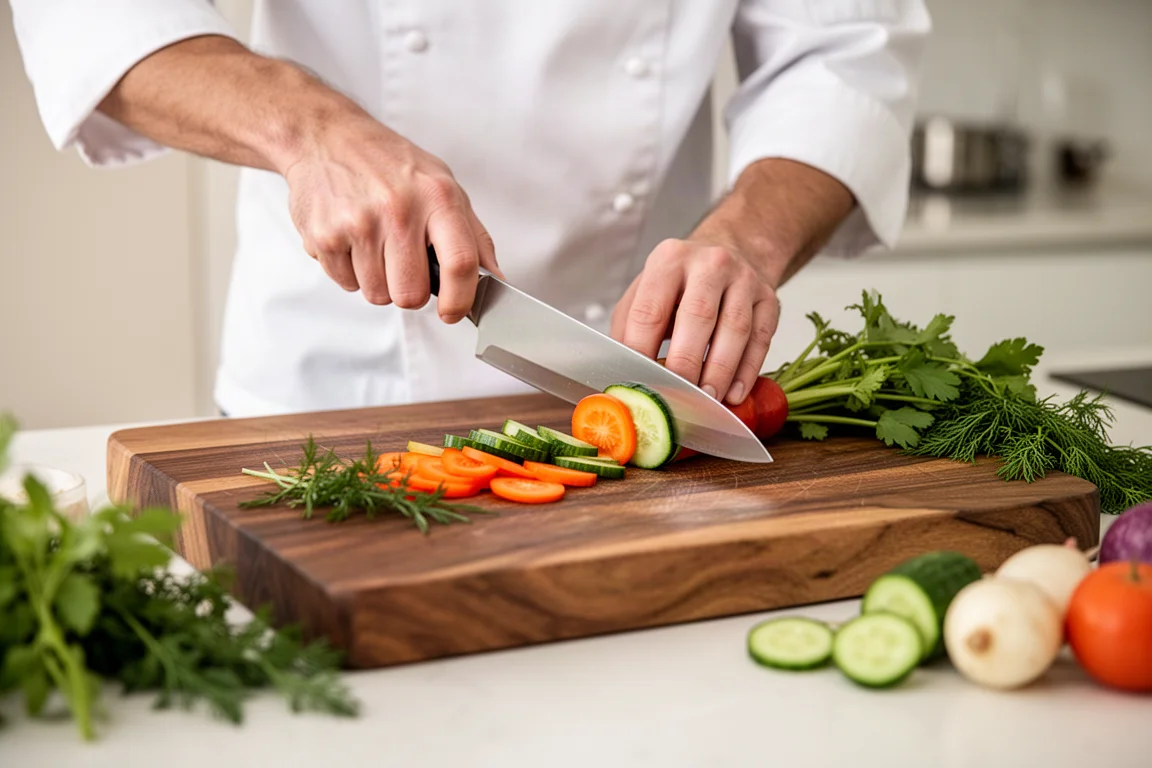
For most people, an eight-inch chef’s knife is the right size. Ten inches is technically more efficient on push and pull cuts but can feel unwieldy if you have smaller hands or mobility issues, and dropping to a seven-inch cook’s knife is fine when control matters more.
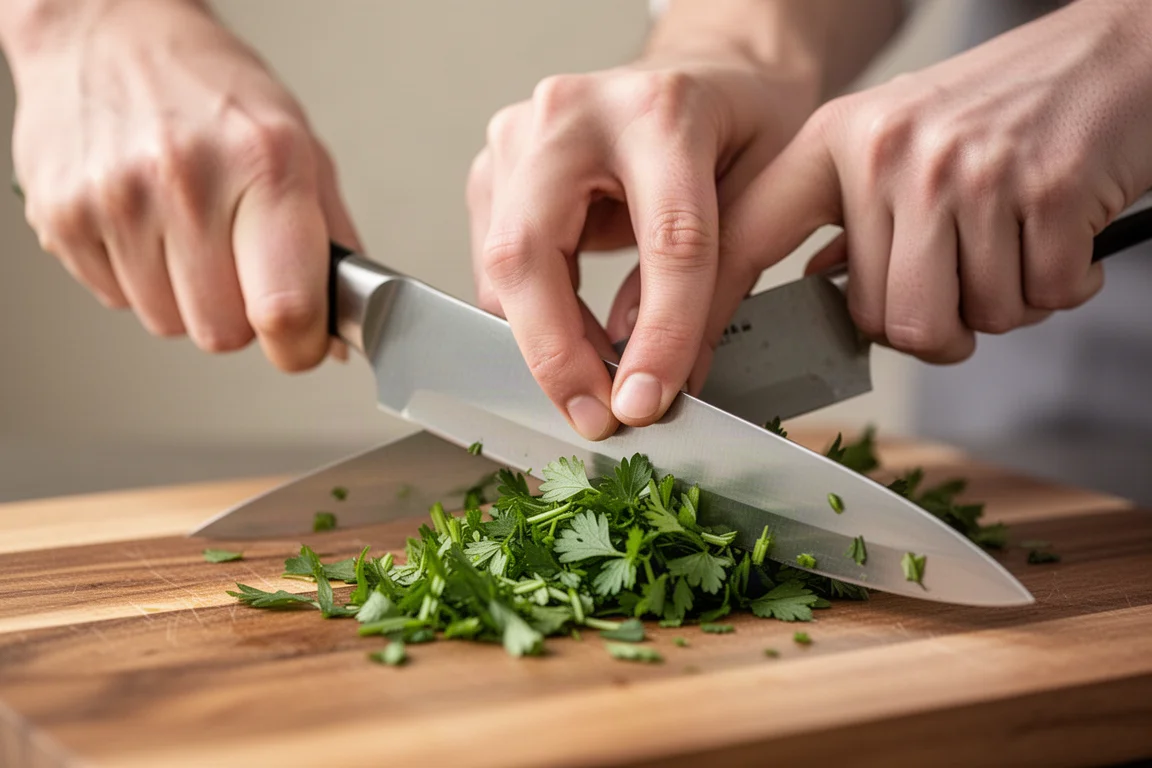
On handle design: most reviews overweight grippiness and finger clearance. A better approach is a grip that pinches the blade gently, leaving space between the forefinger and the spine, with fingertips tucked under the handle. This balances control with leverage and reduces hand and wrist discomfort, which means the handle matters less than advertised.
Profiles like the Western chef’s knife, the Japanese gyuto and santoku, and hybrids all perform general-purpose tasks well, so do not overthink the silhouette. Carbon steel can get a bit harder than stainless if you are willing to wipe the blade after use, but there is no shame in sticking with stainless. Also worth avoiding: sellers who will not name their steel, most 67-layer VG-10 Damascus listings (often drop-shipped), and Damascus in general, which rarely adds real performance. One brand that consistently gets a pass on the unnamed-steel rule is Mac.
Shun Premiere: The Sharp All-Rounder
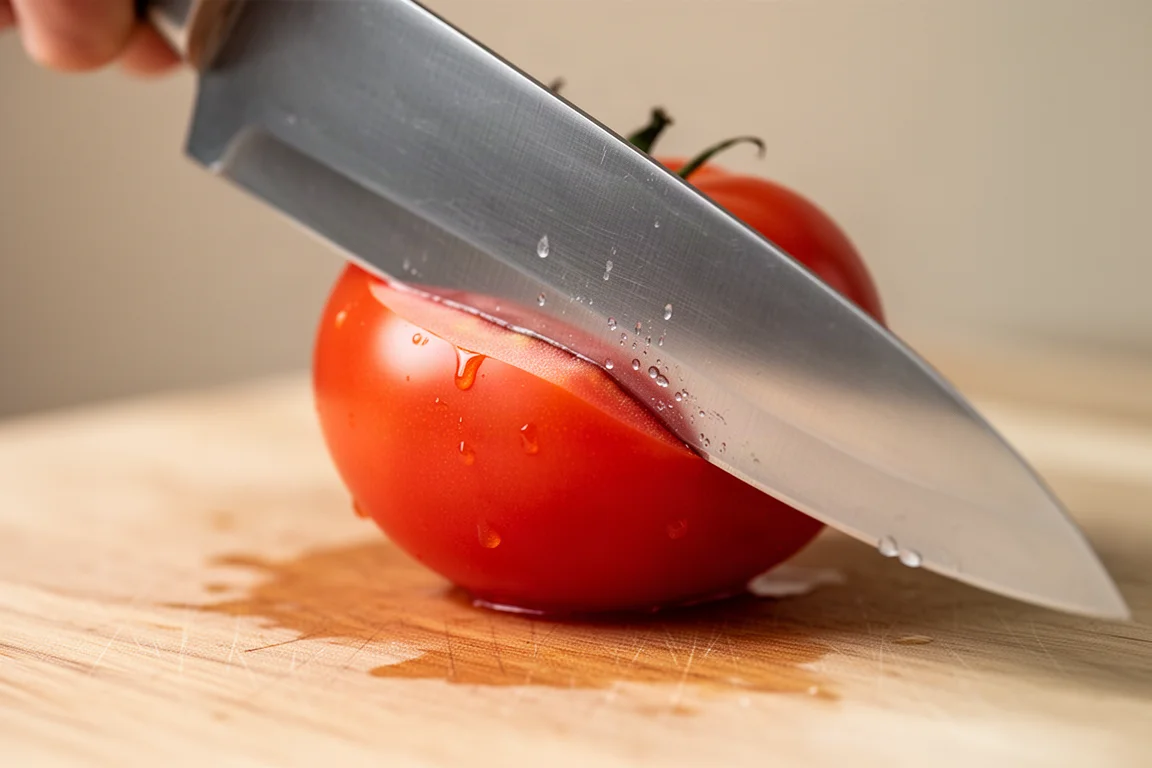
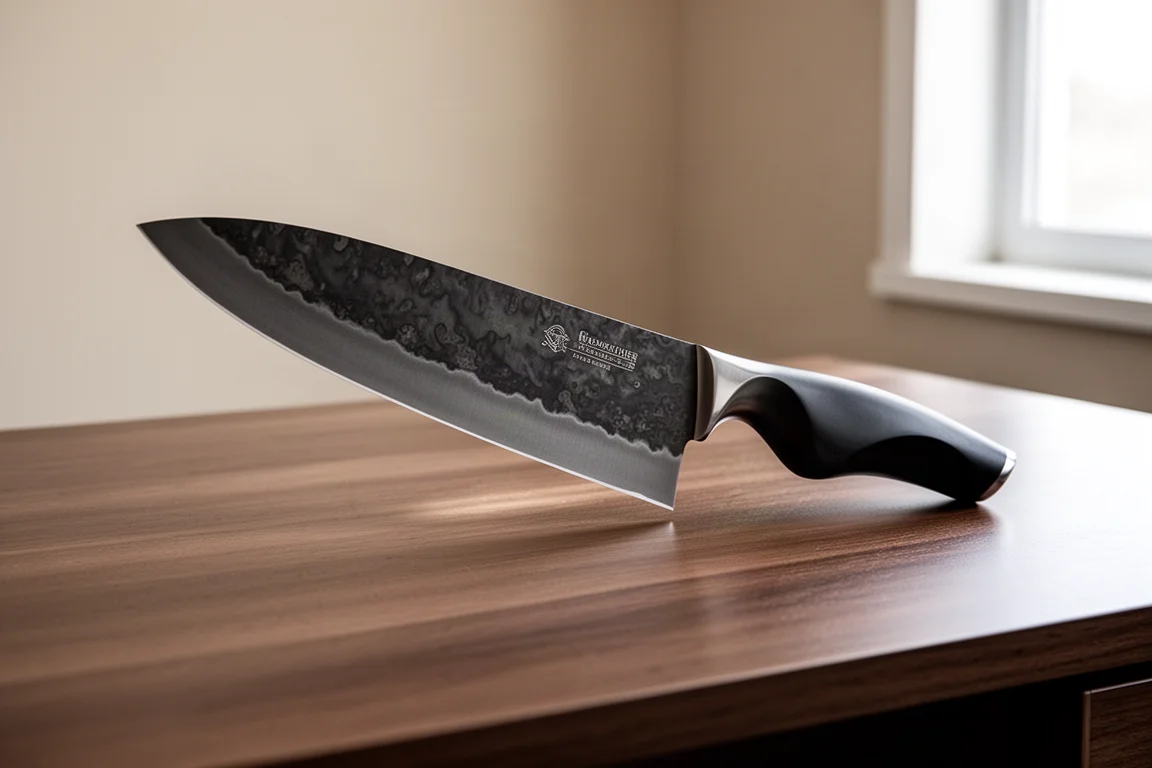
The Shun Premiere is today’s daily-driver example, and it earns that role with an edge that moves through food almost on cruise control. Start a cut and the blade simply bites in and keeps going perfectly straight, which is exactly the feeling that separates a genuinely sharp, well-finished knife from the pack.
It fits the philosophy that a chef’s knife should be a versatile workhorse rather than a specialist, and it rewards the kind of careful finishing work that separates good knives from forgettable ones. If you want one knife that handles nearly every daily task with confidence, this is a strong candidate.
Kramer by Zwilling Carbon: Ergonomics and Geometry Done Right
The Kramer by Zwilling Carbon has been a historical recommendation for years, thanks to excellent ergonomics and blade geometry. It carries a high price tag, but the payoff is in how it handles: the geometry and finishing work make it feel precise and effortless in motion rather than merely expensive on paper.
This is the knife for cooks who care about the details of how a blade moves through food and how it feels over long sessions at the board. Despite the price, it has never lost its place as a top pick, and nothing tested since has knocked it off.
Which One Should You Buy?
Both knives reward good technique, regular sharpening, and a bit of care, which is exactly what a quality knife should do. Remember that mainstream brands offer widespread accessibility that independent smiths cannot always match, though a shopify storefront is a good way to find indie makers if that appeals to you.
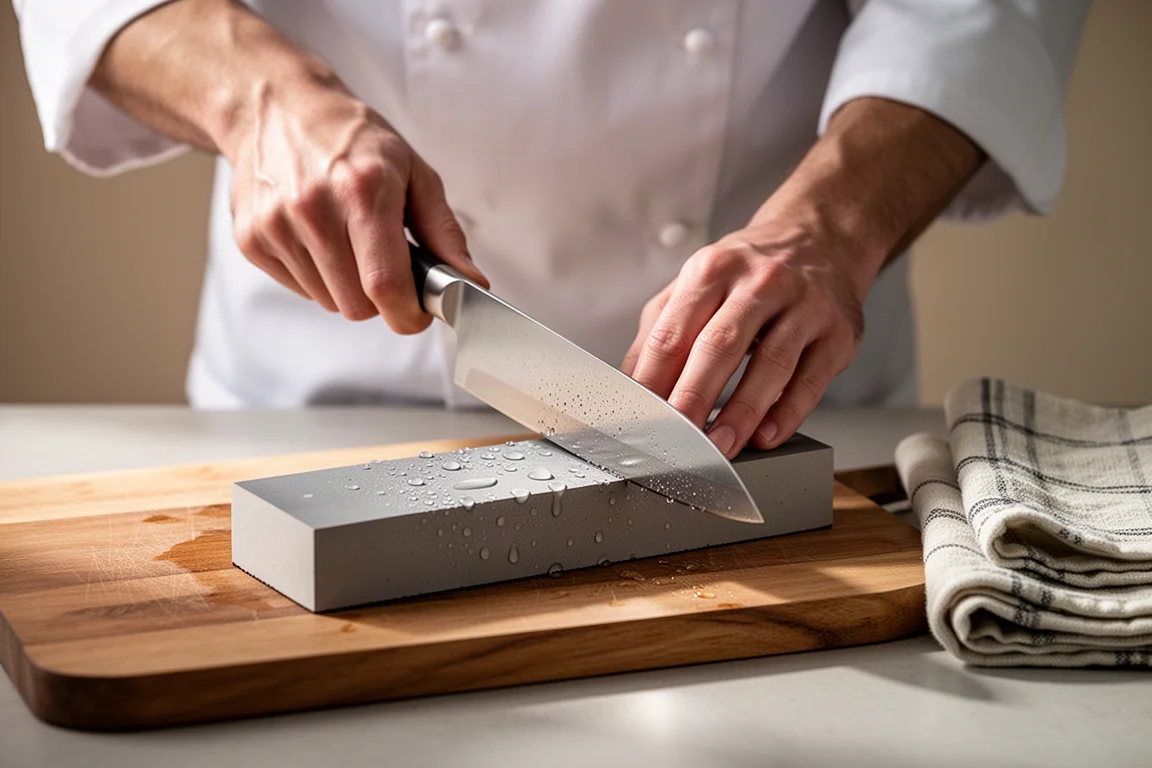
Whichever you choose, buy one knife at a time, keep it sharp, and let a versatile chef’s knife do the work of a drawer full of specialists. Whetstone maintenance is part of the deal with knives at this level, and it is less effort than most people expect.
Conclusion
The Shun Premiere and the Kramer by Zwilling Carbon remain the two chef knives worth putting at the top of a short list: one a sharp, versatile daily driver, the other an ergonomics and geometry benchmark with a premium price to match. Pick based on budget and feel, and either one will serve your kitchen for years.
Further reading
Related Reviews

Kitchen Knives
Best Chef's Knives 2026: 27 Popular Options Tested and Ranked
A comprehensive review of 27 chef's knives ranging from $18 to $380, with honest assessments of handle comfort, blade balance, and real-world performance.

Kitchen Knives
Best Chef's Knives Under $75: Two Tested Recommendations
Two practical 8-inch chef's knives that balance sharpness, comfort, and durability without premium pricing.

Kitchen Knives
Best Chef's Knives 2026: 27 Options Tested and Ranked
A comprehensive review of 27 chef's knives ranging from $18 to $380, with honest assessments of handle design, balance, blade profile, and real-world performance.