Hand Tools
Cheap Tools That Earn Their Keep: Ironworker Pliers and the Stanley 99A Utility Knife
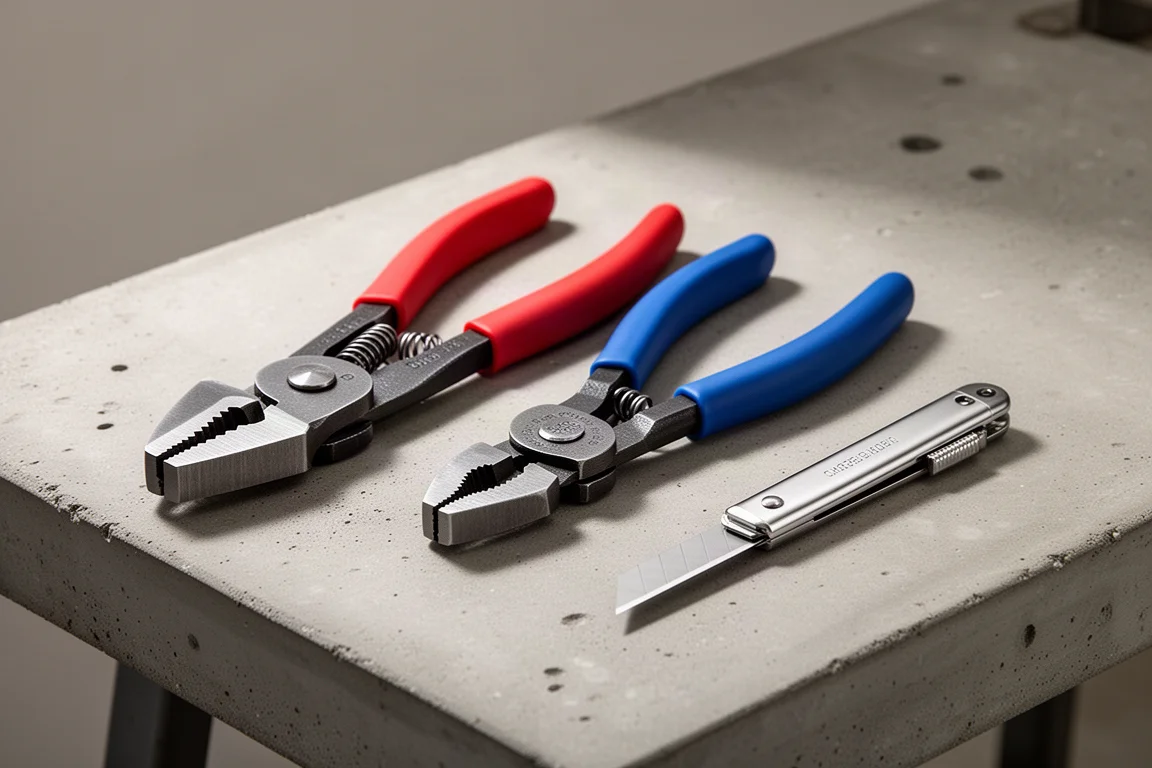
Three inexpensive, work-proven tools that deliver outsized satisfaction: Klein and Channellock ironworker pliers, and the classic Stanley 99A utility knife.
Introduction
Some tools earn their place through sheer performance. Others earn it through price, reliability, and the small satisfaction of picking up exactly the right tool for the job. The three featured here sit firmly in the second camp: ironworker pliers from Klein and Channellock, and the Stanley 99A classic utility knife. None of them costs much, all of them have been proven over years of real construction work, and each one delivers the rare feeling that a tool was designed for exactly the task in front of you.
Evaluation Criteria
The tools in this list were chosen for three things: a low price, a fit and function that feels right in the hand, and a track record of lasting through years of daily jobsite use. Fancy features were not a factor. In fact, the opposite was. When a simple tool works, there is no need to fix it, and no need to pay extra for upgrades that do not add value.
Ironworker Pliers: The Tool You Did Not Know You Needed
Spend years around slip joint pliers and you start to believe that is all a plier can be: cut a wire, maybe grab a small nut, carry it in your bags and hope for the best. Then ironworker pliers show up and change the picture entirely. They are perfectly suited for the work a carpenter runs into, and for the work an ironworker faces when tying rebar and handling a multitude of other tasks. The fit, the function, and the spring-loaded action create a genuine sense of satisfaction every time you pick them up.
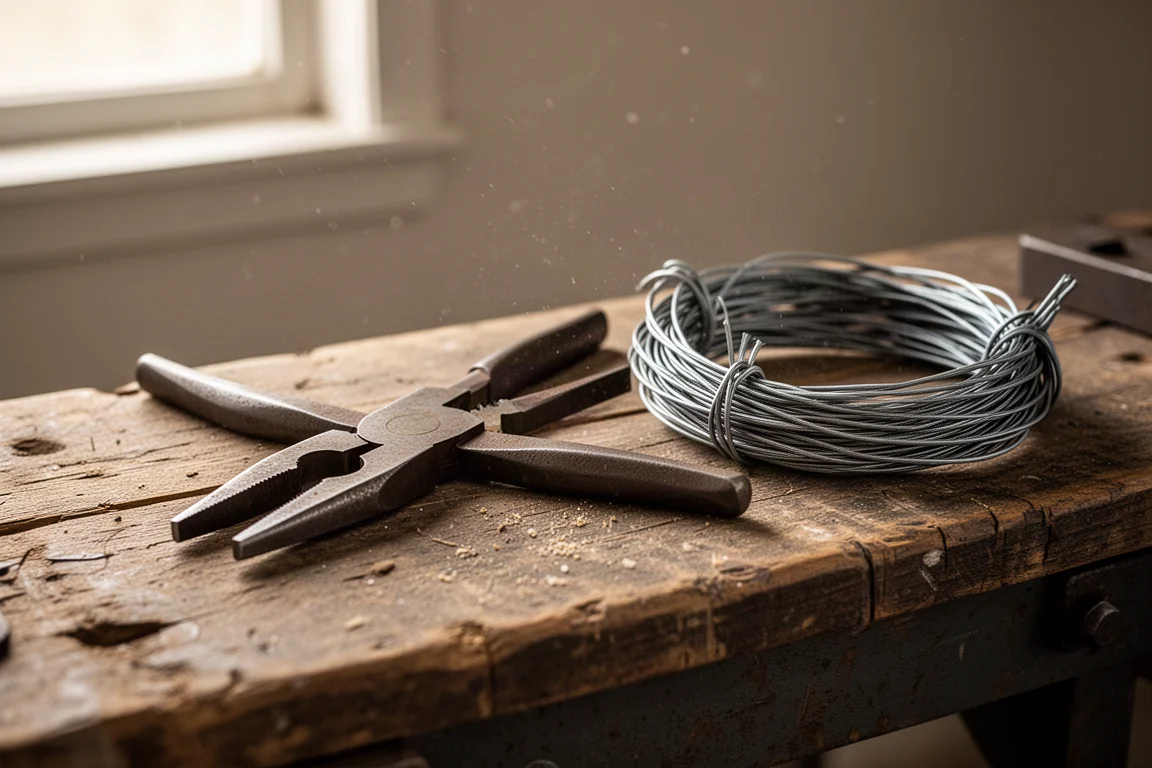
Be aware that lineman pliers are sometimes mistaken for ironworker pliers. They are different tools for different jobs, and it is worth knowing the distinction before you buy. Also know that brand loyalty runs deep here. Some tradespeople treat Klein as a hill to die on, others Channellock. Both brands compete directly in the same price bracket, roughly $35 to $45 in today’s market, so the practical answer is that either will serve you well.
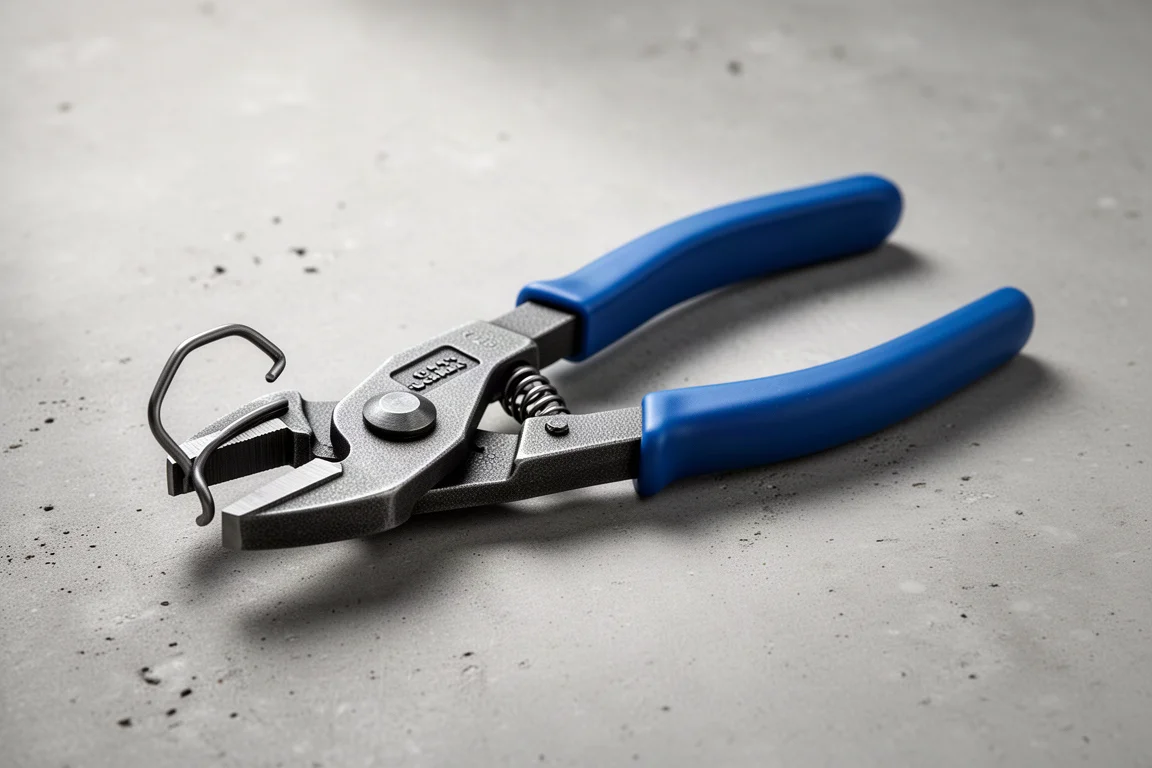
Klein ironworker pliers are the classic choice for many tradespeople, with a reputation built over decades of tying wire and rebar on commercial jobsites.
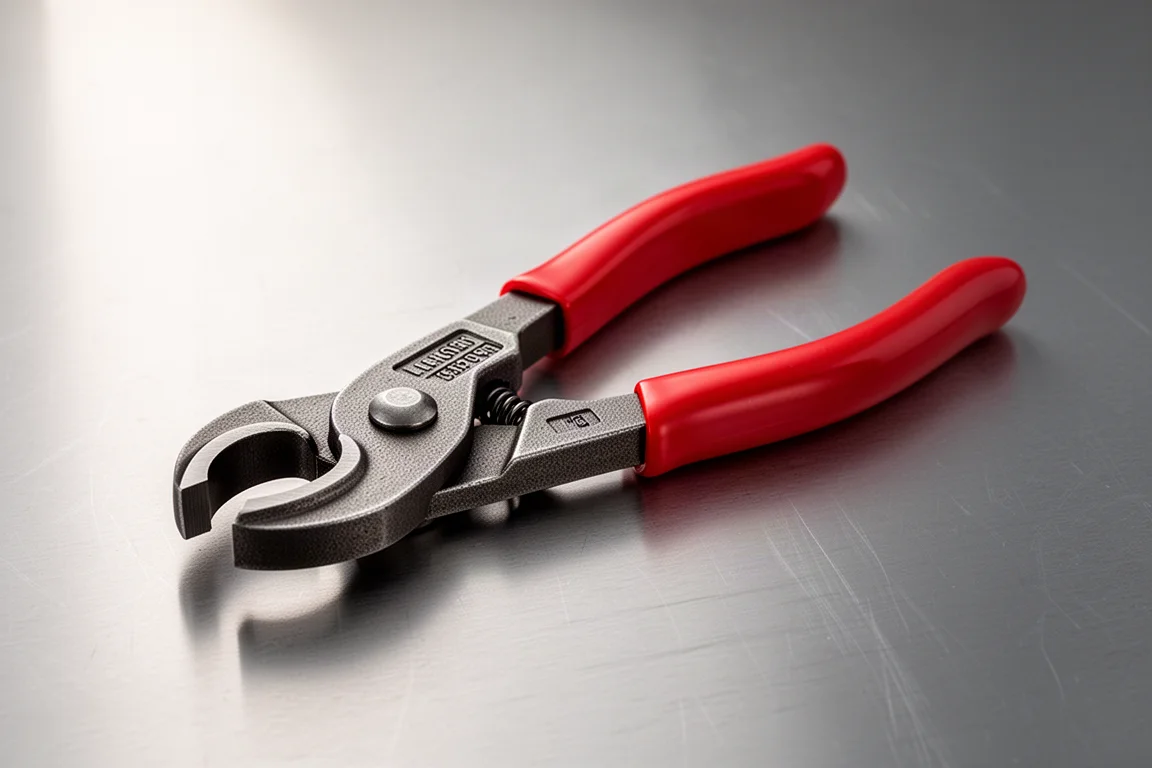
Channellock ironworker pliers do the same job with the same spring-loaded, wire-tying design, and plenty of ironworkers swear by them over the more famous alternative.
Stanley 99A Classic Utility Knife
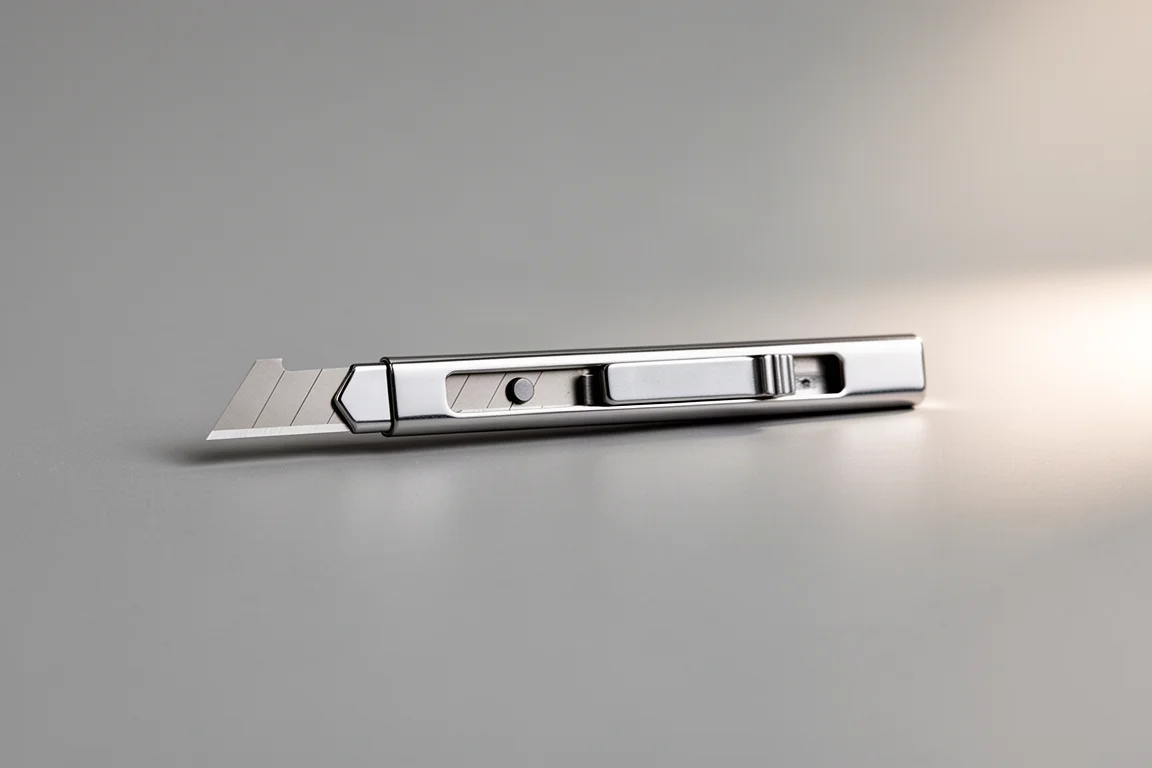
This one is so simple it barely needs explaining. The Stanley 99A classic utility knife has a slim profile, drops right into a pouch, and stays out of the way until you need it. No ergonomic bend, no fast-access handle, no multi-click blade advance. After decades of trying every iteration on the store shelf, the conclusion is that none of those upgrades are actually needed.
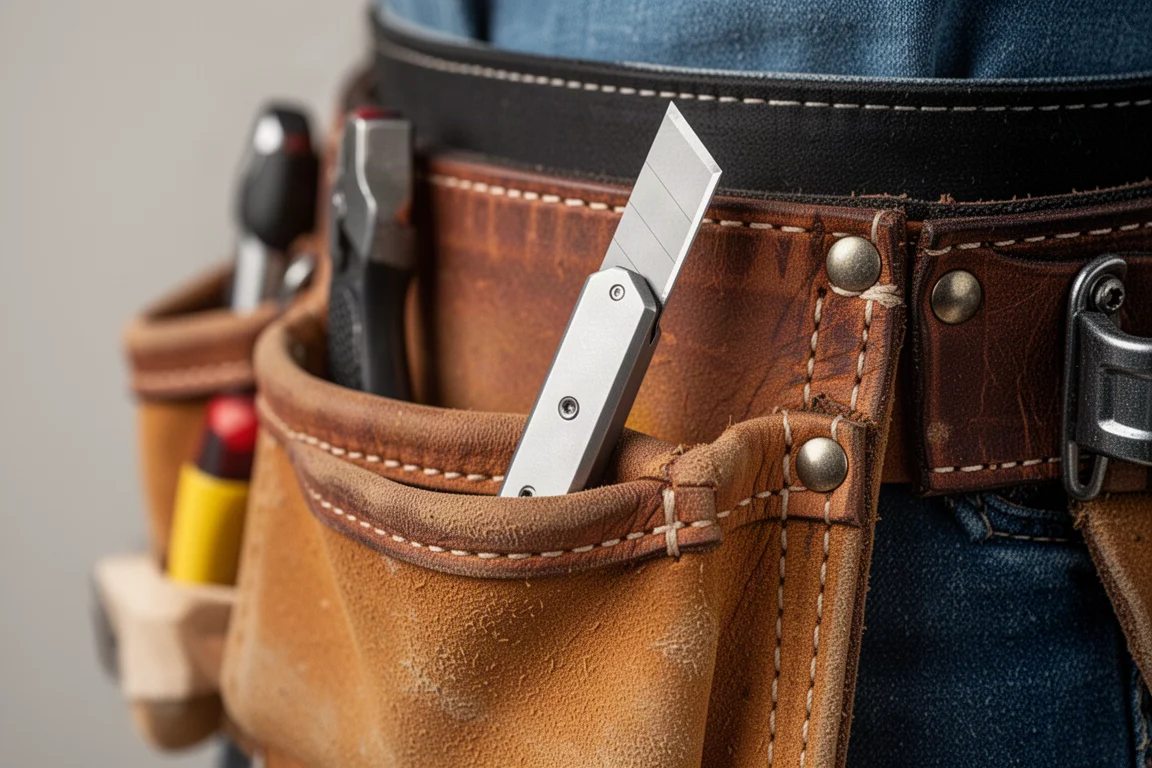
Utility knives get lost like grass seed. Over 46 or 47 years of work, more than a hundred have vanished. That is part of the appeal: the 99A is cheap enough that losing one is a shrug, not a crisis, and buying a replacement is simpler than babying a premium model. One further endorsement is less pleasant but equally convincing. This knife has left a scar, proof that it arrives sharp and bites hard, which is exactly what you want from a cutting tool. Handle it with respect, always cut away from your body, and it will serve you for years.
Other Inexpensive Tools Worth a Spot in the Pouch
A margin trowel deserves a mention here. Every concrete finisher, professional or otherwise, should have one in a hip pocket. The handle sticks out of the pocket and forms a natural hook and bracket, and the lively carbon steel blade cleans form edges, scrapes paint, scrapes out a wheelbarrow, and even doubles as a decent putty knife. They cost only a few dollars, so buy two or three. Just be warned: if your only one lives in the concrete bucket, somebody back at the house will eventually borrow it for something very important and forget to return it.
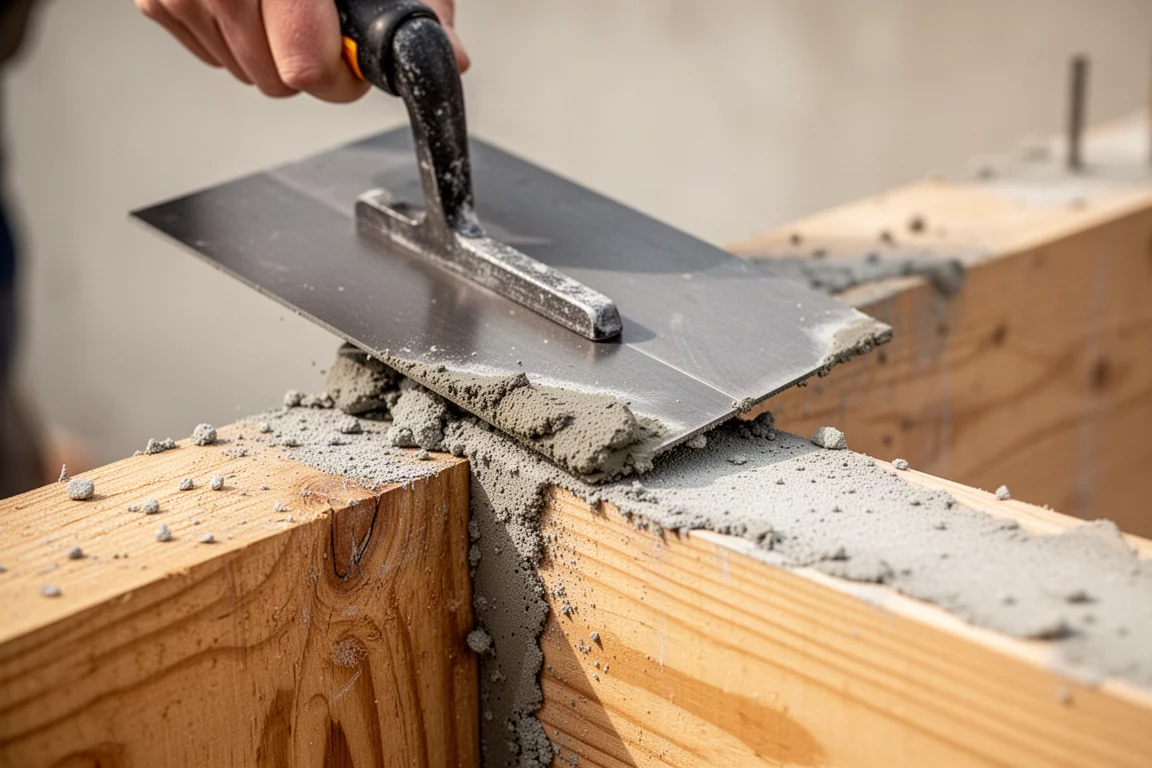
A dehandled square point transfer shovel is another favorite. In the $30 to $50 range, it fits the hand, lets you work up close and heavy, and gives you real control when shaking material out onto your work, which matters when seating concrete along the edges of a patio or driveway. One value note applies to any shovel: if a pro will thrash it, step on it, and leave it in the dirt, pay for a fiberglass or steel handle. For home and garden use, an inexpensive wooden handle saves money. Figure out how hard you will actually use the tool and spend accordingly.
Honorable Mentions: Plumb Bobs, Pencils, and Safety Glasses
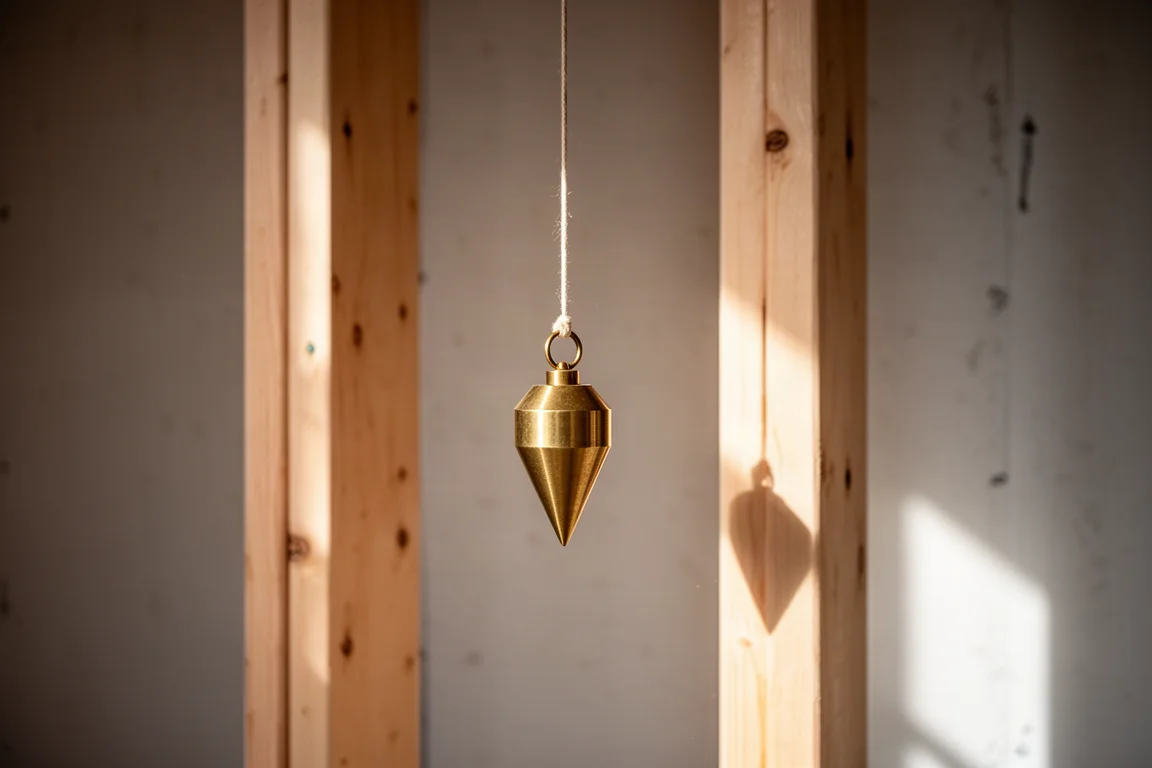
The plumb bob is one of the most ancient tools, essentially a rock on a string, and it becomes brilliant the moment you need to plumb something taller than your level. Building a patio cover with 10-foot walls, or a treehouse exit that needs to sit directly above a ground anchor? A plumb bob paired with a gammon reel handles it, and you can extend the string with a loop if needed. If it was good enough for the Egyptians and the great cathedrals of Europe, it is good enough for the rest of us.
Marks matter too. You need marks you can see, which means you need a pencil or marking crayon close at hand and a way to keep it from disappearing. Do not buy one or two. Buy a box and scatter them where you work, on your belt, in your bags, clipped to your chopsaw. And while you are buying in bulk, get a box of safety glasses. They cost almost nothing, and the reason you skip putting them on is usually that none are within reach. Two is one and one is none, so a box is exactly right.
Buying Advice
The common thread across all of these tools is that value is not the same as cheapness. A tool is a value purchase when the price matches how hard you will actually use it and how long it will last. Ironworker pliers at $35 to $45 earn their price every day on the job. A $5 utility knife earns its price by being replaceable and always ready. Before buying anything, ask honestly how much abuse the tool will take and buy the handle, blade, or build quality that matches.
Conclusion
Inexpensive tools that work perfectly and last a long time are, honestly, the best of all possible worlds. They magnify what your hands and brain can do, they cost little, and they make good work possible. Pick the right one for the job, keep it close, and every time you pick it up you get that small warm glow of a tool that just works.
Further reading
Related Reviews
Hand Tools
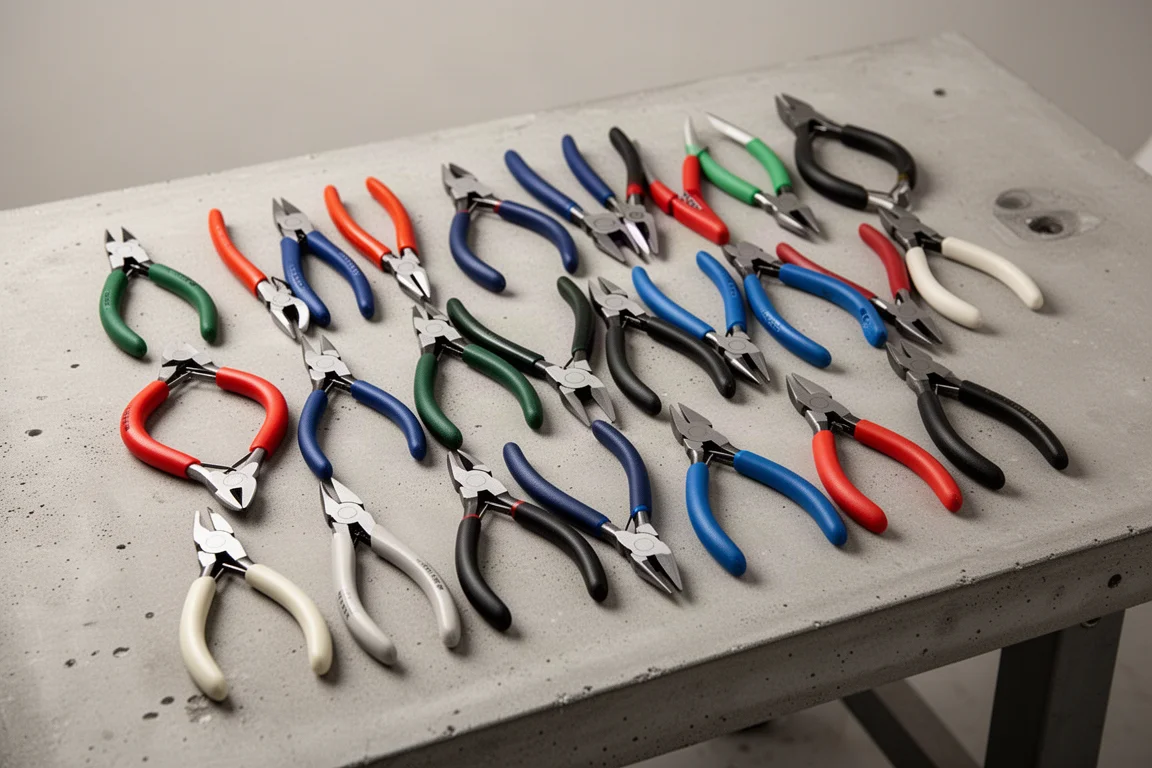
Best Diagonal Cutters 2026: 16 Pliers Tested for Cutting Power and Durability
We put 16 diagonal cutters through nail, screw, drill bit, and hex key tests to find the best value picks for your toolbox.
Hand Tools
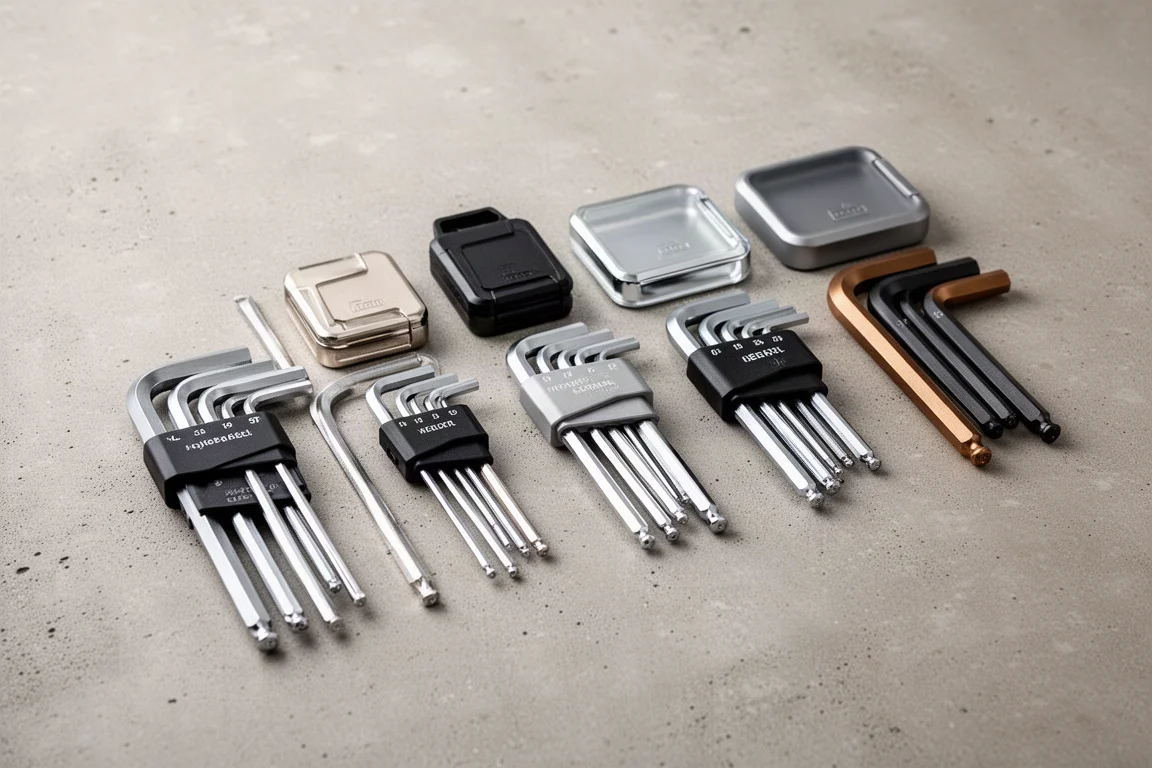
Best Hex L Key Sets 2026: Nine Sets Tested for Real-World Torque
Nine hex L key sets from budget to premium, tested for torque, fit, and durability. See which sets deliver real performance and which ones to skip.
Hand Tools
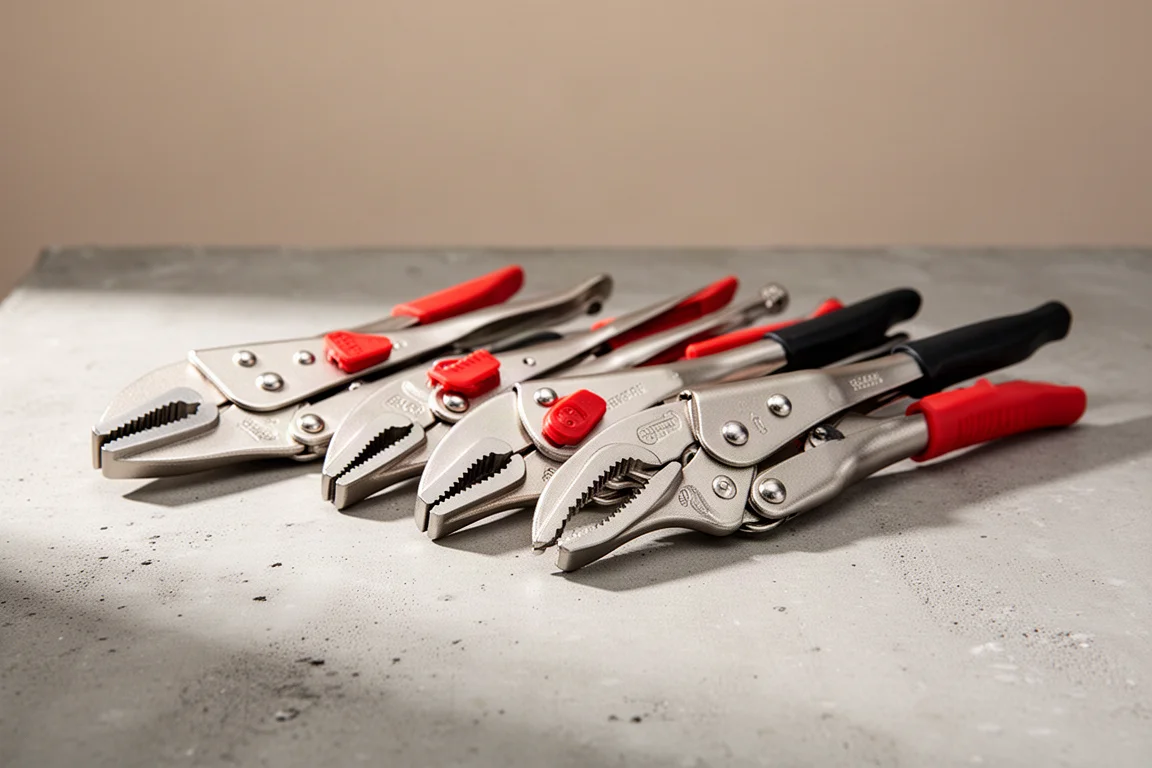
Best Locking Pliers 2026: Top Picks Tested for Grip and Durability
We tested 18 brands of 10-inch locking pliers for grip strength, jaw bite, build quality, and ease of release to find the best options for tough jobs.