Travel Gear
Best Carry-On Travel Duffels Compared: 5 Bags Worth a Close Look
Five carry-on compatible 30 to 40 liter duffels compared on materials, hardware, carry comfort, and packing features, from budget to premium.
Introduction
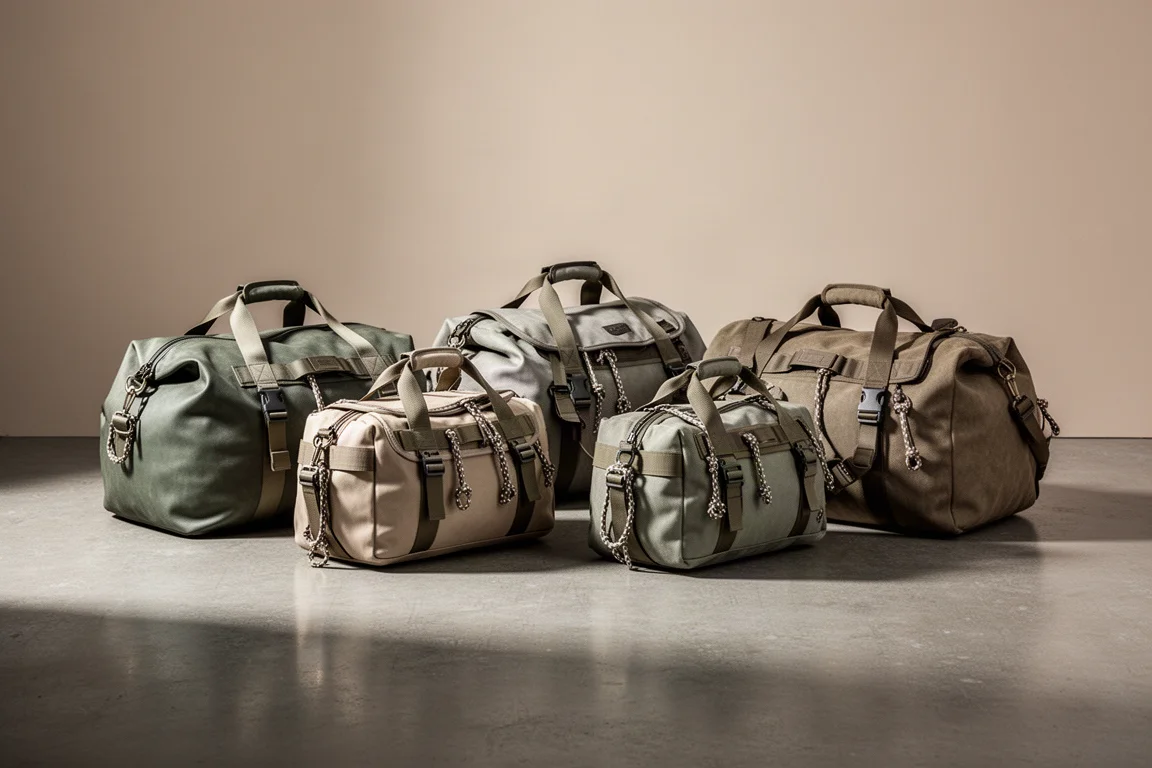
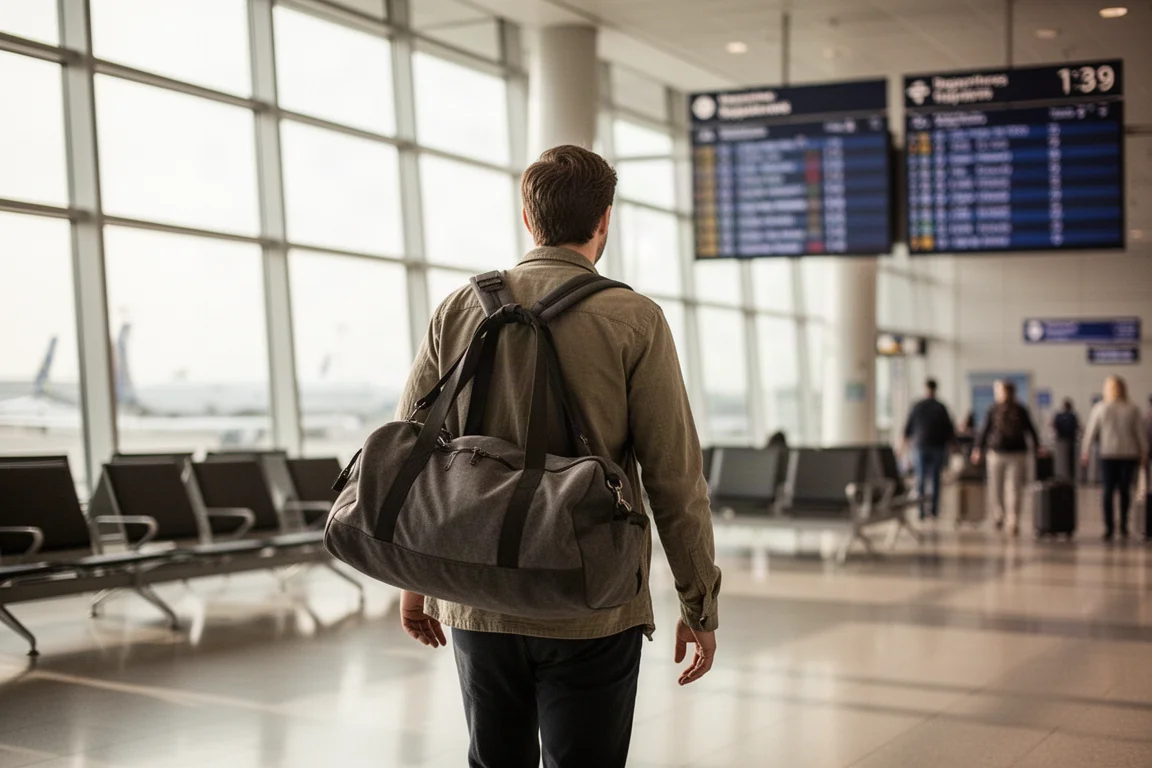
A good carry-on duffel is one of the simplest travel upgrades you can make: one big main compartment, straps that let you wear it like a backpack, and a size that fits standard airline carry-on limits. After living with five of the most popular options, the differences that actually matter come down to fabric durability, zipper quality, carry comfort, and a few well-placed features. This comparison covers five bags between 30 and 40 liters, all carry-on compatible for most airlines, priced roughly between $70 and $130. The smallest versions of each bag are compared here, and most of them also come in larger sizes.
How These Duffels Compare at a Glance
Starting with capacity from low to high: the Jack Wolfskin Expedition and the Osprey Daylight are both 30 liters, the North Face Base Camp Voyager comes in at 32 liters, and the Patagonia Black Hole and Thule Chasm both hold 40 liters. All five use a large duffel-style main compartment and convertible backpack straps, and all include at least one external pocket.
Materials, Denier, and Zippers
The fabric quality ranking starts with the Base Camp Voyager at the bottom. It uses TPU-coated polyester that is noticeably thinner and less durable than the rest of the group. The Osprey Daylight is next, and considering it costs only $70, it is a solid effort: the pack stays just over one pound while still using a decent 600 denier polyester.
The top three fabrics are very close in quality. The Black Hole uses 840 denier, the Thule Chasm 900 denier, and the Jack Wolfskin Expedition 1680 denier, all with a rubberized coating that improves water resistance and durability.
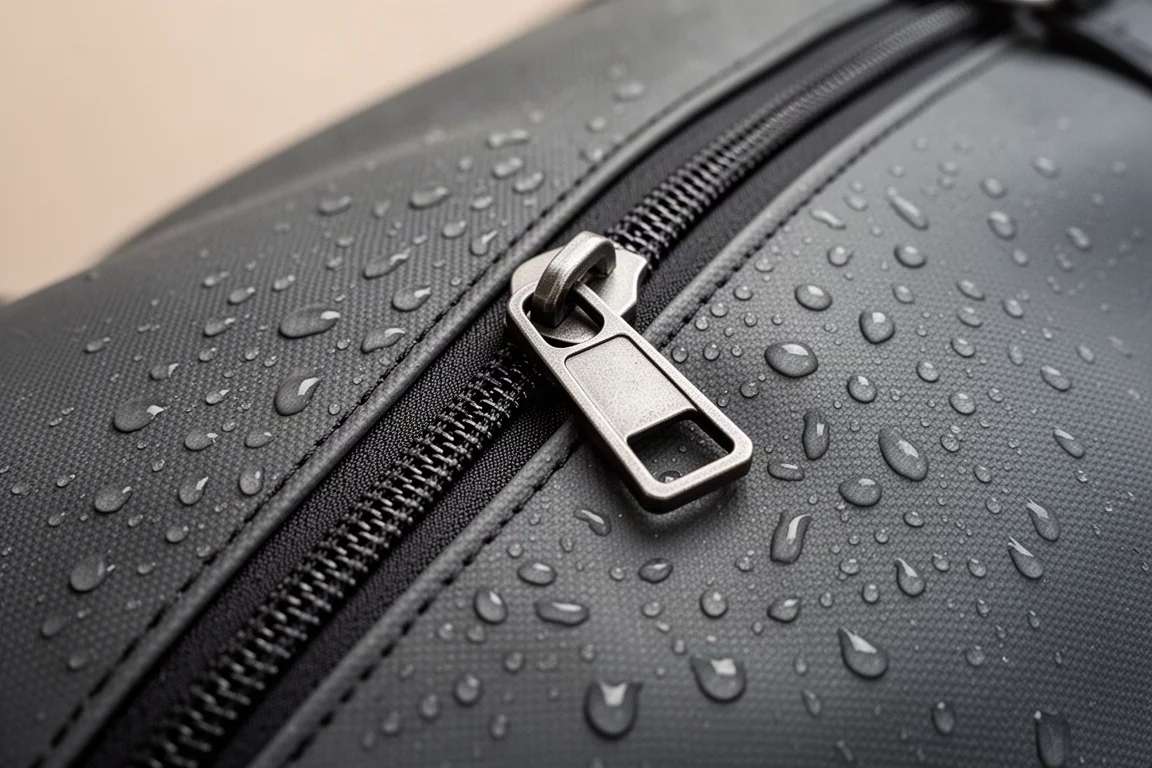
Zippers follow a similar story. All five bags use decent quality YKK zippers, but the Voyager uses the smaller number eight locking zipper on the main compartment and fives almost everywhere else, while the other four all use large number tens on the main compartment, the largest size you can get in a travel backpack. The Thule Chasm and Jack Wolfskin Expedition have locking zippers, while the Patagonia Black Hole and Osprey Daylight do not.
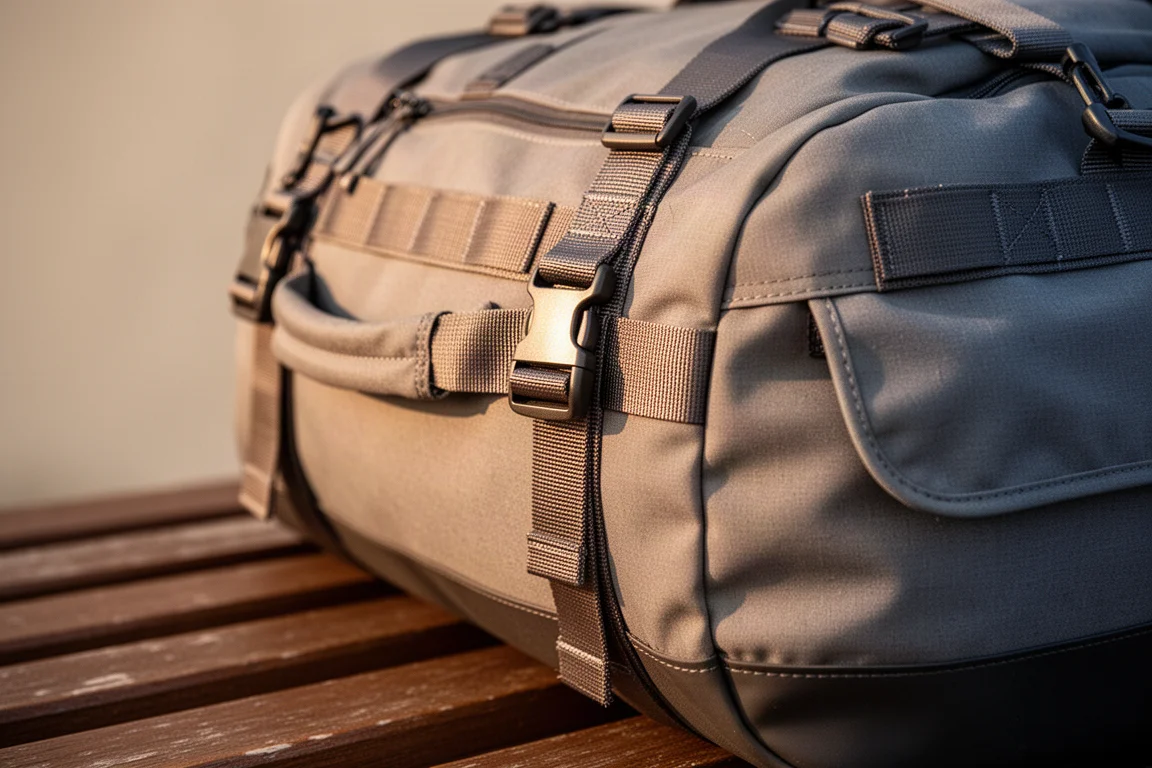
Hardware is minimal across the board. The Daylight and Expedition really just have nylon adjusters on the straps, while the other three packs have clips or toggles so you can remove the shoulder straps entirely. The Chasm and Black Hole actually use the same large Duraflex buckle, interchangeable between the two. The Black Hole uses nylon buckles at the top of the shoulder straps, while the Chasm opts for aluminum toggles, a nice touch.
Patagonia Black Hole
The Black Hole has been a staple travel duffel for years, and it is easy to see why. It is a solid, sturdy workhorse with a 40 liter main capacity, 840 denier fabric with a rubberized coating, number ten YKK zippers, and a decent convertible carry system. The external pocket looks small from the outside but is actually quite large inside, and it doubles as the pocket the bag folds into. The shoulder straps are padded and removable with a toggle on top and a plastic buckle on the bottom, and there are daisy chain loops for attaching an aftermarket sternum strap. The main trade-off is that the daisy chain webbing only runs along the sides of the bag, so a shoulder strap carries it at a bit of an angle.
Thule Chasm
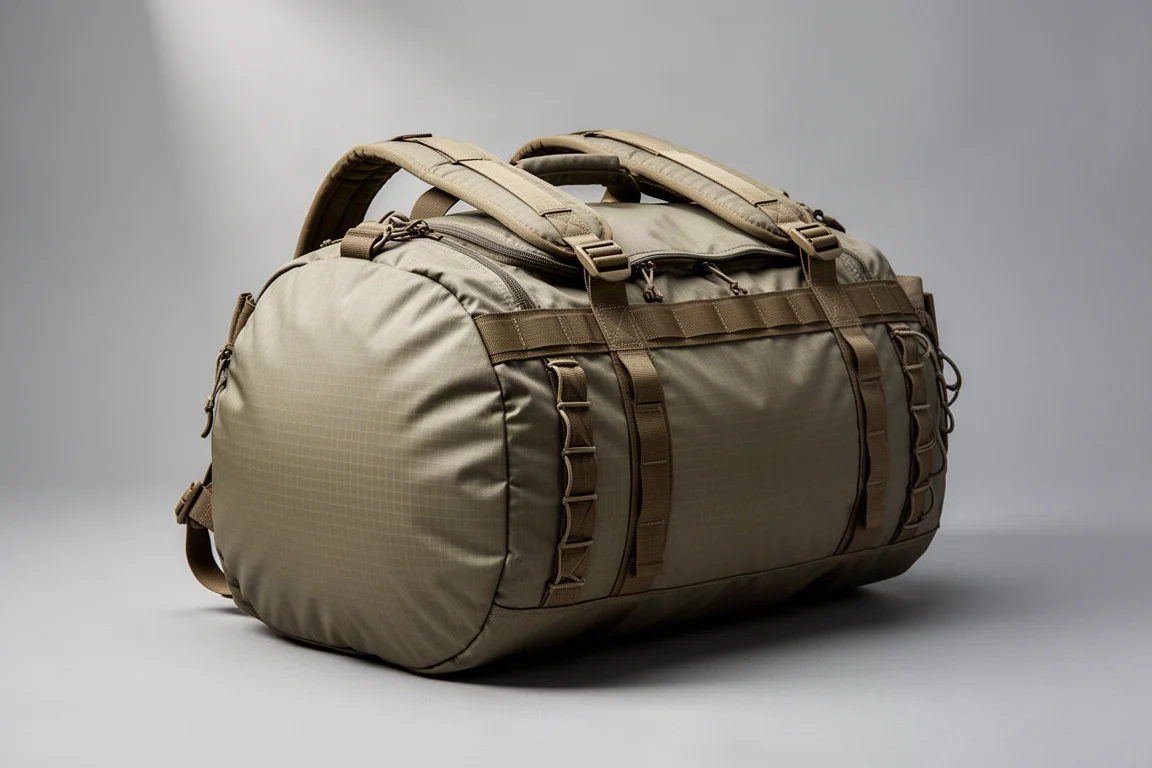
If you are looking at the Black Hole, the Chasm deserves equal consideration. It has the same 40 liter capacity at a very similar price, with thicker 900 denier fabric, two zipper pockets on the lid instead of one, and much thicker, better-padded shoulder straps that are the most comfortable of the five. It is the only bag here with side compression straps, four in total, hidden behind side handles that clip down with small button clasps. They work okay rather than great, crunching the corners instead of squishing the bag flat, but they are a genuine extra. The offset lid placement gives better access to one side and keeps the seam from pressing against your back, and the corner and end daisy chains give flexible attachment points for a shoulder strap.
Jack Wolfskin Expedition
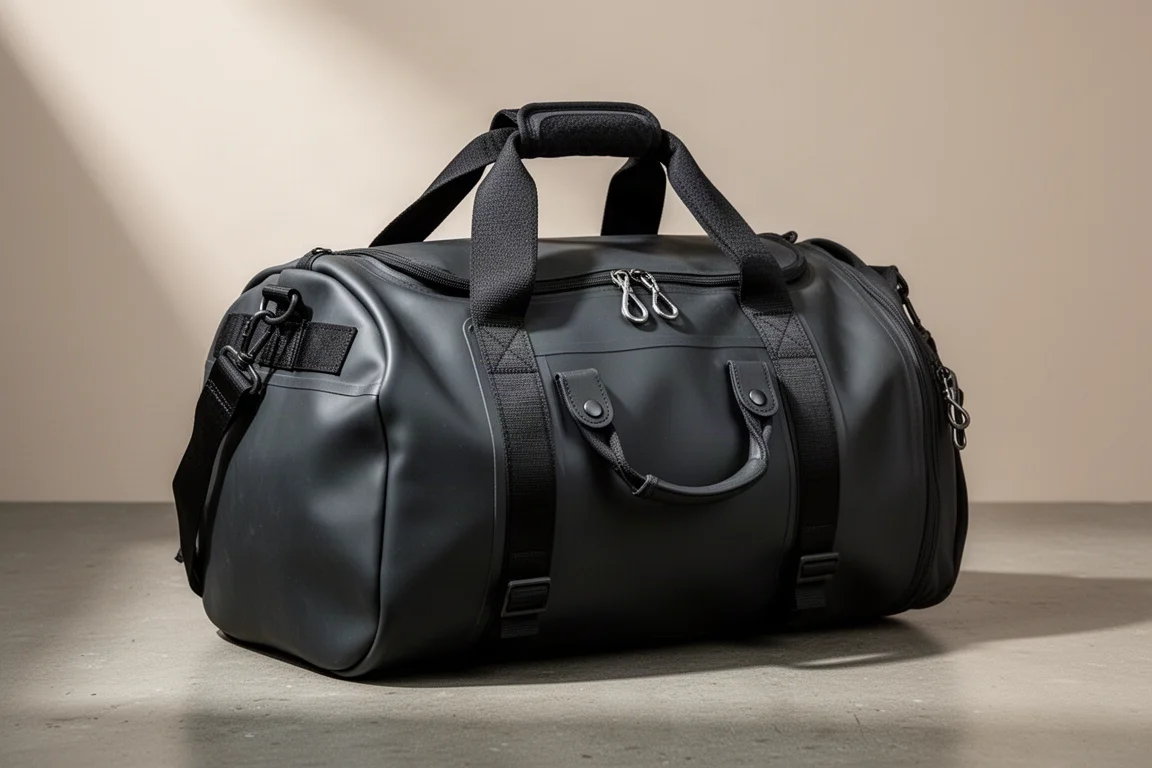
The Expedition is arguably the value pick of the group. At $64 on Amazon at the time of comparison, it offers quality comparable to the Chasm and Black Hole for roughly half the price. It uses the thickest fabric of the five at 1680 denier with a rubberized coating, number ten locking YKK zippers, and a large opaque zippered pocket on the lid. The 30 liter capacity is the joint-smallest here, and the shoulder straps, while padded and similar to the Black Hole’s, are awkward to remove because you have to thread the strap backwards through the adjuster with no buckle. The prominent logo may not be for everyone either, but if you can live with it, this is an amazing deal.
Osprey Daylight
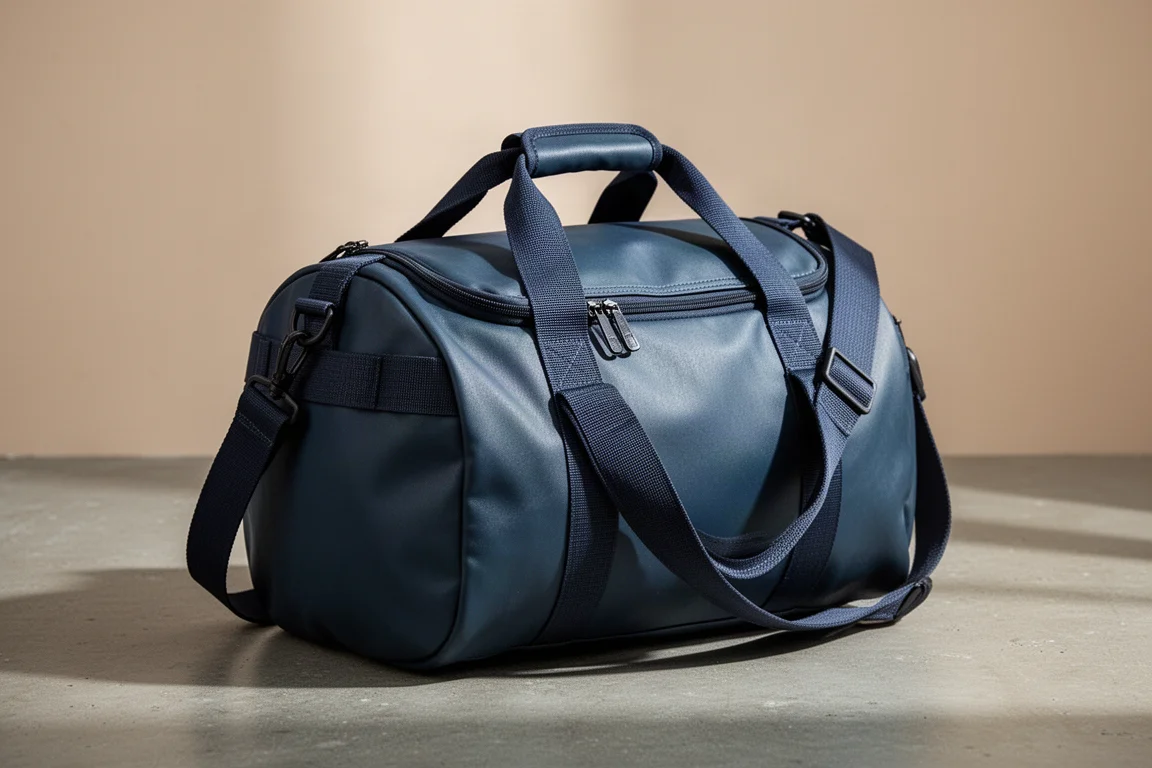
The Daylight is the minimalist’s choice. At just over one pound and $70, it wastes no space or weight on unnecessary features. It still manages decent exterior pockets for its size, including a huge front pocket that runs all the way down to the bottom of the pack, plus a smaller end pocket. The shoulder straps are the simplest of the group: very thin, non-removable, with no sternum strap, though a thin point in the middle velcros together to double as the top carry handle. Two fabric loops on either end of the pack make it easy to attach an aftermarket shoulder strap. There is no zippered lid compartment, just one large simple main compartment, and no locking zippers. As a light, cheap, high-capacity bag, it is hard to beat.
The North Face Base Camp Voyager
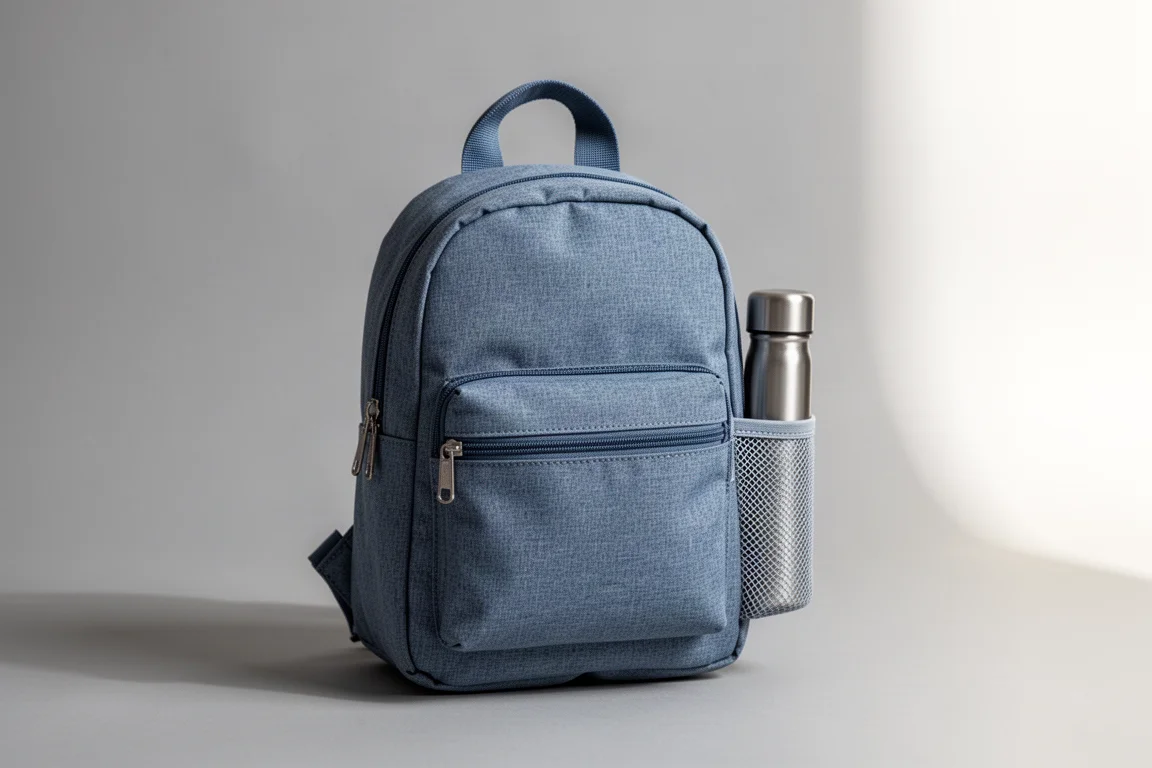
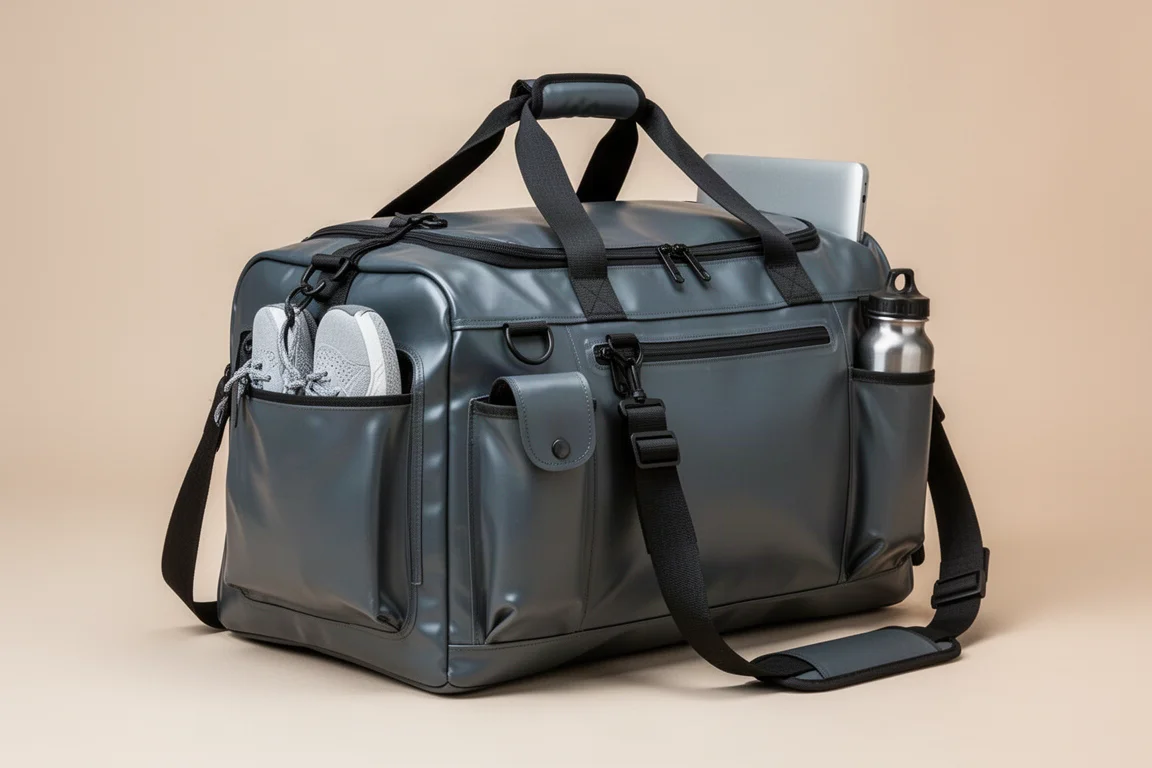
The Voyager is the lowest of the five in material quality, but it earns its place with features the others do not have. Its biggest advantage is storage: a huge shoe compartment on one side that also serves as the pocket the bag folds into, another large pocket on the opposite side, an external water bottle pocket with an extension snap that can hold a one liter Nalgene when opened, and a laptop compartment on the back. That laptop sleeve is slim; a 15 inch Dell did not quite fit, and there is very little padding, so you feel it against your back when carried as a backpack. The straps are stowable and detachable in the top pocket, with daisy chain loops for an aftermarket sternum strap, and the most daisy chain options of the group for carrying in almost any orientation. There is also a removable interior separator with four toggles you can position in the middle or a quarter of the way in.
External Pockets and Packing Features
Beyond the Voyager’s extras, each bag takes a different approach to external storage. The Jack Wolfskin has one medium pocket on top that takes up most of the lid. The Thule Chasm is the most restrained, with just one smaller pocket on the top of the bag. None of these duffels includes a hip belt, and none includes a shoulder strap, though all five have some way of attaching an aftermarket one, from fabric loops to daisy chain webbing around the sides, front, or corners.
Carry Comfort and Back Padding
Carry comfort varies more than the spec sheets suggest. The Osprey Daylight is the most minimalist, with thin, non-removable straps and no sternum strap. The Voyager’s straps are almost as wide as the next tier but a little thinner, with no included sternum strap. The Expedition and Black Hole have nearly identical padded, curved straps with daisy chain loops for adding a sternum strap. The Chasm has the thickest and most comfortable straps of all, though it offers no way to attach a sternum strap at all.
Top handles follow the same trend. The Voyager only has side handles with no traditional duffel carry option. The Daylight’s velcroed strap point doubles as its handle. The other three use comparable thick webbing handles, and the Chasm adds a clever side clip that keeps the handles from dangling and getting caught on your arm when you sling it on as a backpack, a feature none of the others have.
Back padding is minimal across the board. Three of the bags have no padding at all, just the coated fabric and whatever sits in the back lid pocket. The Voyager and Daylight add a thin, firm foam pad that helps comfort a little, though none of the five has any back ventilation.
Interior Layout and Packing
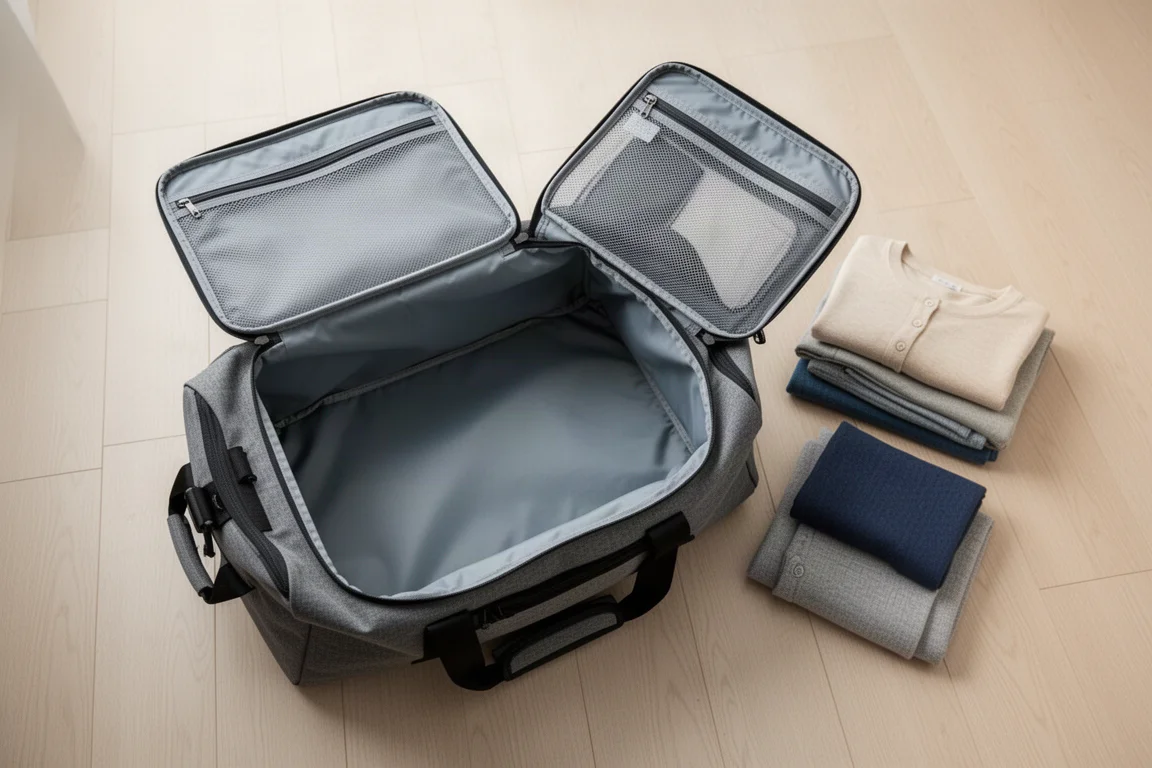
The interiors are all very simple, with a similar side-opening lid placed roughly in the middle of the bag. The exception is the Thule Chasm, whose lid is offset toward the bottom, giving better access to one side and keeping the seam away from your back. For lid storage, the Expedition has one large opaque zippered pocket, the Black Hole and Voyager each have a large zippered mesh pocket, the Chasm has two pockets with a large mesh one that runs behind a smaller front pocket, and the Daylight has no lid compartment at all, just raw main-compartment space.
Overall Buying Advice
The right pick depends on what you value most. If external water bottle storage and a laptop compartment matter to you, the Base Camp Voyager is the only option here that offers them, at the cost of thinner fabric. If you want the lightest bag and do not care about features, the Osprey Daylight is an awesome pack at just over one pound and $70. If price matters but you want something sturdier, the Jack Wolfskin Expedition at $64 is comparable in quality to bags costing roughly twice as much. The Patagonia Black Hole remains the dependable all-rounder, and the Thule Chasm matches its capacity while adding thicker fabric, more comfortable straps, and a few thoughtful extras at a similar price.
Conclusion
All five of these duffels are carry-on compatible, offer a huge main compartment, and convert to backpack carry, so you cannot really go wrong. Match the bag to your priorities: features for the Voyager, weight and value for the Daylight, raw value for the Expedition, proven durability for the Black Hole, and the best carry comfort and materials for the Chasm.
Further reading
Related Reviews
Travel Gear
12 Essential Travel Items That Make Every Trip Better
After traveling to over 150 cities worldwide, here are the practical items that have become indispensable for modern travel.
Travel Gear
Best One-Bag Travel Gear for Long Trips: 8 Essentials
A practical guide to the travel gear that proved its worth over 30 days of one-bag travel in Southeast Asia, from the pack to the power bank.
Travel Gear
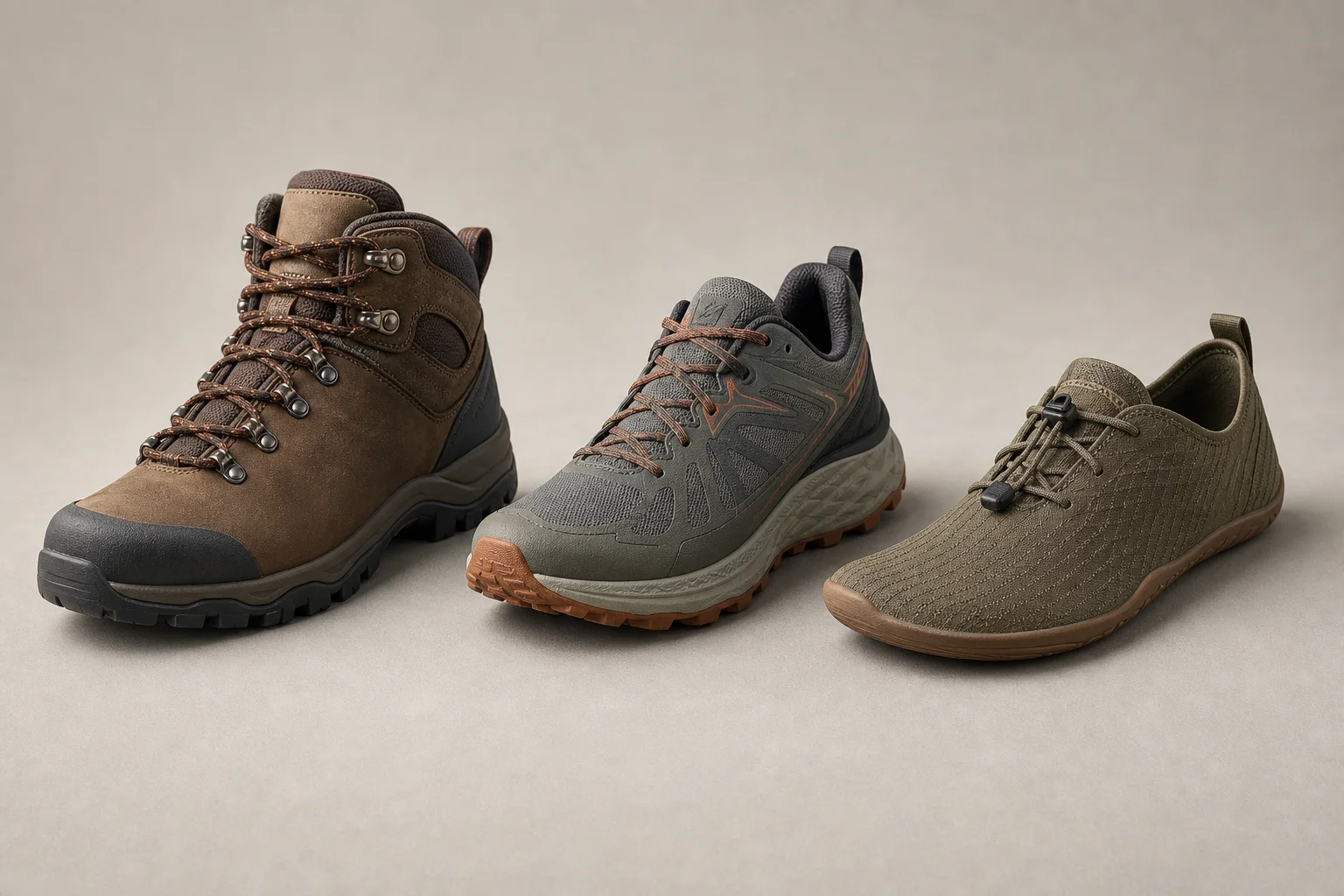
Best Shoes for Camino de Santiago: Hiking Boots, Trail Runners, or Barefoot
A practical guide to choosing the right footwear for the Camino de Santiago, comparing hiking boots, trail running shoes, and minimalist barefoot options across different routes and seasons.