Hand Tools
Best Carpenter Squares: Three Layout Tools Worth Knowing
A practical look at three squares and square-like layout tools: the Swanson Speed Square, the Maze Squangle, and the Stanley T-Bevel, with honest trade-offs for each.
Introduction
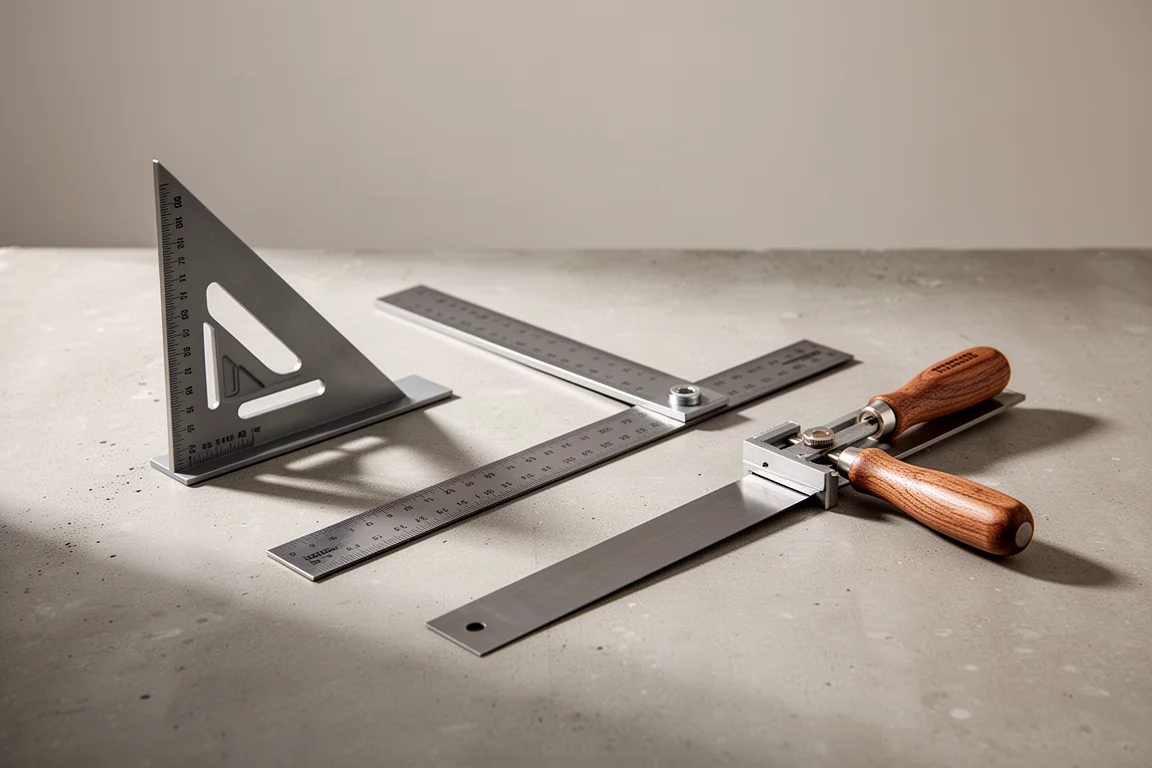
If you are not a carpenter but you need to buy a square, the range of options can be confusing. Framing squares, speed squares, combination squares, drywall squares, T-bevels: they all look similar at a glance, but each solves a different problem. This guide walks through three tools that cover a lot of ground for most buyers: the Swanson Speed Square, the Maze Squangle, and the Stanley T-Bevel. One of them, notably, is not even a square at all, and that is exactly why it earns its place.
Why Squares Still Matter
The world could never have been built without squares. Buildings cannot be added onto, maintained, or upgraded without them, and a carpenter is not a carpenter without a few squares and the knowledge of how to use them. Some of these tools are genuinely old: the Swanson Speed Square dates back to the early 1920s, and the classic steel framing square has been around far longer than that. Others are more recent, like the Squangle, which appeared around the time roof cutting became its own specialization.
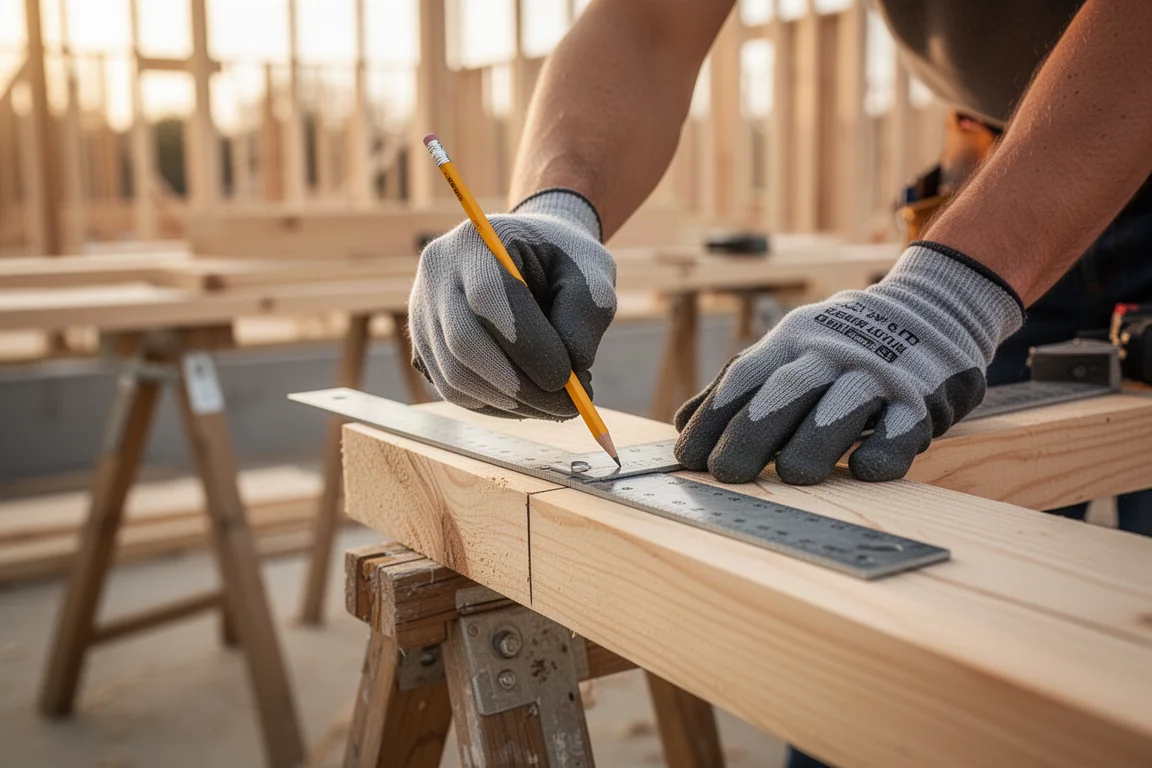
Before choosing, it helps to understand what each tool is actually for. A square that is perfect for drywall will frustrate a roof cutter, and a precision scribing tool is overkill for someone marking rafter cuts all day. Tolerances differ between trades, and so do the tools.
The Swanson Speed Square: The Framer’s Workhorse
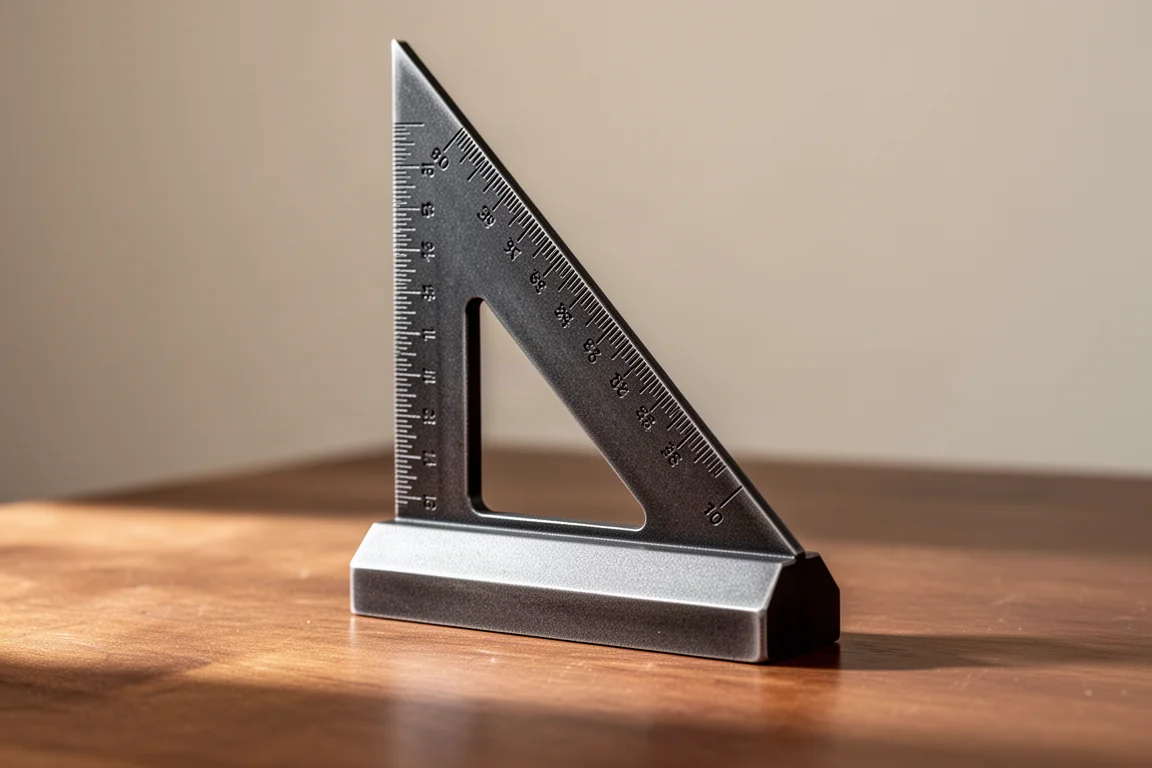
The Swanson Speed Square has been a workhorse since around 1922 or 1925, and it is probably the most-used square by framers today. It packs a lot of information into a compact triangular body: common rafter tables, degrees, hip and valley markings, scribing opportunities, and repeated measurements such as a three-and-a-half-inch offset.
It is also cheap and available in plastic, which matters more than it sounds. If one gets broken or stolen on site, it is no big loss. It drops right into the slot on a set of tool bags, so it is always where you need it. There have been newer adaptations on the market, and some are genuinely impressive upgrades, but if the budget does not stretch that far, the Speed Square remains the baseline tool that gets the job done.
For anyone framing walls or cutting rafters, this is the tool that will live in your nail bags.
The Maze Squangle: Roof Pitch Specialist
The Squangle by Maze is a different animal. Its distinguishing ability over a combination square is setting roof pitches, including common pitches and hip and valley pitches. It also reaches a good distance across a board, roughly eight inches across the body, giving you a fairly solid square line on an eight-by-twelve layout.
It hangs in your tool bags just like a combination square would. If scribing and fine detail work are not your priorities, the Squangle has a vial built into its eight-inch torpedo level body, which adds another layer of usefulness on the job.
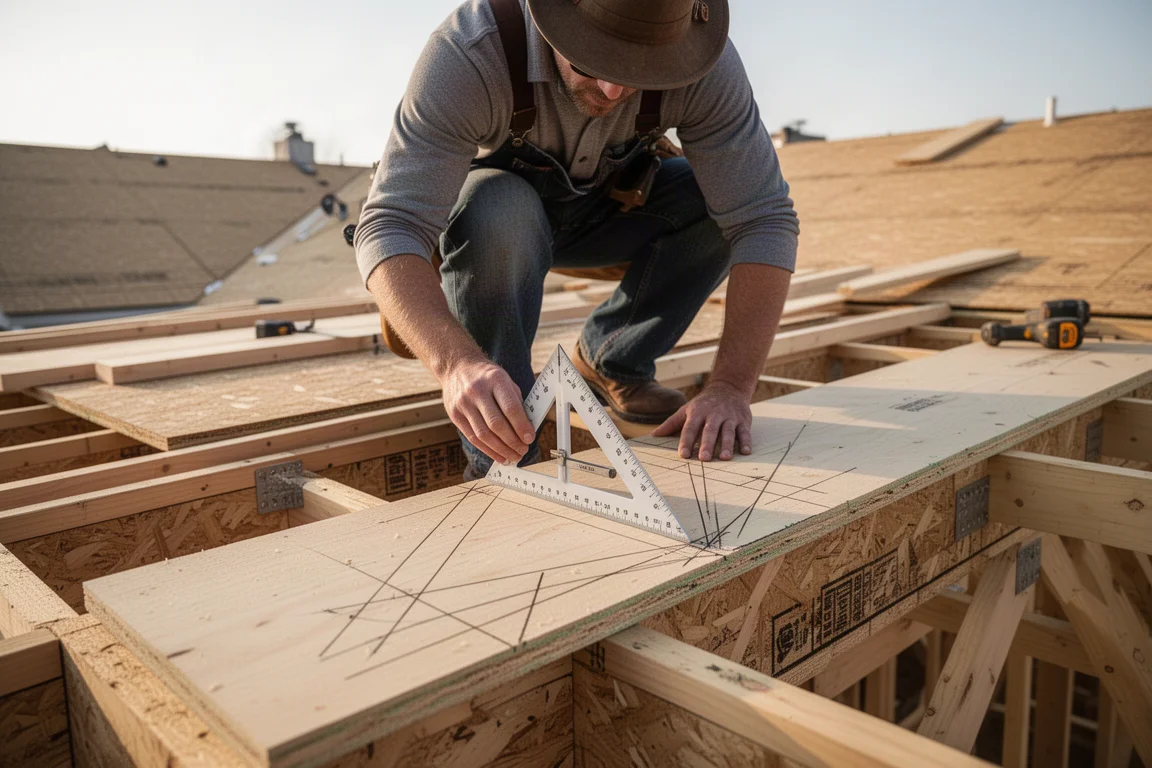
There is a caveat worth knowing before you buy: these tools need a little maintenance. The original screw hardware can rattle loose and the wing nut assembly can fall apart early, so many owners end up modifying them, such as replacing the fastener with a cut-off nail riveted in place. That is a minor annoyance, but the range of things a Squangle can do is hard to replicate with any tool that came before it.
The Stanley T-Bevel: Not Actually a Square
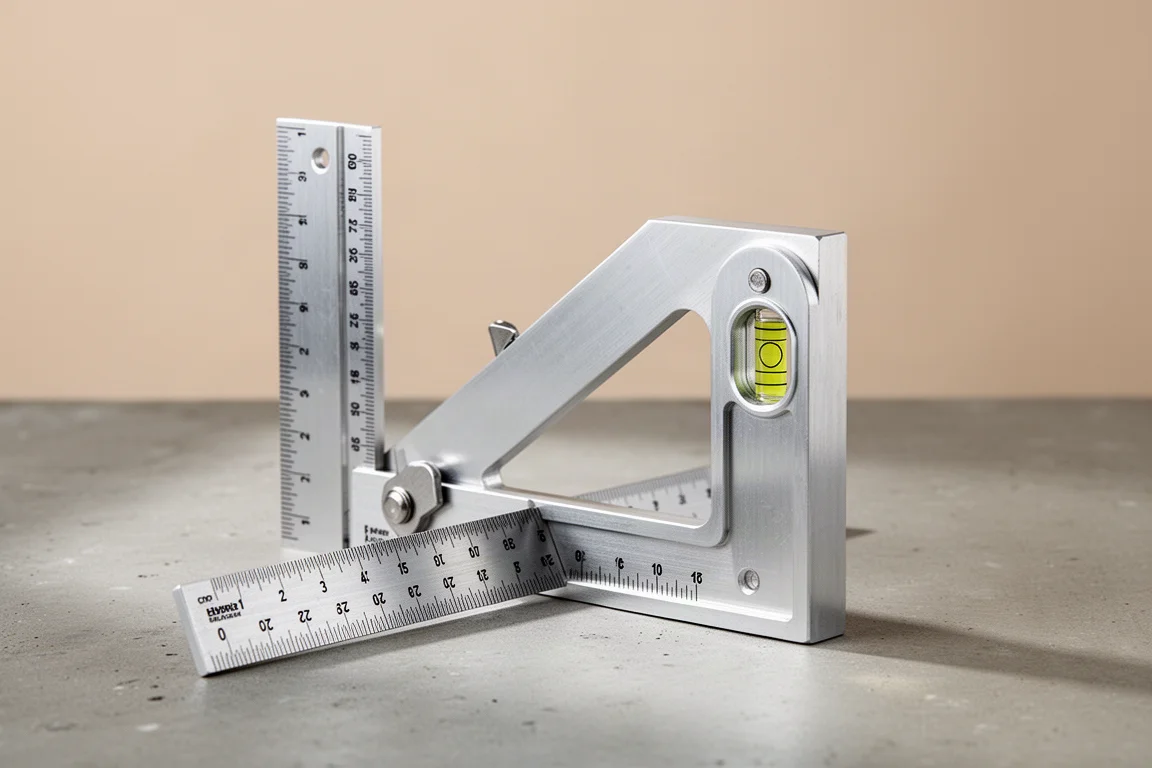
The Stanley T-Bevel is the odd one out, and it is worth being upfront about that: there is nothing you can do with one move to get a square line with it. What it does instead is capture and transfer odd angles. If you need to bisect an angle on something roughly hexagonal, or capture a random angle with no mathematical value you can identify, the T-Bevel gets that obscure angle and lets you work it back onto the edge of the board, dividing it in half so you know exactly what to do with your miter.
You can approximate square with it in two or three moves, holding it against the work and checking that a pencil line reads the same from two directions. It is also the square-type tool a framer uses least, and it is an old design. Anyone deeply schooled in old woodworking tools likely knows additional applications for it, but for most buyers its value is precise: irregular angle transfer and bisection.
Other Squares Worth Knowing About
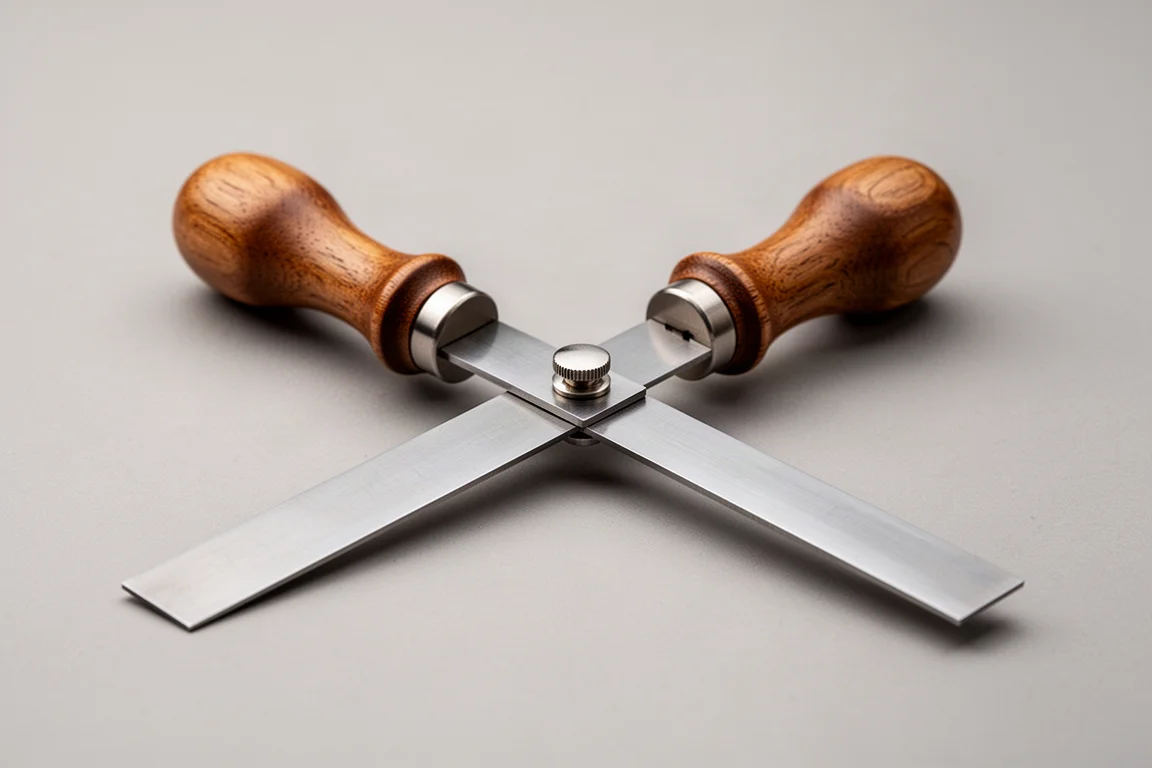
A few other squares did not make the featured list but come up in any serious conversation about layout tools, and knowing about them helps you buy smarter.
Drywall square. A 48-inch drywall T-square arrived with drywall itself around the end of World War II. Every drywall hanger has one, steps on it, bends it, and buys another, because drywall tolerances are looser than other carpentry work. The long reach across a full sheet, with 16 inches on one side and 6 on the other, plus its pairing with a utility knife for lengthwise cuts, makes it handy for that specific job.
Steel framing square. The classic carpenter square or framing square is arguably the one tool to pick if you could only have one. It works for layout across top plates, squaring wide boards, checking window and door openings for square over long distances, and it carries rafter tables for common, hip, valley, and jack rafters, brace length tables for post and beam work, and even hexagon layout. Aluminum versions trade some stiffness for comfort, since a steel square left in the summer sun can effectively blister your hand on a hot slab.
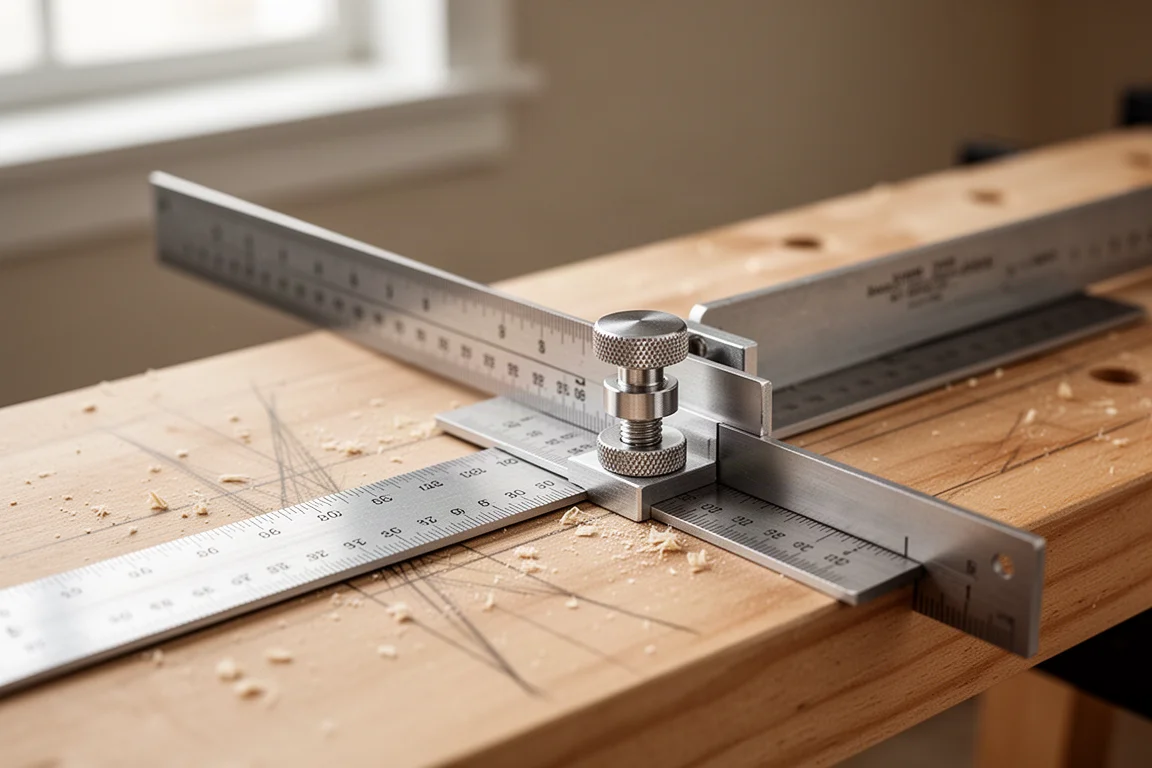
Combination square. The tri square or combination square is a wonderful adjustable gauge: set it to any length, tighten it down, and scribe repeatedly. It gives you 45 degrees, 90 degrees, and usually a level vial, which also gives you plumb. Newer versions include a small scratch-all scribe tucked into the body. A 12-inch blade is the sensible size if you buy one, though cabinet-focused woodworkers can go smaller. One caution: it can be fussy to reassemble and lock down without rattling loose.
Buying Advice: Which Square Do You Actually Need?
If you frame walls or cut rafters, start with a Swanson Speed Square. It is inexpensive, durable enough, and always in your bags. If roof pitch work is a regular part of your job, the Maze Squangle adds capabilities no earlier tool offered, at the cost of a little hardware maintenance. If your work involves mitered joints and irregular angles, the Stanley T-Bevel is the only tool of the three that can capture and bisect those angles at all.
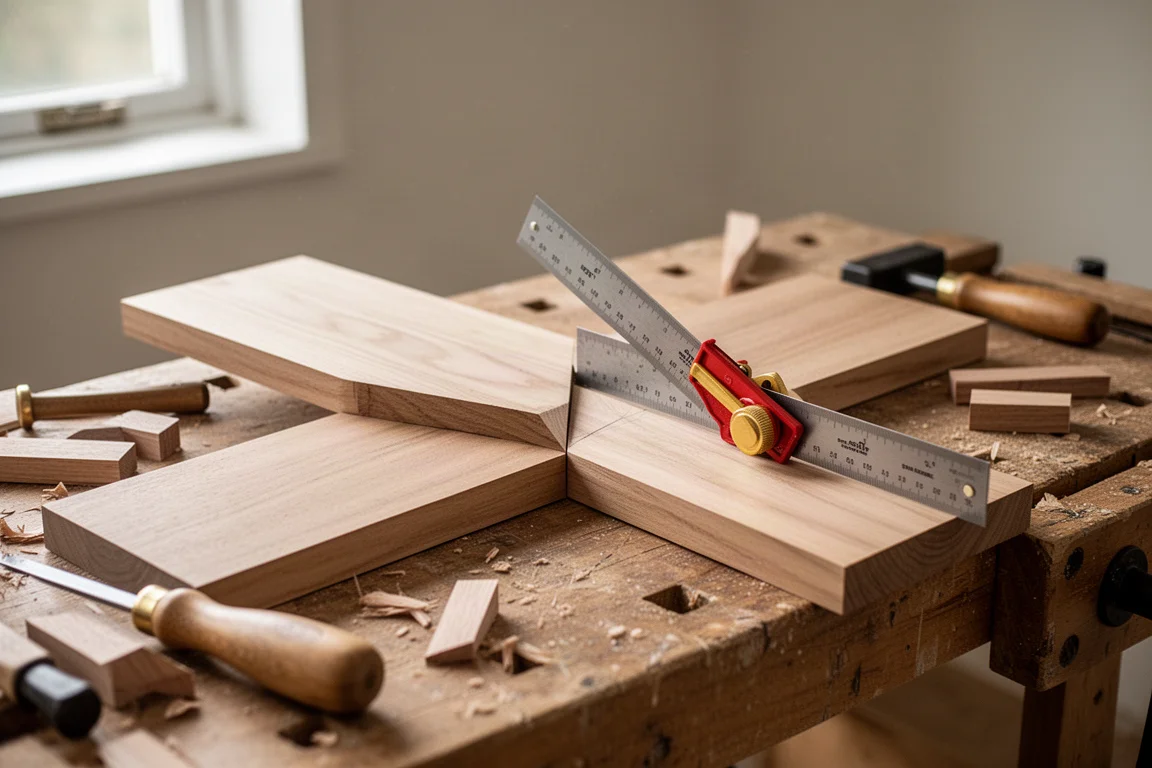
If you could genuinely only pick one tool for all jobs, many experienced carpenters would reach for a full framing square, since nearly anything a carpenter needs to do can be done with it. But for a practical starter kit, the three tools above cover the widest range of real-world tasks.
Conclusion
Squares are the quiet backbone of every straight wall, plumb opening, and tight-fitting joint. The Swanson Speed Square wins on everyday value and portability, the Maze Squangle wins on roof pitch capability, and the Stanley T-Bevel does what no true square can: capture angles that have no name. Match the tool to the work in front of you, and any of the three will pay for itself quickly.
Further reading
Related Reviews
Hand Tools
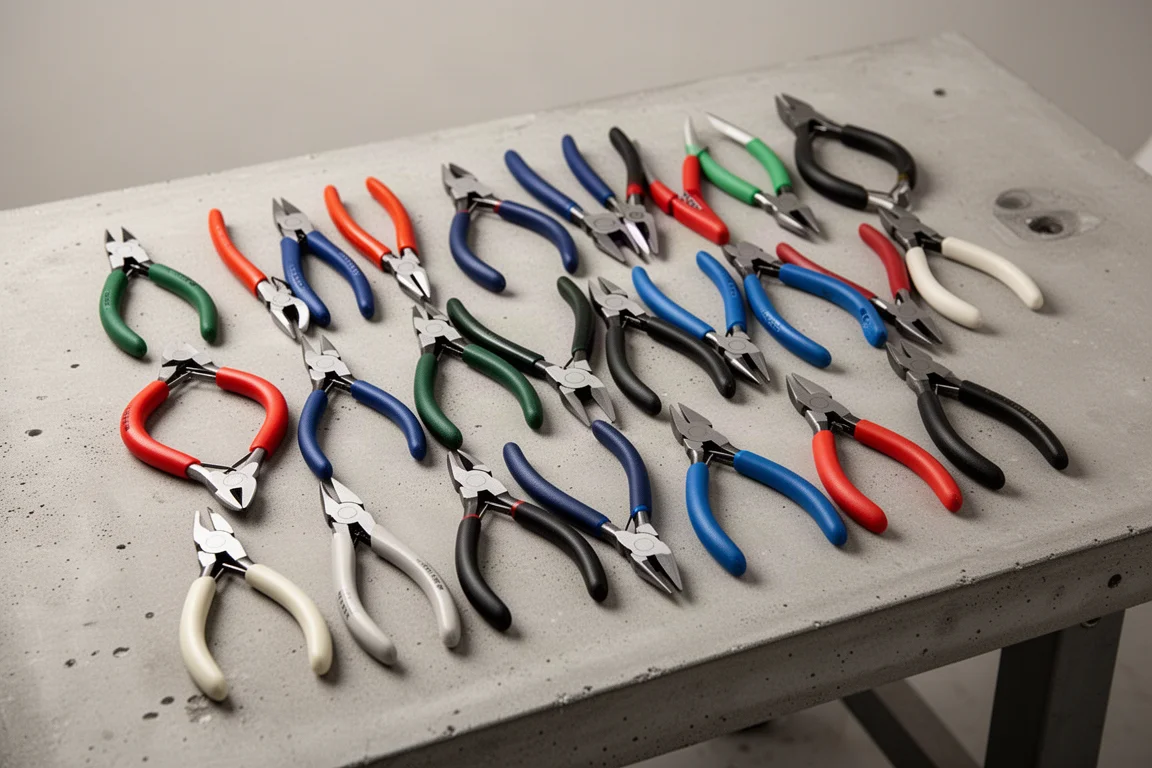
Best Diagonal Cutters 2026: 16 Pliers Tested for Cutting Power and Durability
We put 16 diagonal cutters through nail, screw, drill bit, and hex key tests to find the best value picks for your toolbox.
Hand Tools
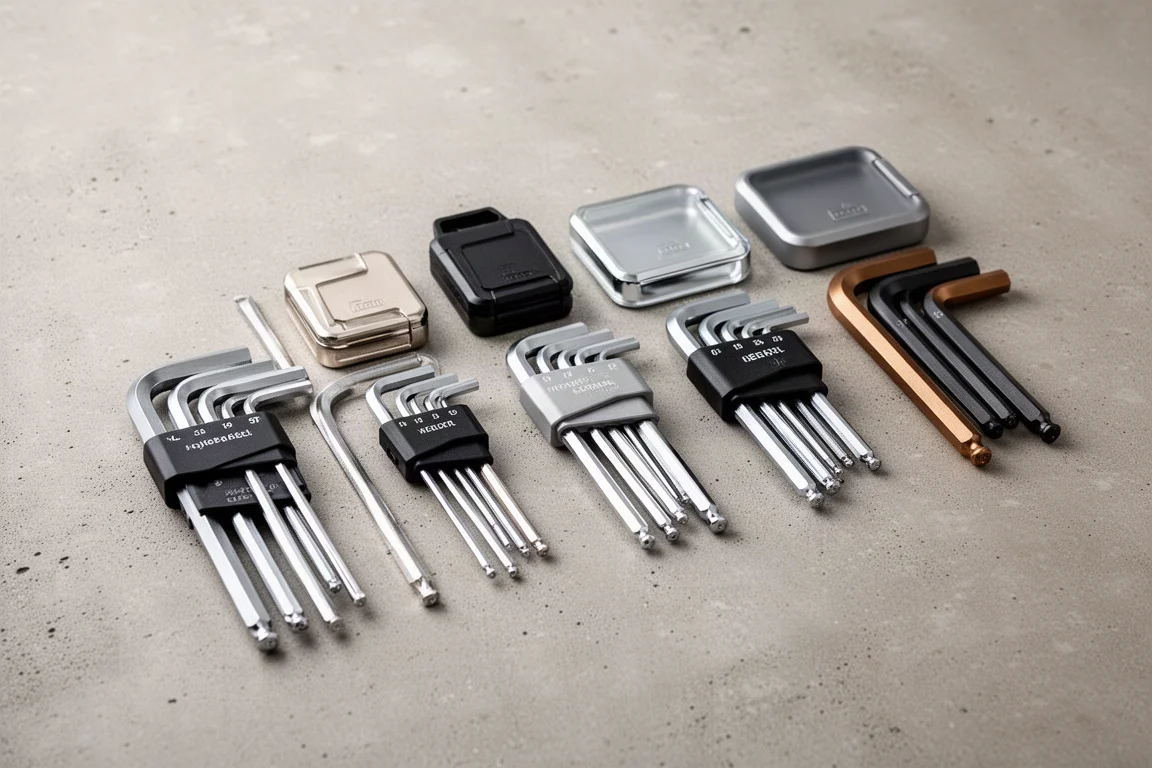
Best Hex L Key Sets 2026: Nine Sets Tested for Real-World Torque
Nine hex L key sets from budget to premium, tested for torque, fit, and durability. See which sets deliver real performance and which ones to skip.
Hand Tools
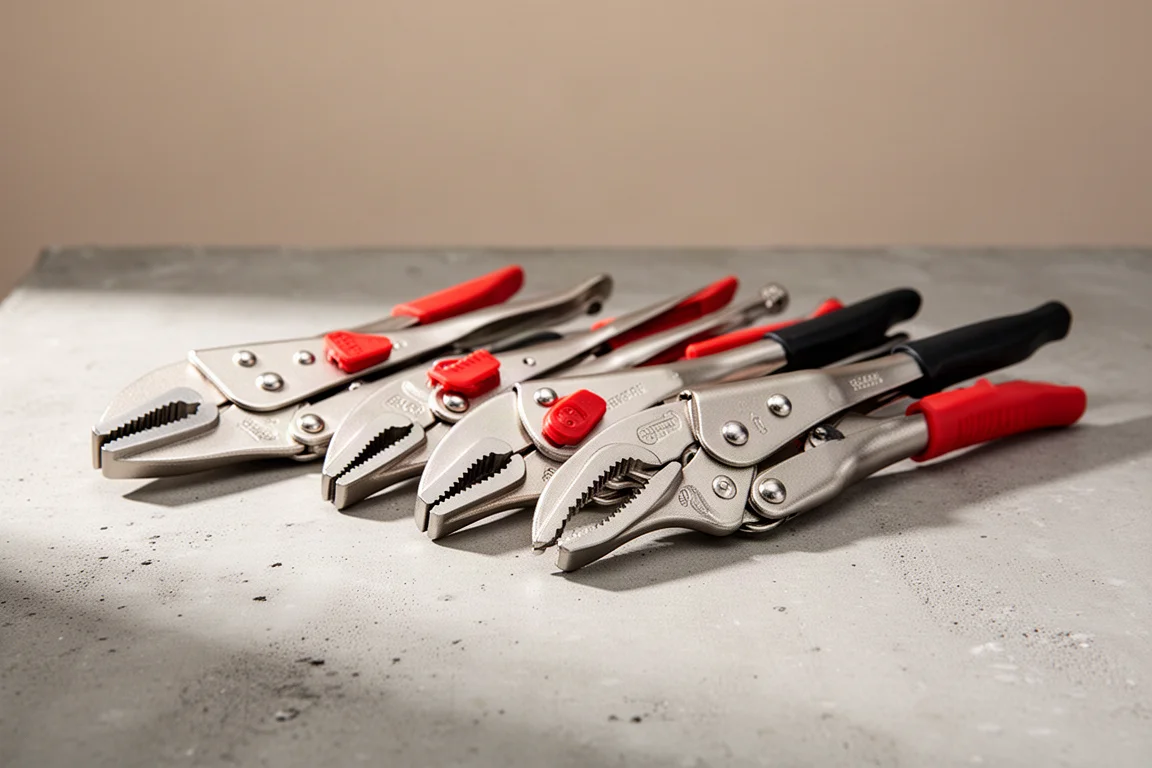
Best Locking Pliers 2026: Top Picks Tested for Grip and Durability
We tested 18 brands of 10-inch locking pliers for grip strength, jaw bite, build quality, and ease of release to find the best options for tough jobs.