Hand Tools
Best Camping Hatchets Compared: DeWalt, Fiskars, Estwing and Gransfors Bruk
Four camp hatchets weighed, balanced and put to work: which one deserves a place in your kit?
Introduction
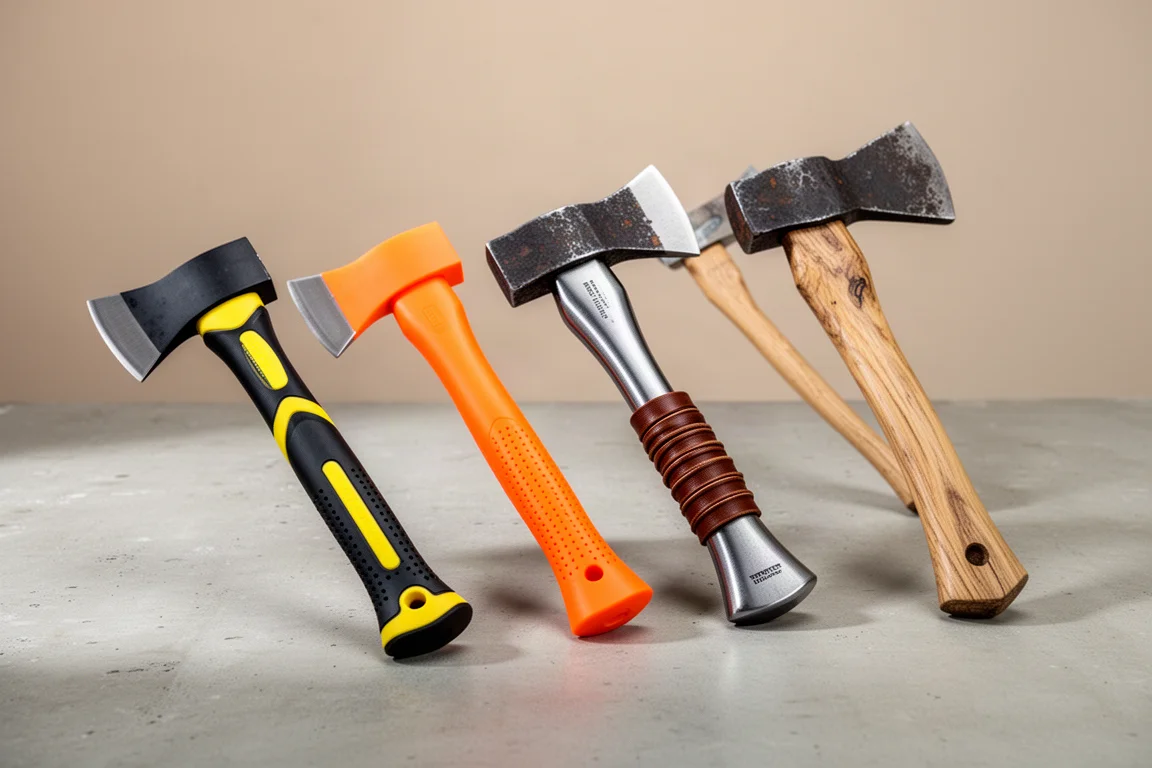
Hatchets are one of those tools where the market has quietly split into two camps: traditional all-steel or wood-handled designs that have been around for generations, and newer offerings from big tool brands built for the job site. The DeWalt 20 oz Hatchet is the newest of the bunch here, and the natural question is whether a tool brand known for hammers and drills can beat the established names from Fiskars, Estwing and Gransfors Bruk. We lined up all four to see how they stack up on weight, blade geometry, handling and price.
How They Compare on Paper
Weight is the first obvious difference. The DeWalt has a 20 oz head with a 33 oz overall weight. The Fiskars comes in at 23 oz overall, almost 10 oz lighter than the DeWalt. The classic Estwing weighs about 30 oz, so the DeWalt is only a couple of ounces heavier than that solid-steel design. The Gransfors Bruk Wildlife Hatchet, our benchmark in this comparison, is around 22 oz overall, which is remarkably light given it has a wooden handle and no plastic in the head assembly.
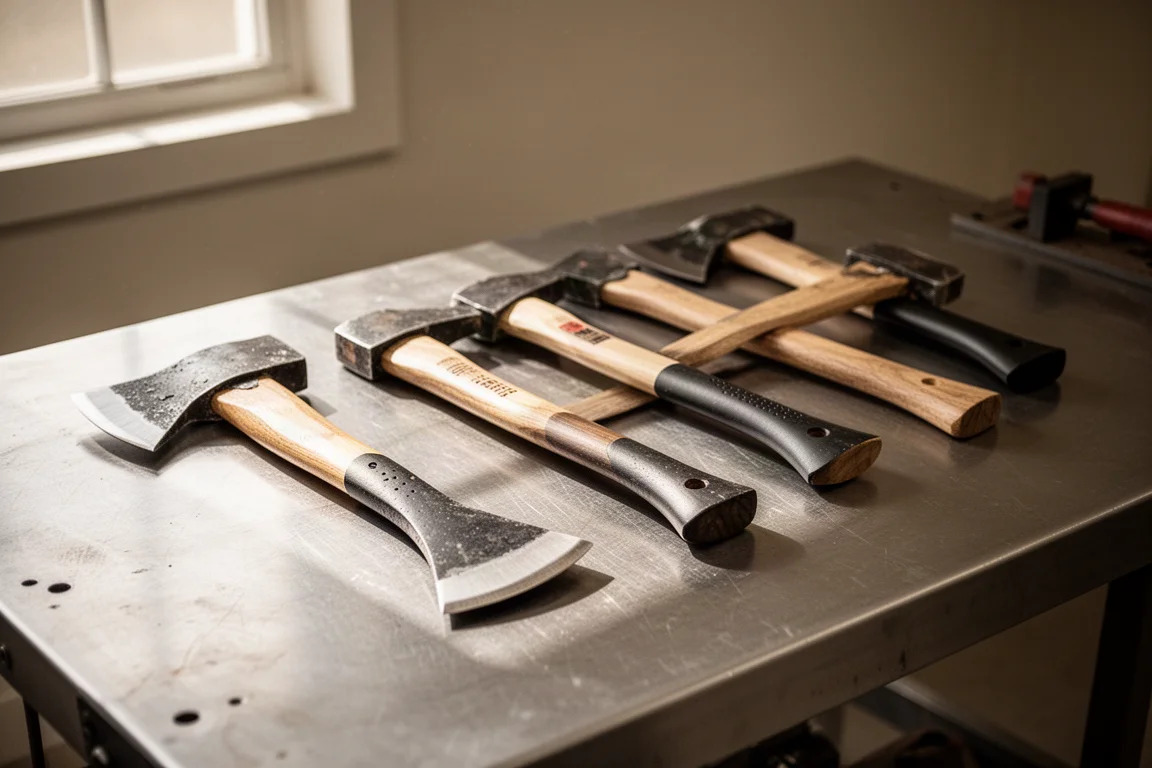
Pricing is just as varied. The DeWalt runs about $36 off the shelf at big-box hardware stores. The Fiskars can typically be found online for a little over $30, around $32. The Estwing, with its leather washer handle, comes in at around $46. The Gransfors Bruk sits at roughly $200, a completely different tier of tool.
Blade Geometry and Splitting Performance
The shape of the head matters more than almost anything else for how a hatchet actually behaves in wood. The Estwing has always been a classic, but it has a very narrow striking surface up front, so it tends to sink into the wood and stay there. It does not split very well. The Fiskars, by contrast, is a genuinely good splitter because the head widens pretty fast. The DeWalt sits right in between: it has a fairly sharp front end that gradually increases in width, but it never gets super wide, and that comes down to the forging. It is a fairly narrow head, though certainly not as narrow as tomahawks or cheap axes.
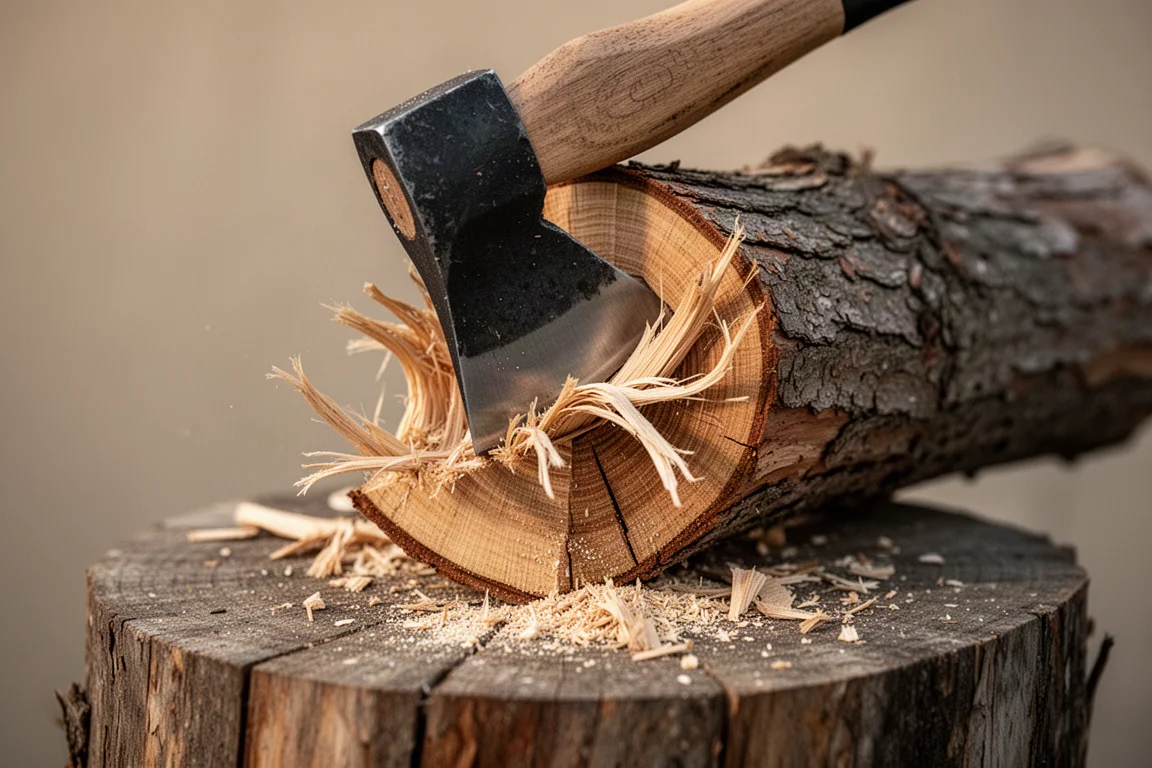
The Gransfors Bruk Wildlife Hatchet is simply superb in this regard. It comes razor sharp from the factory, carries the initials of the Swedish smith who forged it, and has excellent grain structure. As a general-purpose carving and camp tool, it is hard to beat.
Not every design works, though. Some budget house-brand hatchets with chisel-like fronts and uniform head profiles perform poorly, and overly aggressive blade bends can make the striking angle awkward, limiting how much of the edge you can actually use.
Handling and Balance
Balance is where the DeWalt shows its job-site DNA. There is a lot of weight in the handle, so the balance point sits noticeably further back toward the grip than on something like the Gransfors Bruk or Fiskars, where the weight sits almost entirely in the head. That makes the DeWalt feel heavy and somewhat unbalanced in use, though it still chops quite nicely.
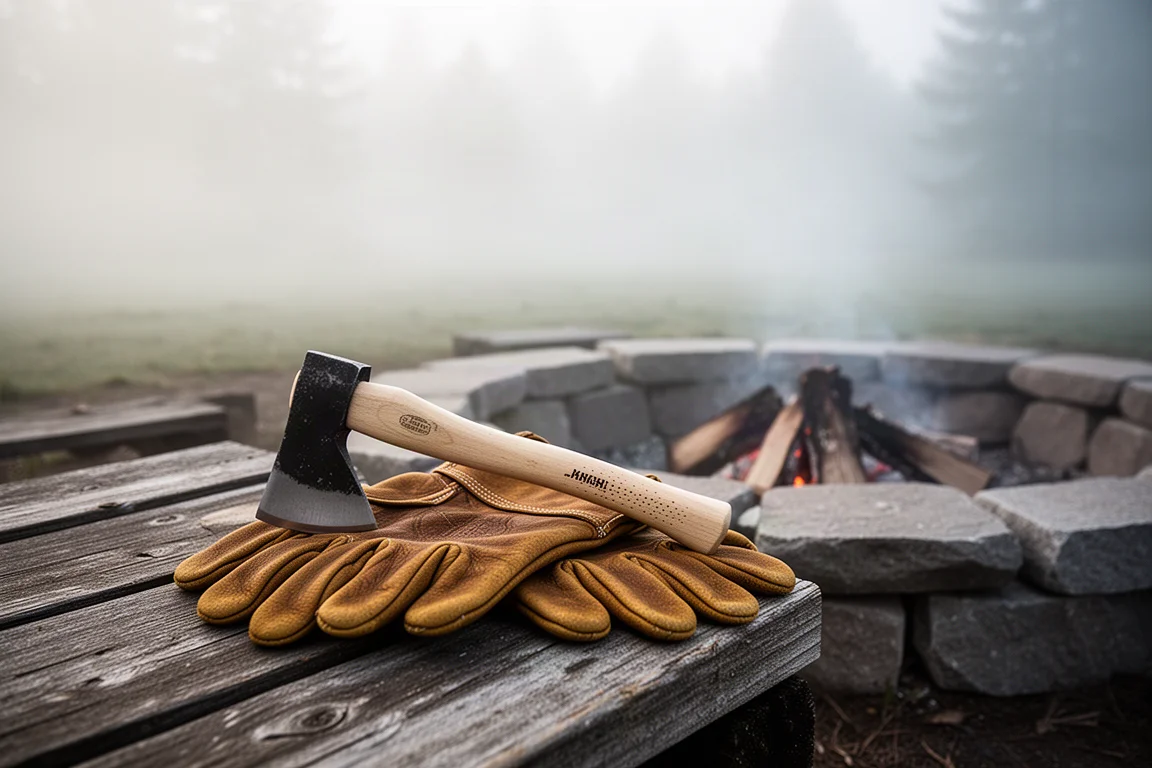
The grips tell their own stories. The DeWalt uses the same rubber overmolding on a harder plastic core that the brand applies to its hammers. In extended use that overmold can start to fail, though the grip itself is solid with a small swell and a hook at the bottom. The Estwing’s stacked leather washer handle is a tremendously good, old-school design: leather washers are slid onto the steel shaft up to a collar, spacers are added, then everything is riveted and ground down before being dipped in lacquer. It lasts for generations and is easier to hang onto in cold weather. The Gransfors Bruk has a lovely palm swell and no chunky lever at the butt, which is a plus; if you need an overbuilt hook to hang onto a hatchet, it is arguably not the right tool for you.
Holding a hatchet backward to drive it like a hammer is another real-world test. The DeWalt handles this well because it is essentially a striking tool, and the plastic handle design means you will not hurt it. The Fiskars grip genuinely gets in the way here, forcing you to choke up. The Estwing is awkward reversed and you have to be careful not to chop into yourself.
Durability and Warranty
Two practical notes on the DeWalt worth knowing before buying. First, it arrived painfully dull, with essentially no edge on it, so plan on a solid sharpening session out of the box. Second, the included sheath is a small plastic belt attachment that does not hold up well. On the plus side, the warranty support is impressive: when the handle overmolding started falling apart, a call to the company resulted in a replacement being sent out without needing to return the tool or even send photos.
The Fiskars is a piece of tough plastic, and while these are hard to break, they can break, and the company does warranty them. Still, for rough work, all-steel designs like the Estwing or a good hickory handle offer more peace of mind.
Buying Advice
If you want the lowest-friction purchase, the Fiskars is the budget-friendly splitter pick, though consider paying a little more for a solid steel design unless cutting weight is a priority. If you want a tool that will outlive you, the Estwing’s leather handle and classic blade remain genuinely useful for a wide range of chores, even if the head shape deserves an update. If you want the best tool money can buy and do not mind spending roughly the price of six budget hatchets on one, the Gransfors Bruk Wildlife Hatchet is the benchmark for a reason.
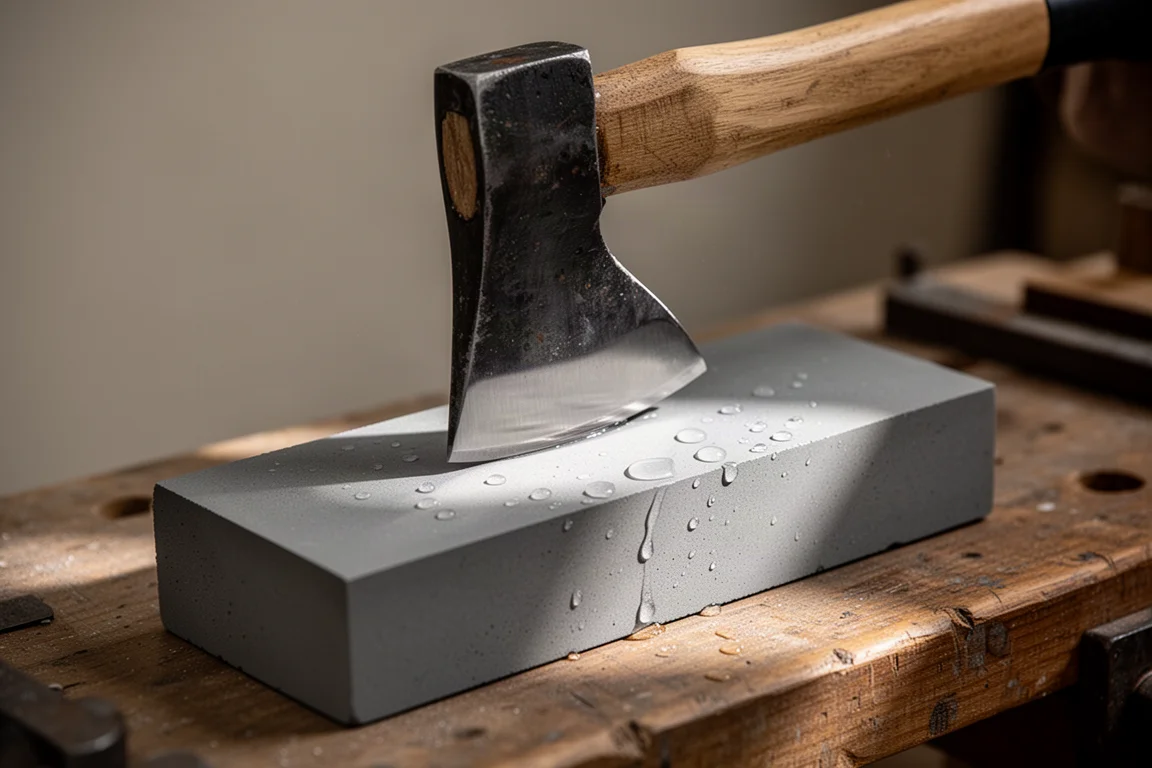
The DeWalt lands in a genuinely interesting middle ground: it is a good solid performer that chops well and is backed by an easy, no-questions warranty, and its hammer-like striking back makes it more versatile around camp than its narrow blade suggests. Whether it is an Estwing killer is a matter of what you value most: blade performance and heritage, or modern striking-tool practicality.
Conclusion
There is no single winner here. The Fiskars wins on price and splitting, the Estwing on durability and heritage, the Gransfors Bruk on outright quality and feel, and the DeWalt on warranty support and striking-tool versatility. Match the tool to what you actually do with a hatchet, and each of these four can be the right answer.
Product link
View more details for DeWalt 20 oz Hatchet
This product is mentioned in the review. Check the specifications, options, and compatibility before buying.
View more details for DeWalt 20 oz HatchetFurther reading
Related Reviews
Hand Tools
Best Diagonal Cutters 2026: 16 Pliers Tested for Cutting Power and Durability
We put 16 diagonal cutters through nail, screw, drill bit, and hex key tests to find the best value picks for your toolbox.
Hand Tools
Best Hex L Key Sets 2026: Nine Sets Tested for Real-World Torque
Nine hex L key sets from budget to premium, tested for torque, fit, and durability. See which sets deliver real performance and which ones to skip.
Hand Tools
Best Locking Pliers 2026: Top Picks Tested for Grip and Durability
We tested 18 brands of 10-inch locking pliers for grip strength, jaw bite, build quality, and ease of release to find the best options for tough jobs.