Kitchen Knives
Best Bunka Knives Compared: Three Japanese All-Rounders Tested
Three bunka knives from Russian Hamono, Atetsu, and Seki Kanetsugu go head to head for edge feel, food release, and tip work.
Introduction
The bunka sits in a sweet spot for home cooks: shorter and more nimble than a gyuto, with a pointed tip that handles intricate work better than a santoku. We put three very different bunka knives through the same battery of cutting tests to see which one earns a place on the board.
The Three Knives
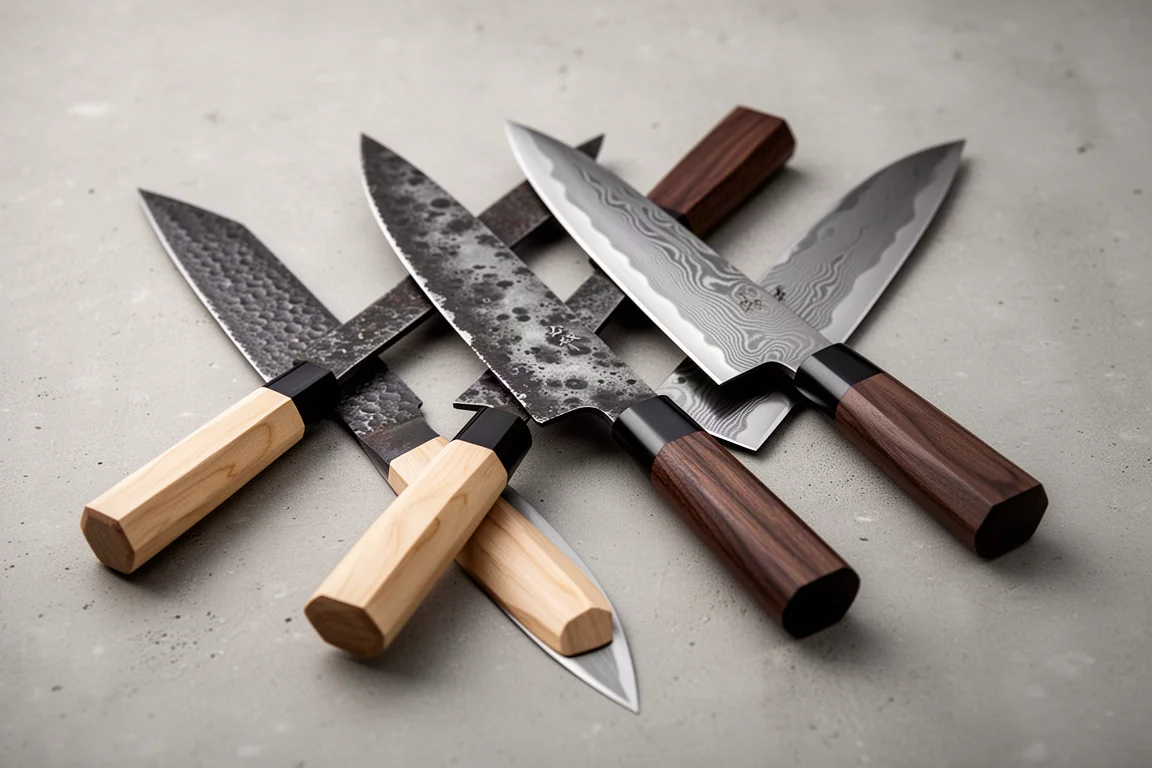
First up is the Russian Hamono Fukakuriu ATS-314 Damascus bunka at 170 millimeters, with a textured Damascus finish, a convex edge, and a tapered octagonal Canadian maple handle. Next, the Atetsu Nashiji Aogami #2 bunka, available in 160 and 170 millimeters, with a rustic nashiji finish, a walnut handle with a maple spacer and ebony ferrule, and a traditional octagonal shape. Finally, the Seki Kanetsugu Zuiun R2 Damascus bunka at 180 millimeters, with brown pakka wood, a black pakka wood ferrule, a white G10 liner, a decorative pin at the heel, and a distinctive seven-sided heptagonal handle.
How We Evaluated the Knives
Each knife went through the same tasks: carrots for edge geometry, shallots and garlic for tip work, bell peppers for skin cutting, and scallions for push cutting. The edges were given a quick touch-up on a ceramic rod and leather strop before testing, but otherwise all three were used straight out of the box.
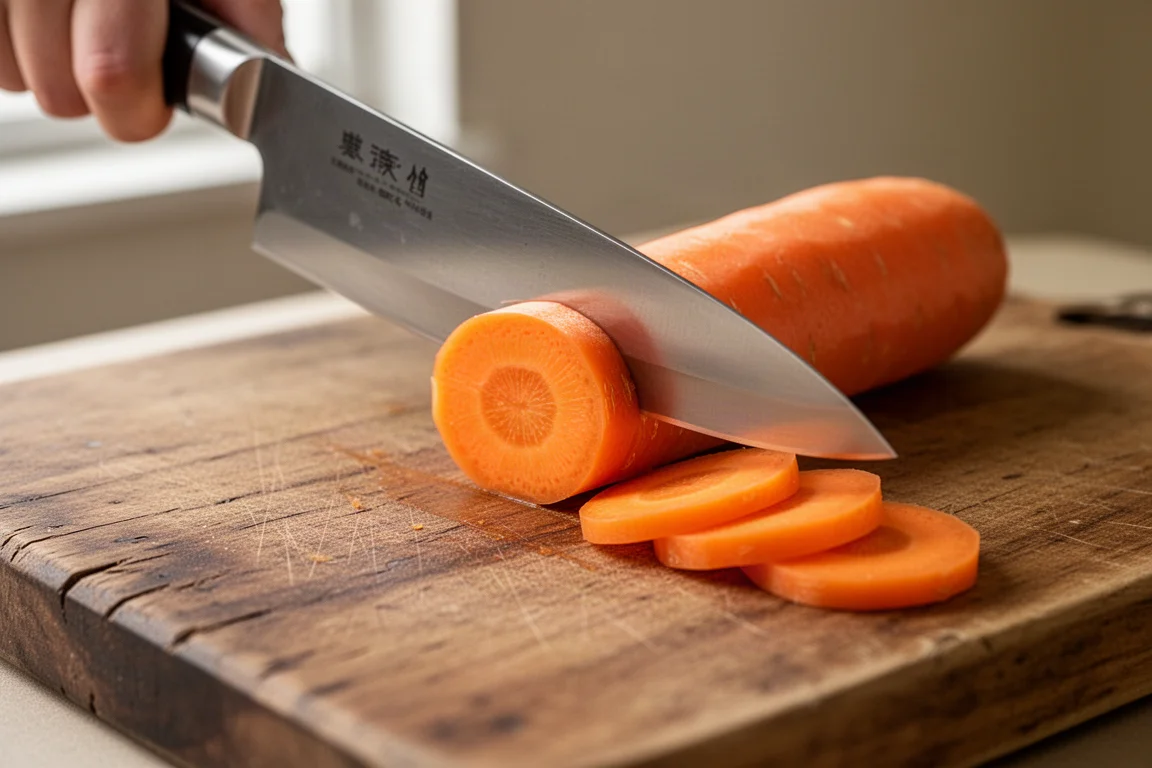
The carrot test is the real workout for edge geometry. A thin knife behind the edge that tapers gradually up the blade tells you a lot about how it will handle harder root vegetables, which is where shorter knives often struggle.
First Impressions in the Hand
The Fukakuriu is the standout before a single cut is made. The spine and choil are sanded to near mirror polish, the tang-to-handle insertion is flawless, and the tapered handle feels genuinely comfortable. The balance point sits right at the pinch grip, and it is very light and nimble.
The Atetsu Nashiji is the most affordable of the three and wears a more rustic finish, which many cooks will actually prefer. The handle joins are clean with no gaps, and the spine, while not sharp, is a little less refined than the Fukakuriu. Picky users might want to sand it, but most will barely notice.
The Zuiun’s heptagonal handle is divisive. Some people feel it locks into their knuckles for extra control, while others find the point underneath uncomfortable. Fit and finish are otherwise excellent, with a perfect tang insertion and nice touches like the heel pin.
Carrot Test
All three handled carrots impressively. The Fukakuriu’s thin, convex edge cut through the thickest part of the carrot with zero resistance, and its food release was excellent, with build-up falling off the blade instead of pressing into your finger. The Atetsu was nearly as sharp and smooth but slightly stickier on the blade. The Zuiun’s extra length made rocking easier, and its flatter profile gave it perhaps the best food release of the three.
After this round, the three were effectively dead even on pure cutting feel, with the Fukakuriu edging ahead on food release.
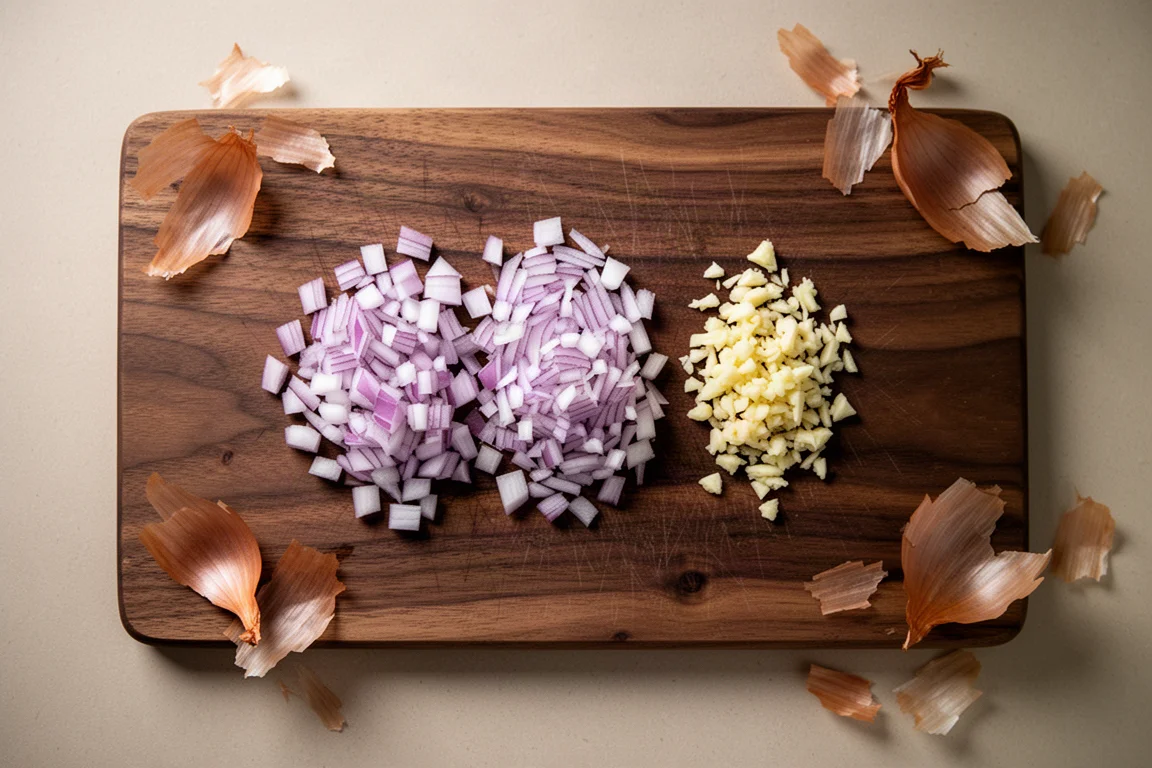
Shallot and Garlic Tip Work
This is where the knives separated. The Zuiun felt nice and nimble, though the tip felt slightly thick and produced a few flung slices. The Atetsu felt a touch thinner behind the edge and was noticeably better at the tip.
The Fukakuriu was the clear winner here. Its tip is the thinnest of the three, shallot work felt effortless with zero flinging, and the overall in-hand comfort became obvious after using the other two first. Its rock-to-push balance also suits the kind of intricate tip work most people buy a bunka for in the first place.
Bell Pepper Skin Test
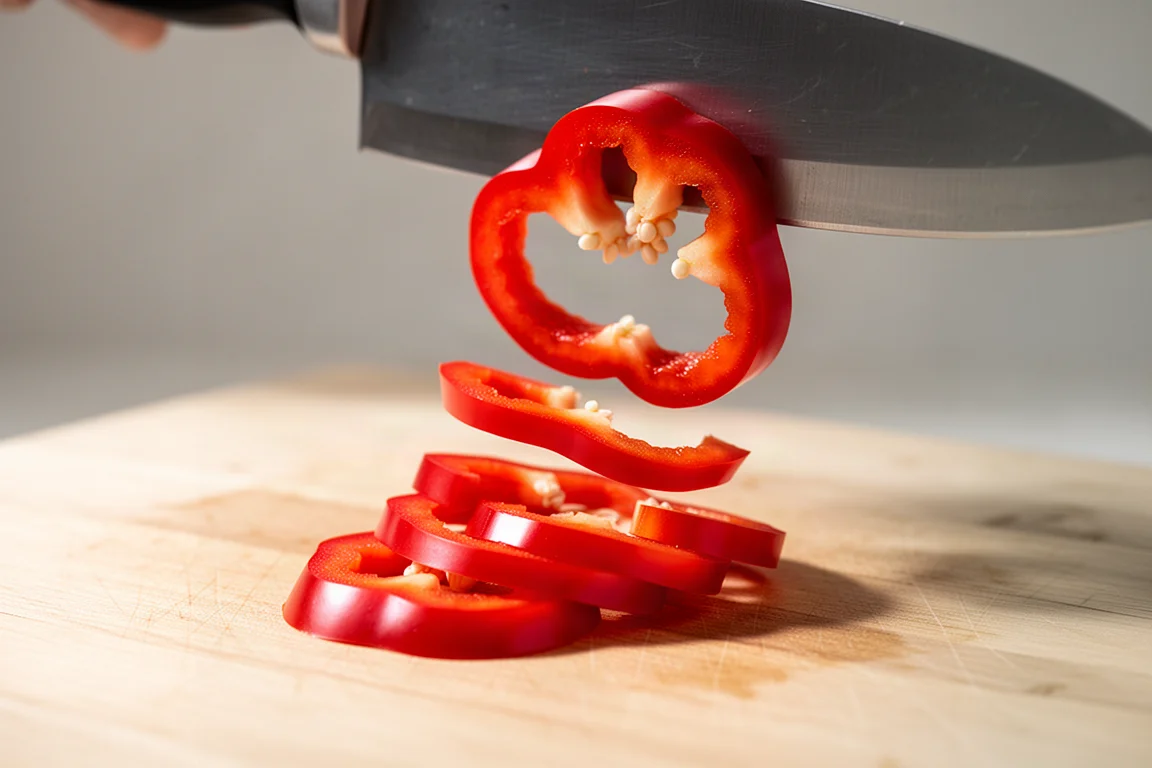
Bell pepper skin is a genuinely tough test. The Zuiun performed well and cut cleanly, but felt like it was missing a little something. The Atetsu also did well, and its stainless-clad carbon edge seemed less affected by the earlier carrot work.
The Fukakuriu still felt the sharpest and most effortless of the three, taking another round.
Scallions and Push Cutting
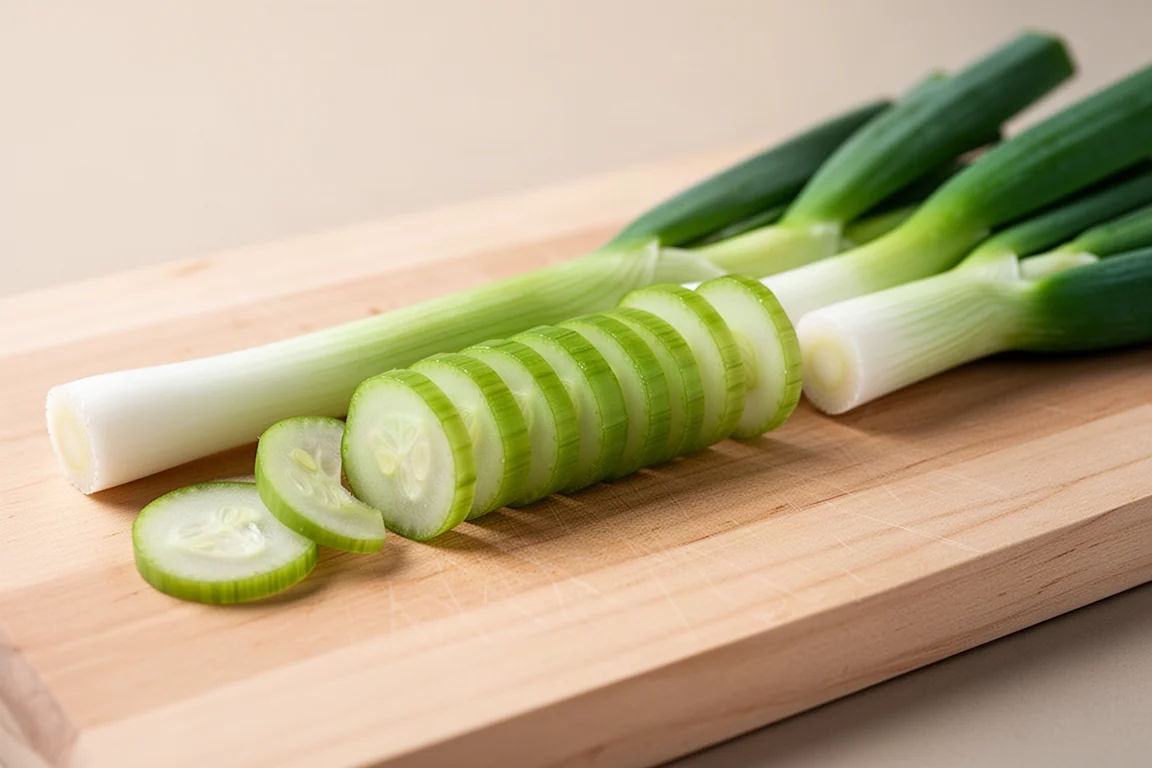
Scallions reward a flat profile. The Zuiun’s flatter spot and extra length made push cutting slightly easier, earning it the round. The Atetsu’s curvier profile produced some accordioning and stuck-together slices, exactly what its shape predicts, though switching to a rocking motion fixes it. The Fukakuriu was surprisingly good here too, its lower tip and decent flat spot handling the white parts cleanly.
Which One Should You Buy?
If you want the best overall performer and the finest tip work, the Russian Hamono Fukakuriu is the pick. It is the most expensive, and the thin edge means it deserves a little more care, but the fit, finish, and cutting feel justify it. If you prefer a rustic carbon steel knife that is easier to sharpen and you mostly rock chop, the Atetsu Nashiji is tremendous value. If you want a little more length and a flatter profile for push cutting, the Zuiun is a well-built option, just try the heptagonal handle first if you can.
Conclusion
All three bunka knives performed exceptionally well, but the Russian Hamono Fukakuriu ATS-314 Damascus takes the win thanks to its outstanding tip work, food release, and in-hand comfort. The Atetsu remains the smart budget-conscious choice for rustic carbon steel fans, and the Zuiun suits push-cutters who want extra flatness and length.
Product link
View more details for Russian Hamono Fukakuriu ATS-314 Damascus Bunka
This product is mentioned in the review. Check the specifications, options, and compatibility before buying.
View more details for Russian Hamono Fukakuriu ATS-314 Damascus BunkaFurther reading
Related Reviews

Kitchen Knives
Best Chef's Knives 2026: 27 Popular Options Tested and Ranked
A comprehensive review of 27 chef's knives ranging from $18 to $380, with honest assessments of handle comfort, blade balance, and real-world performance.

Kitchen Knives
Best Chef's Knives Under $75: Two Tested Recommendations
Two practical 8-inch chef's knives that balance sharpness, comfort, and durability without premium pricing.

Kitchen Knives
Best Chef's Knives 2026: 27 Options Tested and Ranked
A comprehensive review of 27 chef's knives ranging from $18 to $380, with honest assessments of handle design, balance, blade profile, and real-world performance.