Snowboarding
Best Inexpensive Snowboards 2026: Seven Budget Boards for Every Riding Style
Seven low-cost snowboards covering beginner, all-mountain, park, freeride, and wide volume-shifted needs, with the trade-offs to know before buying.
Introduction
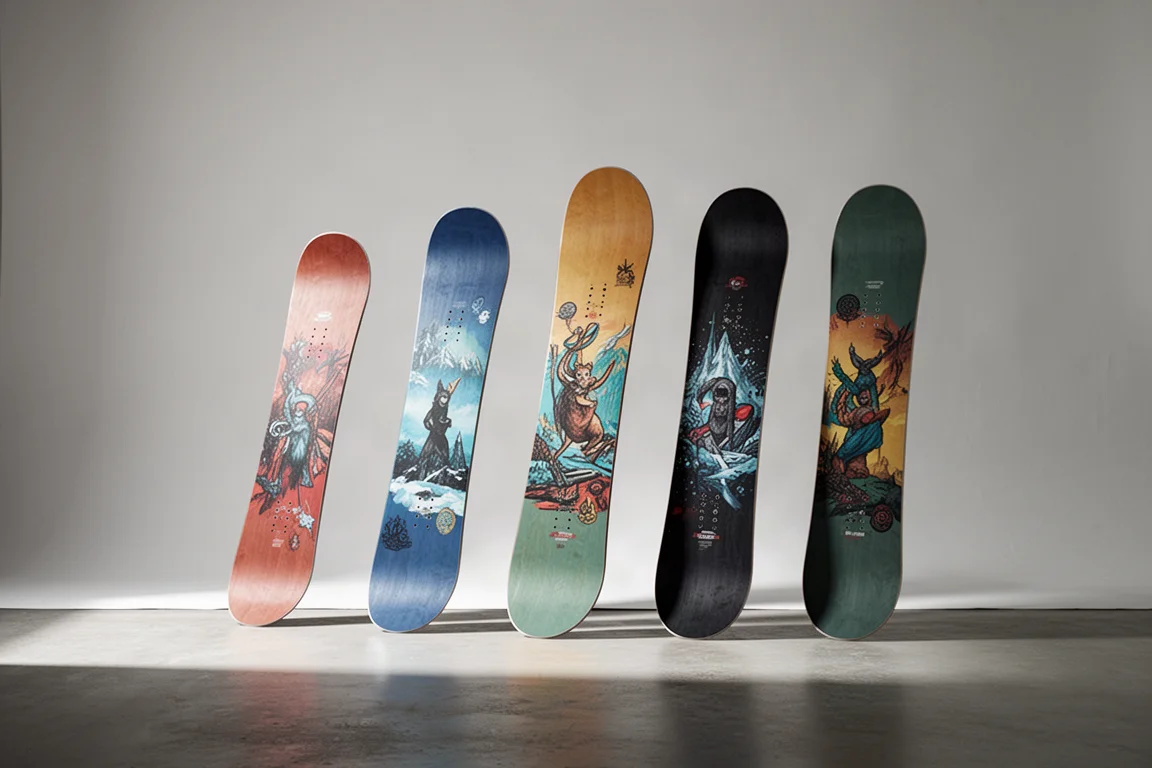
Snowboarding gets expensive fast, but a board does not have to be. Some of the most capable decks of the season are also some of the most affordable, especially once you know which features actually matter for your skill level and where you ride. This guide rounds up seven inexpensive boards, one for each major category: a beginner deck, an all-mountain board, a park board, a freeride and powder board, two bonus options, and a wide volume-shifted board for riders with bigger feet.
A quick note on what makes a board budget-friendly: most of the boards below use extruded bases, which are cheaper to manufacture, easier to repair, and slightly slower on hardpack than sintered bases. That is usually the main trade-off, and for most riders it is one worth making.
Best Budget Beginner Board: K2 Standard
The K2 Standard ticks every box you want in an inexpensive beginner snowboard. Its flat-to-rocker profile puts rocker at the tips, which makes the board less catchy through turns and easier to initiate them, two things that matter most when you are learning. The flex is soft thanks to an aspen wood core, a lightweight wood that is easier to manipulate under your feet.
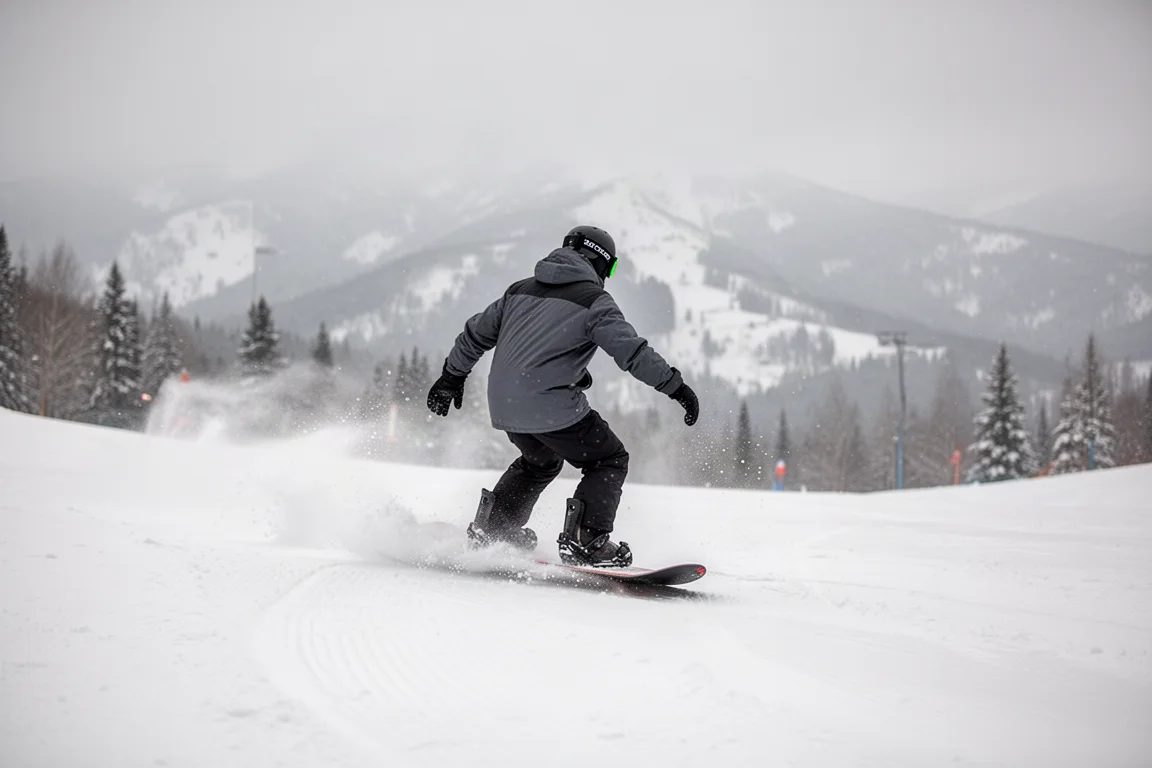
The extruded base keeps the cost down and is easy to repair, and K2 also detunes the contact points, which further reduces the chance of catching an edge. For the price, it lines up as a genuinely great beginner board.
Best Budget All-Mountain Board: Arbor Foundation
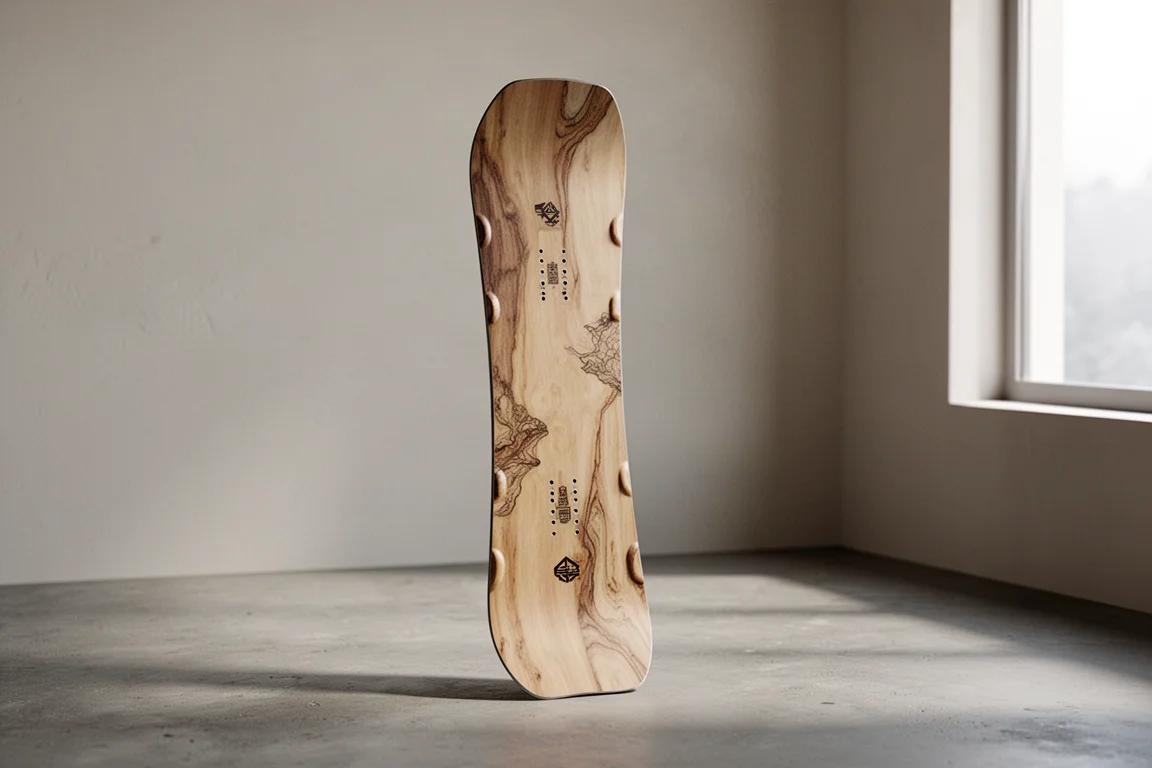
The Arbor Foundation is aimed at intermediate all-mountain riders, and the standout feature is Grip Tech: additional contact points at your bindings, with a bump on each side of your feet. That adds real grip in icy conditions, which is where many budget boards fall short. You still get rocker for a catch-free, easy-turning feel.
The core mixes poplar and paulownia, with poplar keeping things light and flexible and paulownia adding a bit of stiffness for stability through variable terrain. It uses an extruded base, which keeps the price low, glides a little slower, and is easier to damage but also easier to repair. Bio resin in the layup is a nice touch if you care about keeping things a bit more natural, and it keeps the flex softer too.
Best Budget Park Board: Salomon Sleepwalker
The Salomon Sleepwalker is built for beginner to intermediate park riders. Its flat profile with camber under your feet gives you extra energy for ollies and nollies, while rocker at the tips keeps it from being catchy and makes turning easy. The soft flex makes it easier to press and more forgiving on landings.
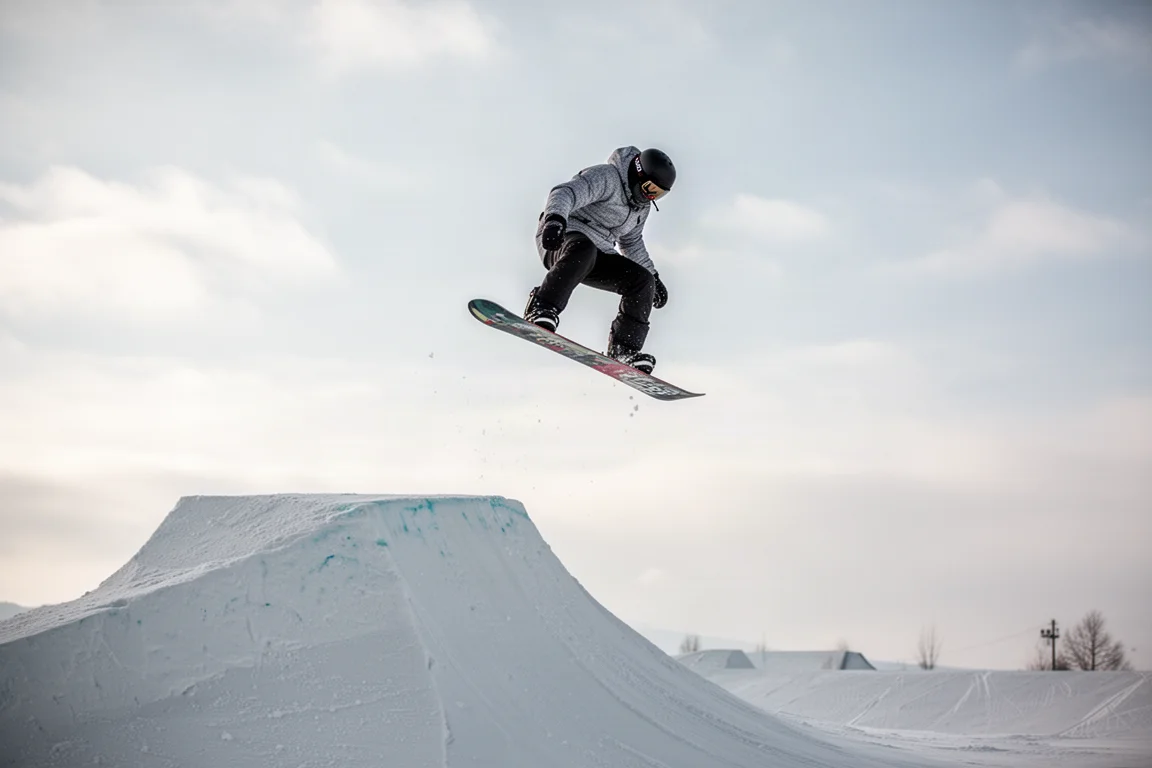
It is a true twin, so it rides the same in either direction, which is handy if you are learning to ride switch. The aspen core has denser wood along the edges for durability against impacts, and rubber is inserted into the sidewalls to dampen vibration. The biggest value here is the sintered base: harder, faster gliding, and more damage-resistant, which is a genuine bonus at this price.
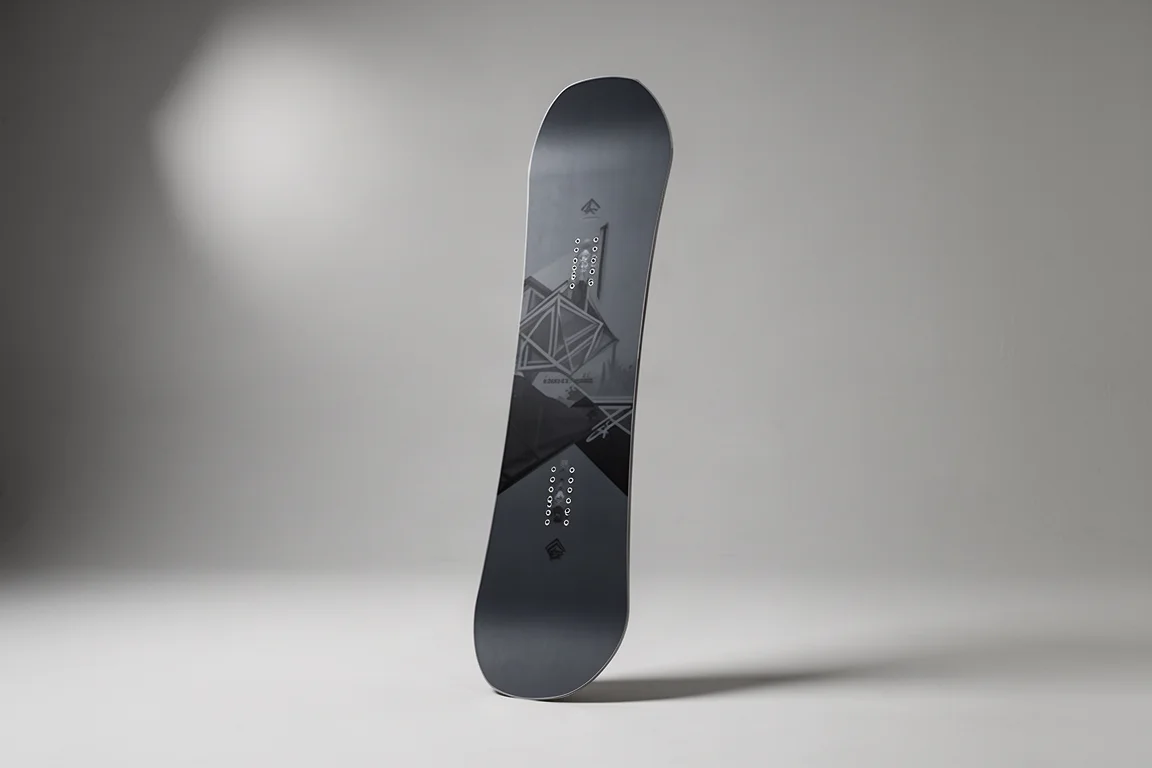
Best Budget Powder and Freeride Board: Salomon Dancehaul
Freeride and powder boards are usually the hardest category to find cheap, because the shapes and construction are more complex. The Salomon Dancehaul manages it, which is likely why it has been so popular in recent years.
Its tapered directional shape is exactly what you want for powder: the wide nose helps it float while the smaller tail sinks, so you do not have to lean back as hard to keep the nose up. The aspen core stays light and flexible, which makes it a friendly option for intermediate freeriders or anyone heading into powder for the first time.
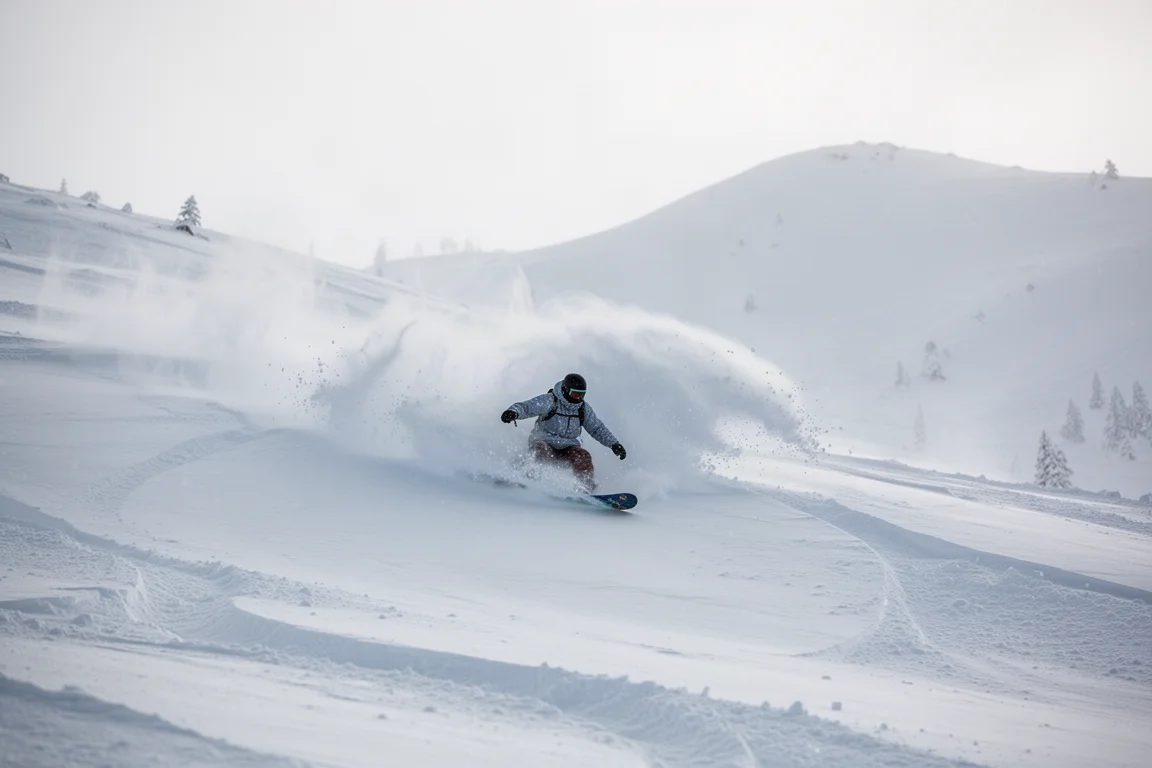
Two features stand out as strong value: basalt stringers in the tail add energy for loading up ollies, more tail stability, and a damped ride, and the sintered base glides better and resists damage. There is a lot of good tech packed in here at a low price.
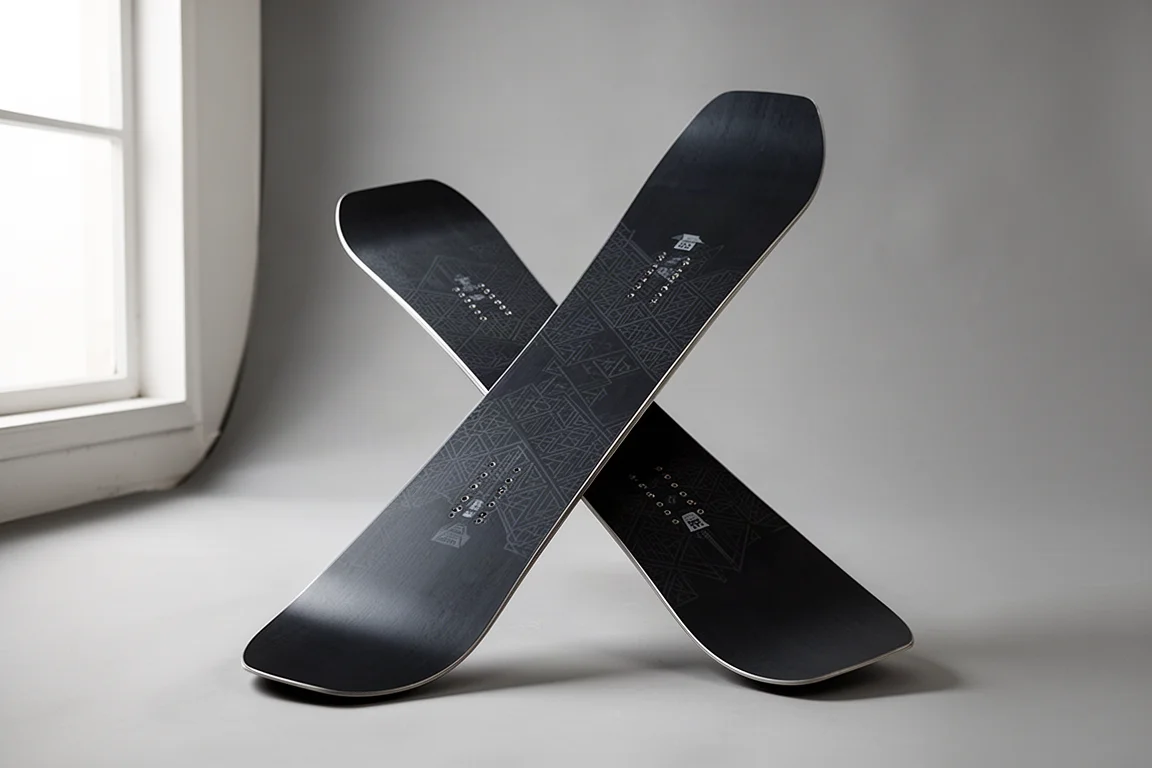
Bonus Budget Pick 1: Nitro Cinema
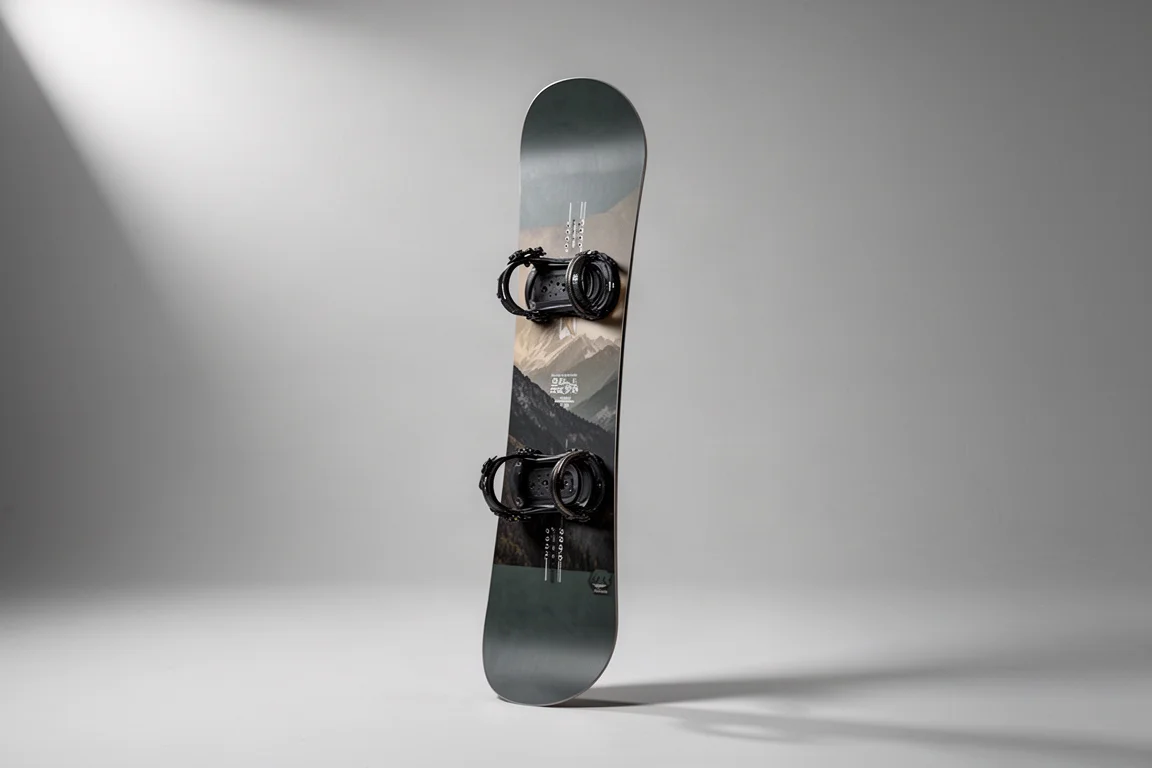
The Nitro Cinema is a strong inexpensive all-mountain option for intermediate riders. It uses Nitro’s Cam-Out profile, which puts camber under your feet and rocker in between and toward the tips. That combination makes it easy to make quick turns anywhere on the mountain.
Bonus Budget Pick 2: Ride Manic
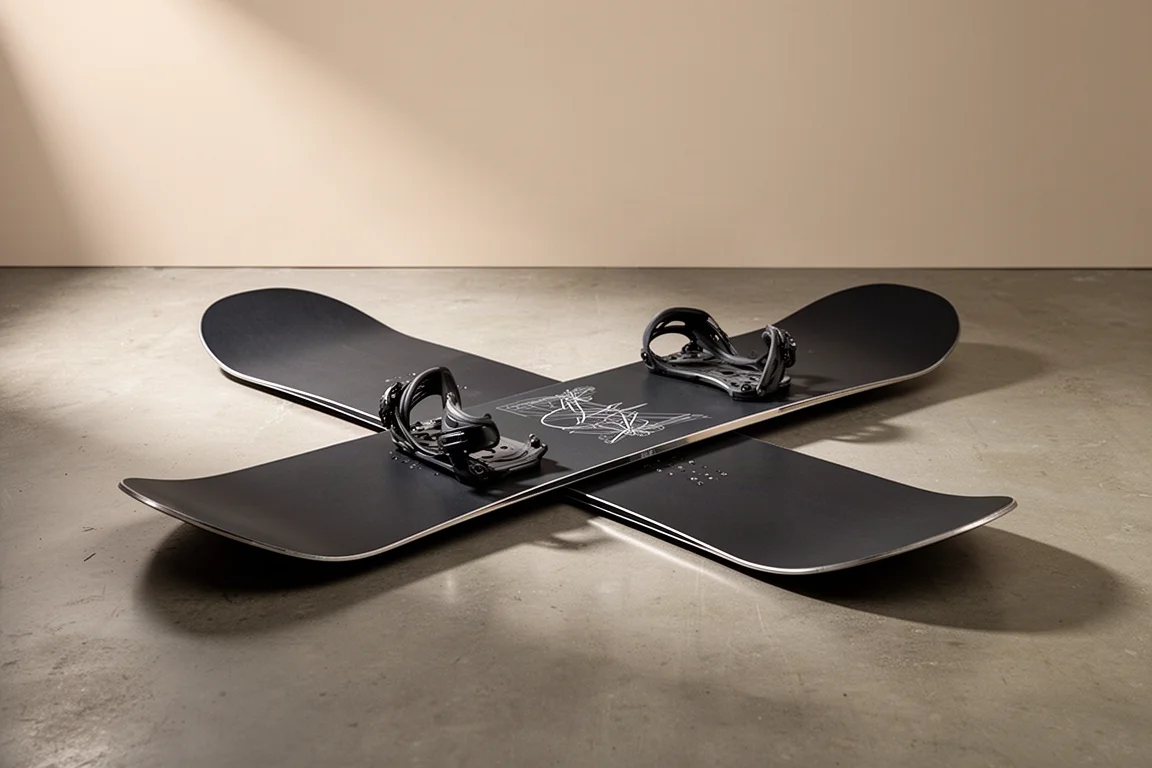
The Ride Manic is another budget option that doubles as an all-mountain and park board. It has a standard camber profile, which gives you more energy, responsiveness, and stability. The flex is a bit stiffer, around a mid flex, so it is better suited to intermediate riders.
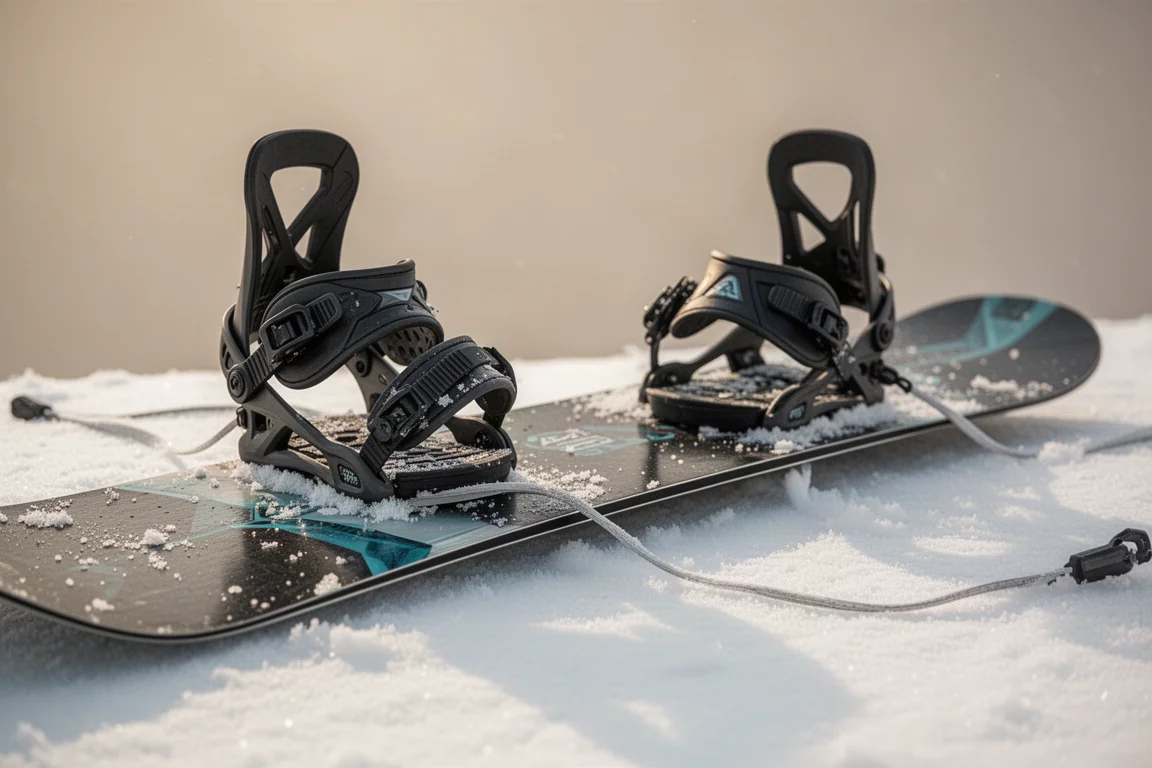
For a low price, it also includes carbon stringers, which add snap: as you load the board, it gives more feedback back into ollies, nollies, and presses. Getting carbon at this price point is a real highlight.
Best Budget Wide Volume-Shifted Board: Ride Twin Pig
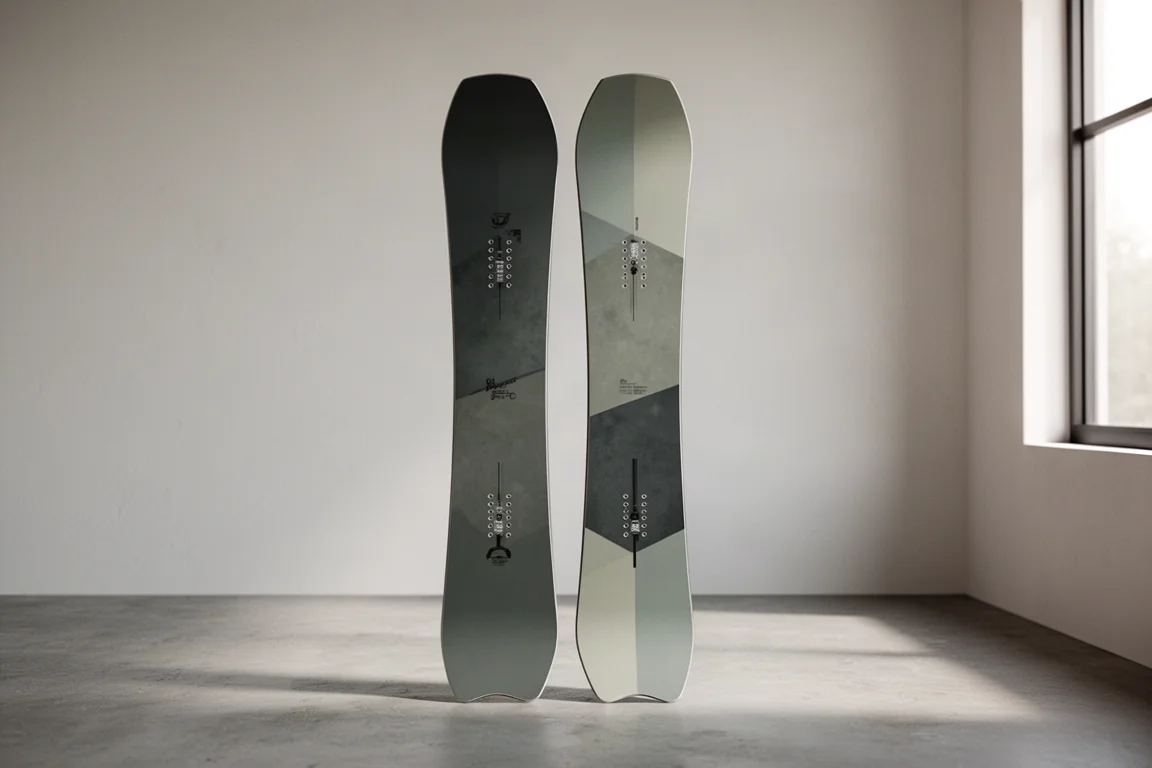
Riders with bigger feet know how hard it can be to find the right board, and the Ride Twin Pig is an excellent inexpensive answer. It is a twin, so it rides in either direction and works across the whole mountain as well as in the park. Being volume shifted, you can ride it wider and shorter, which makes it nimble and easy to turn.
Ride’s Slime Walls sidewalls dampen vibration for a smoother ride, and the flex is still fairly forgiving, making it suitable for beginner to intermediate riders. The core is aspen with bamboo and paulownia zones, which add strength and stability and give you response where you load the board. It also gets a sintered base that is stronger, harder, and more durable. Some riders have even taken it into powder and loved it, since the extra width helps it float above the snow.
Buying Advice
If you are choosing between these boards, start with your riding style rather than the feature list. Beginners should prioritize catch-free profiles and soft flex, which points to the K2 Standard. Icy local resorts make Grip Tech on the Arbor Foundation worth serious consideration. Park laps favor the twin shape and sintered base of the Sleepwalker, while powder days are the Dancehaul’s territory. Riders with wide feet should not hesitate on the Twin Pig. In every case, remember that an extruded base trades a little speed and durability for a lower price and simpler repairs.
Conclusion
Saving money on snowboarding does not mean settling for a bad board. Each of these seven decks keeps the price down with sensible trade-offs, mainly extruded bases, while still delivering the profiles, flex, and core materials suited to their category. Match the board to how you actually ride, and you can gear up this winter without overspending.
Further reading
Related Reviews
Snowboarding
2025 Snowboard Gear List: Five Picks That Earned Their Place on the Mountain
From Zeiss-lens goggles to a hybrid step-in binding, here are five pieces of 2025 snowboard gear that held up across a full season of riding.
Snowboarding
2026 Snowboard Gear List: Boards, Bindings, Boots and Outerwear Worth a Look
A season-ready snowboard setup built from the bottom up: base layers, Strafe outerwear, Ride and Union boots, Union bindings, and two new Capita boards.
Snowboarding
32 Cold World Review: A Playful Hybrid Camber Board for Park Laps
The 32 Cold World blends classic camber underfoot with flat nose and tail sections for a predictable, butter-friendly ride aimed at intermediate park riders.