Kitchen Knives
Skip the Knife Block Set: Build a Better Kitchen Knife Trio for Less
Our testing showed most knife block sets are a bust. Here's the three-knife core that handles almost every kitchen task, plus smarter storage options.
Introduction
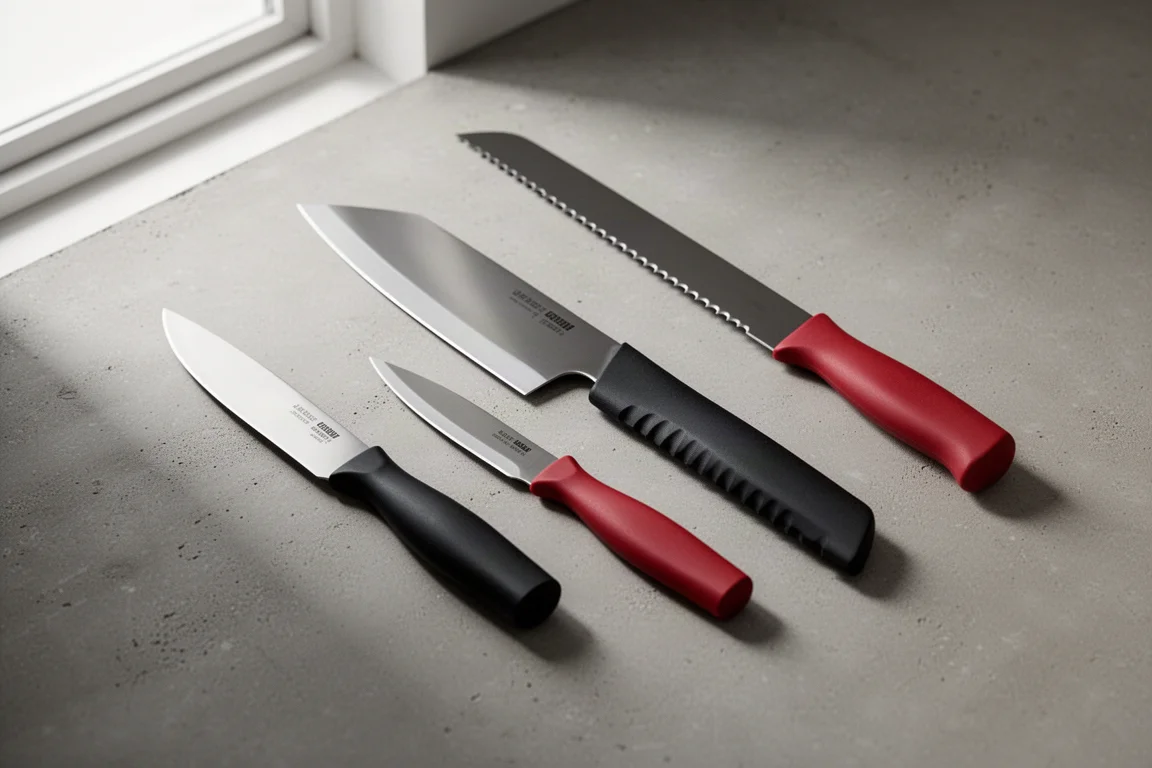
A matching knife block set looks like a kitchen essential: one purchase, tidy storage, everything you need in one box. Our testing tells a different story. After buying and testing eight knife sets priced from about $97 to over $700, we found very few blades in them that were actually worth keeping. The smarter move is to shop a la carte and build your own set from the best value knife in each category.
Why Most Knife Block Sets Disappoint
Knife block sets typically contain six to 15 pieces of matching cutlery, sometimes with a honing rod or kitchen shears. You might assume someone wiser picked the knives you need, but that is rarely the case. When we isolated the core blades from each set, the chef’s knives mostly performed reasonably well, but the paring knives were a letdown: many were too wide, too long, or simply ungainly, making it genuinely hard to pare an apple. Every serrated bread knife we tested was eight or nine inches long, shorter than the 10-inch blade we prefer.
There is a reason for the shortcomings. Knife company executives told us the shorter blades exist to fit the block, and a few admitted shorter knives are simply cheaper to make. Sets are also compiled to meet retailer price ceilings rather than to maximize usefulness, which is why you end up with a pile of lower-quality small knives. Even the storage lets you down: matching handles mean pulling out knife after knife to find the right one.
Our conclusion after testing: almost nothing in these sets survives beyond the core three. A few sets included a useful boning knife, and one had a good pair of shears, but the common utility knife was outperformed by the chef’s knife in every single test. Shopping a la carte gets you exactly what you need, for far less money.
The Three Knives That Do Almost Everything
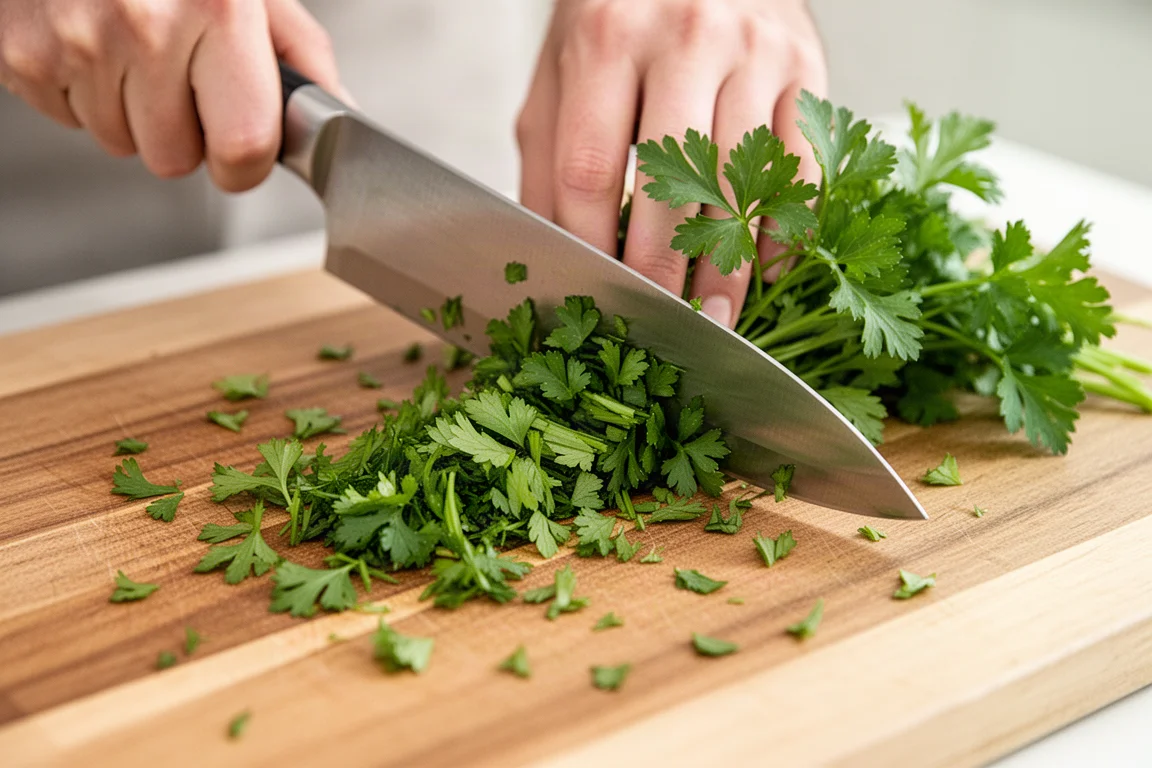
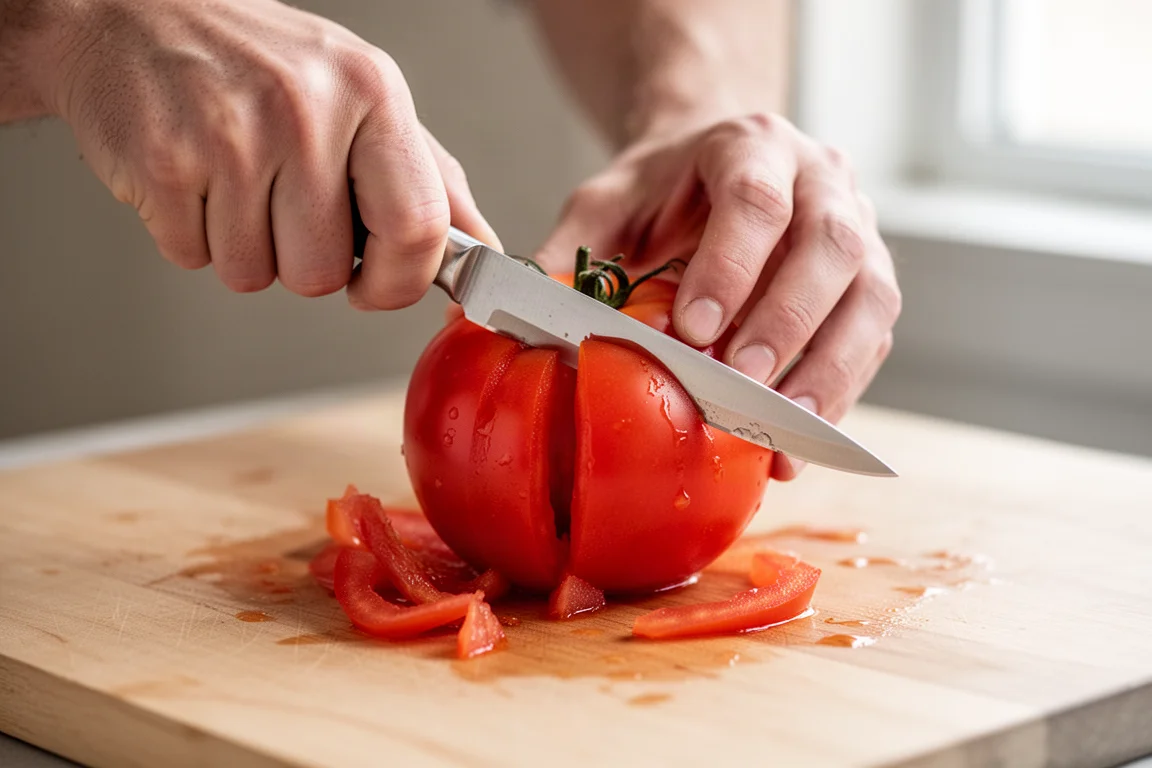
A chef’s knife, a paring knife, and a serrated bread knife form a trio that can accomplish almost anything in the kitchen. The chef’s knife is the jack of all trades: breaking down a chicken, chopping parsley without bruising it, dicing onions, and cutting through a tough butternut squash stem. The paring knife handles precision work like hulling strawberries, peeling apples, and coring tomatoes. The bread knife’s teeth bite through rugged crusts and, surprisingly, delicate things too, from tomato skin to layered millionaire shortbread and chopped chocolate.
Beyond those three, everything else is gravy. A cleaver, nakiri, boning knife, or slicing knife can earn a place later, but a professional equipment tester we know reaches for one of these three knives 99% of the time. All three of our value picks together come to around $60, a fraction of what most block sets cost.
The Best Value Chef’s Knife: Mercer
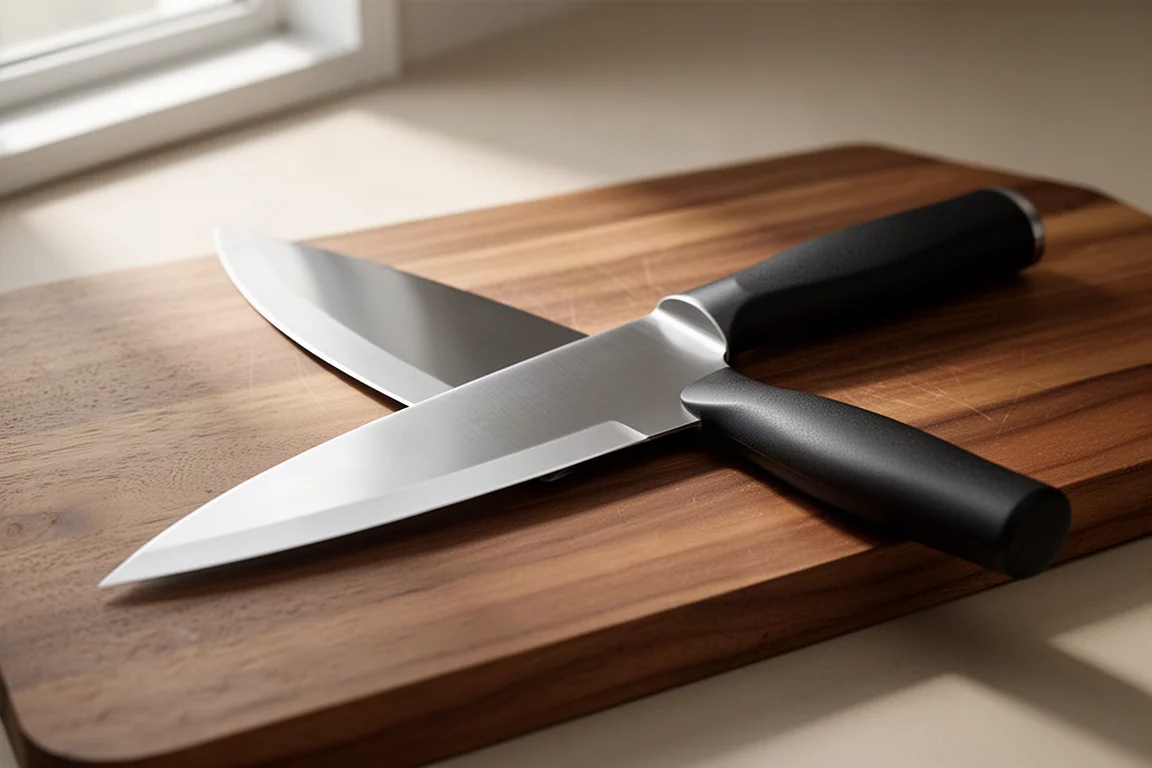
The Mercer chef’s knife is a Western-style knife with a gently curved triangular blade. It won against a field of challengers for its sharp, well-designed blade and comfortable non-slip handle, beating knives that were eight times more expensive in our testing. At our preferred length of eight inches, it covers the full range of everyday cutting tasks without fuss.
The Best Value Paring Knife: Victorinox
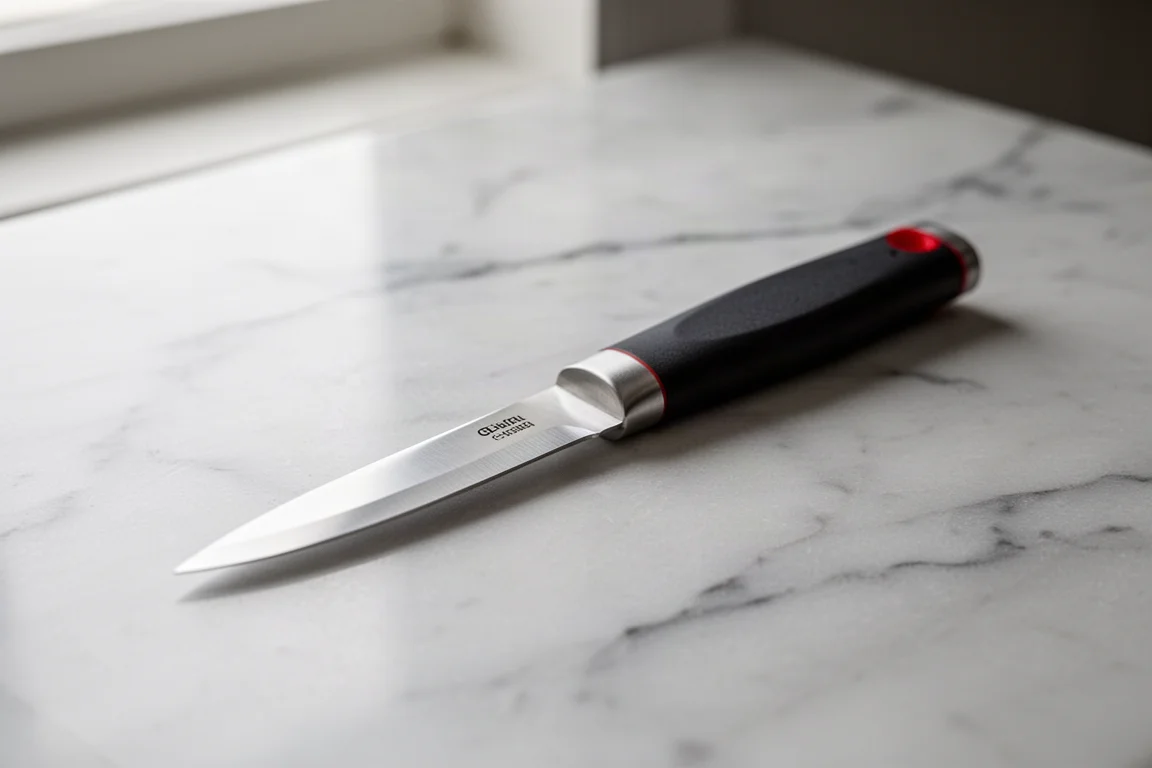
The Victorinox paring knife has been a long-time winner across dozens of tested paring knives, and it usually costs between $7 and $10. Its sharp, flexible blade is about four inches, shorter than many paring knives, which gives you more control and makes the knife agile and precise. Because paring knives are often used up off the cutting board, light weight matters, and the slim handle lets the knife become an extension of your hand.
The Best Value Bread Knife: Mercer
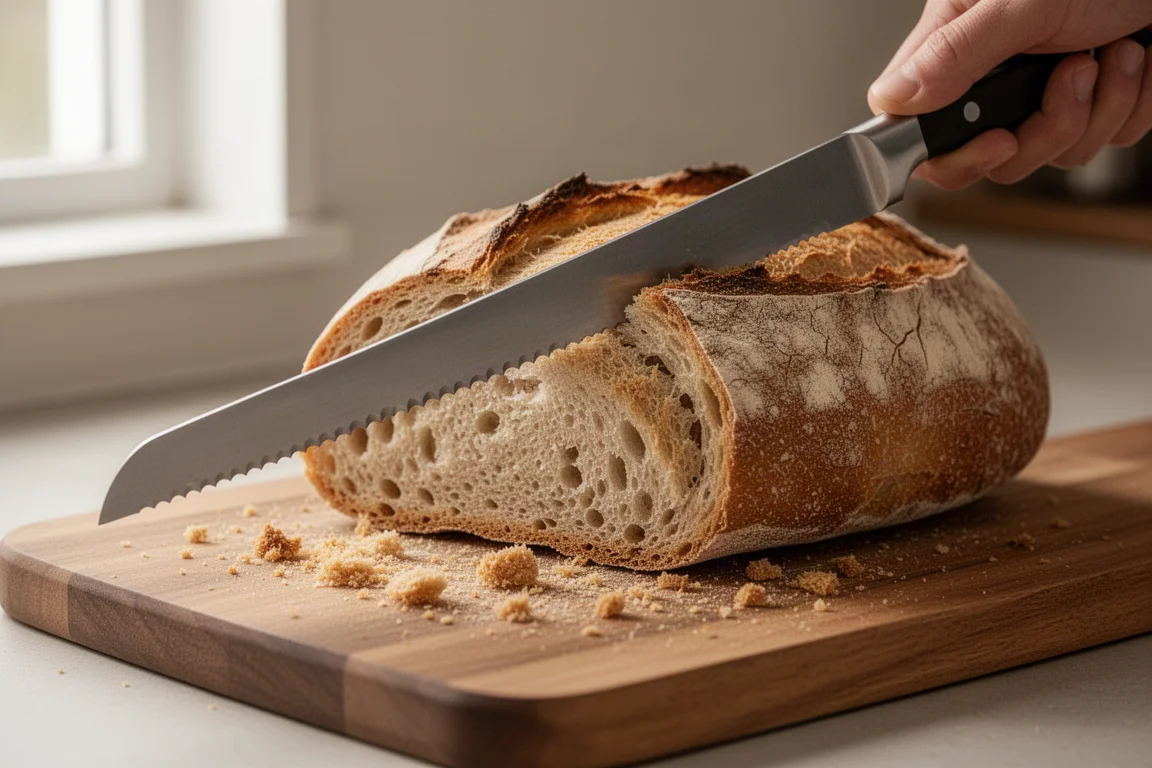
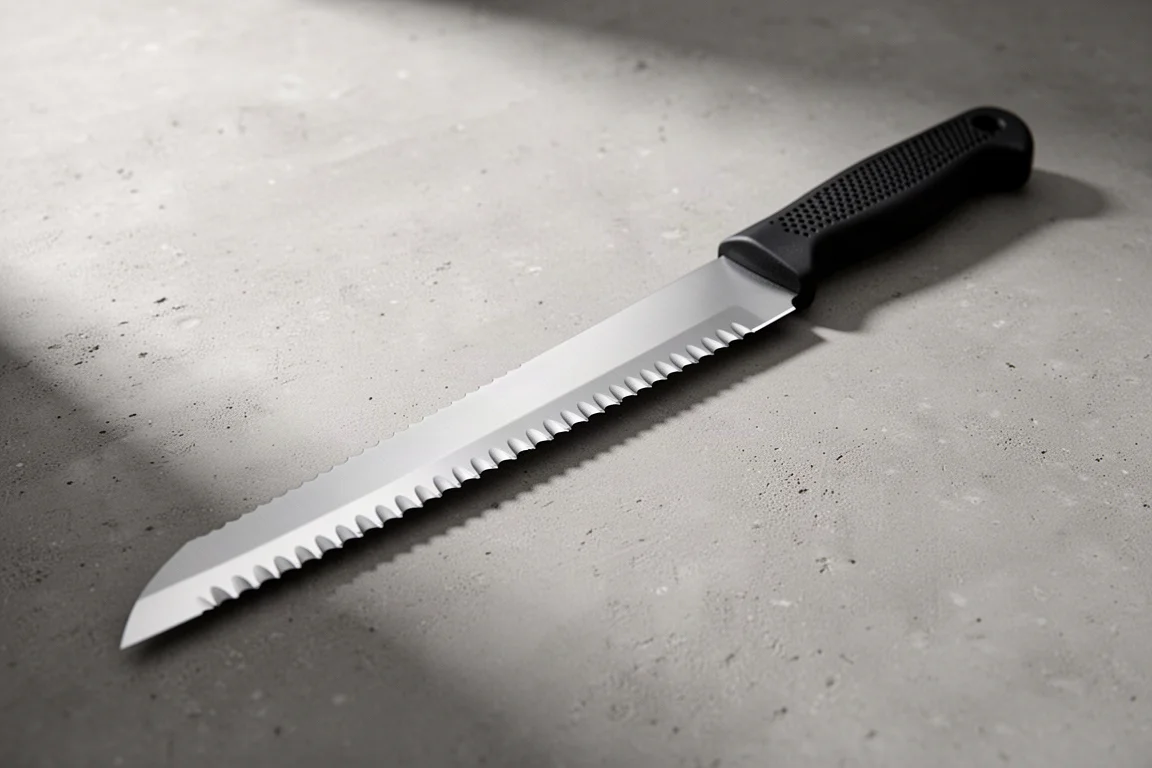
The Mercer serrated bread knife has been our category winner for more than a decade and usually costs around $20. When we tested everything on the market, fewer serrations turned out to be better, and deep, wide serrations deliver a more powerful bite. It also has a grippy, comfortable handle. The Mercer nailed all of these points, beating out far more expensive knives, and its blade length avoids the stumpy eight-inch blades that plague block sets.
Dedicated Knife Storage: The 360 Knife Block
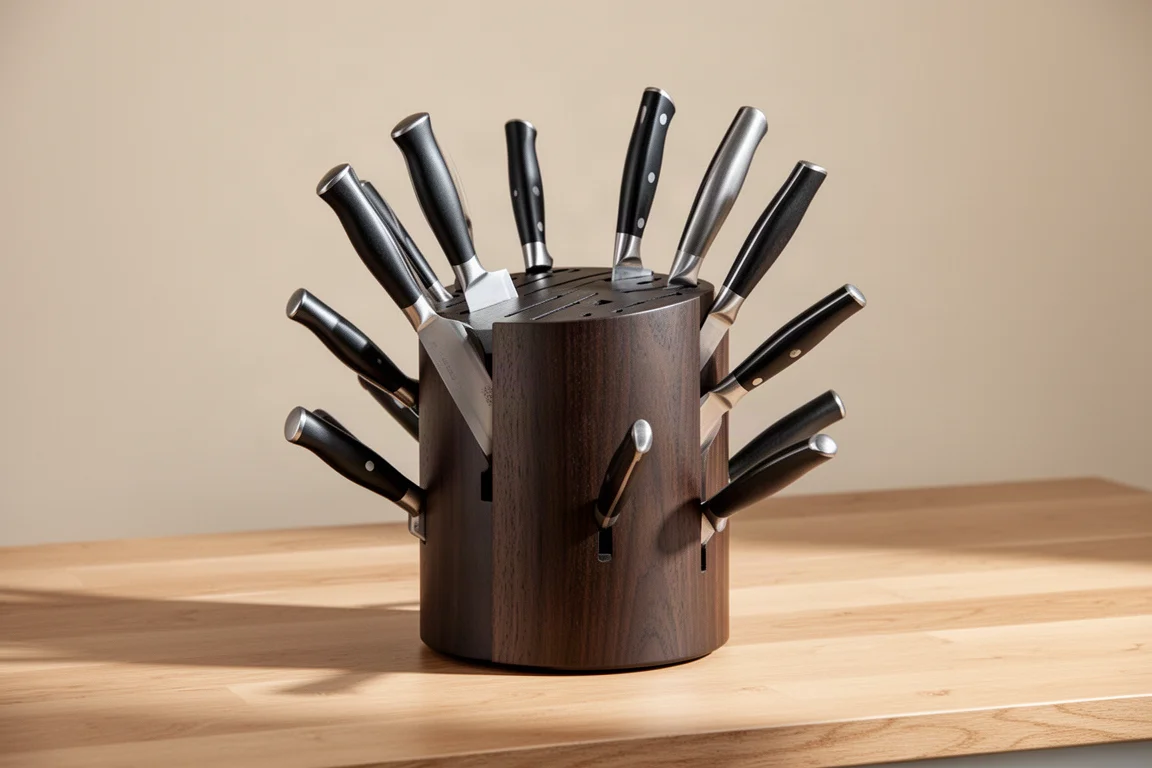
If you like the tidy look of a block but want to store any knife you own, dedicated knife blocks are worth a look, though they tend to cost more. Our winner from 360 rotates and is genuinely beautiful, but it runs to hundreds of dollars. This is the premium option for a counter that doubles as a display piece.
A More Affordable Block: Schmidt Brothers
Our best buy knife block comes from Schmidt Brothers. It takes a more minimalistic approach and hovers around $70, a much friendlier entry point for flexible knife storage that still keeps your countertop organized.
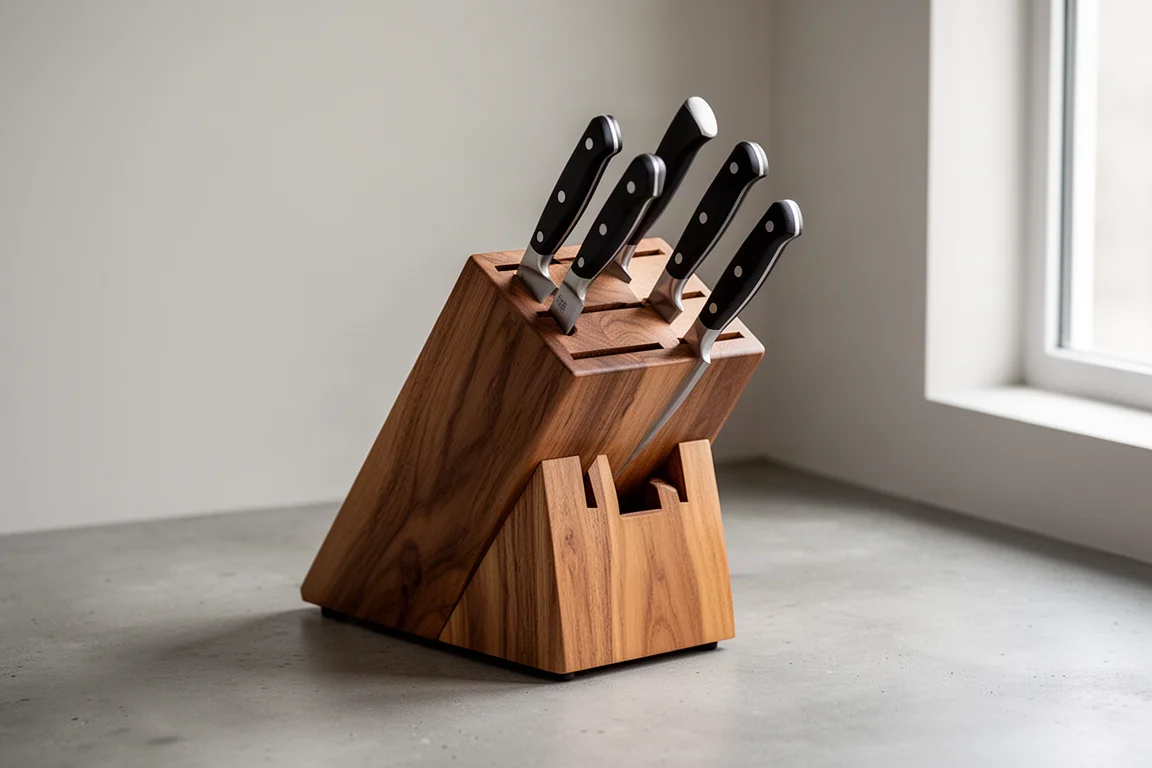
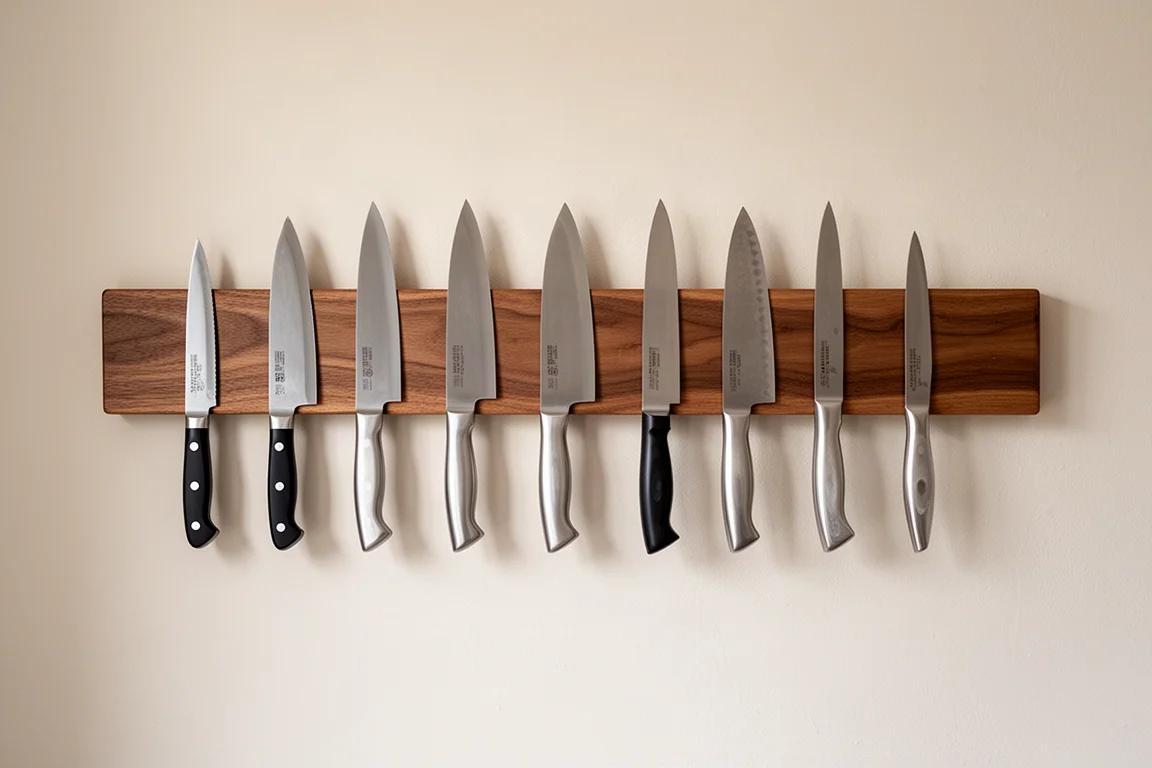
Wall Storage: Brooklyn Butcher Magnetic Knife Strip
Magnetic knife strips are another easy, clean way to store knives. You do have to install something on the wall, but the payoff is every blade visible and reachable at a glance. Our winner is the magnetic strip from Brooklyn Butcher.
Smart Storage Without a Block
If you do not want to spend anything at all on knife storage, there are plenty of smart solutions. Two things matter: how easily you can access knives without cutting yourself, and how to keep blades from clanking together or rubbing around, which dulls them.
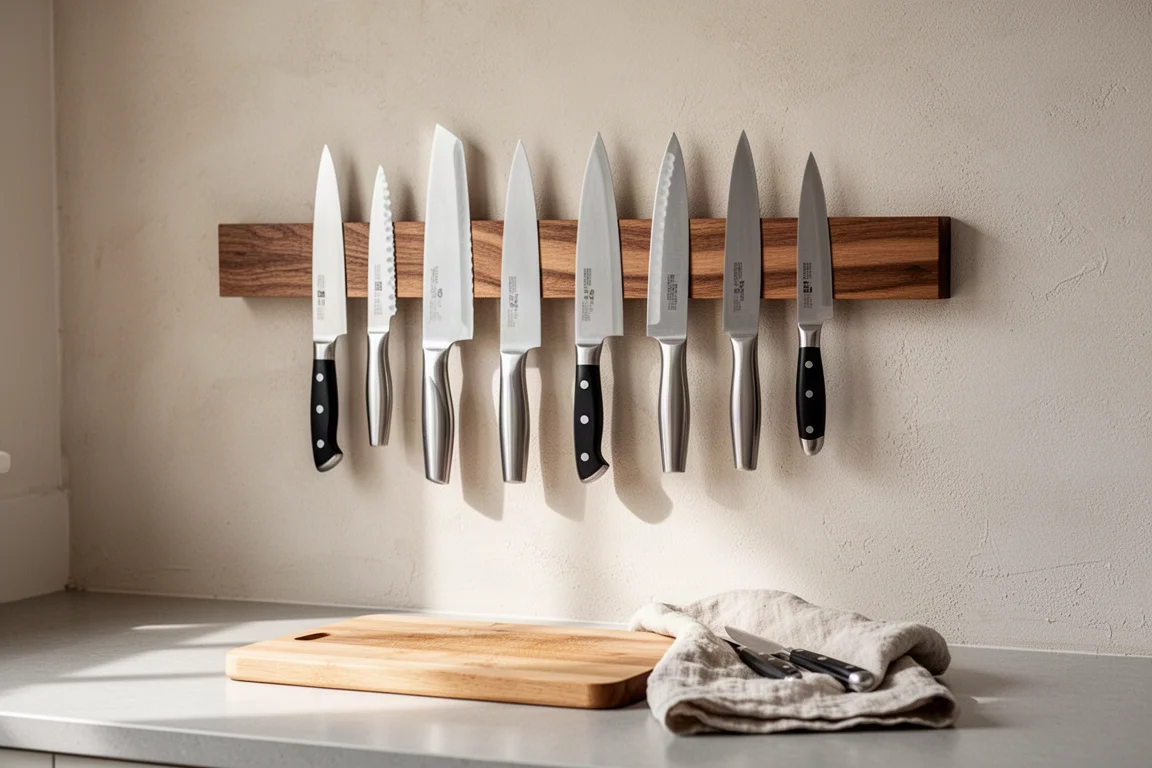
You can make a cardboard knife cover for free and store covered knives in a drawer; one tester has used the same cardboard cover for over 20 years. You can also lay knives uncovered on a sheet pan, or wrap a blade in a dish towel and secure it with an elastic band if you like. And one rule that is not about storage but belongs here anyway: never put your knives in the dishwasher. They will actually dull faster.
Conclusion
In our view, knife block sets are not worth it. A trio of well-chosen value knives, roughly $60 all in, outperforms sets costing many times more, and with a rotating block, a minimalist block, a magnetic strip, or even a free cardboard sheath, your storage can be as simple or as polished as you want. Build intentionally, store thoughtfully, and you will have the best, cheapest knife set you have ever owned.
Further reading
Related Reviews

Kitchen Knives
Best Chef's Knives 2026: 27 Popular Options Tested and Ranked
A comprehensive review of 27 chef's knives ranging from $18 to $380, with honest assessments of handle comfort, blade balance, and real-world performance.

Kitchen Knives
Best Chef's Knives Under $75: Two Tested Recommendations
Two practical 8-inch chef's knives that balance sharpness, comfort, and durability without premium pricing.

Kitchen Knives
Best Chef's Knives 2026: 27 Options Tested and Ranked
A comprehensive review of 27 chef's knives ranging from $18 to $380, with honest assessments of handle design, balance, blade profile, and real-world performance.