Everyday Carry
Best Budget Everyday Carry Under $100: Wallets, Flashlights, Knives and Key Carry Compared
A practical head-to-head look at budget Amazon EDC picks across four categories: wallet, flashlight, knife and keyring.
Introduction
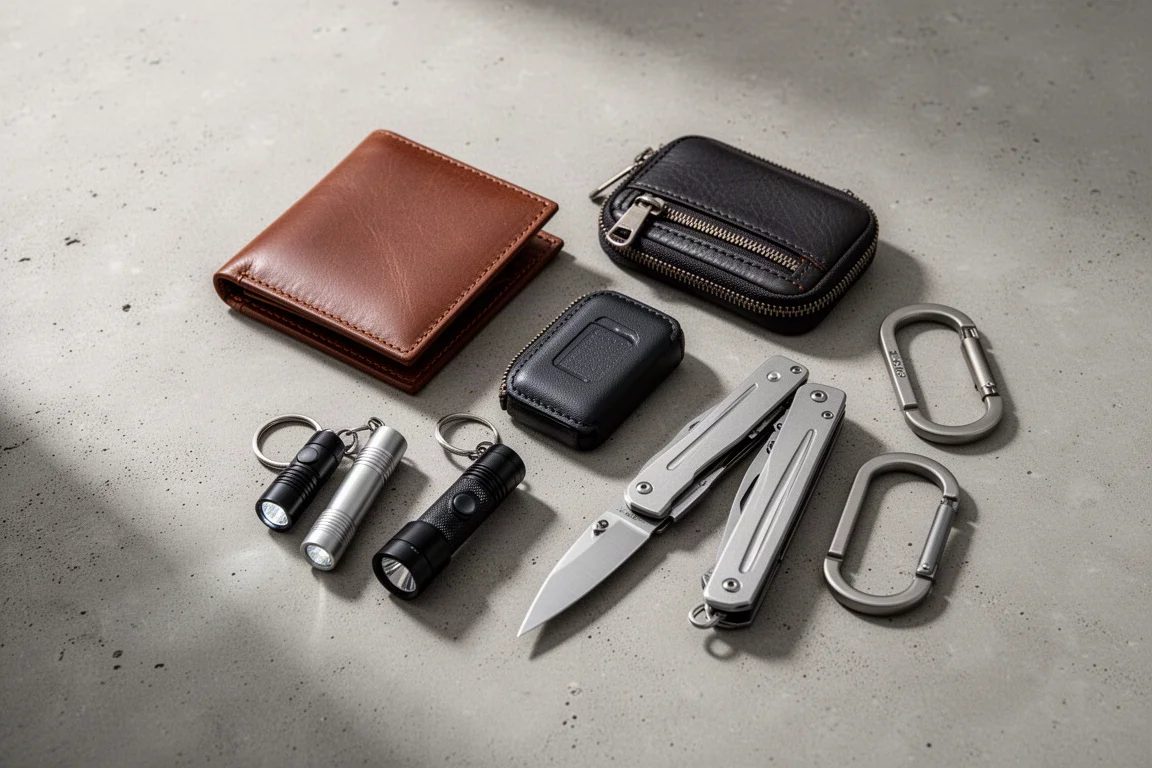
Putting together a complete everyday carry setup on a strict budget is a genuinely interesting challenge. The idea here was simple: a maximum of around £100 (or $100) spent on Amazon to cover four essentials: a wallet, a flashlight, a knife and a keyring. What makes this comparison useful is that the picks come from two different philosophies: one favouring traditional, proven designs, the other favouring compact, integrated carry. Both approaches work, and the right choice depends on how you actually carry things day to day.
Below we break down each category, compare the picks directly, and flag the trade-offs worth knowing before you buy.
Wallets: Traditional Leather vs Secure Zip Pouch
The first pick is a traditional bifold from Torah, a British company making a full-grain leather wallet. It normally lists at £45 but has been seen on offer for £25, which makes it a strong value proposition. The leather is thick with a pleasant stiffness to it, smells properly of leather rather than chemicals, and the company says it sources from reputable American tanneries. It is not the slimmest option: it is noticeably larger than an ultra-compact card wallet, but it still fits comfortably in a front jeans pocket and offers the familiar flip-open experience where you can pull out a card in one motion with no zips or flaps to fuss with.
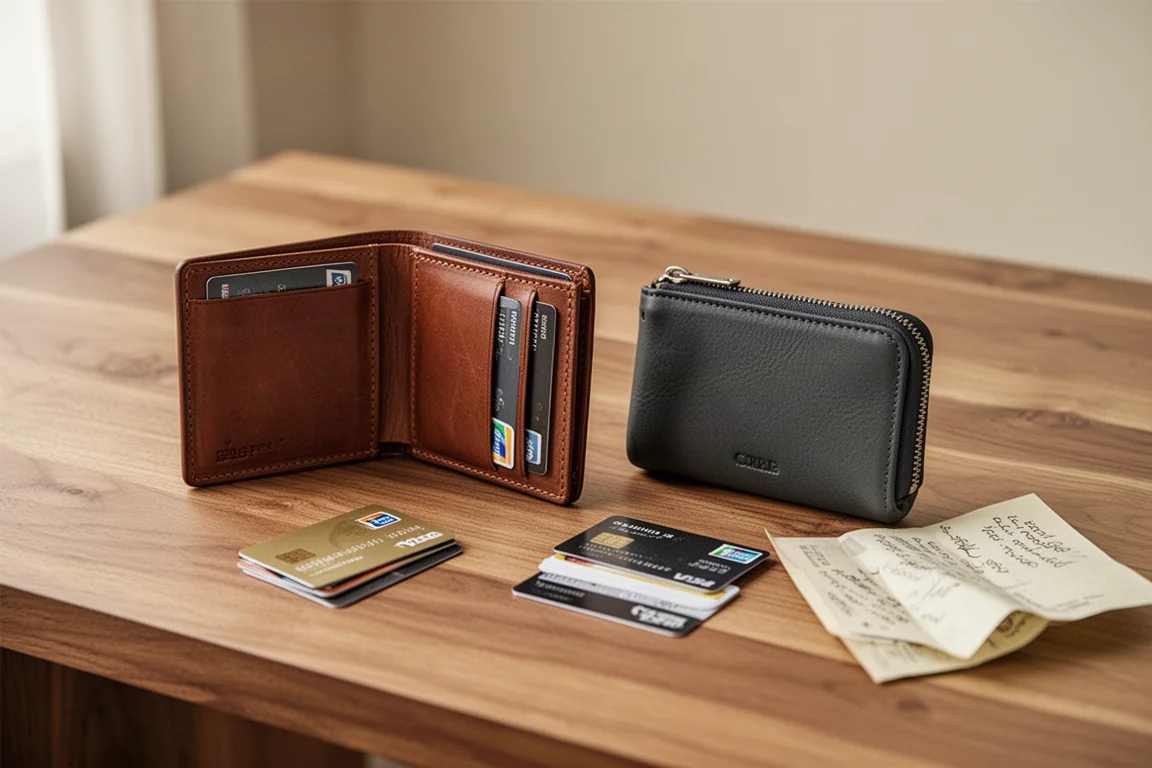
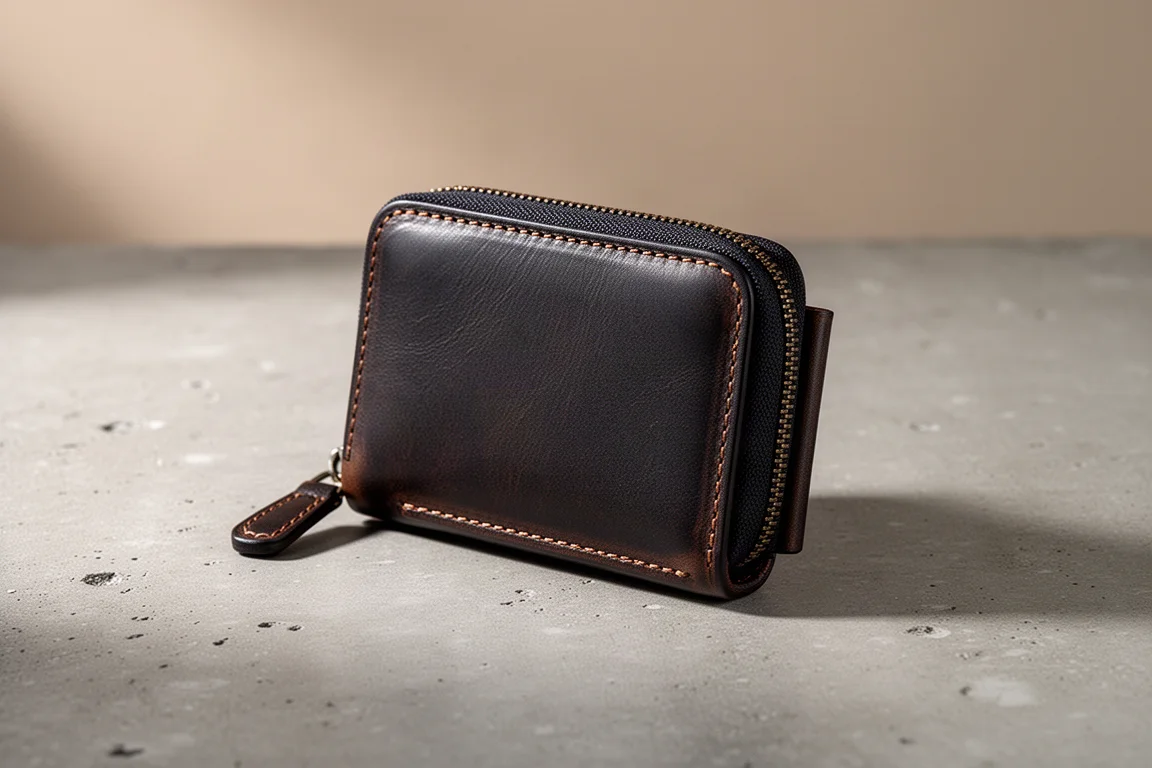
If you prefer a more modern approach, the Bellroy Card Pouch takes a different route. At £45 it sits at the affordable end of Bellroy’s range, and it is built from vegetable-tanned Australian leather with a zip closure that keeps everything locked in one compact pouch. The real appeal is capacity: it comfortably holds several credit cards, cash, coins, and even small extras such as a notepad, a magnifying lens or a Find My-compatible tracker. Everything lives in one place, so nothing gets lost.
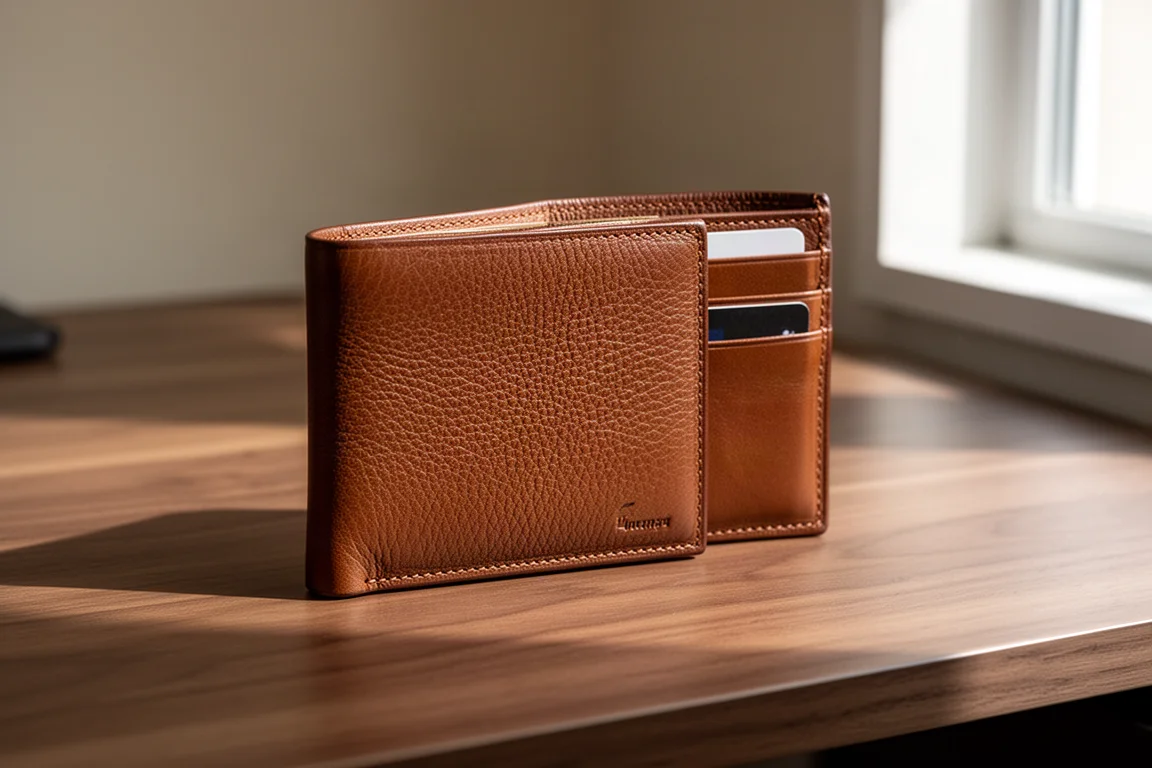
The trade-off is everyday convenience: buying anything means unzipping the pouch first, and at £45 it is roughly twice the price of the Torah wallet on offer. If you value a one-motion card draw and classic leather, the bifold is the easier recommendation; if you want everything consolidated and protected in a single pouch, the Bellroy earns its place.
Flashlights: Bright Output vs Simple Twist Operation
The first flashlight pick is the Rovyvon Aurora A1, the most affordable model in Rovyvon’s range at £19. It is extremely compact and lightweight, yet it punches out up to 650 lumens, runs for up to 56 hours on the moonlight mode from a single charge, and offers four brightness steps plus a strobe mode. Operation is simple, and there is now a USB-C version available if you prefer modern charging, still within a budget.
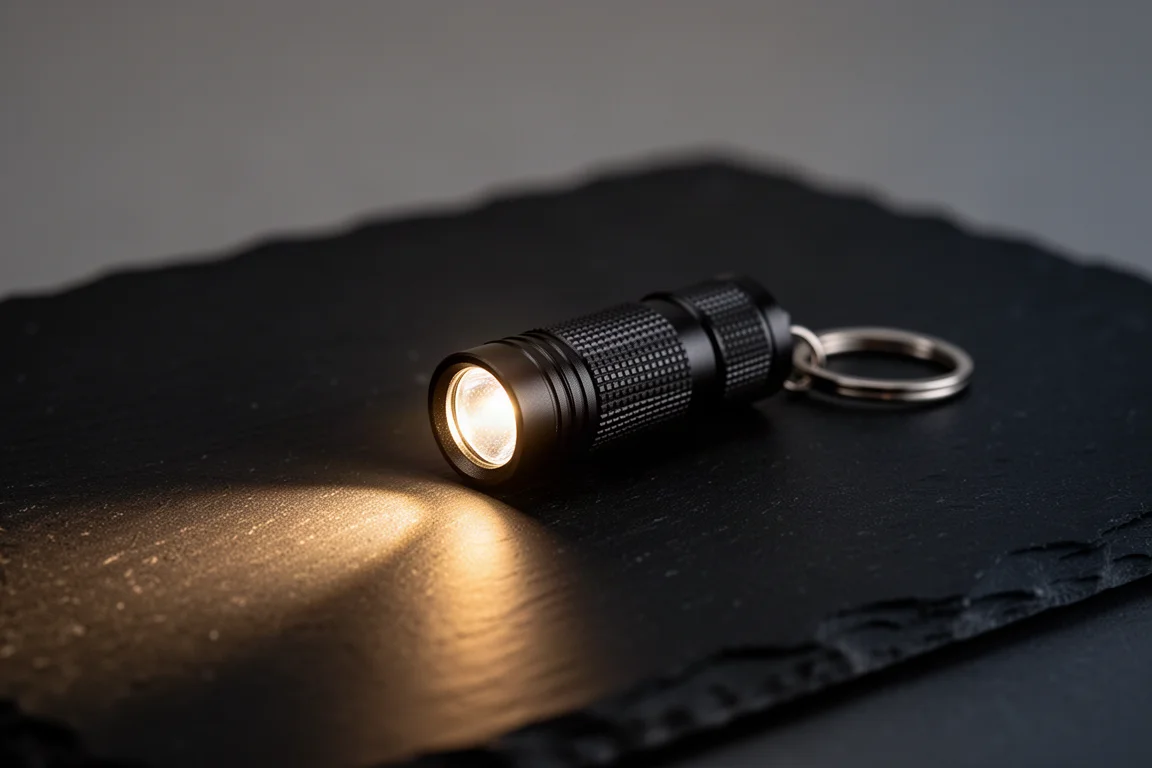
The alternative is the Olight i1R 2 Pro EOS, a dedicated keychain torch at £22. It weighs just 22 grams, has a solid aluminium body with an IPX8 water resistance rating, and charges via USB-C. Instead of buttons, you simply twist the head to switch it on, with two output levels. The press-and-release behaviour means it is very unlikely to turn on accidentally in a pocket, which addresses a common keychain light complaint.
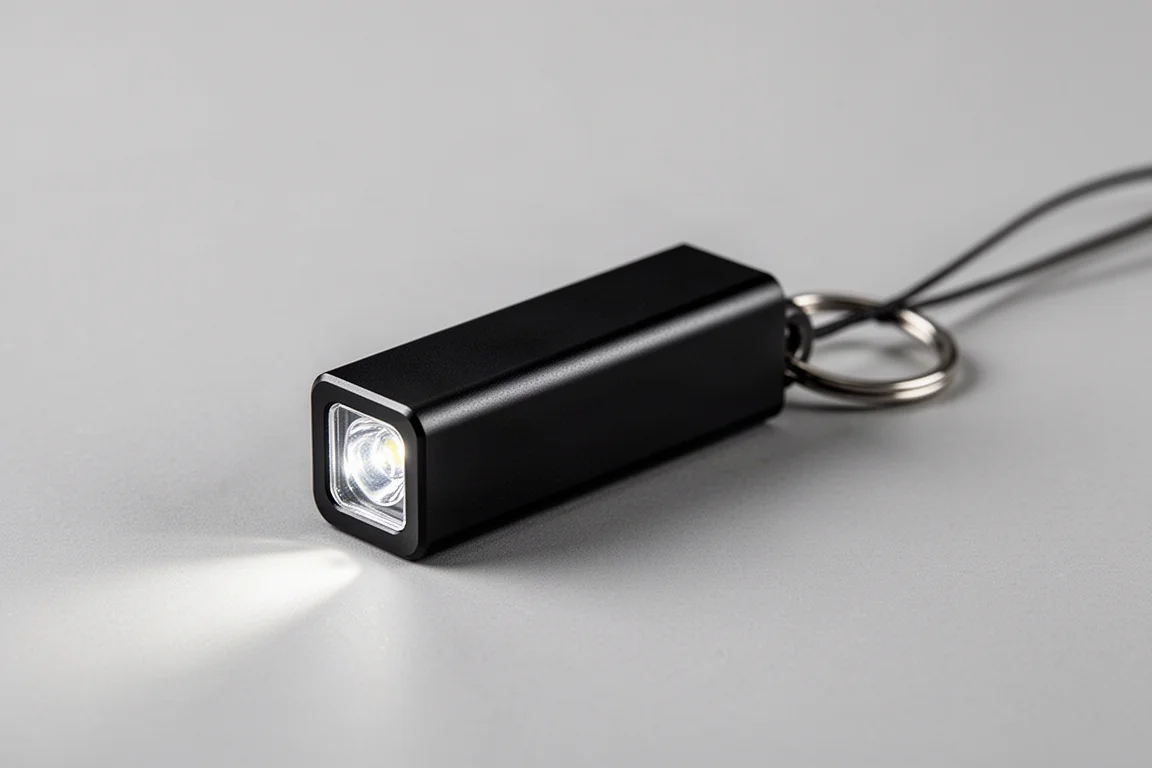
On paper the Aurora A1 wins the spec battle: 650 lumens versus 180, and 56 hours versus roughly 12 hours at 5 lumens. But the Olight is not trying to compete on specs. It is about simplicity and durability: twist to use, solid metal, waterproof, and perfectly bright enough for a keychain light’s typical jobs. Pick the Rovyvon if maximum output and runtime matter; pick the Olight if you want a no-fuss torch that lives on your keys.
Knives: Full Function vs Minimalist Slimline
For a classic pocket knife, the Victorinox Alox Cadet is hard to beat at around £22. It measures just 81mm long and 8mm thick, weighs 46 grams, and the textured Alox aluminium grips feel secure in the hand. The tool selection is practical: a small blade, small screwdriver, can opener, bottle opener, wire stripper, large screwdriver and a metal nail file that doubles for filing other things. A key loop lets you attach it directly to your keys, and it simply disappears into a pocket.
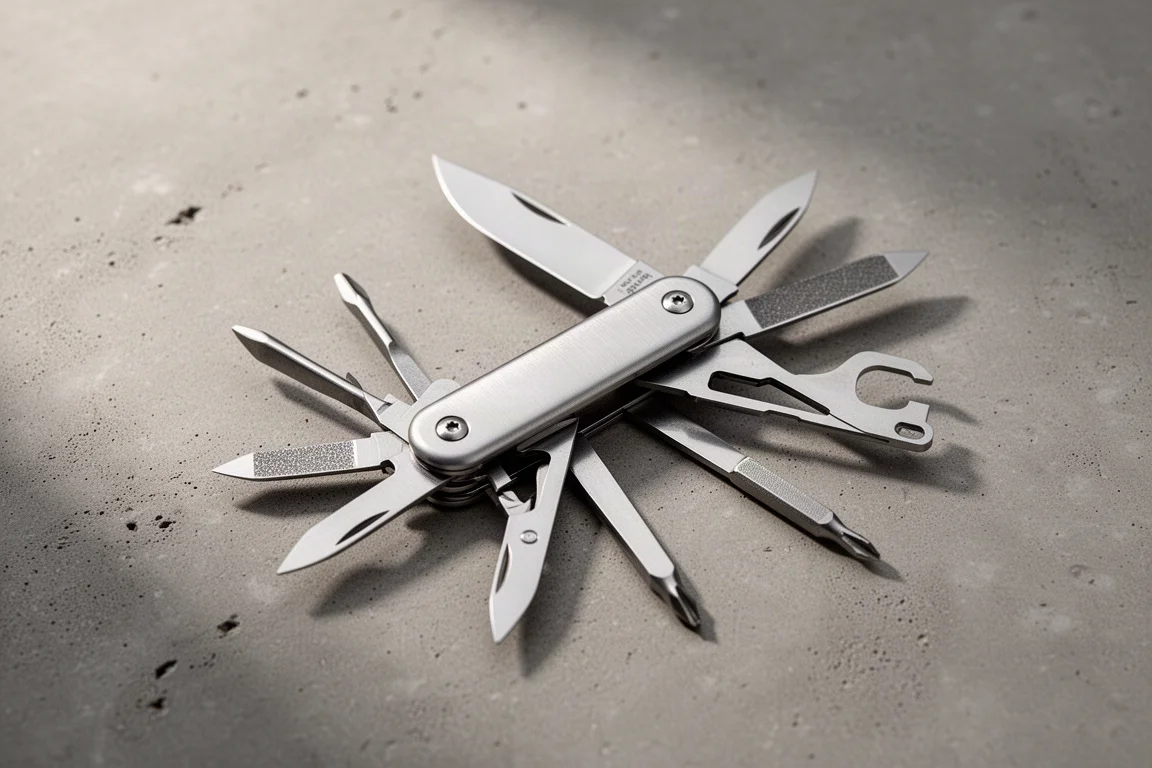
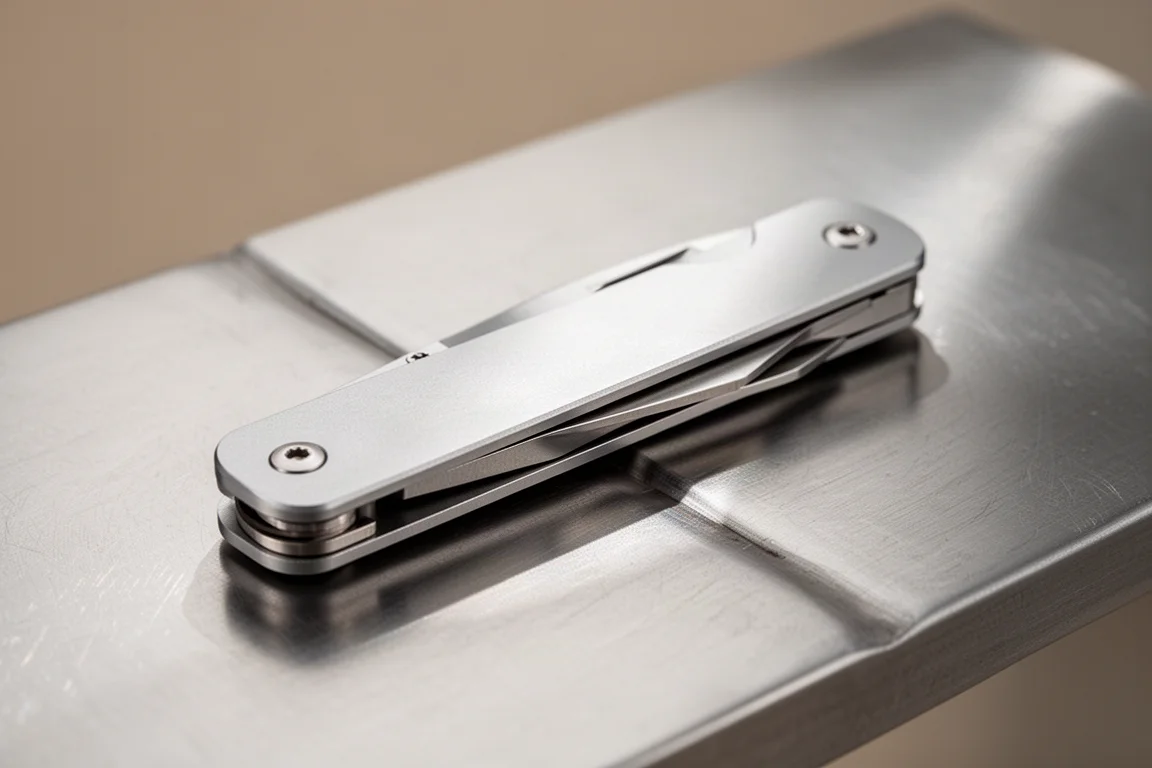
If you want something even slimmer, the Victorinox Alox Phantom takes a minimalist approach at £23. It is about 3mm thinner and lighter than the Cadet, and its tool set is condensed into a single combination implement: a Phillips screwdriver on one end, a flathead on the other that also serves as a nail cleaner, plus a combined bottle opener, can opener and wire stripper. The blade plus that one combination tool covers most of what the Cadet does, in a slimmer package.
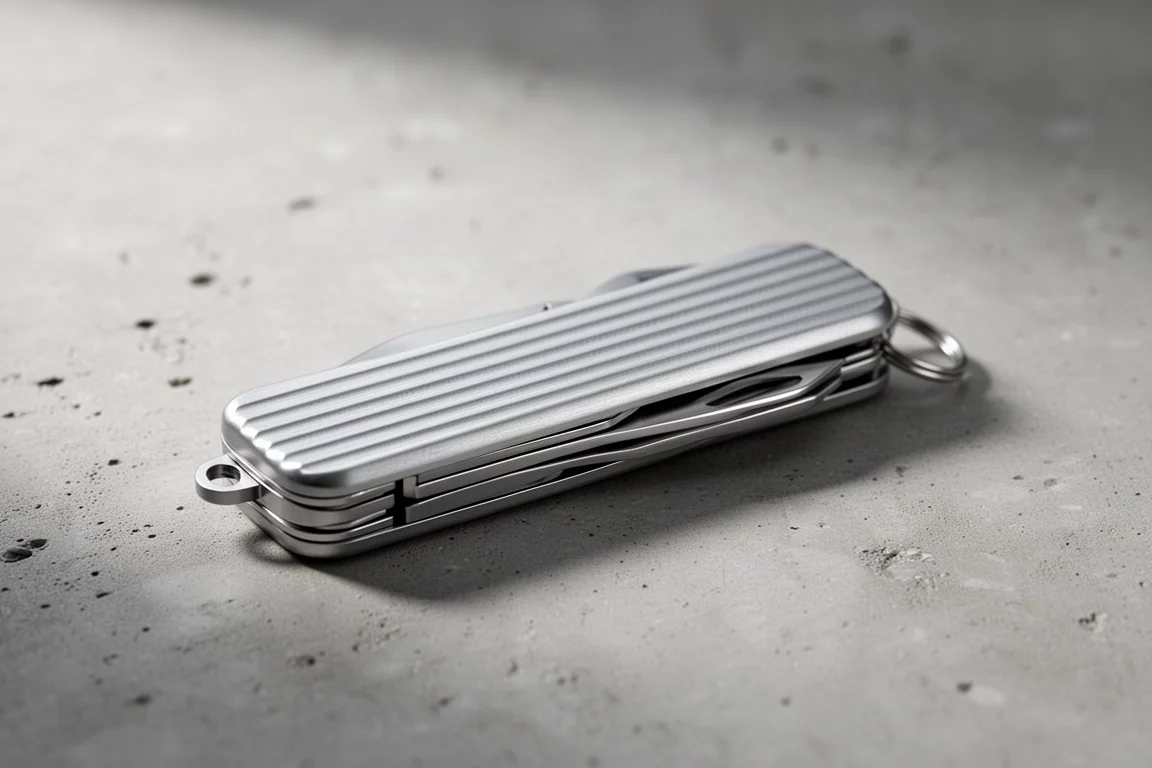
The Phantom’s slim profile means it can slide inside a wallet or pouch and be forgotten until needed, which suits an integrated carry style where everything travels together. The Cadet, meanwhile, offers more discrete tools, a key loop, and a pound less on the price tag. If you carry a wallet-only setup, the Phantom is the clever pick; if you want a proper standalone pocket knife with more individual tools, the Cadet is the stronger all-rounder.
Key Carry: Titanium Carabiner vs Magnetic Connector
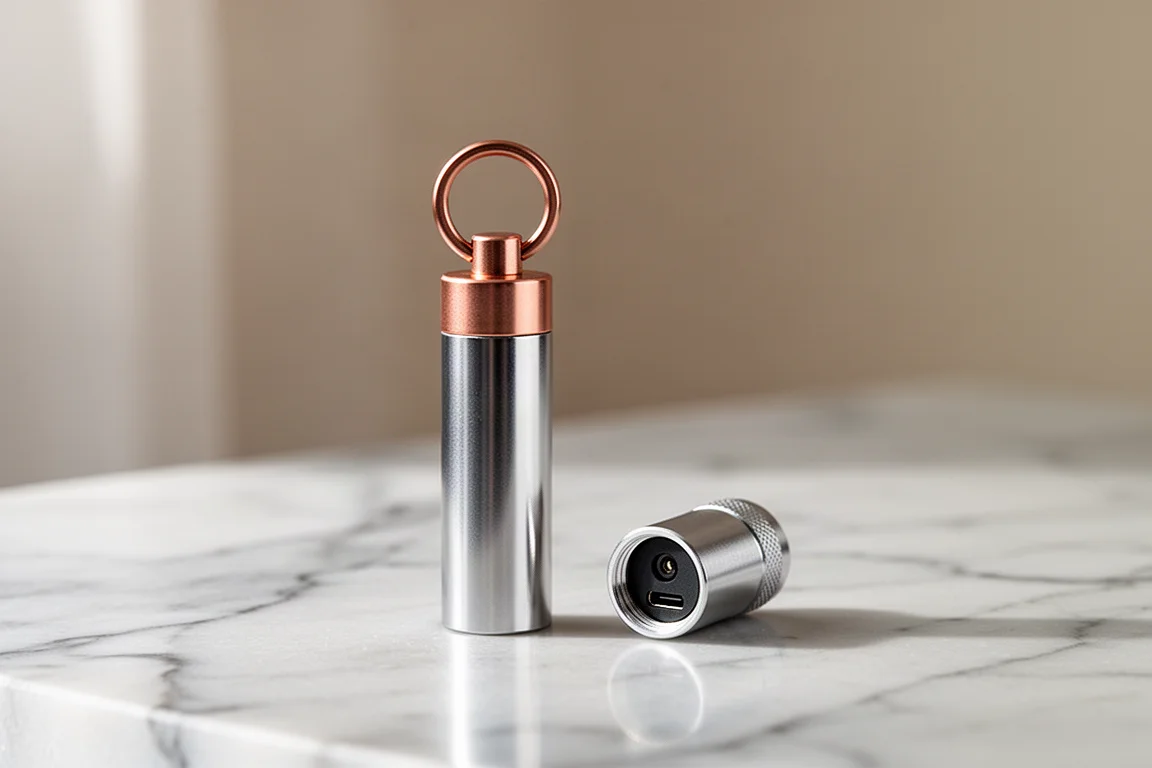
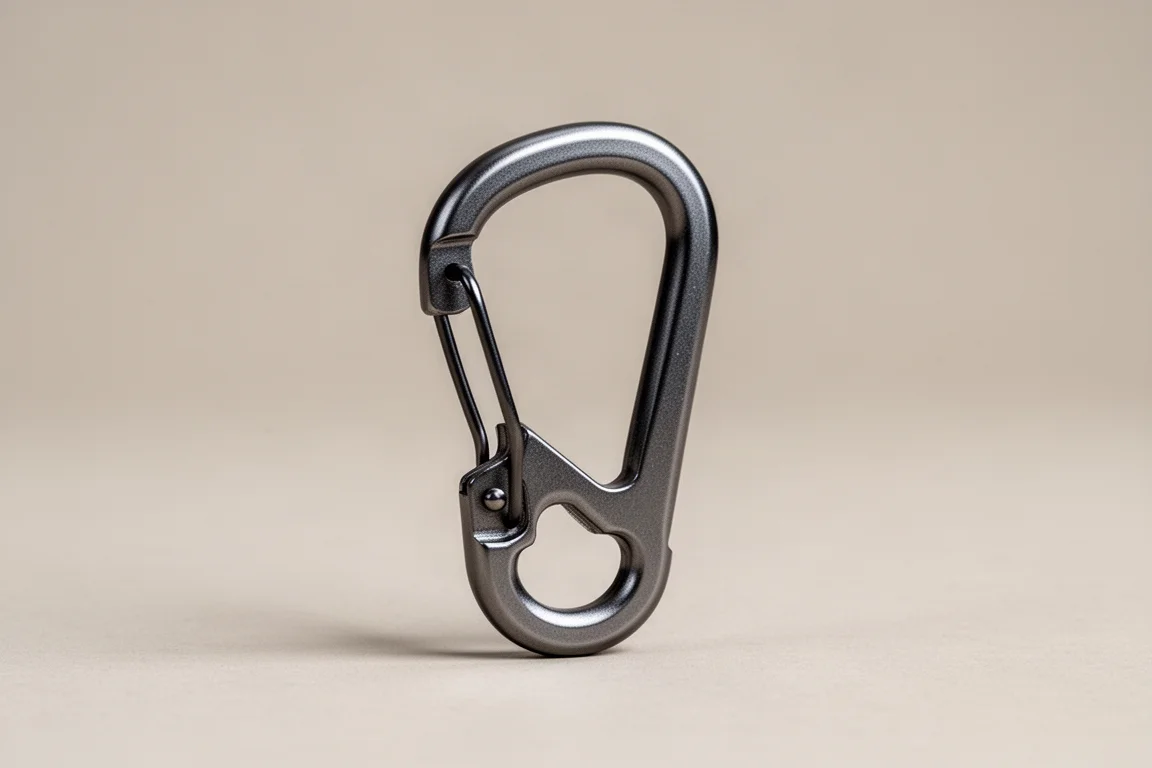
With money saved elsewhere in the budget, a titanium option becomes tempting. The Rovyvon U8 carabiner costs £28, which is undeniably expensive for a keyring, but the build quality justifies a look. It is a substantial titanium carabiner that can hold keys, clip a flashlight or knife, and even works as a bottle opener. Push the gate fully in and it can be slotted around a loop for an even more secure hold, making it useful clipped to a bag. There is also a higher-spec version with a scalpel blade instead of the bottle opener, at £36, though that pushes past a tighter budget.
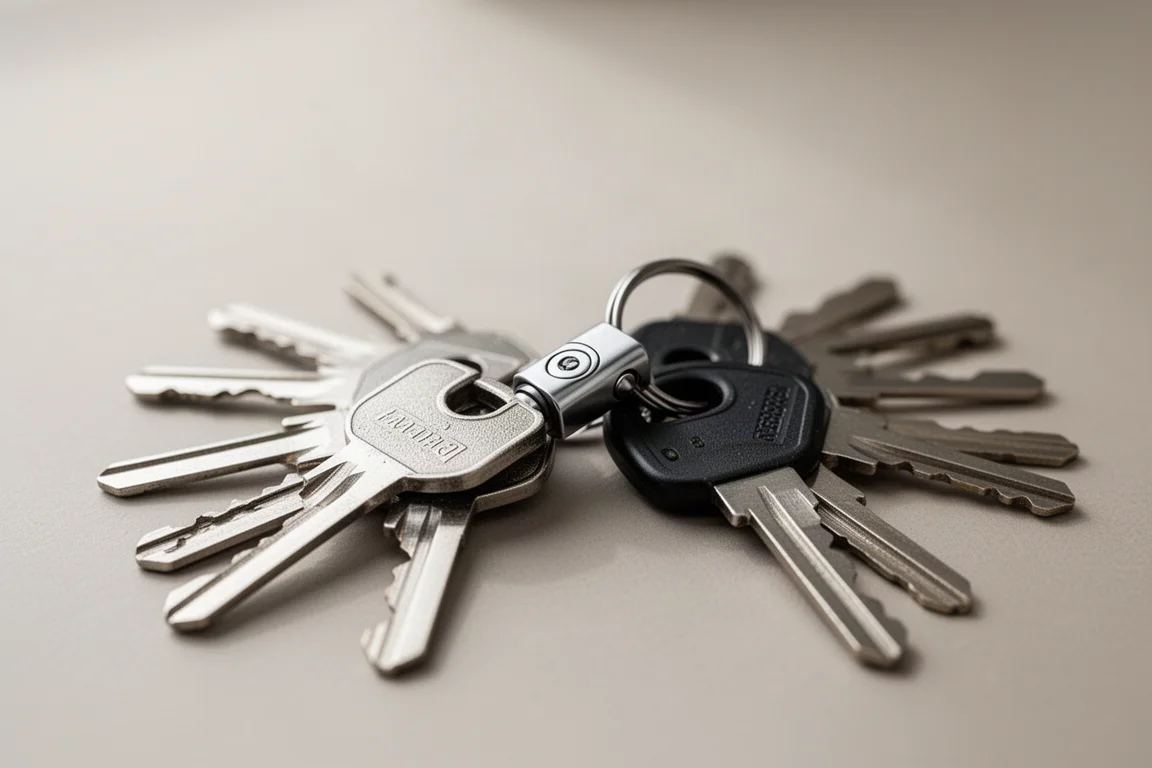
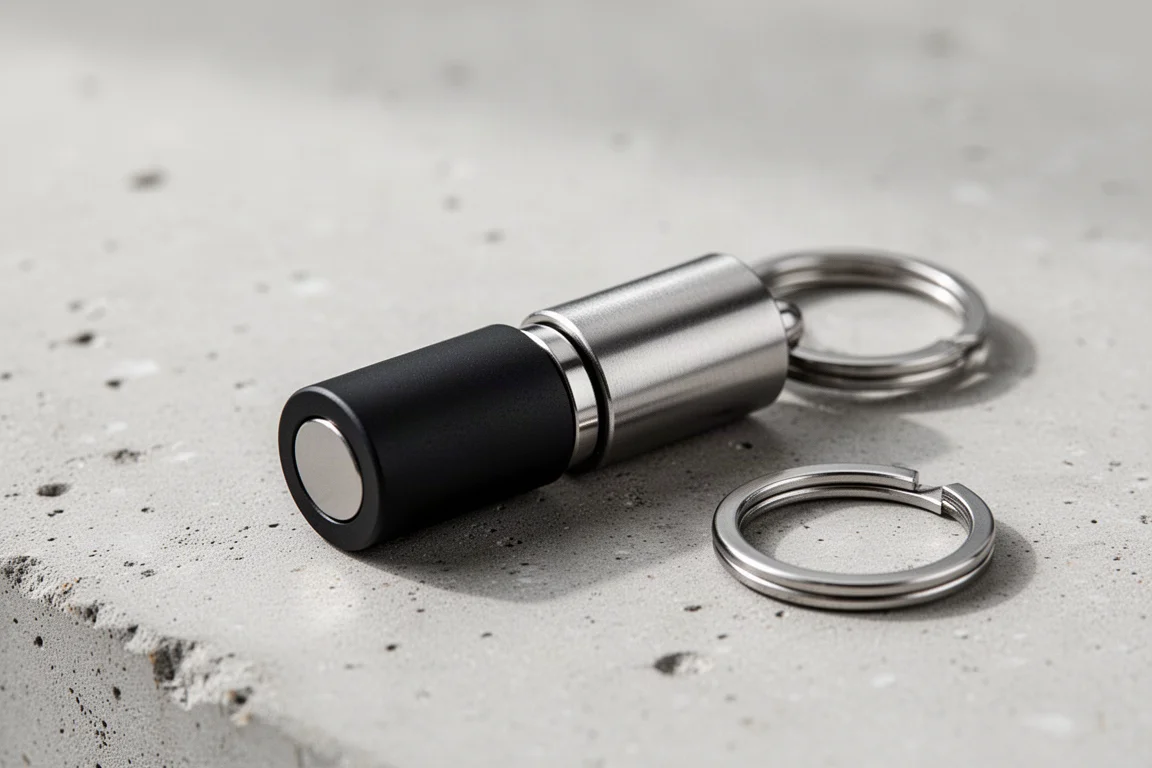
At the other end of the scale sits the KeySmart Mag Connect, a small magnetic key connector costing £7.99, with room in a £100 budget to buy two. Its purpose is simple: swap keys in and out instantly. For anyone who regularly changes car keys between family members, that quick magnetic swap is genuinely practical. Comparable locking quick-release connectors exist for around £5 for a pair, but they take slightly longer to detach and need to be locked to avoid separating, whereas the magnetic design is faster in daily use. Used daily without locking, it has proven secure enough in practice.
Overall Buying Advice
The best budget EDC setup is not about picking the flashiest item in each category; it is about how the pieces work together. If you prefer to keep your pockets minimal, a compact zip pouch, a slim flashlight and a thin knife that slides into the wallet add up to a genuinely cohesive carry. If you prefer traditional carry, a classic leather bifold, a keychain torch, an Alox Cadet on your keys and a simple magnetic connector will cost less and cover the same four essentials with proven designs.
A few practical takeaways: watch for offers on the Torah wallet, where the price has dropped from £45 to £25; consider the USB-C version of the Aurora A1 if charging standards matter to you; and do not overspend on the keyring unless you genuinely need a carabiner-style clip for a bag.
Conclusion
Every item here proves that a complete, quality everyday carry setup does not need to cost a fortune. The Torah bifold and Bellroy Card Pouch cover two very different wallet philosophies, the Rovyvon Aurora A1 and Olight i1R 2 Pro EOS split the flashlight choice between output and simplicity, the Victorinox Cadet and Alox Phantom balance function against slimness, and the Rovyvon U8 and KeySmart Mag Connect show two ends of the key carry spectrum. Match the items to how you actually carry, and a sub-£100 setup can feel every bit as considered as a much more expensive one.
Further reading
Related Reviews

Everyday Carry
Everyday Gear That Deserved a Second Look
A roundup of solid everyday carry items: watches, pens, a pencil, a knife, and a smart ring that each earned a place on the table.

Everyday Carry
KORE Tactical Bifold Wallet Review: A Durable Everyday Carry Option
A close look at the KORE Tactical Bifold Wallet, a reinforced nylon wallet with magnetic closure and room for cards, cash, and IDs.

Everyday Carry
Krabby Wallet Review: A Slim, Simple Carry That Has Stood the Test of Time
A closer look at the Krabby Wallet, a slim canvas and elastic design with a loyal following and a simple, functional approach to everyday carry.