Hand Tools
Three Doyle Hand Tools Worth Staging: A Practical Buying Guide
Water pump pliers, demolition screwdrivers, and a titanium hammer from Doyle, plus a simple framework for deciding which budget tools are actually worth buying.
Introduction
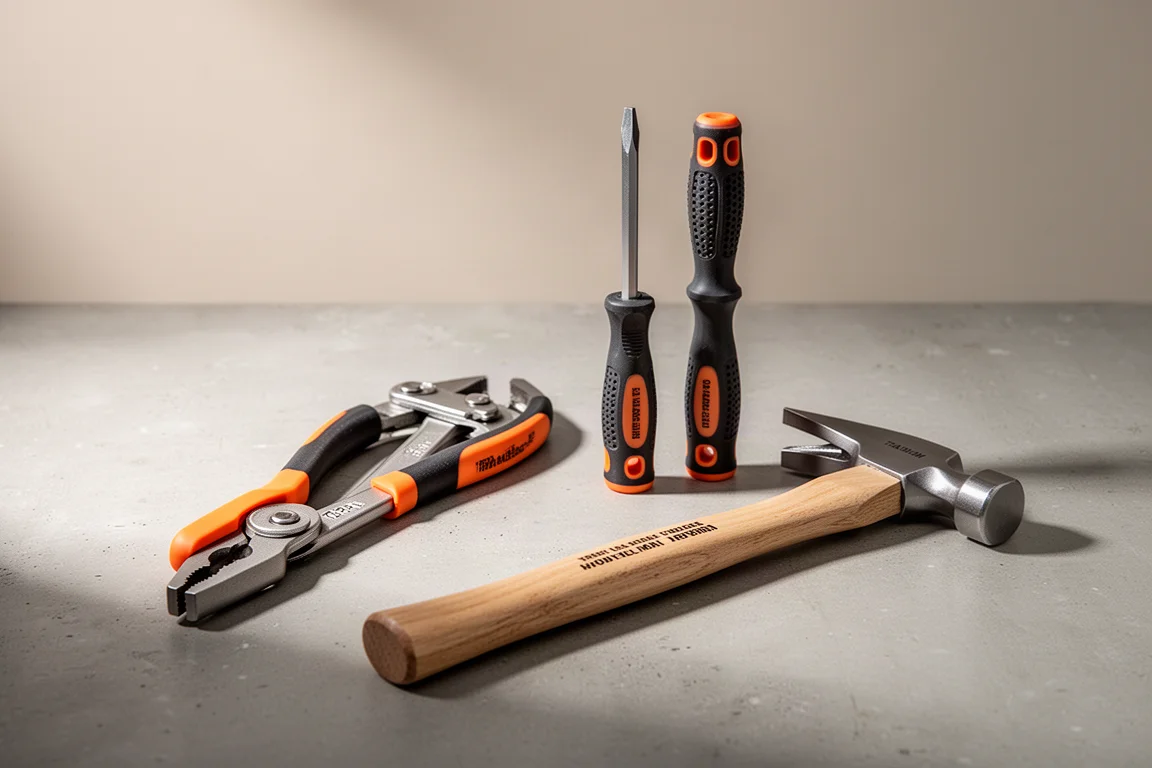
When a budget tool line goes on a deep discount, the temptation is to buy something you do not actually need. A smarter approach is to give yourself a reason first: pick a specific place the tool will live and a specific job it will handle. That framing turns a impulse purchase into a deliberate one, and it works especially well with Doyle hand tools, a budget line sold at Harbor Freight that periodically goes on sale for 30% off.
That 30% matters most when the tool is already affordable. Below are three Doyle tools that fit this way of thinking well, each with a clear use case and honest trade-offs.
Doyle 10-Inch Quick Adjust Water Pump Pliers
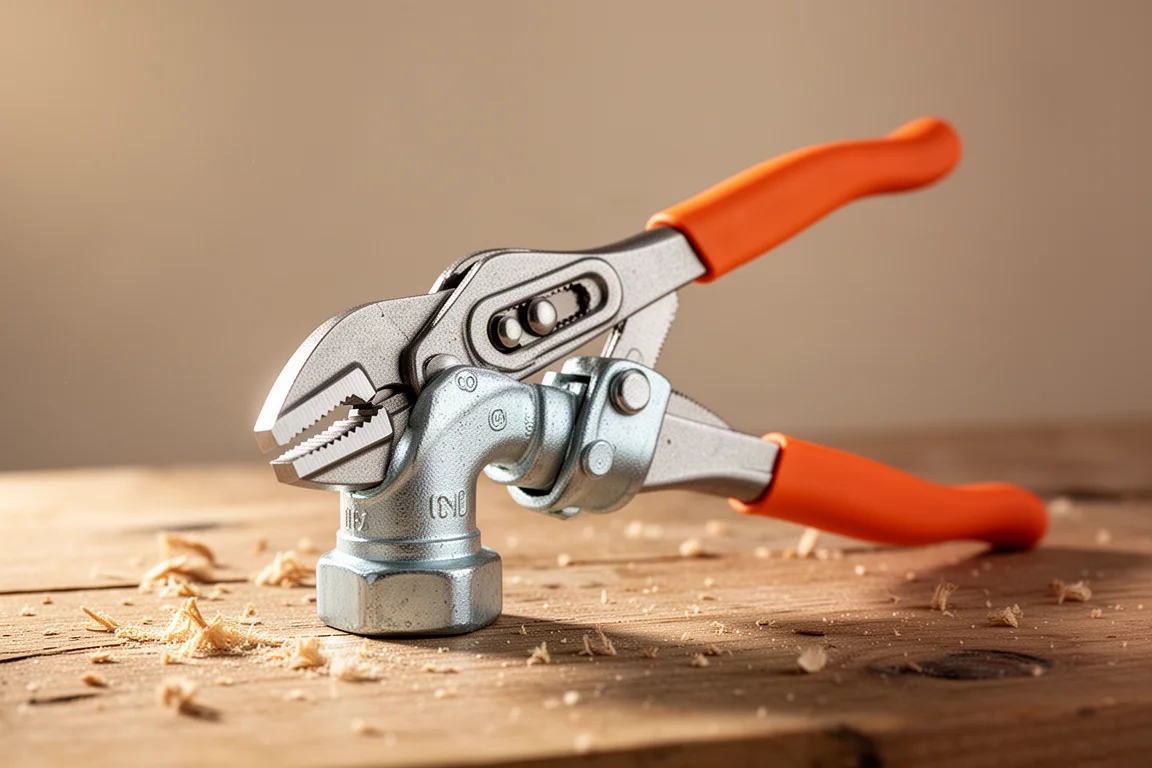
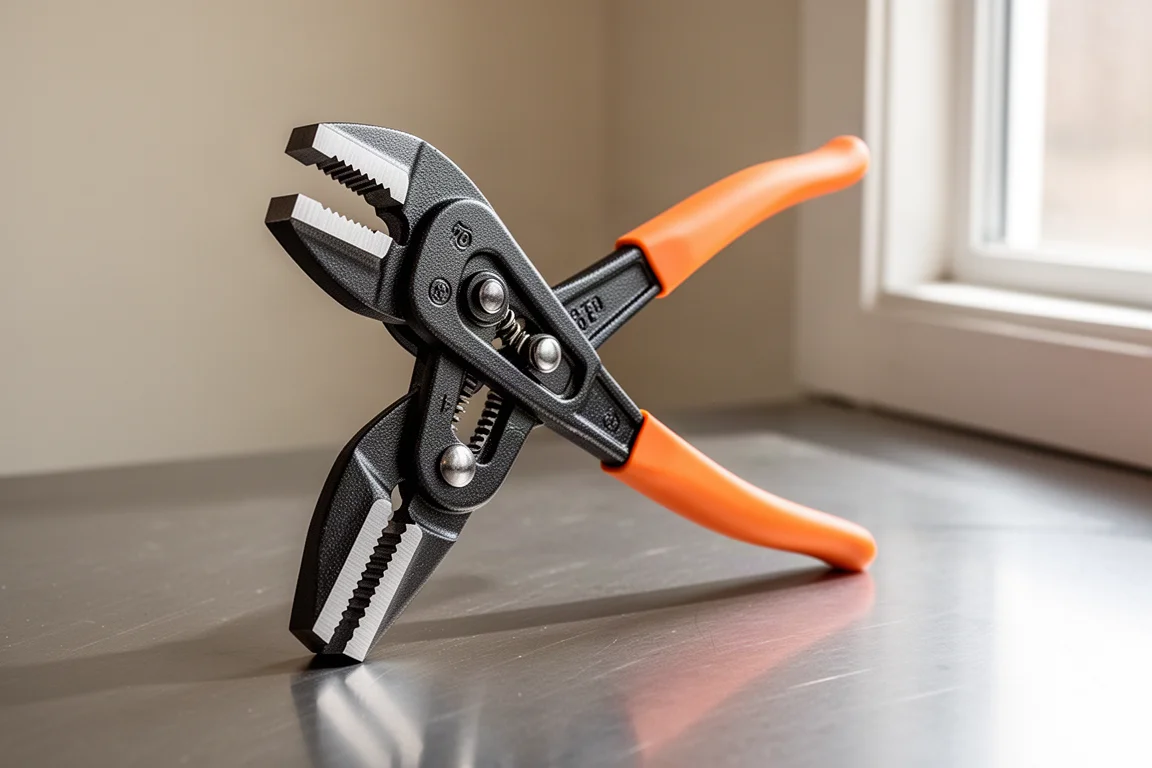
This 10-inch quick adjust water pump plier is very similar in concept to the Knipex Cobra, with a push-button style quick adjustment for fast size changes. It handles plumbing pipe, irrigation work, and general plier duty, and the trapezoid-style jaw shape gets closer to the magic of the premium original than typical Channellock-style pliers do.
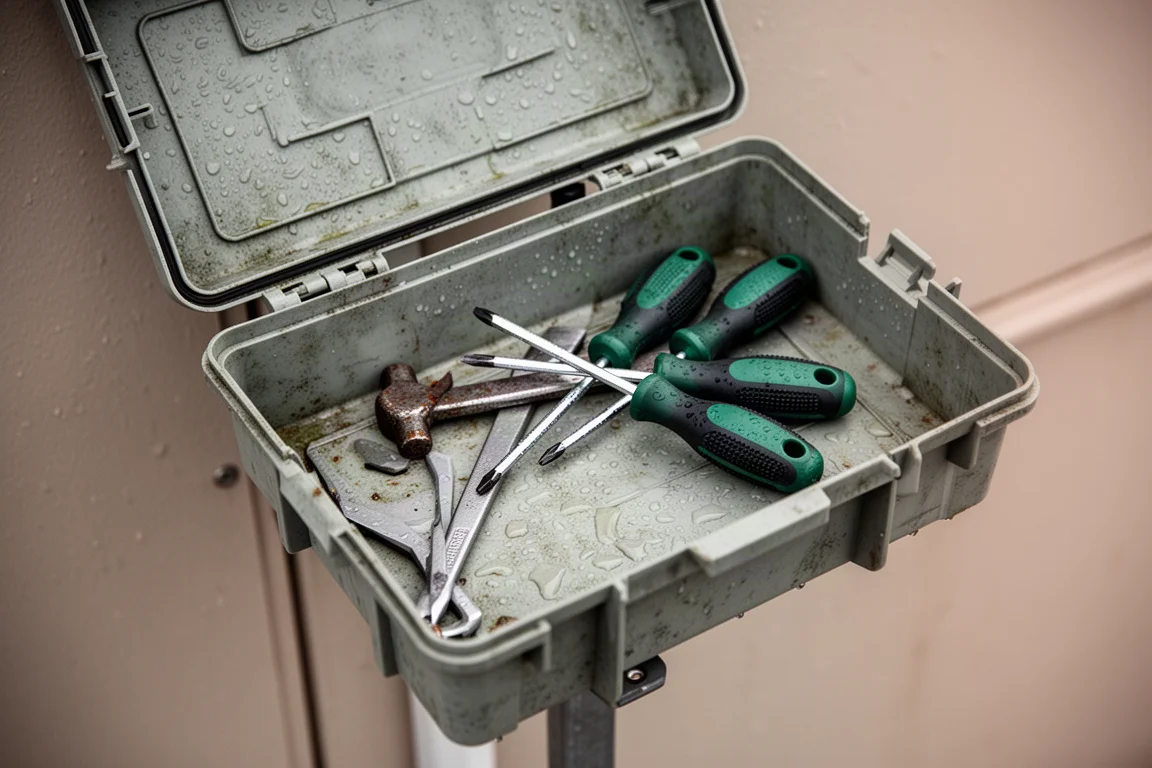
The real appeal is what it costs relative to what it protects. If you want a pair of pliers that lives in the box on the back of an ATV, exposed to rain, mud, and being put away wet over the winter, you do not want to spend premium-brand money on a tool that may rust, get lost, or get broken. A budget pair staged permanently for that dirty outdoor role makes far more sense, and a dedicated pair there pays for itself the first time you are mid-job with a hose fixture or a fuel adjustment on a small pump and do not want to walk back for a better tool.
Doyle Demolition Screwdrivers
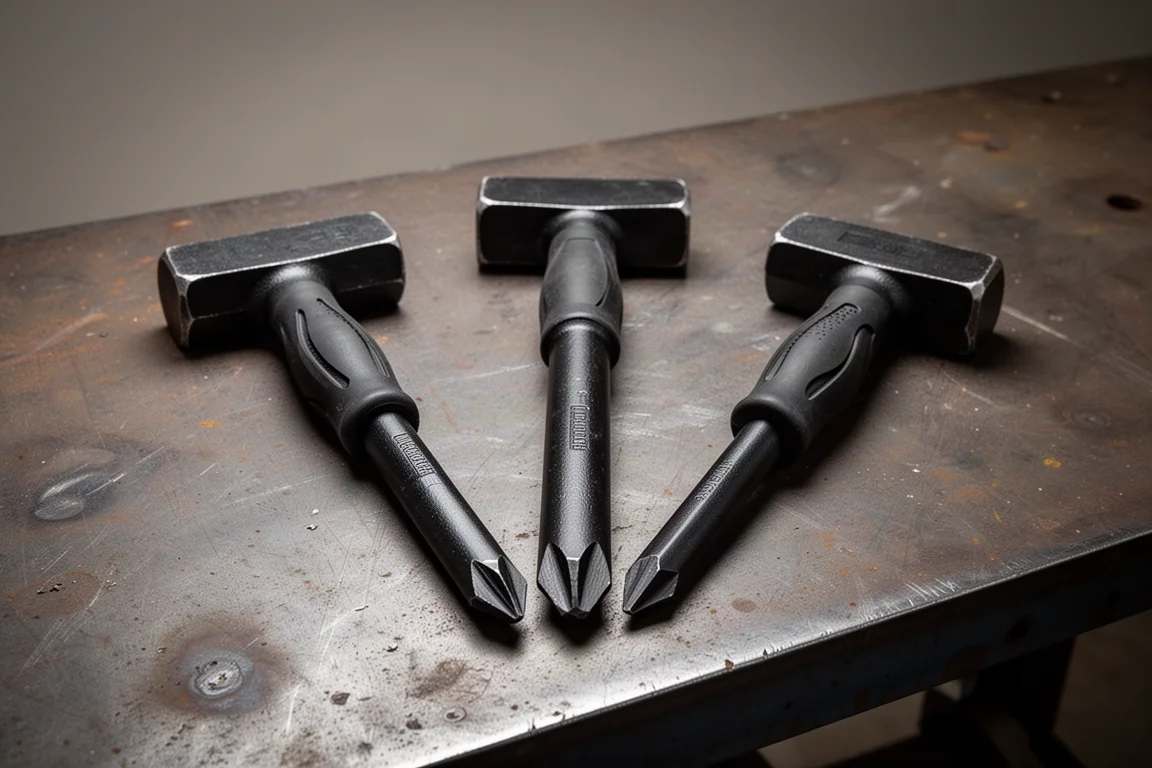
These demolition screwdrivers come as a Phillips and slotted pair and are built to take abuse well beyond driving screws. The slotted tip in particular works almost like a small chisel, and the whole design is compact enough to double as a pry bar, and occasionally even a light hammer, when the situation calls for it.
They were around $10 for the pair at full price, which drops to roughly $7 for the pair at 30% off, or about $3.50 each. At that price, staging a set in the same outdoor box as the pliers is an easy decision: you often need a screwdriver of one type or the other out there, and a tool that can also pry and chisel covers far more ground. There is little risk in keeping an indoor set and a shop set as well, given how little they cost.
Doyle 14-Oz Titanium Hammer
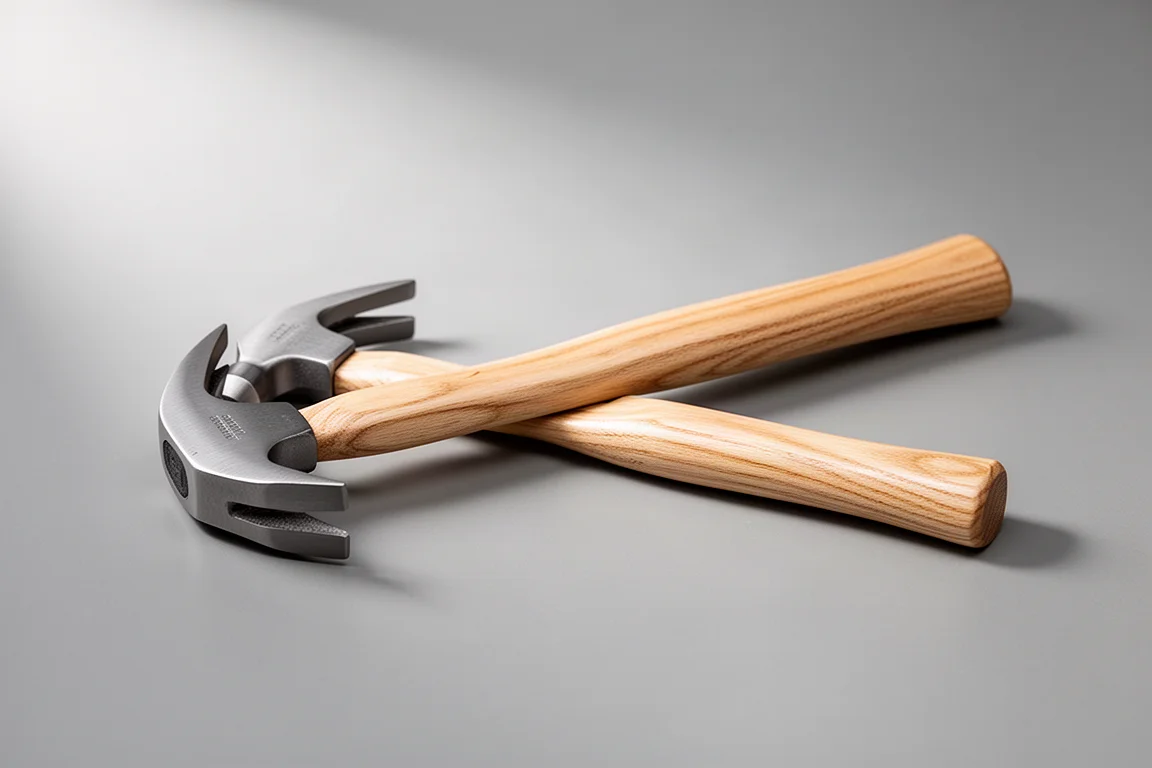
This 14-oz titanium hammer is a different kind of purchase. When it was around $59, it was an easy recommendation; it has since risen to roughly $79, and 30% off does not make up the difference compared with earlier pricing. If you already own a titanium hammer, there is no real justification for buying a second.
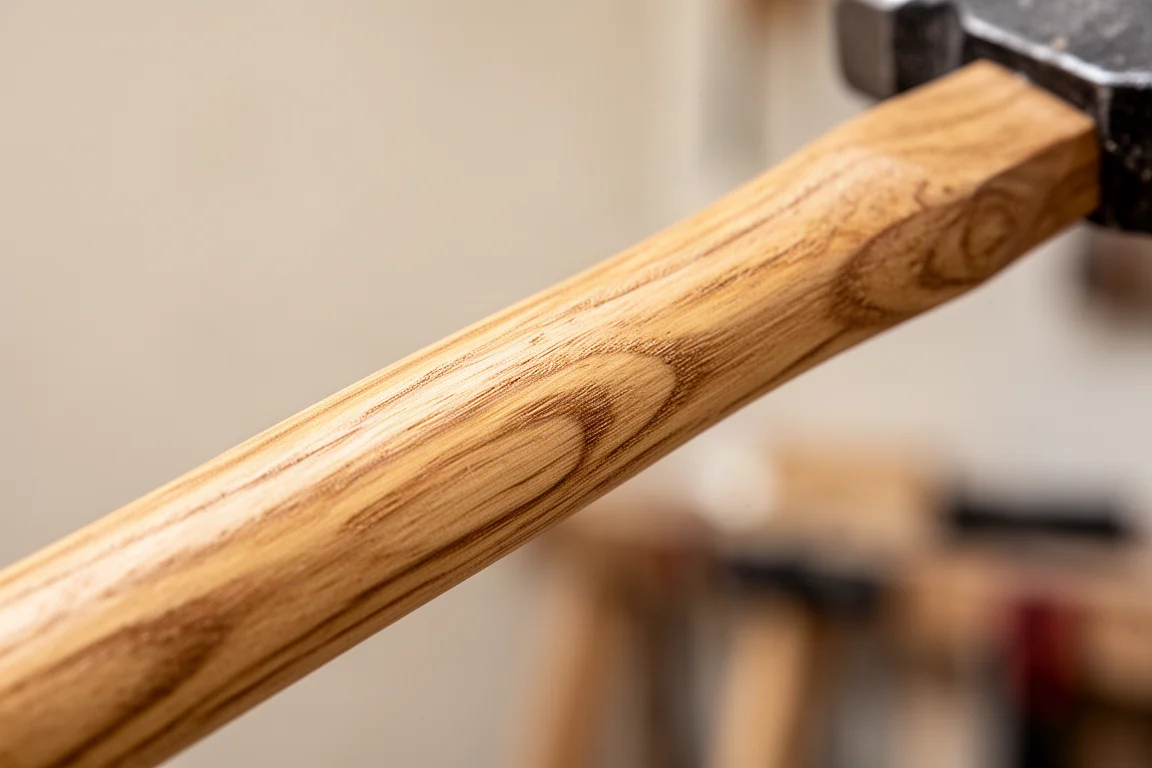
That said, the tool itself has genuine appeal. A 14-oz titanium head means it is very light but physically large, and much of the striking energy comes from the swing rather than the head weight, which reduces fatigue. The claw profile is slightly more aggressive and “rippier” than some designs, and the handle grain matters: wood grain should run parallel to the direction of the strike rather than horizontal, and it is worth checking each unit for grain structure and clean branch cut-offs before buying. One wish remains unfulfilled: a smooth or milled face option does not appear to be offered in this configuration.
Buying Advice: Think in Terms of Staging
The most useful way to evaluate any deeply discounted budget tool is to ask a single question: where could this be staged? Staging means leaving a tool in place with the thing it is meant to solve, rather than keeping everything in one central toolbox. Wrenches that live with camper tie-downs, tools in glove boxes and consoles, a dedicated pair of pliers in an outdoor box under a chainsaw. A staged tool that is already there when you need it is worth its weight in gold, and it pays for itself in one use.
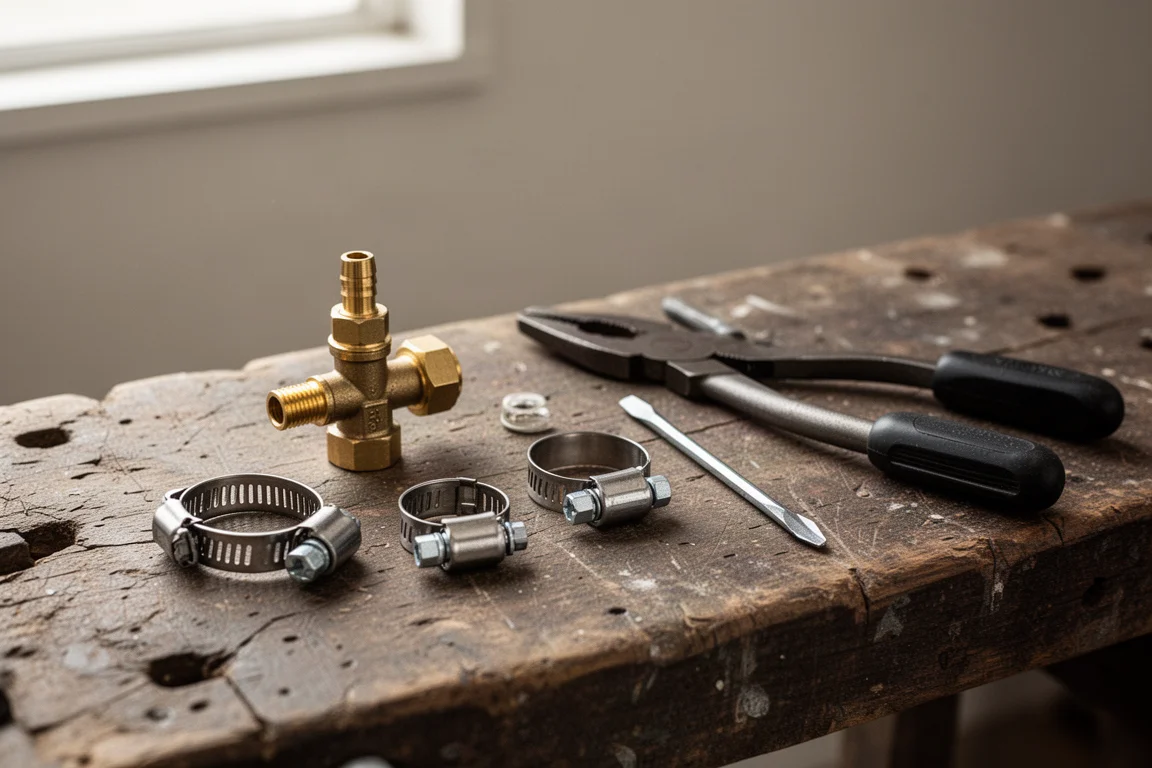
Beyond the three tools above, the same logic extends to other small hand tools worth staging: small wire strippers that are not full lineman’s pliers, needle-nose pliers, and additional screwdriver sets kept where they are handy. The framework also protects you from the opposite mistake. Keeping premium tools out in the elements means they may get damaged, lost, or simply never used, so reserve the good stuff for controlled environments and let budget tools absorb the risk.
Conclusion
A deep discount on an already affordable tool is not automatically a good deal. The water pump pliers and demolition screwdrivers fit the staging framework almost perfectly: cheap enough to leave outside, capable enough to actually work when needed. The titanium hammer is a better tool, but at its current price it only makes sense if you genuinely do not own one yet. Find the place each tool will live first, then buy with confidence.
Further reading
Related Reviews
Hand Tools
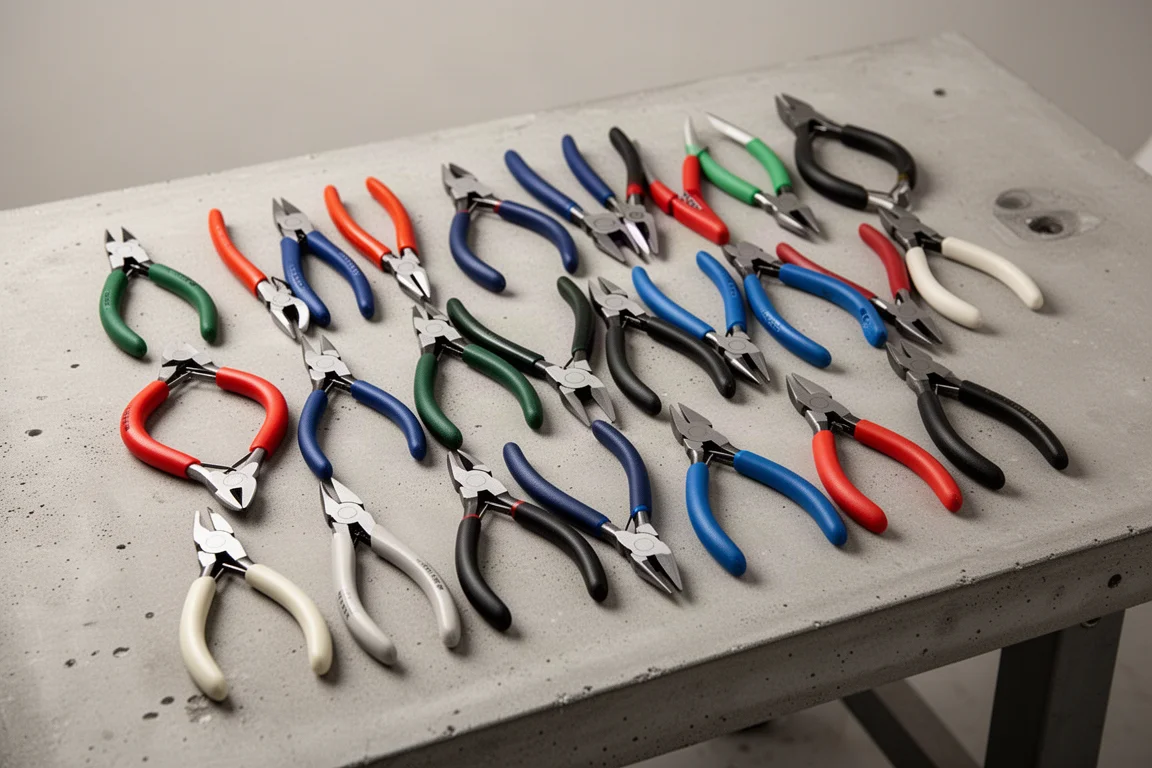
Best Diagonal Cutters 2026: 16 Pliers Tested for Cutting Power and Durability
We put 16 diagonal cutters through nail, screw, drill bit, and hex key tests to find the best value picks for your toolbox.
Hand Tools
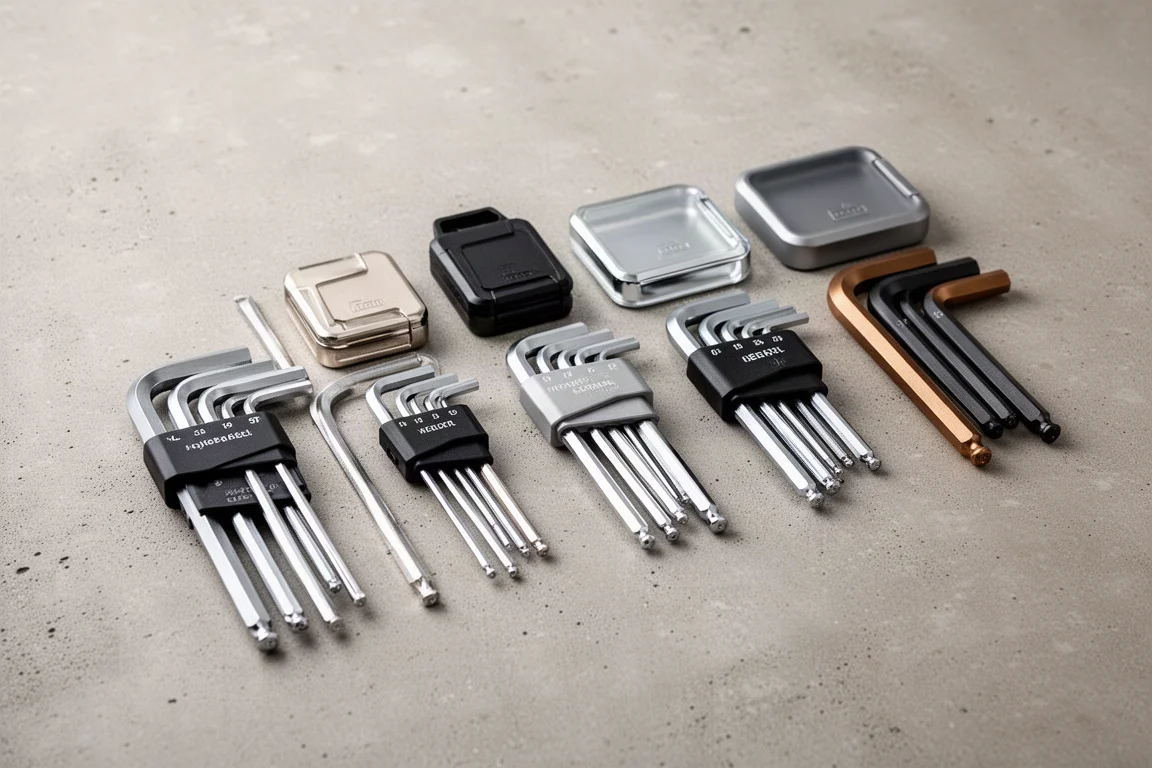
Best Hex L Key Sets 2026: Nine Sets Tested for Real-World Torque
Nine hex L key sets from budget to premium, tested for torque, fit, and durability. See which sets deliver real performance and which ones to skip.
Hand Tools
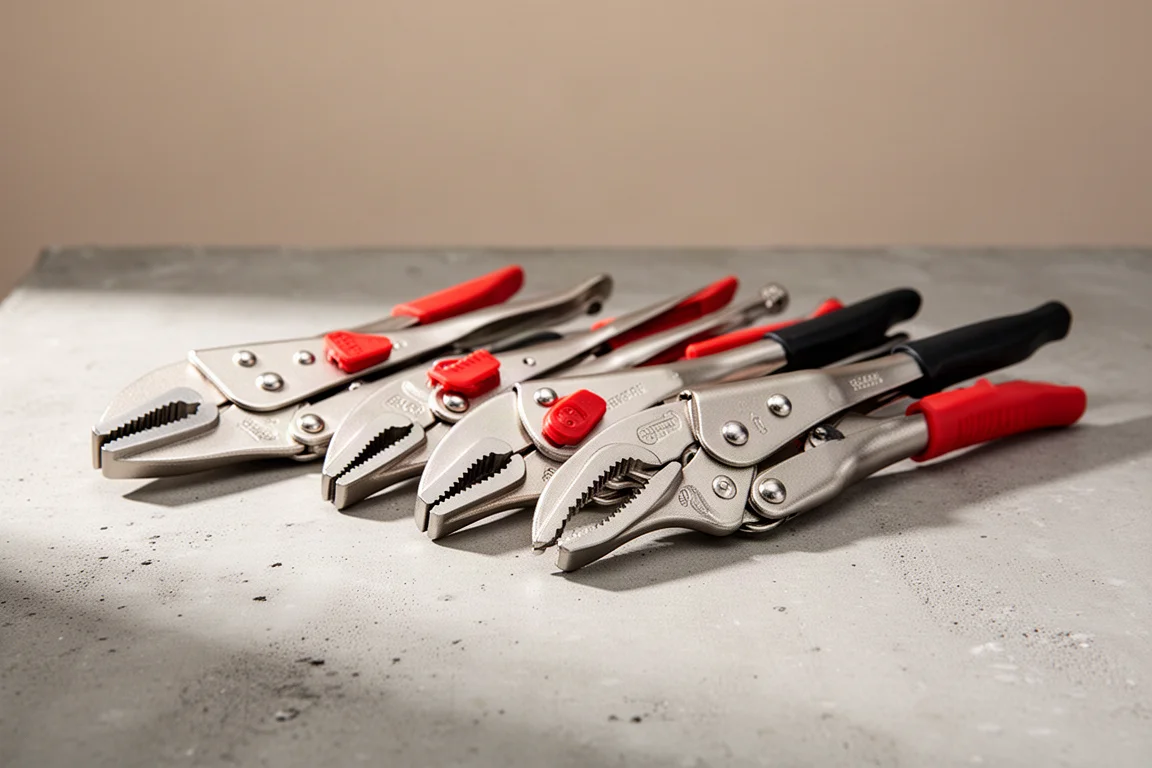
Best Locking Pliers 2026: Top Picks Tested for Grip and Durability
We tested 18 brands of 10-inch locking pliers for grip strength, jaw bite, build quality, and ease of release to find the best options for tough jobs.