Workshop Tools
Best Budget Anvils 2026: Four Options Compared for the Home Shop
A cast steel Doyle anvil may be shaking up the budget anvil market. We compare it against cast iron and online alternatives to see which one makes sense.
Introduction
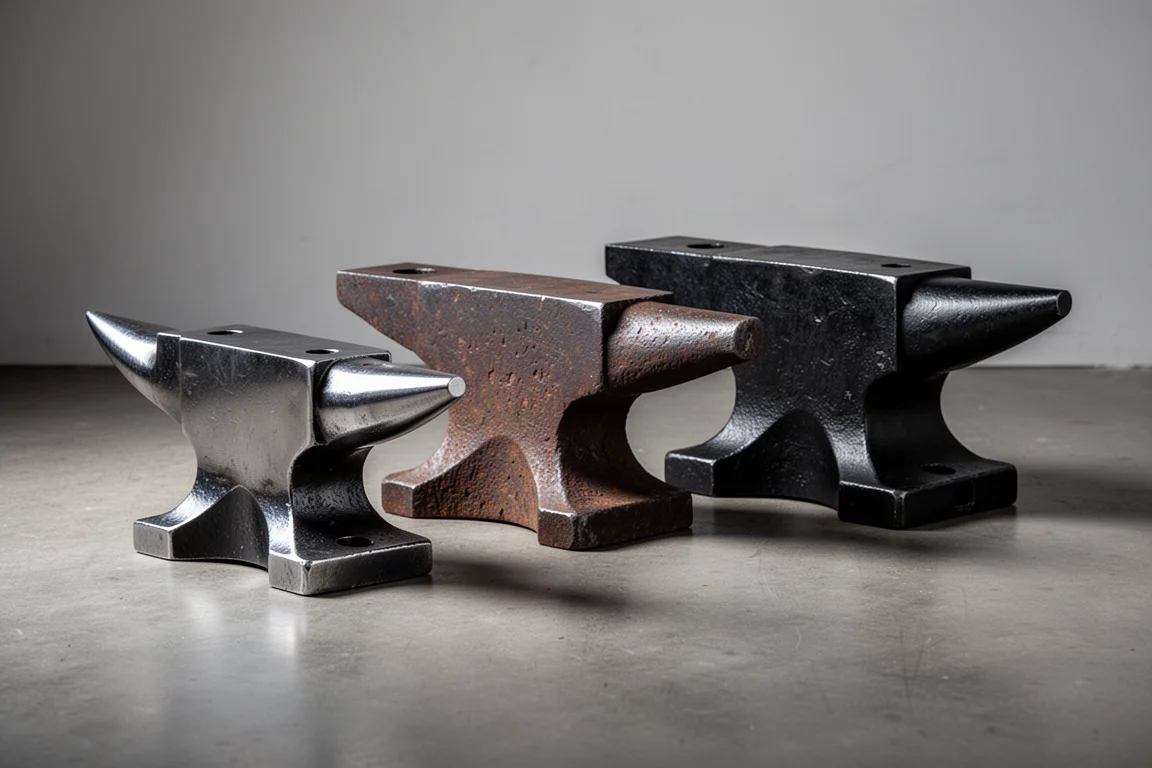
Budget anvils have long been a compromise. You either hunt the used market for months hoping to win the “anvil lottery,” or you settle for a heavy lump of cast iron that technically counts as an anvil-shaped object. That may be changing. A new 65 lb cast steel forging anvil in the updated Doyle line has quietly appeared at Harbor Freight, and at $140 it is putting real pressure on every other budget option.
This roundup compares four affordable anvils, looks at what actually matters when buying one, and helps you decide which is worth your money.
What Matters in a Budget Anvil
Traditional forging anvils are generally considered to start around 75 pounds. Below that, you are mostly in shaping or hobbyist territory, which is exactly where most of these budget options fall. That is not a flaw as long as you match expectations to the tool.
Material matters more than anything. Cast steel is tougher and holds a sharper face and horn profile than cast iron, which is strong and heavy but brittle under repeated hammer strikes. Cast iron anvils work in a pinch, but they are rougher, with dull rounded edges that you would have to grind down yourself.
There is also a rule of thumb for weight: a forging anvil should ideally weigh around 50 times the hammer you strike it with. A 65 lb anvil therefore suits lighter hammers, roughly in the 1.3 to 2.5 pound range. For general maintenance, fixing broken items, light reforging, and small to medium knife making, that is workable.
The New Doyle 65 lb Cast Steel Forging Anvil
This is the one shaking things up. The updated Doyle line has hit a genuine sweet spot, and this 65 lb cast steel forging anvil launched ahead of the expected spring window at $140, before any sales or coupons.
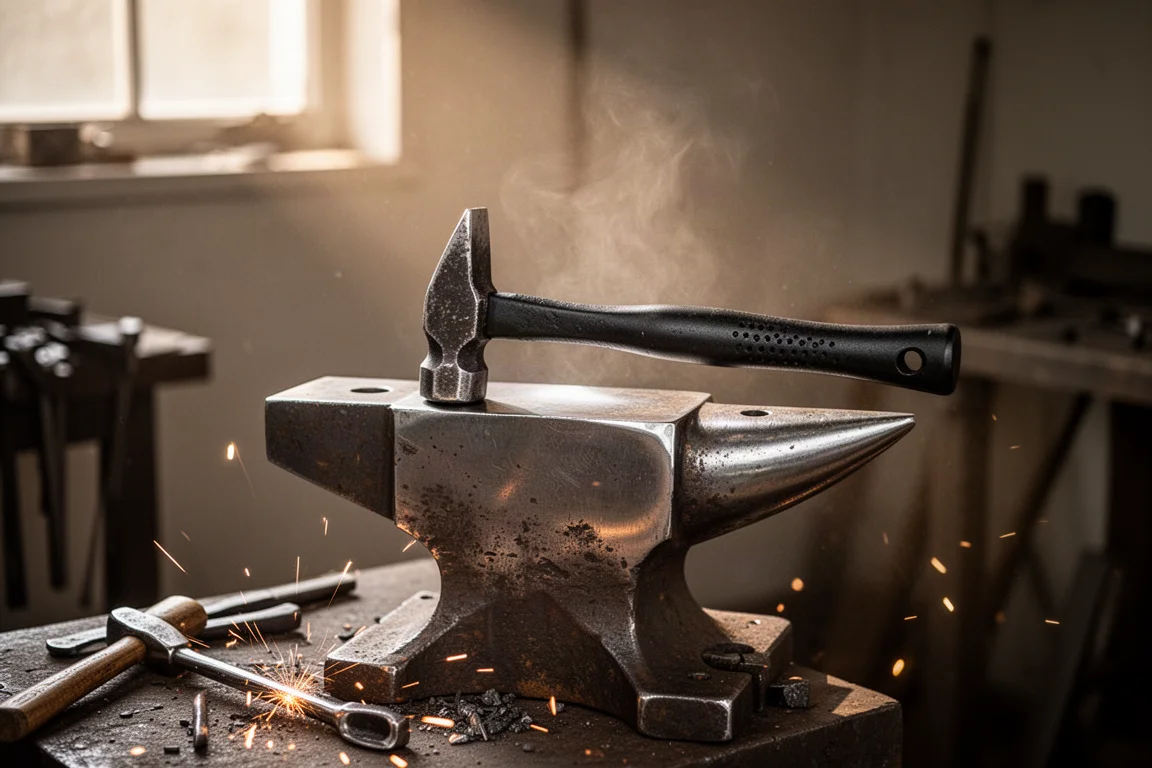
You get a hardy hole and a Pritchel hole for accepting a wide range of tools, a good flat face, and a properly shaped horn. The sharp corner lines on the casting are a clear step up from the dull rounded edges typical of cast iron at this price. At 65 pounds it is a solid size for general shop work, light reforging, and small to medium knife making. You will not be forging swords with it, but for a maintenance and knife-making anvil, it is hard to beat at this price, and with around 1,300 Harbor Freight locations in the US you can walk in and inspect one before buying.
Central Forge 55 lb Cast Iron Anvil
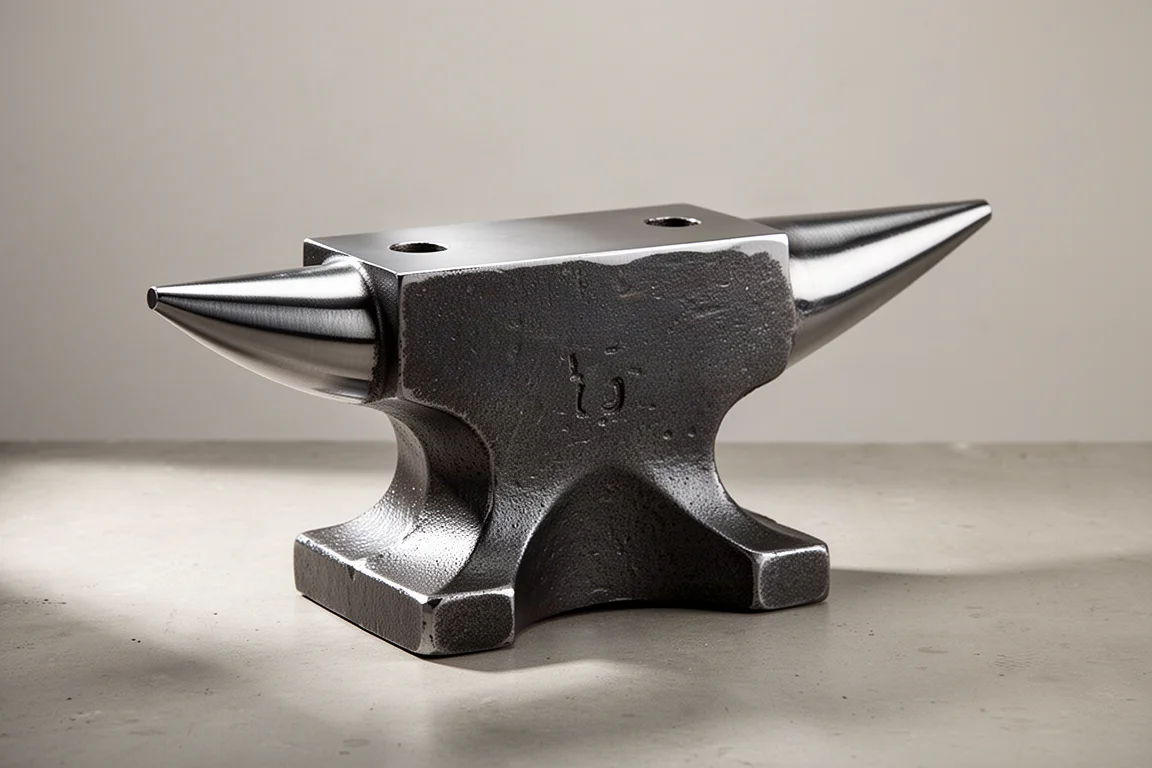
The older Central Forge is the classic budget option: 55 pounds of rugged cast iron for $75, with frequent sales. Ten pounds lighter than the Doyle and made from cast iron rather than cast steel, it is the definition of an anvil-shaped object.
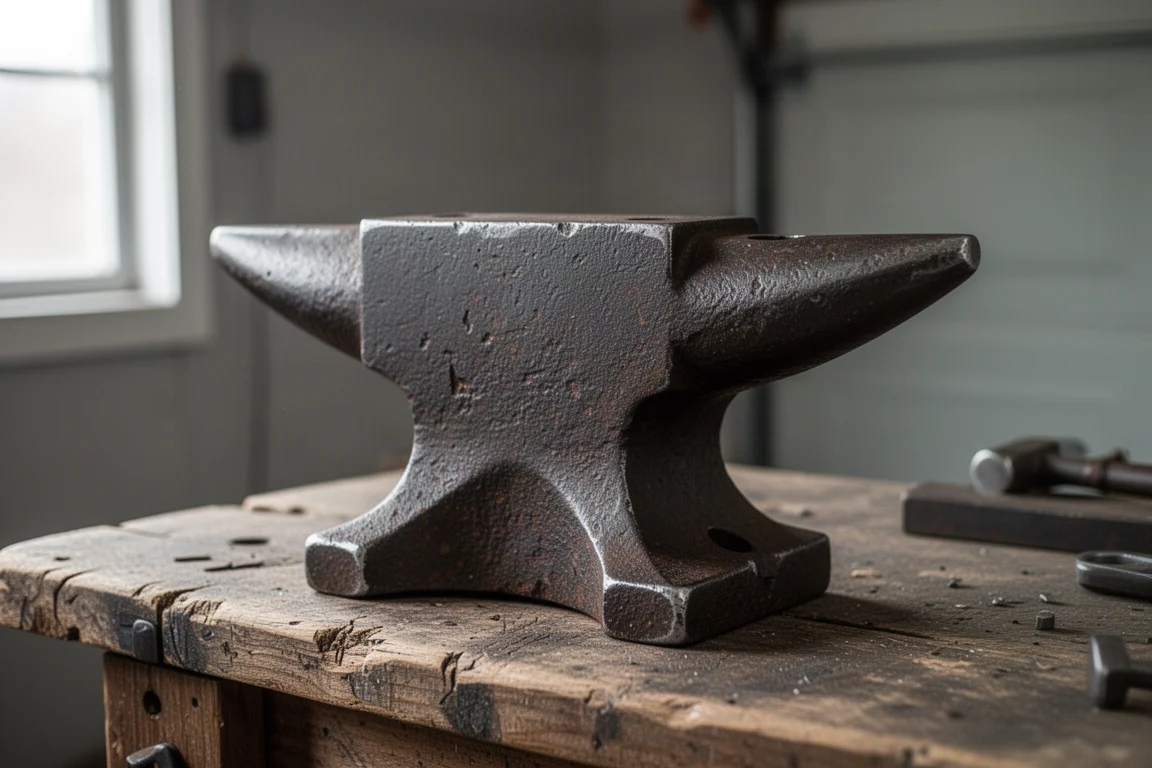
It works in a pinch, and for the price it will not break the bank. But the horn is so rough it barely deserves the name, the edges are dull and rounded, and cast iron is brittle under striking. If your budget is extremely tight, it will do. If you can stretch to the Doyle, the difference in material and finish is significant.
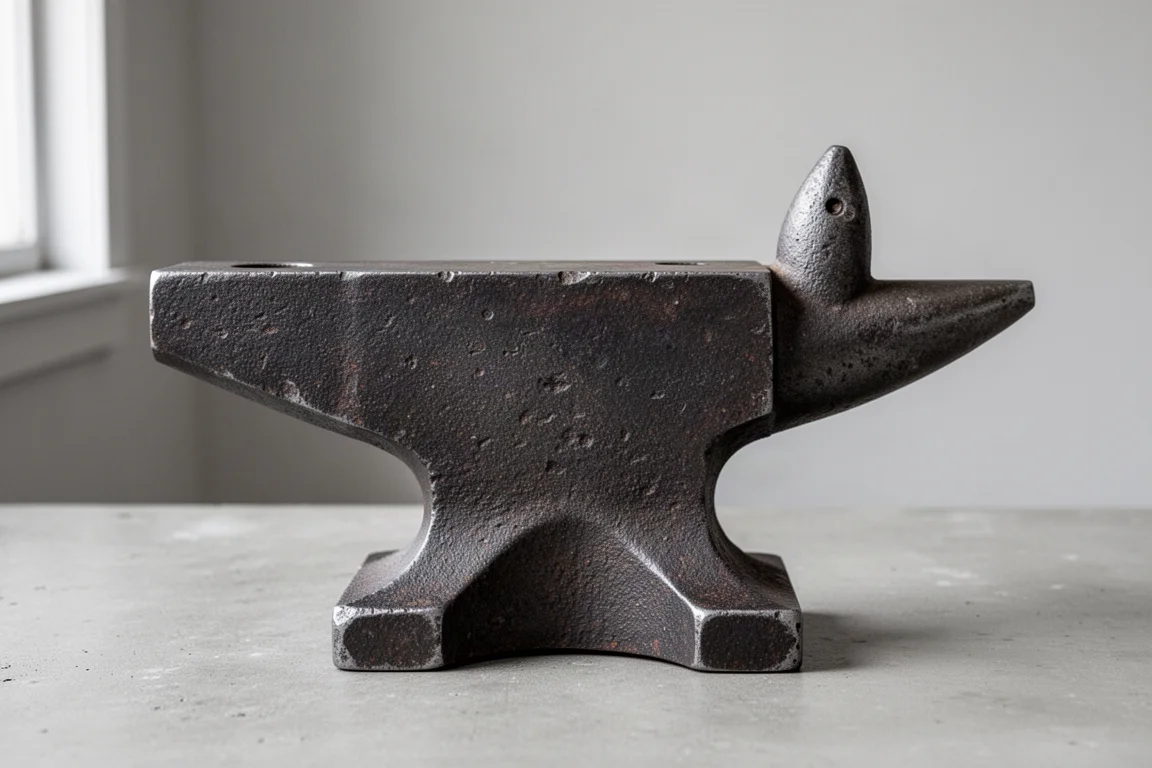
Vevor 66 lb Cast Steel Anvil
Vevor lists a 66 lb cast steel blacksmithing forge anvil on its website for around $129 with free shipping. On paper, that looks like a strong deal in the same weight class as the Doyle.
The concern is consistency. Vevor’s catalog is enormous, and its products can look like great deals on paper while cutting visible corners in person, much like the older Harbor Freight before its good-better-best lineup. The horn on this one is not fully polished, and quality control at this price point is uncertain. It is at least listed as cast steel rather than cast iron, which puts it a class above the Central Forge in theory. If your budget is really tight, it is not a bad option on paper.
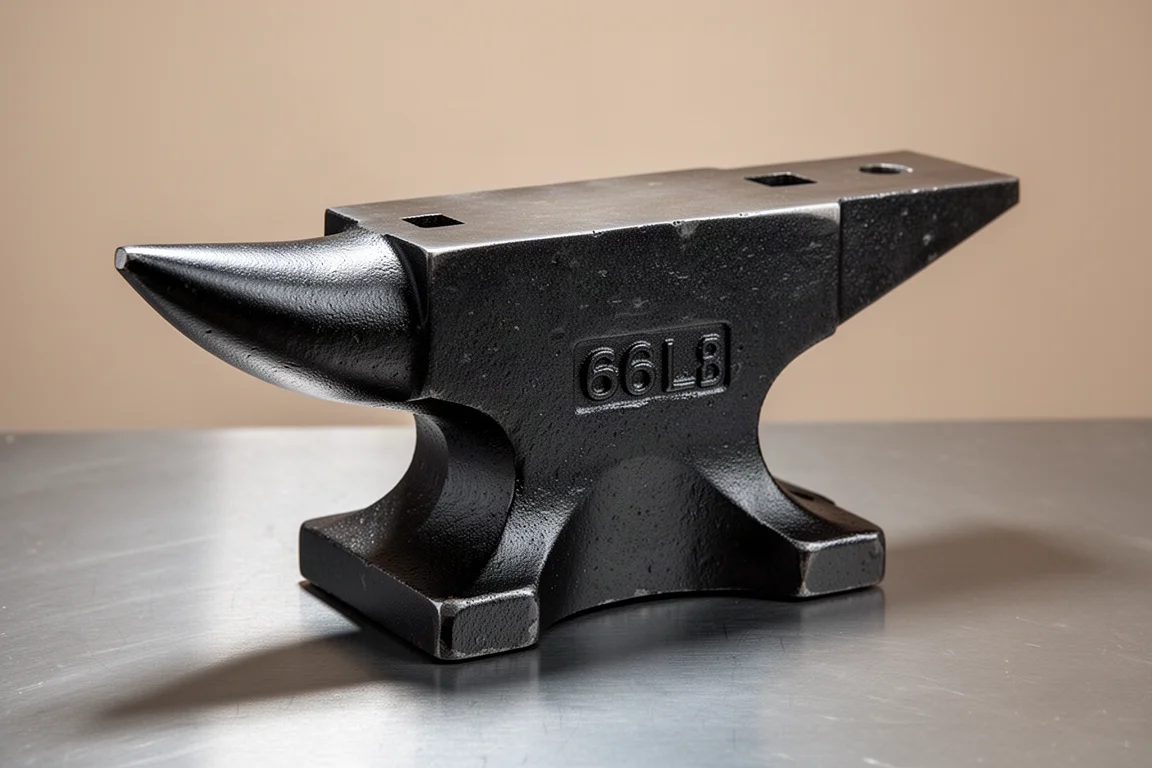
Happy Buy 66 lb Cast Steel Anvil
Over on Amazon, Happy Buy offers a 66 lb anvil listed as cast steel for $145 with Prime two-day delivery, though delivery speed varies a lot by region.
The catch is trust. It looks suspiciously like cast iron despite the listing, and with marketplace listings you never quite know what you are getting. Given that the Doyle costs less and can be inspected in person at a local store, paying $145 for an unverifiable listing is a hard sell.
The Used Market Reality
The standard advice is always “just buy a used one.” In practice, the cheap used anvils are gone. Listings that once sold for $50 now ask five times that the moment the words “cast iron” appear. Examples from real listings include $700 for a 162 lb Peter Wright in good shape, $1,000 for one covered in rust, $2,000 for a 200 lb Fisher, and $815 for a 77 lb Peddinghaus. Railroad rail anvils show up for $40 to $275 depending on whether they have been shaped, though note that rails are generally assumed to be owned by the railroad, so check the legality in your area.
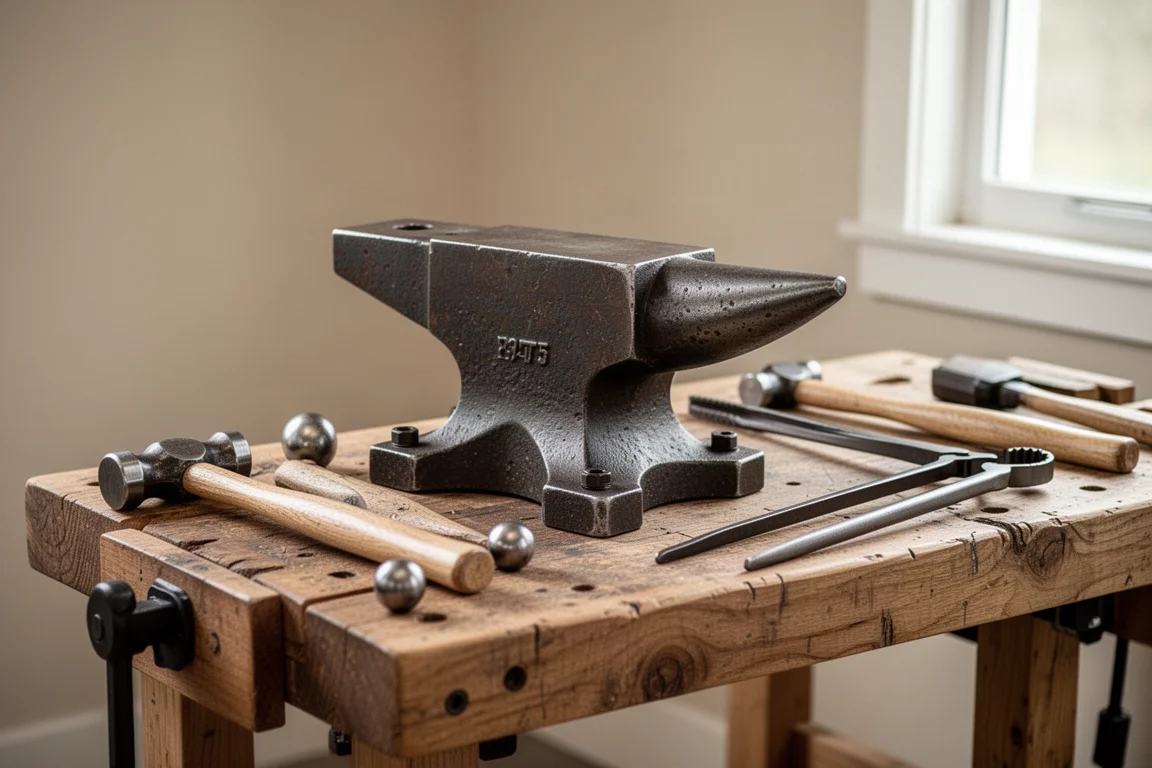
If you have the time and patience to haunt Craigslist and Facebook Marketplace for a year, you might luck out. Most people just want to get something into the shop and start working. That is where the new Doyle at $140 becomes the obvious pick: it is affordable, available, inspectable, and made from the right material.
Conclusion
For most buyers, the Doyle 65 lb cast steel forging anvil is the standout. It offers cast steel construction, proper tooling holes, and a real horn for $140, undercutting most of the market. The Central Forge remains a rock-bottom fallback, the Vevor is a paper-deal gamble, and the Happy Buy listing is hard to trust at a higher price. If you want a solid shop anvil for general maintenance and knife making without waiting months for a used bargain, the Doyle is the one to beat.
Further reading
Related Reviews

Workshop Tools
Best Drill Tap Sets 2026: Top Picks Tested for Speed and Strength
We tested 17 drill tap sets to find the fastest drilling, strongest threading, and most durable options for your workshop.

Workshop Tools
Cool Shop Tools 2026: Five Clever Upgrades Worth a Closer Look
A practical look at five workshop tools that solve real problems, from smarter drill bits to a safer table saw guard.

Workshop Tools
Cool Tools for the Workshop: Five Smart Upgrades Worth Trying
A practical look at five workshop tools that make measuring, drilling, marking, and sawing easier, from a clever square to a top-tier bandsaw fence.