Hand Tools
Best Breaker Bars Compared: Five Wrenches That Replace Ratchet Risk with Raw Leverage
Five breaker bars covering half-inch, 3/8, extendable, and USA-made classics, with practical guidance on which length and style suits your toolbox.
Introduction
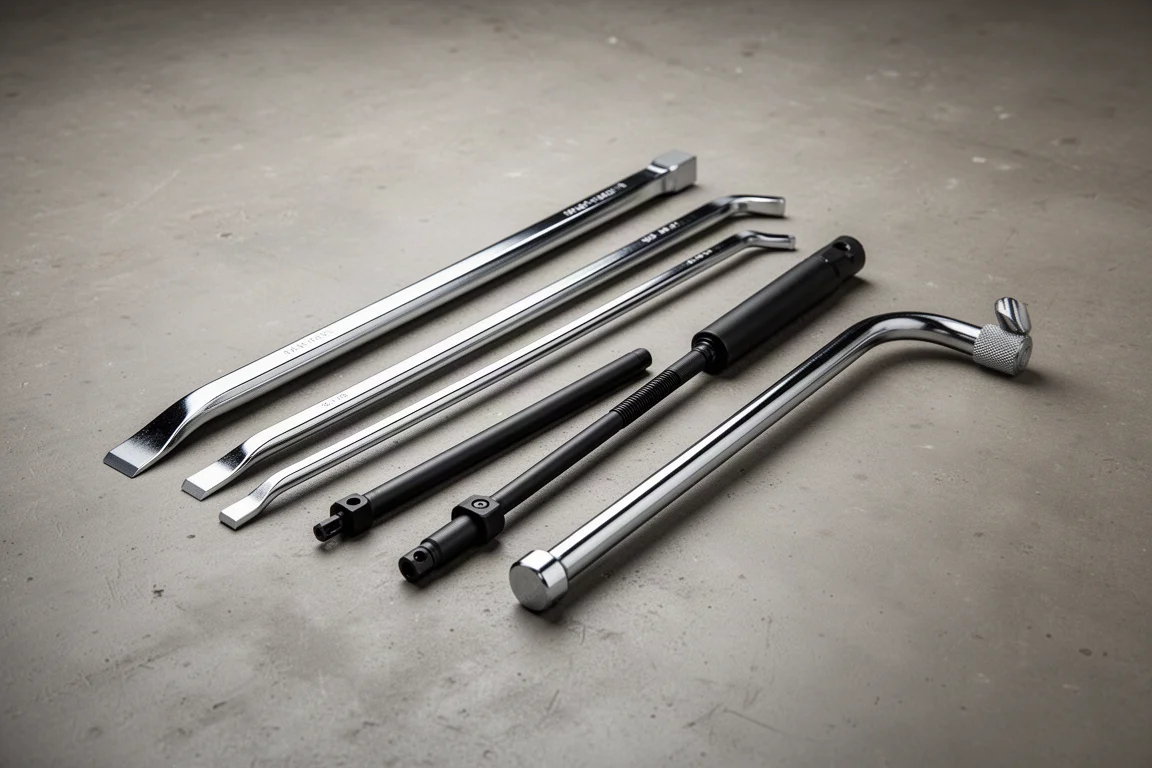
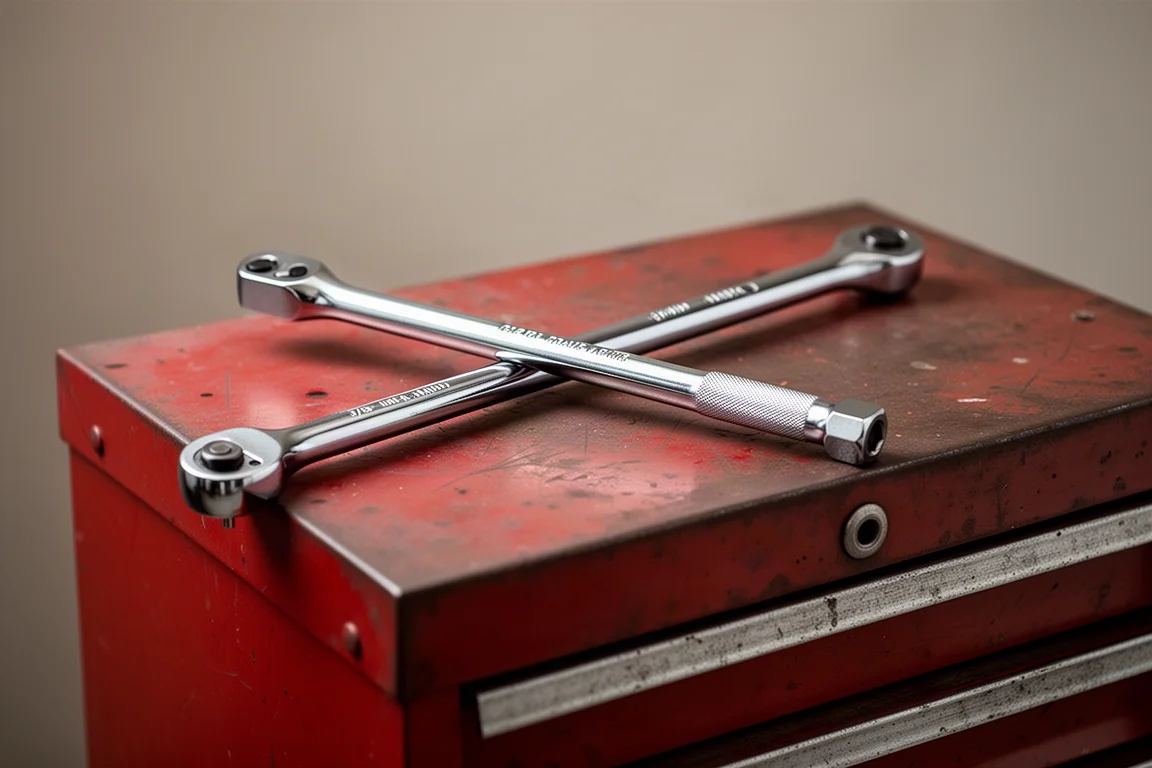
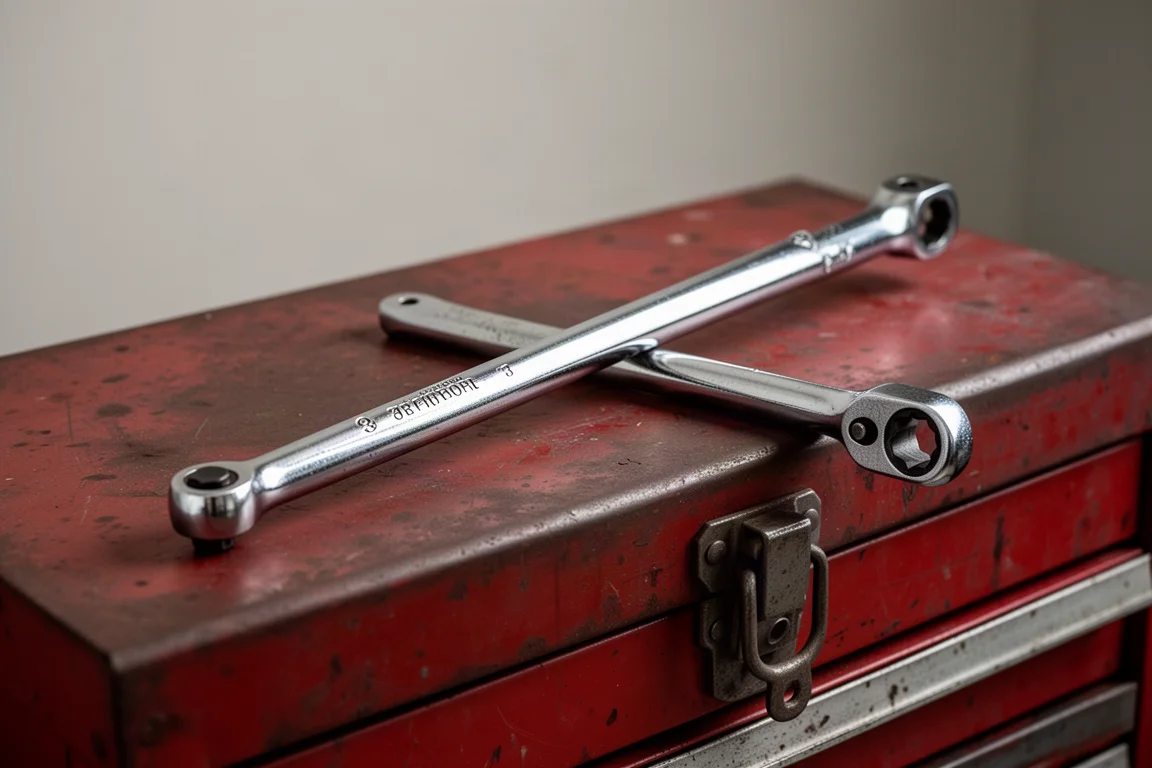
A breaker bar is essentially a long ratchet handle without the ratcheting mechanism on the end. That missing mechanism is the entire point: it lets you produce far more force without the risk of damaging a ratchet. The head ends of many bars and ratchets look nearly identical, so what you gain is not strength at the head but relief for the ratcheting internals you would otherwise be stressing.
This guide covers five bars that earn their place in a working toolbox: two long Snap-on half-inch bars, a long Snap-on 3/8 bar, the Snap-on S77A mechanism adapter, a Husky extendable bar that lives in a truck, and the old USA-made Craftsman that many toolboxes started with.
Why Use a Breaker Bar Instead of a Ratchet
The benefits are simplicity and cost. Within the same brand, a Snap-on breaker bar costs roughly a hundred dollars or less than the equivalent Snap-on ratchet, because you are not paying for the ratcheting front end. You can also work harder with one without worrying as much: some owners load the bar and even use a jack to rotate it, and while that kind of technique deserves caution and safety glasses, these are hard-use tools built for exactly that kind of abuse.
The practical payoff shows up on stuck fasteners. Long bars also reduce the force you need at the handle: if one bar is twice as long as another, it takes roughly half the push to generate the same force at the far end. That means popping a drain plug or a starter bolt free with less risk of smashing knuckles or jamming the tool into a cramped space, then switching to a ratchet or battery tool to spin it out.
The Heavy Hitters: Snap-on Half-Inch Breaker Bars
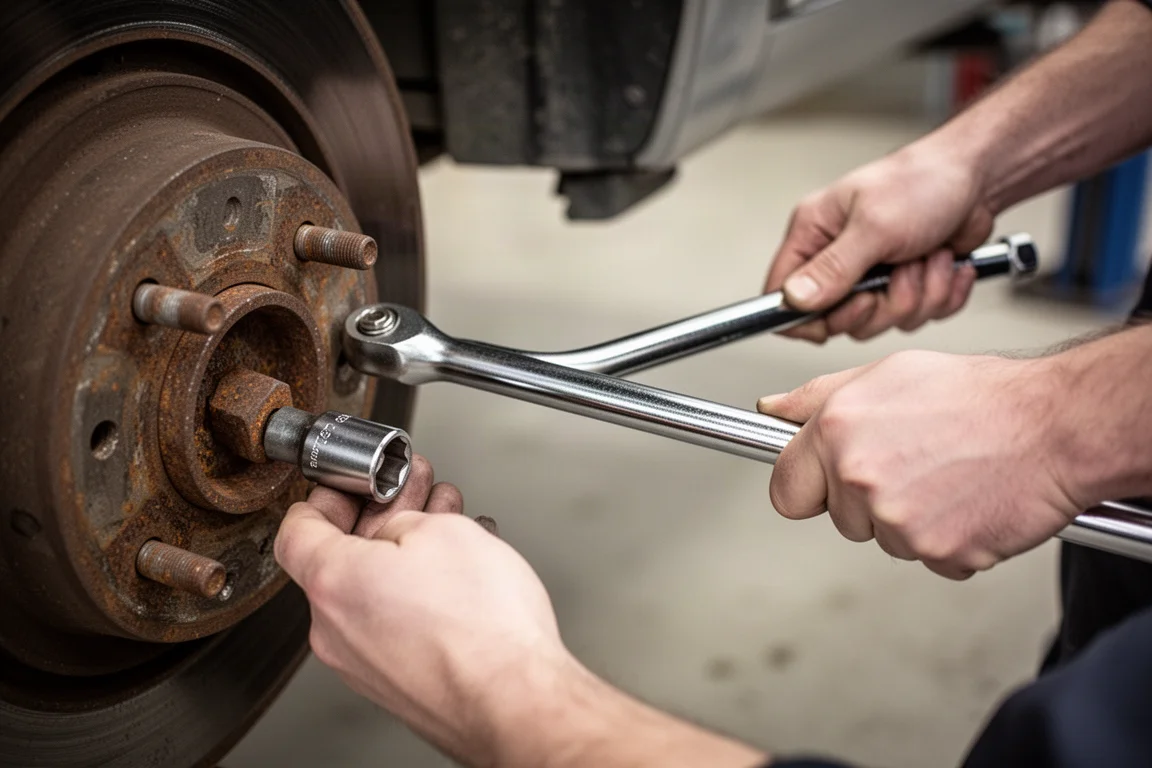
The half-inch Snap-on bars are long enough to generate serious force, and they are the ones used most, typically paired with an extension for lug nuts and similar jobs. One detail worth knowing: older versions used a riveted head, while current models use a Torx fastener instead, which makes the head somewhat fixable. If a riveted bar starts getting sloppy, the brand has been known to simply replace it outright, which is part of what the full warranty buys.
Some testing commentary notes that Snap-on bars tend to bend rather than snap under extreme load, and that is arguably a feature. Deformation is visible, gradual, and often serves as an early indicator that something is going on, whereas a catastrophic snap is a hazard.
The Long Reach: Snap-on 3/8 Breaker Bar
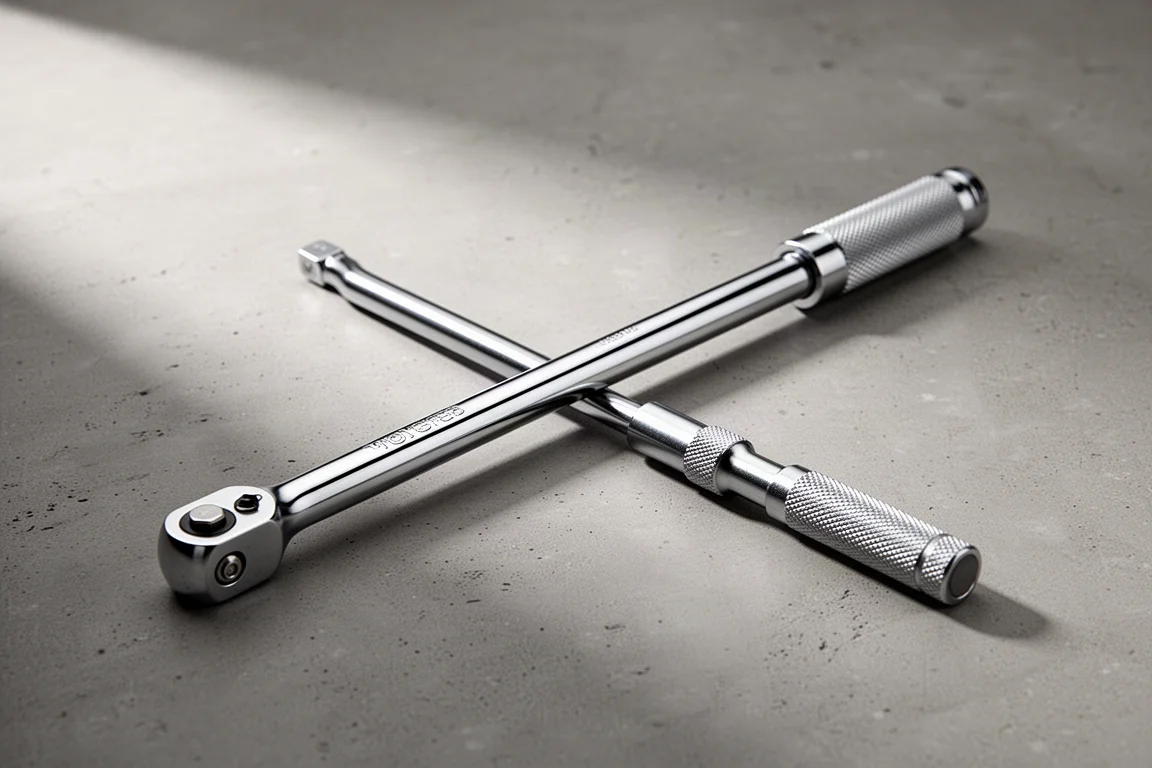
The appeal of the long 3/8 bar is not just applying a ton of force. It is reducing the amount of force needed at the handle to get the same effort at the far end. Hold a short bar out versus this one and, because the long bar is roughly twice the length, it takes about half the push to pop the same fastener free.
That makes it the go-to for loosening jobs in awkward positions: drain plugs, starter motor bolts, and similar fasteners where a shorter tool means jamming into a small space and leaning hard. Pop it loose here, then switch to a ratchet or power tool to finish. It is the real starting tool for stubborn work.
Adding a Ratchet Mechanism to a Breaker Bar
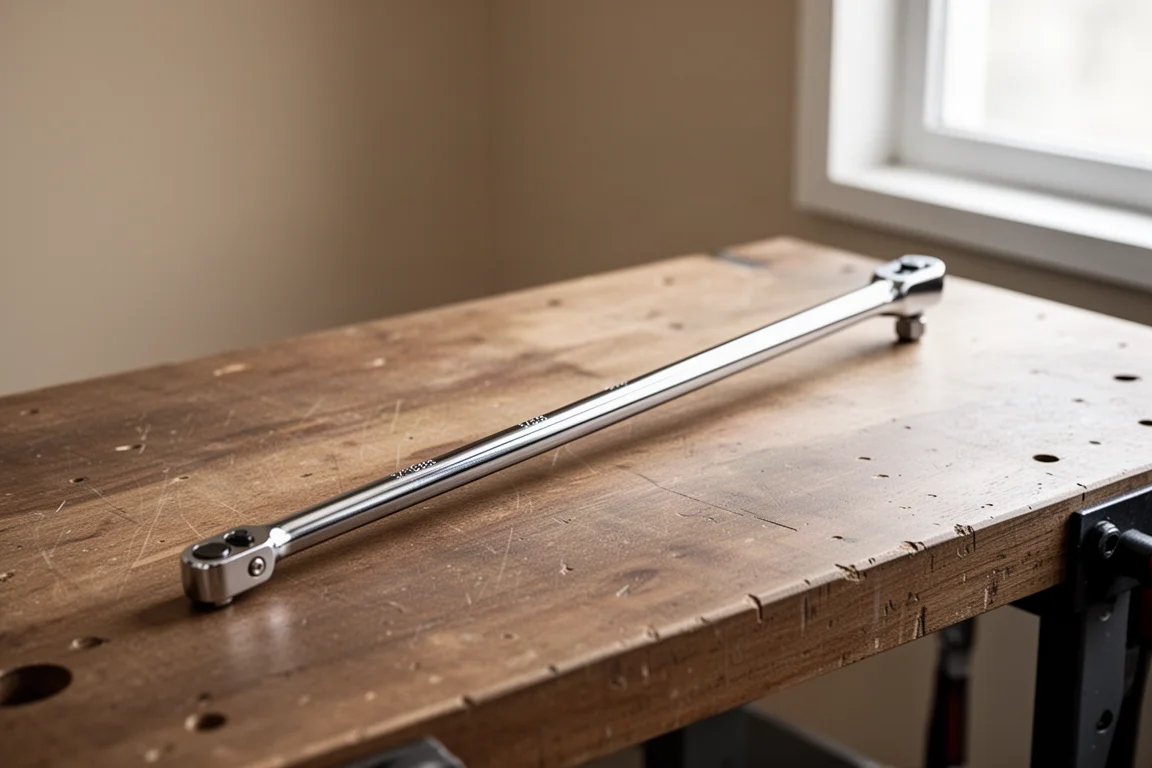
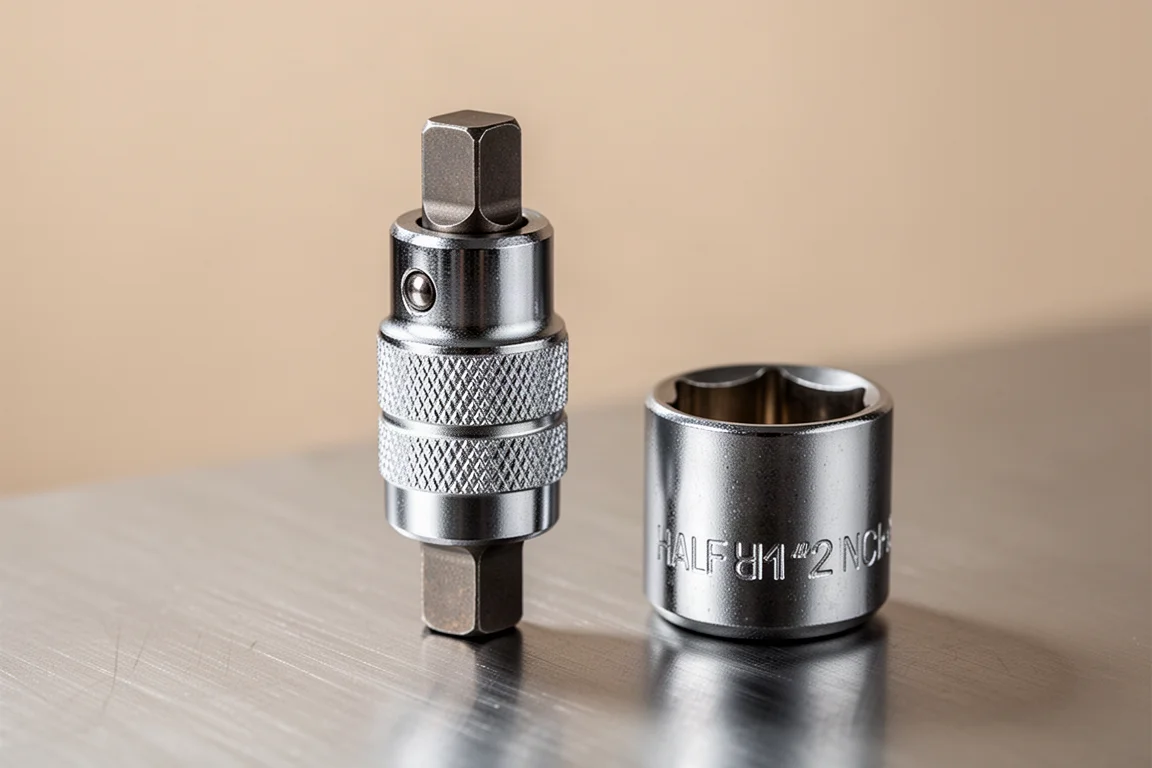
One clever option changes how a breaker bar behaves in tight spots. The Snap-on S77A turns a half-inch breaker bar into something like a crude ratchet. It is reversible, should be fairly strong, and partly works as an extension aside from its bulk. That means you can break a fastener loose with hard leverage, then flip to a ratcheting action without swapping tools.
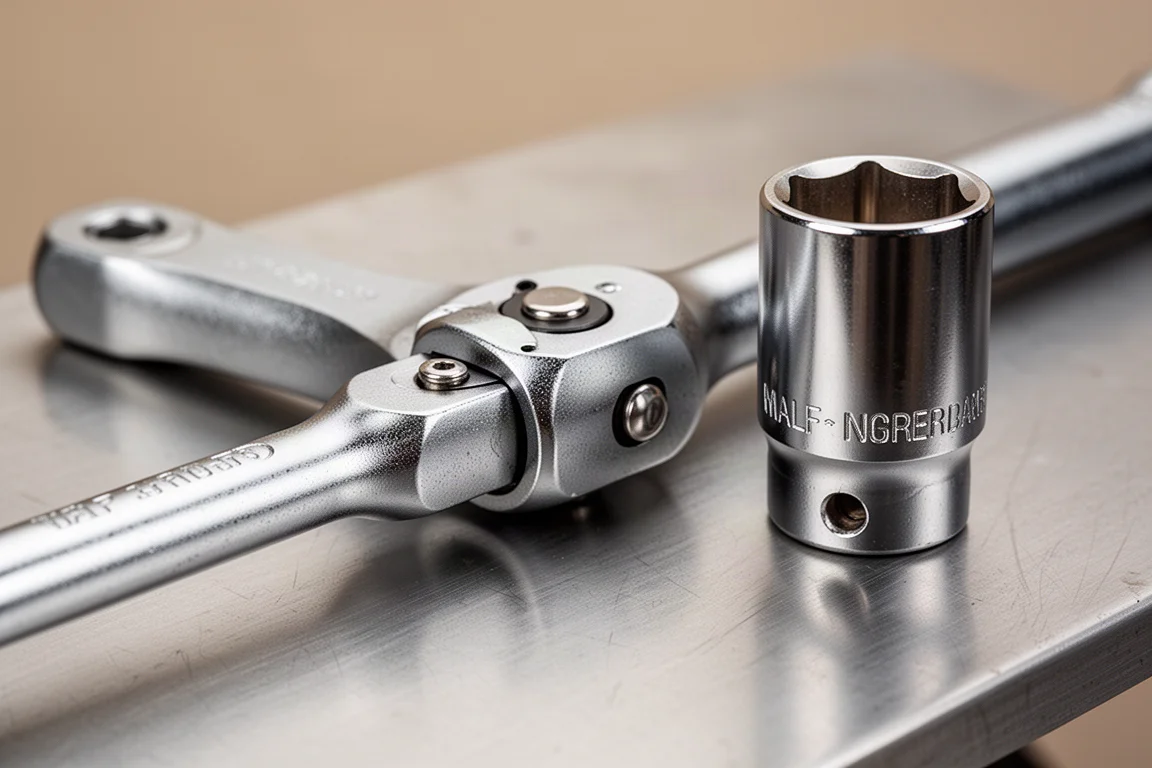
There is also a low-tech version of this trick: with a six-point socket on the bar, pop the socket off, rotate it, and clip it back on. That effectively gives you a four-position ratchet, letting you re-angle the bar when a confined space leaves no room to swing. Of course, if you are doing something unwise like driving the bar with a jack, take the mechanism off first.
The Truck Kit Solution: Husky Extending Breaker Bar
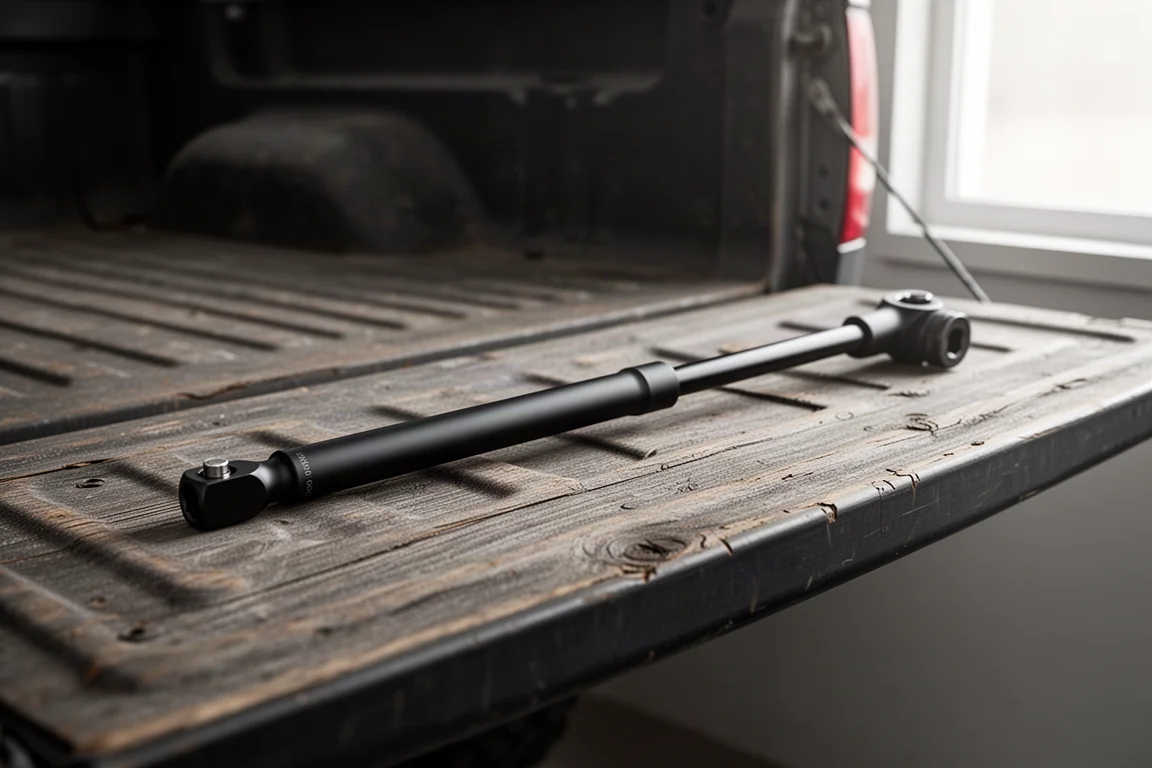
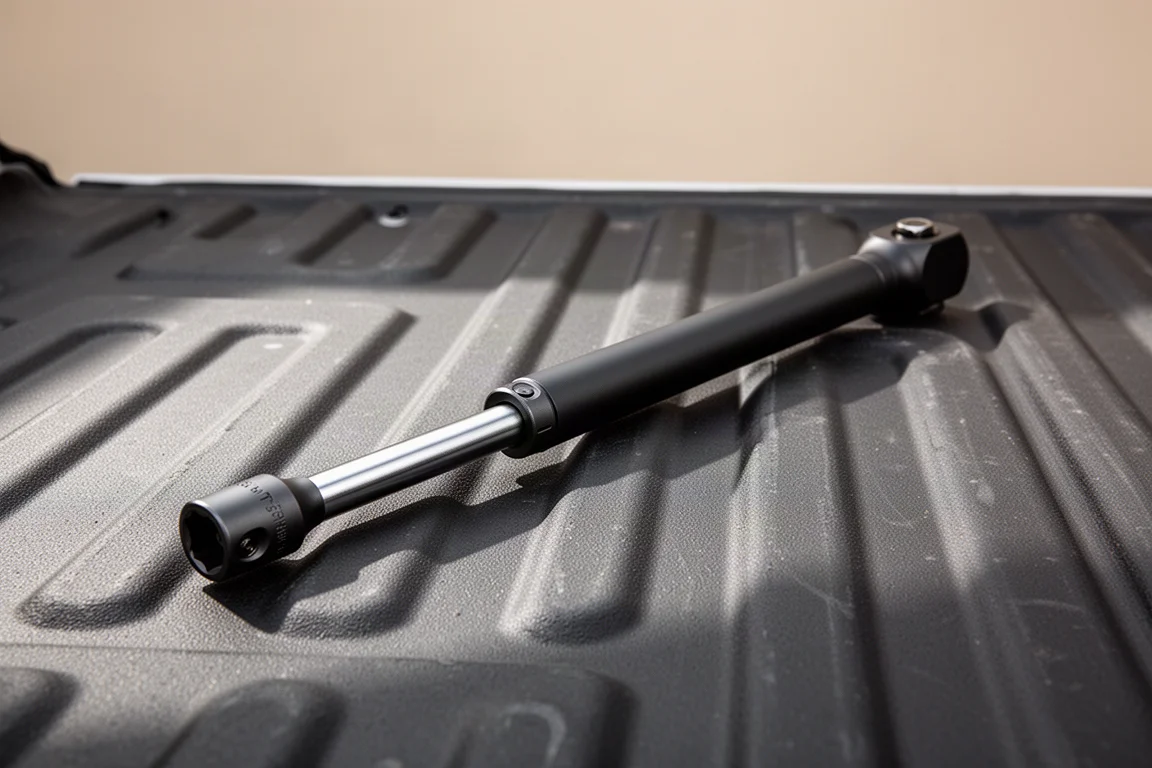
Not every breaker bar needs to be a premium purchase. A Husky extendable bar is a common fixture in truck kits, left stowed with a dedicated socket already on it. It extends to longer than a 24-inch Snap-on, making it the longest of the bunch, and it is designed for one job: lug nuts.
The practical appeal is exactly that single-mindedness. It may or may not ever get used, but when a wheel needs to come off on the roadside, having the longest leverage in the kit already paired with the right socket means less fumbling at the worst possible moment.
The Classic: Craftsman USA-Made Breaker Bar
Many people cut their teeth on these old Craftsman bars, and the shorter version came in a lot of first tool sets. Whether they got much use back then is another matter: plenty of them loosened up over the years. Still, the USA-made versions are pretty good and worth hanging onto if you find one in a collection or at a swap meet.
They pair naturally with the general advice for this category: a breaker bar is a simple, hard-use tool, and there are lots of inexpensive options on the market, many tested to their limits in various reviews. The USA-made Craftsman is one of the ones with a reputation for holding up.
Buying Advice
If you work on vehicles regularly, a long half-inch bar is the most versatile core purchase, and a head design that can be serviced, such as a Torx fastener rather than a rivet, is worth checking. If your main use case is roadside wheel changes, an extendable bar with a dedicated socket is hard to beat for the money. The S77A-style adapter makes sense for anyone who wants to move between hard leverage and ratcheting action without carrying a separate ratchet into tight spaces. And if you value a long handle in a smaller drive size, the long 3/8 bar is a surprisingly frequent favorite for everyday loosening work.
Conclusion
Breaker bars deliver leverage while protecting your ratchets from the force they were never meant to absorb. Between long premium bars, a ratcheting adapter, an extendable truck-kit bar, and a vintage USA-made classic, there is a sensible option for nearly every toolbox and budget.
Further reading
Related Reviews
Hand Tools
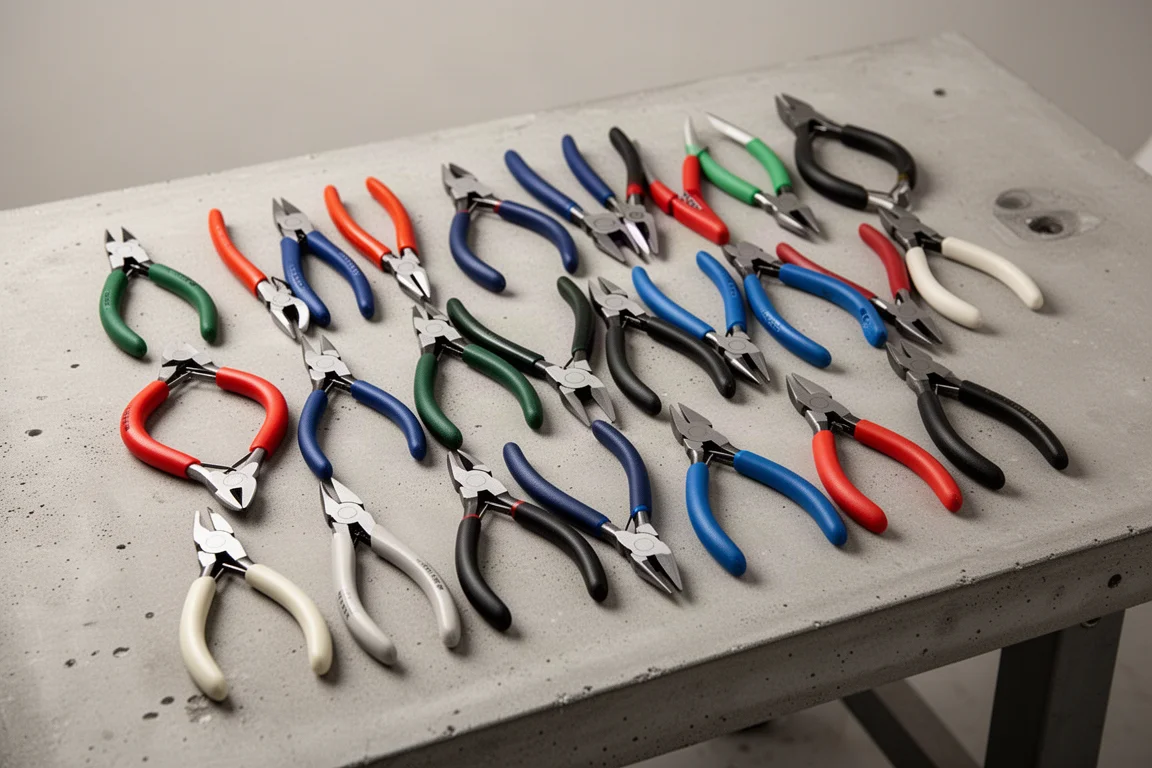
Best Diagonal Cutters 2026: 16 Pliers Tested for Cutting Power and Durability
We put 16 diagonal cutters through nail, screw, drill bit, and hex key tests to find the best value picks for your toolbox.
Hand Tools
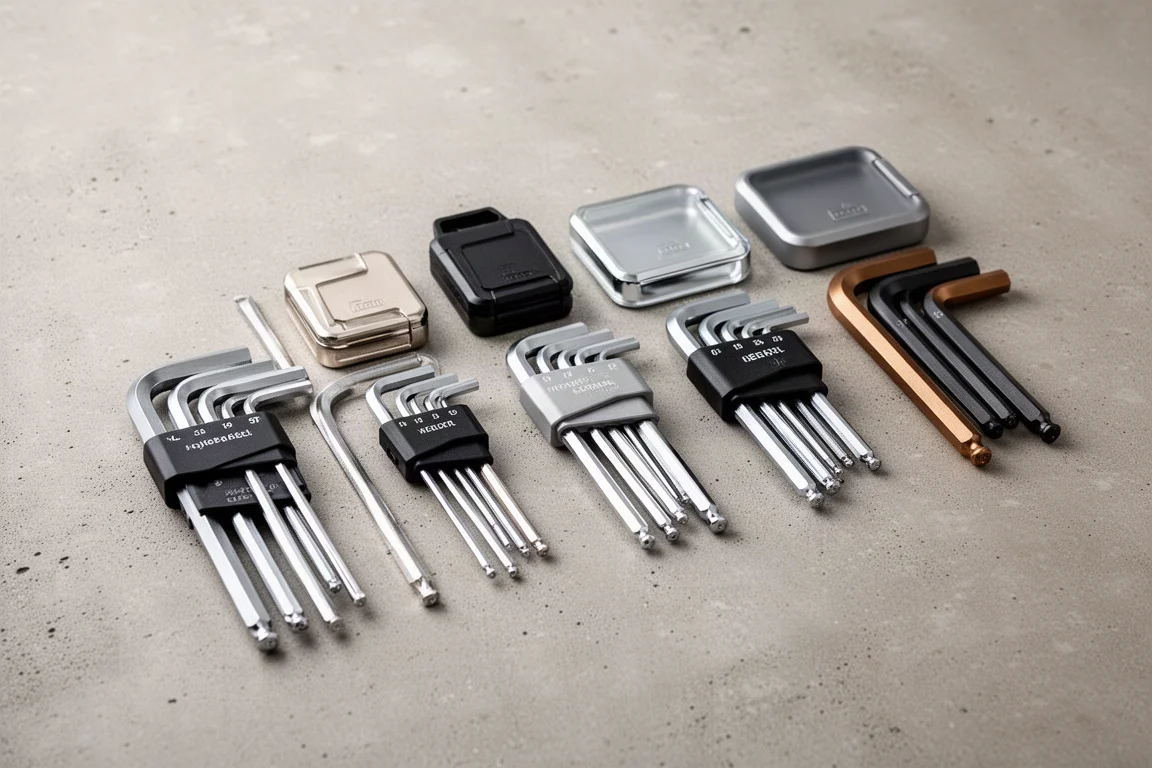
Best Hex L Key Sets 2026: Nine Sets Tested for Real-World Torque
Nine hex L key sets from budget to premium, tested for torque, fit, and durability. See which sets deliver real performance and which ones to skip.
Hand Tools
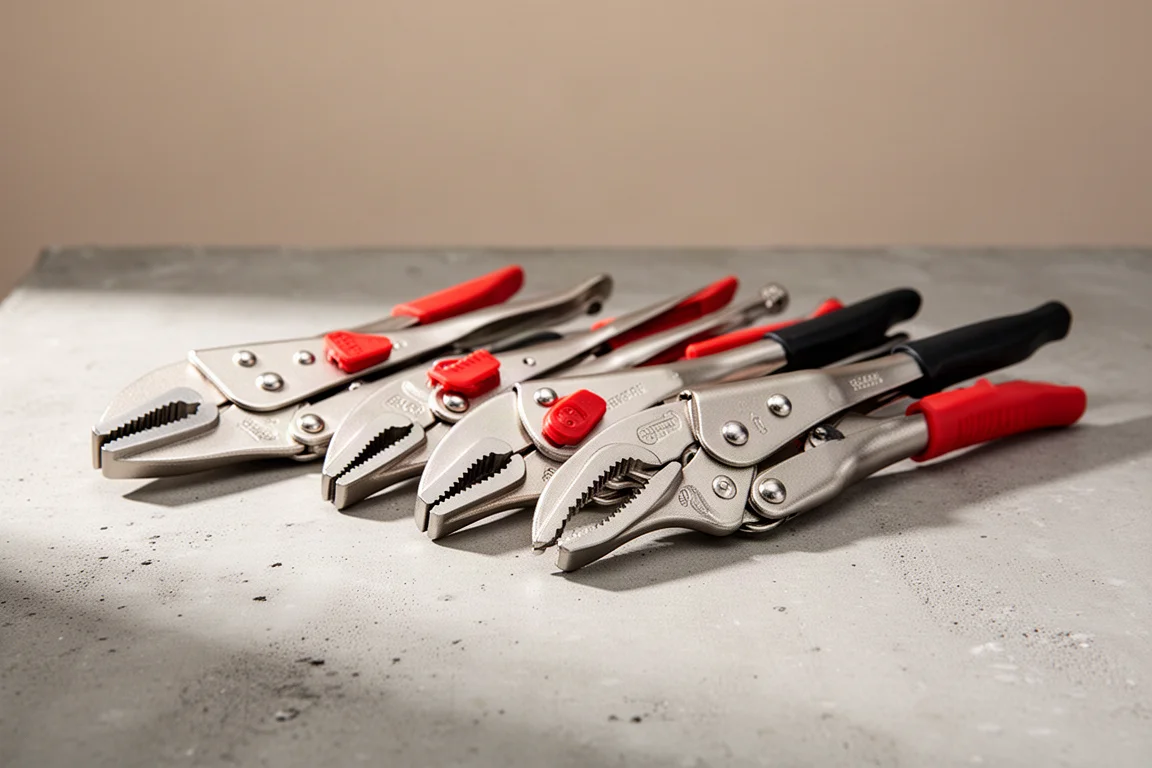
Best Locking Pliers 2026: Top Picks Tested for Grip and Durability
We tested 18 brands of 10-inch locking pliers for grip strength, jaw bite, build quality, and ease of release to find the best options for tough jobs.