Kitchen Equipment
Bread Machine or By Hand: The Baking Gear Worth Buying
Six pieces of tested equipment for homemade bread, from a reliable stand mixer to a bread knife that slices without squishing.
Introduction
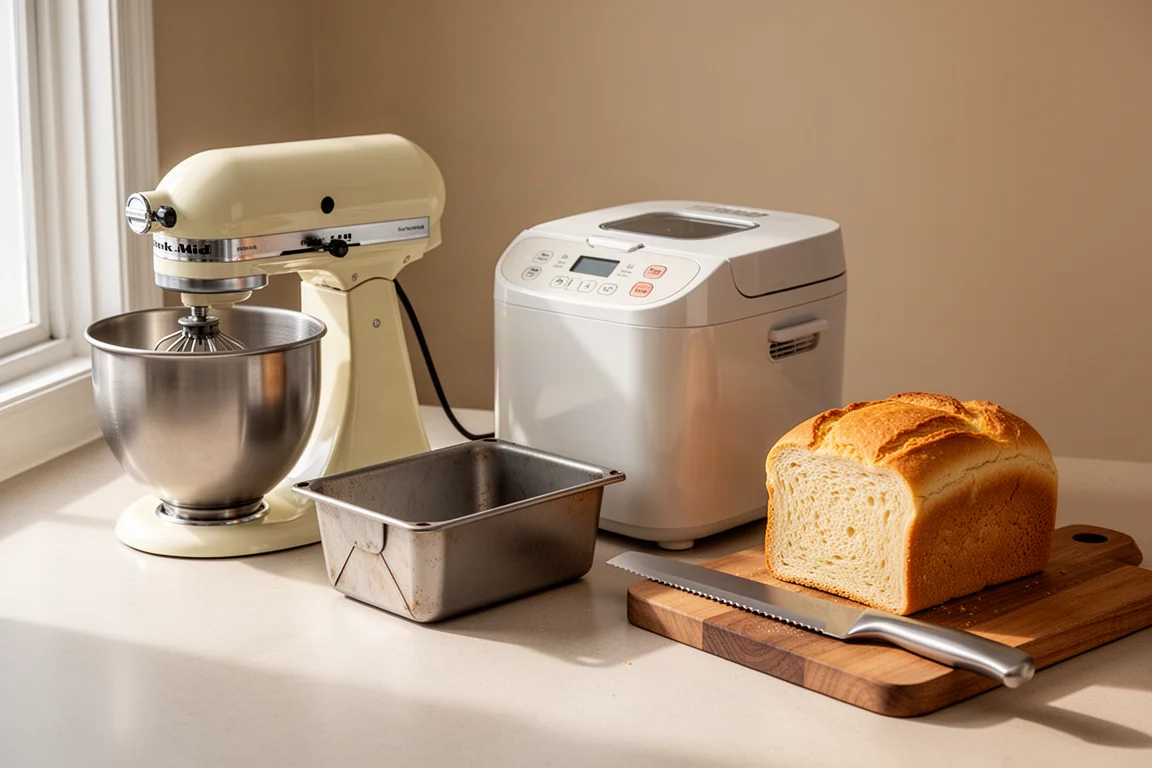
Homemade bread comes down to two paths: you either hand it over to a machine, or you pick up a few well-chosen tools and do the work yourself. Both can produce an excellent loaf, and the right choice depends on how much hands-on time you want to spend.
We walked through both routes, from mixing a simple sandwich bread dough in a stand mixer to dropping ingredients into a bread machine and walking away. Along the way, a handful of products earned their place. Here is what stood out and who each piece of gear actually suits.
The By-Hand Route
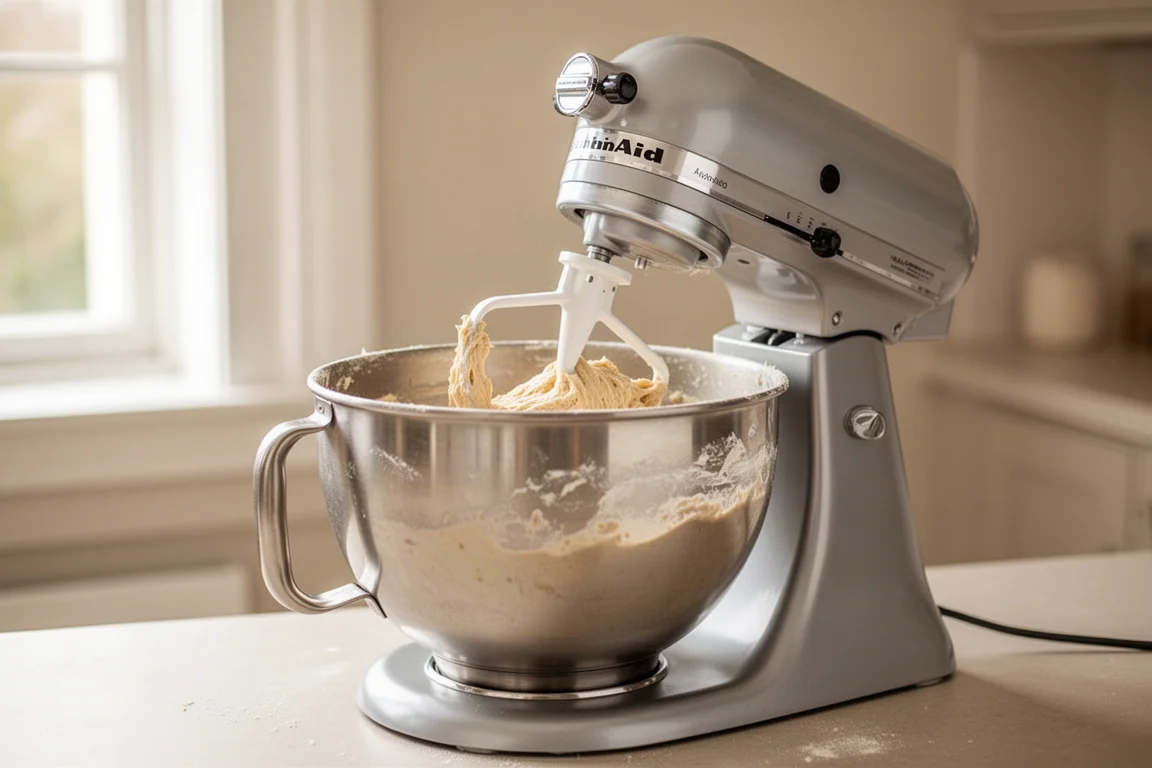
Making bread without a machine requires less equipment than most people expect: flour, yeast, water, a bowl, and your hands. But a stand mixer becomes genuinely useful when you are working with very stiff doughs like bagel dough, or sticky high-hydration doughs that cling to everything.
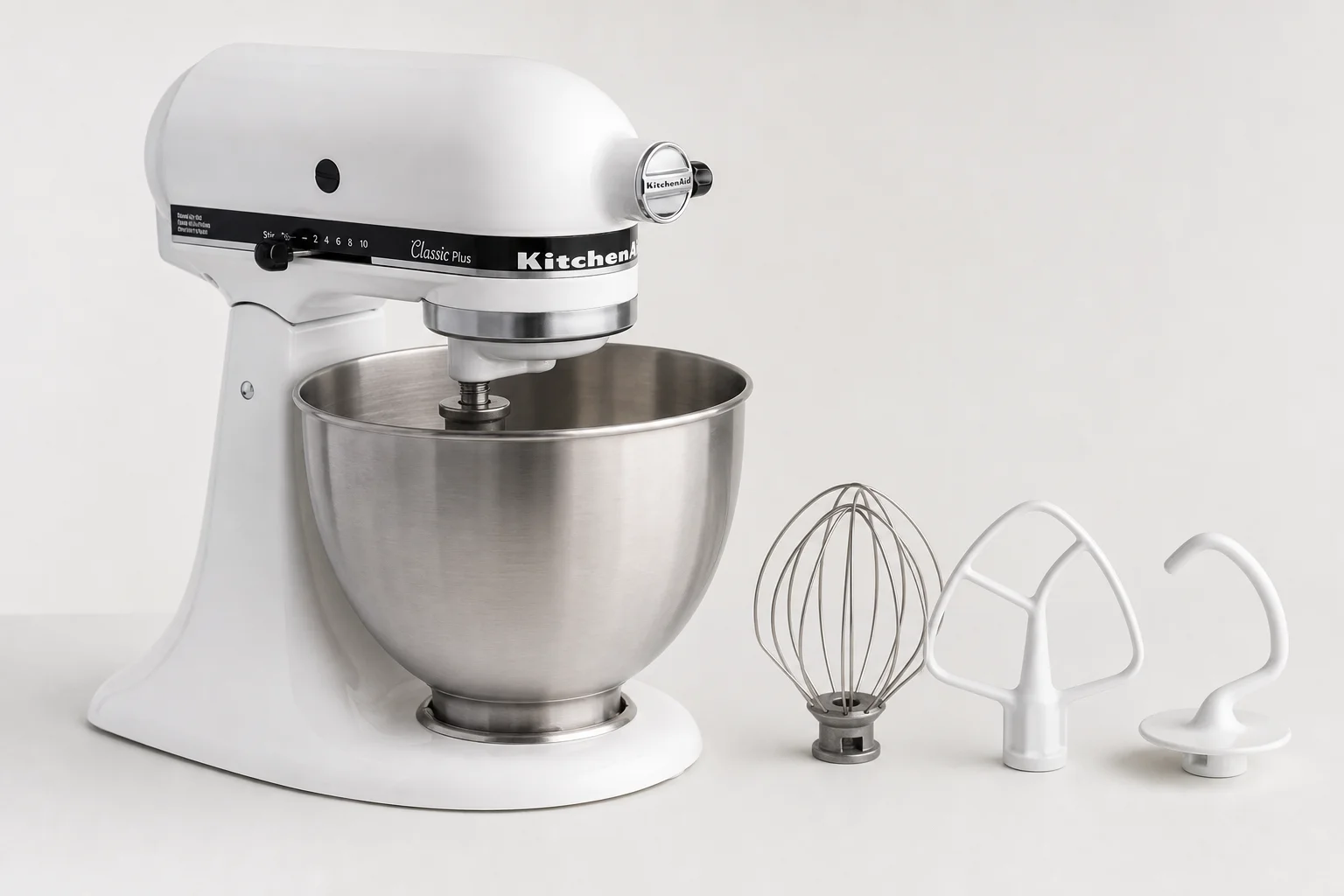
The KitchenAid Classic Plus is a four and a half quart tilt-head stand mixer that proved to be a great value option. In testing at multiple price points, it stood up to both abuse testing and regular use, outpacing mixers that cost considerably more. It handled whipping, creaming, and kneading with power that is impressive for its size and price range.
Several practical details make it pleasant to live with. The tilt-head mechanism releases easily with a simple lever, an improvement over models where finding and operating the release is fiddly. Speed control runs from zero to 10 with a stir setting below two, so you can start low and incorporate ingredients without launching flour out of the bowl. The attachments also reach all the way to the bottom and close to the sides of the bowl, which was verified with careful measurements; many competitors leave large gaps that force extra stopping and scraping.
One honest caveat: that four and a half quart figure is measured to the very top of the bowl. Real working capacity is closer to three to three and a half quarts, which is worth keeping in mind when planning batch sizes.
Choosing the Right Loaf Pan
The USA Pan loaf pan earned the top spot for the finished bake. It is sturdy, easy to handle thanks to a grabbable edge, releases baked goods beautifully, and gives bread a gorgeous shape with crisp, well-defined corners. Those sharp corners come from a folded construction, where the metal sheet is folded into shape rather than pressed.
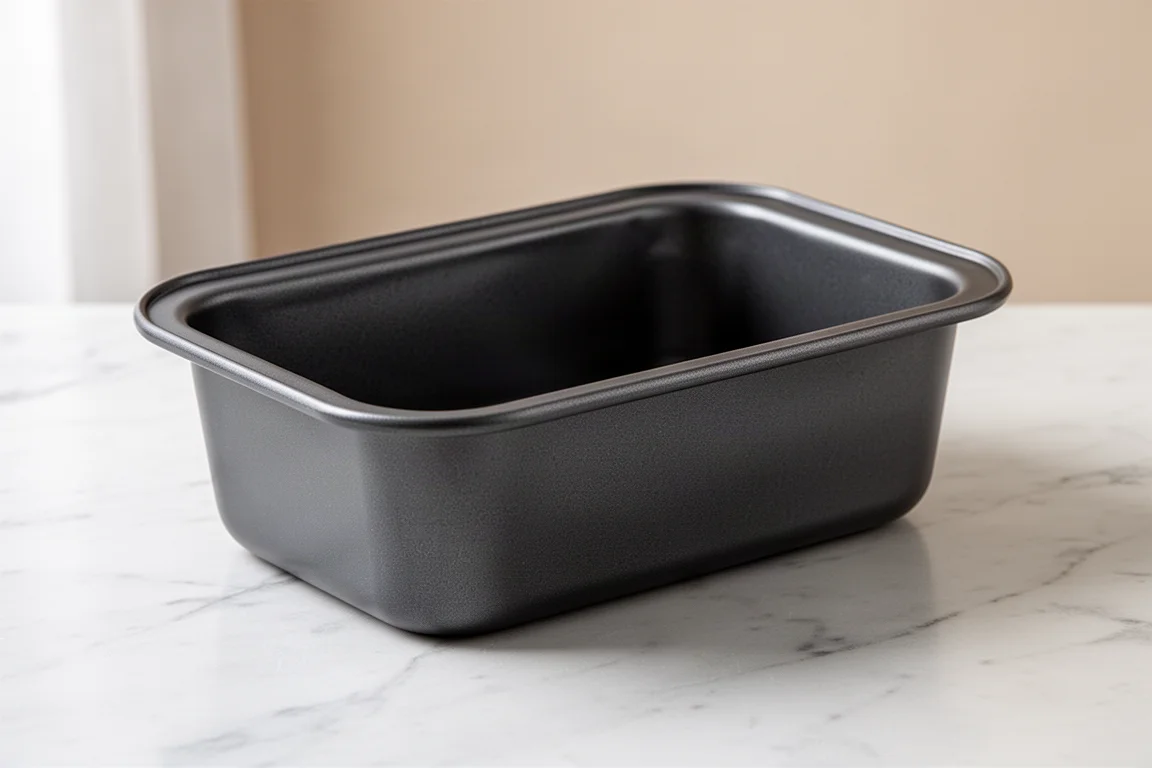
The Oxo non-stick loaf pan is the strong alternative. It is a molded pan with slightly more rounded corners and a rounded overall shape. If you dislike scrubbing flour out of the corners of folded pans, the Oxo is easier to clean. The trade-off is that folded pans deliver sharper corners and a better final shape, and in a test kitchen setting that prioritizes the look of the finished bake, that trade is considered worthwhile. At home, either choice is reasonable depending on how much you value cleanup.
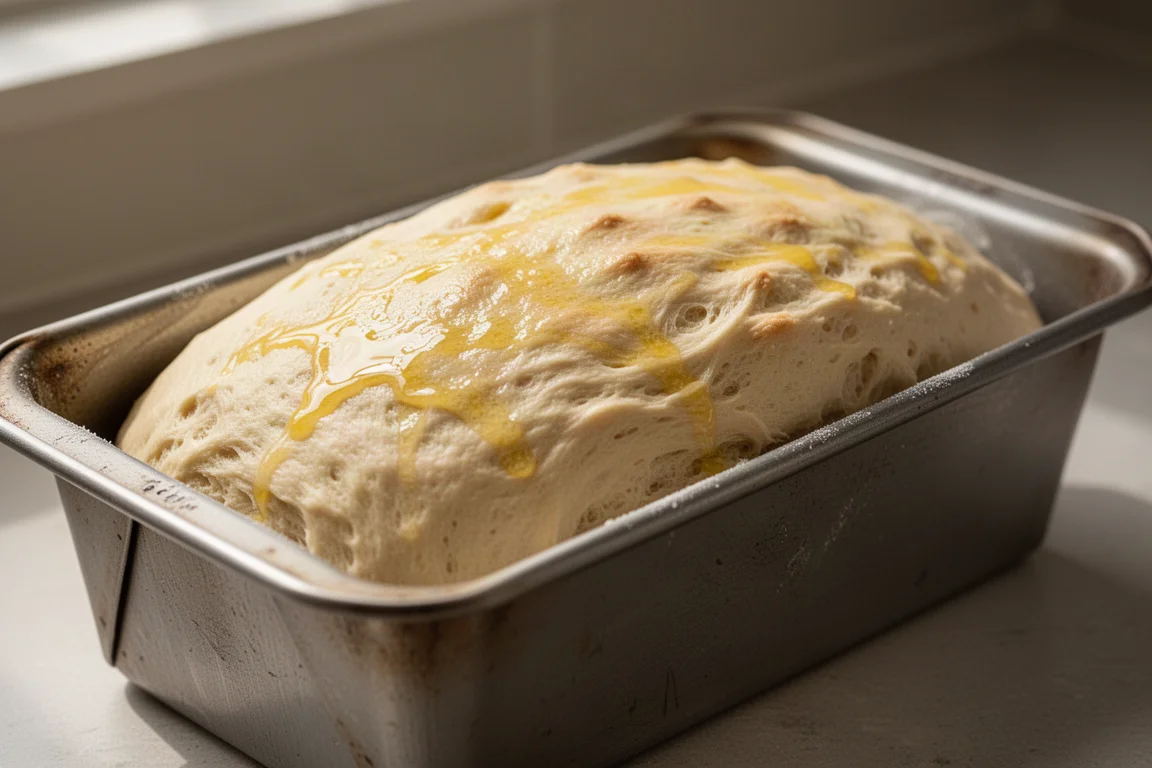

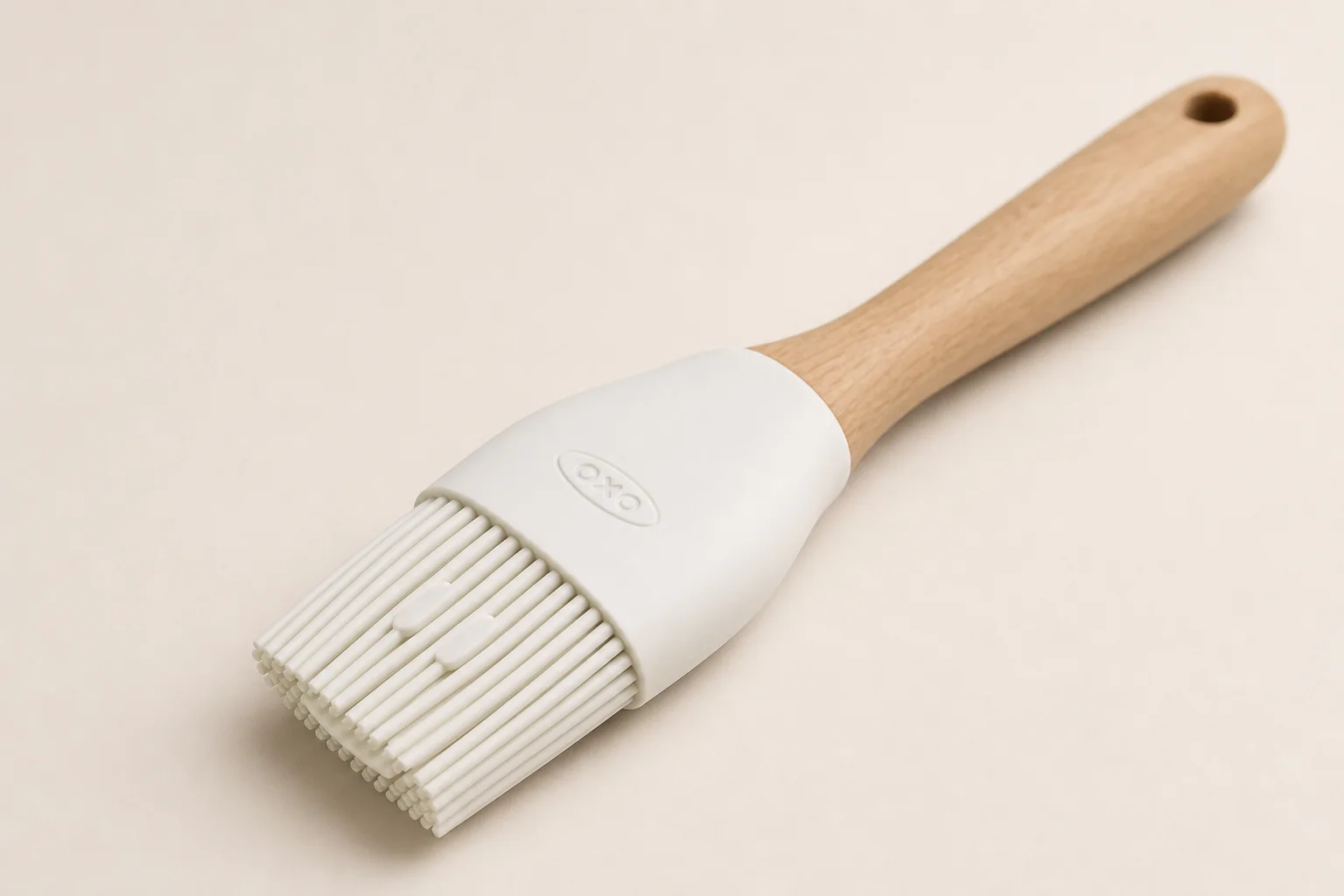
A final step before baking: brushing the loaf with egg wash. The Oxo silicone pastry brush is a favorite for this job. Small tabs in the center of the brush bristles help hold the egg or liquid you are brushing on, and because the whole thing is silicone, it goes straight into the dishwasher when you are done.
The Bread Machine Route
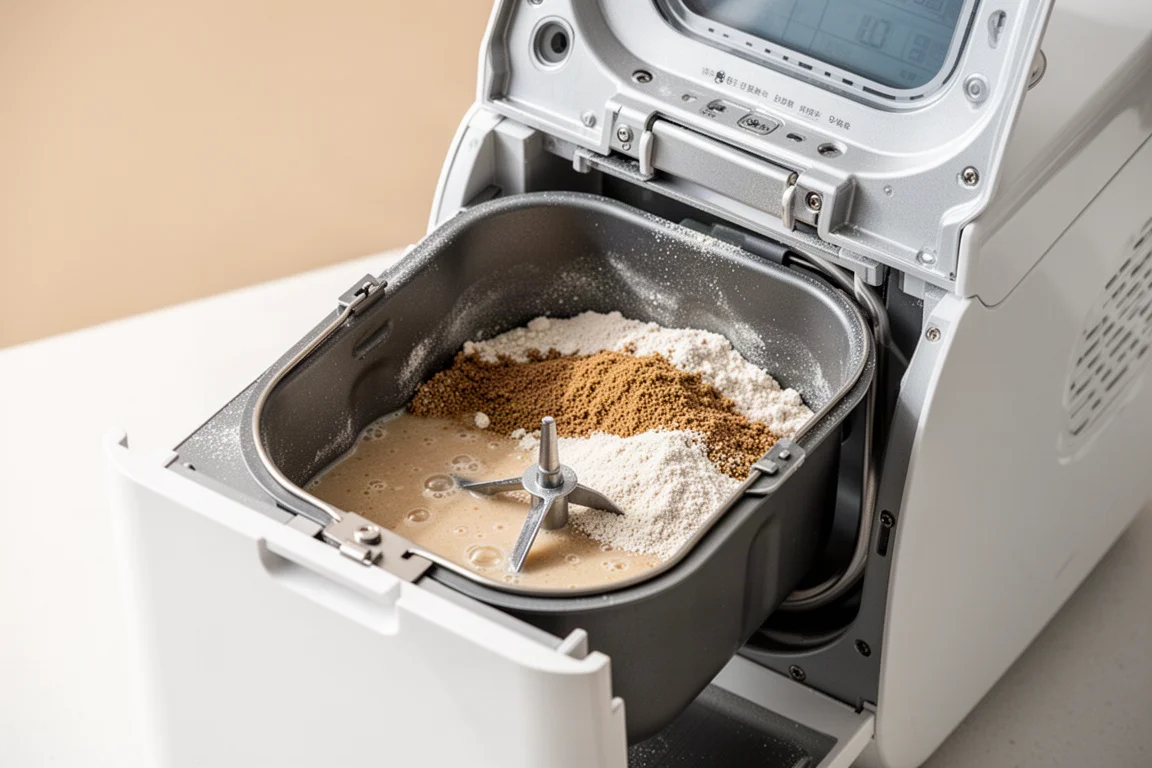
Bread machines automate the entire knead-rise-bake process, and they can produce genuinely stellar loaves: white breads, sweet breads, dense chewy rye, even chocolate-swirled babka. They suit anyone who loves fresh bread but lacks the time or energy for hand-formed dough.
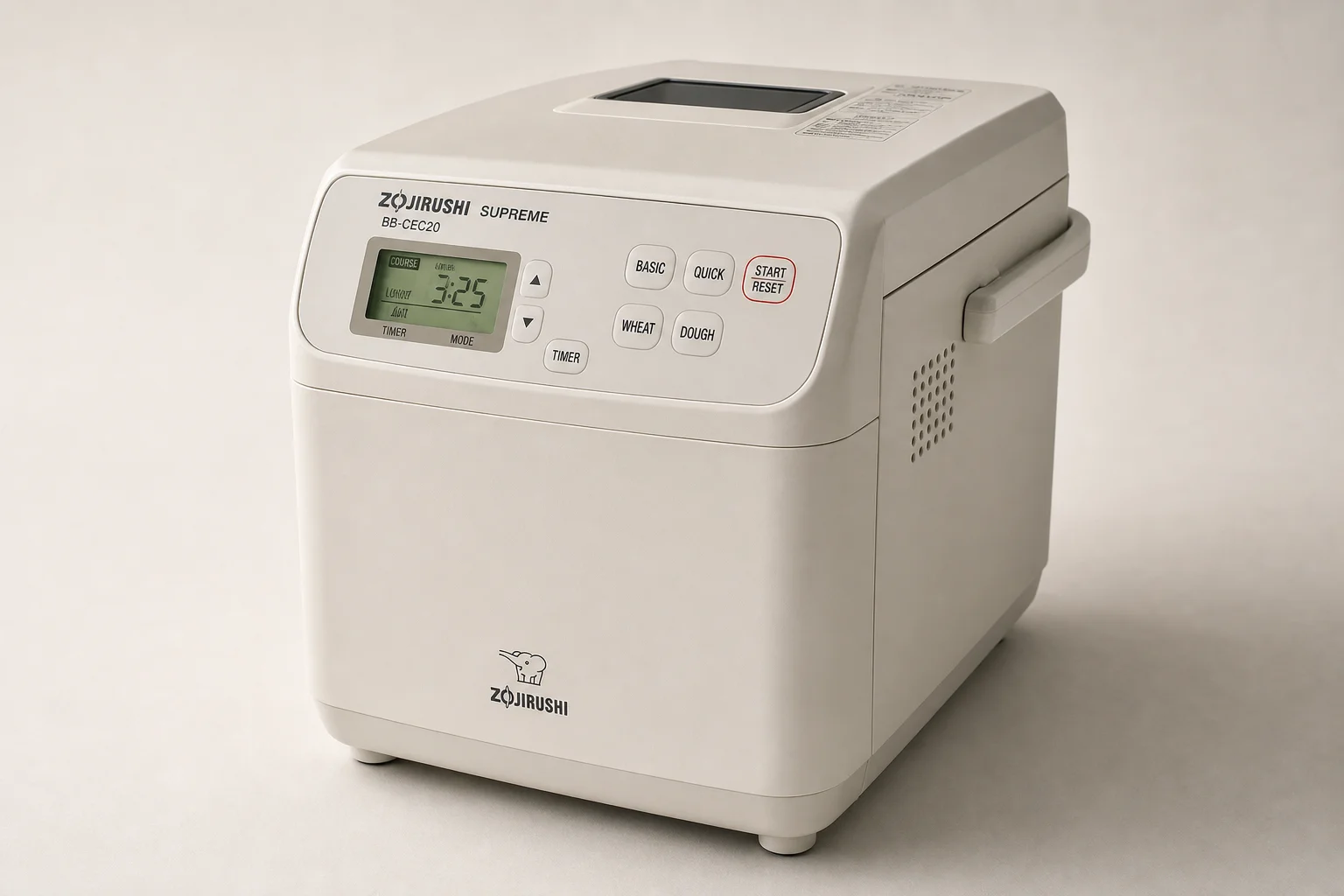
Of all the models tested, the Zojirushi Supreme came out on top, beating even the higher-end model from the same brand. It was slightly more streamlined and easier to use, and it produced beautifully even crumb structure. Even with raisin bread, the raisins were evenly incorporated throughout, which was not always the case with other machines. Its loaves also come out with a classic rectangular sandwich loaf shape.
The interface is a major part of the appeal. Preset buttons across the top cover Basic, Quick, Wheat, and Dough, and a Homemade button lets you dial in your own kneading, rising, and baking times. Compared with models that felt cryptic and confusing, it was always clear what the machine was doing.
Finishing Touches That Matter
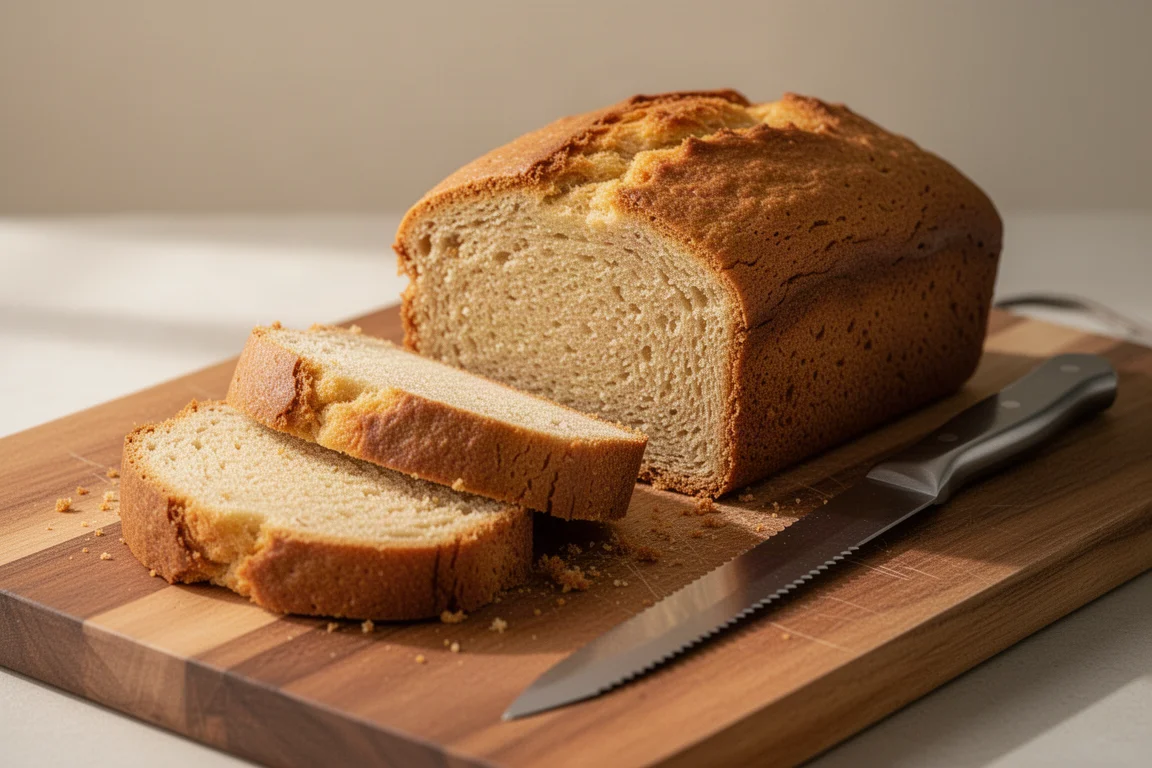
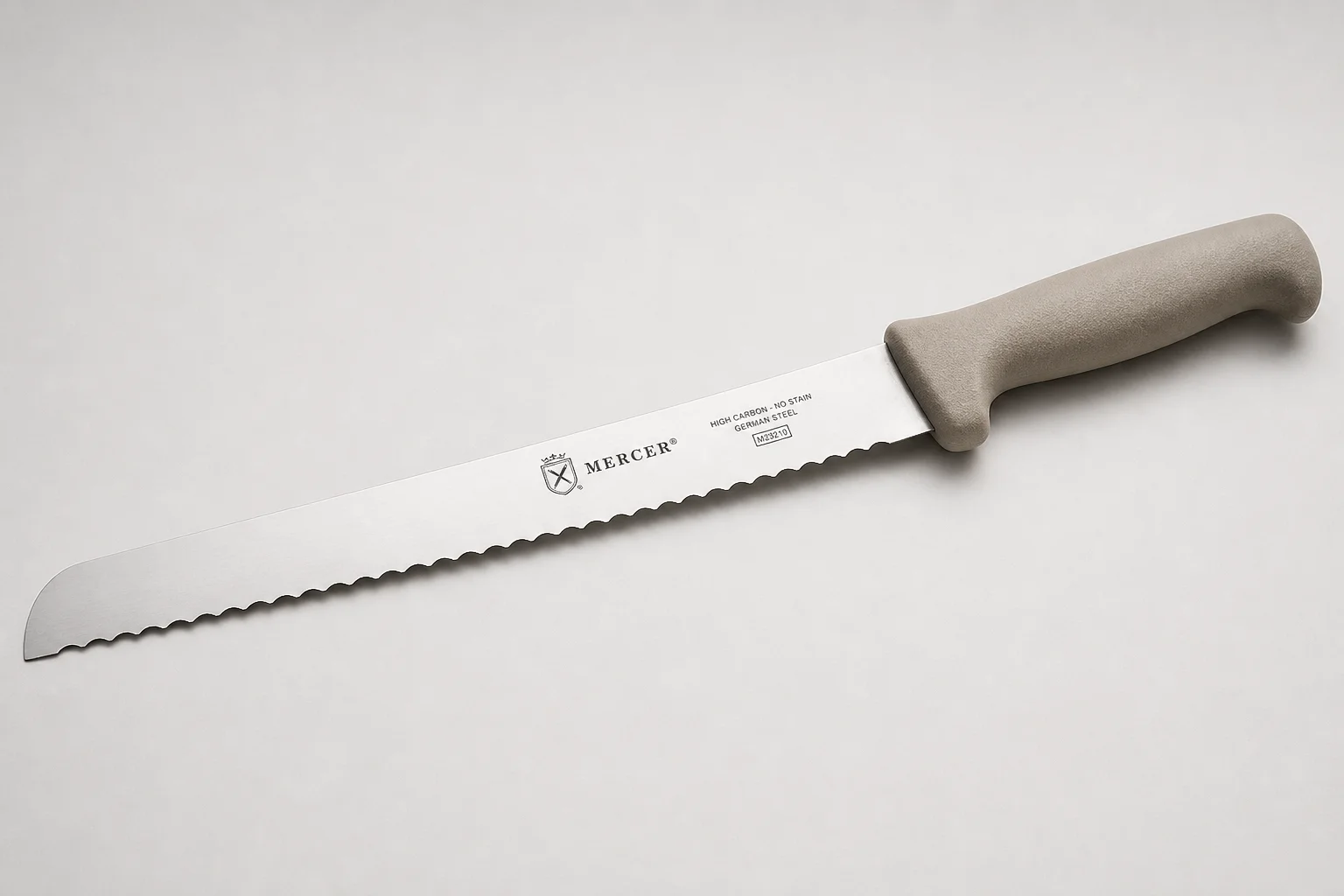
Once the loaf is out, slicing properly is its own skill, and it depends on the knife. The Mercer bread knife is over 10 inches long, which is long enough that a big artisan loaf never gets lost in the middle of the blade. Its scalloped edge is sharp and precise: it does not squish the crumb or rip the crust. The test loaf sliced cleanly with a crisp golden crust and a fluffy, even interior.
Two smaller tips round out the process. Cool the loaf on a rack with feet that lift it off the counter, so condensation from warm steam does not sog out the crust you just earned. And whether by machine or hand, add ingredients in the order the recipe states: salt can interfere with yeast activity, and the wrong order can leave things unevenly mixed.
Overall Buying Advice
If you want fresh bread with minimal effort and do not mind a single loaf shape, the Zojirushi Supreme is the machine to get. The built-in paddle leaves small holes in the bottom of the loaf, but they are barely noticeable once sliced.
If you prefer more control, want to experiment with shaping and scoring, or enjoy the process itself, the by-hand route with the KitchenAid Classic Plus, a USA Pan or Oxo loaf pan, and a good bread knife gives you far more flexibility. Hand-made bread can take any shape; a machine makes one shape, however well.
Either way, every product here earned its recommendation through testing rather than marketing, and any of them is a sensible starting point for better homemade bread.
Conclusion
A bread machine suits hands-off bakers who value convenience and consistent, even crumb. The handmade route rewards bakers who want control over shape and process. Pick the path that fits your kitchen habits, and the gear above will carry you a long way in both directions.
Further reading
Related Reviews

Kitchen Equipment
Best Pasta Makers for Home Kitchens: Five Machines Compared
Five pasta makers from manual hand-crank models to powered attachments, each with distinct strengths for different cooking styles and kitchen setups.

Kitchen Equipment
Best Sheet Pans Tested: Which Brands Resist Warping and Cook Evenly
Six popular sheet pans tested for warping resistance, roasting performance, and ease of cleaning. Find out which offers the best value and which to avoid.

Kitchen Equipment
Best Stand Mixers for Home Bakers: Four Tested Models for Every Budget
Four stand mixers tested across whipping, creaming, and heavy-duty dough kneading. Find the right mixer for your baking needs and budget.