Tool Reviews
Best Box Cutters and Rotary Cutters for Breaking Down Cardboard: Six Tools Compared
From a slim Workpro knife to the purpose-built Boxblade, we compare six options for cutting cardboard, carpet, and sheet goods, and explain which one fits how often you actually cut.
Introduction
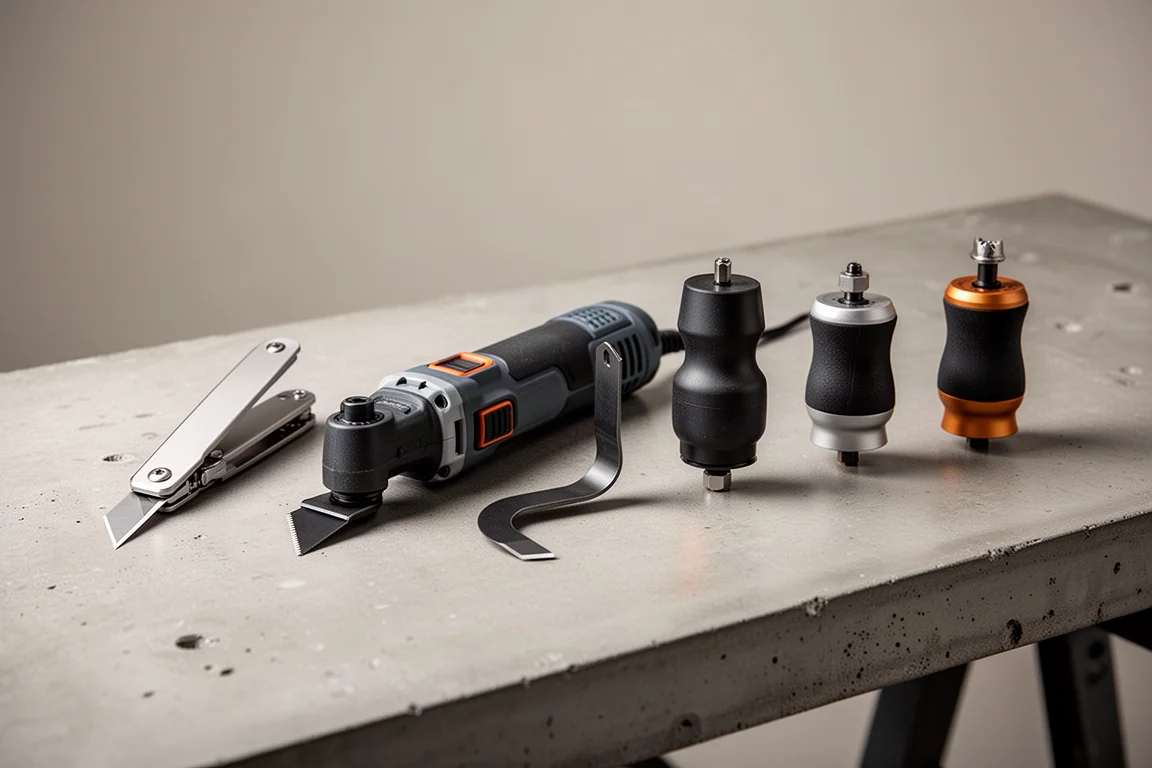
If your week involves more cardboard than you would like to admit, the humble box cutter starts to look inadequate. We put six cutting tools through the same real-world job: breaking down a steady stream of shipments, plus carpet, linoleum, and sheet goods where relevant. The lineup covers the spectrum from a two-dollar-feeling classic to a hundred-dollar purpose-built machine.
Why Cardboard Deserves Better Tools
Anyone who deals with regular shipments knows the feeling: boxes piling up faster than they can be flattened. A rotary cutter, essentially a mini circular saw for soft materials, changes that chore dramatically. These tools slice through cardboard, carpet, linoleum, and sheet goods in one pass.

The question is not whether these tools work. It is which one is worth your money for the volume of cutting you actually do.
The Contenders at a Glance
- Boxblade: a dedicated, rechargeable rotary box cutter, around $100
- Milwaukee M12 multi-tool with hook blade pack: powerful but loud, tool plus blades
- Harbor Freight Warrior rotary cutter: $40
- Zite rotary cutter: $36
- Workpro slim stainless steel box cutter: a classic manual knife
Best Overall for Heavy Cardboard Duty: Boxblade
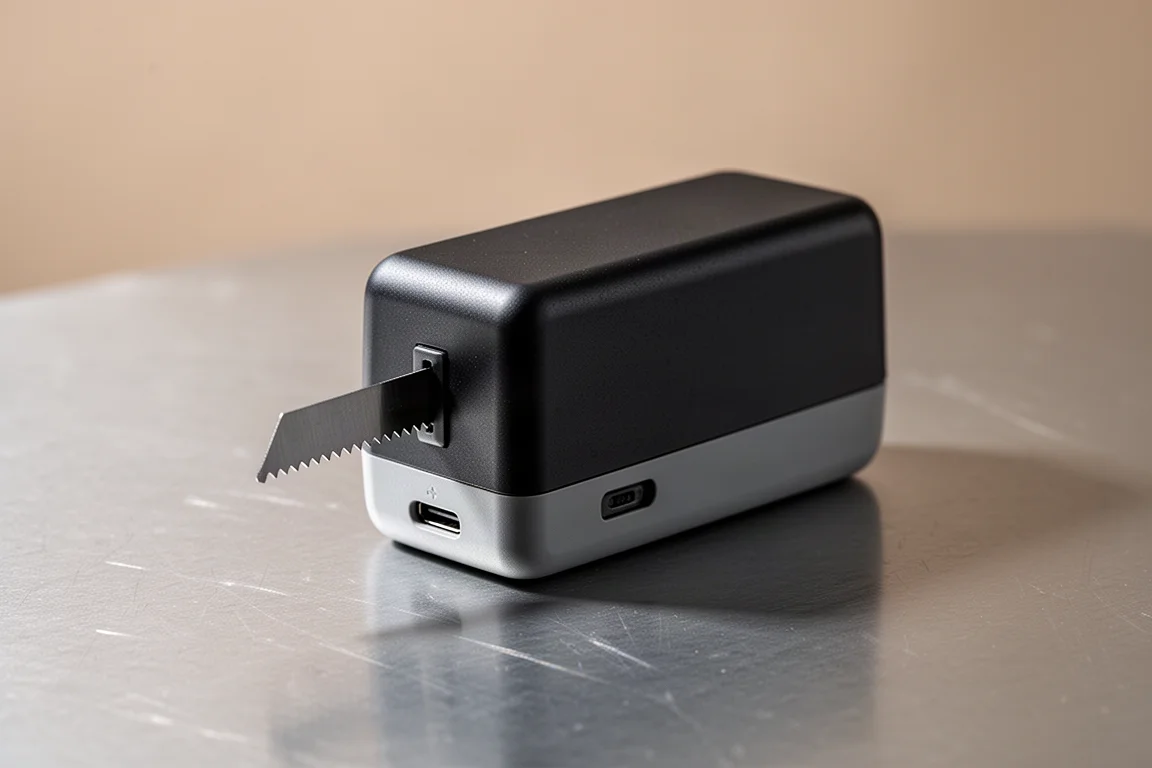
The Boxblade is exactly what it looks like: a small reciprocating blade in a purpose-built housing. We went in expecting cheap garbage and came out genuinely impressed. It works, and it works really well, cutting cardboard with minimal effort, noise, and vibration.
Blade changes require a Phillips screwdriver to remove the retaining plate, but it accepts a standard razor blade rather than proprietary ones, which keeps running costs low. It charges through a dedicated adapter rather than USB-C, which is our main design criticism. The charging plug also disables the power button while connected, a safety touch that works well as long as you do not lose the little dongle.
For one tool that does one job, $100 is a hard number to argue with on paper. But if cardboard duty is a daily or weekly ritual, like shipping and receiving or a household recycling run, this is the tool our household kept. It is fairly safe, easy to use, quiet, and the vibration is minimal.
Best If You Already Own a Multi-Tool: Milwaukee M12 with Hook Blade
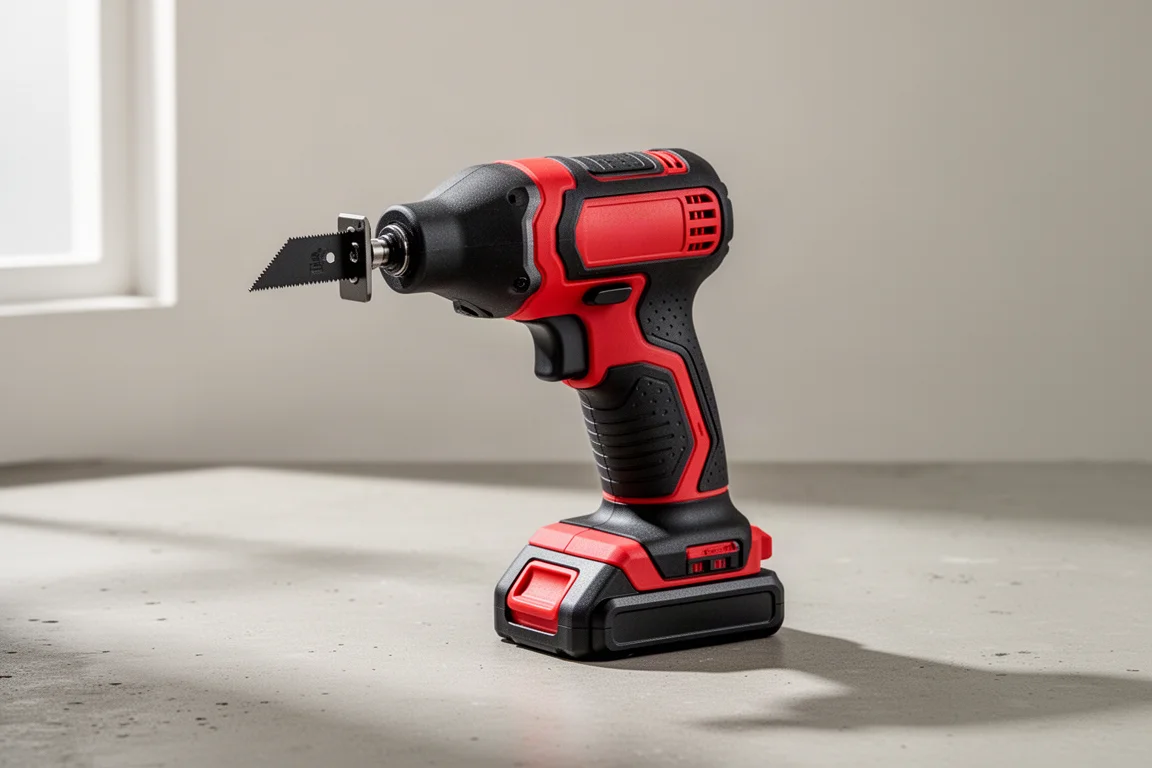
The Milwaukee M12 multi-tool is, without a doubt, the most powerful option here. With the right blade it dominates cardboard: you can punch in at any point, cut forward or backward, hook, wiggle, and carve. The compact M12 form factor beats a bulkier corded multi-tool.

The catch is comfort and cost. It is loud, it vibrates noticeably, and everyone who tried it, including family members who thought it was super cool at first, stopped wanting to use it after a box or two. It is an ER-visit-waiting-to-happen category of tool for casual users, and best treated as a sporadic-use option for people already comfortable around power tools.
Best Value Blade Accessory: Milwaukee Hook Blade Pack
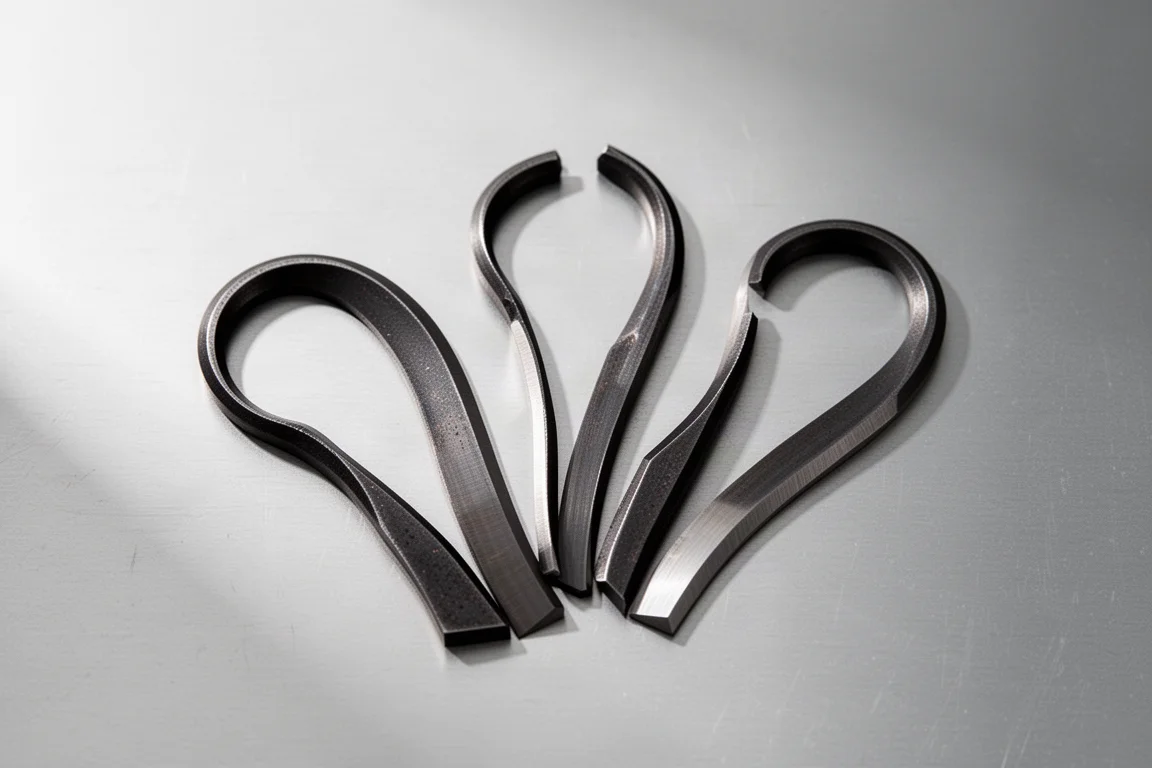
If you already own the M12, a pack of hook blades is the cheapest way into power-assisted cardboard duty. The three-pack sells for about $16.97. The hook blade is designed for soft materials like carpet, roofing shingles, PVC, and cardboard.
It is not flawless. You have to get the angle right and cut with the meat of the hook; it cuts noticeably better pulling than pushing. But for the price, it turns a multi-tool you may already have into a surprisingly capable box killer.
Harbor Freight Warrior Rotary Cutter
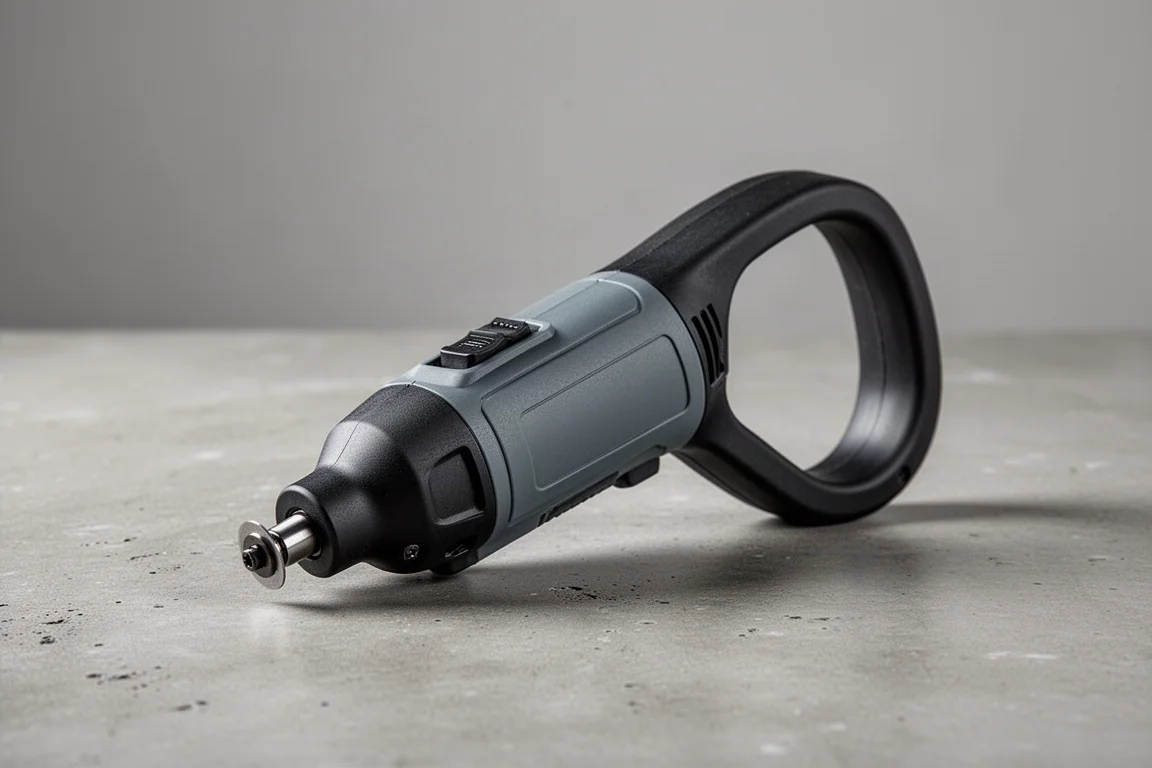
The Warrior did okay in testing. Ours had been sitting in an unheated, uncooled shop without a charge for a long time, so it felt a little sluggish, which may be more abuse than flaw. At $40, it is essentially the same concept as the Zite, with a loop-style form factor.
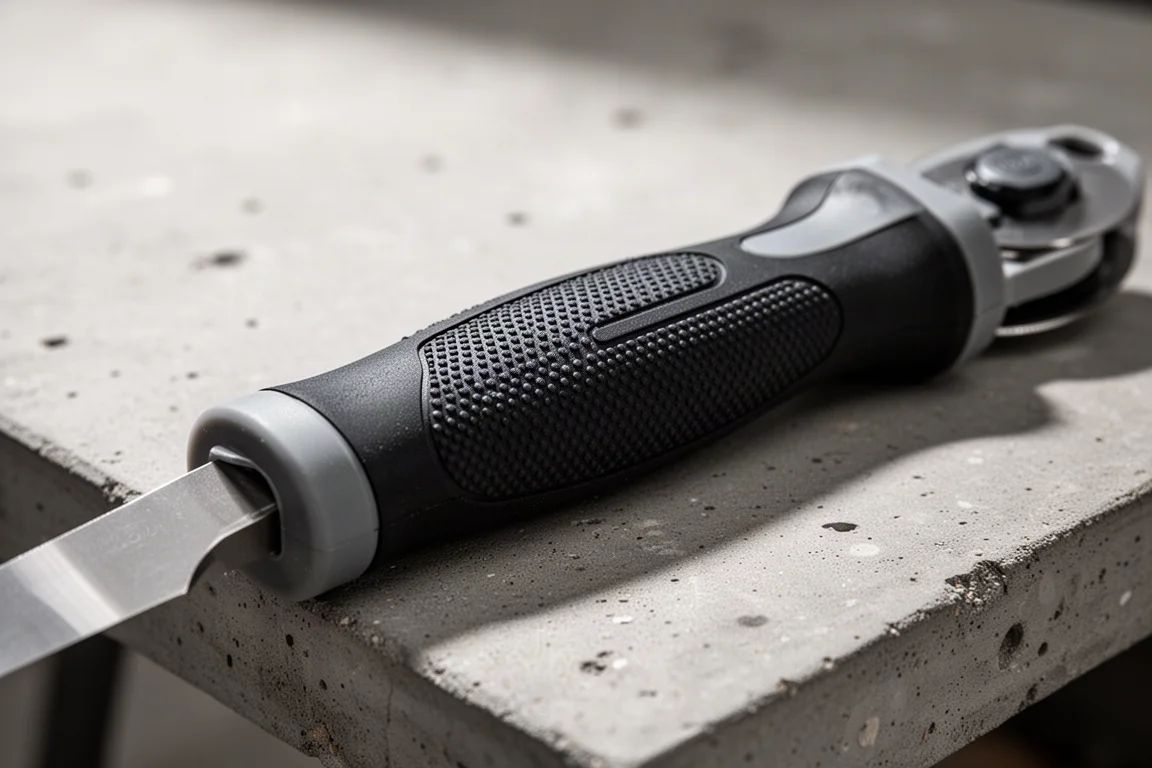
It is a reasonable pick if you prefer Harbor Freight availability, but it faces the same limitations as its rivals: one cutting direction and a right-handed-biased cutting angle.
Zite Rotary Cutter
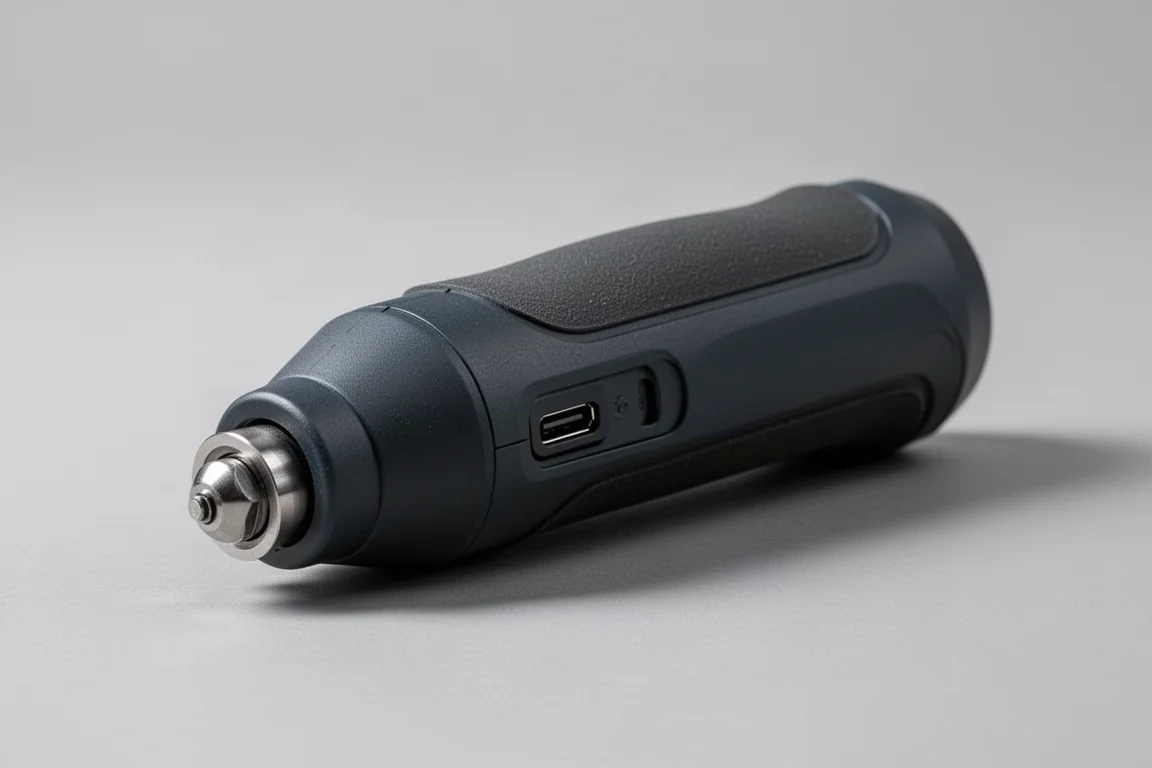
The Zite came in at $36, four dollars less than the Warrior, and we honestly liked the form factor better without the loop. Build quality was a pleasant surprise: good rubber overmolding and, crucially, USB-C charging, something even the pricier Boxblade skips.
The downside is its linear nature. It cuts in one direction only, and the left-facing blade orientation makes it awkward to see the cut line for left-hand or off-angle use. Used right-handed, it works well. For a budget pick, it is a genuinely solid tool.
The Classic Manual Option: Workpro Box Cutter
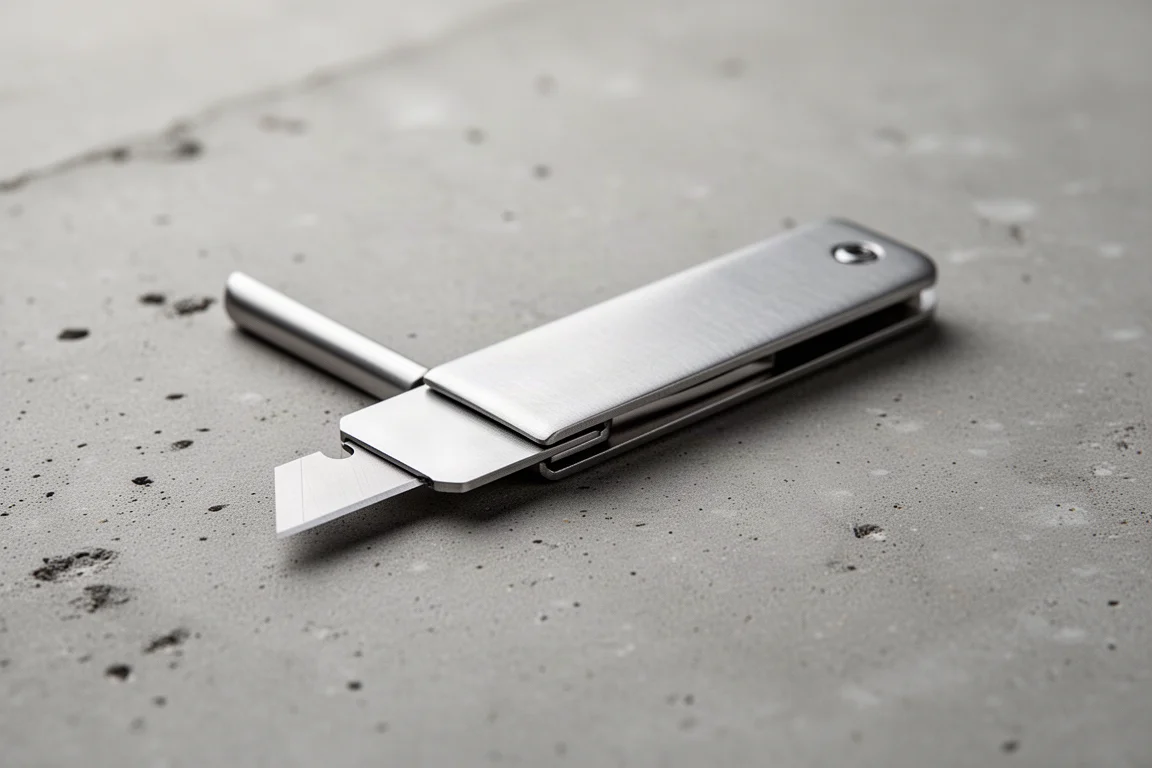
Do not sleep on the simple option. The Workpro is a single folded piece of stainless steel, super slim, and it takes a standard razor blade. Pop a new blade in and go.
For anyone comfortable around knives and only breaking down the occasional box, it is fast, cheap, and always ready. It lacks the safety margin of the rotary tools, so it is not the pick for handing to less experienced household members.
Which Tool Should You Buy?
The decision tree is simple:
- Already own a cordless multi-tool and only cut boxes occasionally? Buy the hook blade pack for about $17 and skip everything else.
- Cutting boxes constantly, like a shipping desk or weekly recycling hauls? The Boxblade earns its $100 price. Our household tested all four powered options and the Boxblade was the one nobody wanted to give back; it is now permanently parked in the car.
- On a budget with no existing tool? The Zite at $36, with its USB-C charging and solid build, is the best value.
- Comfortable with blades and cutting only sporadically? The Workpro manual knife is all you need.

There are no real losers here. Match the tool to how often you cut, and every option on this list can earn its keep.
Conclusion
For heavy, repeated cardboard duty, the Boxblade is the clear winner: safe, quiet, low-vibration, and purpose-built. For everyone else, the cheapest path depends on what you already own: a hook blade pack for multi-tool owners, the Zite for budget buyers, and the Workpro for the occasional cutter. Buy for your workload, not for the novelty.
Further reading
Related Reviews

Tool Reviews
Best Mechanic Tool Sets 2026: Ten Sets Tested for Real Workshop Performance
Ten mechanic tool sets compared across wrench strength, ratchet efficiency, back drag, adapter durability, and overall value.

Tool Reviews
Best Tools of 2025: Top Performers Across Nine Categories
A roundup of the standout tools from a year of head-to-head testing, covering drills, saws, blowers, mowers, trimmers, and more.

Tool Reviews
Metmo Fractal Vise 32 and Dual M18 Battery Adapter: Two TikTok Finds Put to Work
We bought two tools that keep showing up in our feed: a fractal vise that clamps almost anything and a dual battery adapter that promises more power and runtime.