Kitchen Knives
Best Boning Knives Compared: Silverthorn vs Sakai Takayuki Honesuki Maru
Two very different boning knives go head to head on chicken, pork shoulder, skinning, and tunnel boning. Here is which one suits your kitchen.
Introduction
A good boning knife changes how you cook. Once you can debone a chicken, break down a pork shoulder, or clean sinew off a piece of meat yourself, you buy smarter and waste less. But not all boning knives are built for the same job. Western-style boning knives are narrow, skinny, and curved so they can work around bones, while Japanese honesuki knives use a tall, stiff, triangular blade designed to power through poultry joints. We put two very different blades through the same real-world tests: a whole chicken, a pork shoulder with tunnel boning, seaming, skinning, and silver skin removal. Here is how they compare.
The Contenders
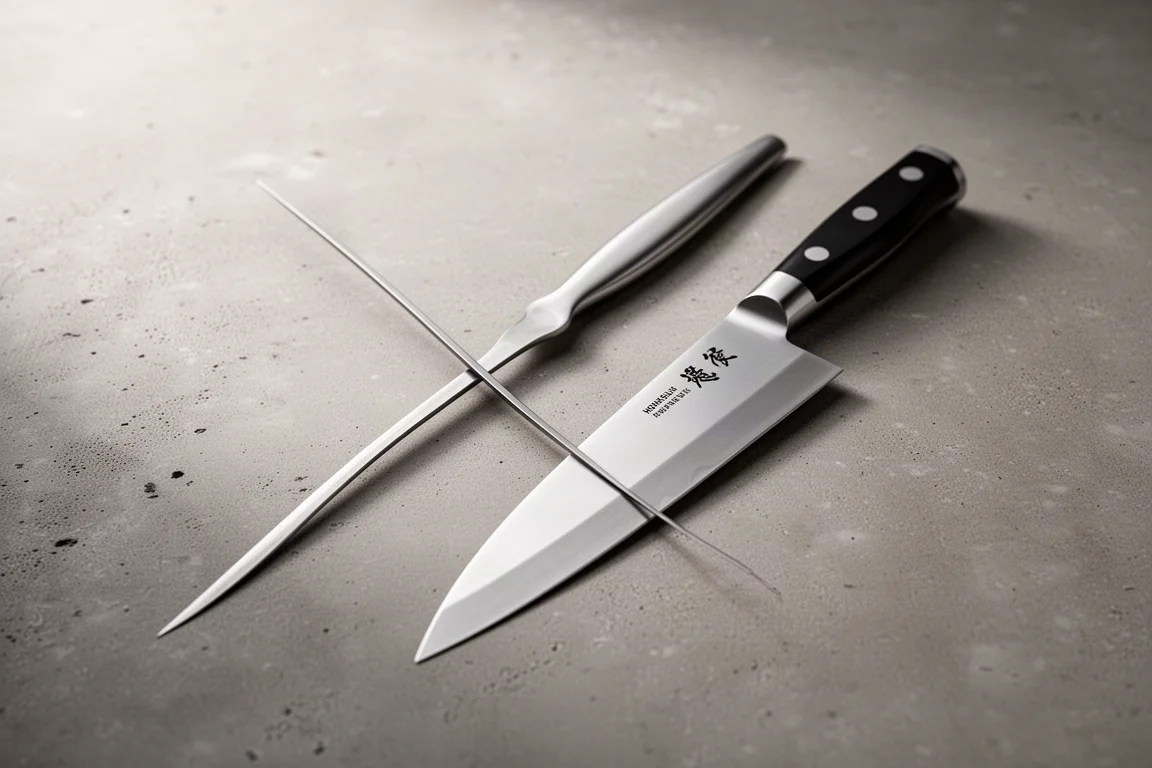
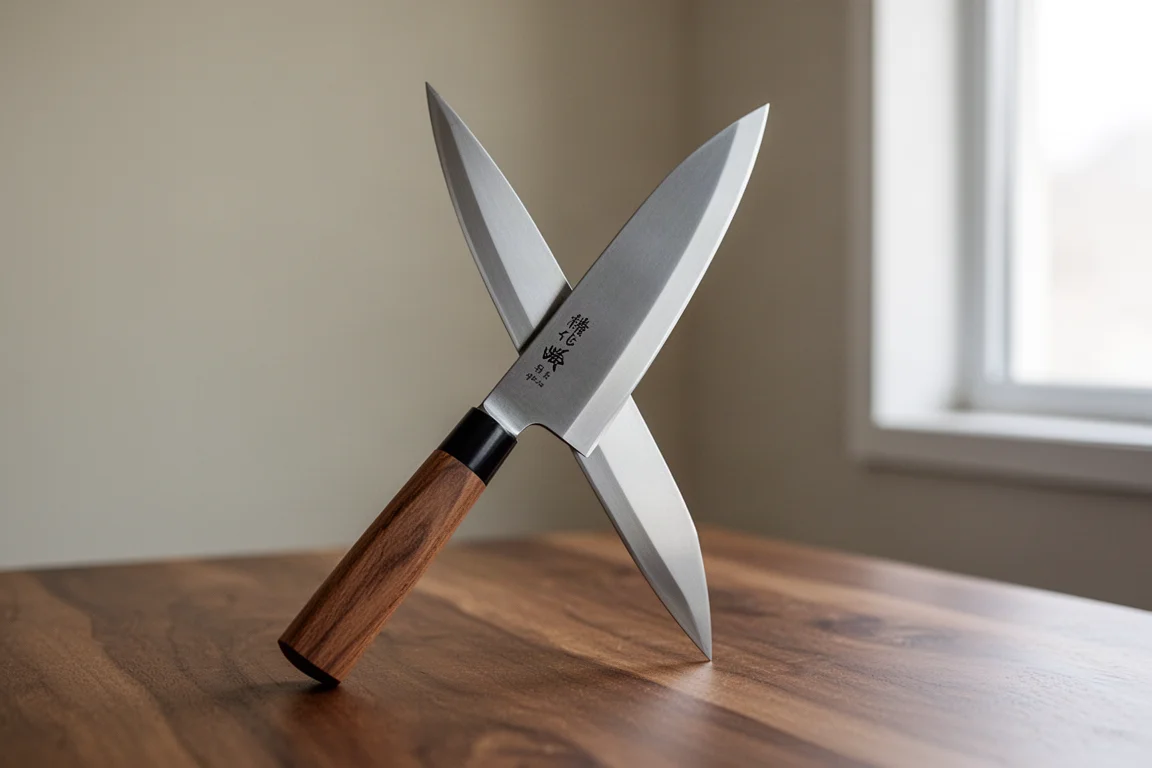
The Sakai Takayuki Honesuki Maru is a Japanese honesuki with a notably straight profile, no bolster, and a right-handed bias grind: the left side of the blade is flat while the right side has a slight curve. It is made from SK4 steel, and the edge has a distinct toothiness that grips meat as it cuts. Its dropped tip engages the meat with shallow, precise bites.
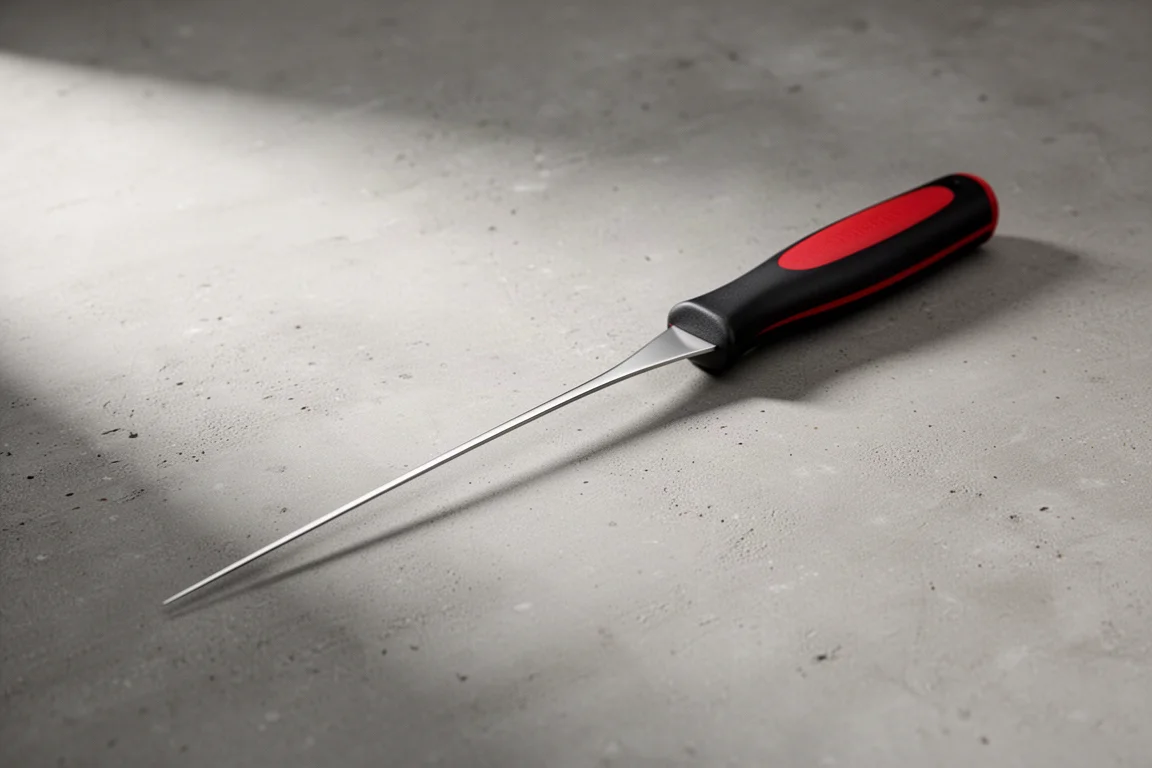
The Silverthorn boning knife is made in the United States from O1 tool steel. It is long, extremely thin, and lightly flexible, with a fine, needle-like tip and a natural curve to the blade. Where the honesuki is a wedge, the Silverthorn is a probe.
The Chicken Test
The first test was breaking down a whole chicken: removing the breast, taking off the leg and wing, and then pulling the bones out of the thigh and drumstick.
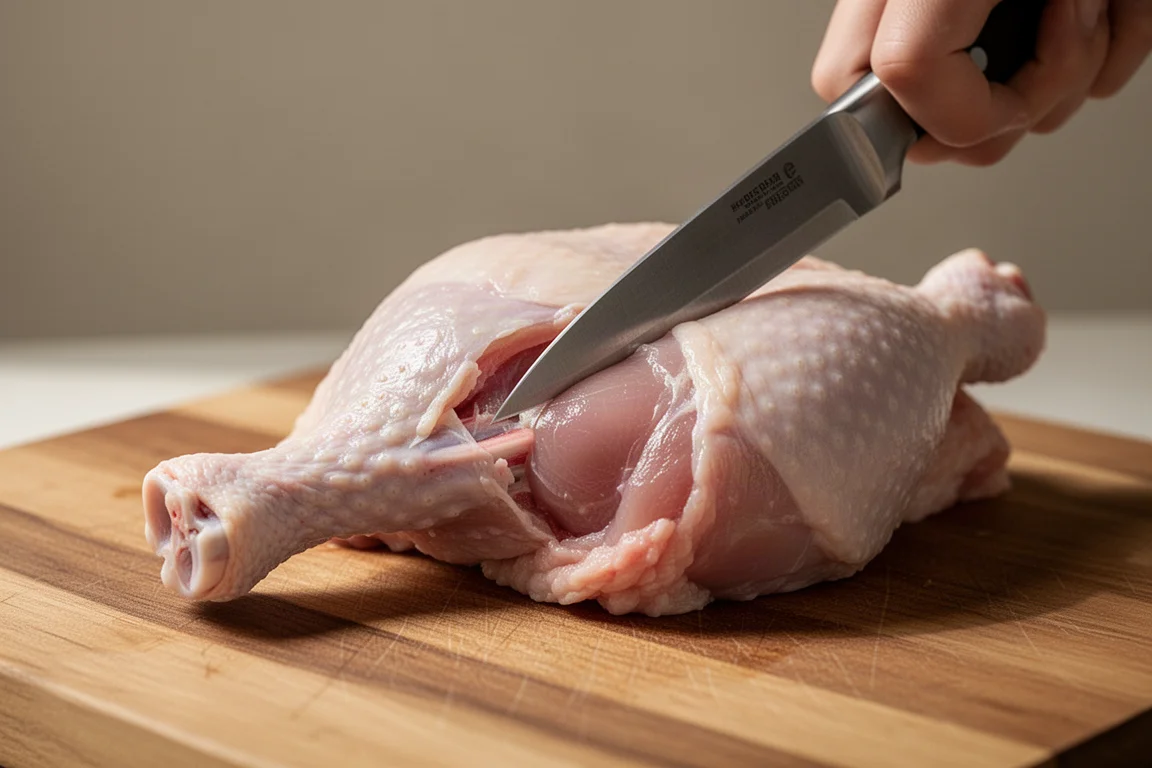
The Honesuki Maru floated through the breast meat with real confidence. That toothy SK4 edge grips the meat instead of skidding across it, and the dropped tip gives fine control when guiding the blade around the keel bone and wishbone. Through the joints, the tall, thick, stiff blade delivers real power: you can drive the heel between joints and save the finer tip for meat and skin. Removing the leg and working around the thigh and drumstick bones felt controlled and clean. The one trade-off is the blade height: around the tight back curves of the carcass it is slightly less nimble than a skinnier blade, and there is less of the light, easy steering you get from a narrower knife.
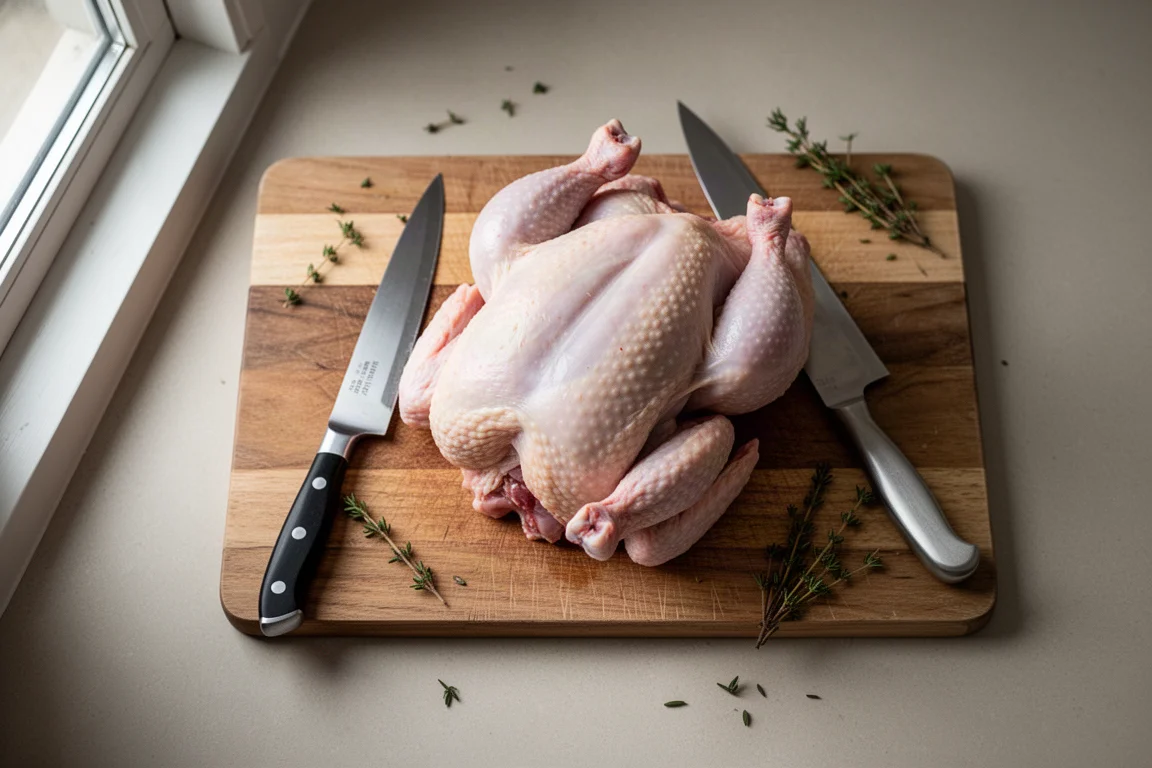
The Silverthorn handled the same chicken competently, and its agility was immediately obvious. The blade goes around tight turns with almost no effort, and the fine tip is excellent for shallow, precise cuts where you want to cut just enough without stabbing through skin. But it is light, so you need to push a bit more to get it to do the work, and through joints it felt a little small and lightweight. On a chicken this size, the length was also slightly more than the job called for.
The Pork Shoulder Test
The pork shoulder test covered tunnel boning (digging a bone out from inside the meat), seaming meat apart along its natural lines, and skinning.
This is where the two knives swapped roles. The stiff honesuki struggles here: with no flex at all, the edge bites directly into bone as you try to turn corners, which is exactly what you want to avoid. Snagging a hard Japanese steel edge on bone, especially with a twisting motion, risks chipping. It managed the work, but it was not comfortable.
The Silverthorn was excellent at tunnel boning. The flex lets you press the blade close against the bone and ride along it without digging in, cutting away the least amount of meat without catching. Its slender blade simply flies around the twists and turns inside the shoulder.
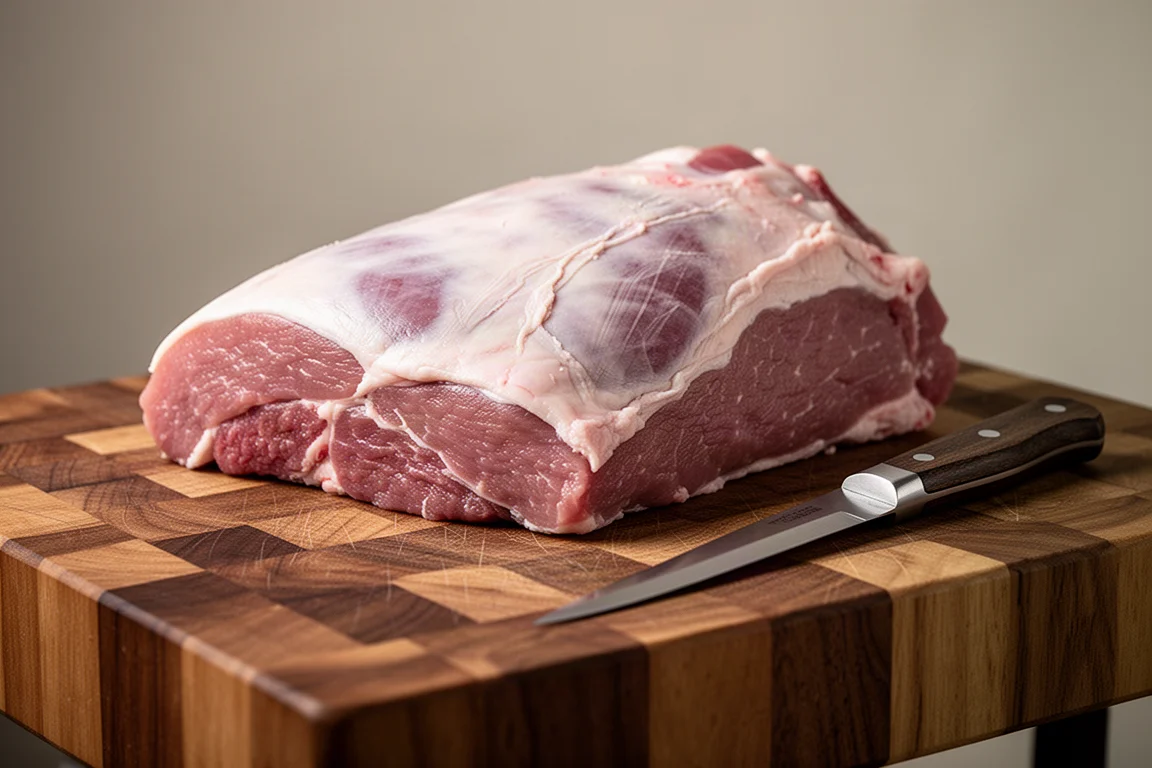
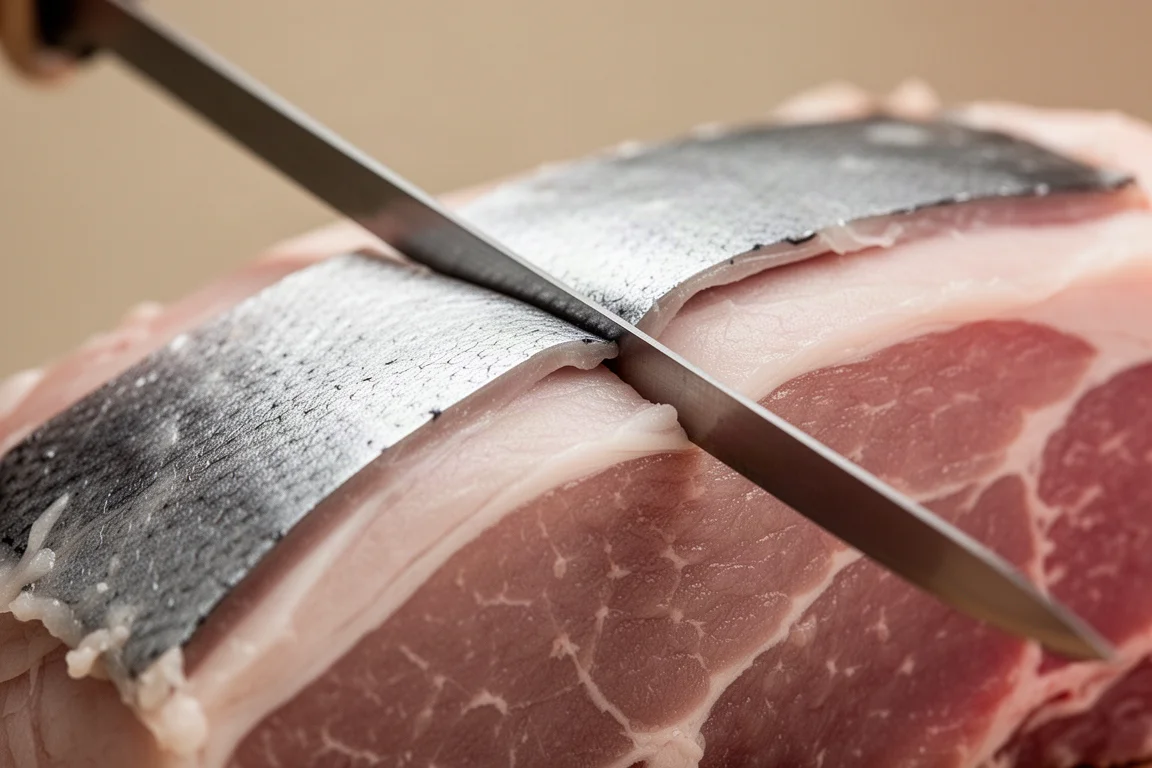
For skinning and silver skin removal, the Silverthorn clearly wins. The skinny blade slides under membranes and around curves with barely any resistance, and the flex means pressing down on one side lets the other glide. Removing silver skin from a pork shoulder or tenderloin left most of the meat behind. The Honesuki Maru puts up a decent fight thanks to its flat left face and curved right edge, which can help slide fat up and off, but there is more blade width and more resistance when poking under sinew, and the handle started bumping against the cutting board during lateral slicing strokes.
How to Choose
If your butchery is mostly chickens, the honesuki-style blade is the purpose-built tool. The heel powers through joints, the tip handles the delicate work, and the whole knife feels planted and confident. If you hunt, buy whole animals, or break down primals regularly, a straight, bolster-free knife like the Honesuki Maru also handles hanging-carcass work well in a reversed grip. If barbecue and trimming are your focus, and you spend your time taking skin off, cleaning silver skin, and working tight curves, the Silverthorn is the more rewarding pick.
Buying Advice
The honest answer is that neither knife does everything. The honesuki is built for poultry and excels there, is okay on skinning and seaming, and is not ideal for tunnel boning. The Silverthorn is built for tight curves, skinning, and tunnel boning, did a good job on the chicken, and simply feels less robust through joints.
If you want one knife that can make a reasonable attempt at any piece of meat you are likely to bring home, the Sakai Takayuki Honesuki Maru is the safer, more versatile choice. Its SK4 steel edge is genuinely excellent, the dropped tip gives controlled shallow bites, and it performed well on nearly every task. It is the kind of knife that becomes your daily butchery companion.
If your priority is skinning, silver skin, and precision work in tight spaces, the Silverthorn is hard to beat. It is like using a needle: thin, light, and unbelievably nimble. The current stock also comes with a custom G10 handle in black and red knife-maker colors, and G10 is a very durable handle material. The listed price is $295 Canadian, and it is available through the maker’s stores and website.
Conclusion
Both knives are excellent at what they were designed for. The Sakai Takayuki Honesuki Maru is the confident all-rounder, especially if whole chickens are a regular part of your cooking. The Silverthorn is the specialist, unbeatable for skinning, trimming, and going around curves. Match the knife to the job you actually do most, and you will enjoy the work more, which is the whole point.
Further reading
Related Reviews

Kitchen Knives
Best Chef's Knives 2026: 27 Popular Options Tested and Ranked
A comprehensive review of 27 chef's knives ranging from $18 to $380, with honest assessments of handle comfort, blade balance, and real-world performance.

Kitchen Knives
Best Chef's Knives Under $75: Two Tested Recommendations
Two practical 8-inch chef's knives that balance sharpness, comfort, and durability without premium pricing.

Kitchen Knives
Best Chef's Knives 2026: 27 Options Tested and Ranked
A comprehensive review of 27 chef's knives ranging from $18 to $380, with honest assessments of handle design, balance, blade profile, and real-world performance.