Hand Tools
Best Bit Ratchet Sets Compared: Finding the Best Bang for the Buck
Ten bit ratchets go head to head on ratchet feel, bit compatibility, shallow access, and cases, with two clear standouts at the end.
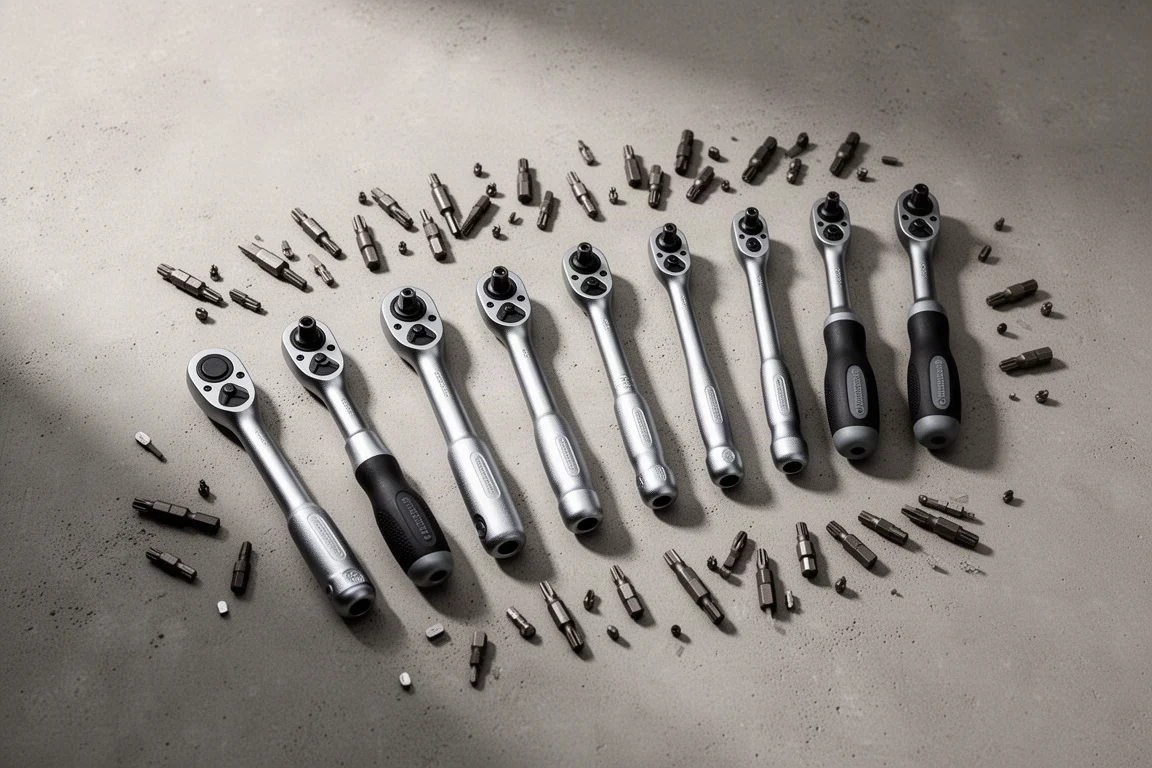
Introduction
Bit ratchets occupy a sweet spot in any toolbox: small enough to live in a drawer, a bag, or a desk, yet capable of driving screws and small fasteners in places a full screwdriver or ratchet cannot comfortably reach. The catch is that not all of them are created equal. Some are smooth, compact, and accept standard bits. Others lock you into proprietary bits or come in cases that fall apart the first time they get dropped.
We put ten bit ratchets side by side to answer one question: which one gives you the best bang for the buck? The comparison covered ratchet feel, overall length, how shallow a space each can work in, standard bit compatibility, and the quality of the included case and bits.
How We Evaluated Them
Five factors drove the comparison. First, ratchet action: smoothness, reversibility, and whether there is a usable thumb wheel or knurled surface for spinning. Second, size: overall length matters if the tool needs to live in a pocket kit. Third, shallow access: how close the head sits to a fastener when the bit is inserted. Fourth, compatibility: whether the tool accepts standard 1/4-inch hex bits, and whether extras like pass-through designs, extensions, or flex heads add real versatility. Fifth, the kit itself: bit selection and case quality, since a great ratchet in a flimsy case is a worse buy than it looks.
Chapman Bit Ratchet Set
The American classic of the group, made in Durham, Connecticut, and the company makes no secret of it. The classic kit includes a generous assortment of bits, from Phillips and flat heads to small and large hex sizes, plus a thumb driver and an extension that doubles as a handle. The ratchet itself is a stamped sheet metal unit rather than a solid machined piece, which sounds like a knock but is not: it runs surprisingly smooth and feels good in the hand despite its short length. A knurled end lets you spin bits quickly, and a thumb press pops bits out easily.
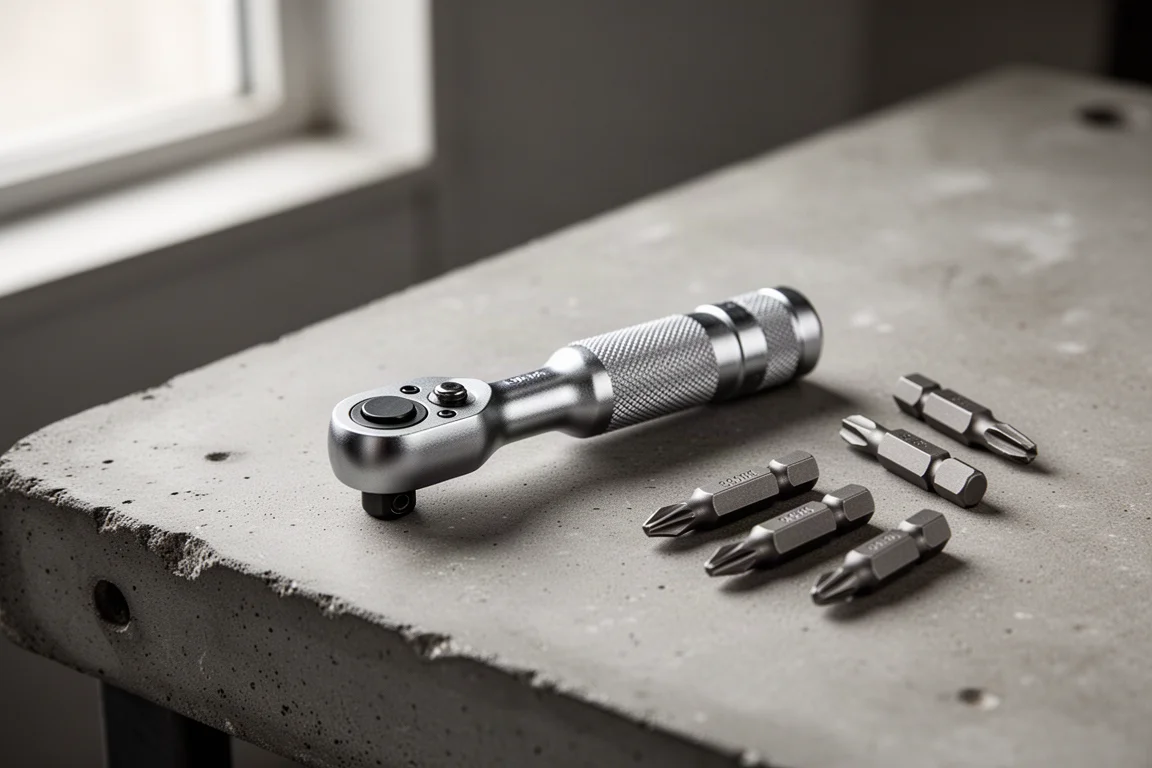
The main drawback is bit compatibility. The set is pass-through, but it will not reliably hold a standard 1/4-inch hex bit, so you are largely committed to Chapman’s own bits. With its own bit installed, shallow access measured around 1-3/8 inches, which is mediocre. It remains a charming, well-made kit that works more like a drawer set than a carry kit.
GearWrench Dual-End Bit Ratchet Set
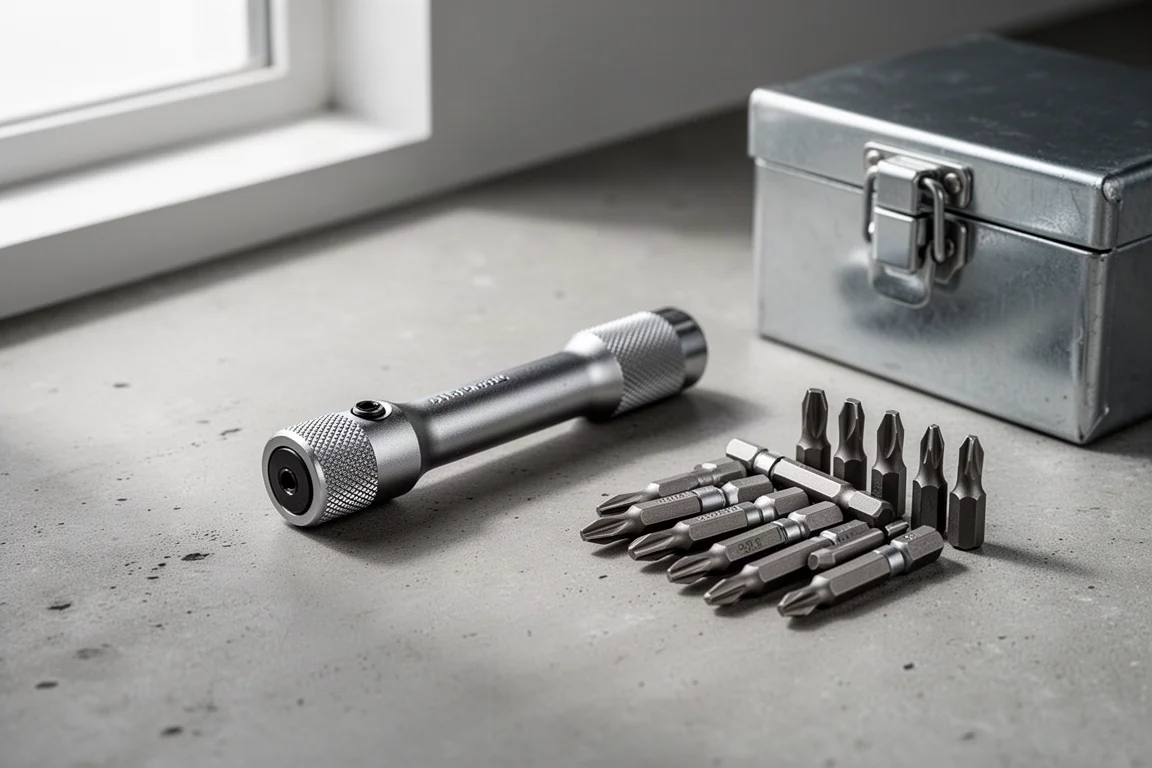
The original tool truck alternative in this space, and its ratchet design is genuinely interesting: dual-ended, with a bit driver on one side and a 1/4-inch square drive on the other. The bit side uses a reversible switch on the wheel, the heads are offset for better clearance, and the knurling lives on the wheel rather than on the bit. The square end accepts standard sockets, and larger-style bits can be driven from that side too.
With its own bit in place, shallow access came in at around 1-1/8 inches, which is respectable. On the downside, the overall length is about 5-1/8 inches, the longest dual-ended design in the group, so it is not a completely fair size comparison. The included plastic case is the weak point: cheap feeling, hard to open, and it includes a belt loop accessory that feels like a gimmick. The ratchet itself, though, feels good and earns a spot just outside the top tier.
Sunex Bit Ratchet Set
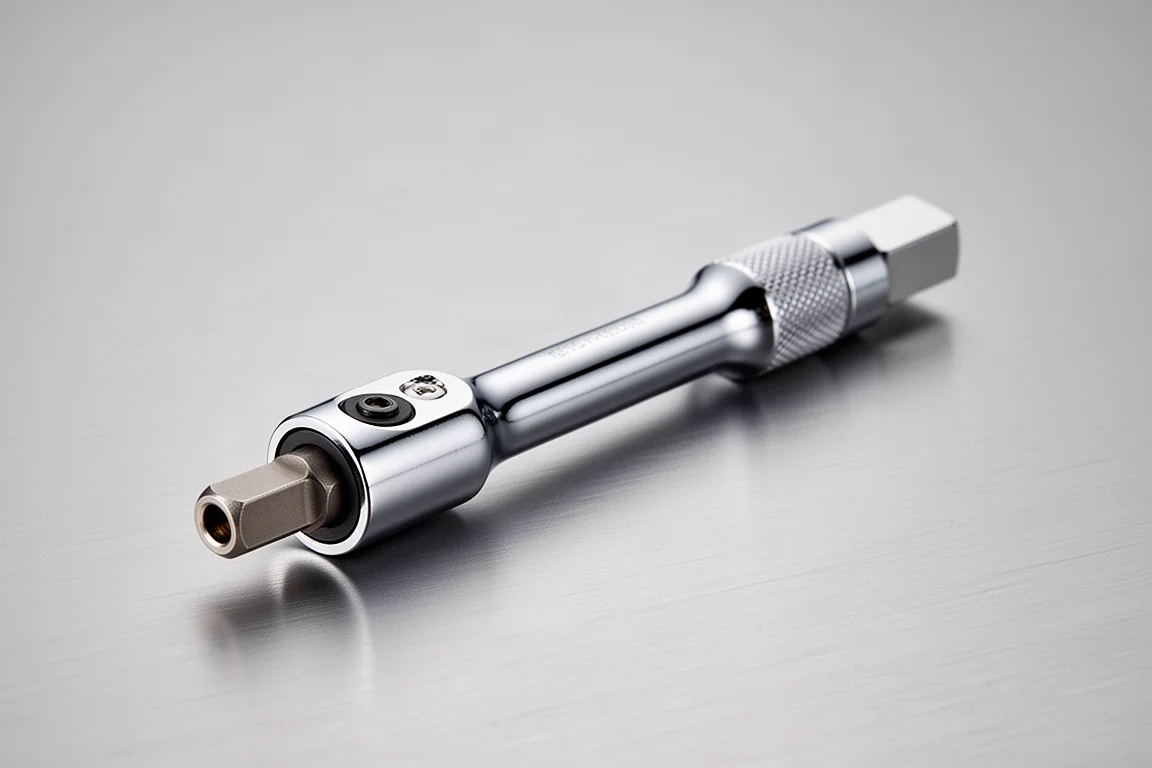
Sunex’s entry looks more expensive than it behaves. The case is eye-catching but flimsy, with a top panel that flexes under slight pressure and riveted indentations showing through. Inside, though, the kit is genuinely solid: decent bits including security bits, a nice bit holder, and quick-release extension bars.
The ratchet itself is compact, reversible, and accepts standard bits without fuss, but it feels like a generic small ratchet rather than anything special. The printing on the body feels cheap and the overall impression is underwhelming. Shallow access measured around 1-1/4 inches with a bit installed, since it is not a pass-through design. Nothing is wrong here exactly, but nothing stands out either.
Wiha Bit Ratchet Set
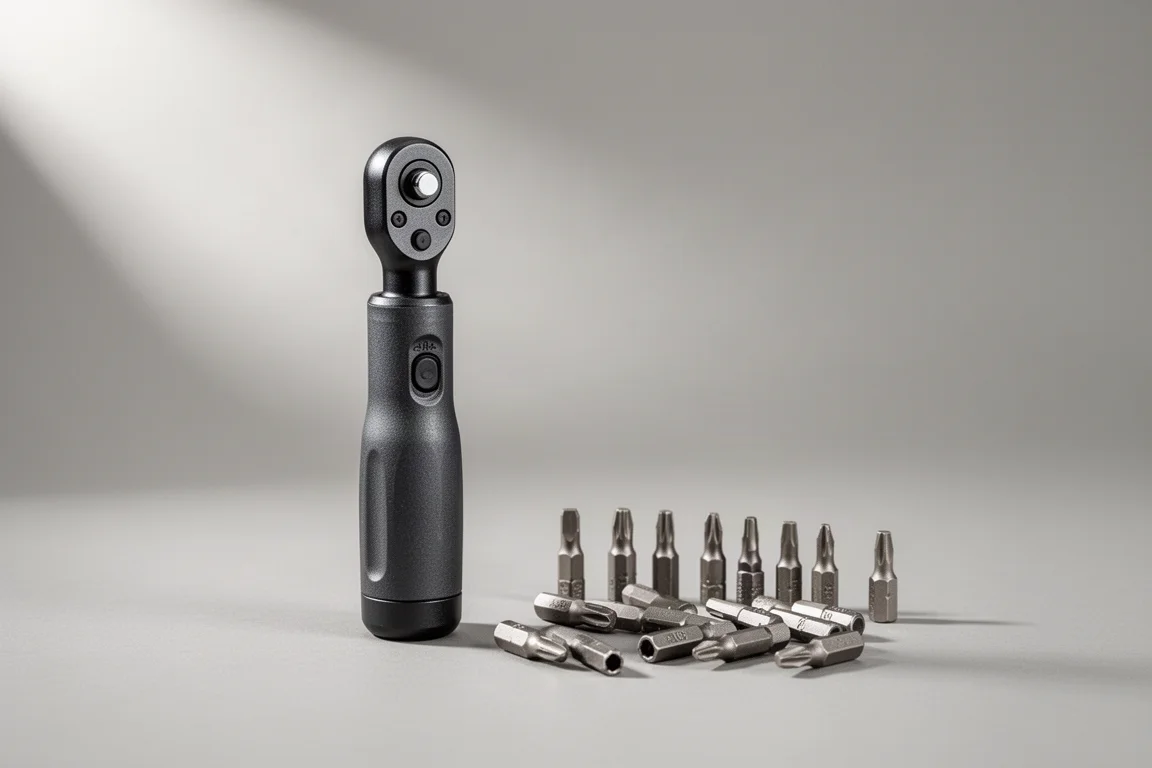
At first glance the Wiha looks similar to the Sunex, but there is more to it: an integrated thumb wheel, a bit driver, a good bit assortment, and a metal case that feels great. The ratchet is small, slightly chunky, and heavier than its size suggests, and the direction switch is a bit stiff. Smoothness is not its strong suit, though the wrench action itself is fine.
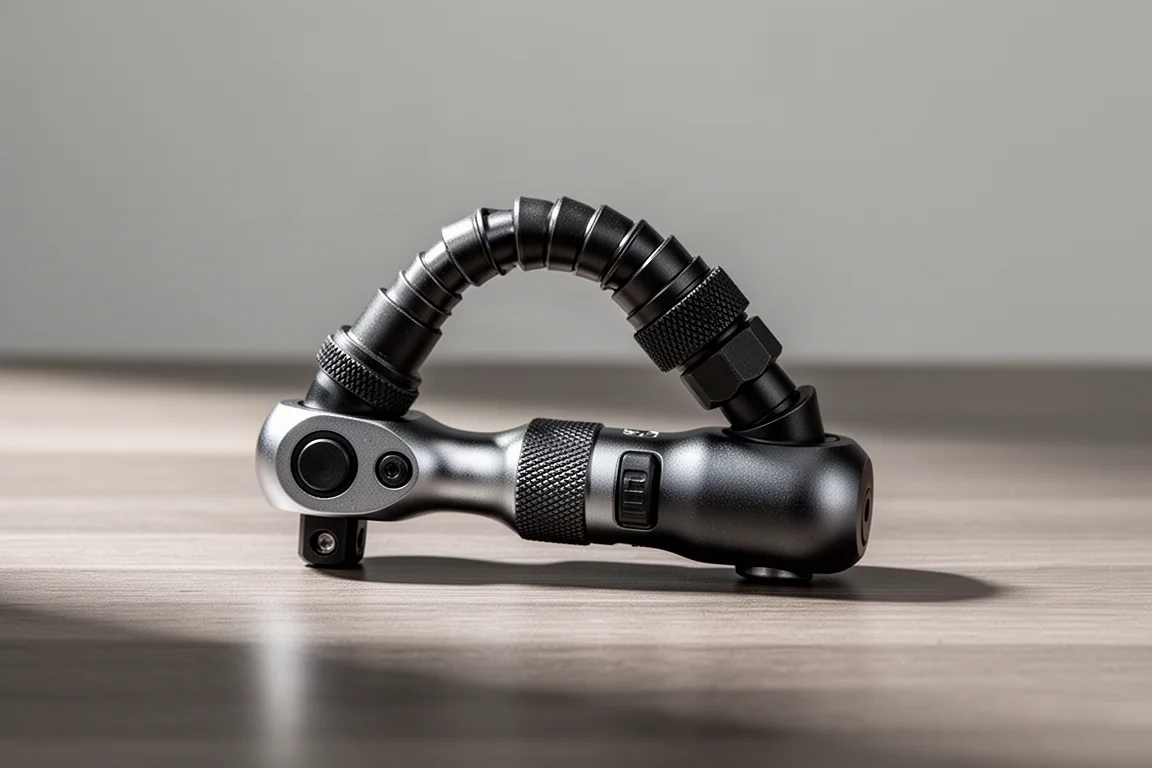
The case is the real liability. It is essentially two plastic strips with a foam insert in the middle, and it has been known to pop open when dropped, scattering bits everywhere. Shallow access lands around 1-1/8 inches. There is a lot to like in the kit, but you have to handle it carefully.
Wera Bit Ratchet
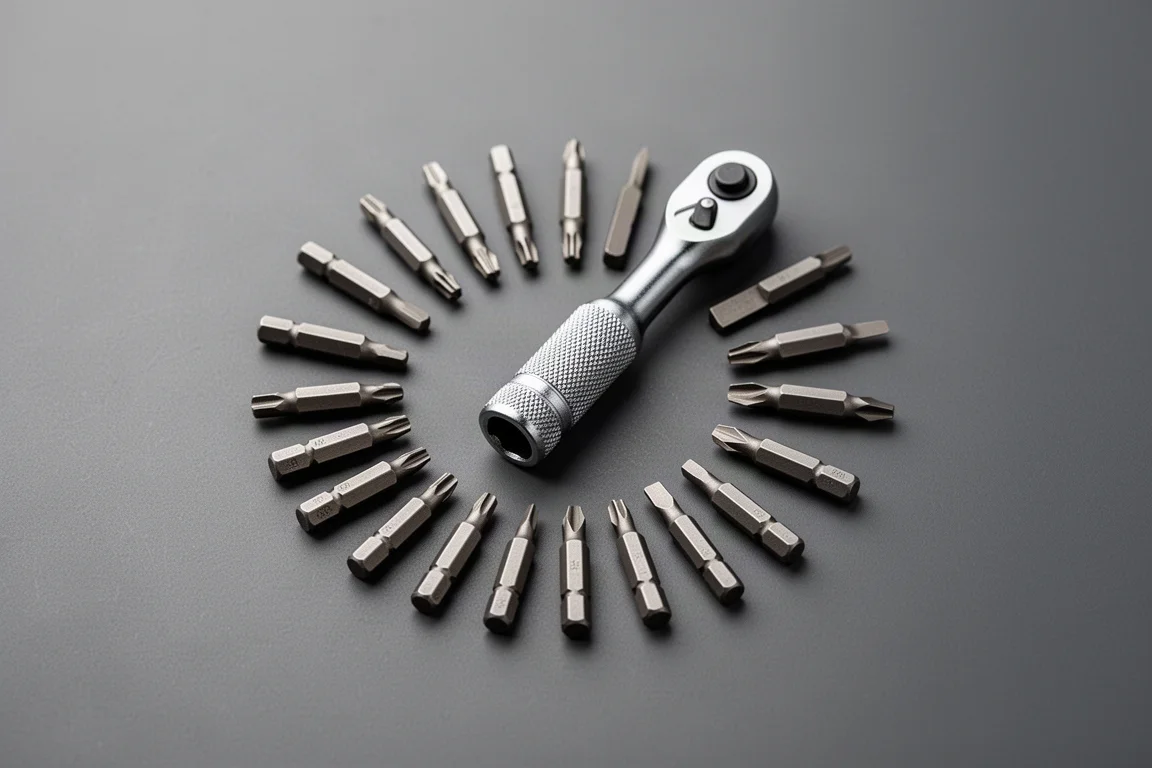
This one stings a little, because Wera’s design language usually wins people over. The ratchet is beautifully shaped and accepts standard bits, though bits can be slightly harder to press back out because they seat a bit deeper. The problem is sheer size: at roughly 3-5/16 inches long and quite slim, it is simply too tiny to generate leverage. You end up pressing down from above rather than pushing through the fastener, and that limits real-world usefulness.
Shallow access is actually the best in the group, dipping to almost exactly an inch with a bit installed. If you have smaller hands or only ever drive light-duty fasteners, this could still be a great choice. For most people, though, the smallness factor rules it out.
Icon Locking Flex-Head Bit Ratchet Set
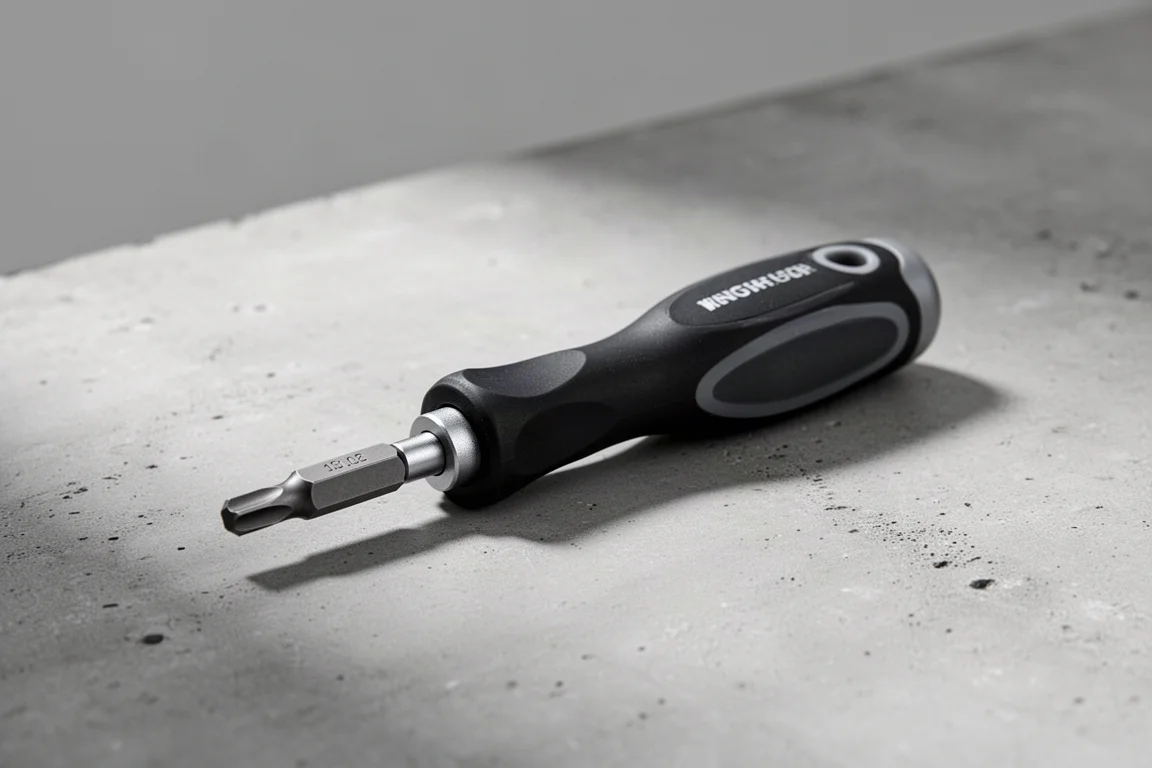
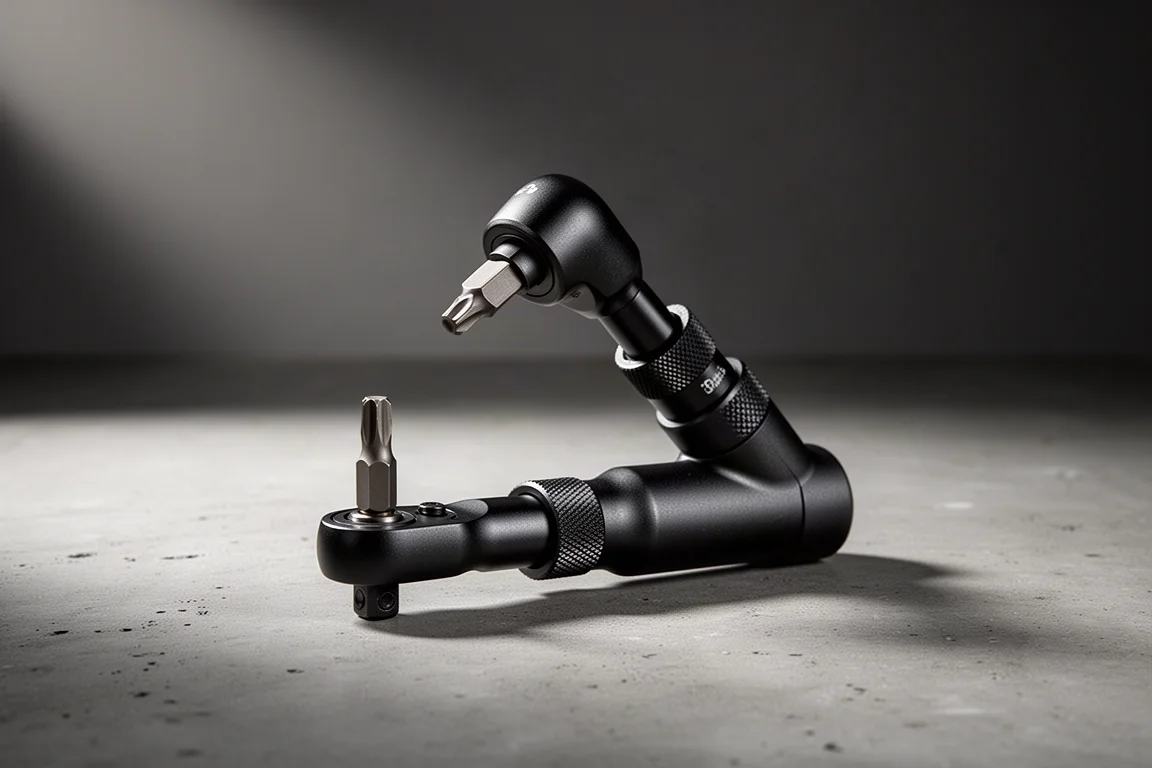
The newcomer everyone has been talking about, and the hype is deserved. The locking flex head pivots from zero degrees out to roughly 90 or slightly beyond, the wheel has bridges that work well for thumb clicks, and the whole thing just works. It takes standard bits with a thumb depression for easy removal, and the included case is rock solid: drop it and nothing breaks, though a piece or two may come loose inside.
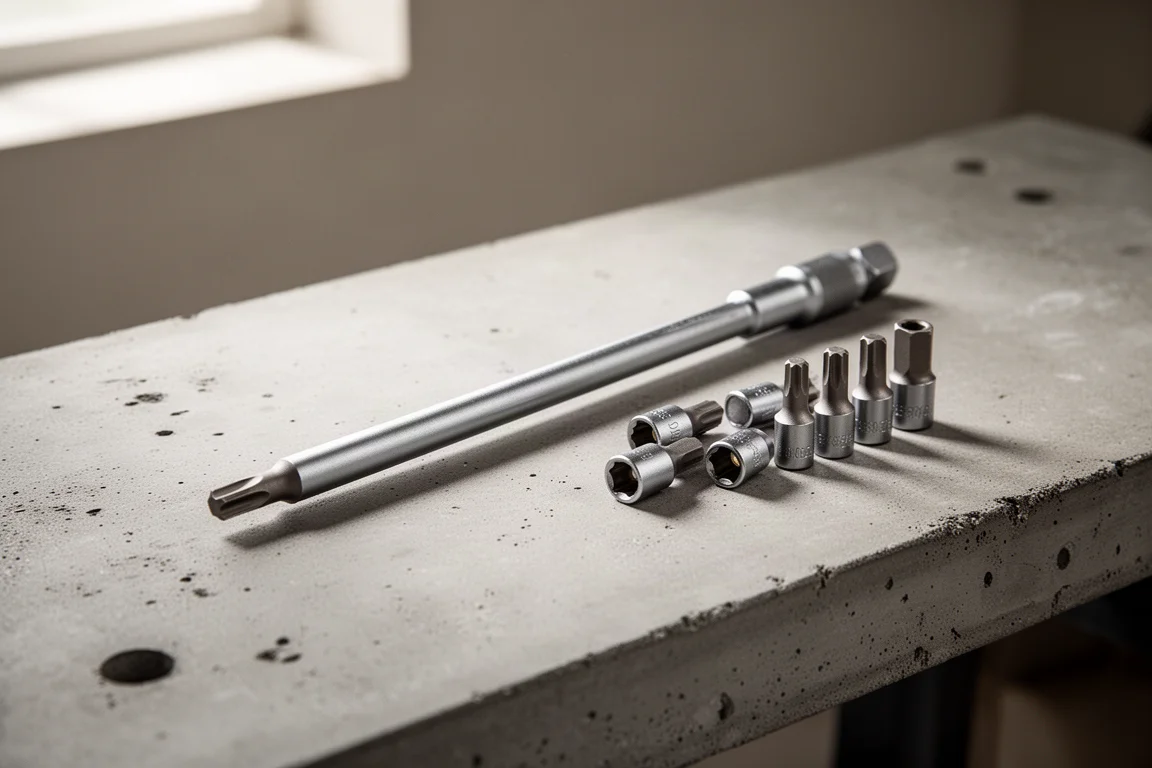
The kit is generous, including security bits and a socket adapter. The socket adapter feels like a waste, since if you want to drive sockets you can simply use a 1/4-inch drive ratchet. Shallow access measured about 1-1/16 inches, helped by the pass-through design. With standard bit acceptance, a locking flex head, a second bit port on the bottom for extra torque, and a body that doubles as an extension or T-handle with the included bar, this is arguably the most versatile tool in the entire comparison. It is the set that naturally ends up living on the desk and travelling in the bag.
Husky Pass-Through Bit Ratchet Set
Husky’s offering is the longest of the group at about 5-3/4 inches, and it uses a proprietary socket and bit system rather than standard sizes. That is the central problem: the pass-through functionality works, and shallow access is decent at just under 1-1/2 inches with its own holder, but the odd proprietary format plus the sheer bulk make it hard to recommend as a general-purpose bit driver.
It also ships without any case or bag at all, which does not help. If you specifically need a large pass-through driver, it does the job. For most buyers, there is no reason to choose it over the more compact options here.
Lang Bit Ratchet
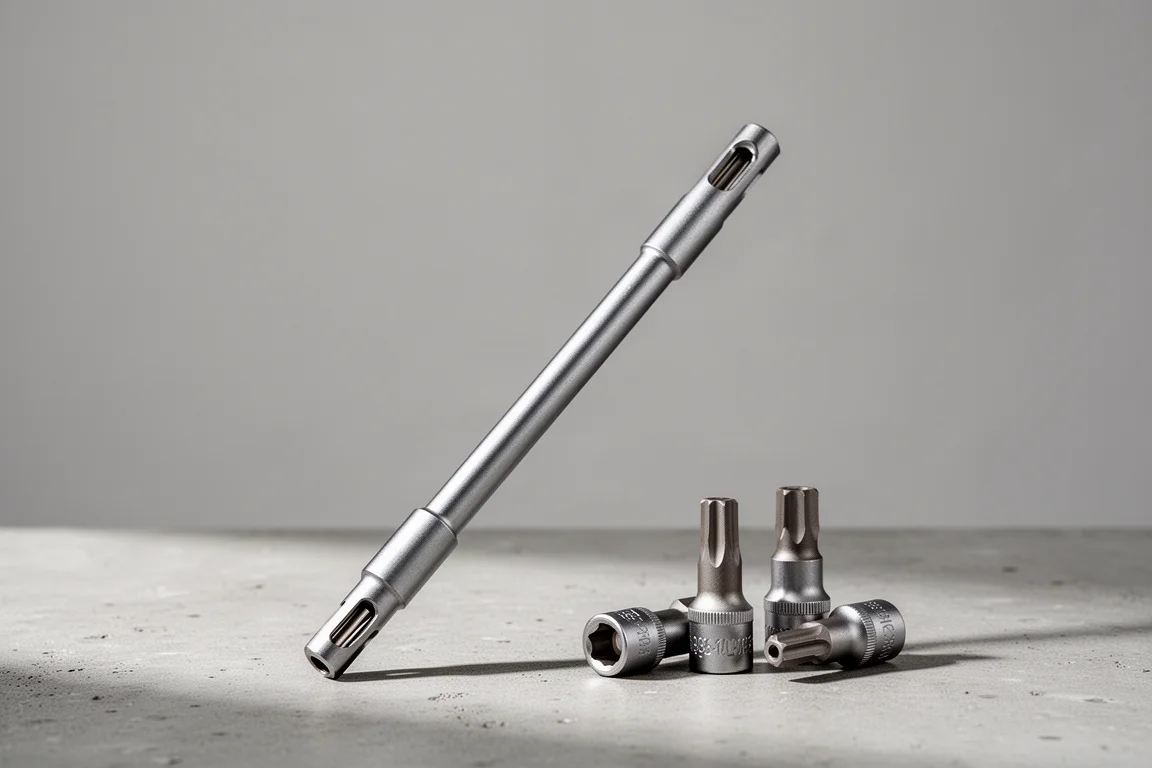
Lang is a long-established name in this niche, and its ratchet is another stamped construction unit with a smooth, quiet action and a direction switch on the body. It accepts standard bits without any trouble. The downsides are size and shape: at around 4-1/2 inches it is one of the bigger tools here, and the small knob on top slightly limits how shallow it can work, measuring about 1-1/8 inches with a bit installed.
It is not a bad tool at all, and the thumb control helps, but for a compact kit you want something shorter. It lands in the respectable middle of the pack rather than at the top.
Titan Flex-Head Bit Ratchet
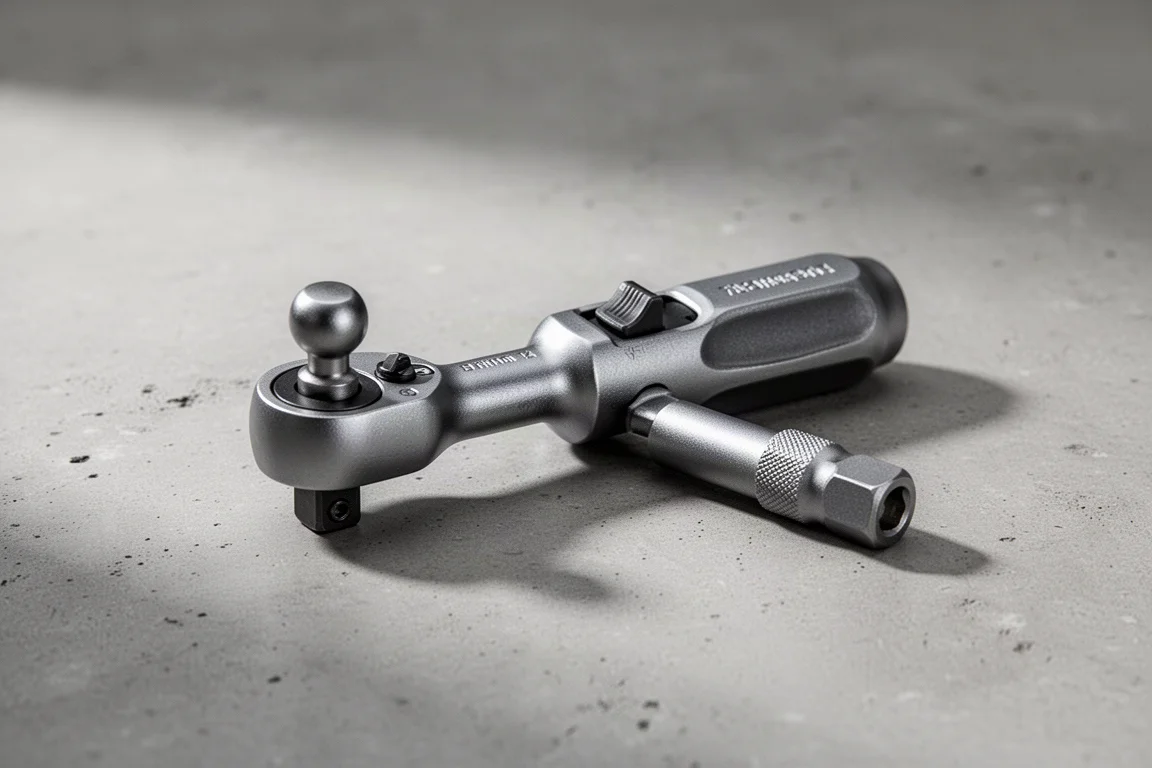
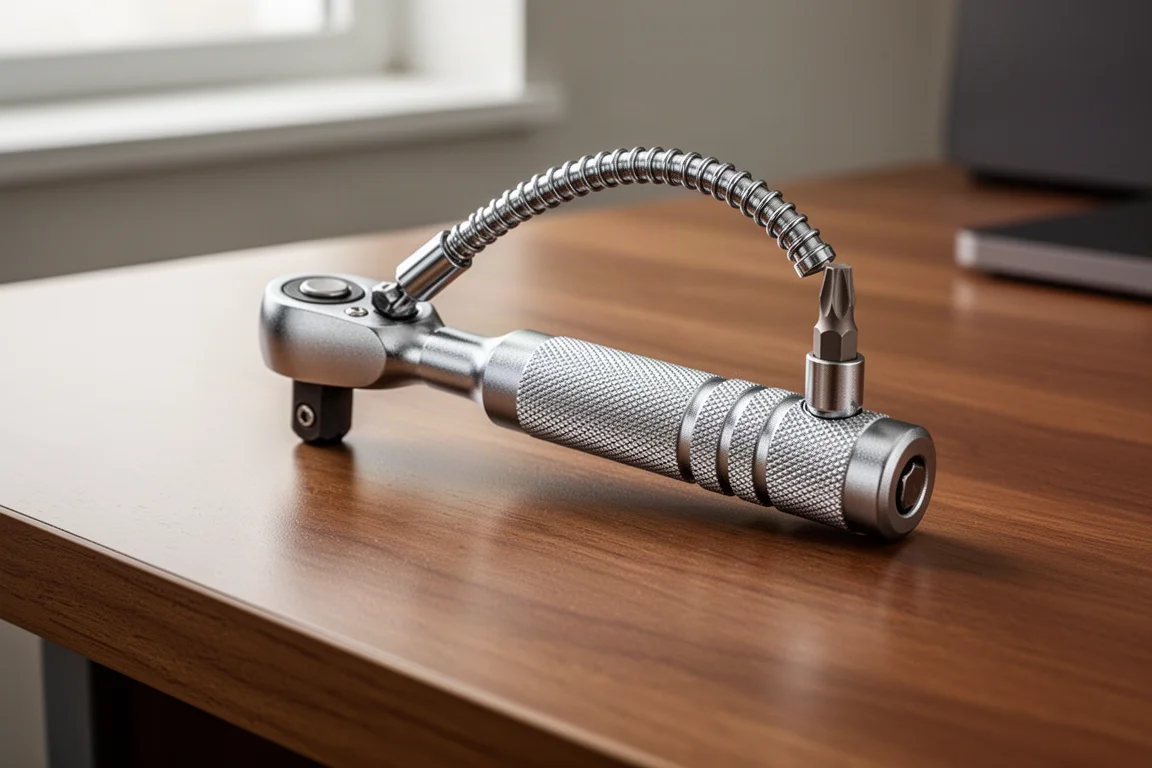
The Titan surprised in a good way. The flex head moves far more easily than expected, and the knurling on the body is excellent for grip and thumb-spinning. It can be used almost like a screwdriver when you want direct control. It accepts standard bits, and shallow access came in around 1-1/4 inches, with the swivel head costing it a little depth.
At roughly 4-1/8 inches long, it is on the larger side of the compact group, but not unreasonable. It lacks the extra features of the leaders, no thumb wheel and no included extension, but the ratcheting action, knurling, and flex head make it a genuine contender, particularly if you like old-school knurled steel.
Premier Bit Ratchet
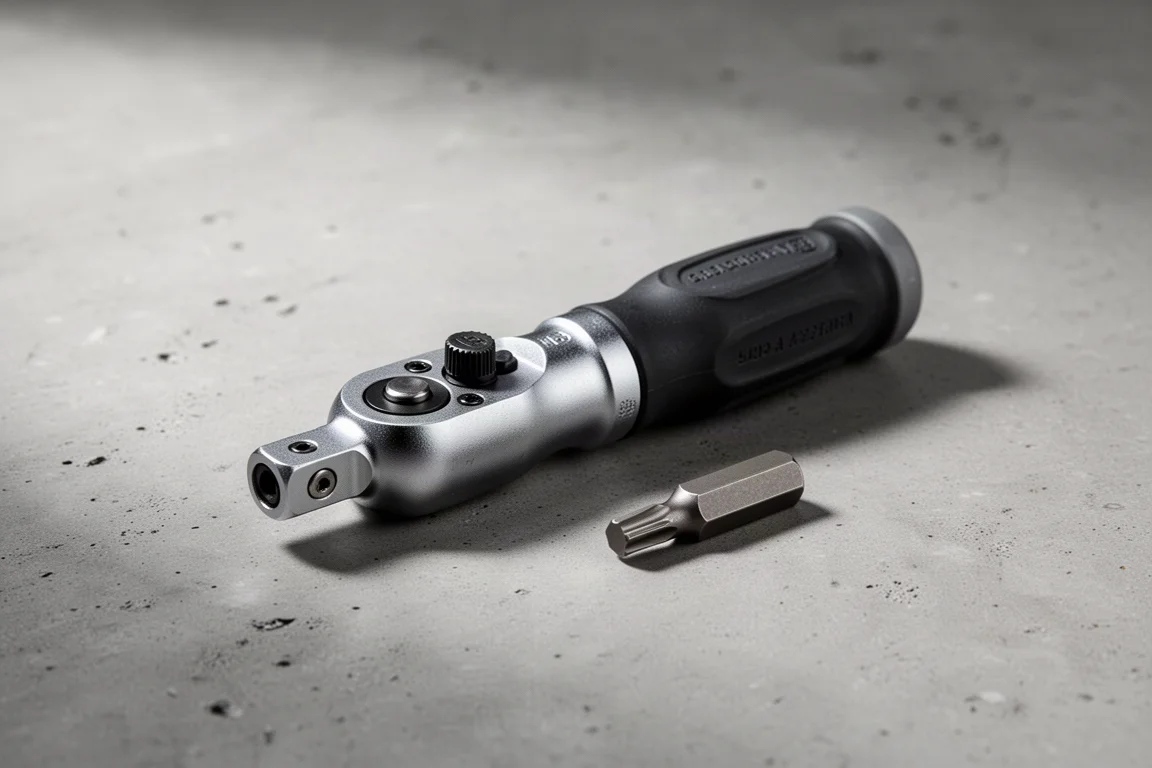
The smallest tool in the test at about 2-1/16 inches long, and the maker claims a patent on the design, though no patent number was visible. It has a selector switch for direction, a bit holder in the end, and smooth ratcheting action. It accepts standard bits without issue, and shallow access at about 1-1/8 inches is competitive given its size.
The same problem that affected the Wera applies here in a milder form: it is very stubby, and getting other fingers onto the body for leverage is difficult. It is likeable, and the tiny size makes it a genuine pocket tool, but as a primary driver most people will want a bit more length.
Buying Advice: Which Bit Ratchet Should You Buy?
Working through the eliminations: the Chapman and Husky fall to proprietary bit systems, the Sunex and Wiha to underwhelming or fragile cases, the Wera and Premier to being too small for real leverage, and the Lang to sheer bulk. That leaves the GearWrench as a solid but not top-tier option, since the dual-end design adds length you may not need.
The two standouts are the Icon locking flex-head set and the Titan flex-head ratchet. The Icon brings pass-through design, a locking flex head, dual bit ports, an extension bar that converts it into a T-handle, standard bit compatibility, and one of the best cases in the group. The Titan is simpler, with no thumb wheel, but the knurled body, smooth ratchet, and easy flex head make it a joy to use, and it costs less. The honest answer for many people is to keep both: the Icon as the primary kit that lives on the desk or in the bag, and the Titan as the quick-grab driver.
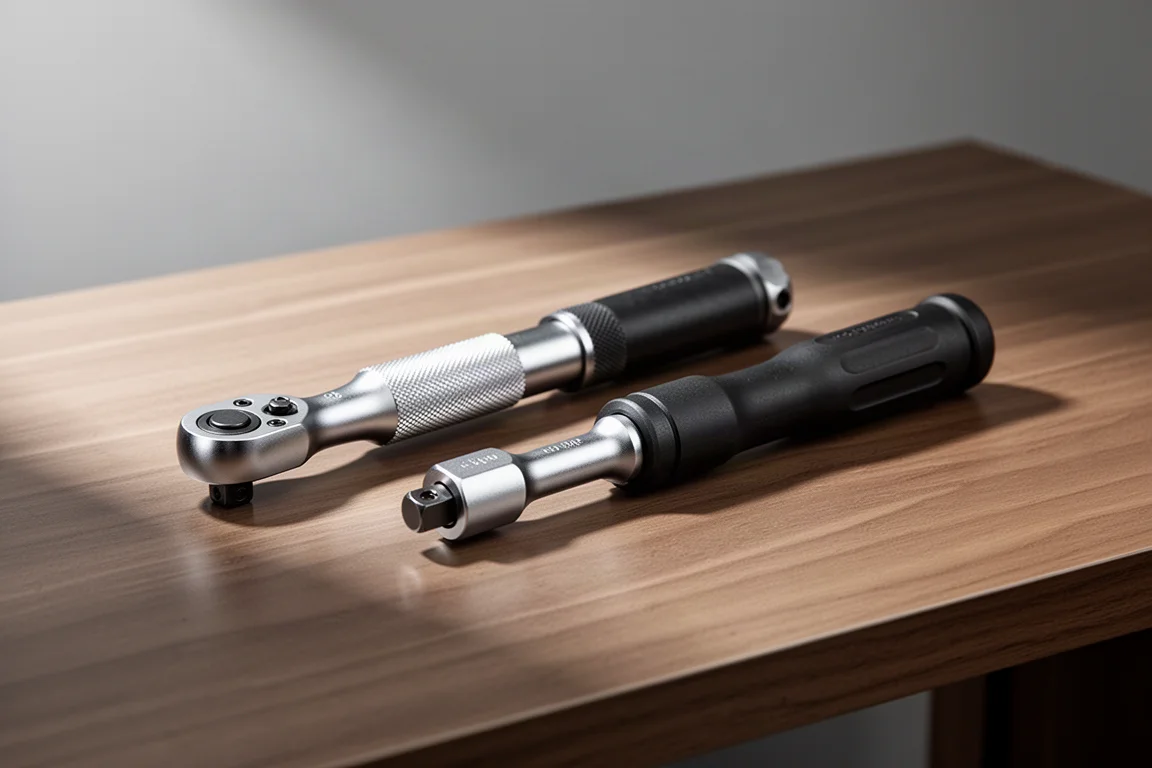
If budget forces a single choice, the Icon set delivers the most capability per dollar. If you already own a good bit collection and just want a compact driver to pair with it, the Titan is the leaner, cheaper pick.
Conclusion
Bit ratchets reward matching the tool to the task. Proprietary systems such as the Chapman and Husky limit flexibility, tiny drivers like the Wera and Premier trade leverage for pocketability, and case quality matters more than it seems once a kit gets dropped. For most buyers, the Icon locking flex-head set is the best overall package, with the Titan flex-head ratchet as an excellent compact companion. Either way, you now know exactly where each of these ten stands.
Further reading
Related Reviews
Hand Tools
Best Diagonal Cutters 2026: 16 Pliers Tested for Cutting Power and Durability
We put 16 diagonal cutters through nail, screw, drill bit, and hex key tests to find the best value picks for your toolbox.
Hand Tools
Best Hex L Key Sets 2026: Nine Sets Tested for Real-World Torque
Nine hex L key sets from budget to premium, tested for torque, fit, and durability. See which sets deliver real performance and which ones to skip.
Hand Tools
Best Locking Pliers 2026: Top Picks Tested for Grip and Durability
We tested 18 brands of 10-inch locking pliers for grip strength, jaw bite, build quality, and ease of release to find the best options for tough jobs.