Telescopes
Best Beginner Telescopes Around $300: Top Picks by Budget and Use Case
A practical guide to stargazing and smart telescopes in the $300 range, from tabletop Dobsonians for kids to compact astrophotography tools.
Introduction
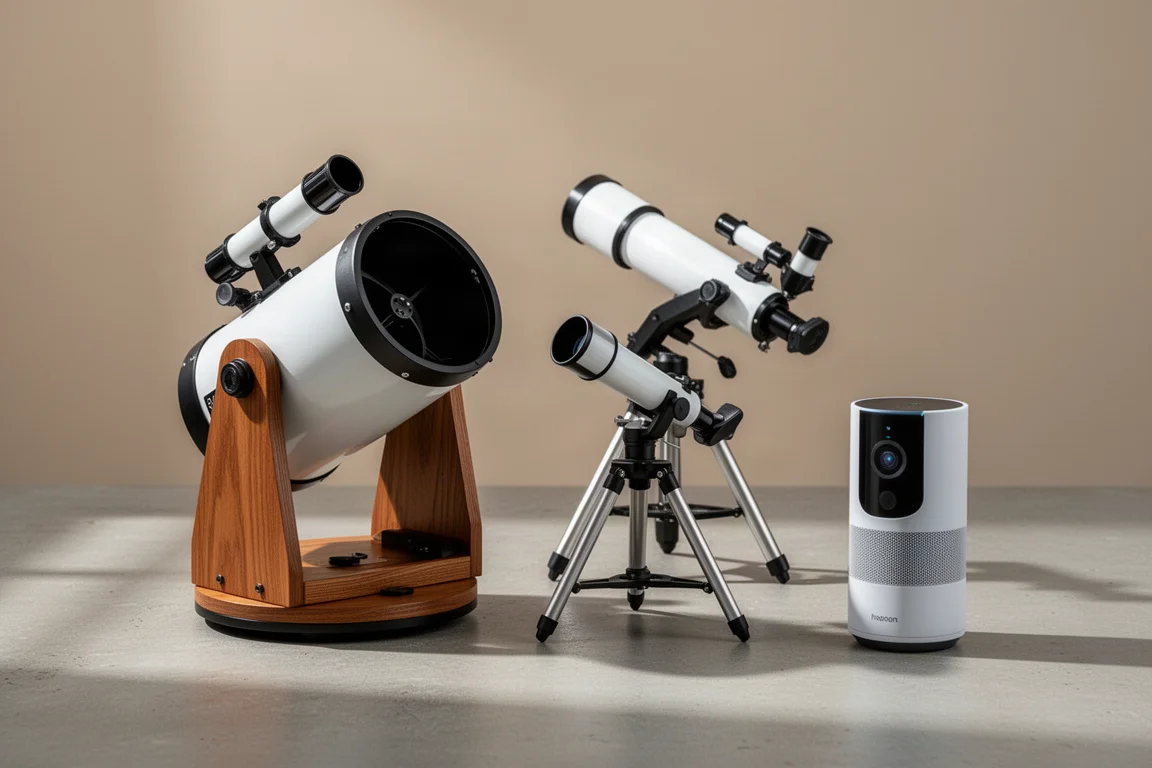
Finding a good beginner telescope in the $300 range is harder than it should be. Quality telescopes at decent prices are getting scarcer, and the market is full of products that look better in marketing photos than they perform at the eyepiece. This guide breaks down the best options by type of stargazer: kids, grab-and-go users, backyard observers, hands-on traditionalists, and anyone who wants a smart telescope for deep-sky imaging.
One quick warning before the picks: spotting scopes are sometimes marketed as astronomical telescopes. They usually have a 45-degree diagonal and mount directly to a camera tripod. They are designed for birdwatching and terrestrial viewing, not for space, and the moon-heavy marketing photos are misleading because the moon looks impressive through almost anything.
Best Tabletop Dobsonians for Kids
For kids between roughly 7 and 12, the main targets are the moon, Saturn, and maybe Jupiter with a parent’s help. Tabletop Dobsonians are by far the easiest type for children to use: they are small, light, and simple to point. The catch is the lack of a tripod, so adults may find the viewing posture awkward, while kids rarely mind climbing onto a table.
The classic budget favorite in this category, the 100mm Orion SkyScanner, disappeared when Orion folded, and similar alternatives have become hard to find. Celestron has picked up the tabletop line with the StarSense Explorer 114AZ, which uses a parabolic mirror. Be careful not to confuse it with the 114LT, which has lower-quality optics and a poor mount. The tabletop version is the one to get.
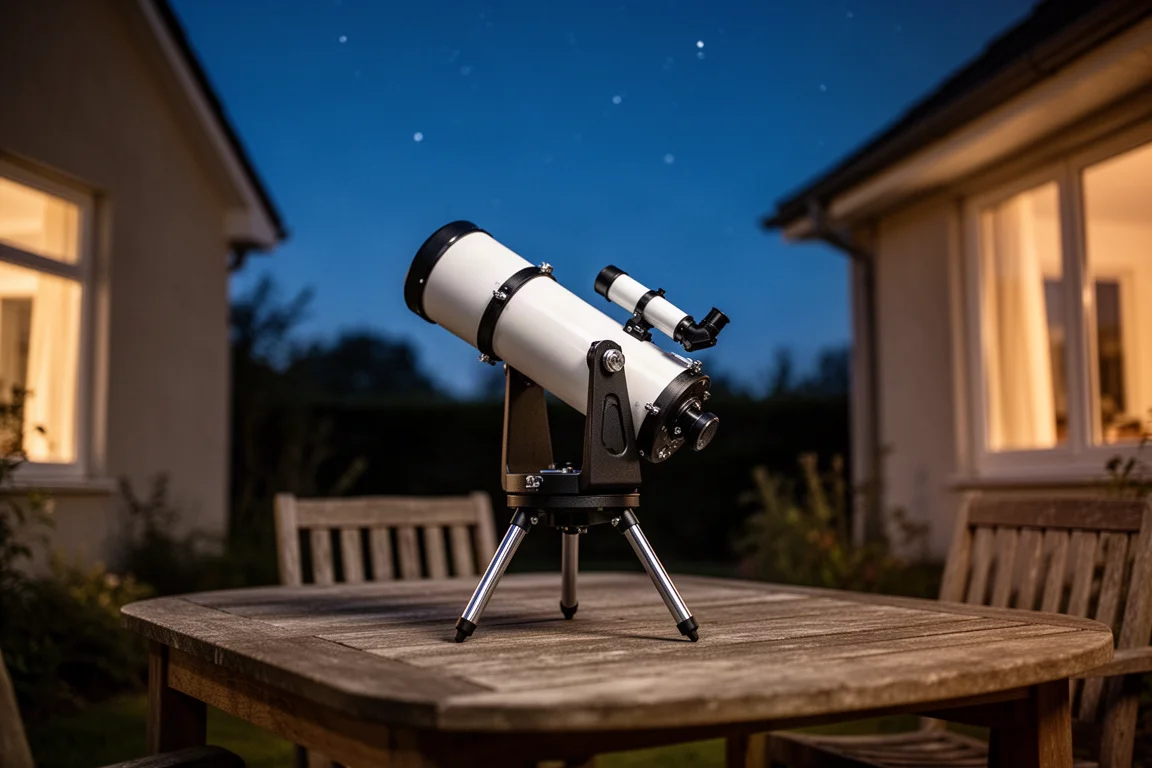
The most popular tabletop telescope in this range is the Sky-Watcher Heritage 130P, a well-regarded 130mm reflector that balances aperture, size, and price.
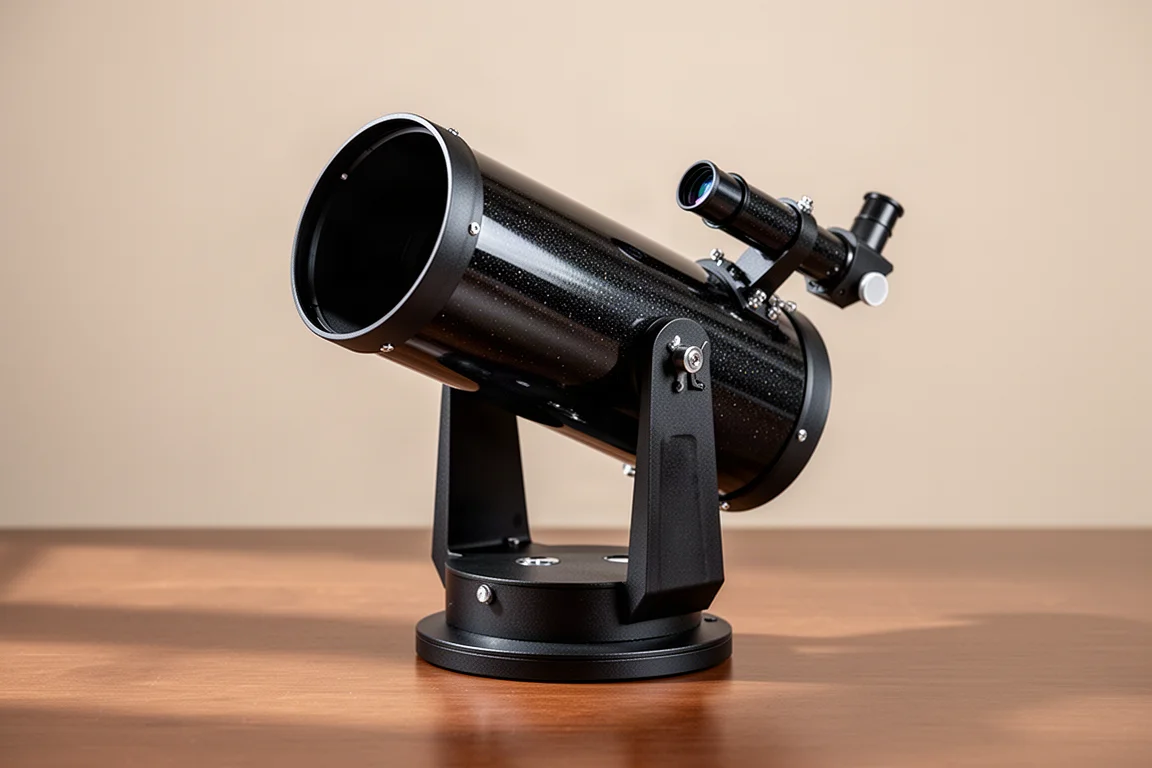
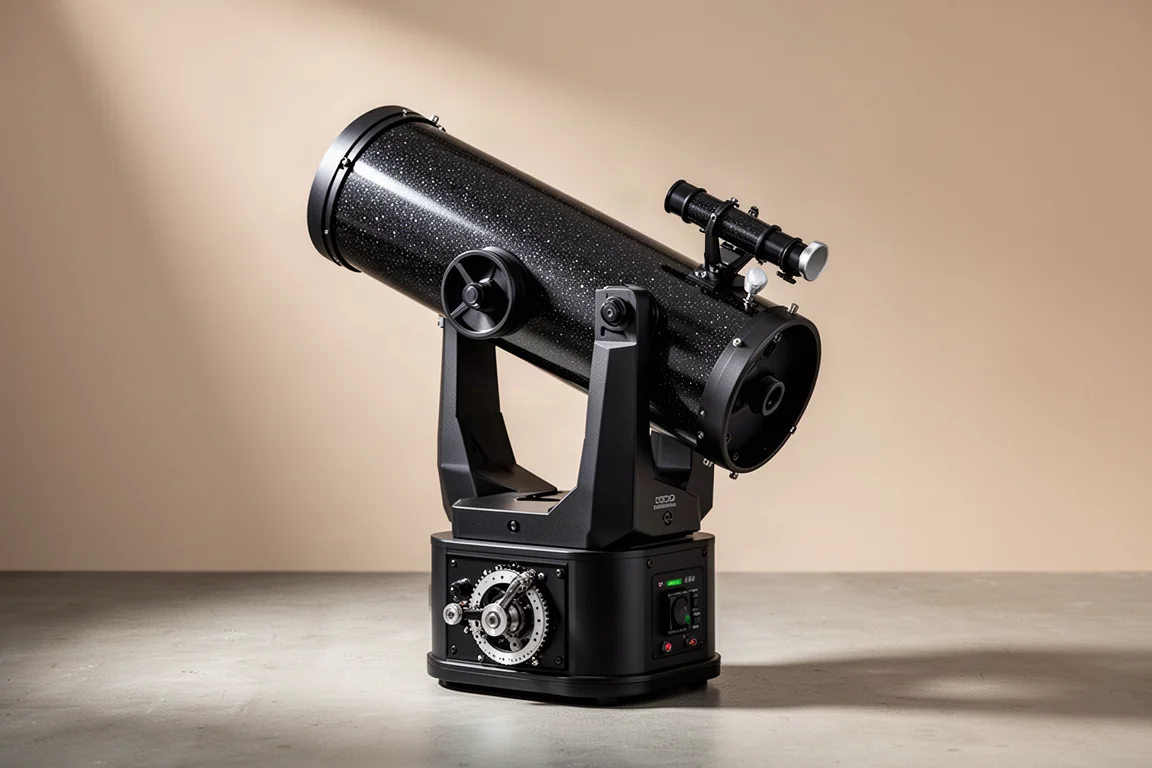
If you want the same optical tube with motorized convenience, the Virtuoso version adds go-to capability: you tell the telescope which target you want, and it drives there on its own.
For Celestron’s entry in this class, the StarSense Explorer 114AZ brings the same parabolic-mirror tabletop format with app-assisted aiming.
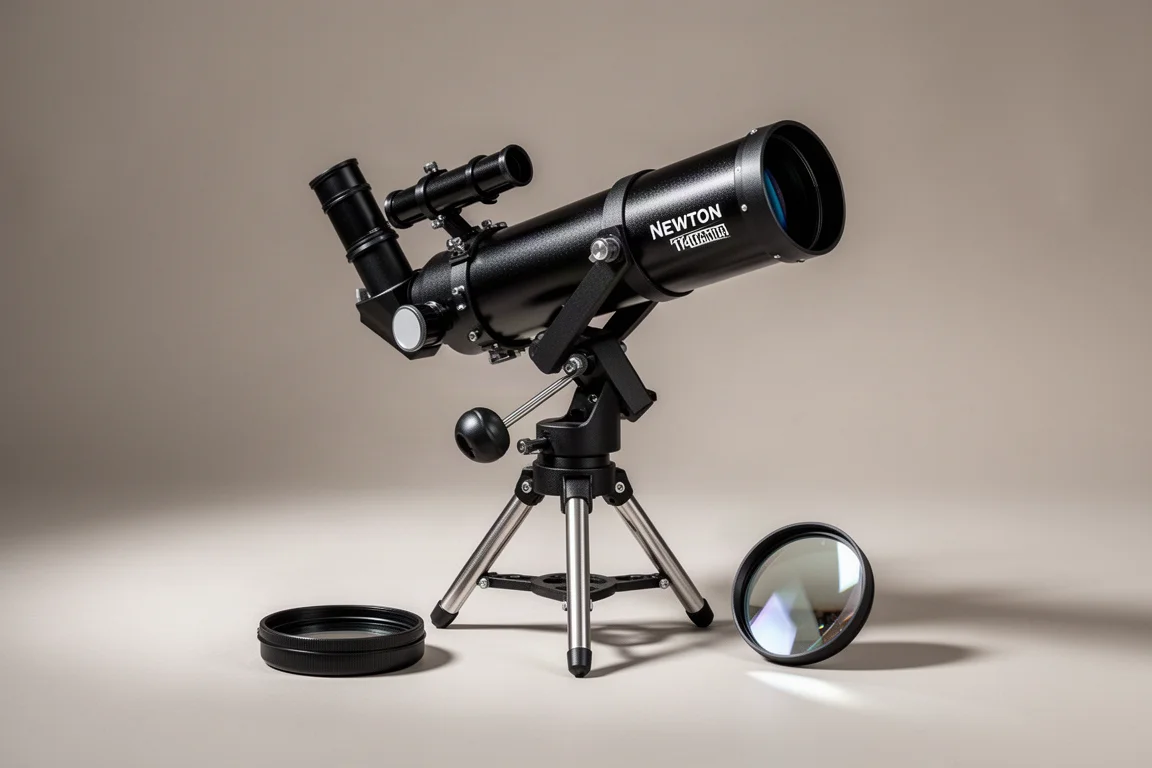
Grab-and-Go 102mm Refractors
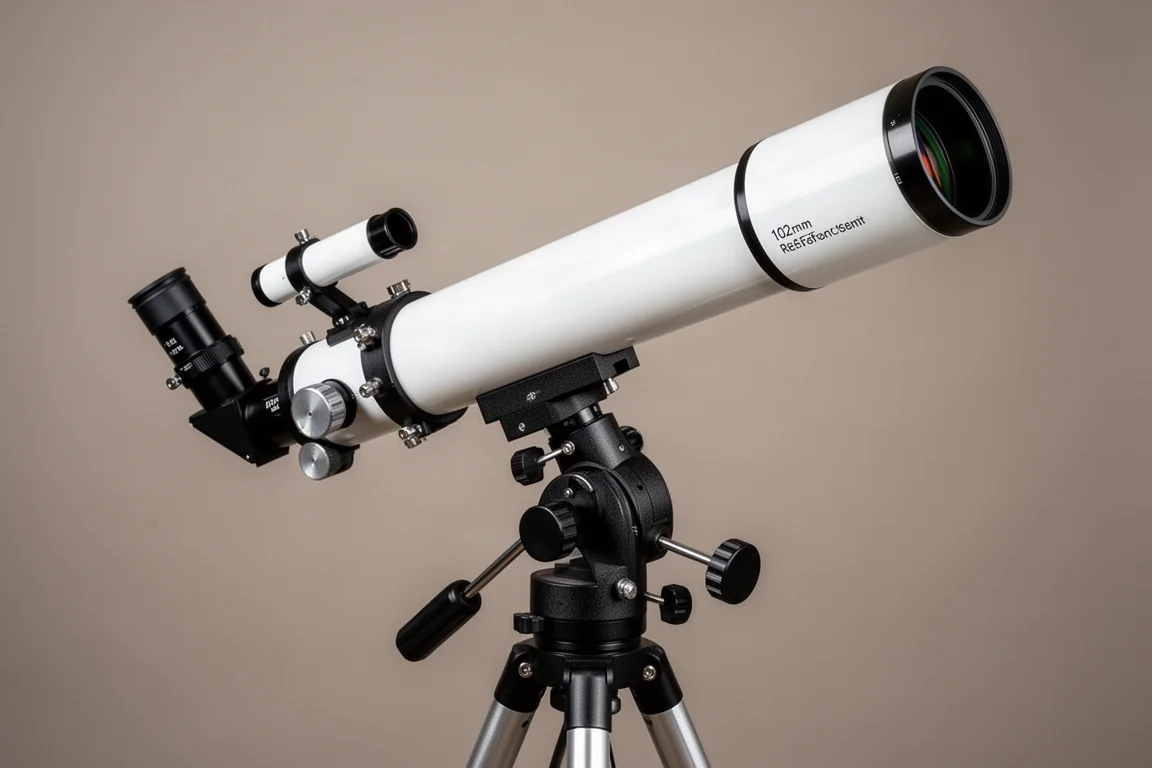
Tripod-mounted 102mm refractors are the best fit for teens and adults who want a lightweight telescope that sets up in minutes. Nearly every manufacturer makes one, and the optics tend to be broadly similar across brands. Avoid anything smaller: the 70mm class telescopes are simply too small and too flimsy.
Most of these scopes have a focal length around 660mm, which is short and fast. That brings some risk of chromatic aberration on bright targets, showing up as color fringing on Jupiter and a slight blue tinge around the full moon. In practice it is rarely a serious problem and tends to fade at higher magnifications.
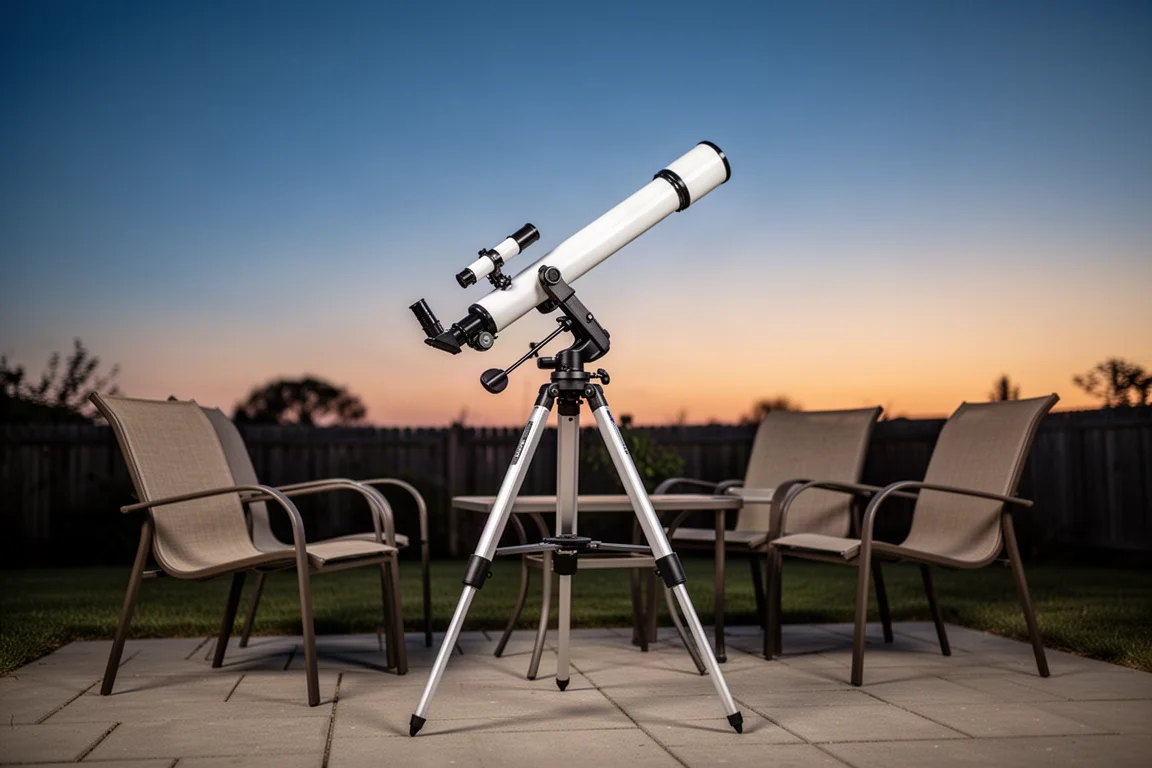
The Celestron StarSense 102DX is probably the strongest pick in this category. It can even be upgraded to 2-inch eyepieces with a 2-inch diagonal. Its big advantage is StarSense technology, which uses your phone’s camera to work out exactly where the telescope is pointed, then guides you to your target. The price has crept above $400 recently, but sales should bring it back into the $300 range.
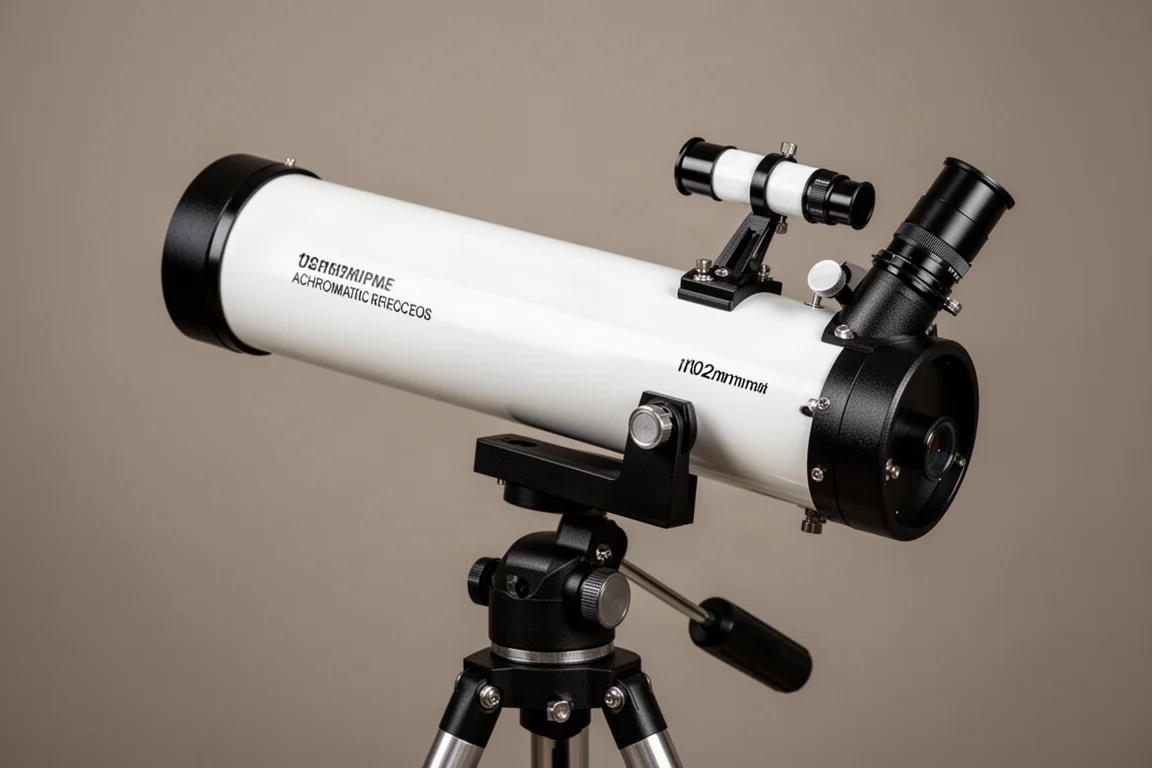
The StarTravel 102 is another solid option and can often be found refurbished for around $300. On a tighter budget, the Celestron Omni 102 and Nat Geo 102, sometimes seen in warehouse stores, offer nice slow-motion controls that make tracking objects easy. The Inspire 102 is essentially the same scope as the AstroMaster; it is fun to use, but the lack of slow-motion controls makes centering targets a bit annoying.
Best for the Backyard: Maximum Aperture per Dollar
If portability is not a priority and light gathering matters most, tabletop and full-size Dobsonians deliver the most aperture per dollar in this price range.
The Sky-Watcher Heritage 150 tabletop Dobsonian is currently the standout value, priced around $309 at major astronomy retailers. It gives you substantially more light gathering than the 130mm class without leaving the $300 bracket.
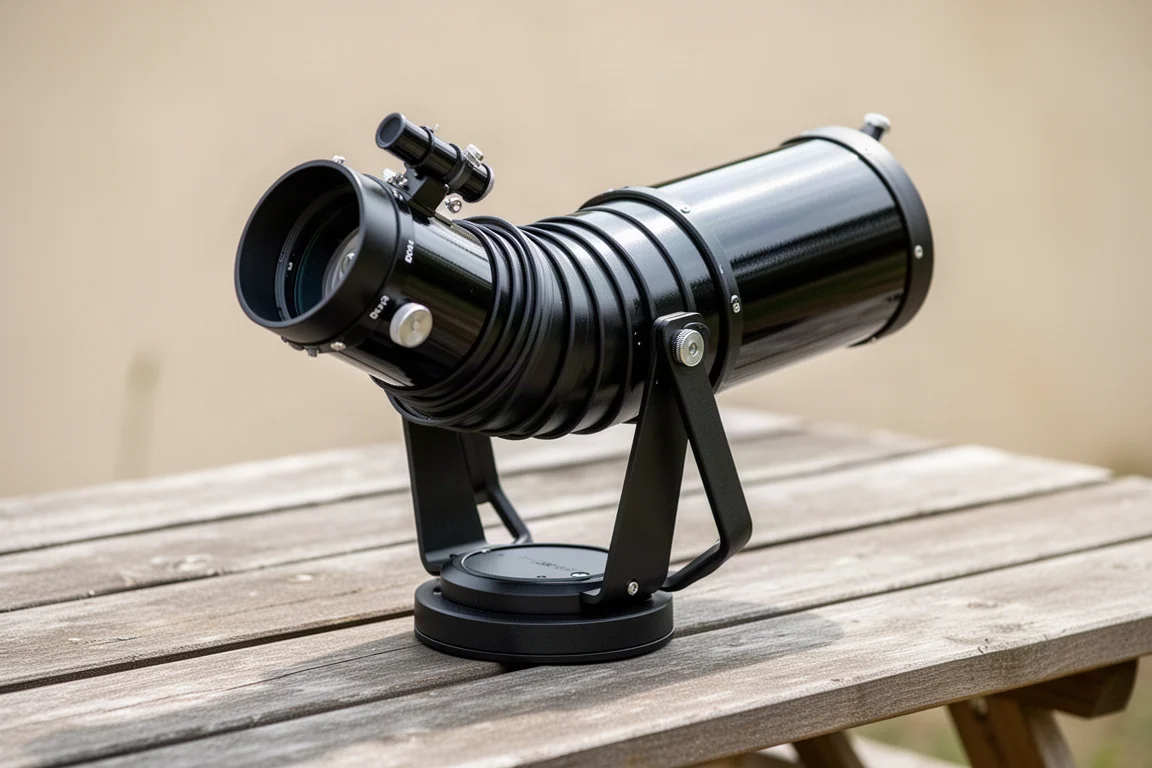
If you want push-to assistance, the Celestron StarSense 130AZ tabletop Dobsonian has dropped into the $300 range with applicable coupons. Your phone connects to the telescope and tells you where to push it to reach the target you want.
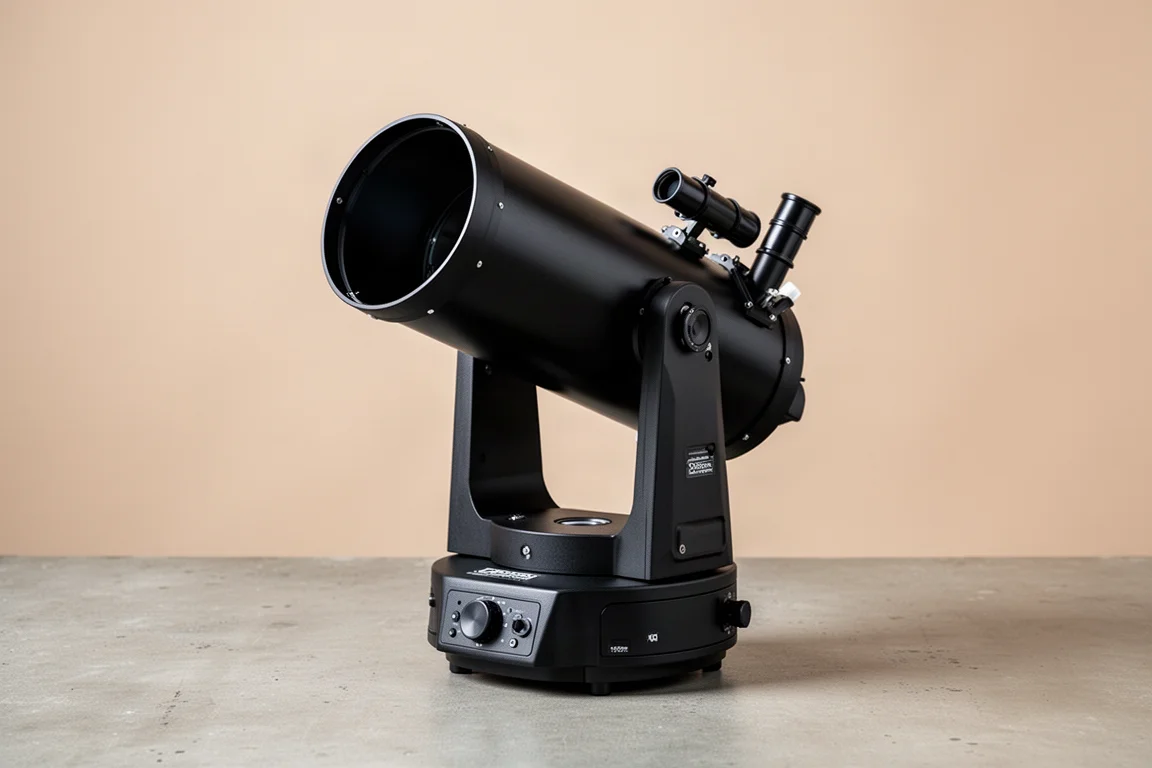
For a classic full-size experience, the Sky-Watcher Classic 6-inch Dobsonian has been spotted on sale just over $400, and holiday sales or refurbished units may bring it into the $300 range. Its larger aperture rewards patient observers.
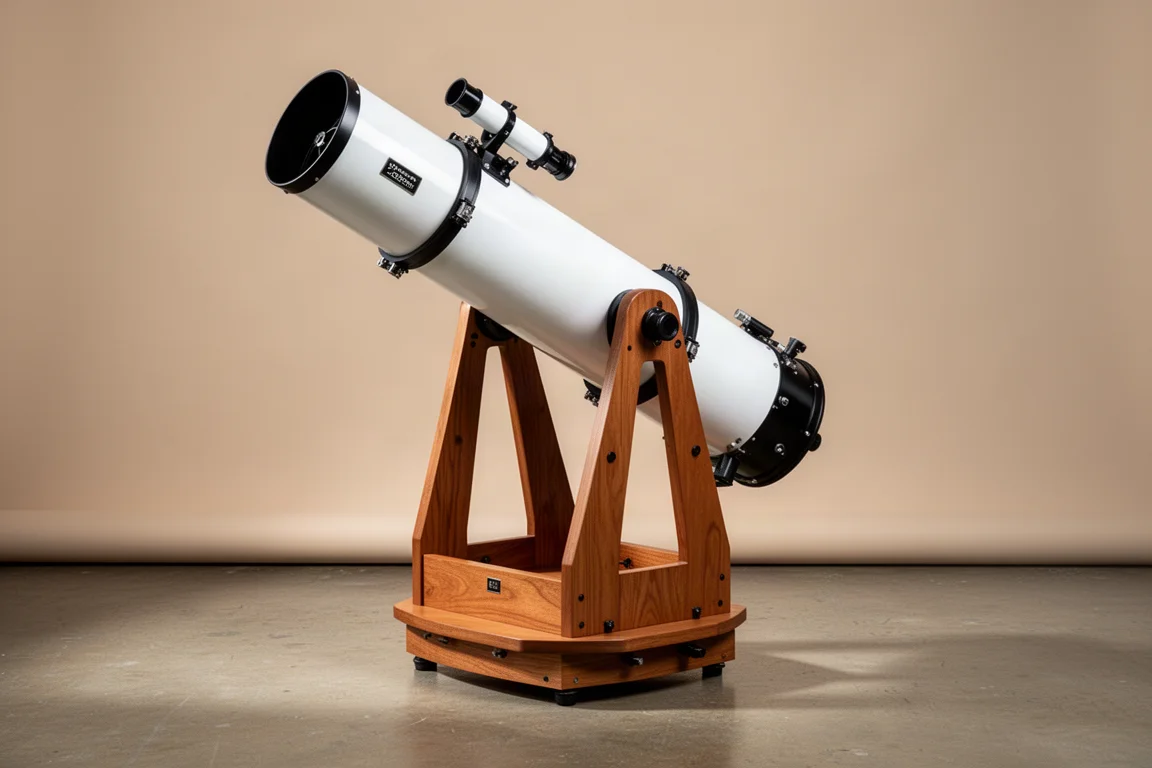
The computerized Virtuoso 150P, the motorized version of the Heritage 150, sits about $150 above its manual sibling and adds automatic go-to targeting.
For Hands-On Traditionalists
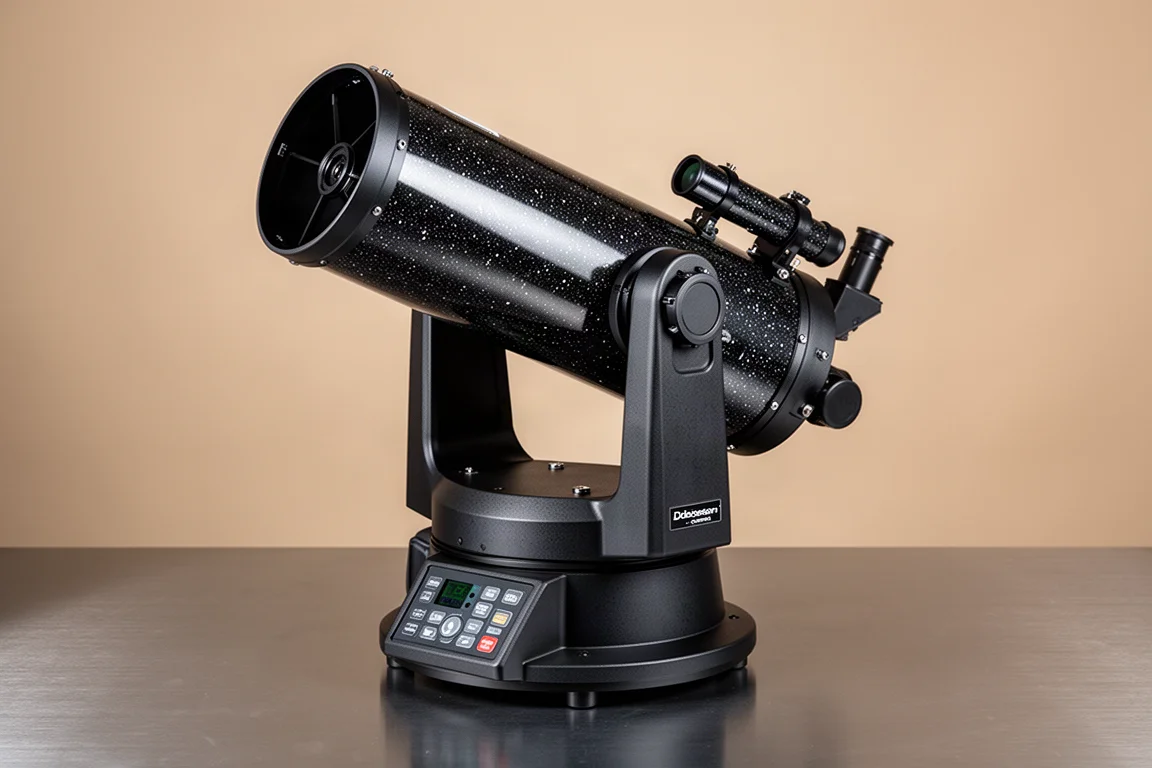
Some observers simply enjoy the challenge. They do not mind extra setup work, and they dislike the color halos that short fast refractors produce on bright planets. For this hands-on type, there is one clear option in this price range: the Explore FirstLight 102, a 102mm aperture, 1000mm focal length refractor paired with the EQ Nano mount, seen for $279 with an additional 10% off.
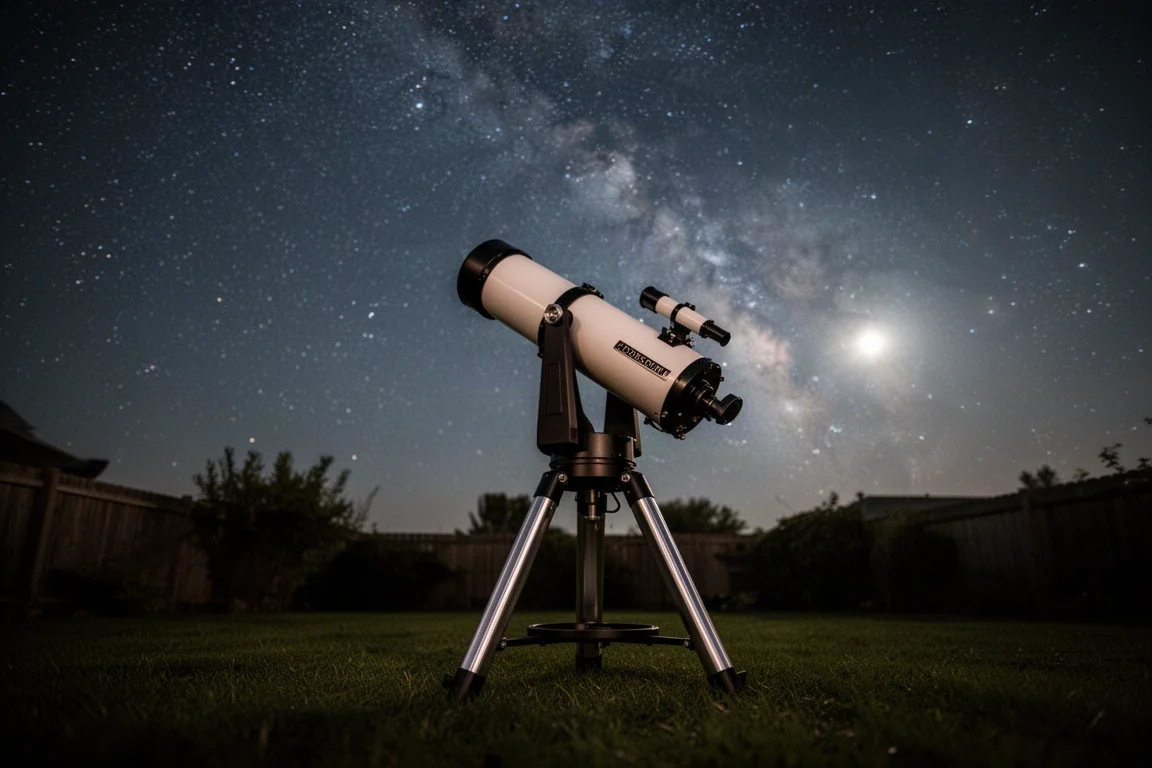
The optics on this long-focal-length refractor are genuinely good, and the higher focal ratio avoids the fringing issues of shorter scopes. The trade-off is the manual equatorial mount, which is a lot to unpack for a beginner and is not fun for everyone. If you are technical and patient, though, it can be a rewarding package.
Smart Telescopes for Astrophotography
If you want decent images of deep-sky objects like galaxies and nebulae, a smart telescope is realistically your only option at this budget. For the 2025 holiday season there are two candidates.
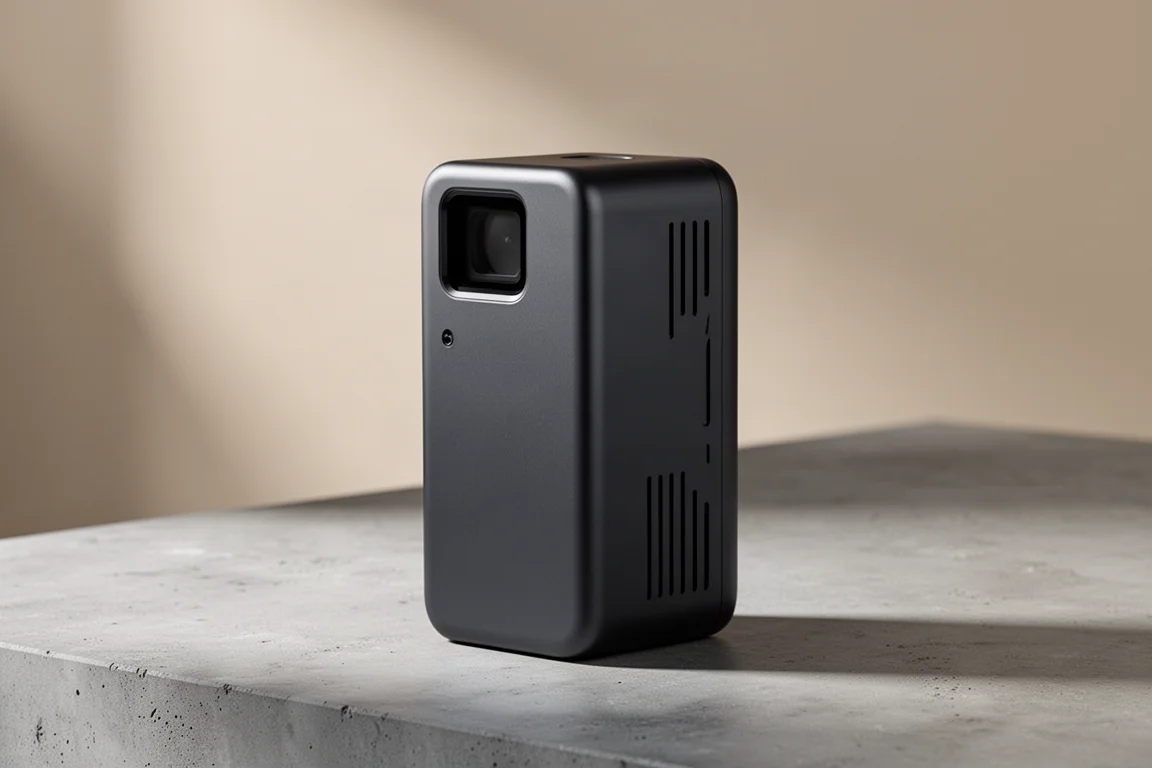
The ZWO Seestar S30 debuted at $349 and later moved up to $399, though holiday sales may bring the lower price back. It has proven trivially easy to use, easy to carry anywhere, and genuinely fun to operate.
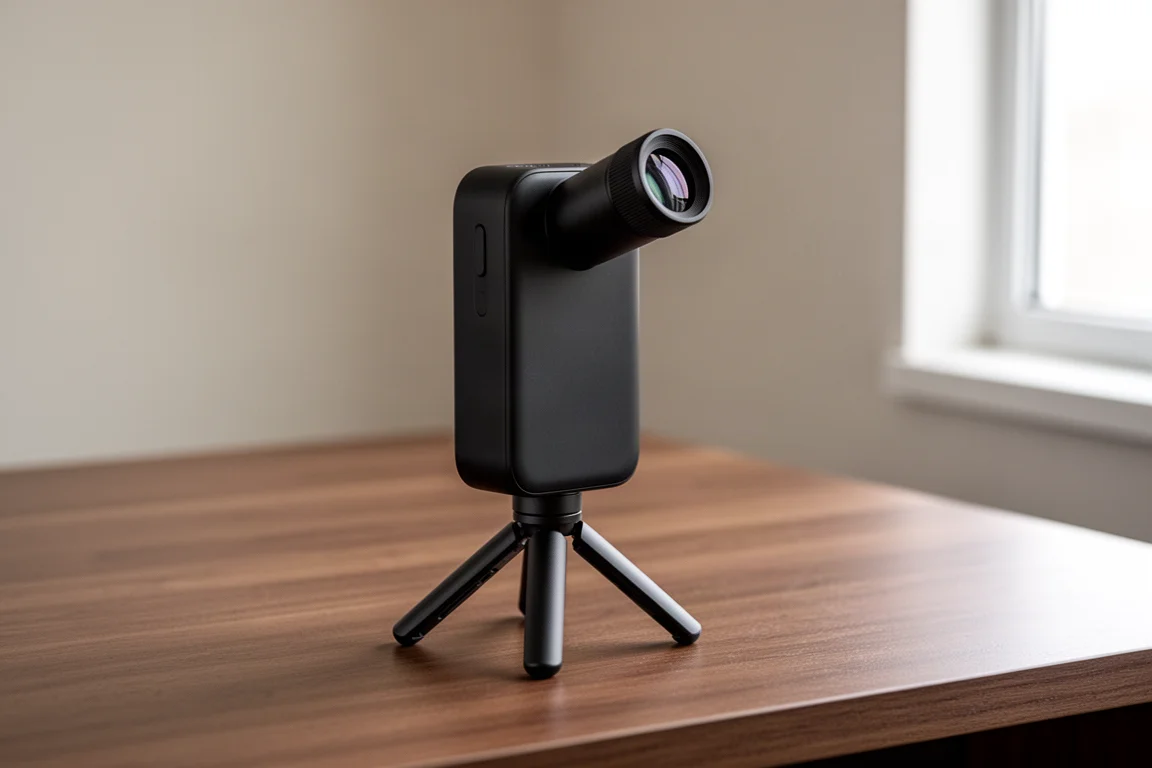
The Dwarf Lab Mini is a brand-new entry priced at $399, with an additional 10% pre-order discount and shipping expected in December. Early testing suggests it is a serious competitor in the compact smart telescope space.
Accessories Worth Gifting
If you or the person you are shopping for already owns a telescope, a few well-chosen accessories make excellent gifts.
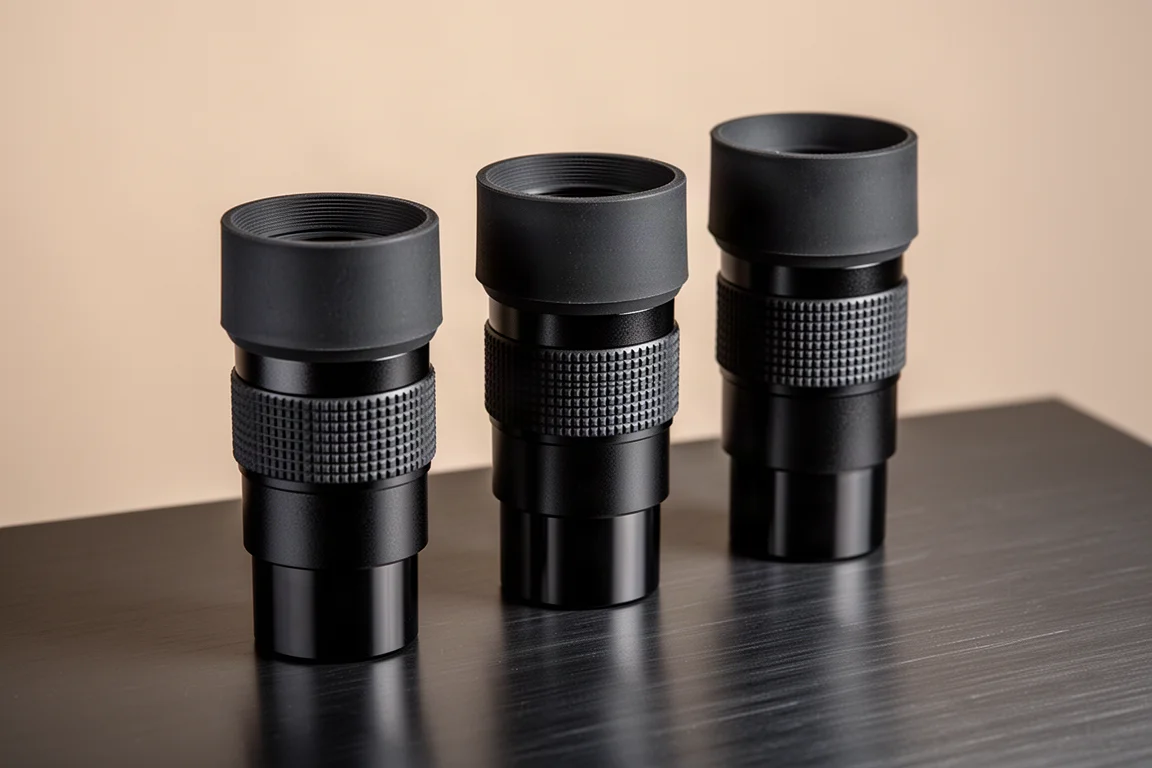
An eyepiece upgrade is the most impactful. Zoom eyepieces are great for zooming in on the moon and planets, and both the Celestron and SVBONY versions work well. For fixed-focal-length upgrades, the Baader Hyperion line stands out: choose the 24mm for deep-sky viewing, the 5mm for better planetary views in a refractor or Newtonian, and the 10mm for planets in an SCT.
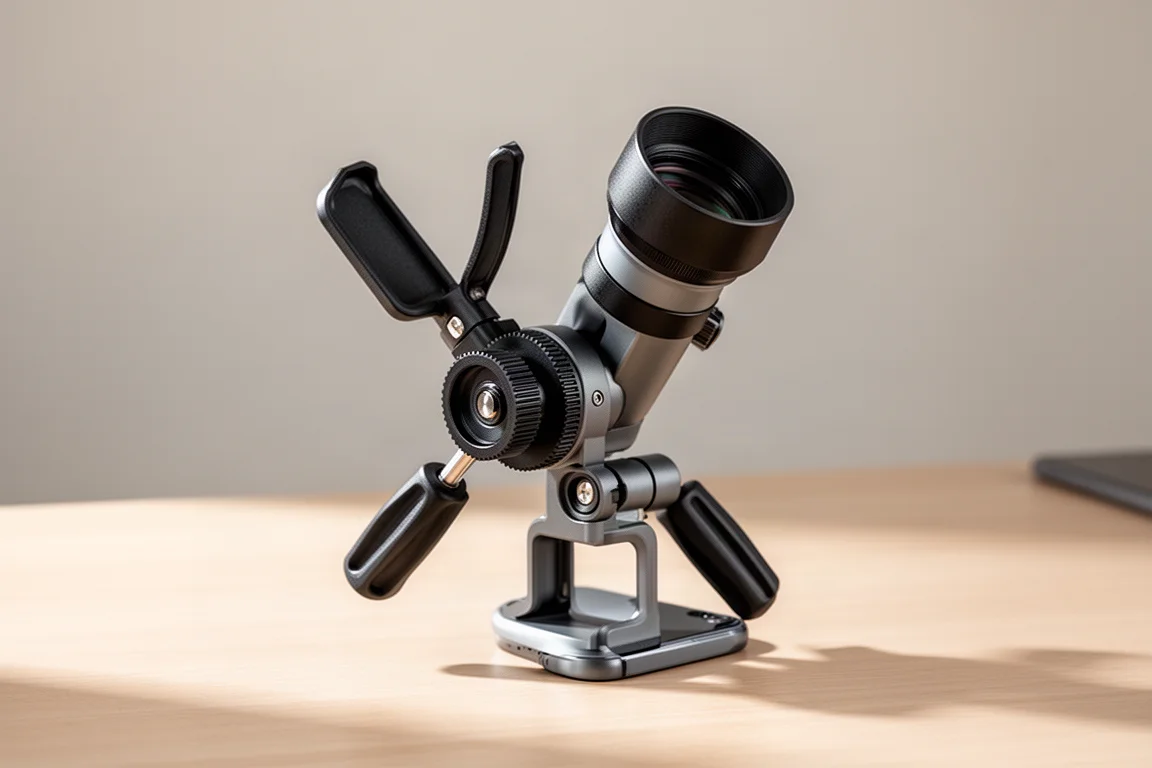
For epic live streams of the moon, the Celestron NexYZ is the best cell phone adapter available, making it easy to attach a smartphone to the eyepiece.
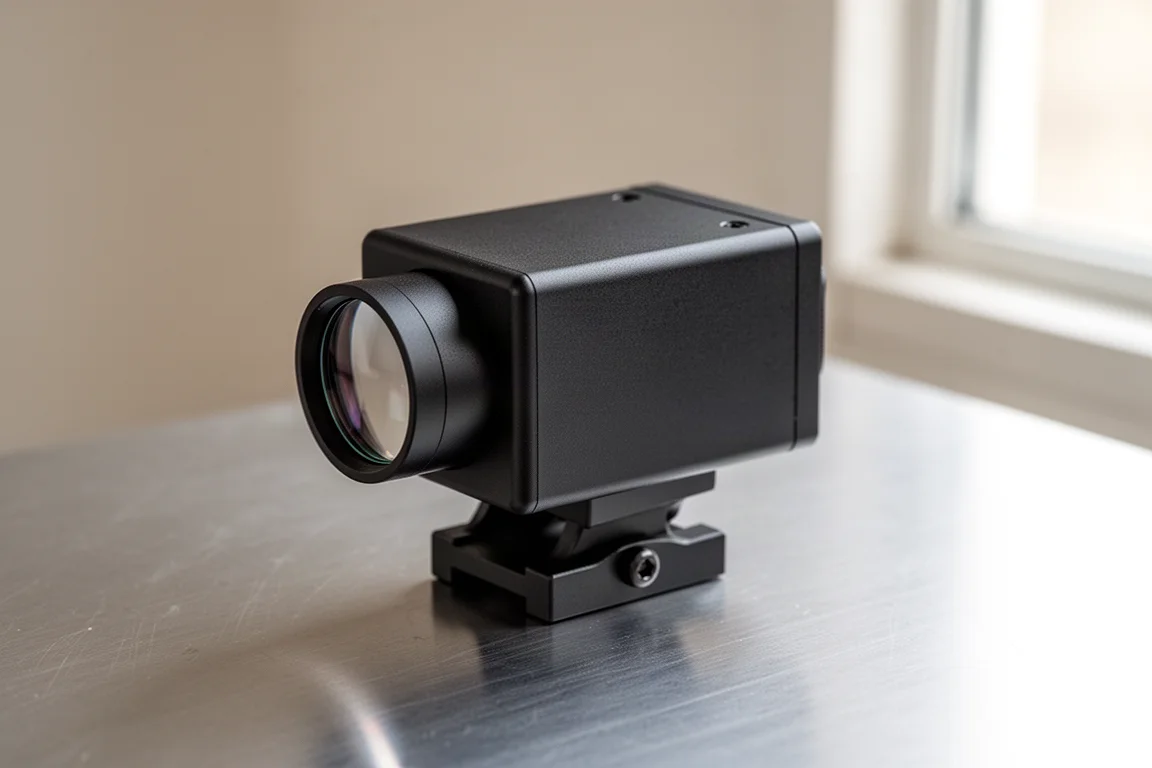
Upgrading the finder to a bull’s-eye style finder also makes locating objects much easier. The Rigel QuickFinder and similar generic versions both do the job well.
Conclusion
There is no single best beginner telescope at this price, because the right choice depends on who is using it. Tabletop Dobsonians like the Heritage 130P and Heritage 150 are the easiest win for kids and value-focused backyard observers. Grab-and-go 102mm refractors suit anyone who wants simplicity, with the StarSense 102DX adding helpful app guidance. The Explore FirstLight 102 rewards hands-on traditionalists, and smart telescopes like the Seestar S30 and Dwarf Lab Mini open the door to deep-sky astrophotography. Match the telescope to the person, watch for holiday sales, and the $300 range can deliver a genuinely satisfying start to stargazing.
Further reading
Related Reviews

Telescopes
Sightron SJ75 UF and Sky-Watcher HS125: Two Telescopes Worth Watching
A look at two notable telescopes from a recent camera and optics expo: a sharp new astrograph from Sightron Japan and a compact fast reflector from Sky-Watcher.

Telescopes
SV503 102ED Review: A Budget 102mm Refractor That Surprises
The SV503 102ED is an affordable 102mm doublet refractor that delivers surprisingly decent star shapes and a smooth focuser, despite some chromatic aberration and light falloff.

Telescopes
SVBony MK127 Review: A Compact Maksutov-Cassegrain That Surprises
The SVBony MK127 is a 127mm Maksutov-Cassegrain telescope with a unique 0.65x reducer, making it a versatile option for visual astronomy and even some deep-sky imaging.