Telescopes
How to Choose Your First Telescope in 2026: 13 Options Worth Considering
Smart telescopes, small refractors, tabletop Dobsonians, compact Maksutovs and classic light buckets: a practical guide to picking the right first or second telescope.
Introduction
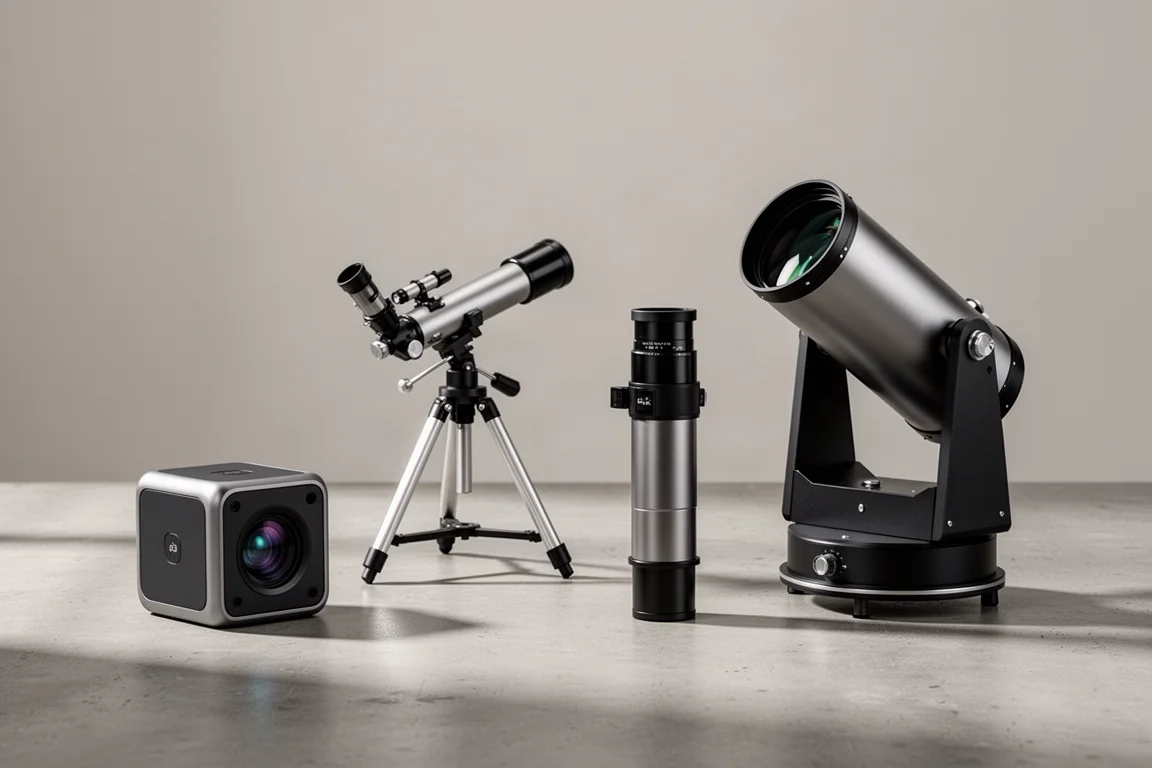
Choosing a first telescope has changed more in the past few years than in the decade before. Smart telescopes have arrived at genuinely accessible prices, and shifts in the telescope industry mean that what used to be the standard beginner advice no longer always holds up. Some once-affordable options have vanished or climbed in price, so the smart move today is to match what you actually want to observe to a short list of telescopes that are still worth buying.
This guide walks through a dozen or so options that make sense if you are buying your first or second telescope, along with the red flags that can save you from a frustrating purchase.
Astrophotography or Stargazing?
Before looking at any telescope, decide what you actually want to do. Many people who think they want stargazing are really drawn to astrophotography, which is a different hobby with different requirements. Astrophotography used to be far more expensive to get into, but that is no longer the case. If imaging the night sky appeals to you and your budget is limited, a smart telescope is the natural starting point.
Smart Telescopes on a Budget
Two smart telescopes stand out under $500 for newcomers who want quality images without a steep learning curve.
Seestar S30
The Seestar S30 is one of the most approachable smart telescopes available under $500. It handles the pointing, tracking and imaging automatically, which makes it a practical entry point into astrophotography for anyone who would rather skip the traditional setup process.
Dwarf Labs Dwarf Mini
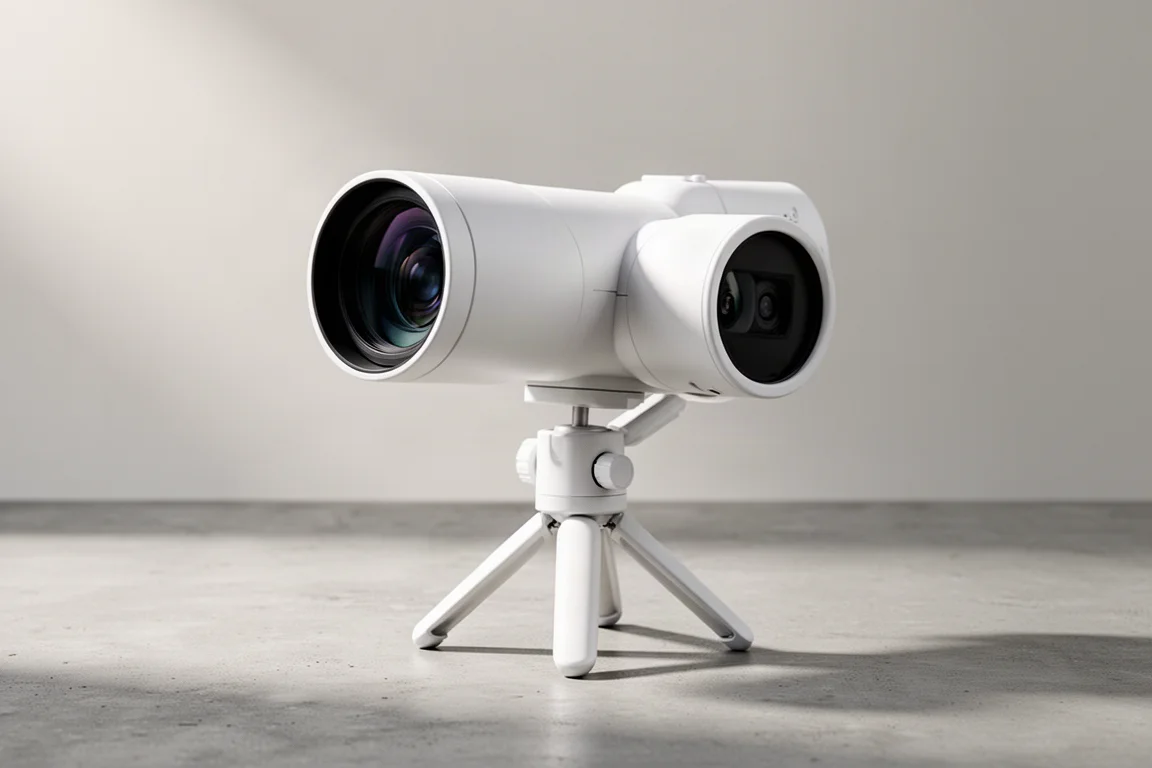
The Dwarf Mini from Dwarf Labs is the other notable smart telescope option in this price bracket. Like the Seestar, it takes care of the imaging workflow for you and suits beginners who want results without manually aligning and tracking targets.
Avoiding the Red Flags
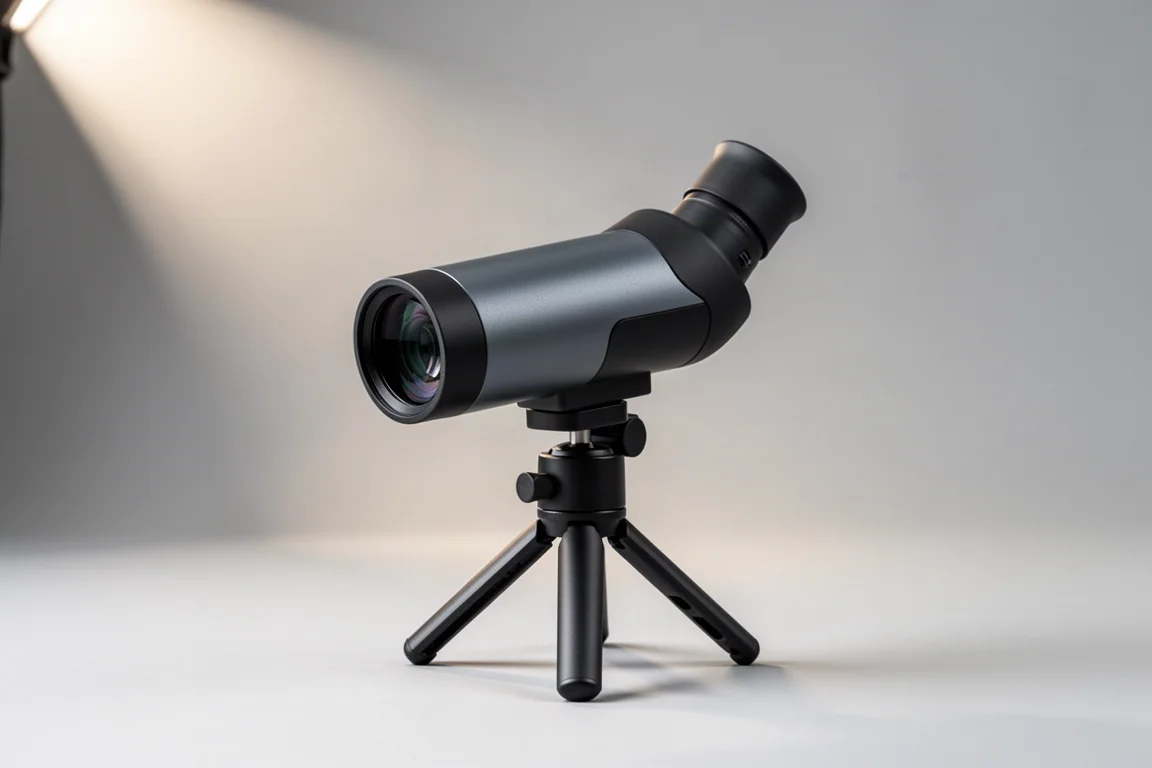
If you simply want to see cool things in the night sky with as little stress as possible, traditional telescopes are still the answer, but the market is full of products pretending to be astronomical telescopes when they are really spyglasses or spotting scopes. A few warning signs tell you what to avoid.
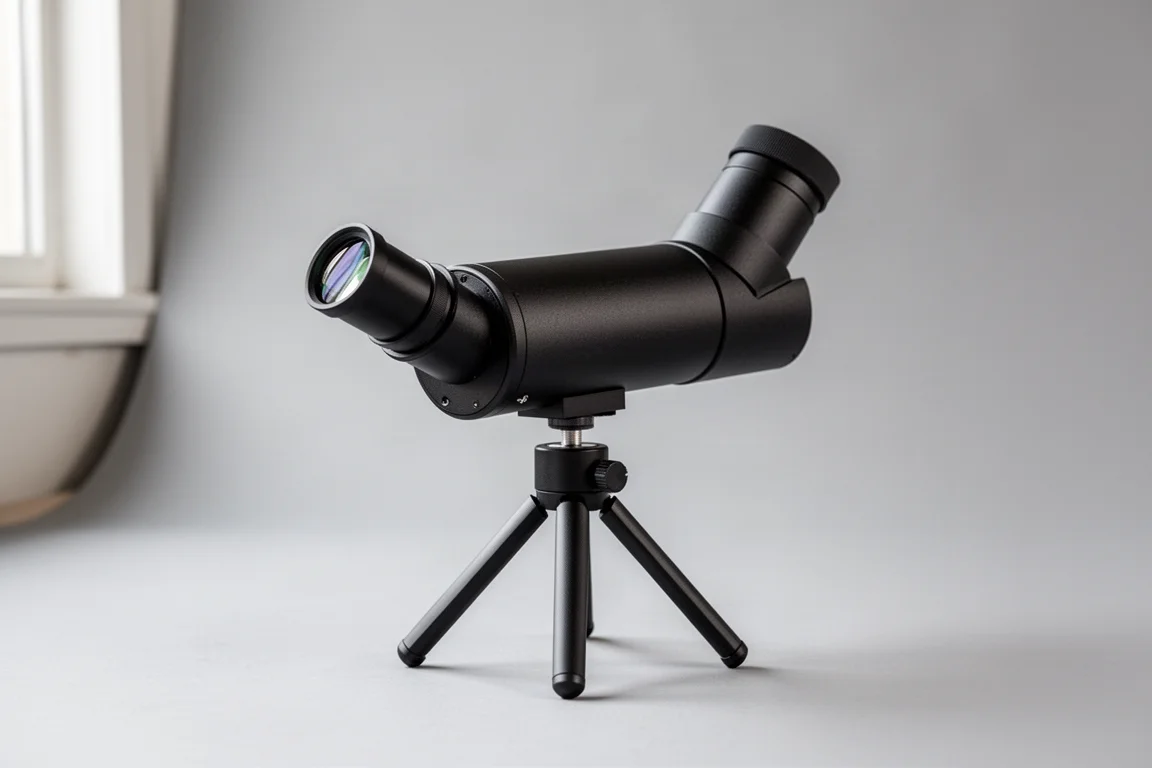
The biggest red flag is the tripod. If a telescope connects directly to the tripod with no mount in between, it was not designed for observing space. Next, check the diagonal: a 45-degree diagonal suggests a spotting scope, not an astronomy instrument. Tiny finders are another problem, since finding anything in the sky depends on a usable finder.
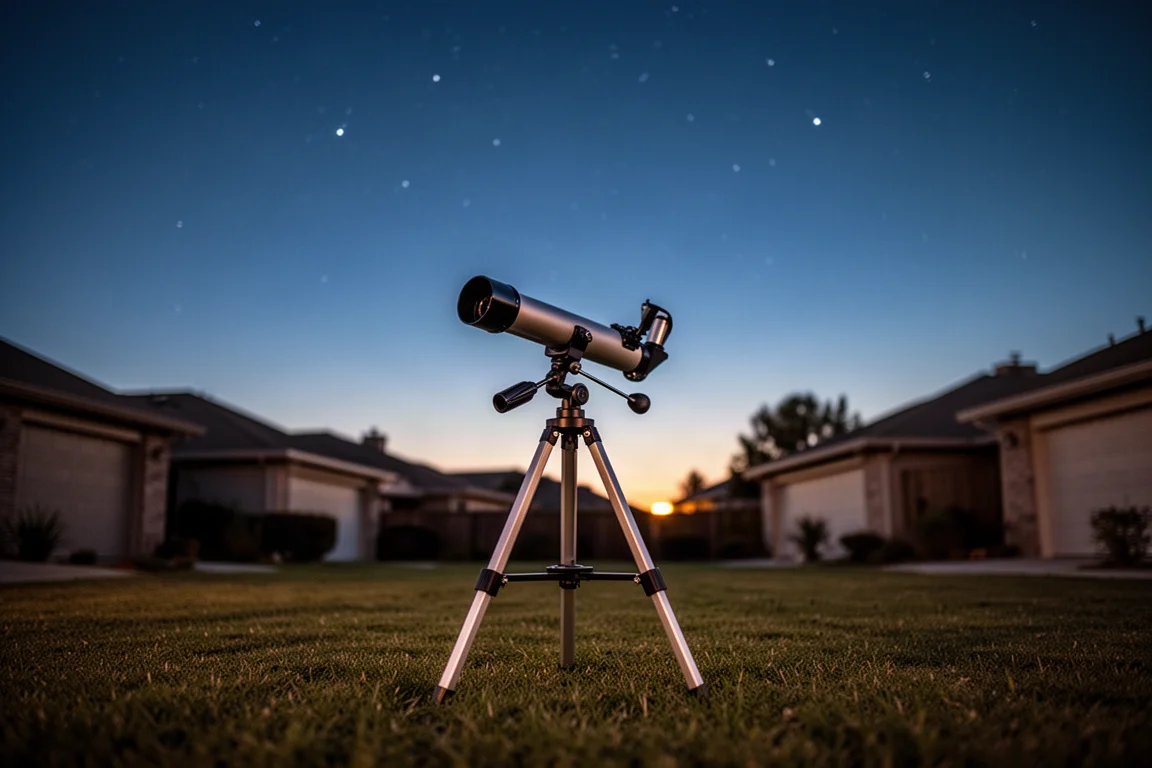
Decorative equatorial mounts are also worth avoiding. Mounts bundled with many entry-level scopes tend to slip, need constant maintenance, and rarely stay polar aligned, which makes tracking objects frustrating. Rod-and-yoke mounts are similarly rickety and rarely fun to use. Once you filter out everything with these flaws, only a handful of telescopes at each price point remain, which actually simplifies the decision.
One more tip: telescopes do not really age, so the used market is worth considering. Know exactly which model you want before searching so you are not distracted by junk scopes sold by owners who never got them working.
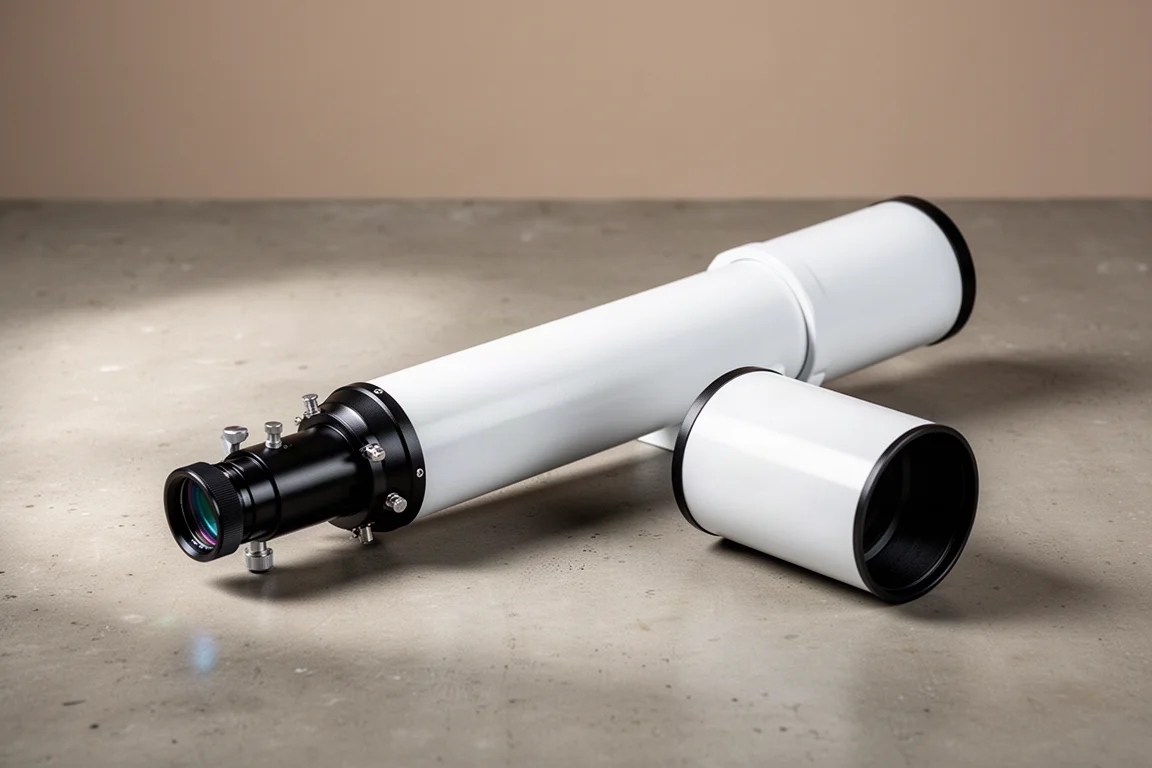
Small Refractors: The 102mm Sweet Spot
Aperture matters. The eyepiece and focal length set the magnification, but aperture determines how much of that magnification is actually useful, because aperture sets the telescope’s resolution. This is why 102mm refractors have long been a recommended minimum for entry-level scopes: they provide superior views to almost every other beginner telescope. There is some chromatic aberration around bright objects like the moon and planets, though pairing the scope with a high-quality eyepiece helps reduce it.
Celestron Omni 102
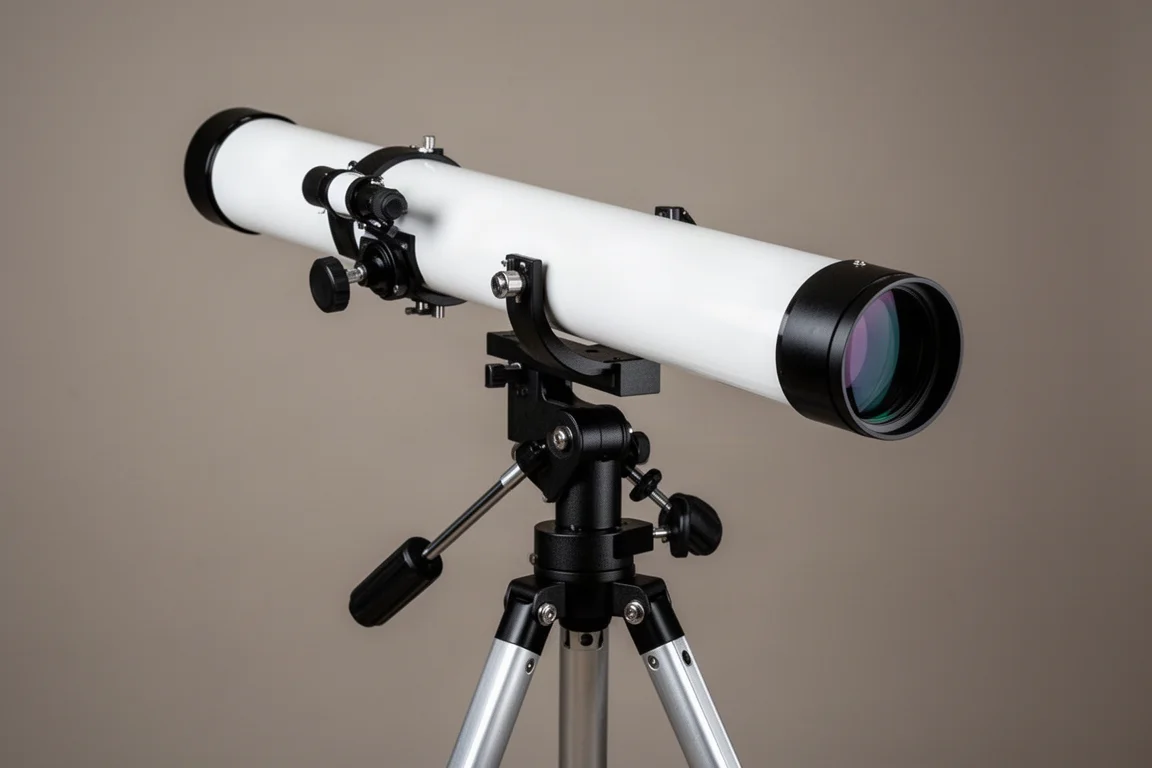
The Celestron Omni 102 in its 1,000mm focal length version has still been seen on the market. The longer focal length helps reduce chromatic aberration, though note that the Omni ships on an equatorial mount, which may feel like a lot for a beginner to manage.
Explore Scientific FirstLight 102
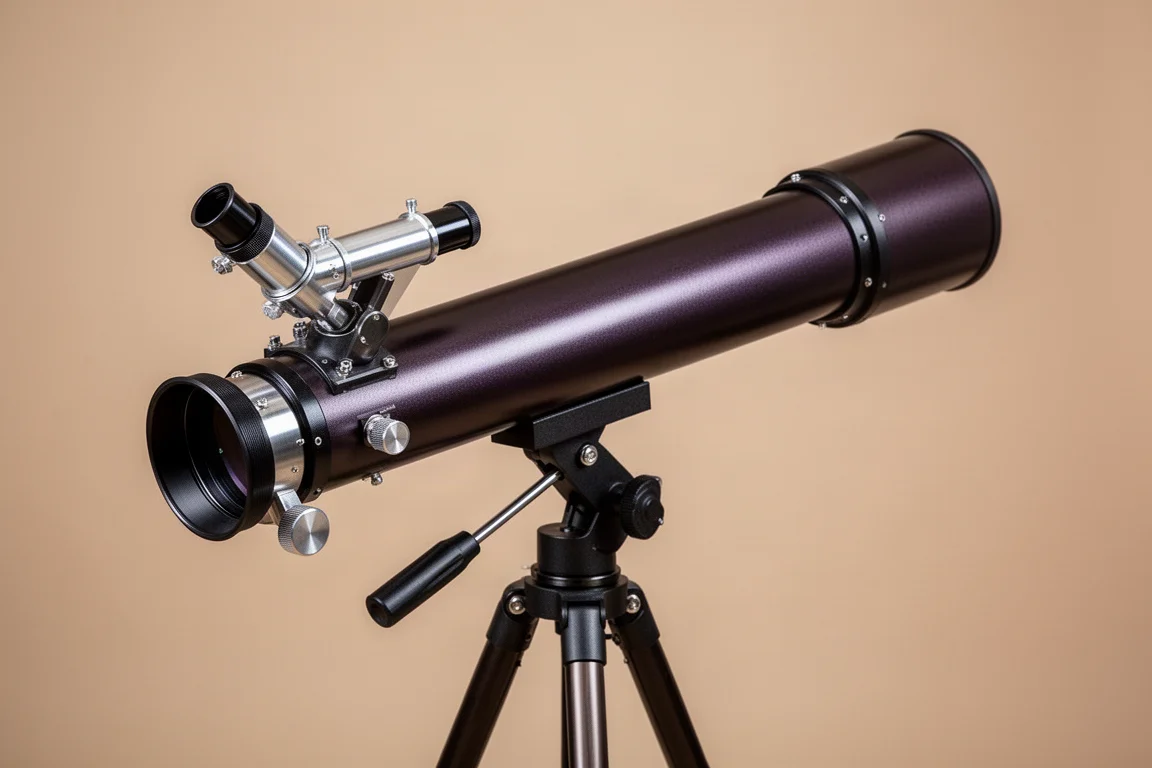
The Explore Scientific FirstLight 102 is the other example of the 1,000mm focal length refractor line. Like all 102mm refractors, it delivers views that outperform most other beginner telescopes, but recent availability issues and price increases have made this category harder to buy into than it used to be.
Small Newtonians and Tabletop Dobsonians
Small Newtonians need one extra warning: avoid the Bird-Jones design. These are typically 114mm or 127mm Newtonians that use lower-quality optics and try to reach high magnification by inserting an extra lens in the focusing assembly. Star clusters that are easy in a 102mm refractor can be completely invisible in a 114mm Bird-Jones scope.
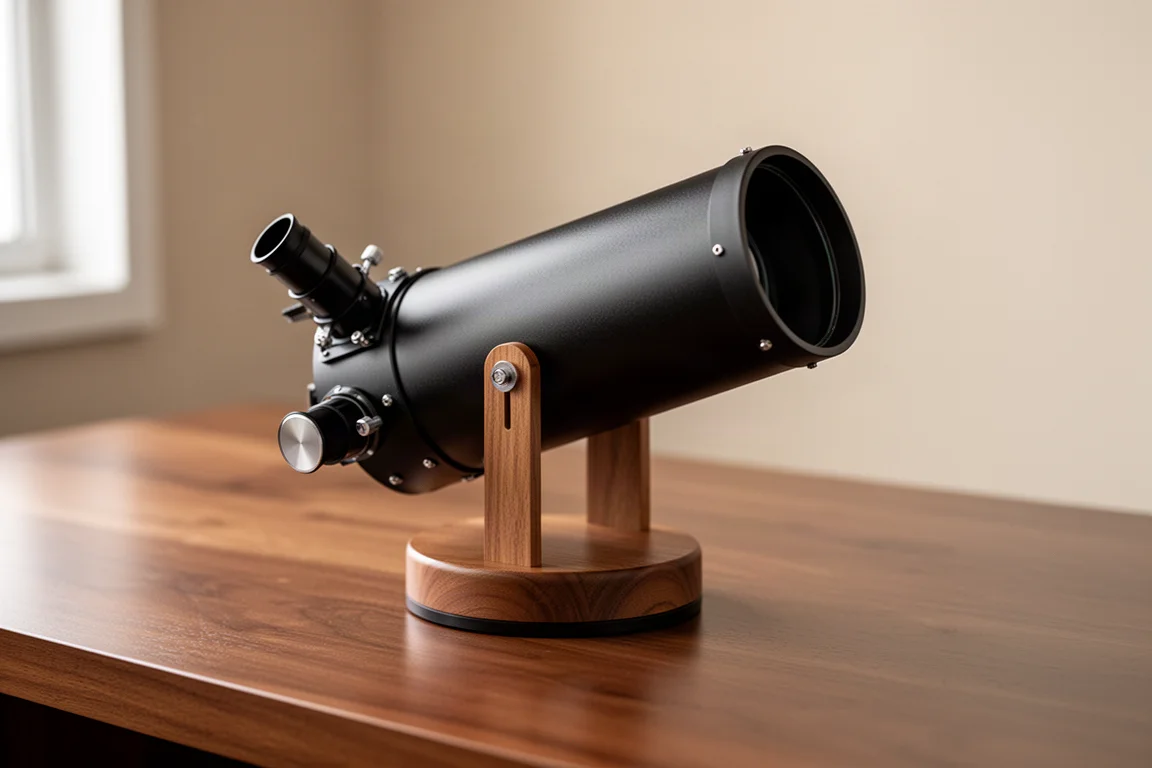
The honest alternative is the 100mm tabletop Dobsonian, which is a great pick for little kids.
Zhumell Z100
The Zhumell Z100 is the classic 100mm tabletop Dobsonian. It can be a little hard to find these days, but when available it remains one of the friendliest ways for a child to start observing the moon, planets and brighter deep sky objects.
Celestron Moon Mission
The Celestron Moon Mission is the rebranded version of that same 100mm tabletop Dobsonian design. When Orion made these scopes, one version carried the Sky-Watcher name, so those may still be floating around on the used market as well.
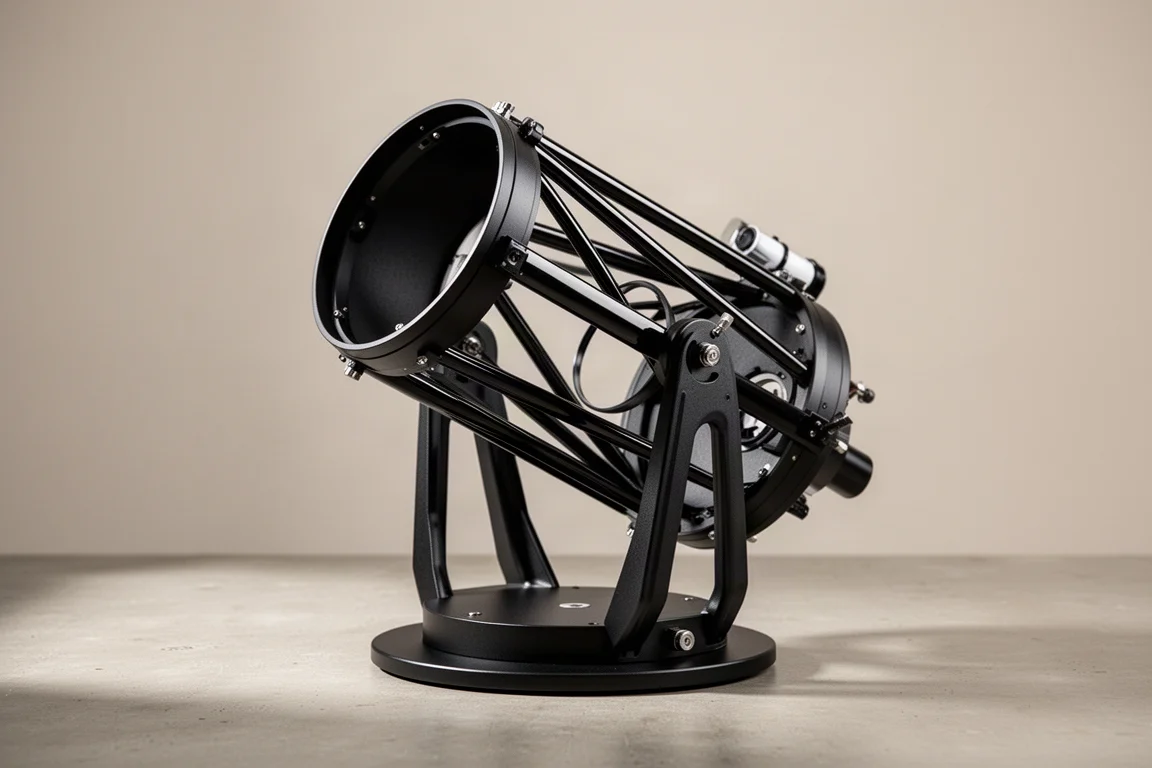
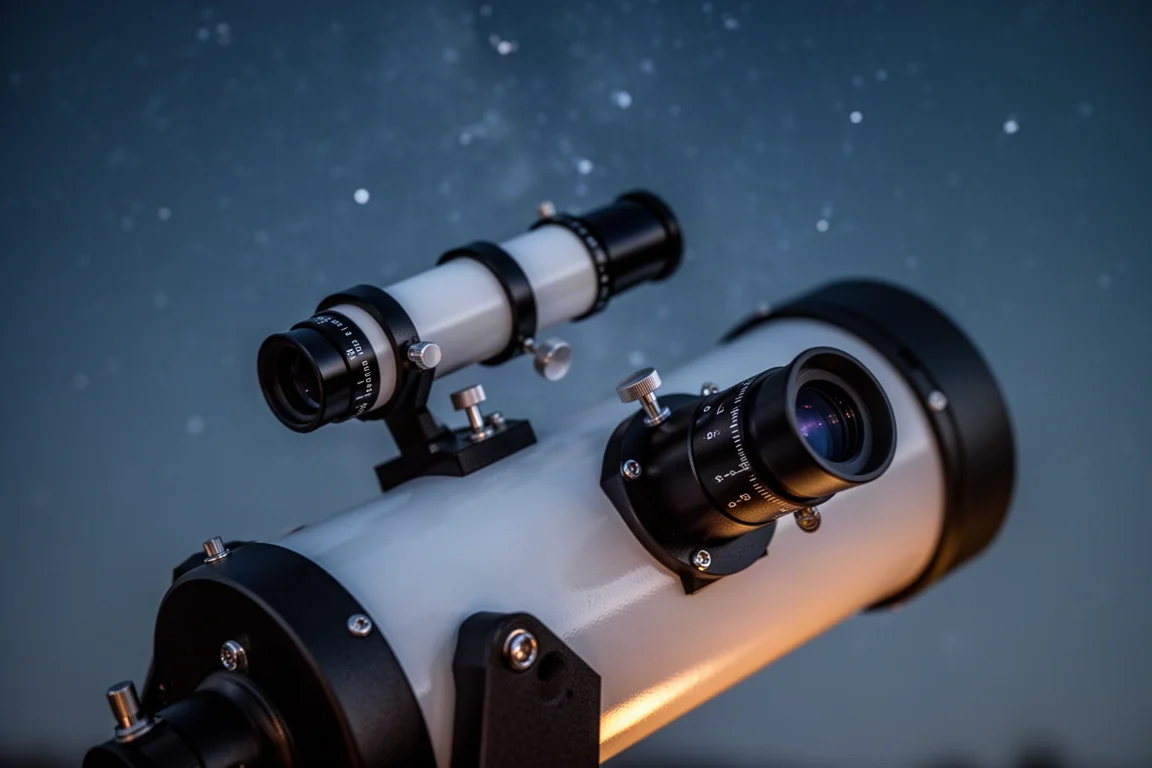
Sky-Watcher Heritage 130
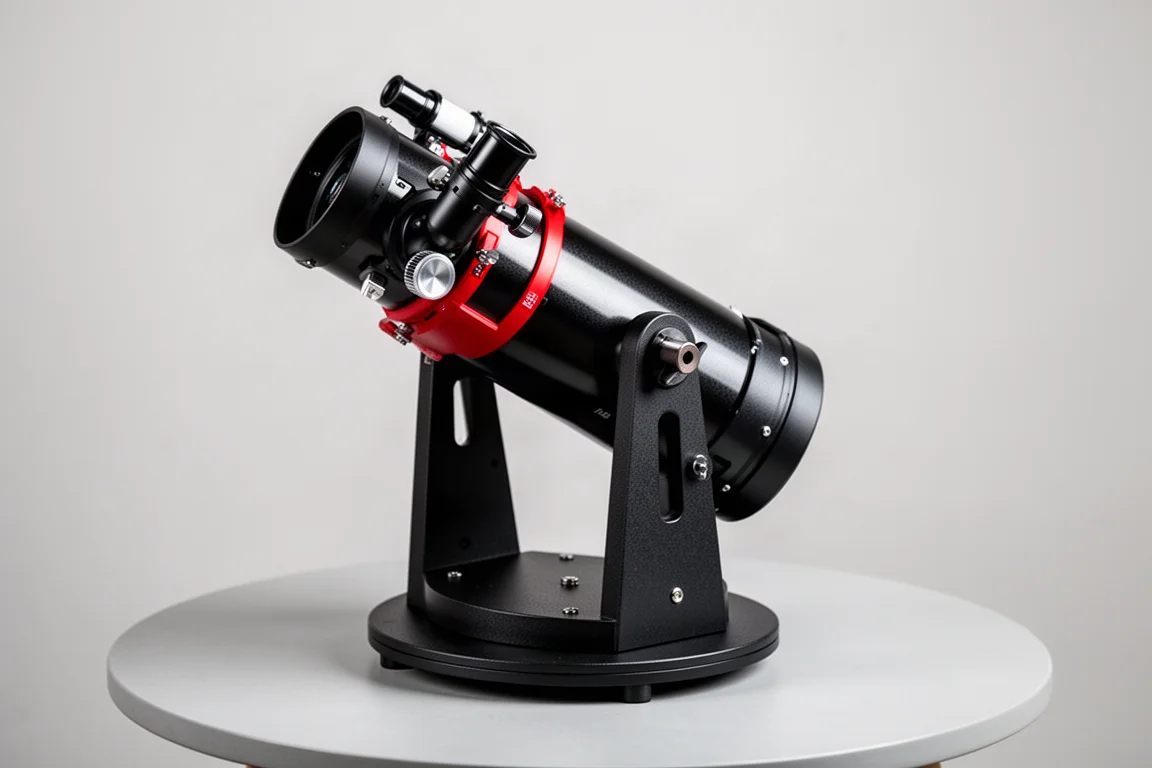
For teenagers and adults, the 130mm lineup is the better fit. The Sky-Watcher Heritage 130 is the standout here, and a 150mm version exists as well. Both are also used in Sky-Watcher’s computerized Virtuoso series. The Heritage series is still found for around $300, making it one of the most cost-effective beginner telescopes on the market that is genuinely designed for looking at space.
Compact Maksutov and SCT Telescopes
Compact Maksutov and SCT telescopes pack higher apertures and long focal lengths into small, highly portable packages. They are much smaller than a Dobsonian and effectively require no maintenance, which makes them excellent travel telescopes.
Celestron StarSense DX5
The Celestron StarSense DX5 is an SCT telescope in this compact category. Its long focal length delivers naturally high magnification, though that same trait can make locating some targets challenging in certain circumstances.
Celestron C90 and Sky-Watcher EvoLux
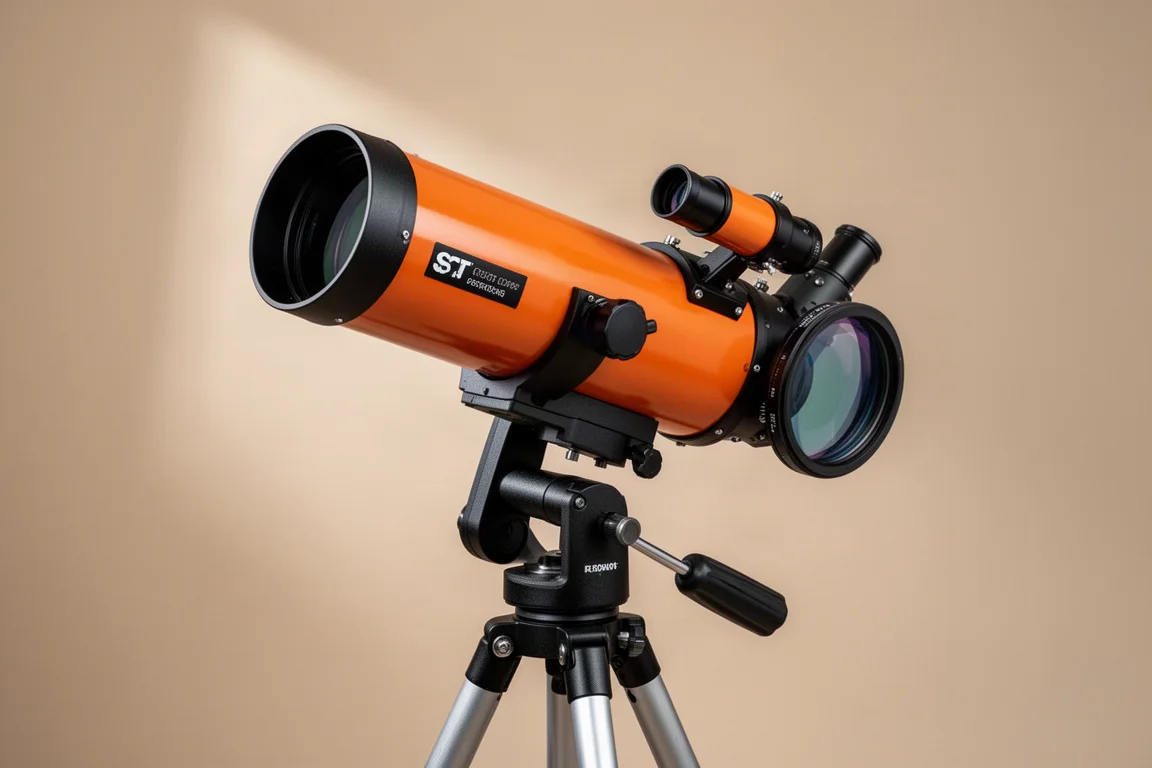
Not every small-aperture telescope is a beginner trap. The Celestron C90 and the Sky-Watcher EvoLux are two small-aperture scopes that genuinely impress. They simply tend to fall outside the strict budget category, so consider them if your budget has some flexibility and portability is a priority.
Classic Dobsonians
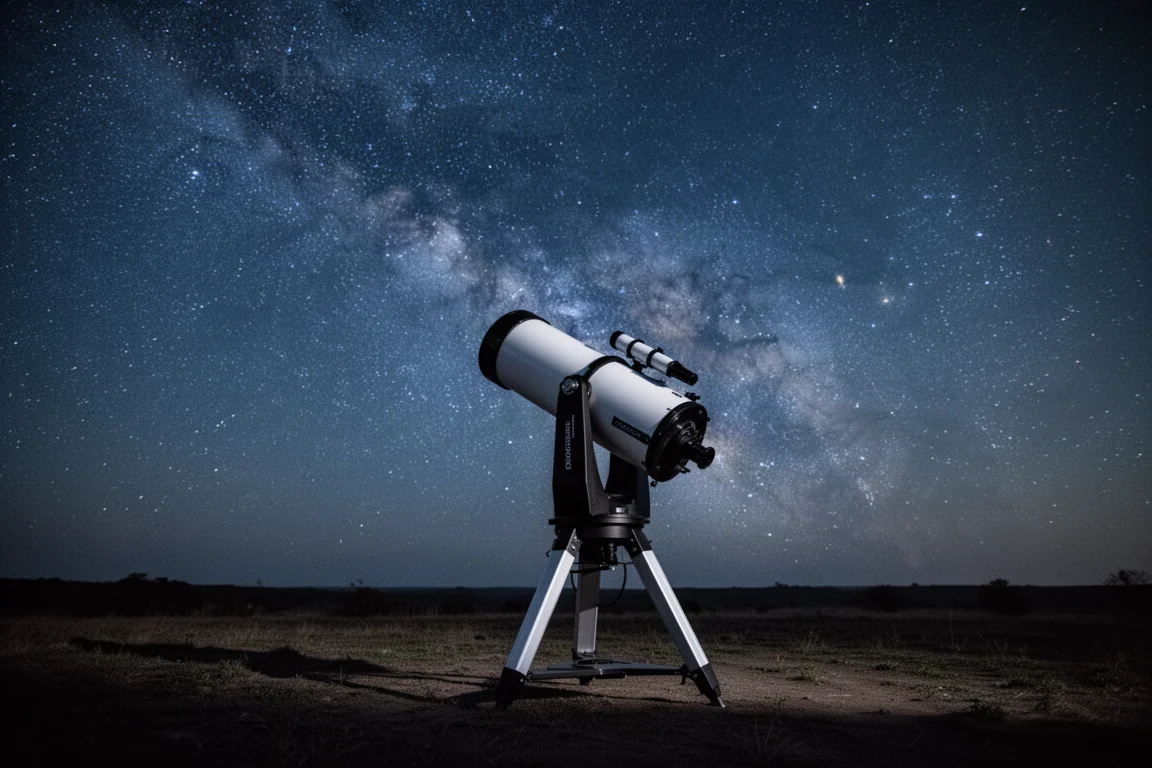
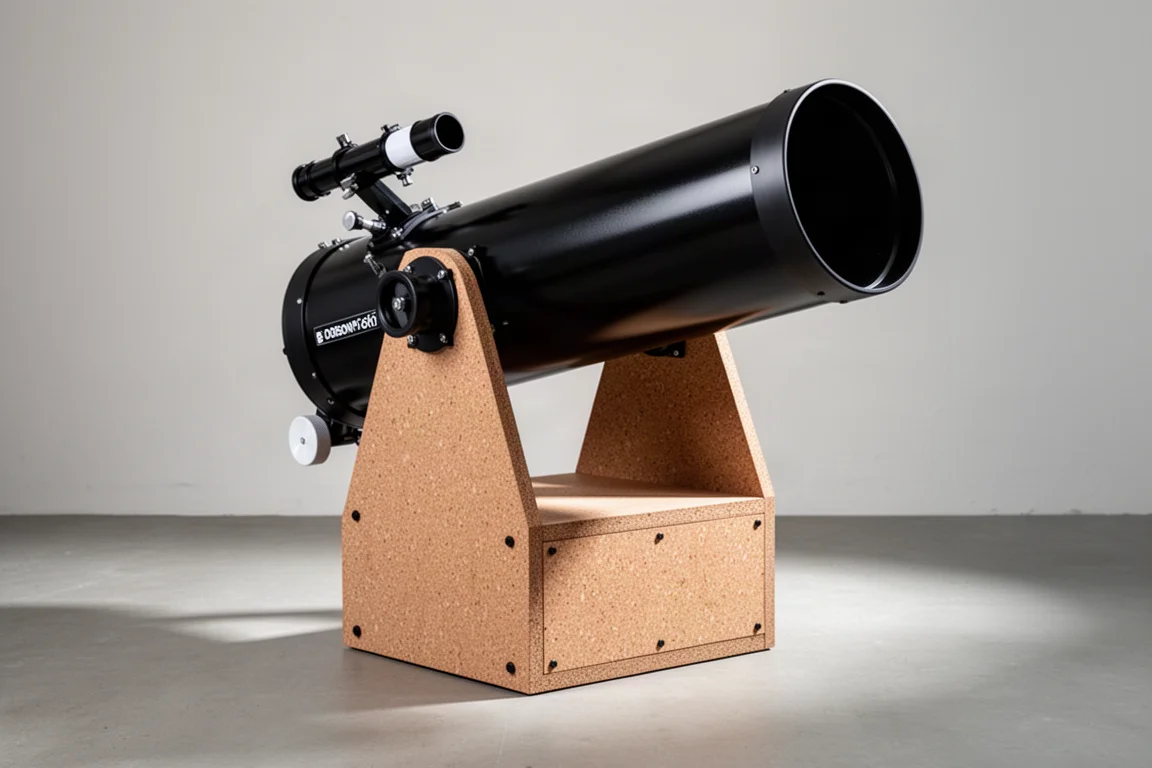
The classic Dobsonian used to be by far the best option for most beginner stargazers, and it still delivers the most aperture for your money, though prices have shifted noticeably. A 6-inch Dobsonian was often found under $200 before the pandemic but now often costs over $500.
Celestron StarSense DX8
An 8-inch Dobsonian was long the default recommendation among astronomers, and basic versions now average around $600, with premium versions like the Celestron StarSense DX8 coming in closer to $900. The StarSense system adds a genuinely enjoyable alignment experience to the classic light bucket formula.
Whichever Dobsonian you choose, add a Telrad or another bull’s-eye type finder. These finders match the Telrad rings printed on the star maps in most stargazing guidebooks, making it easy to line up your telescope using reference stars.
Spending Around $2,000
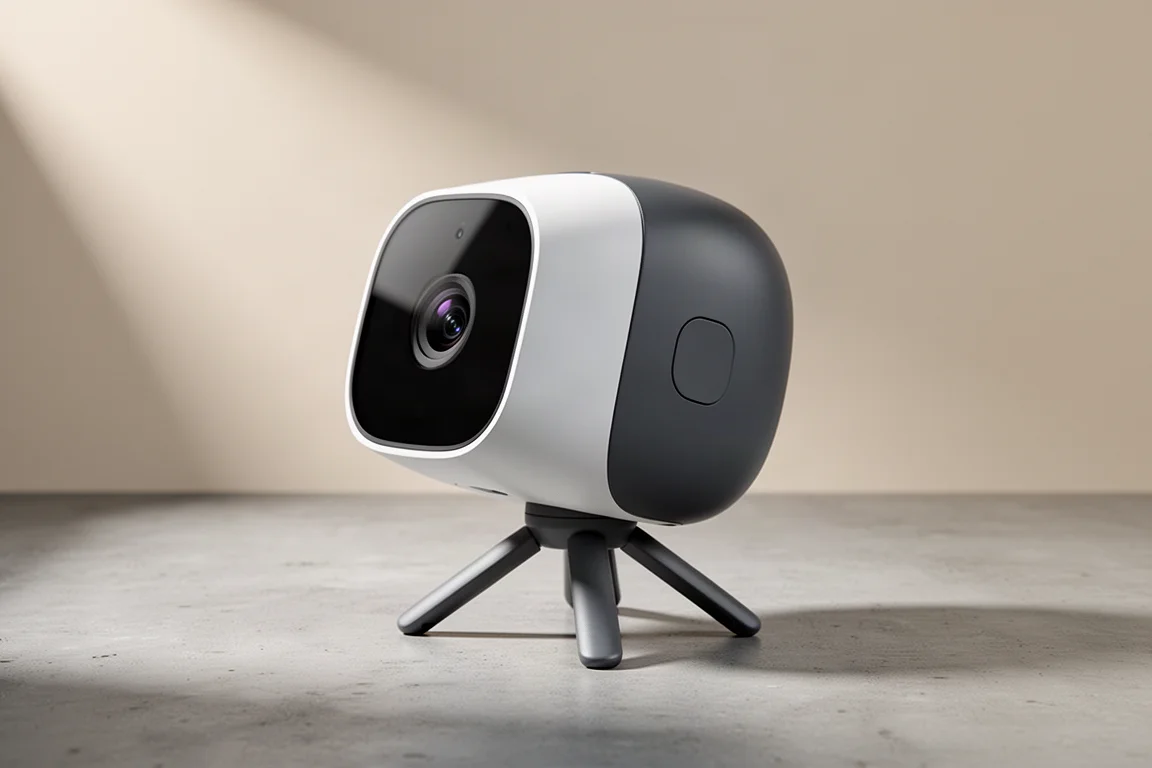
If your budget sits around $2,000, the choice comes down to personal preference. Optimizing for go-to capabilities points you toward a larger SCT, while prioritizing pure light gathering points you toward a large Dobsonian. There are also premium smart telescopes in this territory: the Vaonis Vespera if quality images are the goal, or the Unistellar Odyssey Pro if the augmented eyepiece experience appeals to you.
Final Buying Advice
The right first telescope is the one matched to a real goal. Under $200, a pair of 10x50 binoculars will reveal deep sky objects and is a perfectly valid start. Around $300, the Sky-Watcher Heritage 130 is hard to beat. For astrophotography on a budget, the smart telescopes under $500 change the equation entirely. And if prices feel steep, remember that the used market is full of telescopes that last essentially forever.
Conclusion
There is no unicorn telescope that does it all, but there is a right telescope for every job. Filter out the red flags, decide between visual observing and astrophotography, and pick from the short list of telescopes that remain genuinely worth buying at each price point. The future is looking up.
Further reading
Related Reviews

Telescopes
Sightron SJ75 UF and Sky-Watcher HS125: Two Telescopes Worth Watching
A look at two notable telescopes from a recent camera and optics expo: a sharp new astrograph from Sightron Japan and a compact fast reflector from Sky-Watcher.

Telescopes
SV503 102ED Review: A Budget 102mm Refractor That Surprises
The SV503 102ED is an affordable 102mm doublet refractor that delivers surprisingly decent star shapes and a smooth focuser, despite some chromatic aberration and light falloff.

Telescopes
SVBony MK127 Review: A Compact Maksutov-Cassegrain That Surprises
The SVBony MK127 is a 127mm Maksutov-Cassegrain telescope with a unique 0.65x reducer, making it a versatile option for visual astronomy and even some deep-sky imaging.