Snowboarding
Best Beginner Snowboards: Five Top Picks and Three Honorable Mentions
A practical roundup of forgiving beginner snowboards, covering flat-to-rocker, flat-out camber, and full reverse camber profiles and what each one means for new riders.
Introduction
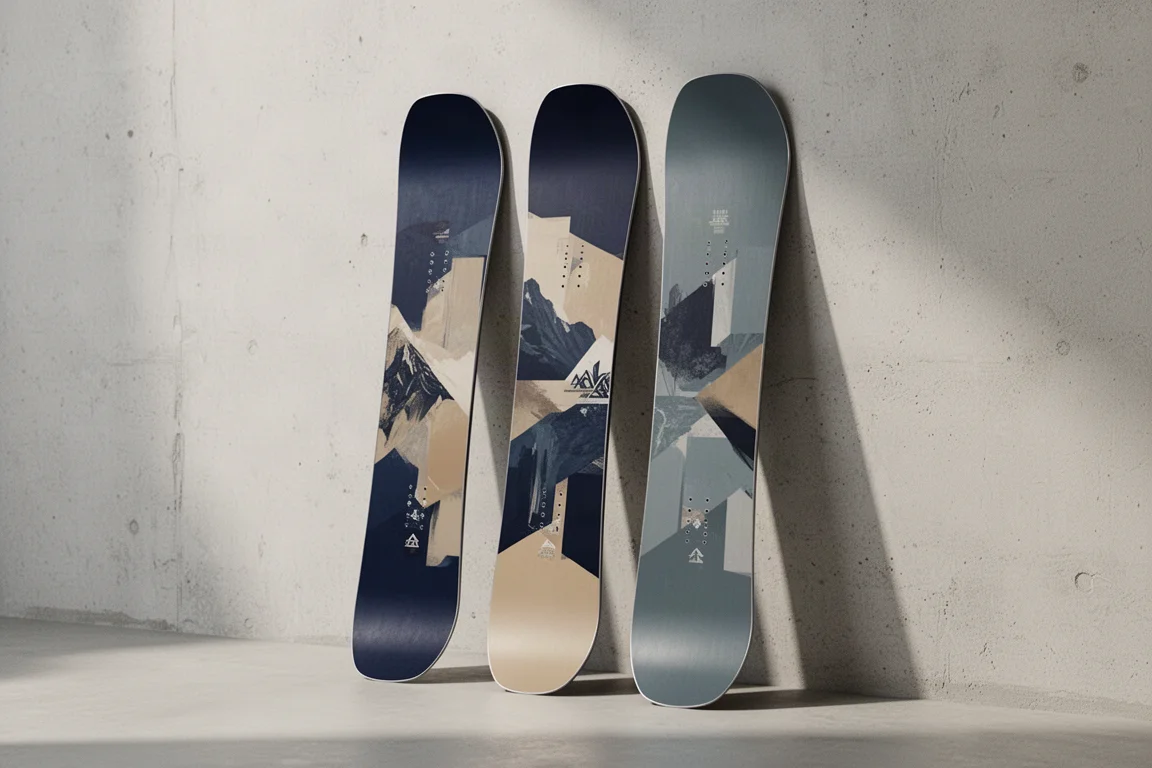
Choosing a first snowboard is less about finding the most advanced deck on the wall and more about finding one that lets you build fundamentals without fighting the board underneath you. The beginner boards in this roundup share a common philosophy: softer flex, forgiving profiles, and enough stability underfoot to keep a new rider upright while the basics click into place.
Five boards stood out as the strongest first-board options, with three more honorable mentions that only just missed the cut. Every one of them is designed to be ridden, progressed on, and eventually outgrown, which is exactly what a beginner deck should do.
How to Choose a Beginner Snowboard
Profile is the single biggest factor in how a beginner board behaves. Traditional camber is aggressive and grippy but can feel hooky to a new rider. A flat-out camber profile is essentially flat through the middle before the tip and tail come down, which makes it noticeably less aggressive than full camber while still teaching you how to load and unload an edge. A flat-to-rocker profile pairs a flat section for stability underfoot with rocker at the ends for easier entry into and exit from turns. Full reverse camber is the most forgiving of all, and it becomes far more useful when the board adds extra traction underfoot for firm or icy snow.
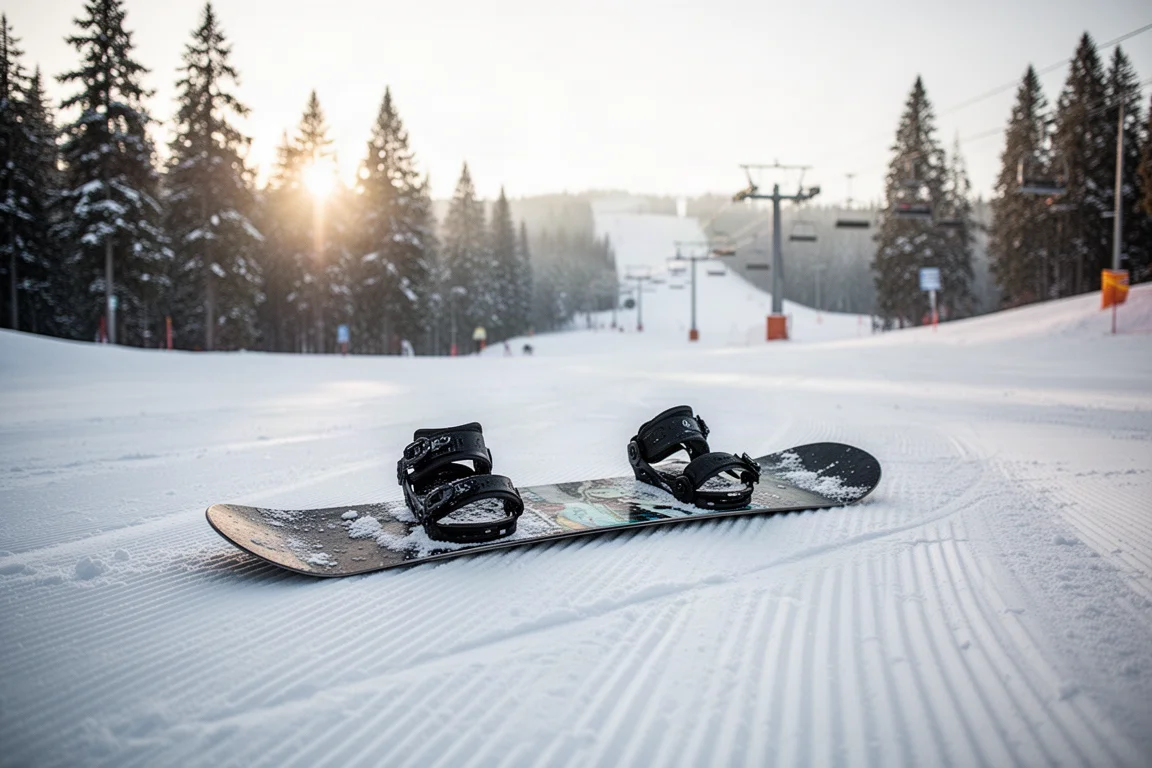
Flex matters almost as much as profile. A soft, forgiving flex lets a new rider make mistakes without being punished for them, and a little torsional flex means you can steer with your ankles rather than forcing the board around with your whole body. The trade-off is that softer, more relaxed boards give up some grip on hardpack and ice, so riders who spend most of their time on firm snow should weigh that carefully.
Finally, accept that you will outgrow whichever board you choose. That is not a flaw, it is the point. A beginner board gets you comfortable, then tells you when you are ready for something stiffer and more demanding.
5. Arbor Formula
The Arbor Formula uses a full center reverse camber profile, which makes it genuinely easy to learn on from the very first day. It also brings Grip Tech underfoot, a traction feature that helps you dig in your edges on firmer, icier snow, so the relaxed profile does not leave you completely without grip when conditions harden up.
The flex is soft and forgiving where it counts, which means the board supports your progression rather than demanding it. You will probably outgrow it eventually, but not right away, and in the meantime it is one of those decks you can hop on without having to think about it.
4. Salomon Pulse
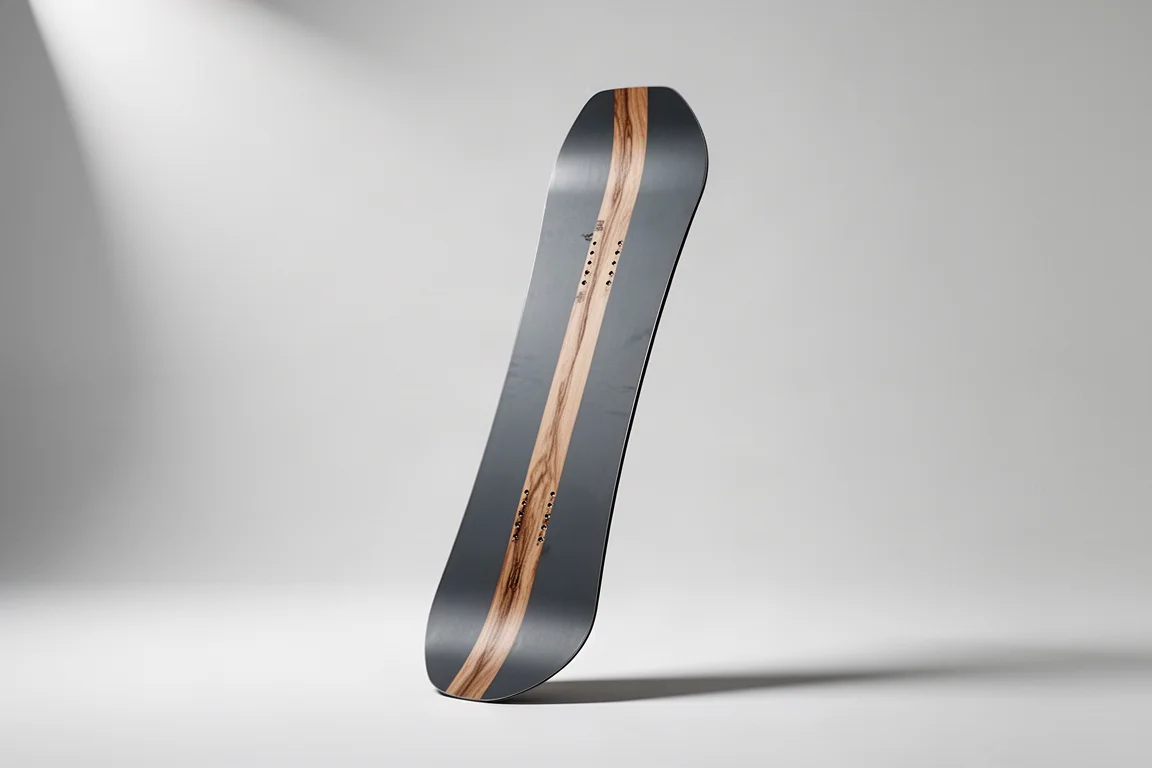
The Salomon Pulse runs a flat-out camber profile, meaning the board is essentially flat before the tip and tail come down. It is not as aggressive as traditional camber, and the flex is soft, which makes it a comfortable place to start.
The whole idea here is learning the nuances of camber without committing to a full camber deck. You can get the hang of how to load and unload camber, and the ride is not as hooky as it could be. It is not the best choice on ice, largely because of its sidecut, so riders who mostly see firm, slick snow should factor that in.
3. Nitro Prime
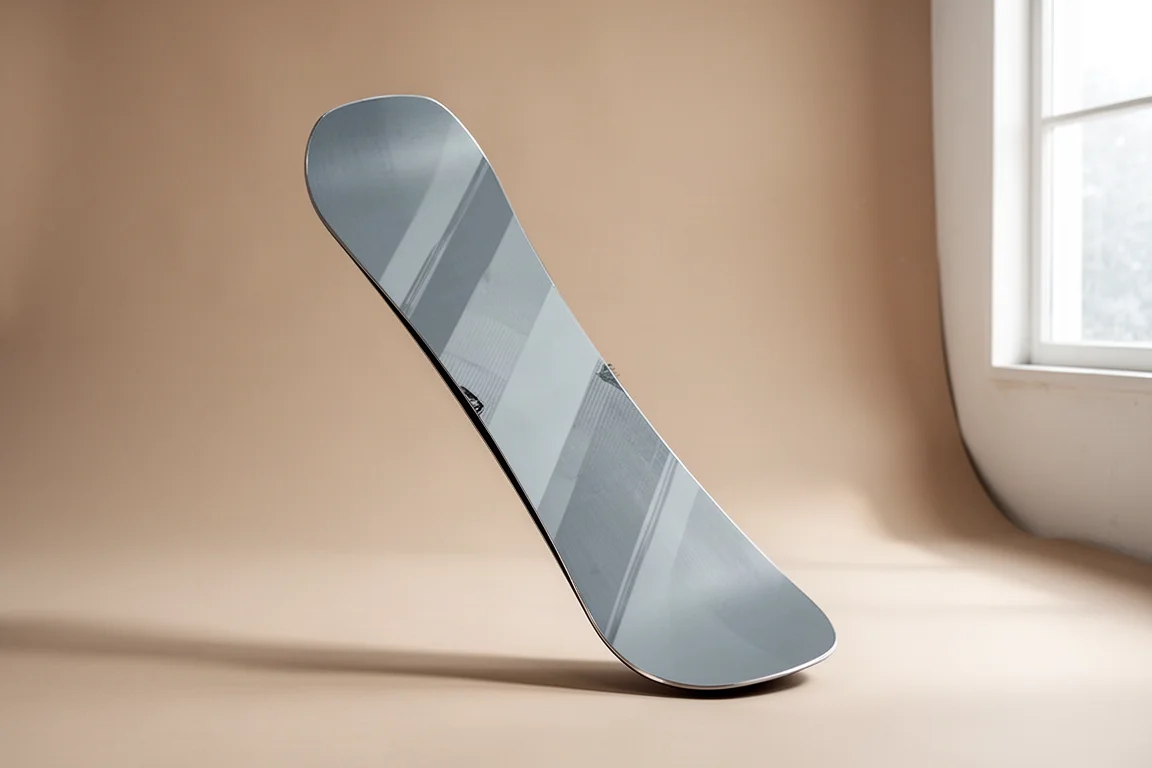
The Nitro Prime also uses a flat-out camber profile, combining a flat section with rocker at the ends. The flat area gives you stability underfoot, while the rocker makes entry into and exit from turns noticeably easier.
It is soft and playful where you need it to be, with good torsional flex so you can ankle steer underfoot instead of muscling the board around. It does not feel as hooky as something with full camber, which makes it a great segue into the basics of snowboarding without jumping straight into something more aggressive.
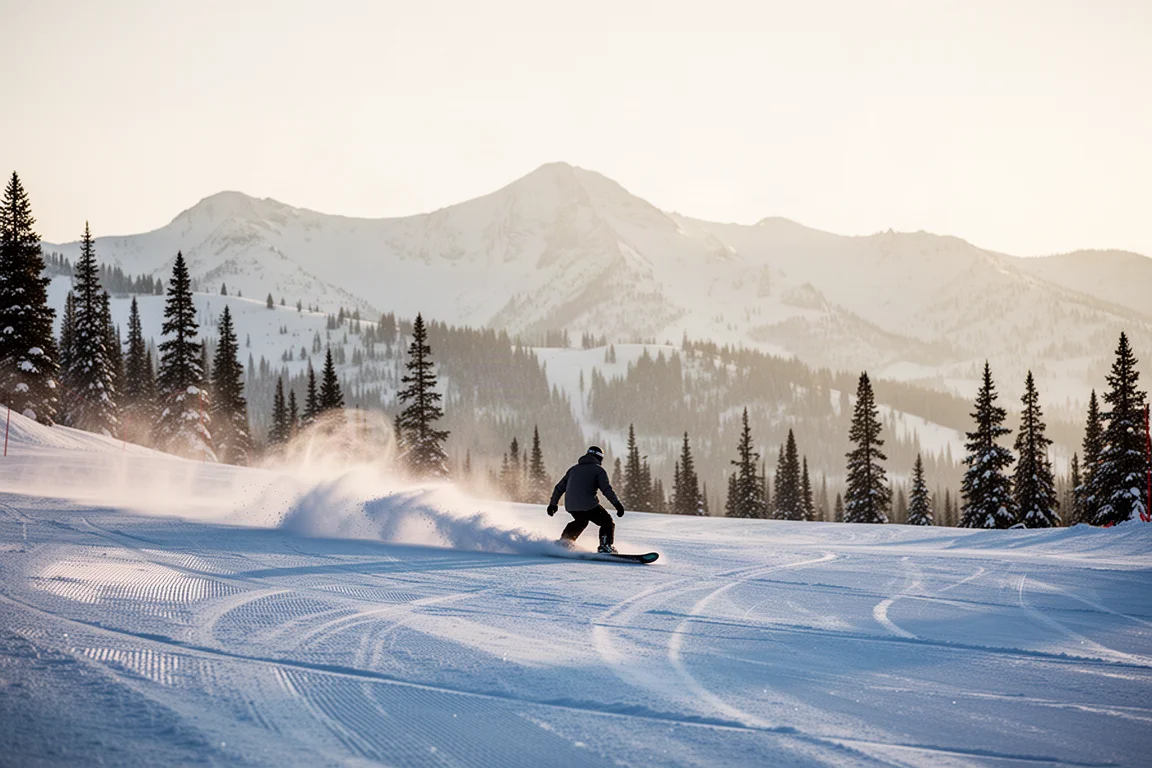
What makes the Prime a sensible first purchase is that it does not ask you to ride perfectly. You can progress on it at your own pace, and by the time you outgrow it you will already be looking at something with a bit more bite.
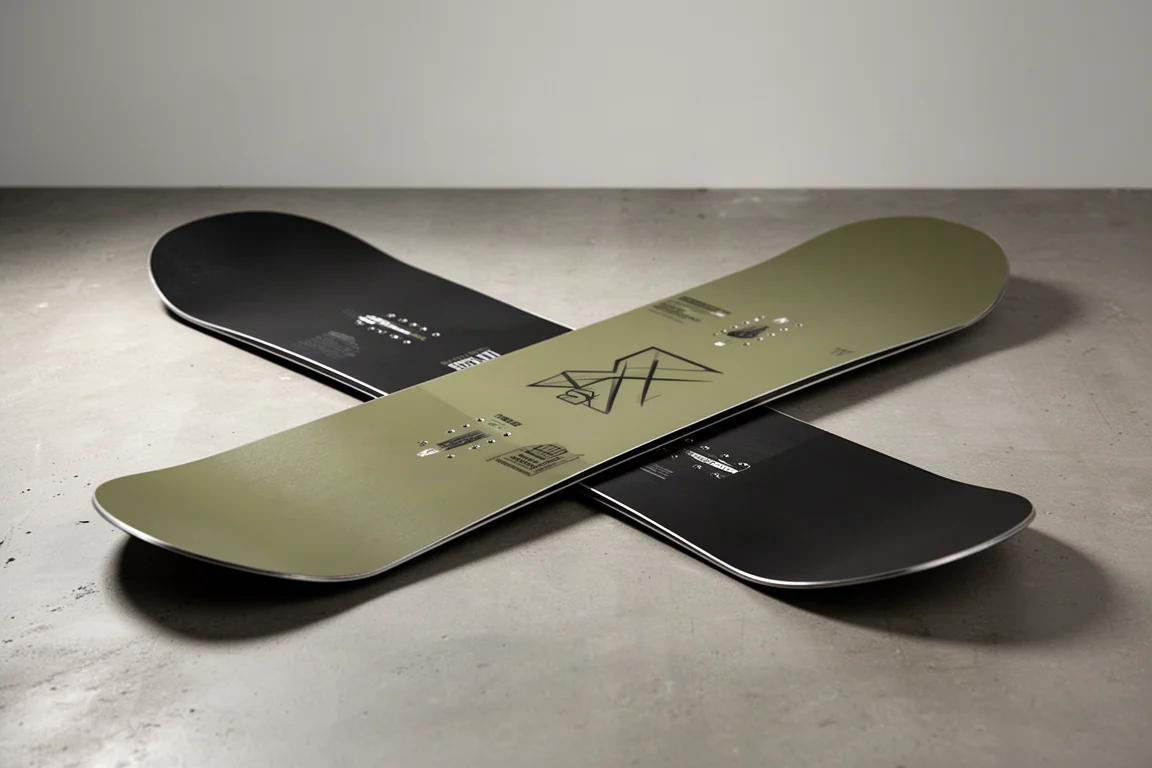
2. Rome Mechanic
The Rome Mechanic uses a flat-to-rocker profile, delivering the stability that a flat section provides while still giving you ease of entry into and exit from turns. It is also less hooky than a cambered deck, so you do not have to worry about catching an edge and driving yourself into the ground.
That forgiveness is what makes it a strong progression platform. As you get better, you will start to notice where the board runs out of room, and that moment is your signal that you are ready to move on to something with more performance.
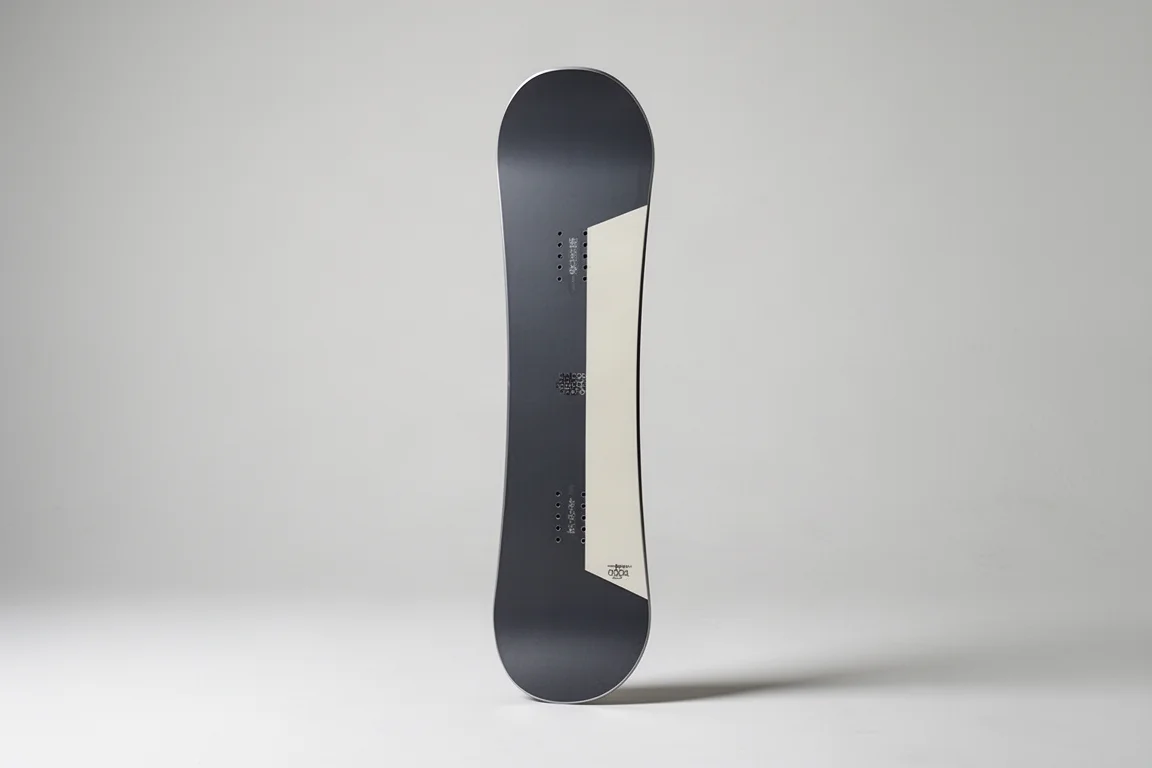
1. K2 Standard
The K2 Standard takes the top spot. It is another flat-to-rocker board, and it is essentially a downgraded version of the Raygun, a well-loved intermediate deck known for being a board almost anyone can enjoy.
That lineage is exactly why the Standard works so well for beginners. It is the board you can hand to a friend who has never ridden and trust to look after them, and as they improve it keeps up rather than holding them back. It is a genuine progression board: you build the fundamentals on it, then step up to something stiffer or beefier when you are ready.
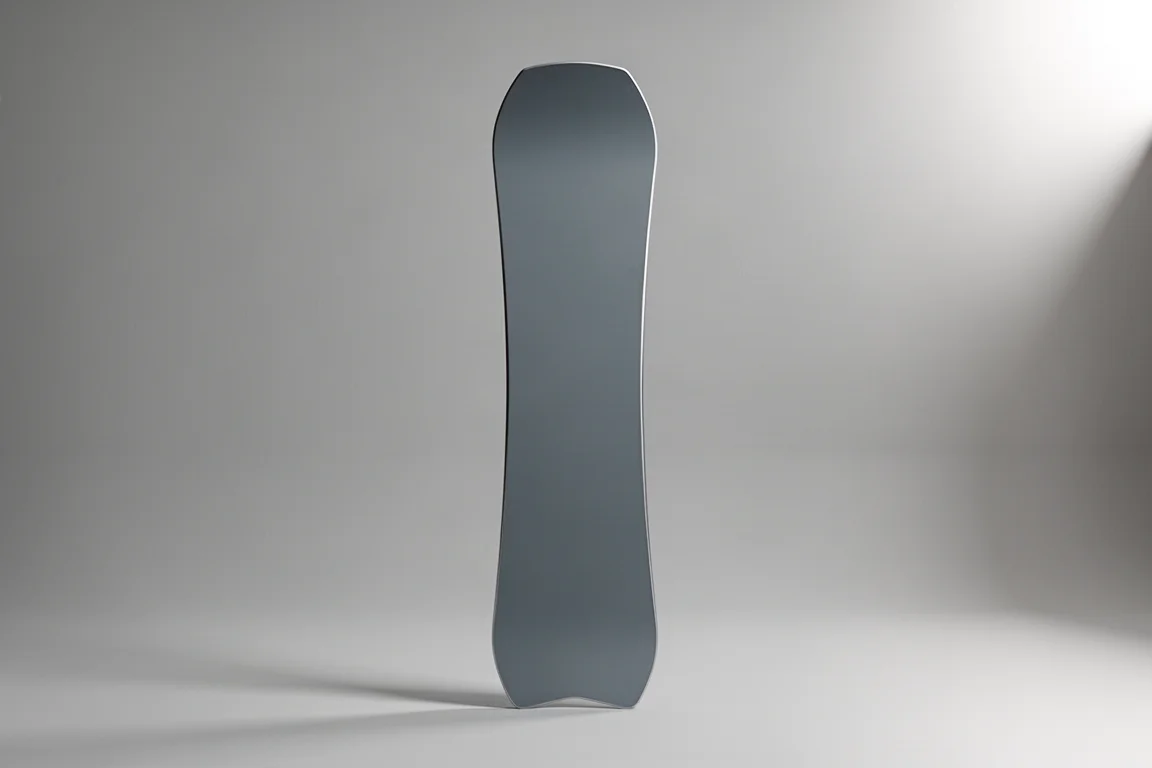
Honorable Mentions
Three boards were strong enough to be worth flagging but just missed the top five: the Rossignol Circuit, the Burton Instigator, and the Capita Pathfinder Rocker, specifically the rocker version rather than the camber version. All of them are solid options in their own right.
If one of the five ranked boards is not available in your size or preferred length, any of these three will still get a new rider where they need to be. They follow the same broad approach: manageable flex, forgiving profiles, and room to grow into.
Rossignol Circuit
The Rossignol Circuit is a dependable all-round option that simply found itself in a very strong field. It is a fine first board, and missing this particular top five says more about the depth of the category than about the Circuit itself.
Burton Instigator
The Burton Instigator is another board that just barely did not crack the list. It is a legitimate beginner option, and if it suits your size and the terrain you ride most, there is no reason to hesitate.
Capita Pathfinder Rocker
The Capita Pathfinder Rocker closes out the mentions. If you are shopping this model, the rocker build is the one that made the shortlist rather than the camber version, so it is the one to look at as a first board.
Buying Advice
Every board here is a solid choice, including the honorable mentions, and any of them will get a new rider where they need to be. The decision comes down to how you want to learn. If you want the most forgiving ride possible, a full reverse camber deck like the Arbor Formula, or a flat-to-rocker board like the K2 Standard or Rome Mechanic, will keep mistakes low-stakes. If you would rather learn camber technique from the start, the flat-out camber profiles on the Salomon Pulse and Nitro Prime are the better fit.
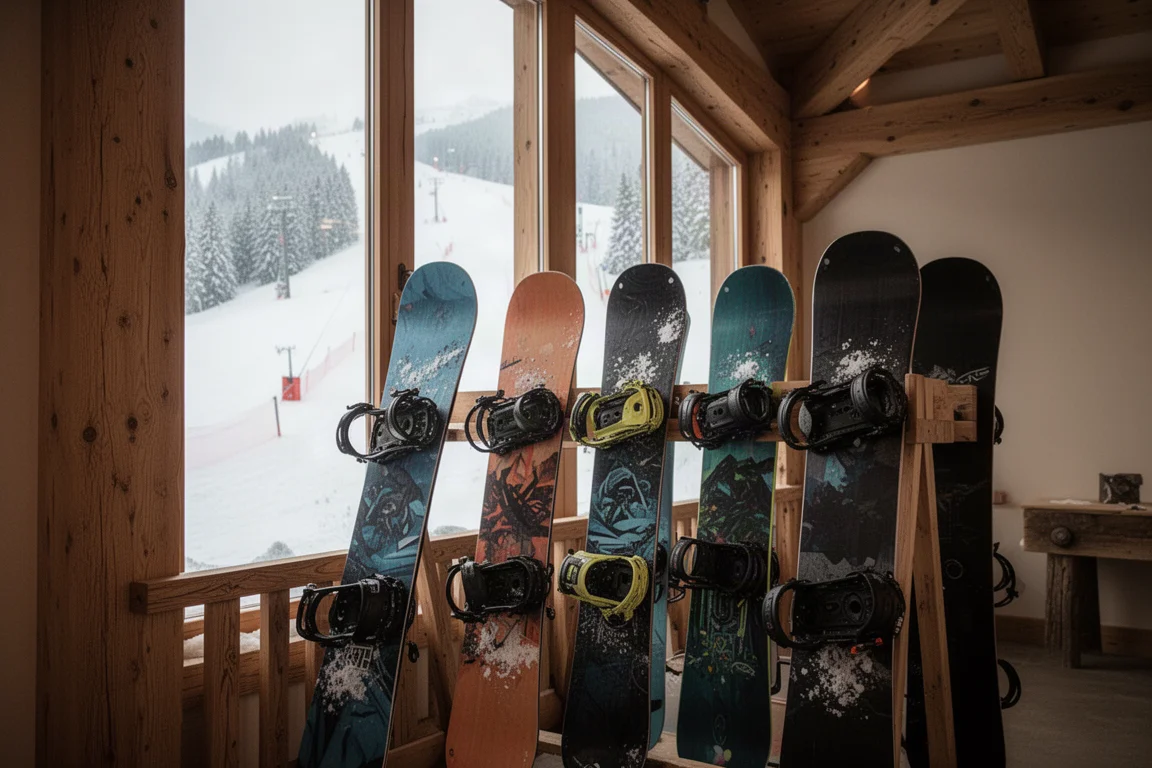
Conditions deserve a mention too. If your local hill is frequently firm or icy, favor boards with extra edge grip underfoot, such as the Arbor Formula with its Grip Tech. If you ride softer snow most of the season, a more relaxed profile will serve you well. Either way, plan for the upgrade: a beginner board is a tool for building fundamentals, and once those are in place, a stiffer, more aggressive deck will make a lot more sense than it would today.
Conclusion
All eight of these boards share the same purpose: getting a new rider comfortable, confident, and ready for the next step. Pick the profile that matches how you want to learn, be honest about the snow you actually ride, and the rest tends to sort itself out. Start on something forgiving, put in the time, and the upgrade will feel earned rather than rushed.
Further reading
Related Reviews
Snowboarding
2025 Snowboard Gear List: Five Picks That Earned Their Place on the Mountain
From Zeiss-lens goggles to a hybrid step-in binding, here are five pieces of 2025 snowboard gear that held up across a full season of riding.
Snowboarding
2026 Snowboard Gear List: Boards, Bindings, Boots and Outerwear Worth a Look
A season-ready snowboard setup built from the bottom up: base layers, Strafe outerwear, Ride and Union boots, Union bindings, and two new Capita boards.
Snowboarding
32 Cold World Review: A Playful Hybrid Camber Board for Park Laps
The 32 Cold World blends classic camber underfoot with flat nose and tail sections for a predictable, butter-friendly ride aimed at intermediate park riders.