Snowboarding
Best Beginner Snowboards 2026: Five Boards That Make Learning Easier
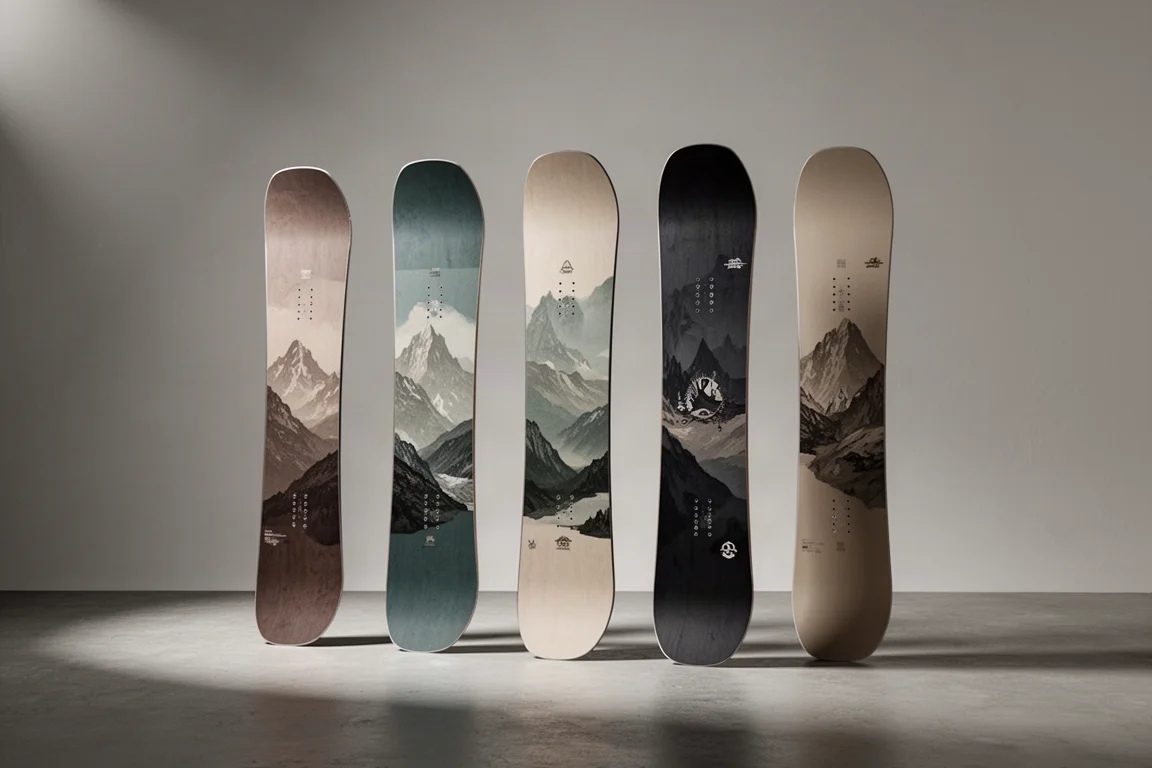
Five entry-level snowboards that check the beginner boxes: soft flex, twin-friendly shaping, and a forgiving profile.
Introduction
Buying your first snowboard can feel overwhelming, but the recipe for a good beginner board is actually simple: versatile, easy to control, and forgiving enough to make learning the fundamentals enjoyable from day one. You do not need a high-end, high-performance deck loaded with tech you cannot use yet. Entry-level, lower-cost boards will serve you better, and that alone narrows the field considerably. Here is what to look for, followed by five boards that get it right.
What Makes a Snowboard Good for Beginners
Before looking at specific boards, it helps to understand the traits that make learning easier. A board that is predictable underfoot lets you focus on technique instead of fighting your gear, and that shows up in three areas: flex, shaping, and camber profile.
Soft Flex Beats Stiff Performance
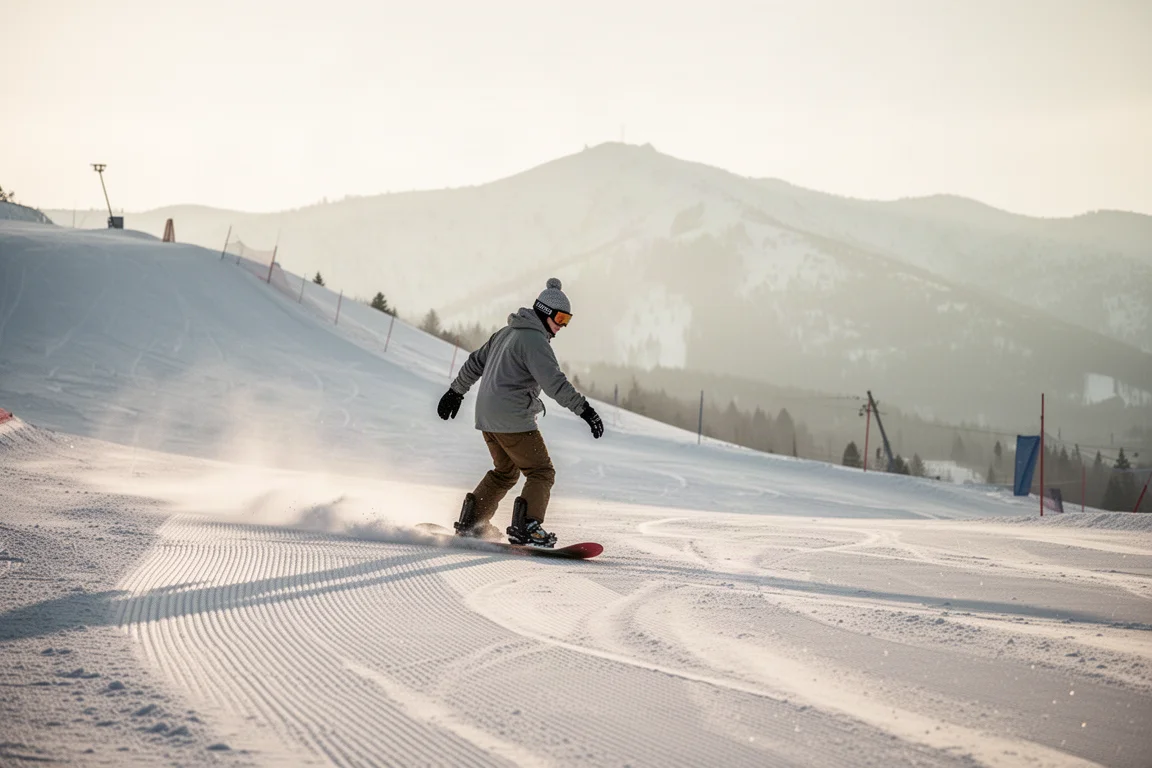
One of the most common beginner mistakes is buying a board that is too stiff. High-end boards like the Burton Custom or Capita DOA are way more than a first-timer needs, and their stiffer flex actually makes it harder to learn the fundamentals.
A softer flex, soft tip to tail and typically soft torsionally as well, makes the board easier to twist with your feet. That means easier turns, easier presses and butters, and an easier entry into freestyle riding. Skip the mid-flex and stiff hype boards and keep it soft.
Twin or Directional Twin Shaping
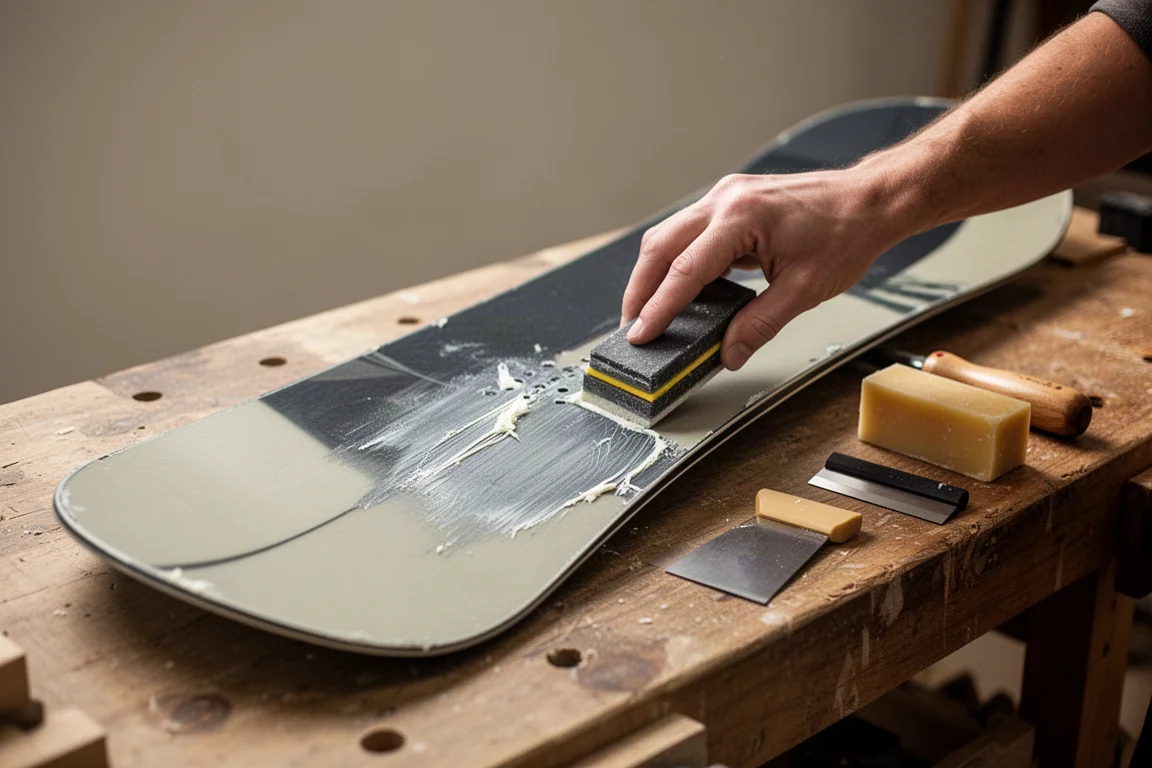
A true twin rides exactly the same in both directions, which is ideal when you are not yet sure whether you are regular or goofy. That symmetrical feel helps as you learn to turn and ride switch.
A directional twin is a great middle ground: the outline is slightly directional, giving you a small benefit in softer snow, while still feeling like a twin on hard pack. Either option keeps things symmetrical enough while you figure things out.
Reverse Camber or Rocker Makes Life Easier
Profile choice is where every snowboarder has an opinion, but for early learning there is a clear case for reverse camber or rocker. It offers easier turn initiation, because once the board is on edge the reverse camber naturally wants to pull you into a turn. You also get more leverage in the tip and tail for presses, a minor but real benefit in softer snow, and a board that is more forgiving and less catchy overall.
Flat-to-rocker, cam-rocker, full rocker, and rocker-dominant hybrid profiles, like the ones Never Summer offers, are all worth considering for a first board.
Our Five Beginner Board Picks
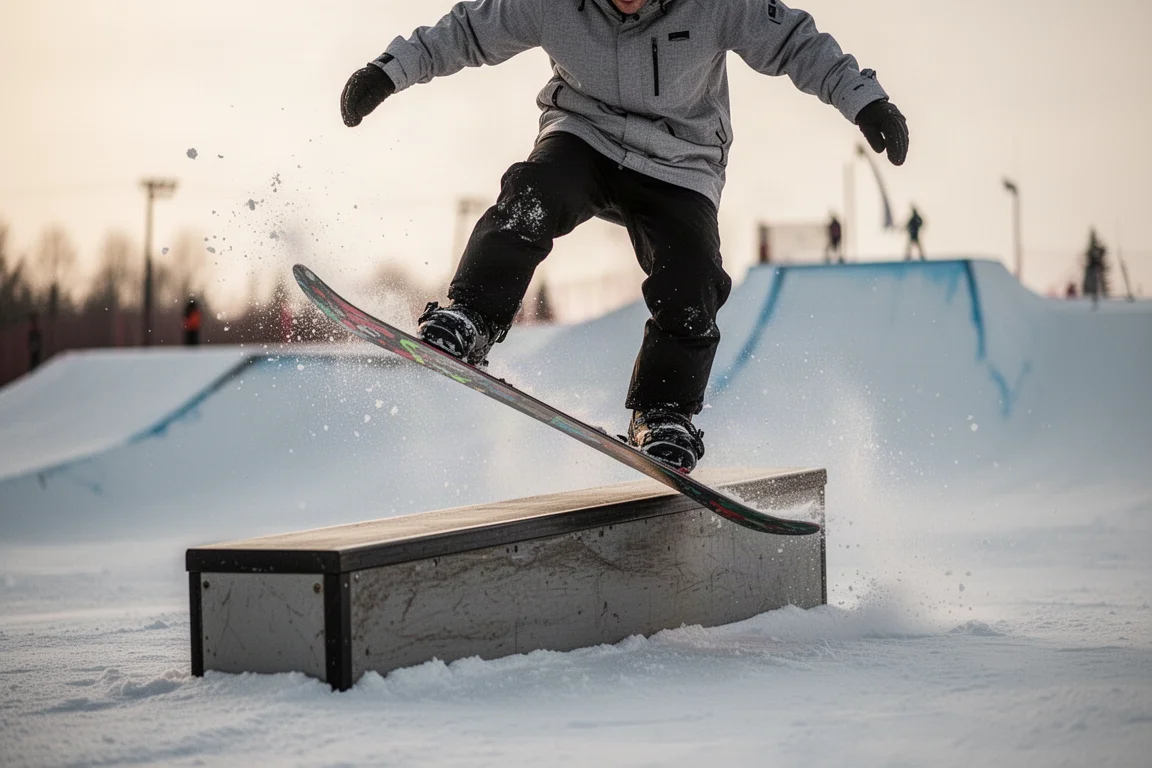
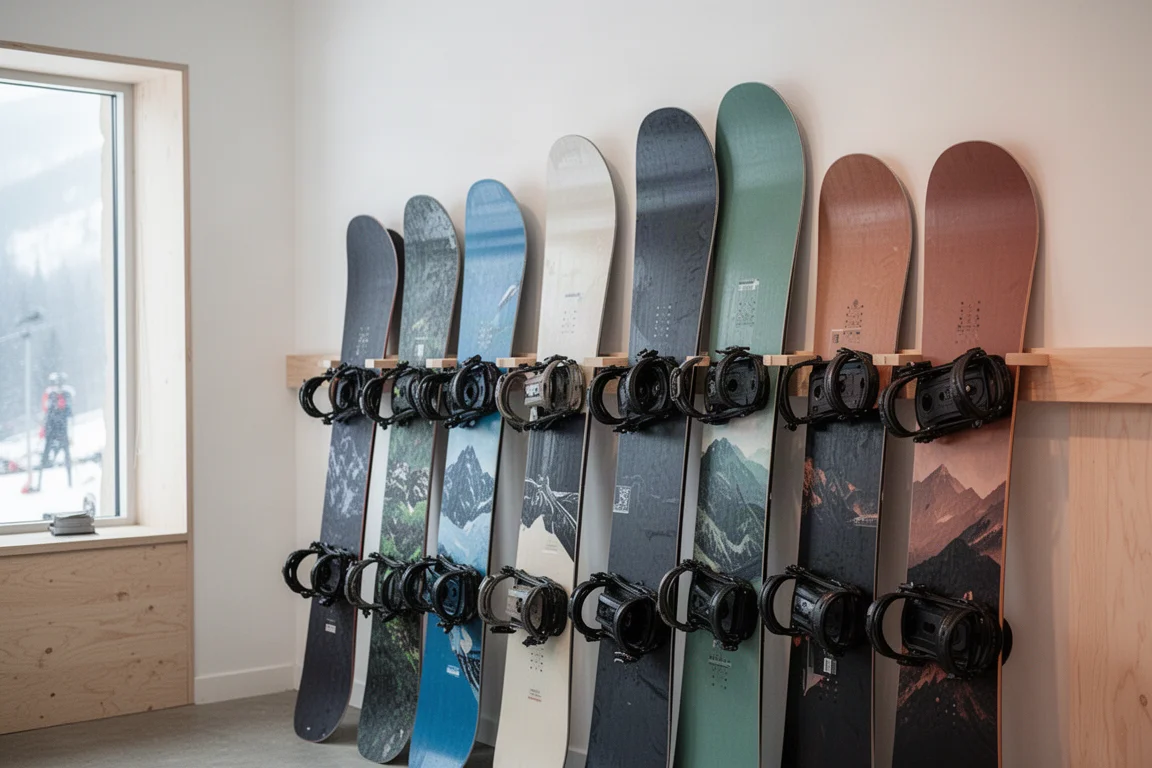
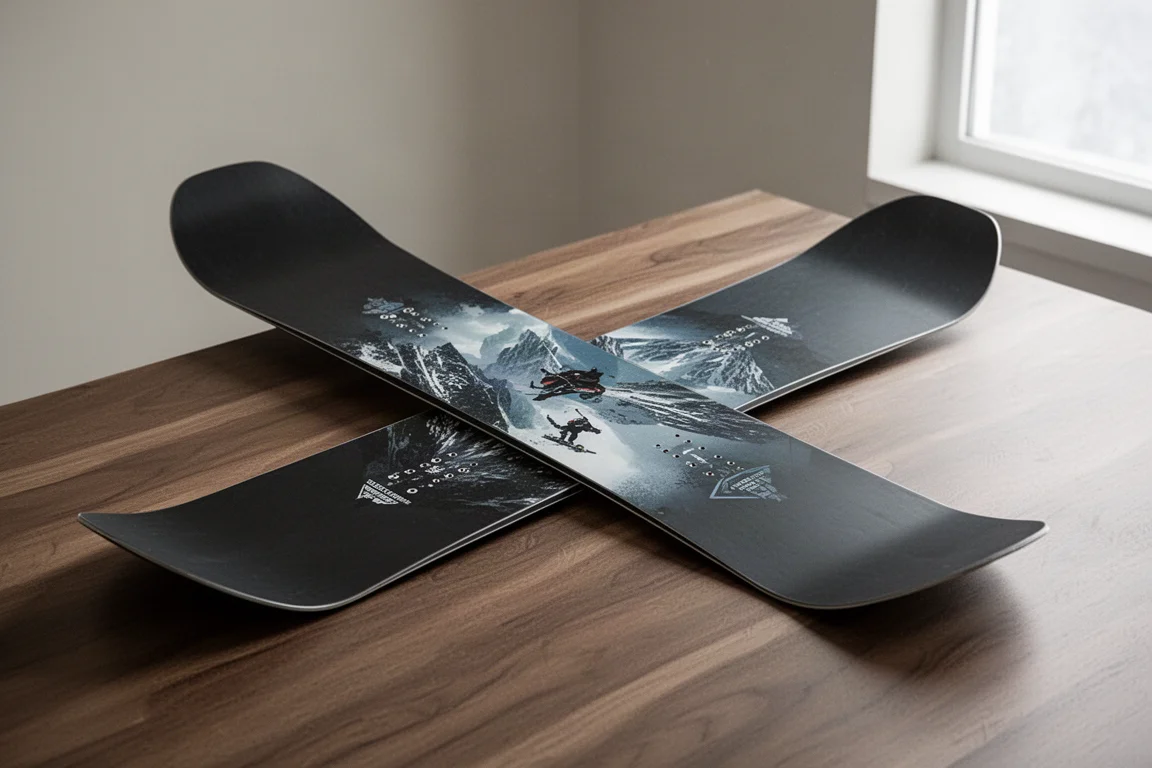
Riding plenty of entry-level and beginner-focused snowboards makes it easier to narrow the field. Based on the criteria above, five boards stand out as solid choices for a first season and those first few days on the hill: the Capita Pathfinder, Nitro Cheap Thrills, Yes Basic, Rome Mechanic, and Burton Ripcord.
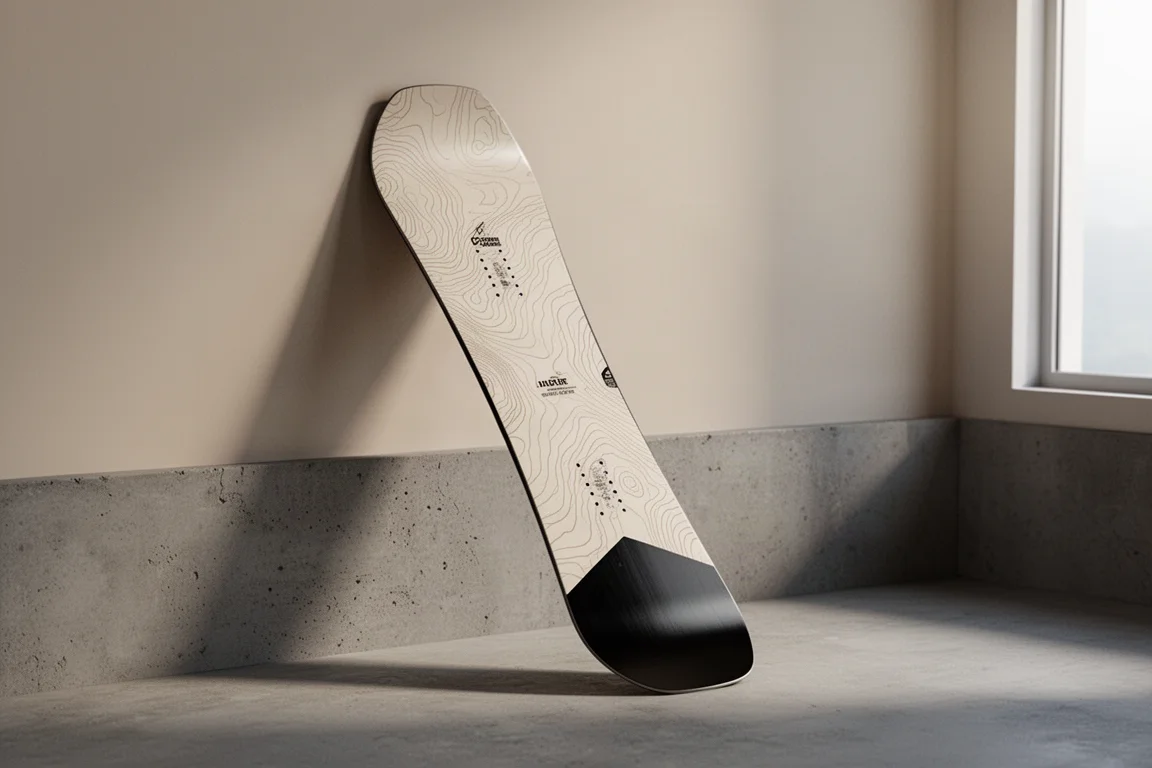
Capita Pathfinder
The Capita Pathfinder is a good choice to consider for your first snowboard, fitting the entry-level, easy-to-control brief that matters in those early stages.
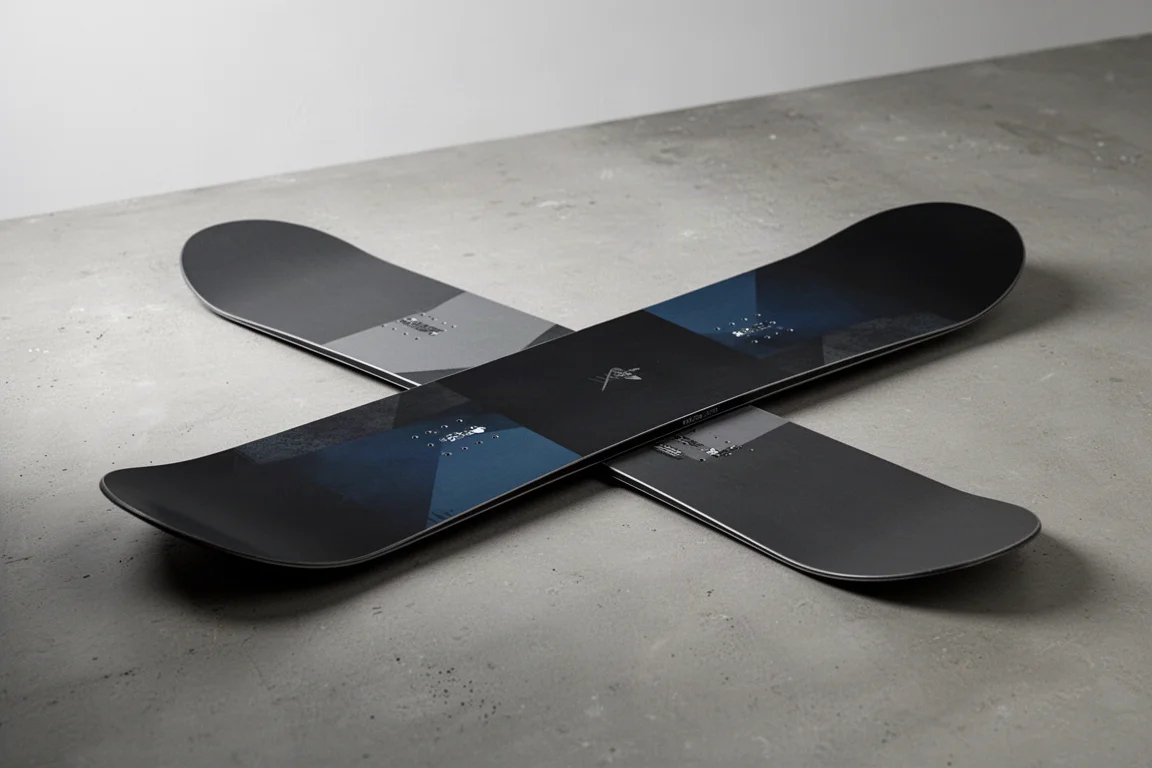
Nitro Cheap Thrills
The Nitro Cheap Thrills is another solid pick that should serve you well for that first season and your first few days on hill.
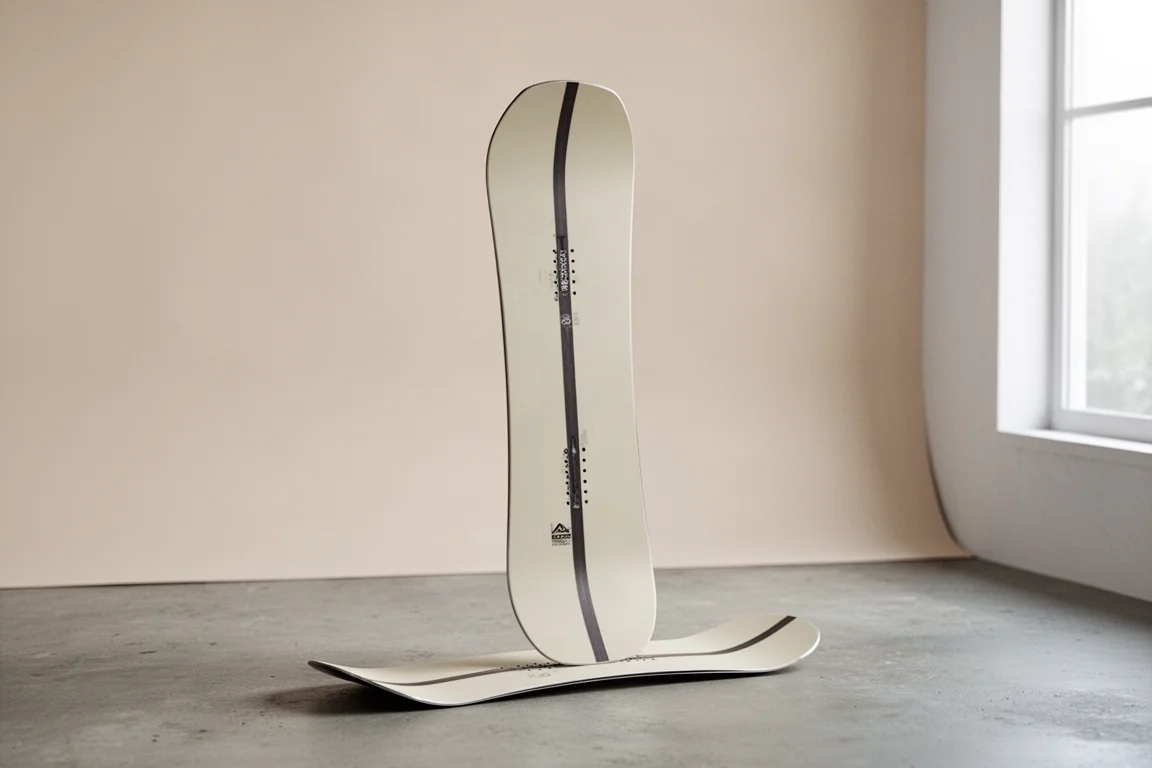
Yes Basic
The Yes Basic rounds out the entry-level options worth taking a look at when narrowing down your first board.
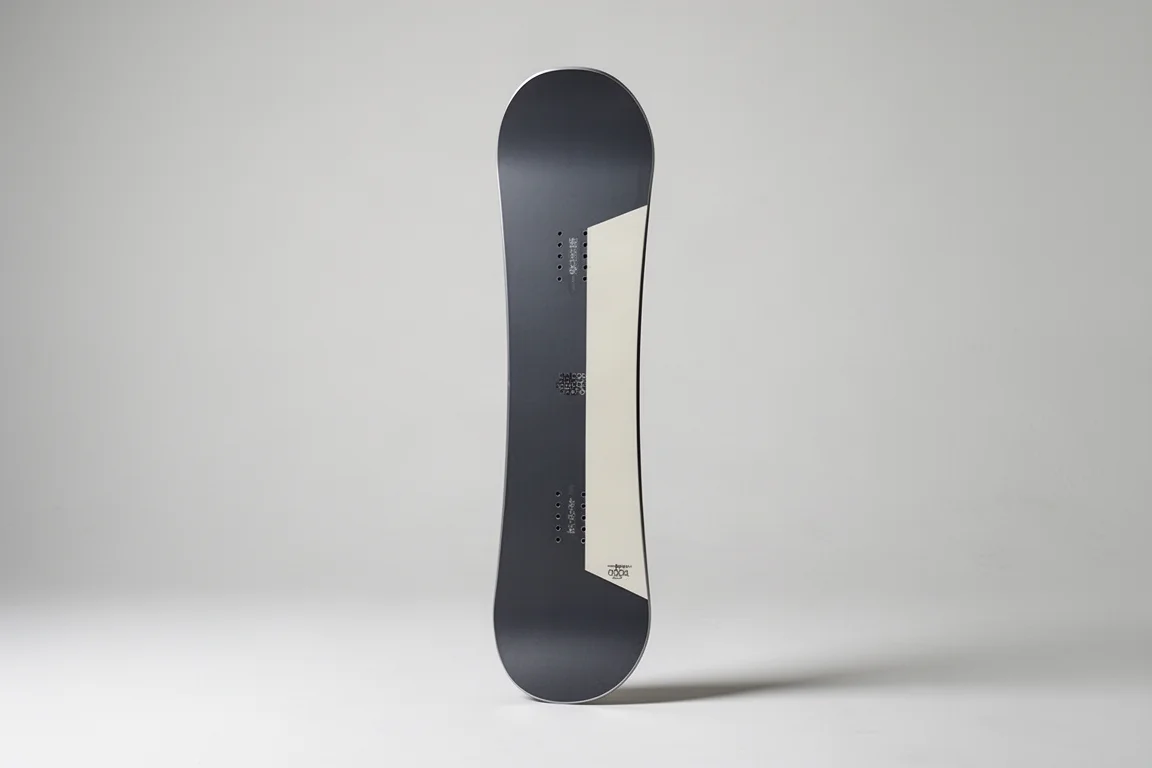
Rome Mechanic
The Rome Mechanic is among the boards that will serve you really well as a beginner-friendly option.
Burton Ripcord
The Burton Ripcord completes the list of beginner boards worth checking out for a first season on the hill.
Buying Advice
Whichever board you choose, prioritize the same three traits: an entry-level price point, a soft flex, and a twin or directional twin shape with some rocker in the profile. Any of the five boards above fits that template, so the best pick is simply the one with the shape, graphics, and availability that suit you.
Conclusion
Your first snowboard should make learning fun, not harder. Skip the stiff, tech-heavy pro boards, and choose a soft-flexing, twin-shaped, rocker-friendly entry-level deck like the Capita Pathfinder, Nitro Cheap Thrills, Yes Basic, Rome Mechanic, or Burton Ripcord. Get the fundamentals down first, and you will get far more out of your gear when you are ready to upgrade.
Further reading
Related Reviews
Snowboarding
2025 Snowboard Gear List: Five Picks That Earned Their Place on the Mountain
From Zeiss-lens goggles to a hybrid step-in binding, here are five pieces of 2025 snowboard gear that held up across a full season of riding.
Snowboarding
2026 Snowboard Gear List: Boards, Bindings, Boots and Outerwear Worth a Look
A season-ready snowboard setup built from the bottom up: base layers, Strafe outerwear, Ride and Union boots, Union bindings, and two new Capita boards.
Snowboarding
32 Cold World Review: A Playful Hybrid Camber Board for Park Laps
The 32 Cold World blends classic camber underfoot with flat nose and tail sections for a predictable, butter-friendly ride aimed at intermediate park riders.