Snowboarding
Best Beginner Snowboards for 2024-2025: Eight Boards That Make Learning Easier
A beginner-focused roundup of eight snowboards for the 24-25 season, from catch-free reverse camber planks to camber boards that grow with your skills.
Introduction
Picking your first snowboard is one of the most consequential gear decisions you will make in the sport. The right board shortens the learning curve instead of punishing you for every sloppy edge transition, and it ideally stays usable as you improve. This roundup collects the standout beginner snowboards for the 24-25 season, including one clear top pick and several boards that trade tech features for forgiveness.
What Makes a Good Beginner Snowboard
Beginner boards share a few common traits: forgiving flex, easy edge-to-edge transitions, and camber profiles that reduce the risk of catching an edge mid-turn. Some favor full camber for a longer learning curve that pays off later, while others use rocker or reverse camber to make turning nearly foolproof. Which profile suits you depends on how quickly you want to progress versus how comfortable you are falling while you learn.
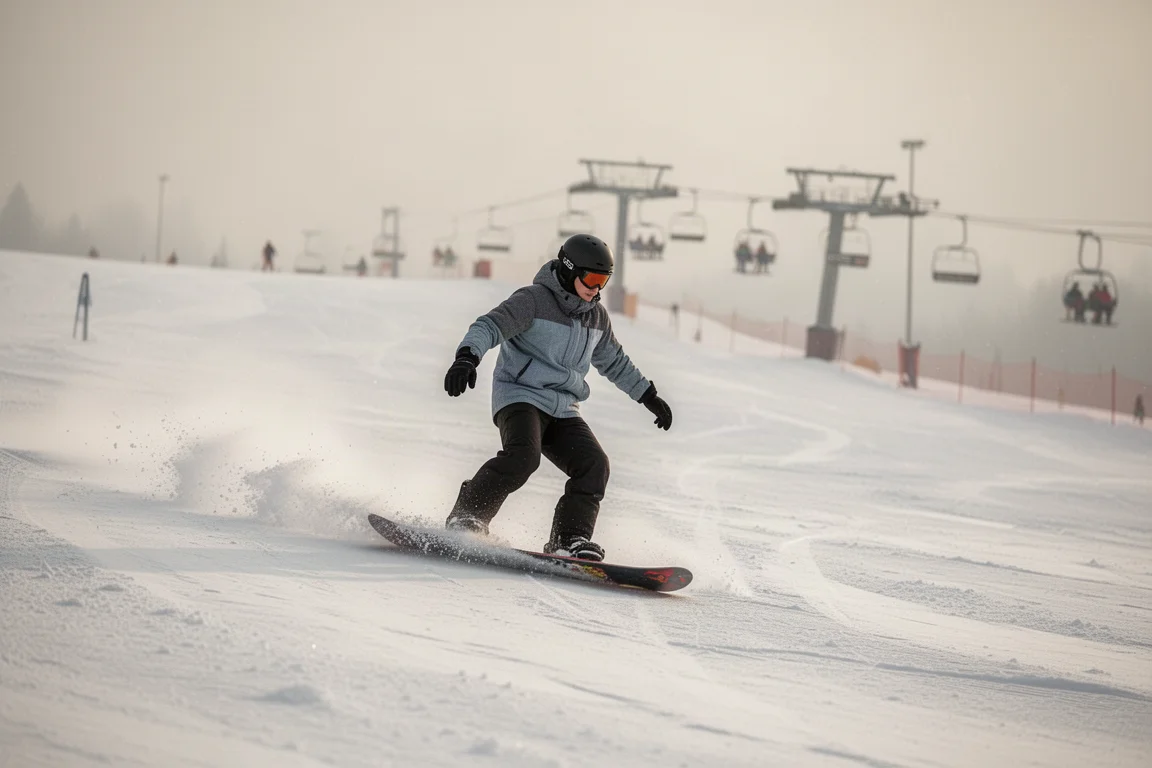
The boards below cover both approaches, from mellow camber decks that hold an edge on their own to full reverse camber boards designed to swivel effortlessly.
The Top Pick: Nitro Prime
The Nitro Prime earns the number one spot as the classic meat-and-potatoes beginner board. It is a directional twin, so once you set your stance it rides the same in both directions, with a touch of extra nose that helps with float on your first powder day. Rocker on the nose and tail keeps it catch-free, so it resists digging in when you are riding on your heels and leaning back a bit too much.
What sets it apart is longevity: you can ride it all the way up to an advanced level and still have a good time, but it really excels for beginners. If a friend offers you a board from the 1990s, this is a very different and much better experience.
Rossignol Sawblade: Solid Edge Hold Without the Catch
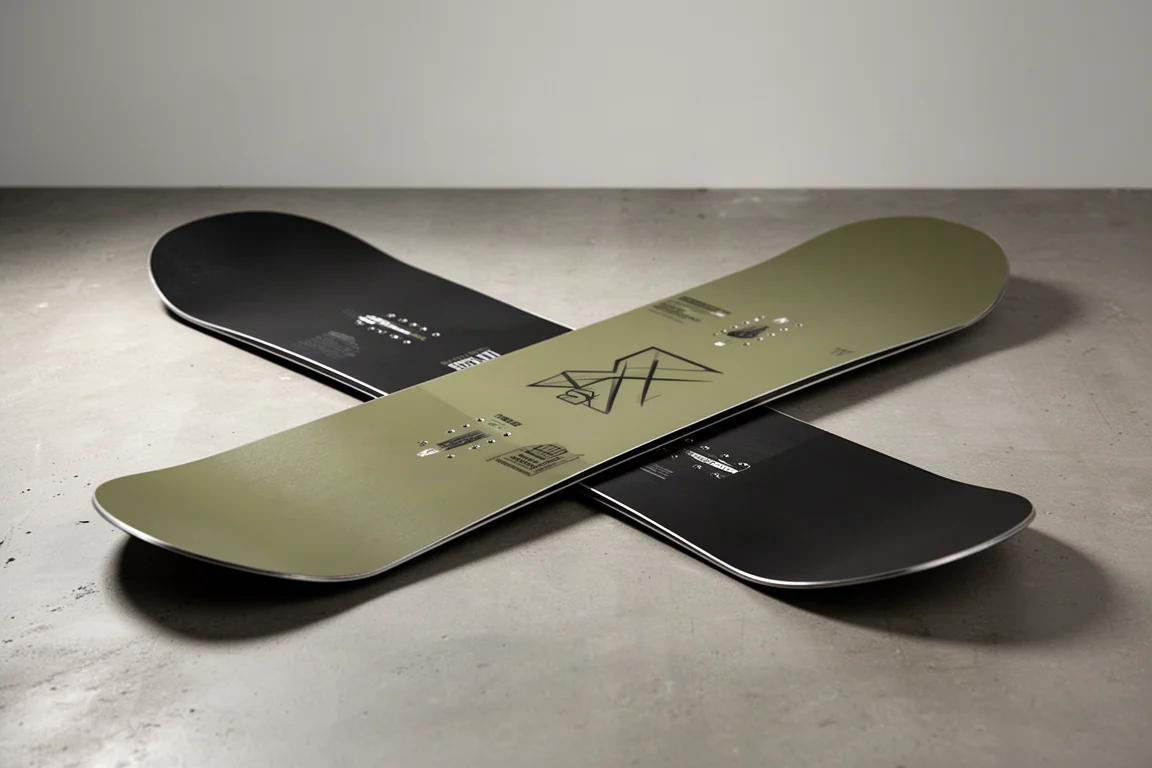
The Rossignol Sawblade offers strong edge hold between your feet while feeling progressively looser toward the nose and tail. That balance makes it nice and catch-free, whether you are learning in the park or simply trying to get down the mountain. It grips when you need it but never feels so locked-in that poor form becomes a problem, which is exactly what a beginner needs.
It is a board that tolerates imperfect technique without letting you slip out, a rare combination at this level.
Nidecker Score: Camber That Rewards Patience
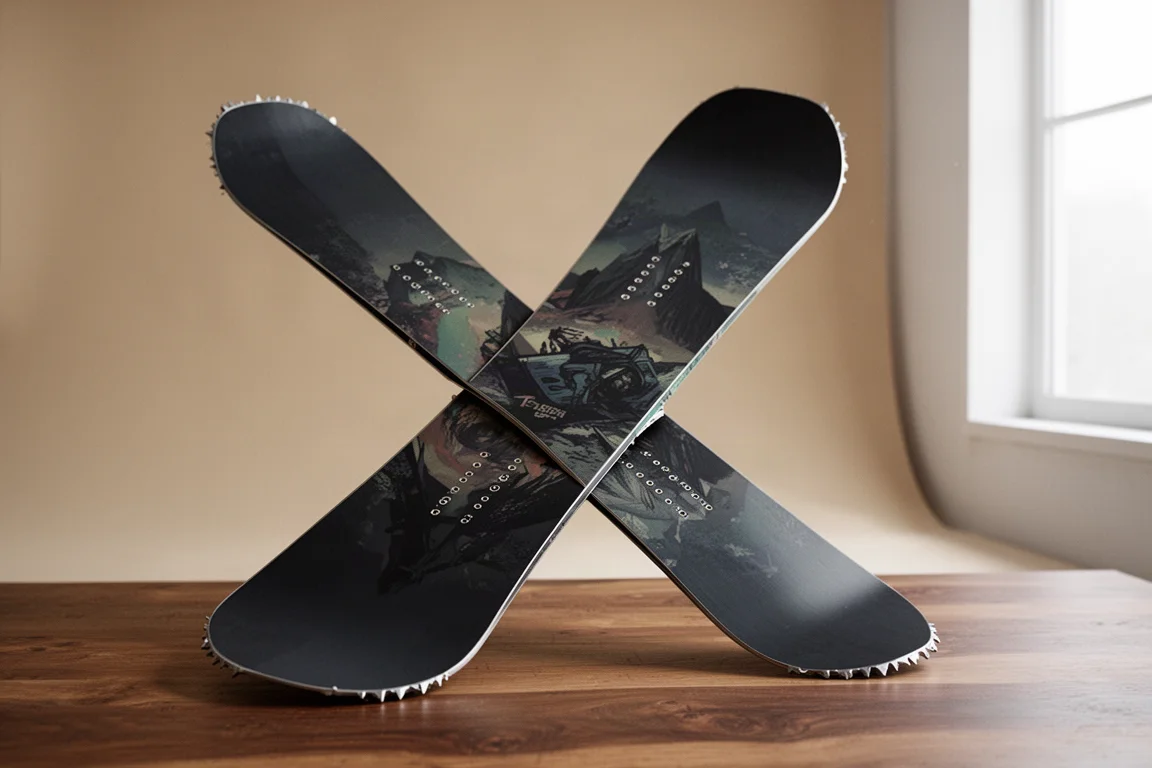
The Nidecker Score is a positive camber board, which can lengthen the learning curve slightly but makes you a better rider overall in the long run. Edge hold is excellent: as long as you set the edge, you are fine, with no need to force pressure into it. Despite the more aggressive camber profile, the board itself stays soft and forgiving, so you can lean into it and torsionally flex it to learn how boards actually behave under your feet.
There is plenty of snap too, so it works in the park, and it remains a viable board as you move into intermediate riding.
The No-Nonsense All-Rounder: Jones Rally Cat
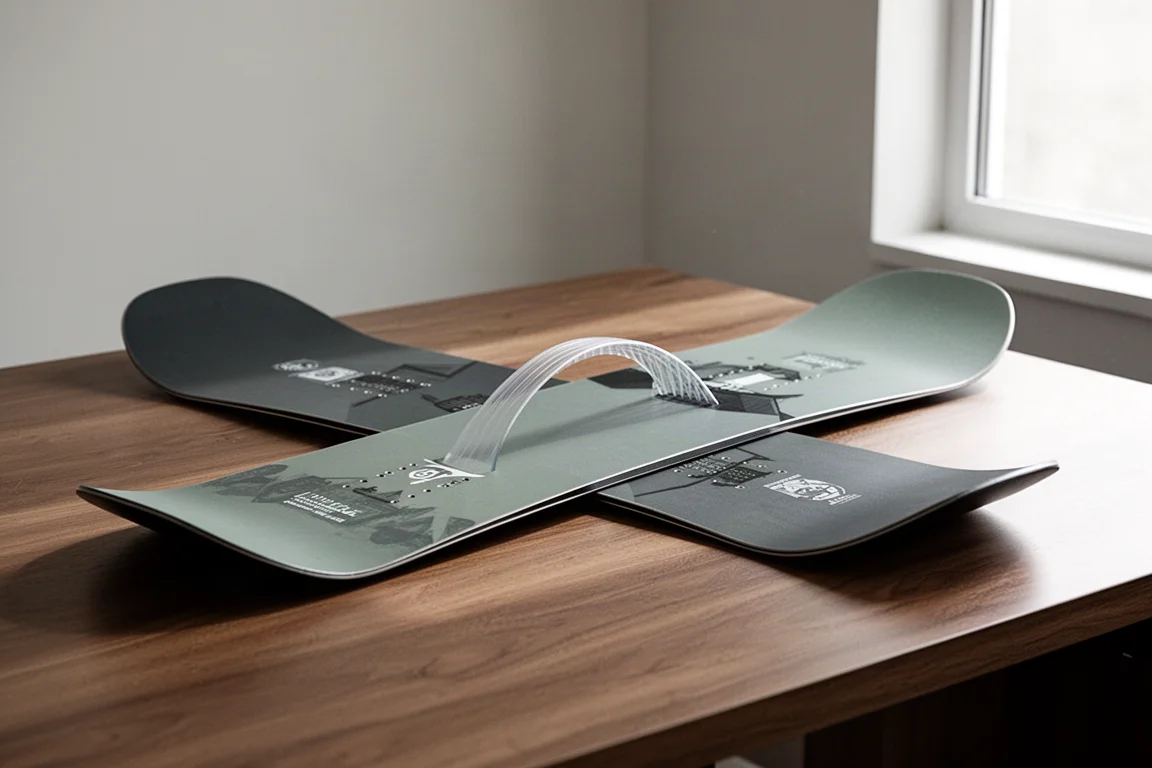
The Jones Rally Cat is a newer addition to the Jones line, but it keeps things deliberately simple. There are no exotic materials like carbon or basalt stringers here, just a solid standard construction with a centered base that is fast and durable as long as you keep it waxed. The full camber from contact point to contact point delivers reliable edge hold without feeling cumbersome or burly.
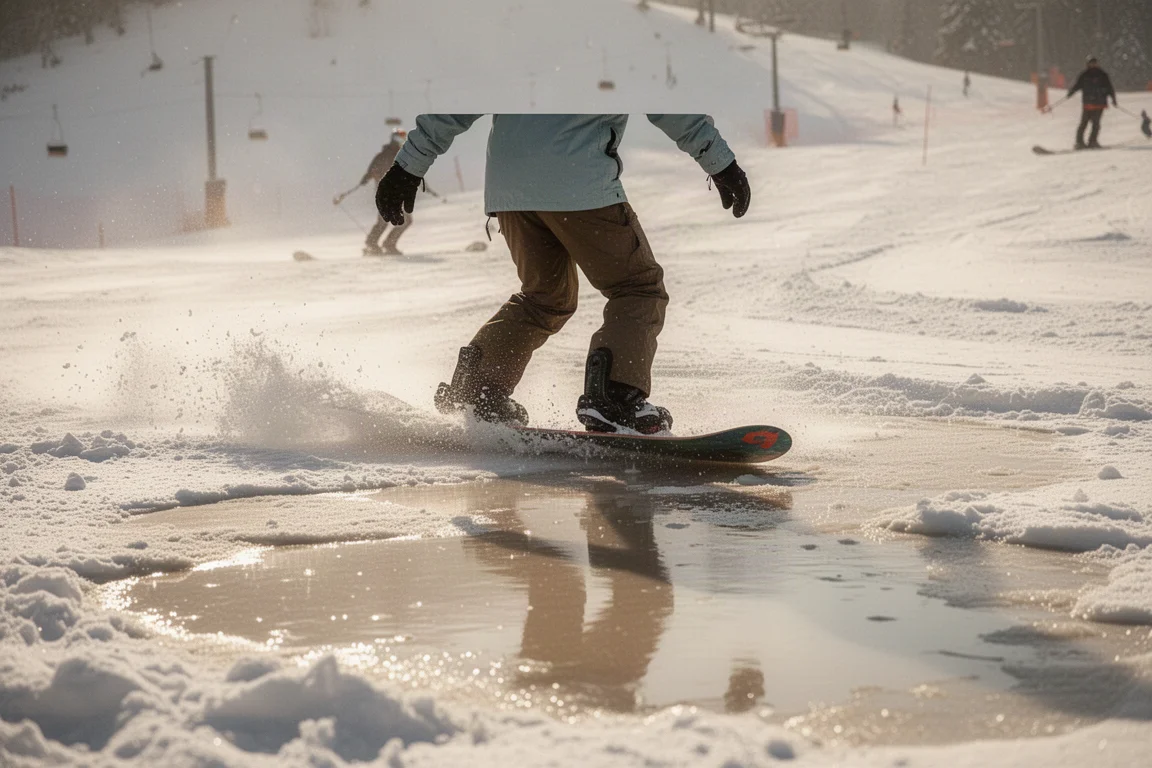
It handles your first powder day, your first slush day, and groomer laps alike. When you start overpowering it, that is your signal to step up, and until then it is all you need.
Ride Agenda: A Proven Budget-Friendly Shape
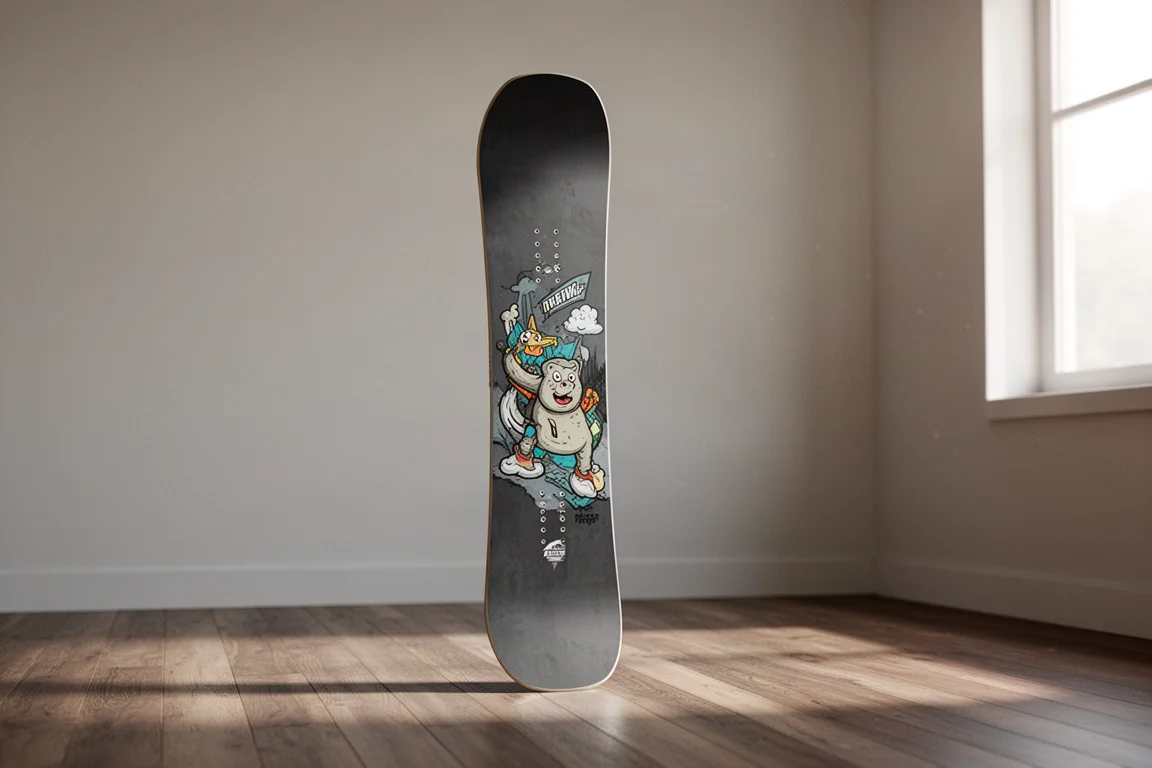
The Ride Agenda has been in the line for roughly a decade, and its formula is proven: camber between the feet with a bit of rocker on the tip and tail. That profile makes it easy to get from edge to edge, especially on short quick carves when everything still feels a little uncertain under your feet. It holds an edge without being aggressive enough to lock you in.
It also grows with you: once you are confident, it will handle bigger mountain terrain and even intermediate black runs, so you will not need a new board just because you have outgrown the easy days.
Honorable Mentions Worth Considering
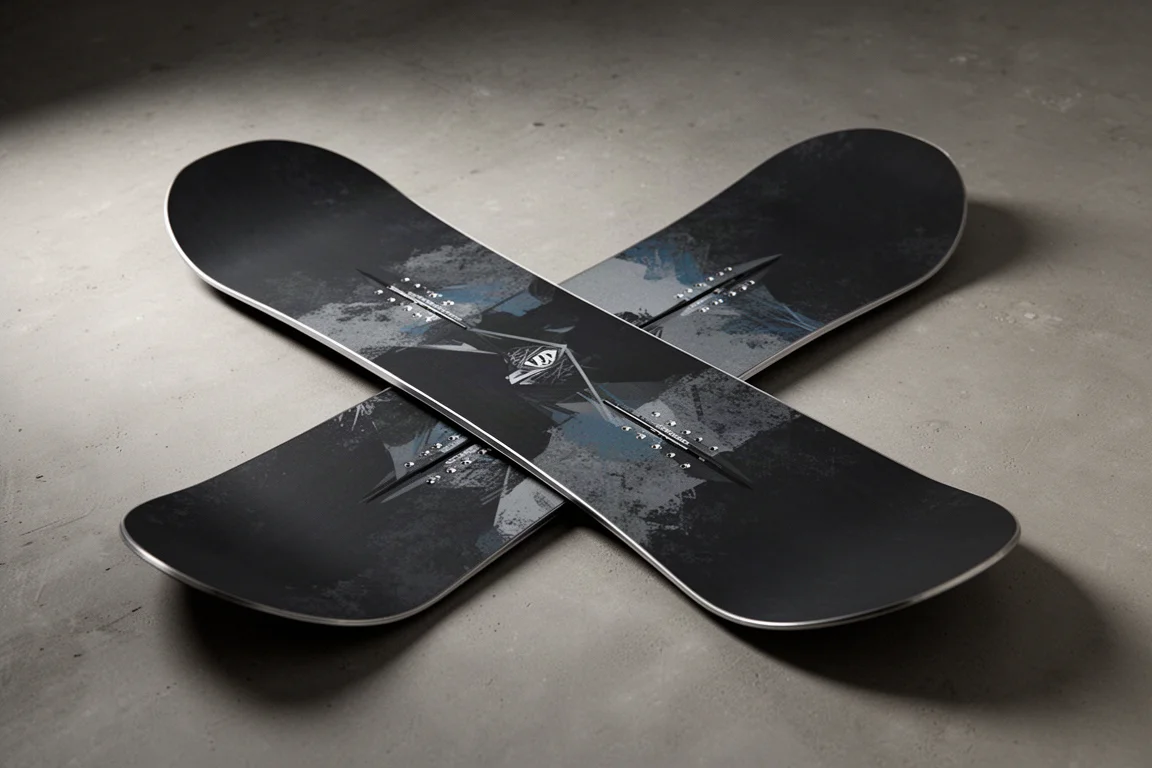
These boards did not crack the top five but remain excellent options depending on what kind of learner you are.
GNU GWO
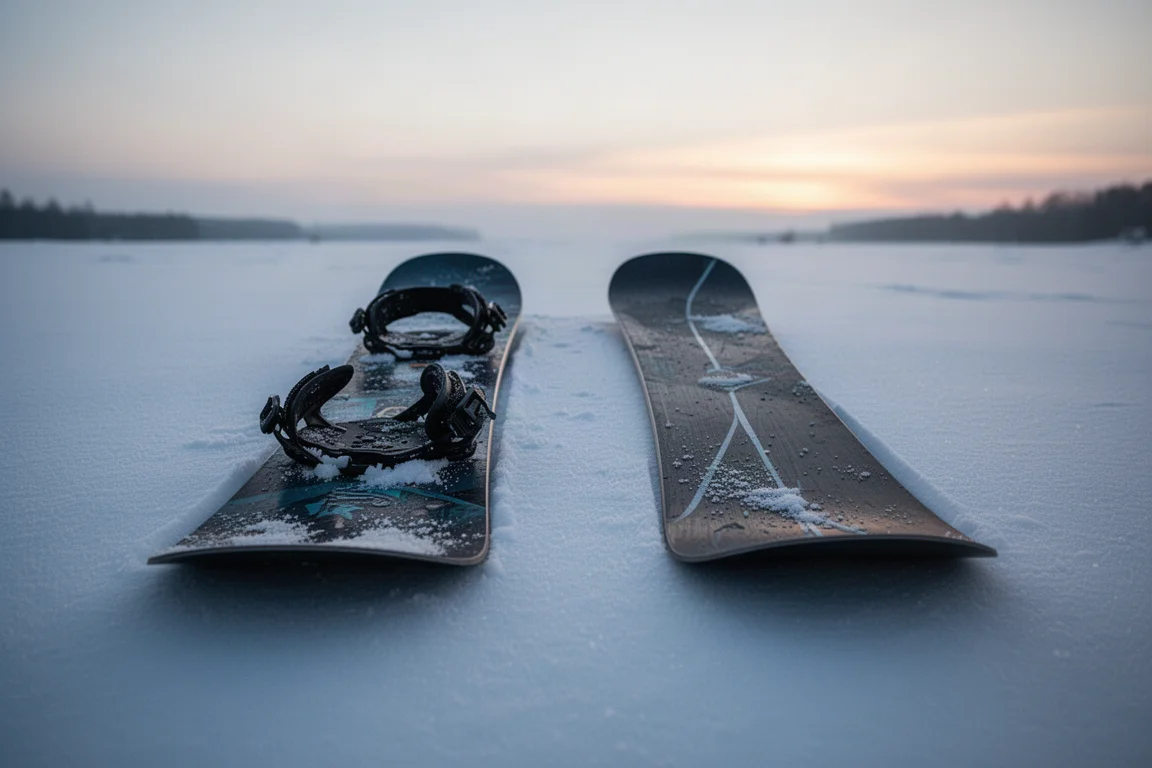
The GNU GWO is a full reverse camber board, which makes it supremely catch-free and easy to swivel, ideal for a first-ever day on snow when you just want to turn instead of straight-lining down the mountain. Magnetraction acts like a serrated edge along the sides, cutting into icy conditions and helping you learn to turn without digging in or slowing down.
K2 Gateway Pop
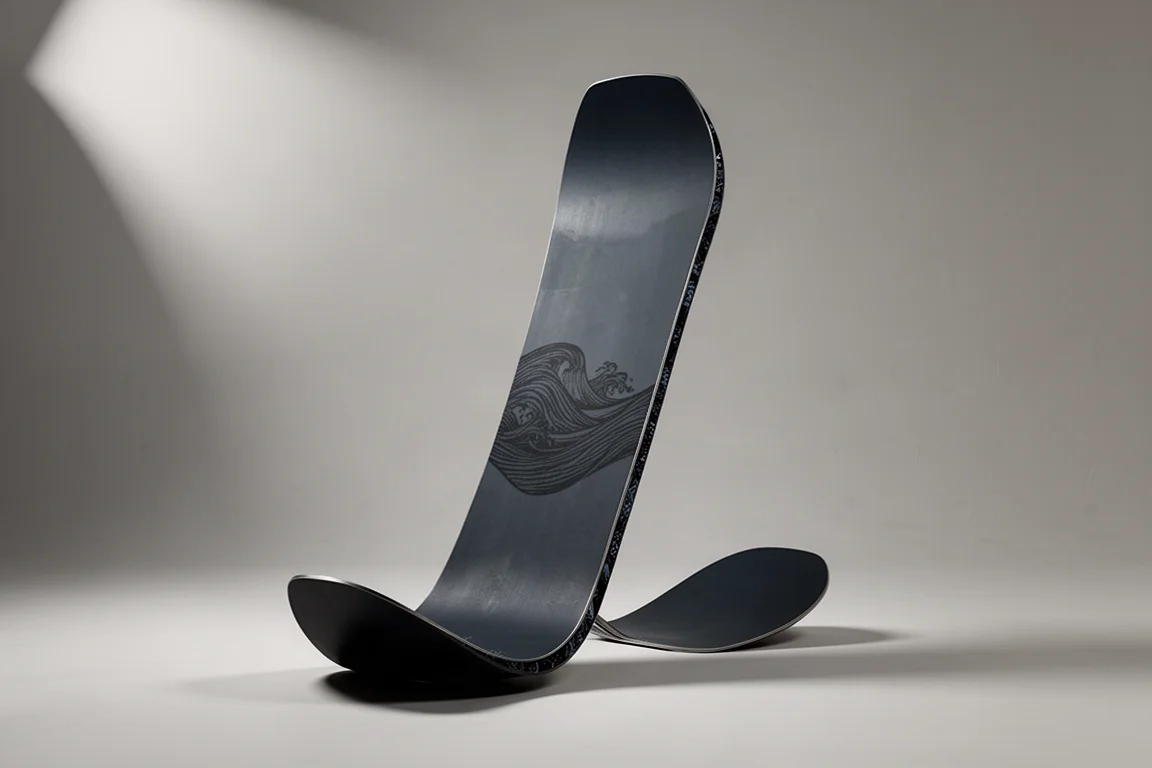
The K2 Gateway Pop adds a bit more tech for progressing riders. The extruded base is forgiving of neglect, while carbon running from nose to tail delivers pop, drive, and precision as your skills develop. That carbon layup also helps the board keep its rigidity longer, which matters because boards soften over time and you will want that stiffness as you advance.
Capita Pathfinder
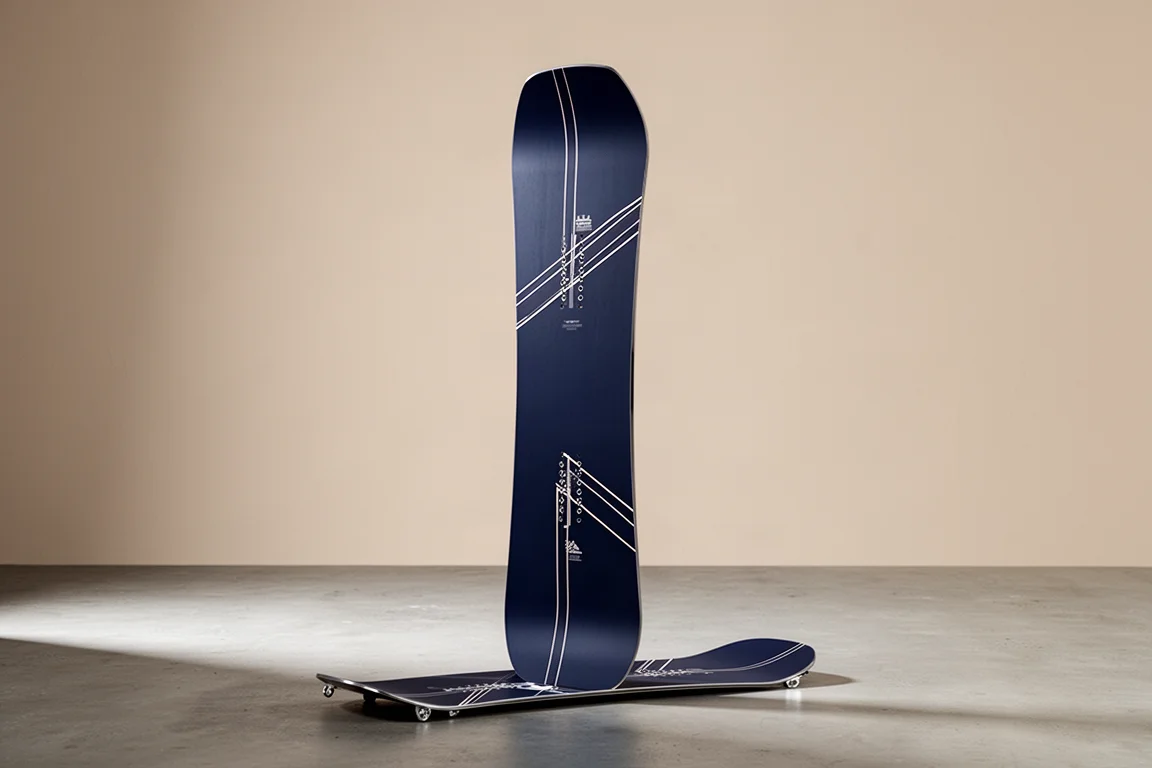
The Capita Pathfinder comes in reverse camber or camber, and it is dealer’s choice. The reverse option is more user-friendly, keeping things catch-free in that anti-scorpion way. The camber version offers more precision and progresses you faster once you get the hang of it, since mastering a cambered board opens up a far wider range of boards and does not pigeonhole you into reverse camber options.
Buying Advice
If you want the board most likely to work for the longest time as a beginner, the Nitro Prime is the safe pick. If you would rather shorten the learning curve and accept a ceiling sooner, the GNU GWO or the reverse-camber Capita Pathfinder are worth a look. Riders who want to build proper technique with camber should weigh the Nidecker Score, Jones Rally Cat, or K2 Gateway Pop, while the Ride Agenda and Rossignol Sawblade split the difference with forgiving profiles that still reward progression.
Conclusion
There is no single perfect beginner snowboard, but every board on this list removes at least one barrier to learning. Match the camber profile to your patience level, pick a flex you can actually bend, and you will spend more time improving and less time picking yourself out of the snow.
Further reading
Related Reviews
Snowboarding
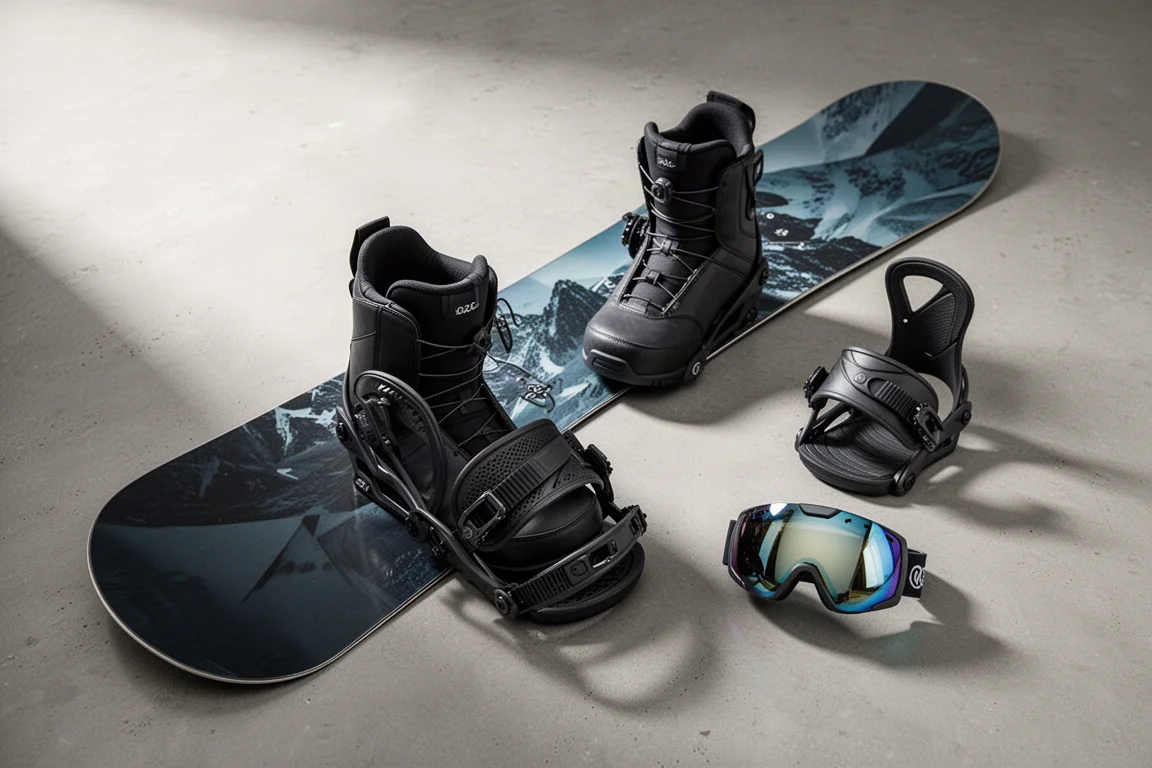
2025 Snowboard Gear List: Five Picks That Earned Their Place on the Mountain
From Zeiss-lens goggles to a hybrid step-in binding, here are five pieces of 2025 snowboard gear that held up across a full season of riding.
Snowboarding
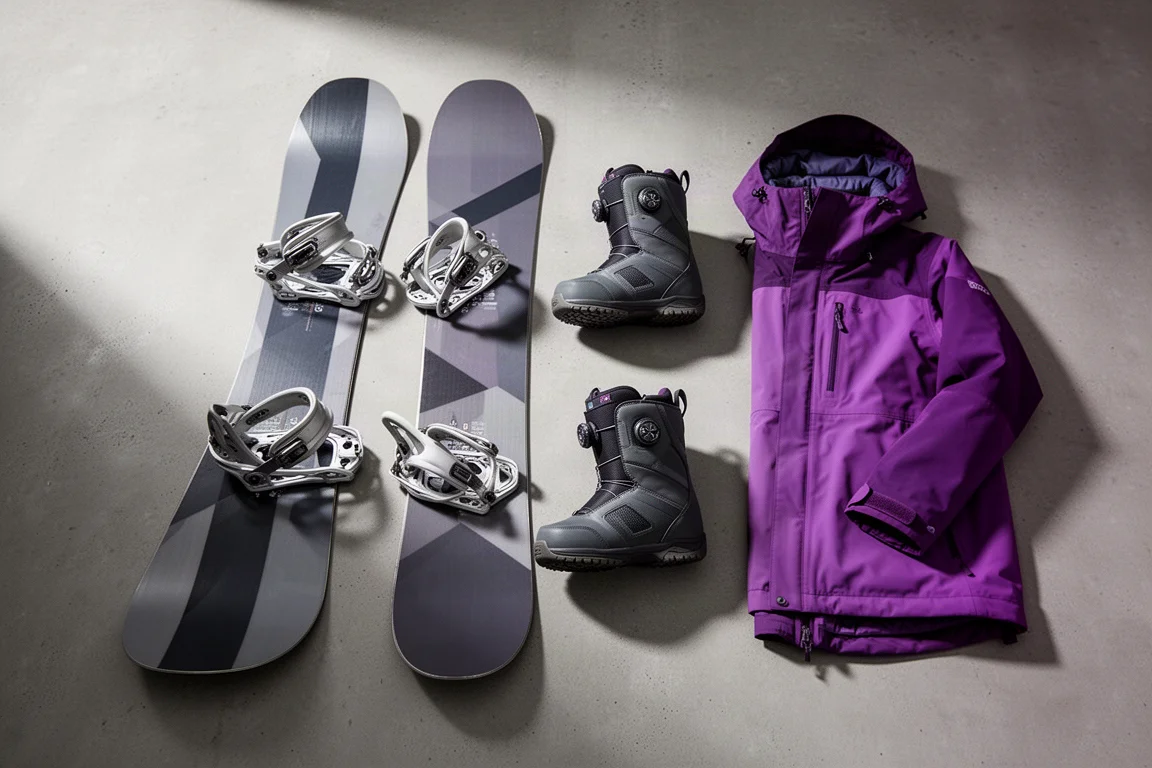
2026 Snowboard Gear List: Boards, Bindings, Boots and Outerwear Worth a Look
A season-ready snowboard setup built from the bottom up: base layers, Strafe outerwear, Ride and Union boots, Union bindings, and two new Capita boards.
Snowboarding
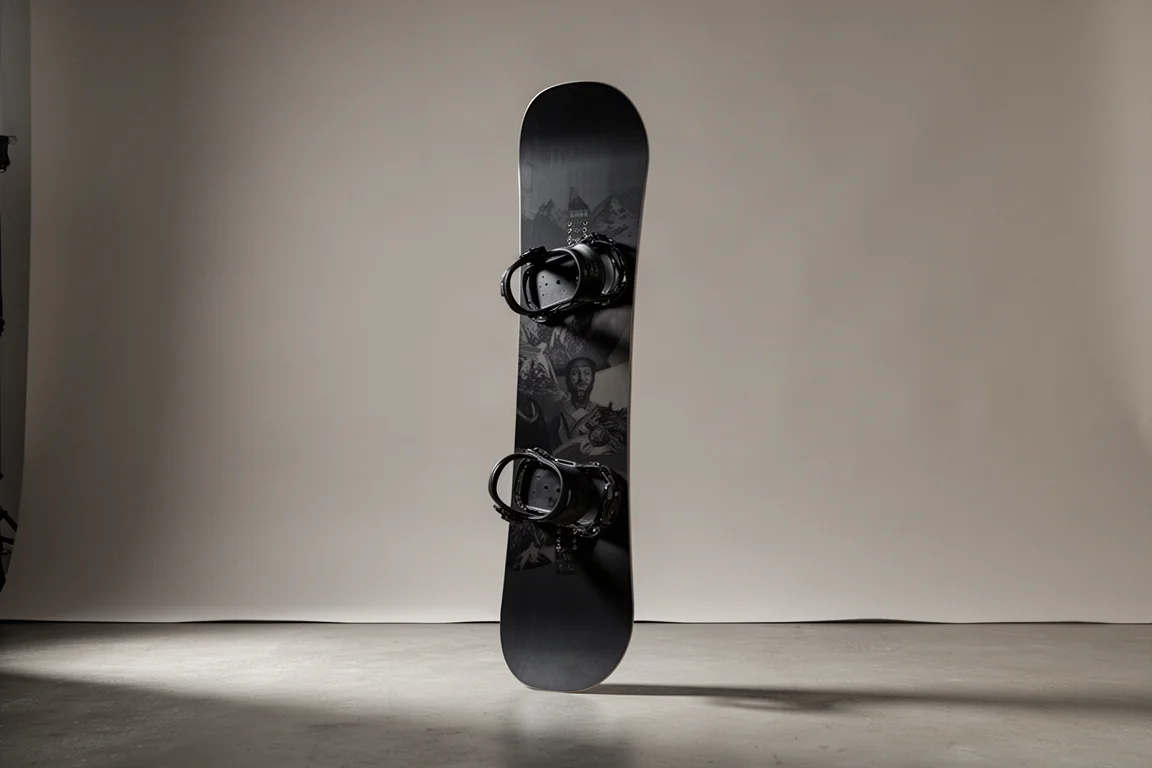
32 Cold World Review: A Playful Hybrid Camber Board for Park Laps
The 32 Cold World blends classic camber underfoot with flat nose and tail sections for a predictable, butter-friendly ride aimed at intermediate park riders.