Running Gear
Beginner Running Kit: What You Actually Need to Get Started
A practical guide to the first pieces of running kit worth buying, from shoes and a GPS watch to belts, clothing, and headphones.
Introduction
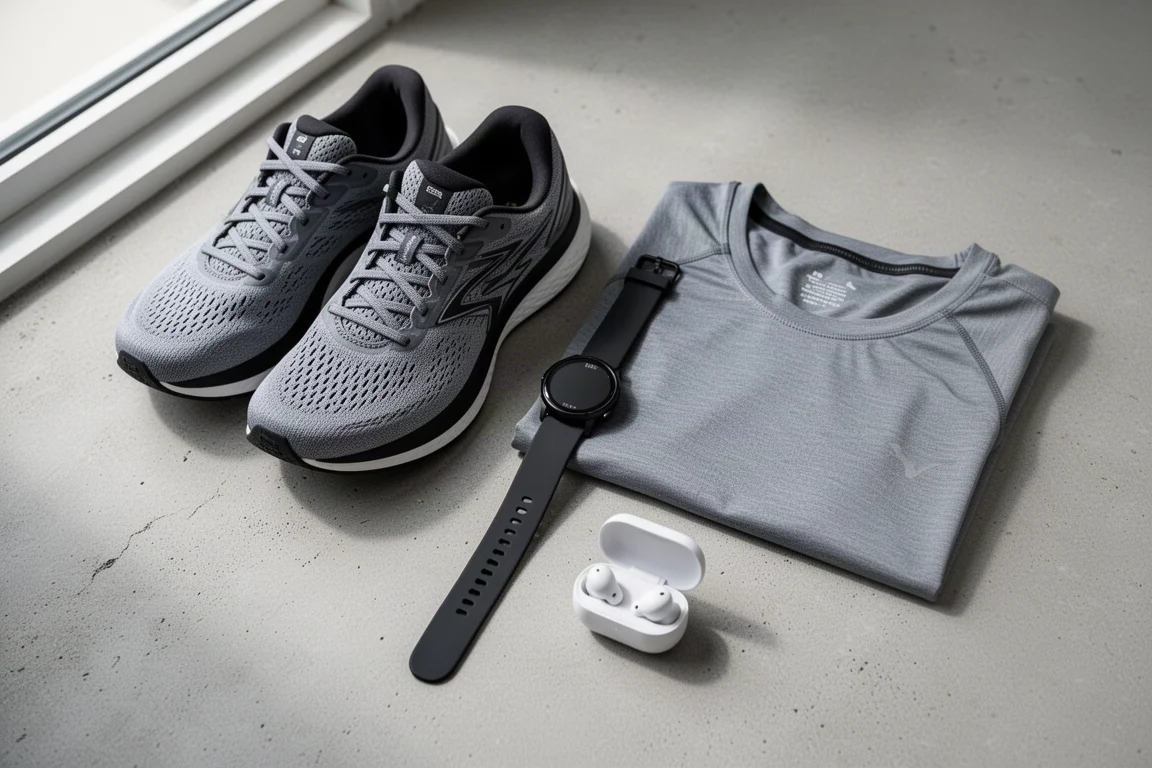
Starting running does not require a huge shopping trip. Shorts and a t-shirt keep your dignity intact, but a handful of smart purchases make the whole experience more comfortable, more enjoyable, and far more likely to turn into a habit. This guide walks through the areas that matter most for new runners: shoes, a running watch, a way to carry your essentials, clothing, and headphones, along with the common mistakes worth avoiding.
Running Shoes: Comfort Beats Hype
Shoes are arguably the most important piece of kit beyond a pair of shorts. With so many options at wildly different price points, beginners can easily be steered towards expensive models they do not need. The best advice is simple: go to a running shop, try a few pairs on, and trust how the shoe feels. If it feels right, it probably is right for you.
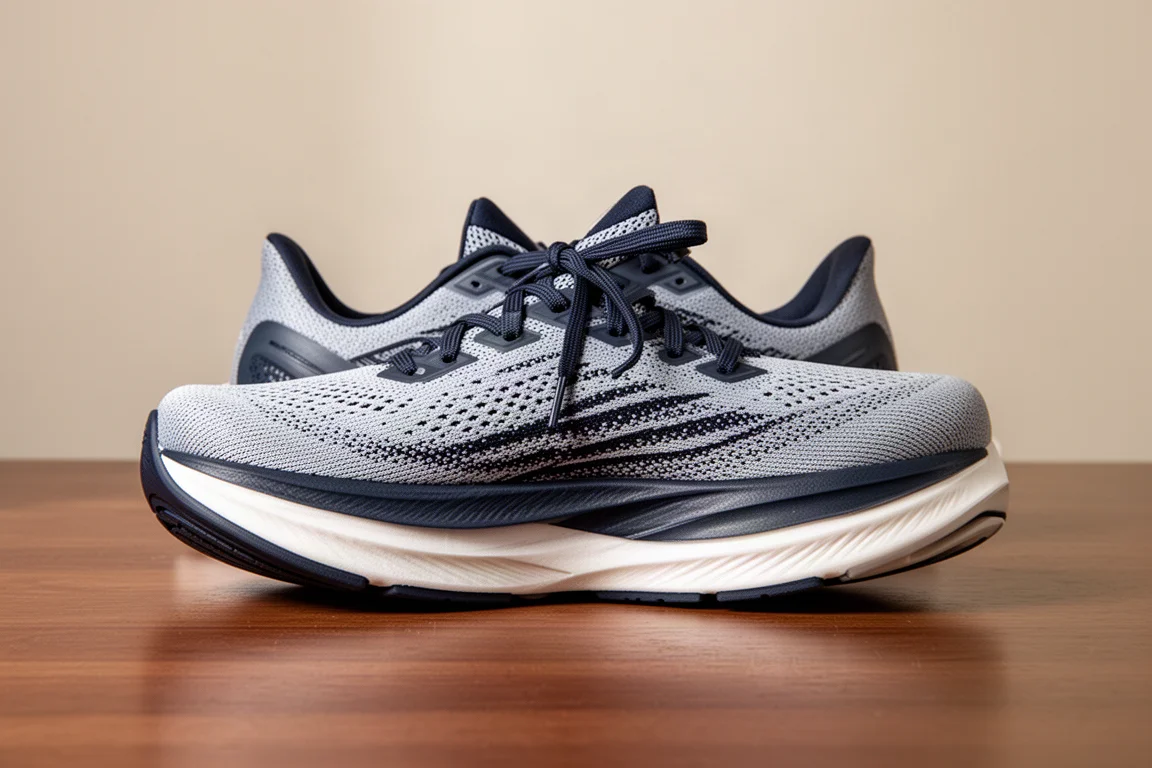
Steer towards cushioned, comfortable options when you are starting out, because the impact of running can be hard on the body and a protective shoe helps. Versatility matters too: if you already have races or speed sessions in mind, pick a shoe that can handle the growth of you as a runner. Modern cushioned shoes can be light, comfortable, and still good for faster work.
Price is the biggest trap. A more expensive shoe is not automatically a better shoe for you. The right shoe is the right shoe, whether it costs a premium or a modest amount. One money-saving tip: if you love a shoe that ends in a high number, look for the previous version on sale. Models often change very little between generations, so an older colorway can deliver almost the same feel for less.
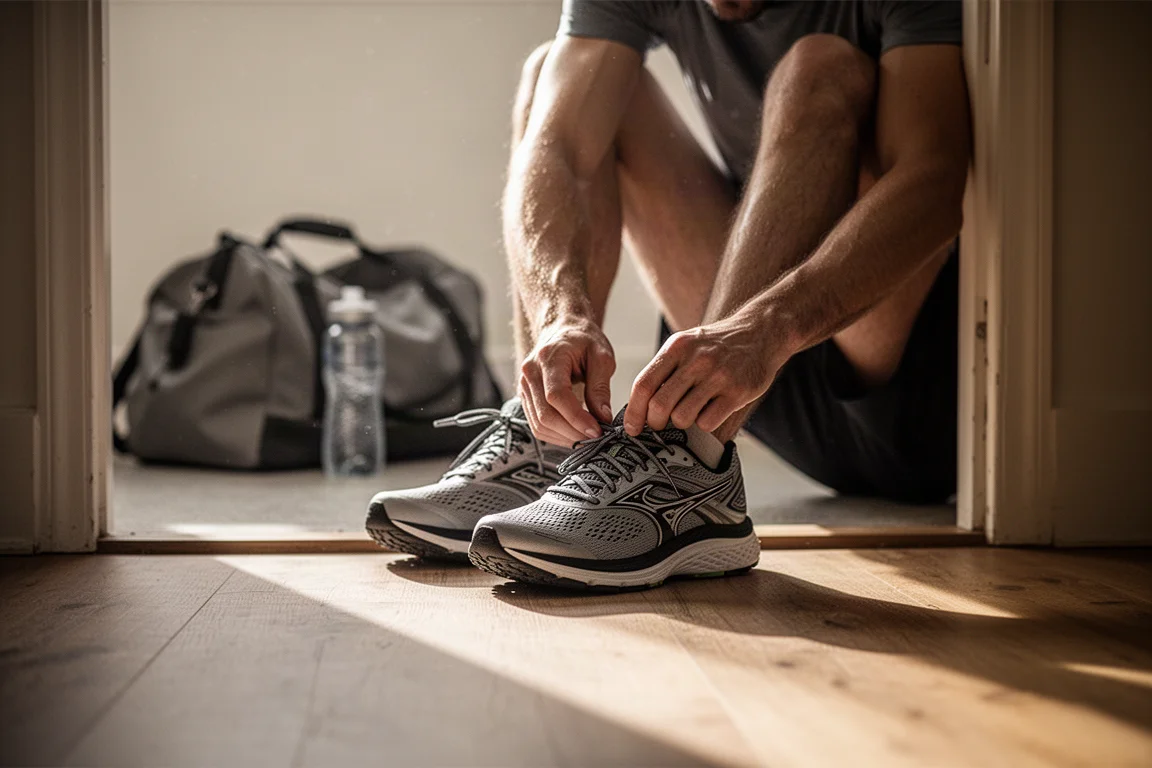
A cautionary tale: one of the first shoes many new runners get talked into is the Adidas Adios, the lightweight racing flat associated with world record performances in Berlin. It is a superb shoe for elite racers, but for a beginner jogging around a local park it is nowhere near cushioned enough, and it can be genuinely punishing on the body. Do not simply buy what the elites wear.
Running Watches: Manage Your Effort, Enjoy Your Runs
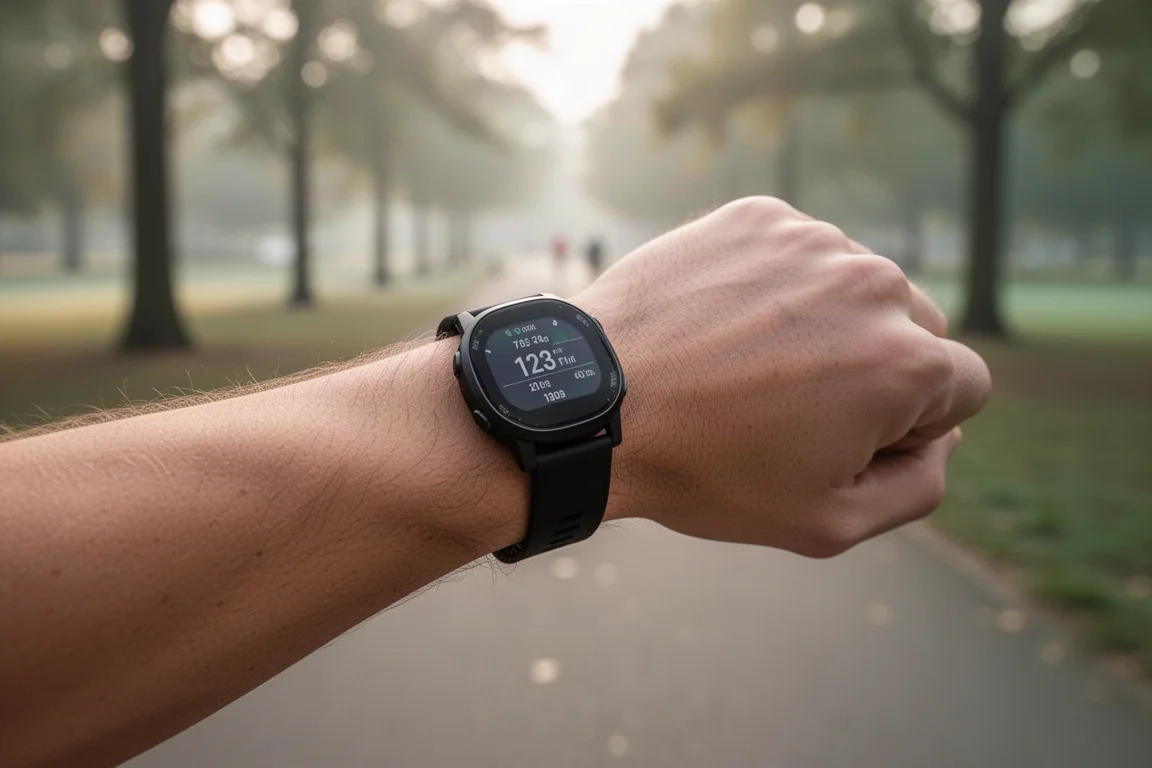
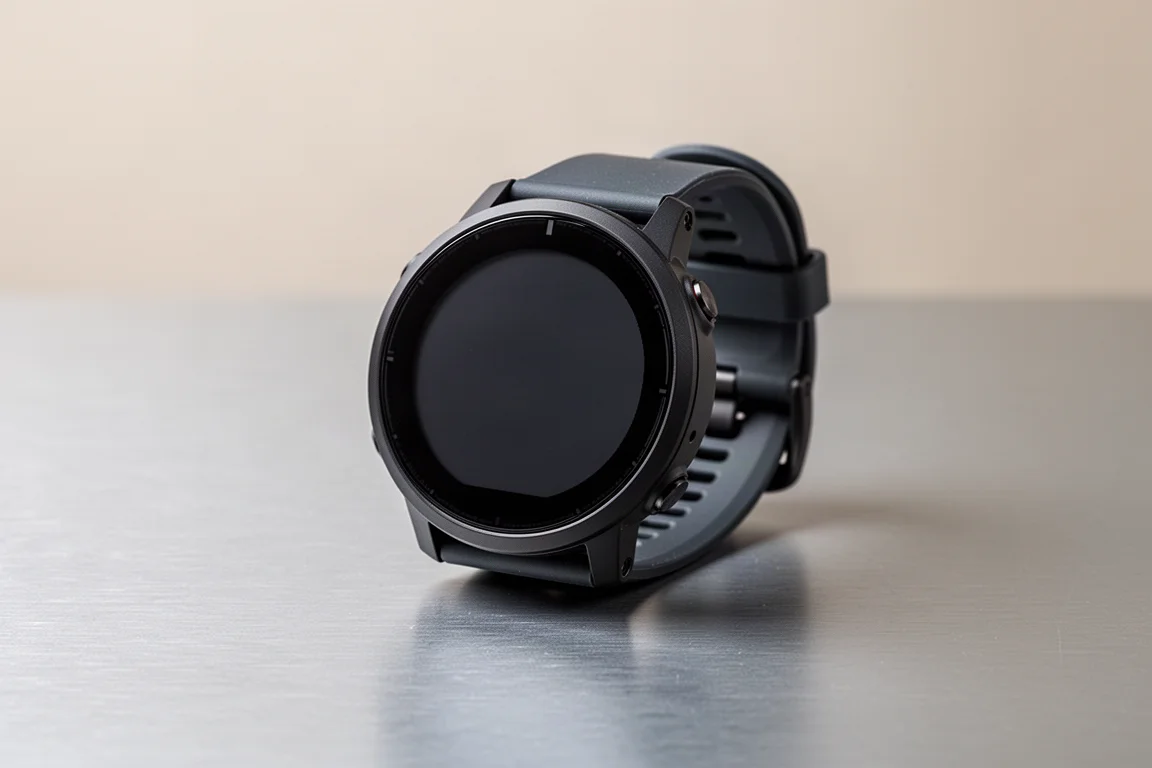
Whatever your level, a sensible way to buy a running watch is to list the features you genuinely need, then find the cheapest watch that covers all of them. For beginners, the core features are a built-in GPS, a reliable optical heart rate sensor, and accurate pacing.
The reason intensity management matters so much is enjoyment. Going out the door at 90 percent of your capacity makes every run feel brutally hard, and you may not want to go again. Heart rate zone tracking and accurate pacing help you keep most runs genuinely easy, which is exactly what builds fitness. Experienced runners might only push hard on 20 to 30 percent of their weekly runs. Extras worth looking for include recovery guidance and the ability to load a structured training plan onto the watch.
There is also a motivational case for a watch over a phone app: seeing your time and progress on your wrist, and extending runs by small increments of time, builds confidence with little visible wins along the way.
The good news is that the essentials, GPS, heart rate monitoring, and training load analysis, are available well under the price of a premium watch. The Coros Pace 2 is a good example: it is small, lightweight, has strong battery life, delivers accurate data, and has enough feature depth to grow with you as running becomes a bigger part of your life.
Carrying Your Kit: Belts, Armbands, and Vests
Most running shorts still do not come with good pockets, so you will probably want a way to carry your phone, keys, a bank card, and a little money. Think of it as carrying security: whatever happens on the run, you have options. You can contact someone, buy water, or get home.
A slimline running belt with several pockets is a favourite solution. Armbands exist too, though they are not for everyone. Some belts also add water bottle capacity on the sides, which helps with hydration confidence. If you have entered a longer event like a marathon, a lightweight running vest or pack is worth considering, and you do not need to be an ultra runner to use one. If you go that route, look for a dedicated running vest with pockets in the straps: hauling a rucksack off your back mid-run for gels is a real hassle, and strap pockets solve it.
Clothing: Say No to Chafing
You can absolutely start by running in an old t-shirt and drawer socks, but discomfort makes running harder and less likely to become a habit. The key word you will hear is wicking: technical fabrics lift sweat away from your skin so it evaporates, keeping the garment dry. Cotton does the opposite, saturating with sweat, hanging against the skin, and rubbing. Chafing is not fun, and you would be surprised how quickly the wrong kit can cause it.
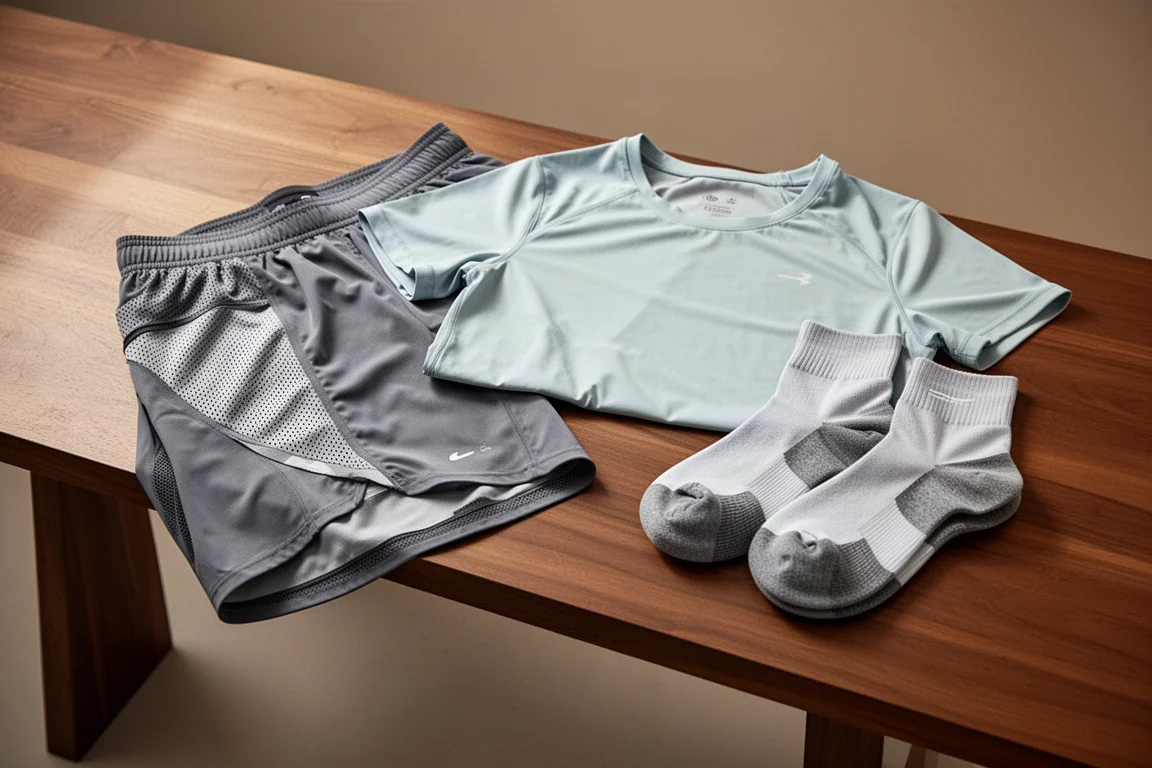
Start with three areas: t-shirt, shorts, and socks. For shorts, choose either a compression style that sits close to the skin and reduces rubbing, or a loose technical short that will not chafe. Do not underestimate socks: a decent pair or two helps prevent the blisters that plague new runners. For tops, a lightweight technical t-shirt is inexpensive these days, and if you know a marathon runner, they will almost certainly have spare race t-shirts to hand you.
A jacket is the final layer worth thinking about. You do not need a full waterproof at the start; cheap ones can feel hot and sweaty, and the truly good ones are very expensive. A wind and water resistant jacket is enough to keep the rain off for a half-hour or hour run and gives you that comfort to get out the door even when the weather turns.
Headphones: Motivation on the Move
Headphones are not strictly essential, but music and podcasts can genuinely help: they boost motivation, help you go longer, and can reduce perceived fatigue, and they pair nicely with structured programs if you start with something like a couch to 5k plan.
Wireless is the way to go. Truly wireless earbuds are available at very low prices now, and they eliminate the wire tug that plagued wired setups. Prioritise fit first, because earbuds that constantly need adjusting are as bad as none at all. Then look at battery life, and at durability: a higher IP rating means sweat and rain protection, and some cases now offer protection too.

If you would rather stay aware of your surroundings, two options exist. Bone conduction headphones hook over your ears and rest pads on your cheekbones, delivering audio as vibrations while leaving your ears completely open, useful in busy areas. Alternatively, many in-ear models include a transparency mode that filters in external noise, so you are never completely cut off from that approaching bus.
Buying Advice
Start with shoes fitted at a shop, prioritising comfort and cushioning over price or pro-race cachet. Add a capable but affordable GPS watch with heart rate and pacing features. Pick up technical shorts, socks, and a t-shirt to keep chafing away, a simple wind and water resistant jacket, and a slim belt for your phone and essentials. Finish with comfortable wireless earbuds, and you have covered everything a new runner genuinely needs without overspending.
Conclusion
Good beginner kit is about comfort, safety, and motivation, not about buying the most expensive option in each category. Get the shoes right, manage your effort with a watch, dress sensibly, carry your essentials, and put some audio behind your runs. Do that, and you give yourself the best chance of falling in love with running for the long term.
Further reading
Related Reviews
Running Gear
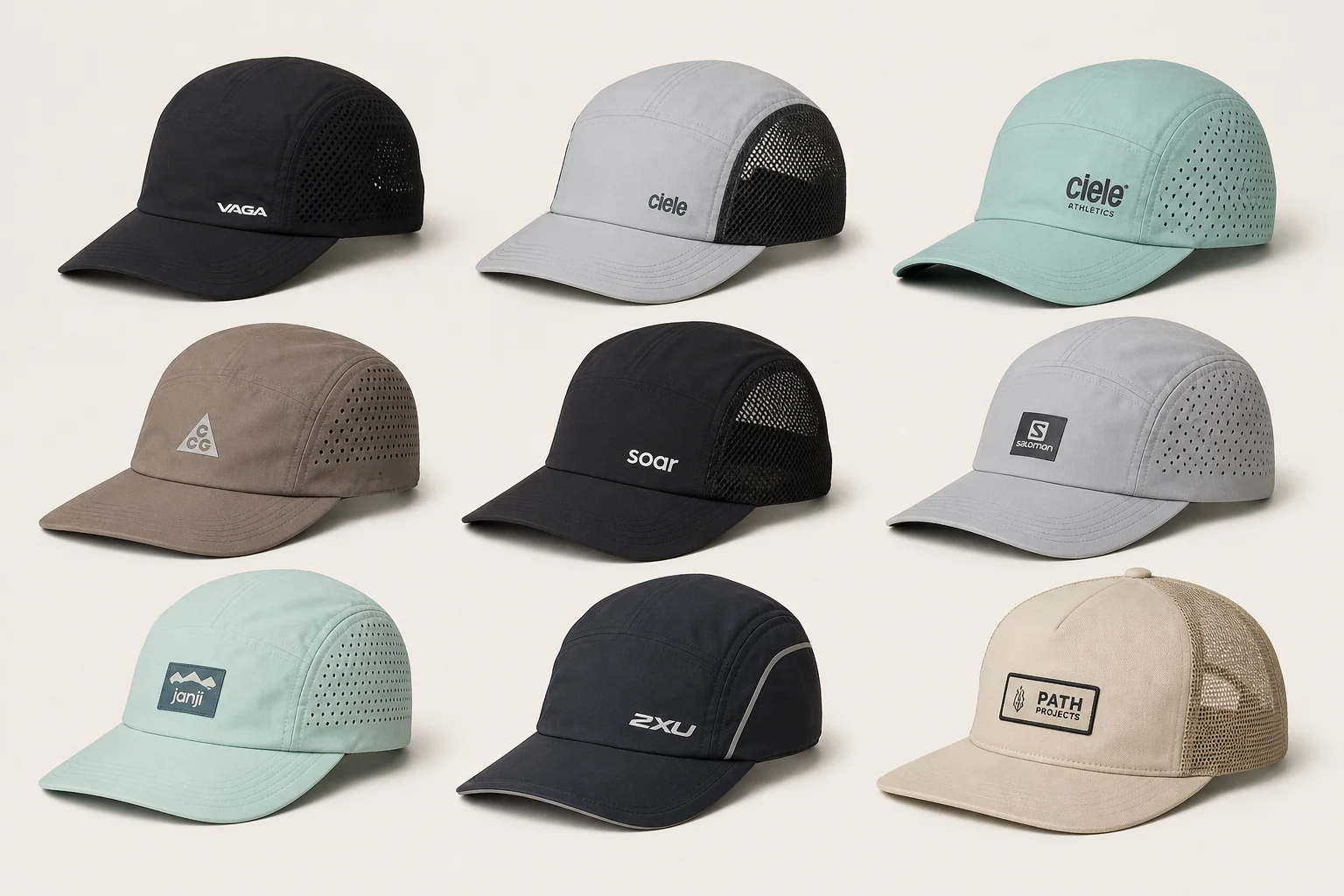
Best Running Caps 2026: Nine Tested Options for Summer and Winter
A comprehensive guide to nine running caps tested across different conditions, from lightweight summer options to waterproof winter choices.
Running Gear
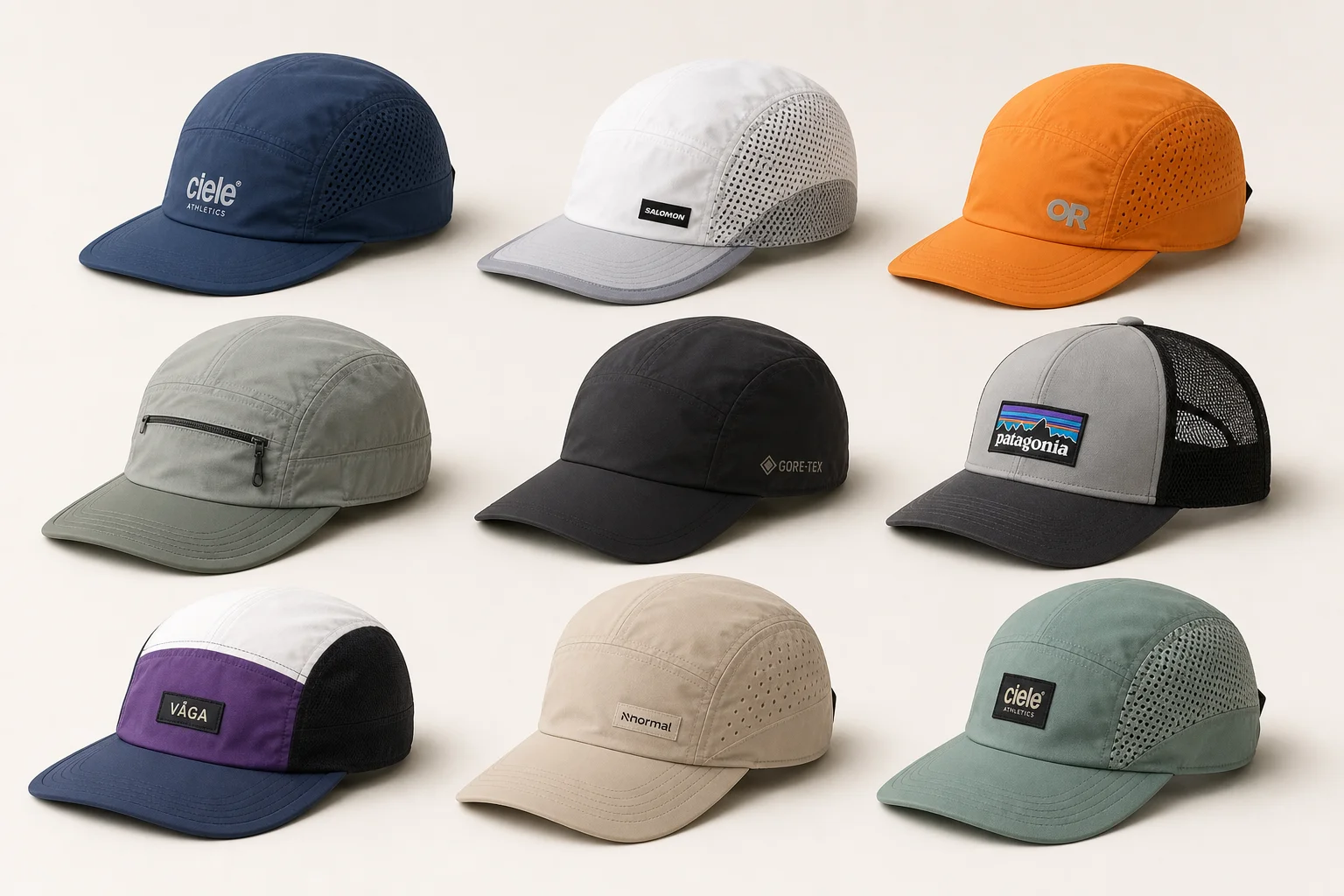
Best Running Caps: A Guide to Summer and Winter Options
A comprehensive review of nine running caps for different conditions, styles, and preferences, from lightweight summer options to waterproof winter choices.
Running Gear
Best Running Gear 2026: Five Picks That Earn Their Place
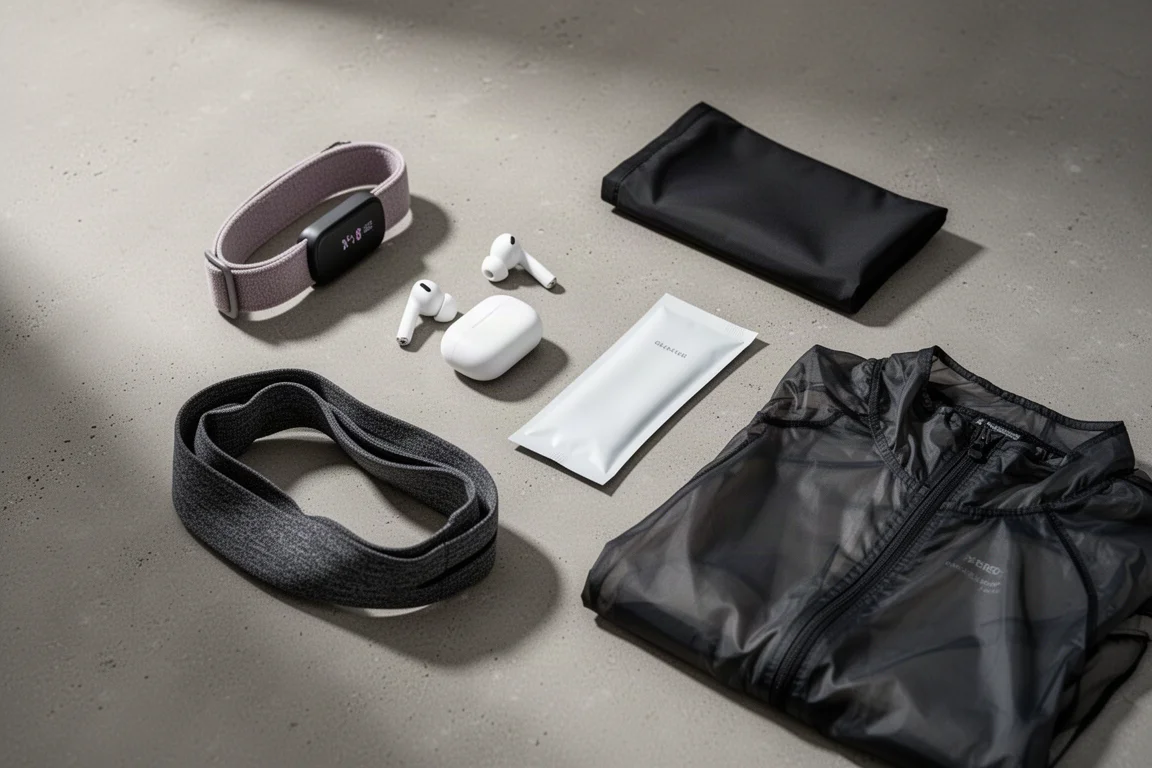
Five running upgrades covering heart rate, audio, fuelling, carrying and weather protection, with the trade-offs worth knowing before you buy.