Freshwater Aquarium
Best Beginner Aquarium Fish: 6 Hardy Species for Community Tanks
A practical guide to six beginner-friendly freshwater fish, with care notes and tank mate advice from an experienced aquarist.
Introduction
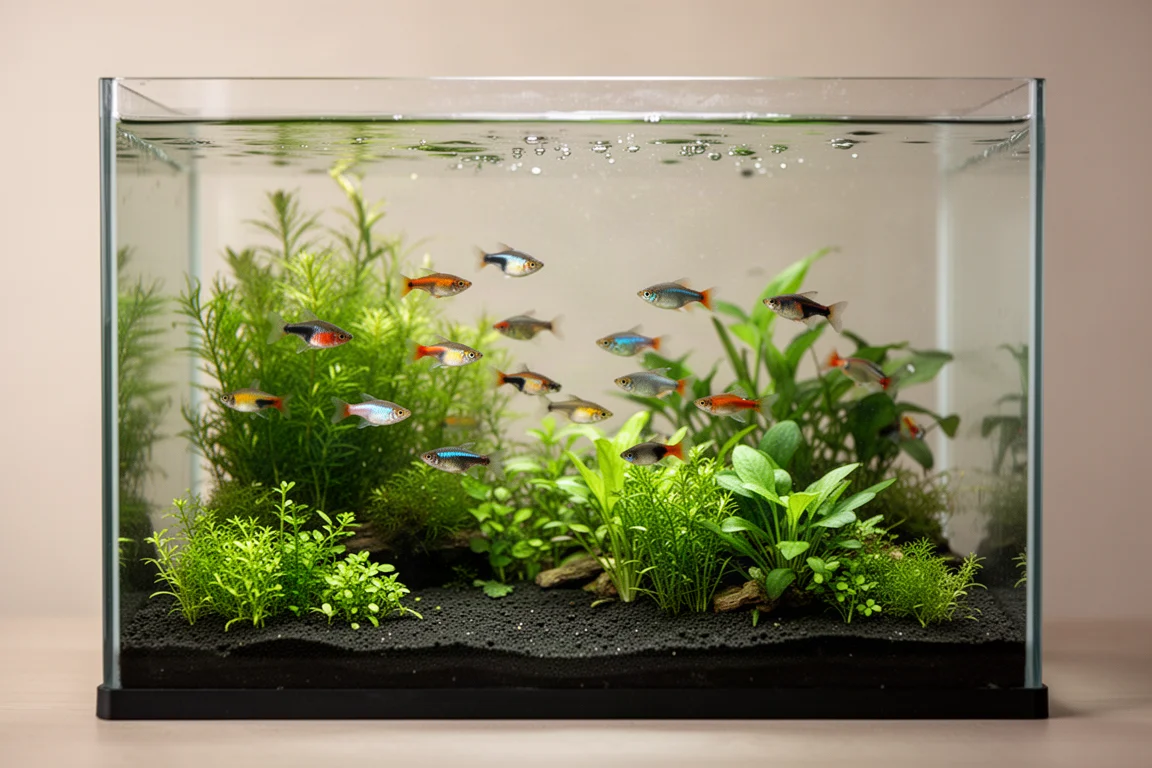
Choosing the right fish for a first aquarium can feel overwhelming. There are hundreds of species available, each with its own requirements and temperament. The good news is that some fish are far more forgiving than others, making them ideal for beginners who want a thriving community tank without constant worry.
These six species are known for their hardiness, adaptability, and ability to get along with a wide range of tank mates. They are all freshwater fish that do well in community setups, and most are readily available.
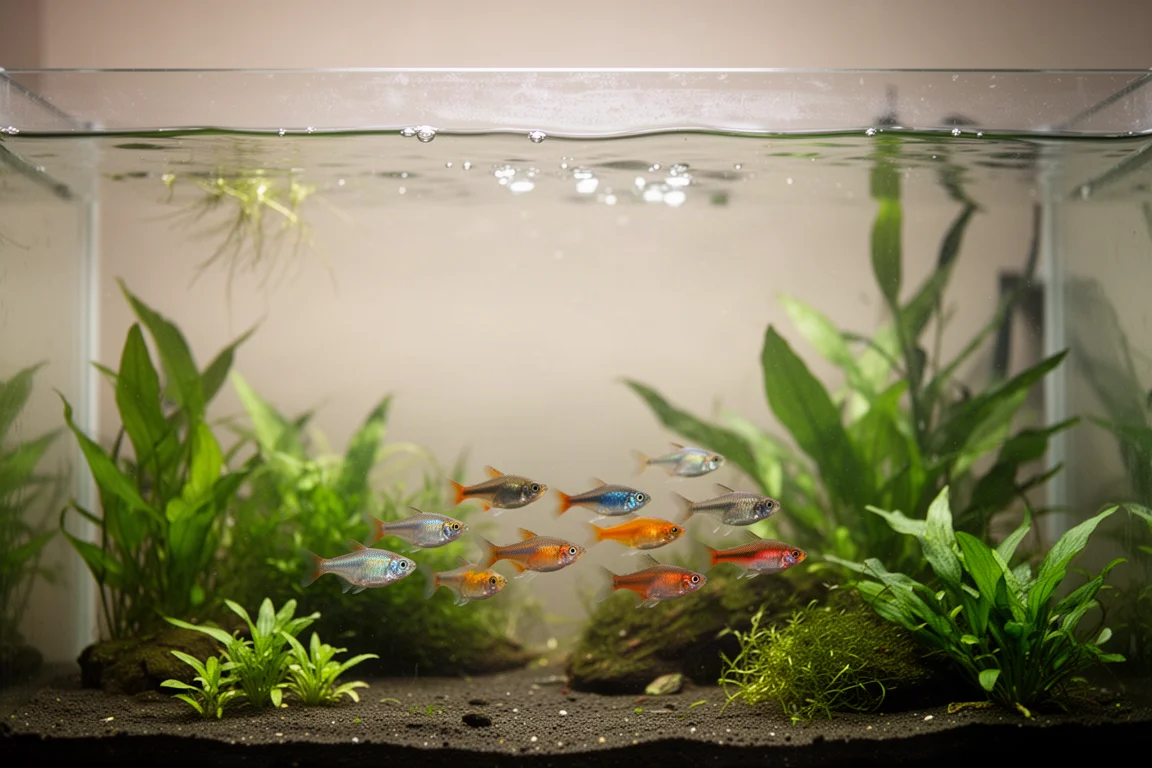
Whether you are setting up your first tank or adding to an existing one, these fish offer a great starting point. Each has its own personality and visual appeal, and they can be mixed in various combinations depending on tank size and setup.
Evaluation Criteria
To select these beginner fish, we focused on several key factors: hardiness, temperament, ease of care, and compatibility with other species. We also considered how easy it is to identify males and females, which can be helpful for breeding or simply understanding your fish. The species listed here are known for being forgiving of minor water quality fluctuations and for thriving in a variety of tank conditions.
Lemon Tetra
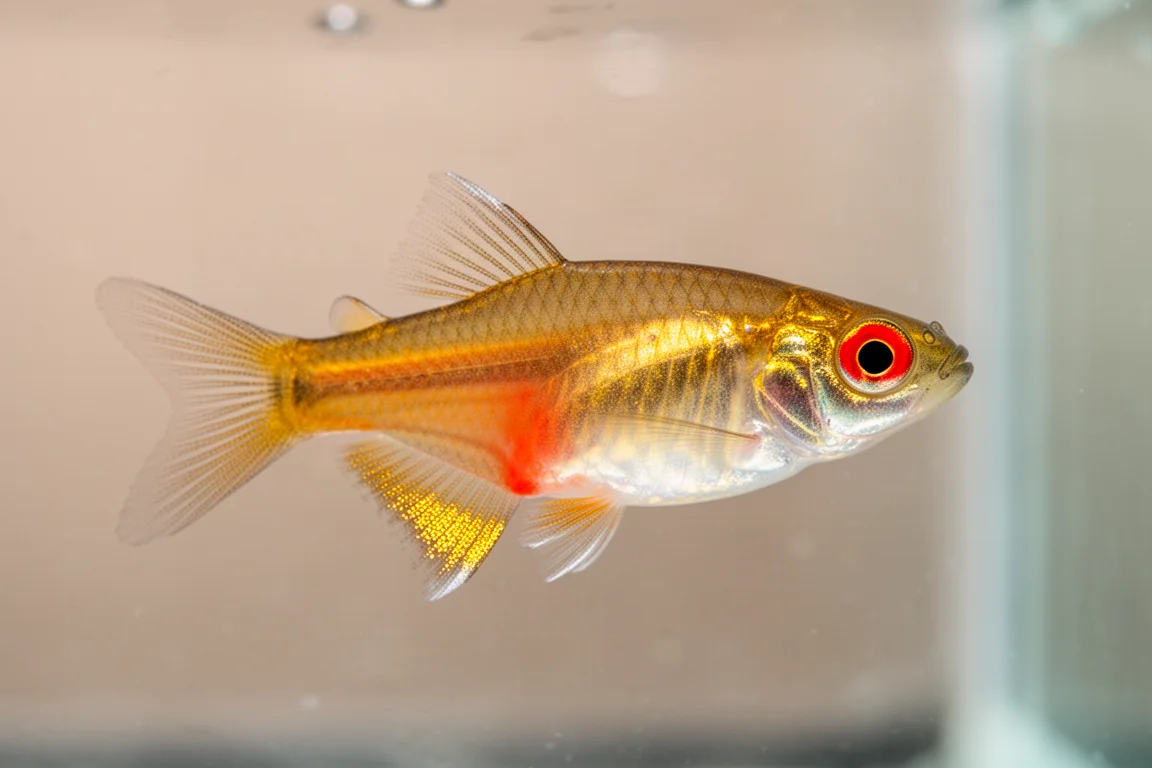
The lemon tetra is a standout for its bright golden coloration, which can shift toward orange as the fish matures. Its most distinctive feature is a vivid red eye, paired with a subtle gold flash along the lower fins. These fish are incredibly hardy and peaceful, making them a great choice for community aquariums. They are not nippy, so they can be kept with bettas, apistogramma, and corydoras without issue.
They do best in a shoal of at least six, where they will display natural schooling behavior. A well-planted tank with open swimming space suits them perfectly. Because they are so adaptable, they are often recommended as a first tetra for new aquarists.
Black Phantom Tetra
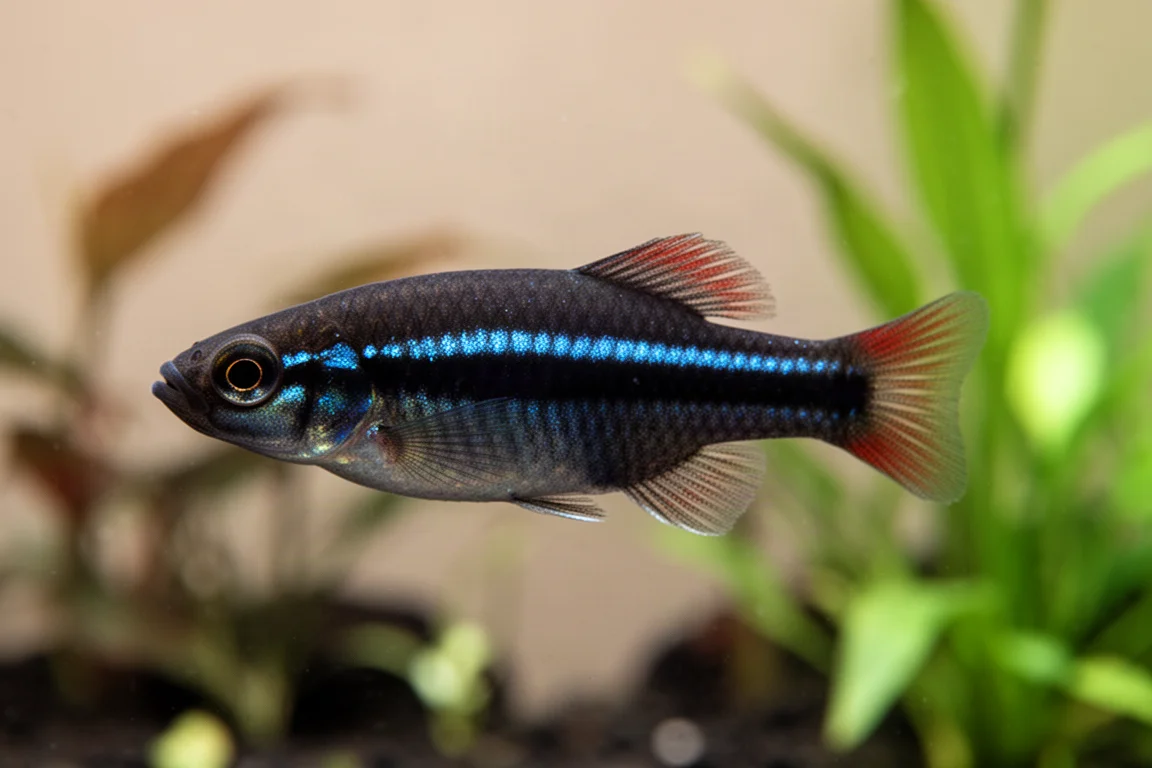
Black phantom tetras are prized for their striking solid black coloration, which creates a bold contrast against lush green plants in a planted aquarium. They have delicate blue stripes running along either side of the central black stripe, and females often show reddish-pink hues, making them easy to sex. These tetras are slightly more nippy than some other species, so it is best to avoid mixing them with long-finned fish such as bettas or guppies.
They are rewarding to watch, especially when males color up and extend their fins during spawning displays. Breeding them is possible, though raising the fry is challenging. A dedicated breeding tank improves the odds of success.
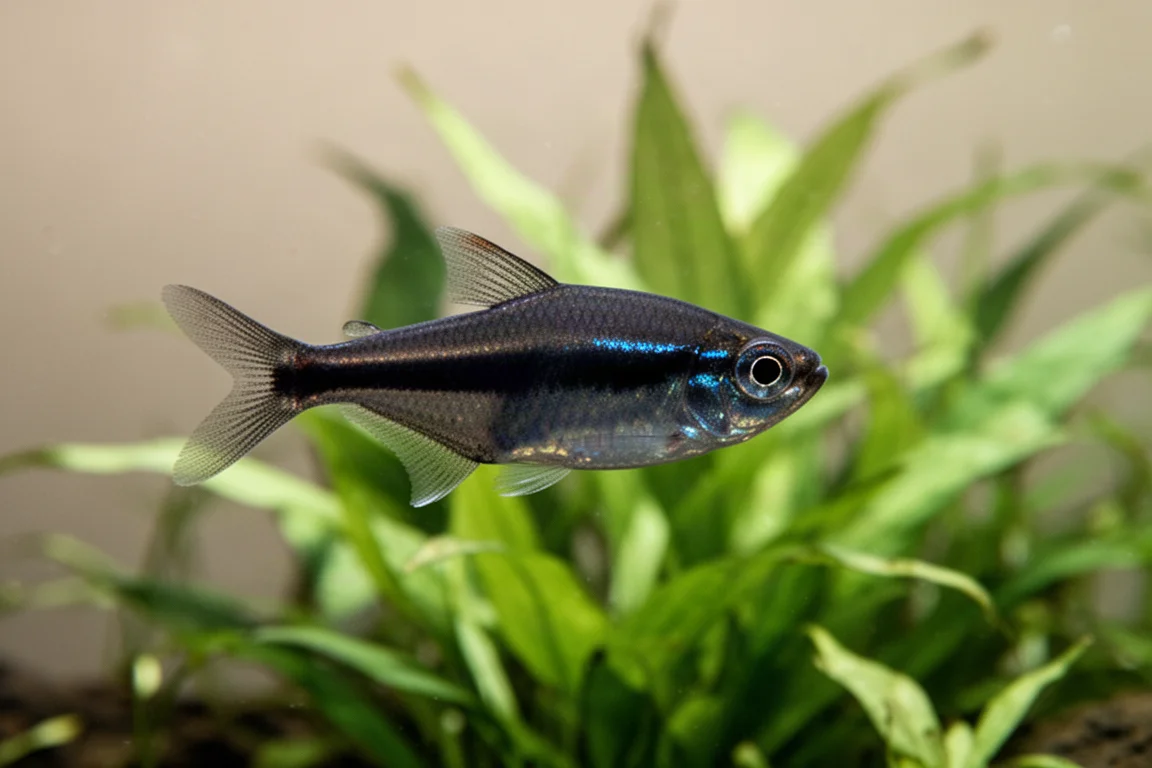
In a community setting, black phantom tetras do well with other peaceful species of similar size. They appreciate a well-planted tank with plenty of hiding spots and stable water parameters. A group of six or more will bring out their best colors and active behavior.
Platy
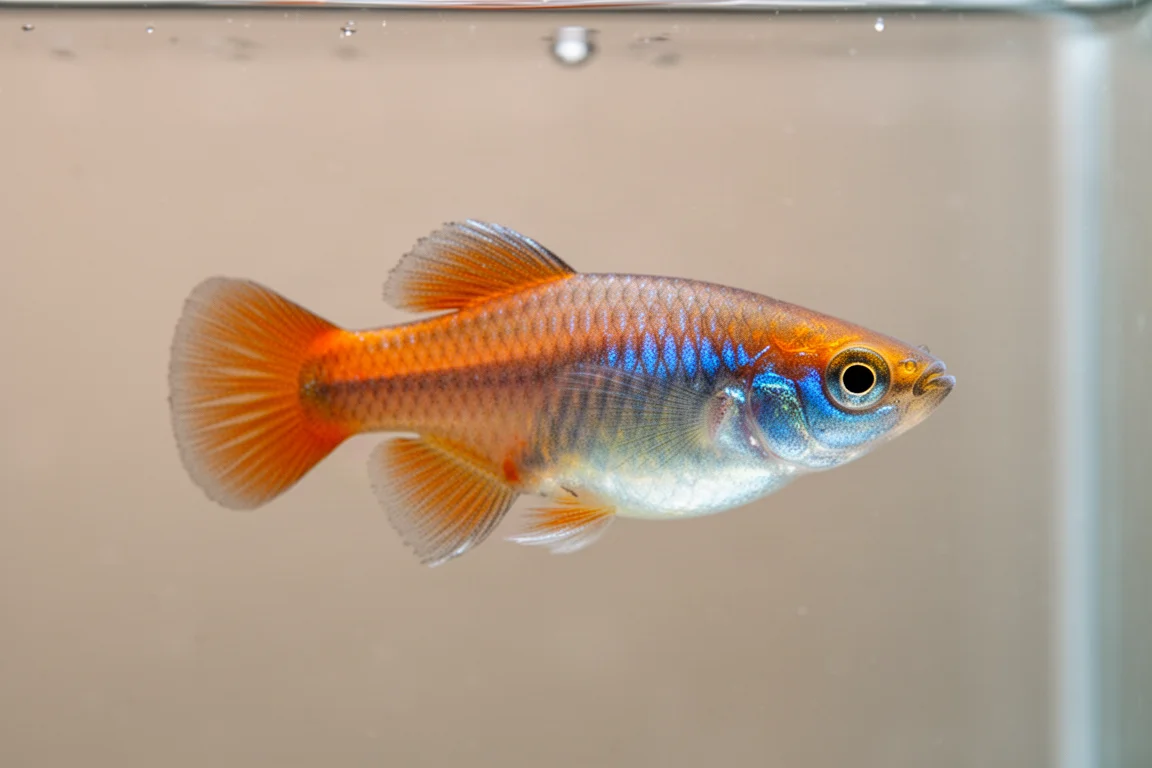
Platies are livebearers that bring instant color to any aquarium. They come in a wide array of colors, including blues, golds, and reds, with many variations in between. They are extremely hardy and adaptable, making them perfect for beginners. Telling males from females is straightforward: females have a large triangular fin under the belly, while males have a slender line.
These fish breed readily, and if you have both sexes, you will soon see fry. However, parents and other tank mates often predate on the young, which naturally controls the population. If you want to raise fry, a separate breeding tank is helpful.
Golden White Cloud Minnow
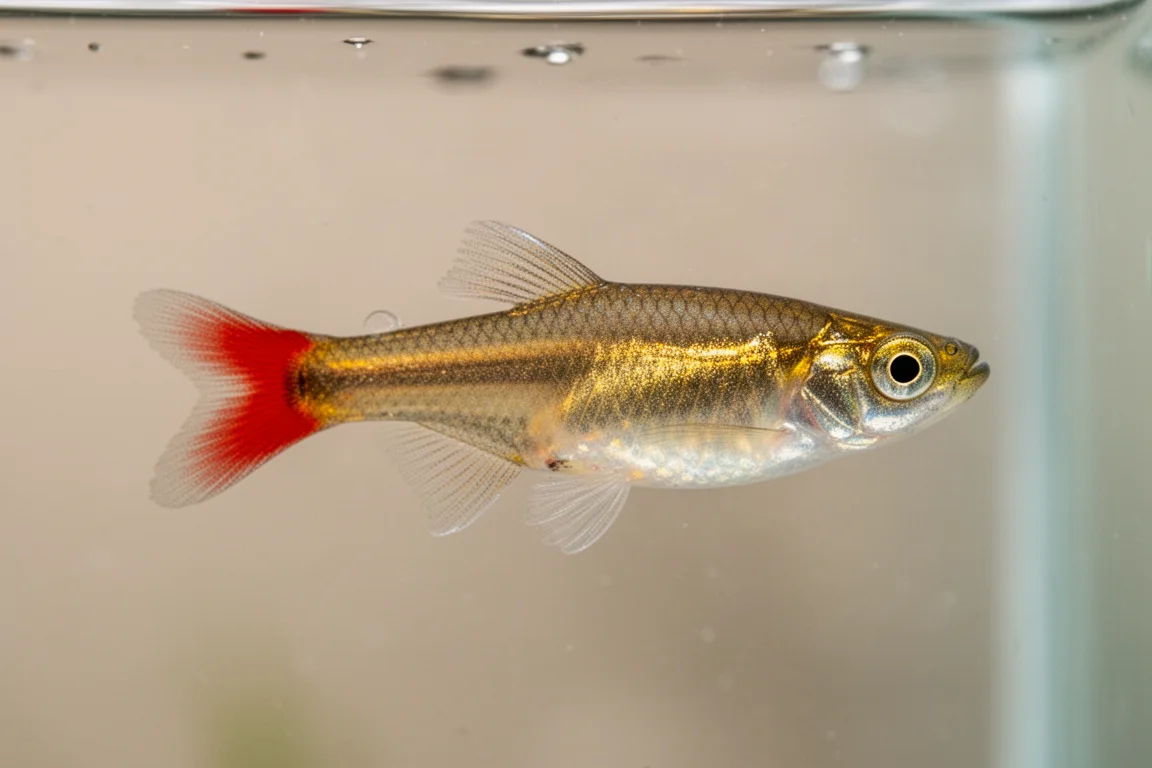
The golden white cloud minnow is a selectively bred variety of the wild white cloud minnow, known for its striking red and gold tail. These fish are temperate, meaning they thrive in cool water aquariums without a heater. They can handle temperature swings from 15 to 20 degrees Celsius, making them ideal for rooms that fluctuate in temperature. They are also hardy enough to live in tropical community tanks.
Their gold coloration is a result of selective breeding, not genetic modification. In the wild, such bright colors would make them vulnerable to predators, but in the aquarium they stand out beautifully. They are underrated fish that look their best in a large group of six or more, where they will school together.
Redline Torpedo Barb
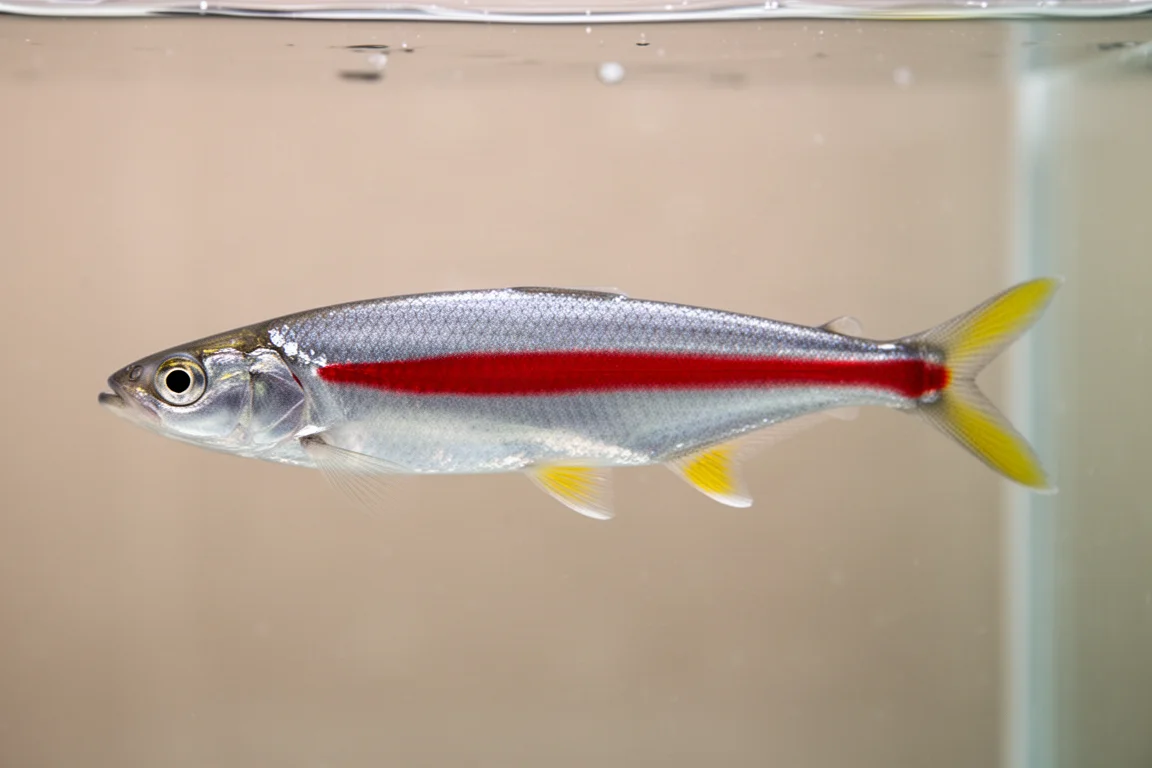
The redline torpedo barb, also known as Denison’s barb, is a larger, showy fish that reaches 12 to 15 centimeters. It has a sleek, torpedo-shaped body with a bright red stripe along the side and yellow tips on the fins. These barbs come from fast-flowing, highly oxygenated rivers, so they appreciate strong water movement provided by powerheads or large external filters.
They are best kept in a group of six or more. As they grow, they need a larger tank; a four-foot aquarium is a good starting point for a small group, with plans to upgrade to a five-foot tank as they mature. In a five-foot tank, a group of 15 to 20 creates a stunning display.
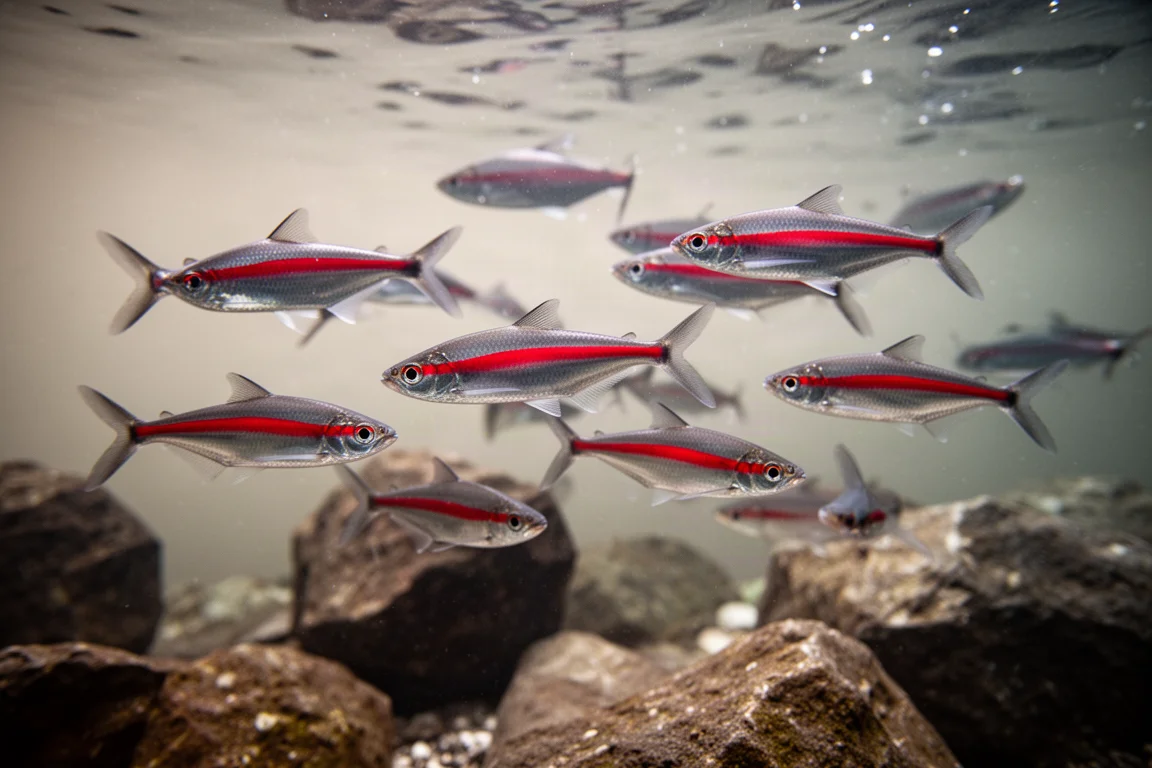
While they can be kept in a three-foot tank when young, they will eventually need more space. Growing them on in a smaller tank and then moving them to a larger one is a practical approach. Their active swimming behavior against a current is fascinating to watch and replicates their natural habitat.
Firemouth Cichlid
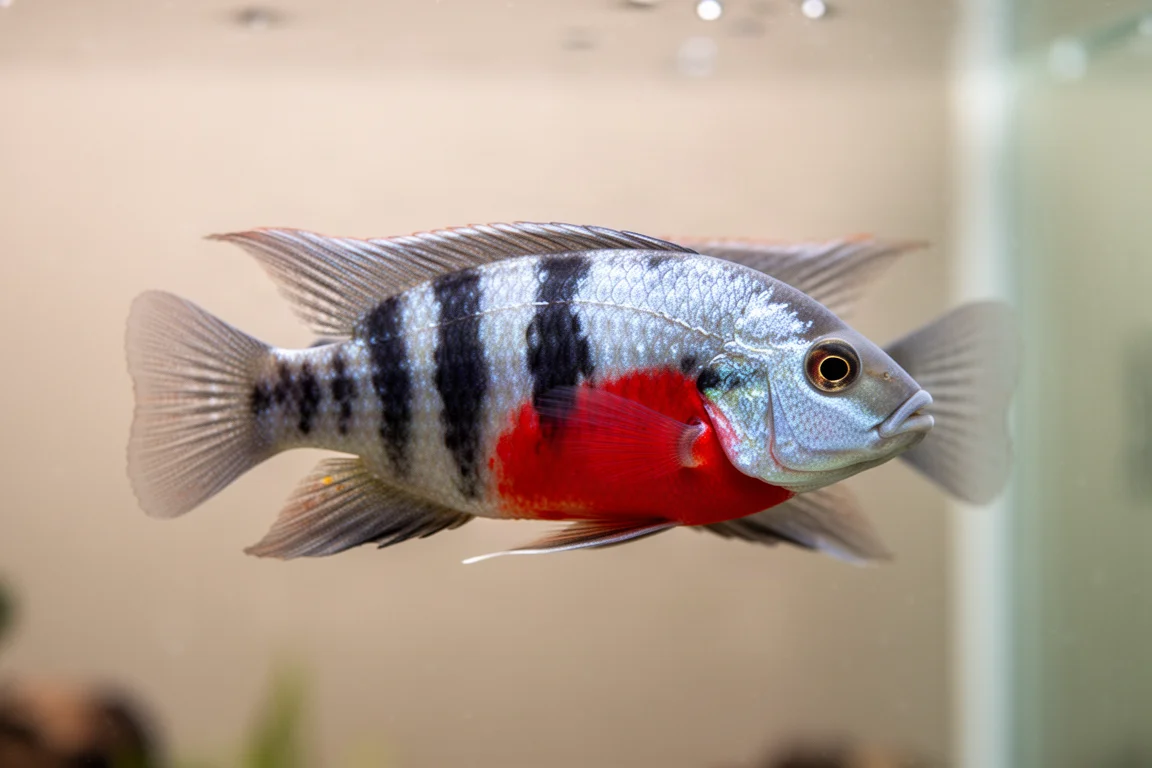
The firemouth cichlid is a beautiful Central American species known for its bright red chest and impressive presence. It grows to 12 to 15 centimeters and is considered a beginner cichlid, though it requires some experience with fish keeping. These cichlids are territorial and will claim a cave or specific area of the tank, so provide plenty of space and several caves to reduce aggression.
They are mid-level in aggression and can be kept with larger barbs and big tetras such as Buenos Aires and Colombian tetras in a spacious five-foot community tank. Alternatively, they can be kept on their own in a smaller tank. Dither fish can help distract cichlid pairs from each other, reducing aggression within the tank.
Overall Buying Advice
When selecting beginner fish, always consider the adult size of the species and the tank size you can provide long-term. Some fish, like the redline torpedo barb and firemouth cichlid, grow quite large and need more space than smaller tetras. It is also important to research compatible tank mates and avoid mixing nippy species with long-finned fish.
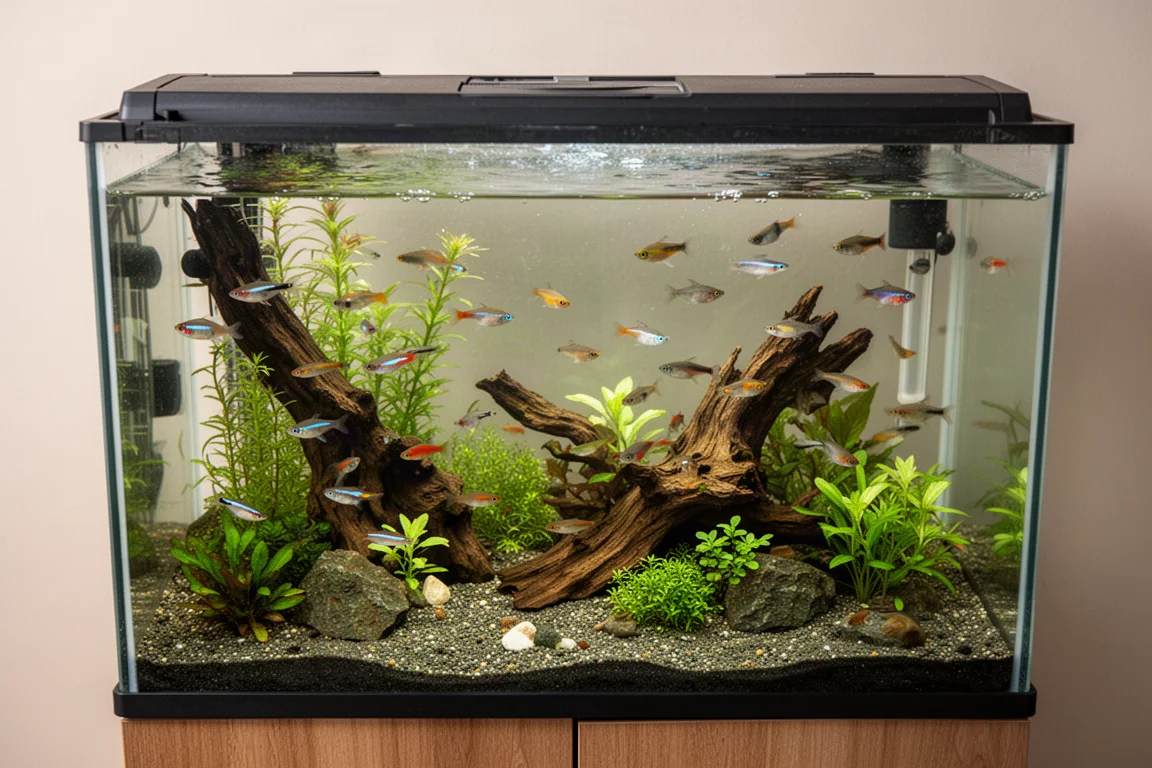
Water quality, temperature, and diet are equally important. Even hardy fish benefit from clean water and a varied diet. A well-maintained tank with appropriate filtration and regular water changes will keep your fish healthy and active.
Start with a group of at least six for schooling species, and ensure your tank is fully cycled before adding fish. If you are new to the hobby, begin with the hardier species like lemon tetras, platies, or golden white cloud minnows, and gradually expand your collection as you gain confidence.
Conclusion
These six species offer a fantastic entry point into the freshwater aquarium hobby. They are hardy, colorful, and generally peaceful, making them suitable for community tanks. Whether you choose the vibrant lemon tetra, the striking black phantom tetra, the ever-active platy, the cool-water golden white cloud minnow, the impressive redline torpedo barb, or the characterful firemouth cichlid, each brings its own charm to the aquarium. With proper care and tank setup, any of these fish can thrive and provide years of enjoyment.