Hand Tools
Best Basin Wrench for Faucet Replacement: Milwaukee 48-22-7100 vs Ridgid Basin Wrench
Two approaches to reaching the nuts behind your sink: the classic Ridgid basin wrench and the newer Milwaukee Faucet Swap Out Wrench.
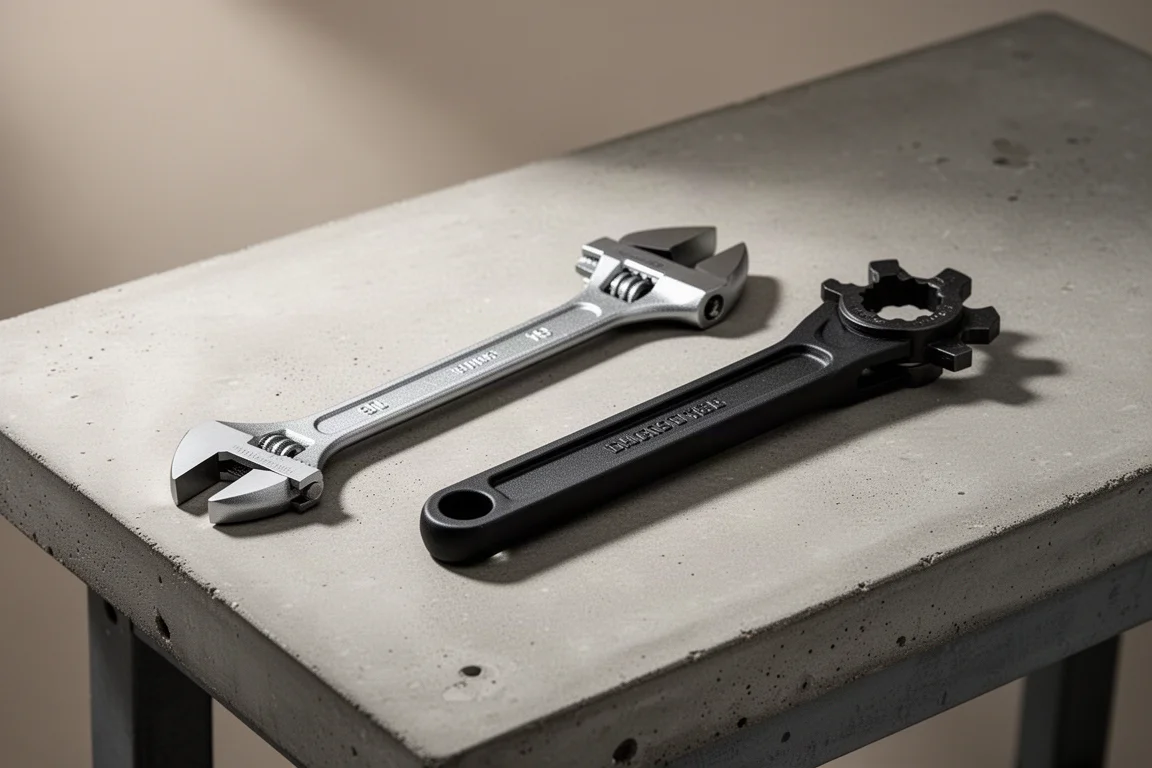
Introduction
Replacing a bathroom or kitchen faucet sounds simple until you reach the hardest part: tightening or loosening the mounting nuts that sit up behind the sink, in a space where your hands barely fit. This is the job the basin wrench was invented for, and for decades the classic Ridgid Basin Wrench has been the near-universal answer. It is a design that works, but it has not changed much in a very long time.
Milwaukee took a different swing at the same problem with the Faucet Swap Out Wrench, model 48-22-7100, a tool built around interchangeable crow’s foot attachments and a hollow body that lets feed lines and drain lines pass straight through. The catch is its history: the earlier version carried badly earned reviews because its original attachment ends broke almost immediately under load. The tool is back with sturdier metal in those pieces, and it is worth a fresh look.
Here is how the two tools compare for real faucet swap-out work.
The Classic Choice: Ridgid Basin Wrench
The Ridgid Basin Wrench is an old-school design: essentially a 90-degree offset, adjustable crow’s foot on a long shaft. It works fairly well at what it does, and generations of plumbers and DIYers have relied on it for the same reason. You can extend the shaft to whatever length you need, the detent holds the head in place, and it reaches up behind a sink where nothing else fits comfortably.
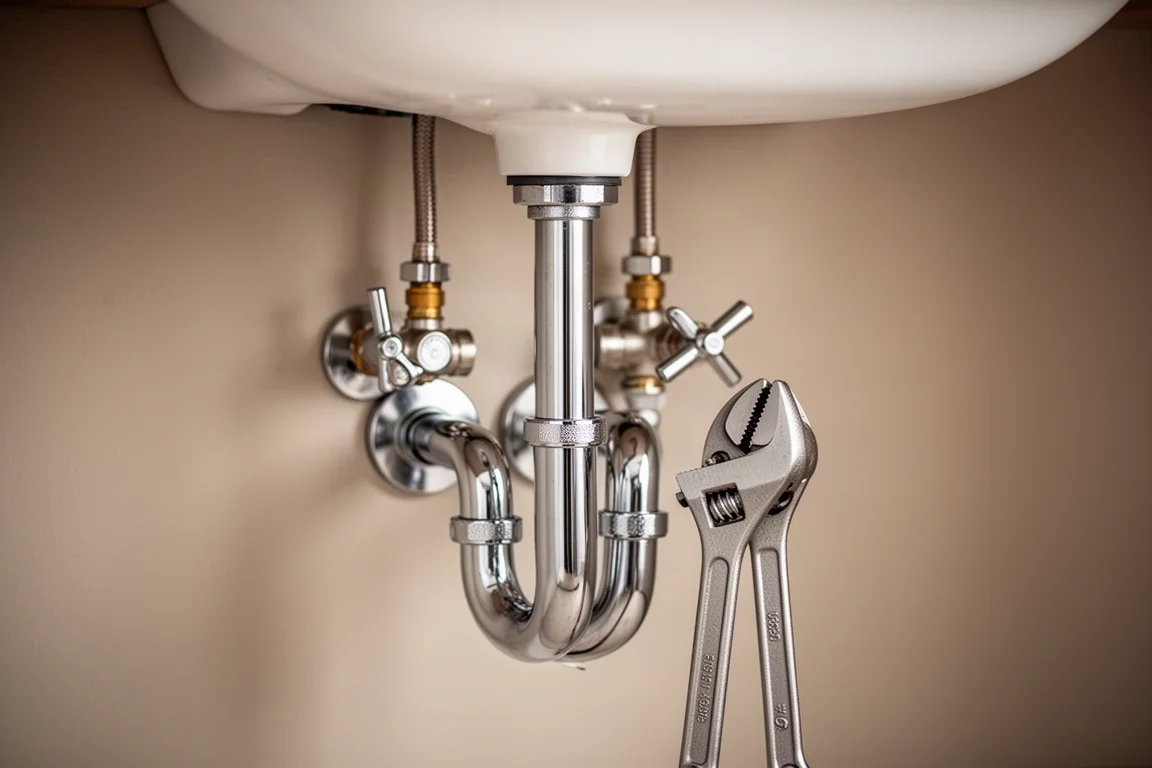
The honest criticism is that the design is archaic. It is wildly inefficient compared to a purpose-built modern tool, and it is the kind of wrench that disappears into a drawer, gets lost during a project, or leaves you improvising with a socket and extension that you cannot quite identify afterward. It still works, though, and if you already own one, it will get the job done.
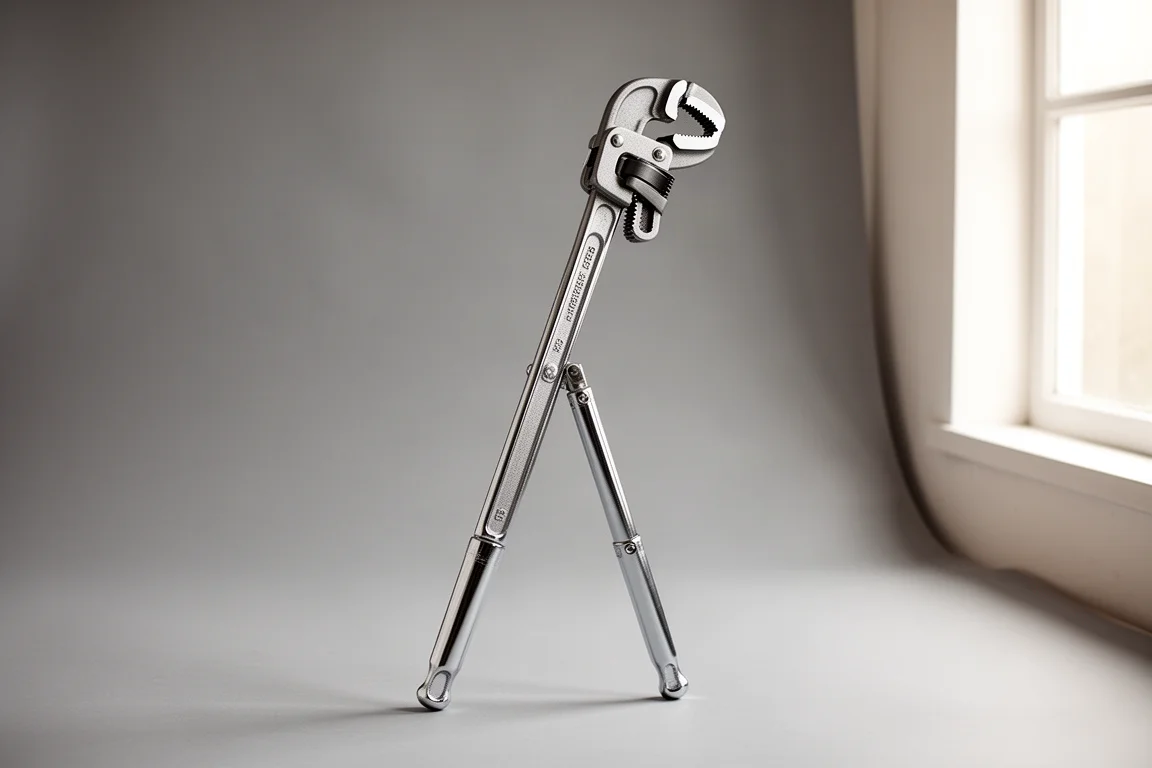
What Makes the Milwaukee Different
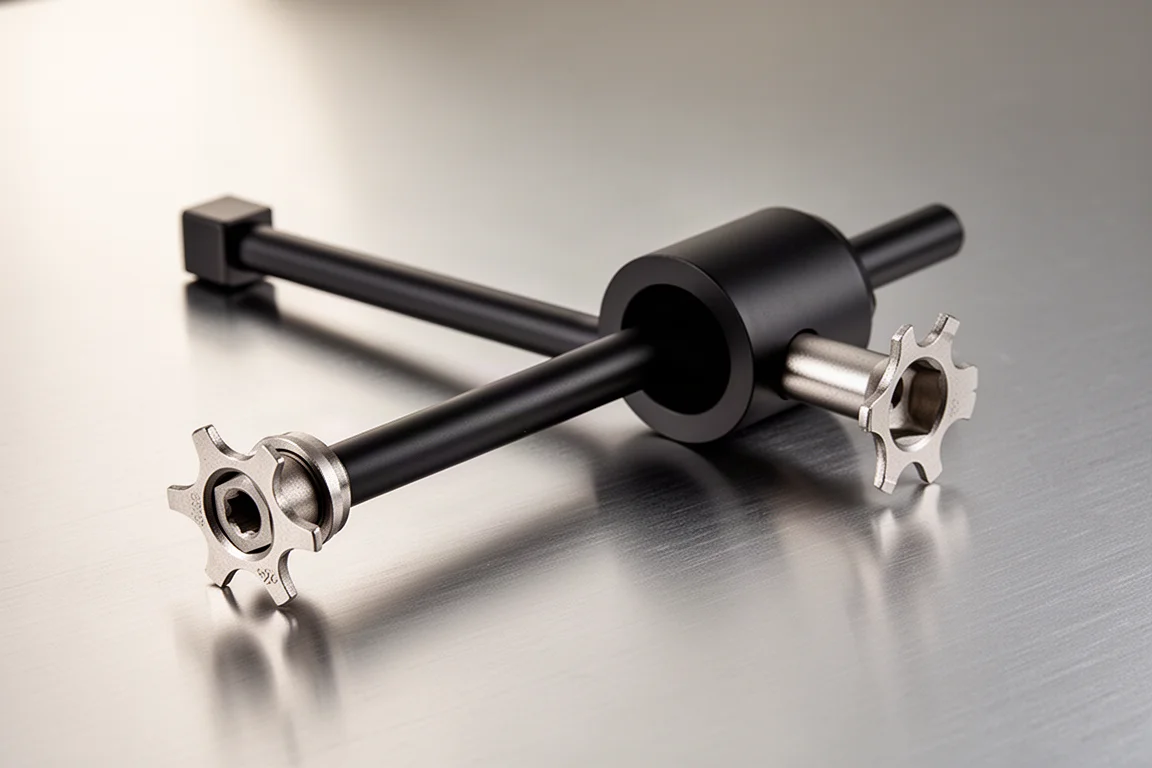
The Milwaukee Faucet Swap Out Wrench 48-22-7100 attacks the same job with more capability. It ships with two crow’s foot ends that pop out of the head with a firm detent ball holding each in place, and swapping them takes a bit of effort but is straightforward. Crucially, Milwaukee has moved away from the earlier cast-style material: the current attachment pieces are fairly sturdy metal, addressing the breakage that tanked the tool’s reputation when the original version hit the market.
The body is hollow in the center, which is the standout design choice. If a drain line or supply feed runs directly through the space where you need to thread a nut onto a pipe, you can run your line through the tool and follow it all the way up. A traditional basin wrench cannot do that.
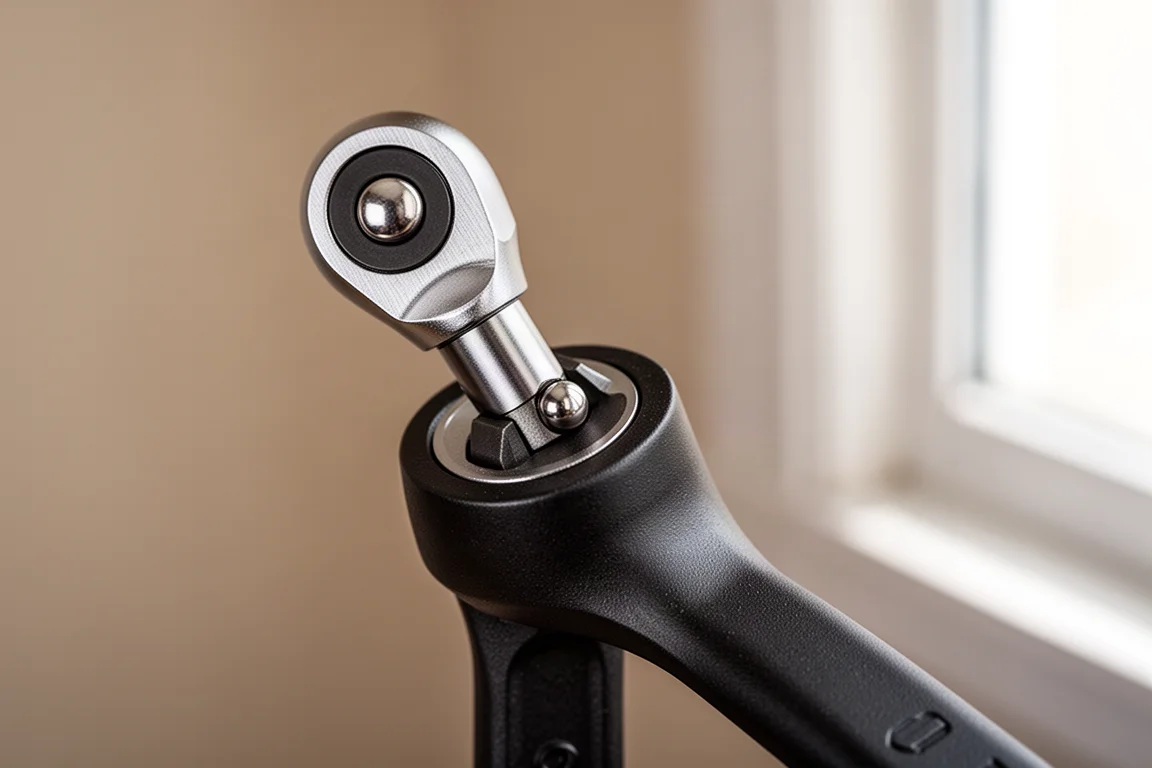
There is more flexibility in the drive side too. You can put a ratchet extension on the bottom and drive a 7/16 fitting on the end, slip a screwdriver through the body to turn it, or flip the arrangement around and use it in the other orientation. The pieces add up to a lot of capability for one compact tool.
Using the Milwaukee in Real Projects
The intended use case is exactly the frustrating one: reaching up underneath, behind the sink, and seating faucet hardware properly tight. Normally you stretch up there with your hands, get things as tight as you can, and then lean on needle nose pliers to finish. The Milwaukee makes that step easy, and with roughly a foot-long reach, you can run those fittings up nice and tight with confidence, which matters when you are sealing against the back of the sink to prevent leaks.
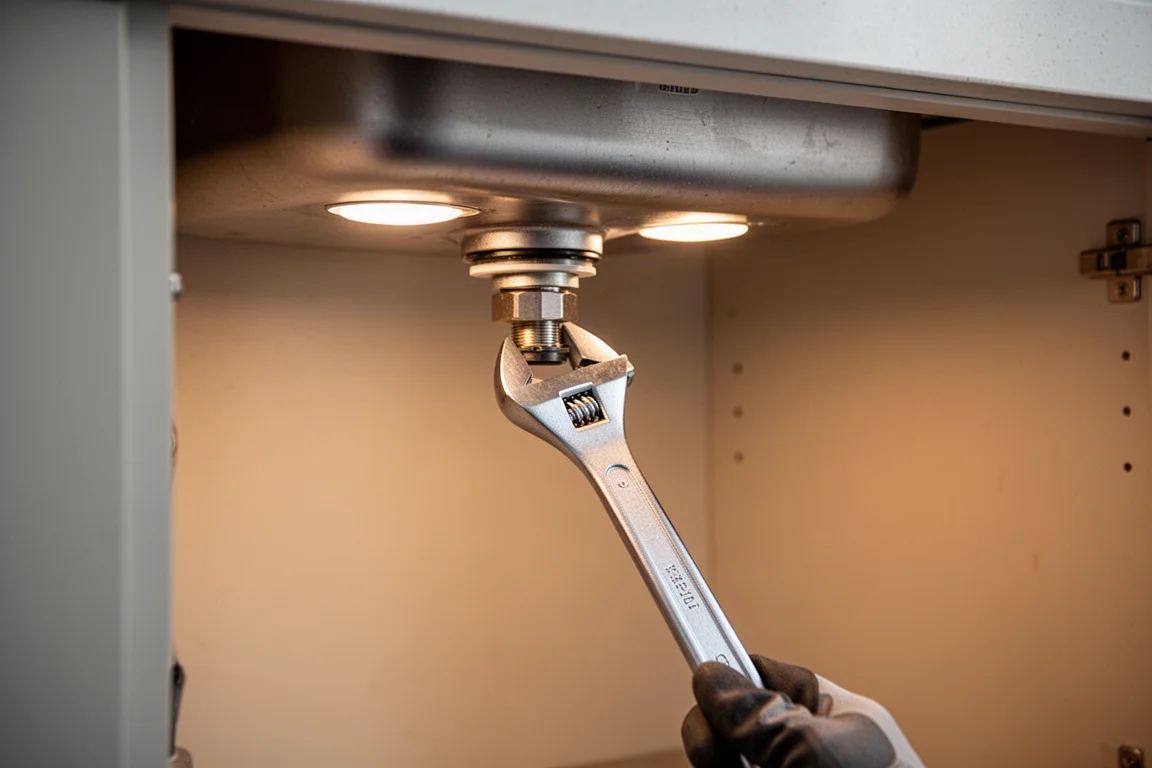
It is not perfect. Pulling the attachments apart takes effort, and there are a lot of pieces to keep track of, which is a fair trade-off to weigh against the one-piece simplicity of a classic basin wrench. At around 30 dollars at Home Depot, though, it is probably worth it if you swap out fixtures more than occasionally. For an upcoming faucet install, it is the tool designed precisely for that job.
Overall Buying Advice
If you already own a Ridgid Basin Wrench and only occasionally tighten a fitting under a sink, there is no urgent need to replace it. The classic design works, and it has worked for decades.
If you regularly install or swap out faucets, especially pricier models where the mounting hardware needs to be seated firmly and sealed properly, the Milwaukee 48-22-7100 earns its place in the bag. The hollow-through body, interchangeable crow’s feet, and ratchet compatibility solve real problems that the traditional wrench simply tolerates. The sturdier metal in the current version resolves the breakage issue that defined its bad first impression.
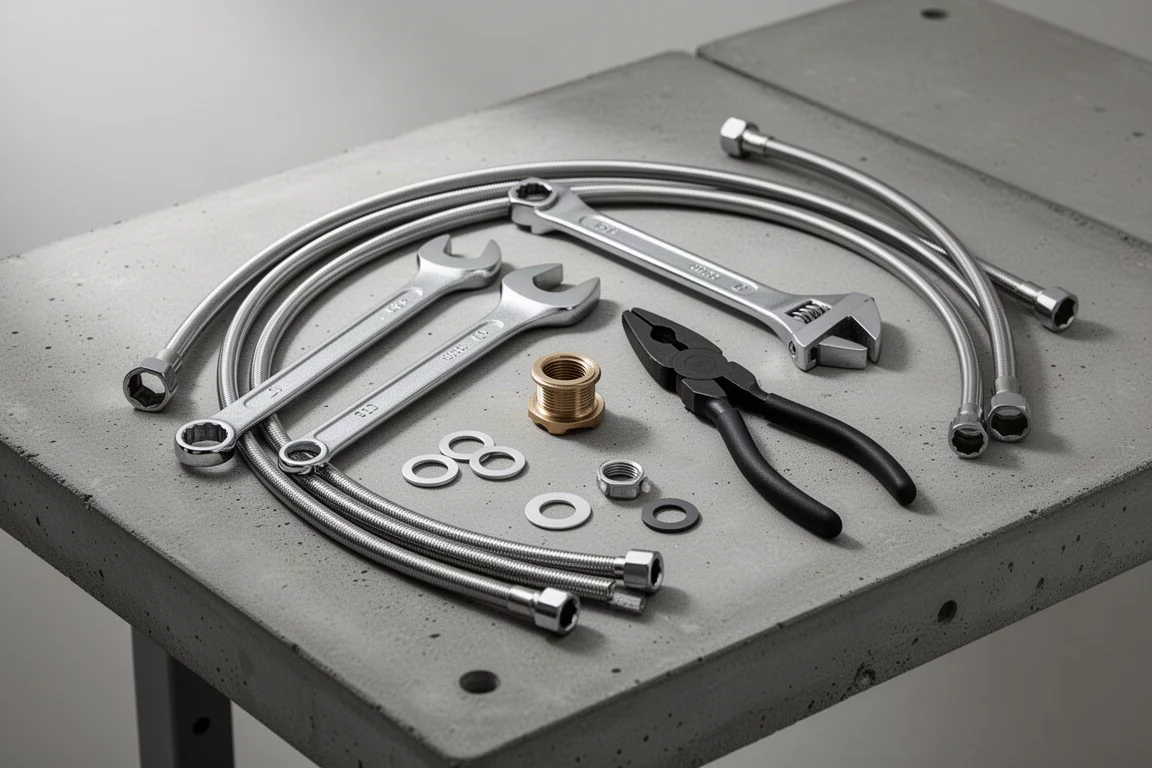
One practical tip regardless of which wrench you buy: keep the whole kit together in one place. Both tools are only as useful as your ability to find them mid-project, and faucet jobs generate enough small hardware to make a dedicated spot for the wrench and its pieces worthwhile.
Conclusion
The Ridgid Basin Wrench remains a proven, archaic but effective classic, while the Milwaukee Faucet Swap Out Wrench 48-22-7100 brings genuinely useful modern capability to an old job, now with the materials to back it up. For frequent fixture work, the Milwaukee is the more capable buy; for occasional use, the trusty classic still holds its own.
Further reading
Related Reviews
Hand Tools
Best Diagonal Cutters 2026: 16 Pliers Tested for Cutting Power and Durability
We put 16 diagonal cutters through nail, screw, drill bit, and hex key tests to find the best value picks for your toolbox.
Hand Tools
Best Hex L Key Sets 2026: Nine Sets Tested for Real-World Torque
Nine hex L key sets from budget to premium, tested for torque, fit, and durability. See which sets deliver real performance and which ones to skip.
Hand Tools
Best Locking Pliers 2026: Top Picks Tested for Grip and Durability
We tested 18 brands of 10-inch locking pliers for grip strength, jaw bite, build quality, and ease of release to find the best options for tough jobs.