Hiking Footwear
Best Barefoot and Minimal Hiking Shoes: A Practical Progression From Supportive to Barefoot
A staged guide to minimal hiking footwear, from a supportive wide trail shoe through cushioned options to flexible leather barefoot boots, with the trade-offs to weigh at each step.
Introduction
There is no single shoe that works for every hiker in every situation. Terrain, the structure of your foot, how your hips move, whether you have a high arch or a low one, and whether your feet are wide or narrow all change what a shoe needs to do for you.
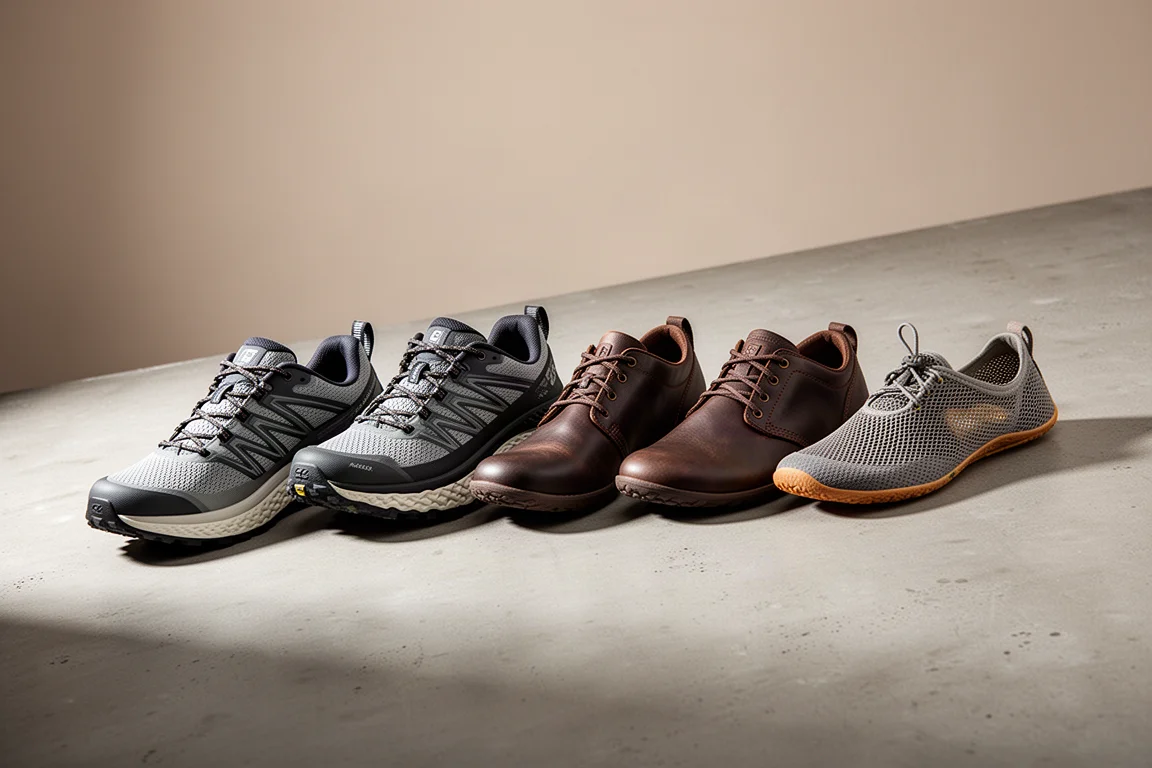
What follows is a practical progression rather than a ranking. It starts with a supportive, wide trail shoe and moves step by step toward fully minimal footwear, covering the shoes that see regular use through winter snow, multi-day hikes, city miles and everyday training. The point is not to convert anyone overnight. It is to show where each type of shoe fits, what it does well, and where it stops making sense.
How to Think About the Transition
The best place to start is not on the trail. Being barefoot at home, wearing more minimal shoes around the city, and walking in parks are all better first steps than heading straight into barefoot hiking. Give the feet and the hips time to adapt before you ask them to carry a pack over rough ground.
If your toes have been compressed by narrow shoes for ten or fifteen years, toe spreaders are worth using, and the shoe you choose has to leave enough room for them. That single requirement rules out a surprising number of otherwise capable trail shoes.
It also helps to think about the body as one system rather than the foot in isolation. Two things tend to sit behind foot dysfunction: overly supportive shoes that desensitize the foot, and long stretches of sitting in one fixed position, eight hours a day or more, without varying the hips. The foot needs to build its own arch, spread its toes, and bend and flex. When it is held still and cushioned instead, it never gets the chance.
That matters more than most people expect. Around 85 percent of people will experience hip, knee or ankle pain at some stage in their life. Feet are robust and can go decades without sending pain signals, which is why discomfort often appears long after the habits that caused it. When it does show up, it is usually the accumulation of tightness and restriction rather than the newest pair of shoes.
Merrell Long Sky 2: A Supportive Starting Point
The Merrell Long Sky 2 is a sensible first stop for anyone easing away from traditional hiking footwear. It has a wider base than a typical trail shoe, a generous amount of stack height and support, and it stays light on the foot. It sits somewhere between a trail running shoe and a hiking boot rather than committing fully to either.
Traction comes from a Vibram rubber outsole with a decent amount of tread. Vibram rubber has a long-standing reputation for grip and endurance, and it is a reassuring choice underfoot on mixed terrain. There is also a gaiter trap at the heel with a velcro tab and a hook at the front, which is a small but genuinely useful detail if you use gaiters.
The limitation is the toe box. Despite the wider platform, the toes still end up compressed at the front, and the shoe is not roomy enough to wear with toe spreaders. It works well as a starting point, but it will not let your toes spread the way a truly wide shoe does. It is also worth knowing that Merrell’s more minimal models, such as the Trail Glove, include a degree of arch support, which can suit someone with a flatter arch later on.
Altra Olympus 4: Maximum Cushion, Maximum Width
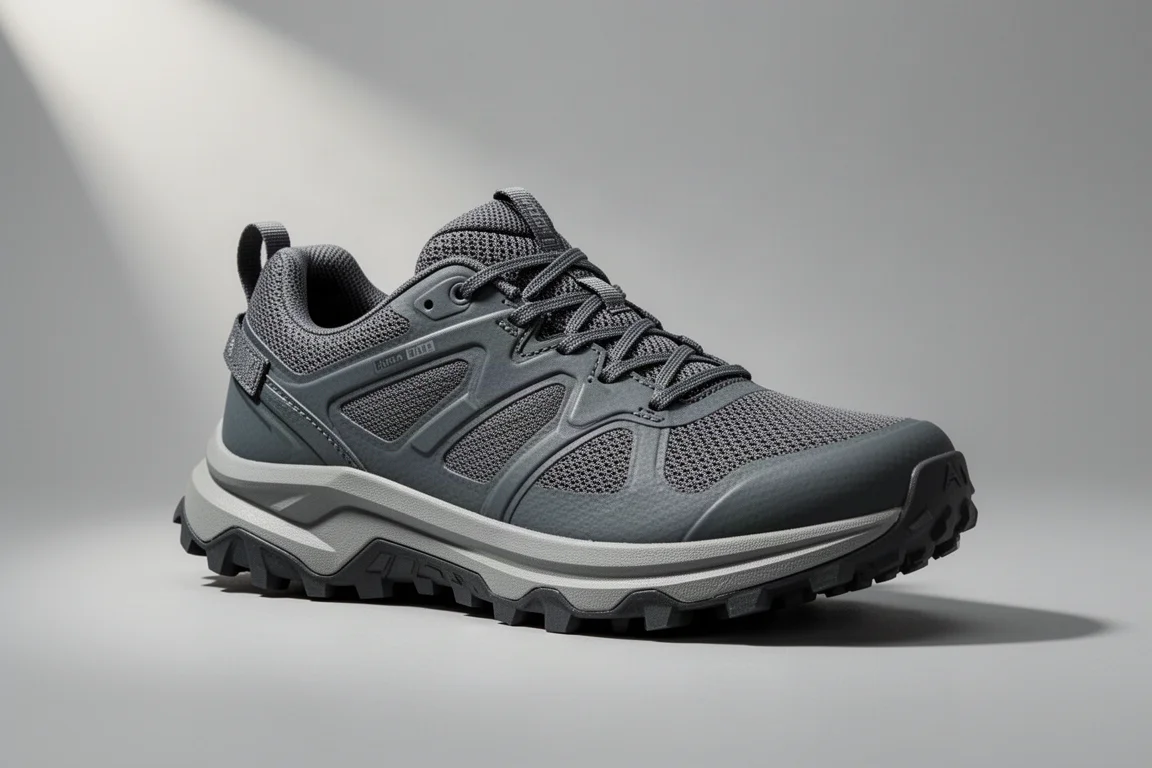
The Altra Olympus 4 sits at the opposite end of the width conversation. It has a huge stack height and plenty of cushioning, but the platform is genuinely wide, which makes it one of the most accommodating options for anyone with bunions, compressed toes, or a need to wear toe spreaders or inserts. There is a large amount of room in the forefoot.
It has also proven itself over distance, having been used on an 800 kilometre thru-hike. The trade-off is durability. Altra shoes have a consistent habit of wearing out quickly, and they are not cheap, so the value calculation depends on how hard you use them.
Altra Superior 5: Wide, Cushioned and Trail-Ready
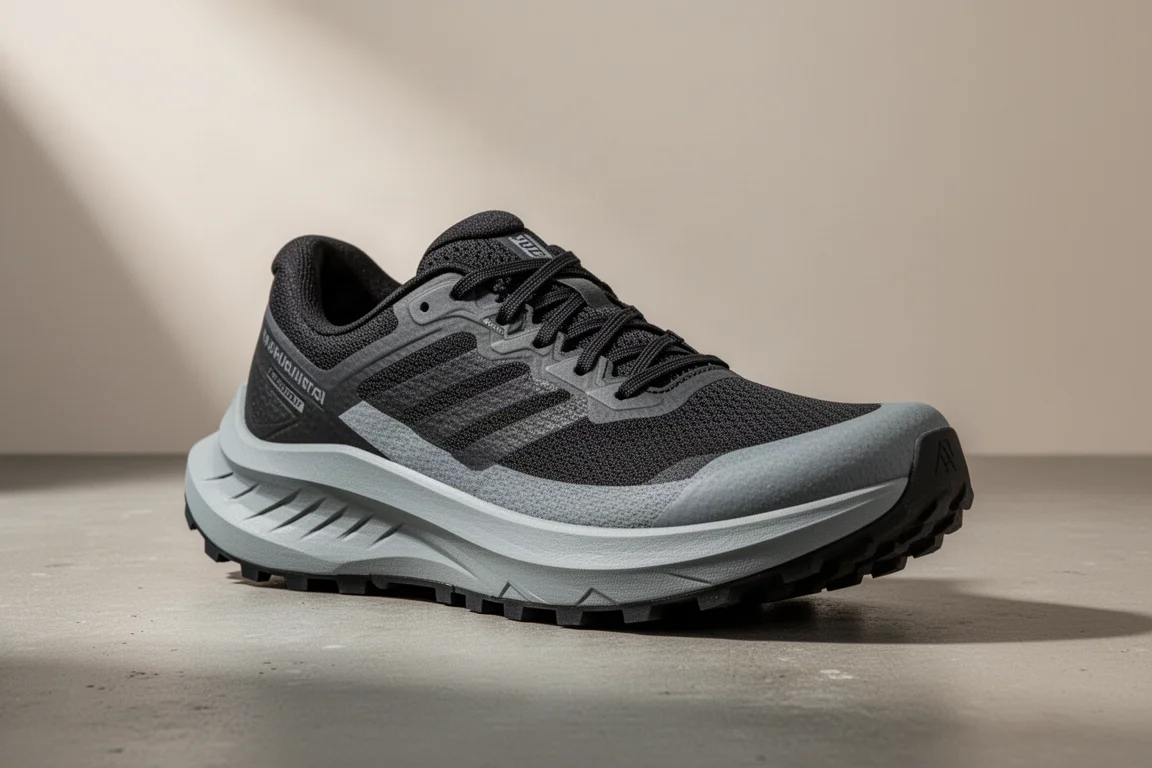
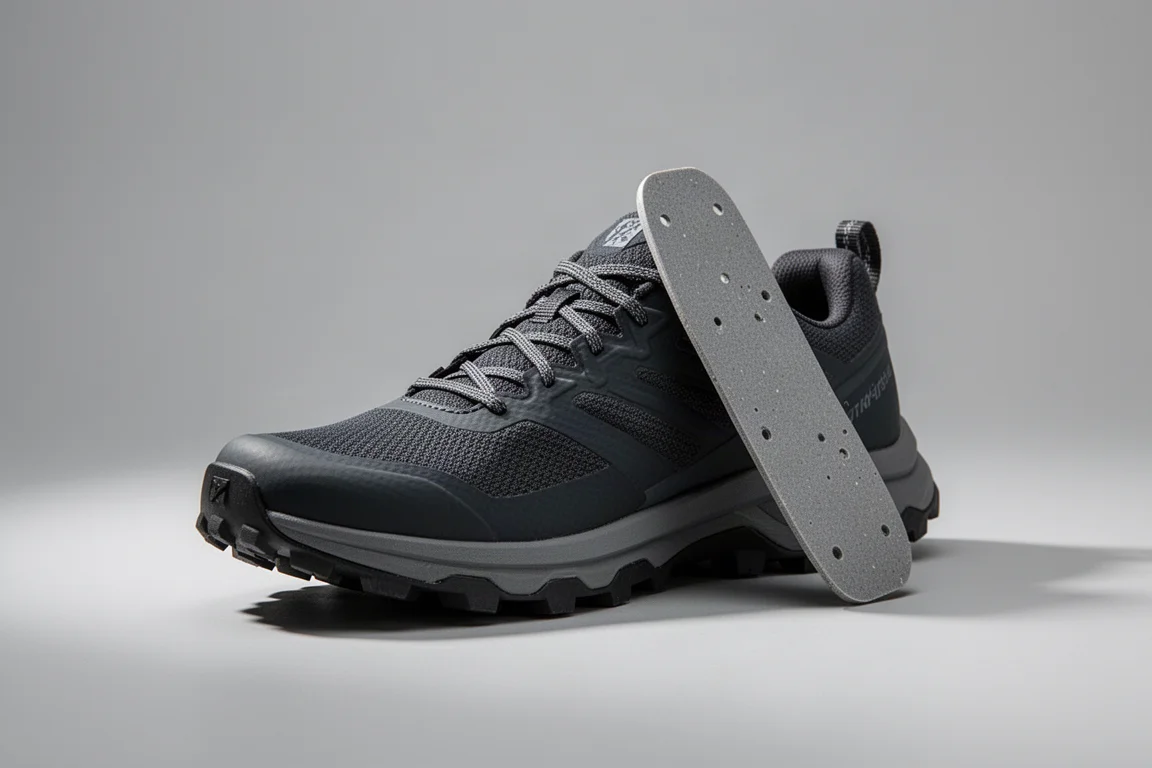
The Altra Superior 5 is the shoe that has covered most summer hiking, including roughly eight days of walking in Germany. Like every Altra, it is super wide, and the shape is what a foot actually looks like when the toes are allowed to spread.
It is not a barefoot shoe in the strict sense. There is a substantial stack height and a lot of cushioning underfoot. What makes it more versatile is the optional rock plate, which can be bought separately or included depending on the model. If you are worried about being too sensitive to rocks and roots, the rock plate is a straightforward way to add protection without giving up the wide fit.
The compromise is lifespan. Altra shoes burn through quickly, they are not cheap, and they very rarely go on sale. The Superior 5 came in at around 140 Euros, which is a real cost to absorb if the shoe only lasts a season or two of hard use.
Vivobarefoot Magna Forest ESC: Leather Durability With a Barefoot Feel
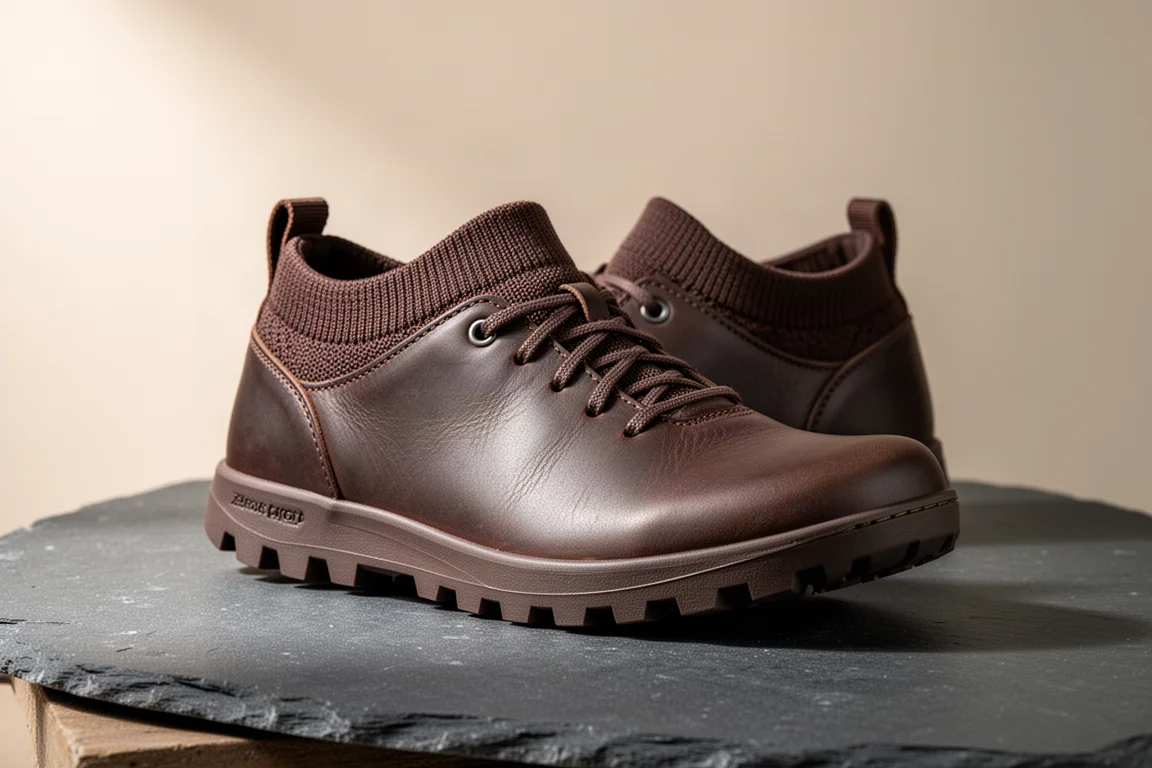
If you want something minimal that lasts longer than a mesh trail shoe, the Vivobarefoot Magna Forest ESC is the interesting option. It is built from one large piece of leather, or a couple of large pieces, which is where the durability comes from. It has been worn all through winter and spring, including snowy conditions and a ski trip, and it is as waterproof as a leather mountaineering boot up to that height.
Underneath, the sole uses Michelin rubber. The lugs are large and wide, grip is excellent, and the shoe remains very light for what it is. Structurally it is everything a barefoot shoe should be: zero drop, very flexible, twisting in every direction, and very wide with plenty of room in the toe box. The upper is a stretchy, sock-like material that wraps around the ankle, sitting on top of the leather base.
One caution is warmth. A friend who runs in these reports that they do not get overly warm, which is a little surprising for leather. Leather and summer do not naturally sit together, so it remains an open question until you have tried it in hot conditions.
Vivobarefoot Forest ESC: A Waterproof Minimal Boot
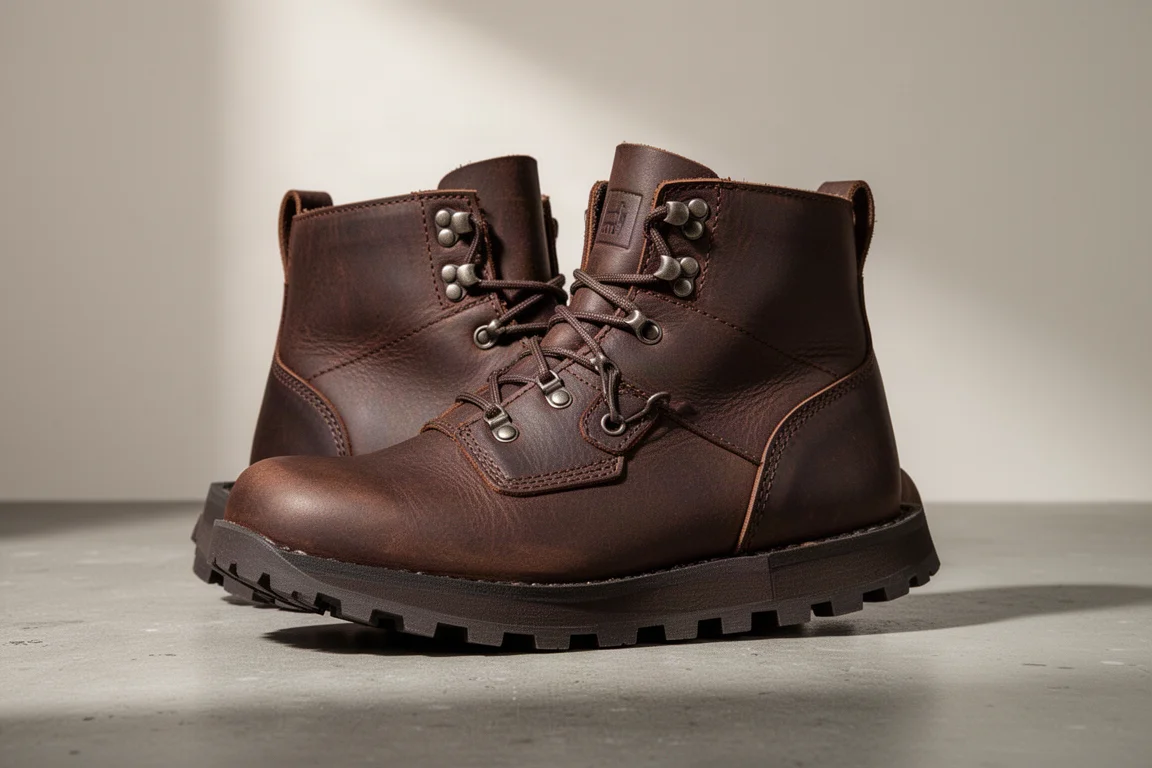
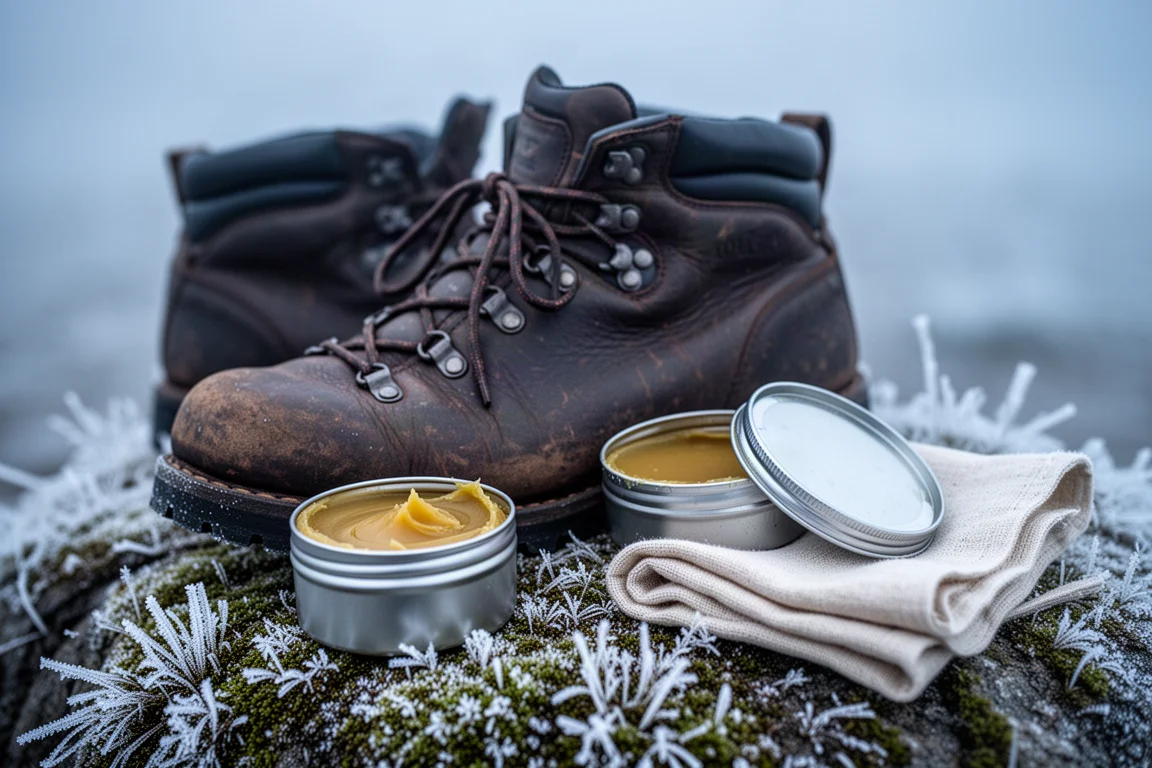
The Vivobarefoot Forest ESC looks much more like a conventional hiking boot, but the construction is anything but. It is completely malleable and twistable, flexible enough to let the foot work naturally, and it uses the same Michelin rubber on the sole. The upper is made from a couple of large leather panels, and it is very warm and very waterproof. In practice this is a winter and spring boot, and it has handled wet, snowy conditions without issue.
Leather footwear of this type benefits from a little maintenance. Treating the leather with a beeswax product helps protect it and reinforces the waterproofing, and it is a simple habit that extends the life of the shoe considerably.
The reason this boot sees less use than the Magna is weight and height. It is heavier, and the ultra high ankle cut is not for everyone. That is a preference rather than a fault, but it is worth being honest about before buying.
Vivobarefoot Magna FG: The Refined Leather Option
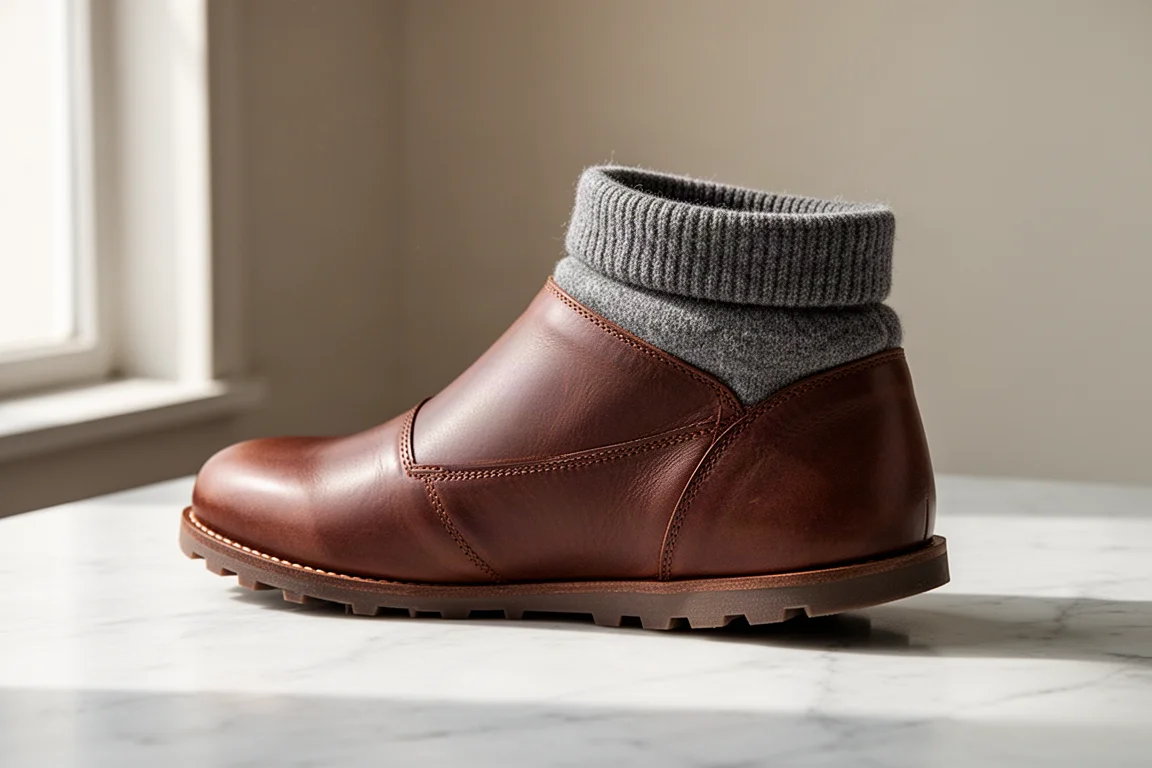
The Magna FG is a cleaner-looking counterpart to the well-worn leather Magna. The main technical difference is the outsole: this model uses Michelin rubber, while the earlier version uses the standard Vivobarefoot trail sole. The upper combines a wool stretchy collar that cinches around the ankle, a leather mid upper, and the sole beneath.
The newer addition is an Outlast thermal insole, which is claimed to deliver 300 percent more thermal protection with only three millimetres of rubber underneath the foot. That is a notable figure for a shoe this thin, and it addresses one of the usual objections to minimal footwear in cold weather.
Vivobarefoot Primus Trail Firm Ground: The Everyday Minimal Shoe
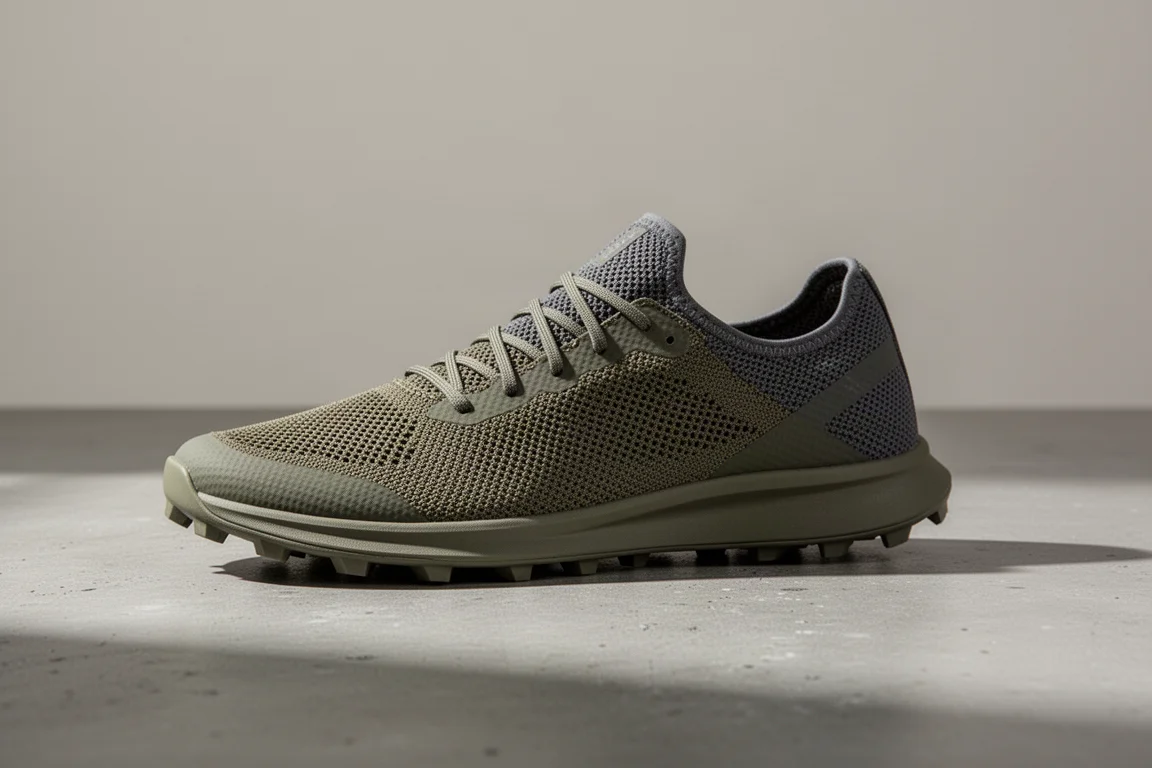
The Primus Trail Firm Ground is the shoe that gets worn most days. The difference from the standard Primus is the sole: this version has a proper trail sole with a decent amount of lug, which turns a minimal everyday shoe into something that can genuinely handle trails.
It has been used as a trail running shoe, an everyday shoe, a work shoe, a city walking shoe and a training shoe, worn almost constantly for around two months. The thicker sole is a real upgrade over the standard Primus purely because it lasts longer, and the bigger lugs mean it can be taken on real hikes rather than short day walks. Multi-day hikes are comfortable in it, up to around a 10 to 15 kilogram pack. Beyond that, more cushioning makes sense, and an Altra becomes the better choice.
Buying Advice
Match the shoe to the terrain and the load rather than to a philosophy. In genuinely wild places, or in snow where you are cutting steps or fitting crampons, you need something more rigid with a hard edge, and a traditional boot is the right answer. Outside those situations, there are very few cases where heavy support is actually necessary.
Durability is the other axis worth weighing. Leather minimal shoes such as the Vivobarefoot models hold up far better over time, while Altra shoes tend to wear out quickly despite their price. If you are hard on footwear, the higher upfront cost of a leather shoe can work out cheaper across a few seasons.
On ankle support, the case is weaker than it first appears. A collar of leather around the ankle is unlikely to prevent a strain or a break when your full body weight and momentum are moving into a position the ankle cannot handle. Building strong, capable ankles is a more reliable strategy than adding material around them. If you are working through this progression, treat it as a gradual process: start off the trail, add load slowly, and pay attention to how your feet and hips respond.
Conclusion
The sensible path runs from a supportive, wide trail shoe such as the Merrell Long Sky 2, through cushioned but genuinely foot-shaped options like the Altra Olympus 4 and Altra Superior 5, and on to flexible leather minimal shoes and boots from Vivobarefoot, ending with something as thin and simple as the Primus Trail Firm Ground. Each step gives up a little protection and gains a little more natural movement.
The shoes are only part of the picture. How much you sit, how often you change position, and how gradually you increase the demands on your feet will shape the outcome as much as any purchase. Choose the shoe that matches the terrain you actually walk on, give your feet room to spread, and build up from there.
Further reading
Related Reviews
Hiking Footwear
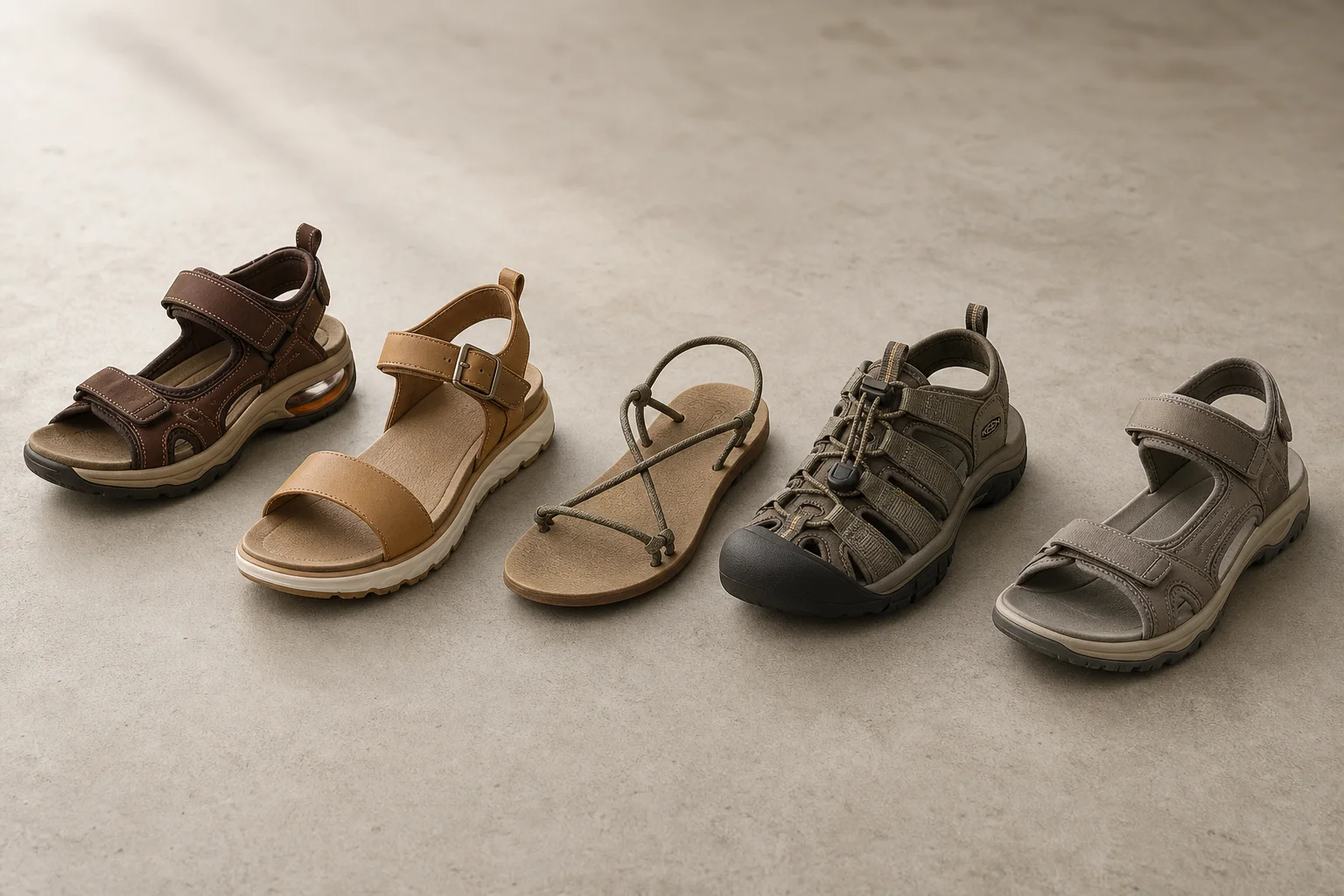
Best Hiking Sandals 2026: Five Options for Different Trail Needs
Five hiking sandals tested for comfort, protection, and versatility. Find the right pair for your hiking style, from minimalist designs to heavy-duty closed-toe options.
Hiking Footwear
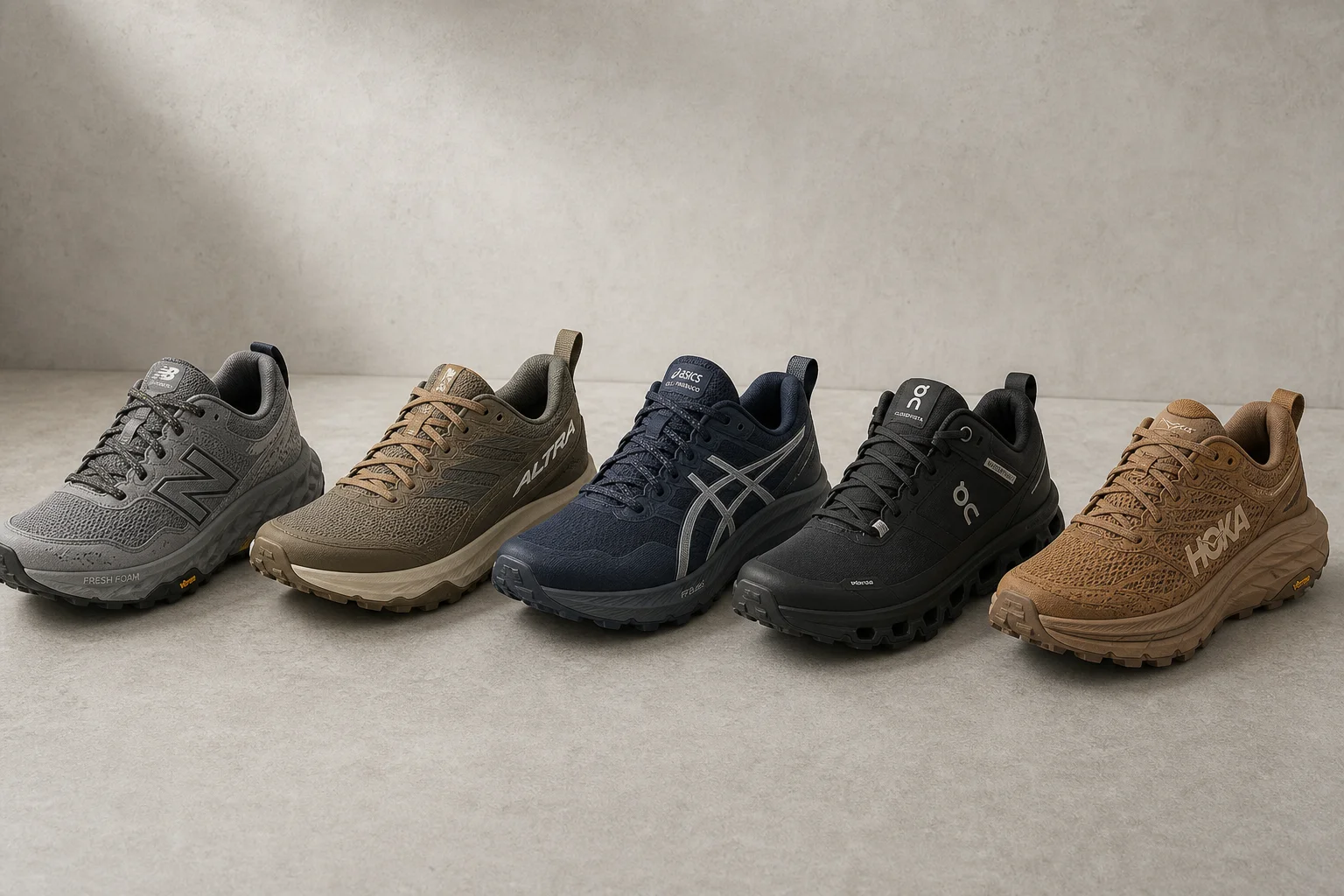
Best Hiking Shoes 2026: Five Options for Different Terrain and Support Needs
A practical guide to five hiking shoes covering max cushioning, zero-drop design, all-around versatility, waterproof protection, and balanced comfort for long-distance trails.
Hiking Footwear
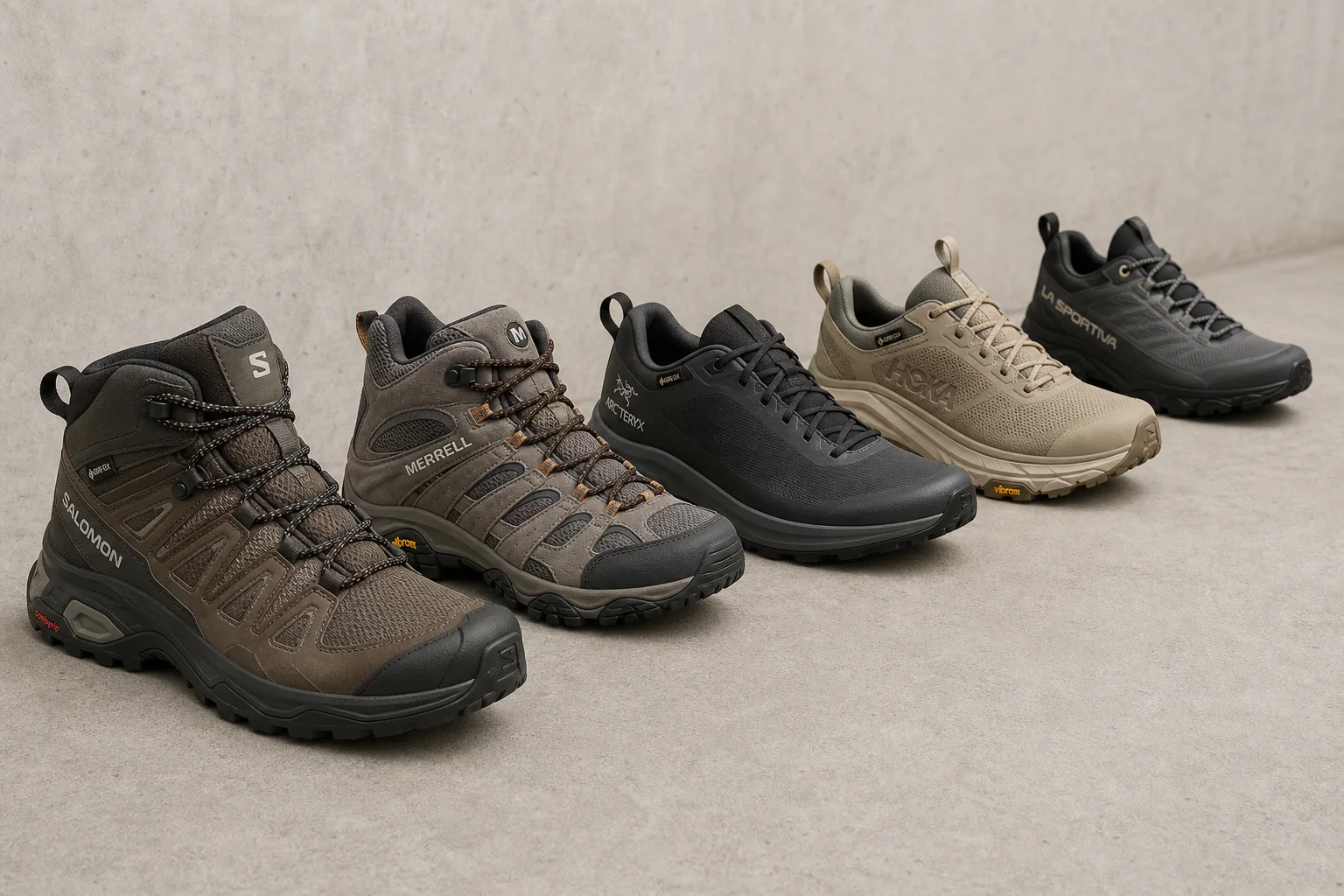
Best Hiking Shoes for Men: Five Tested Options Ranked
A detailed ranking of five hiking shoes tested for comfort, traction, and durability across varied terrain and conditions.