Hand Tools
Best Auto Center Punches: Blue Point YA900 vs General Tools
Two spring-loaded auto center punches put to the test across wood, aluminum, and stainless steel, with clear differences in ease of use and mark quality.
Introduction
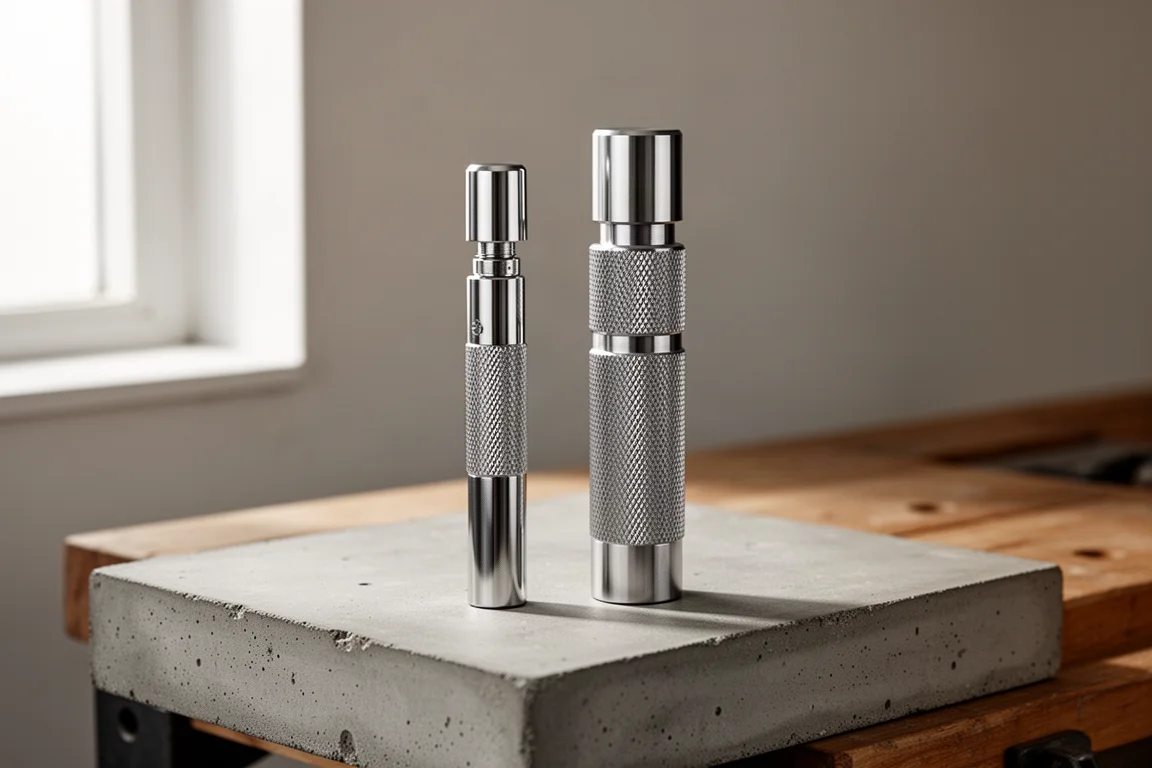
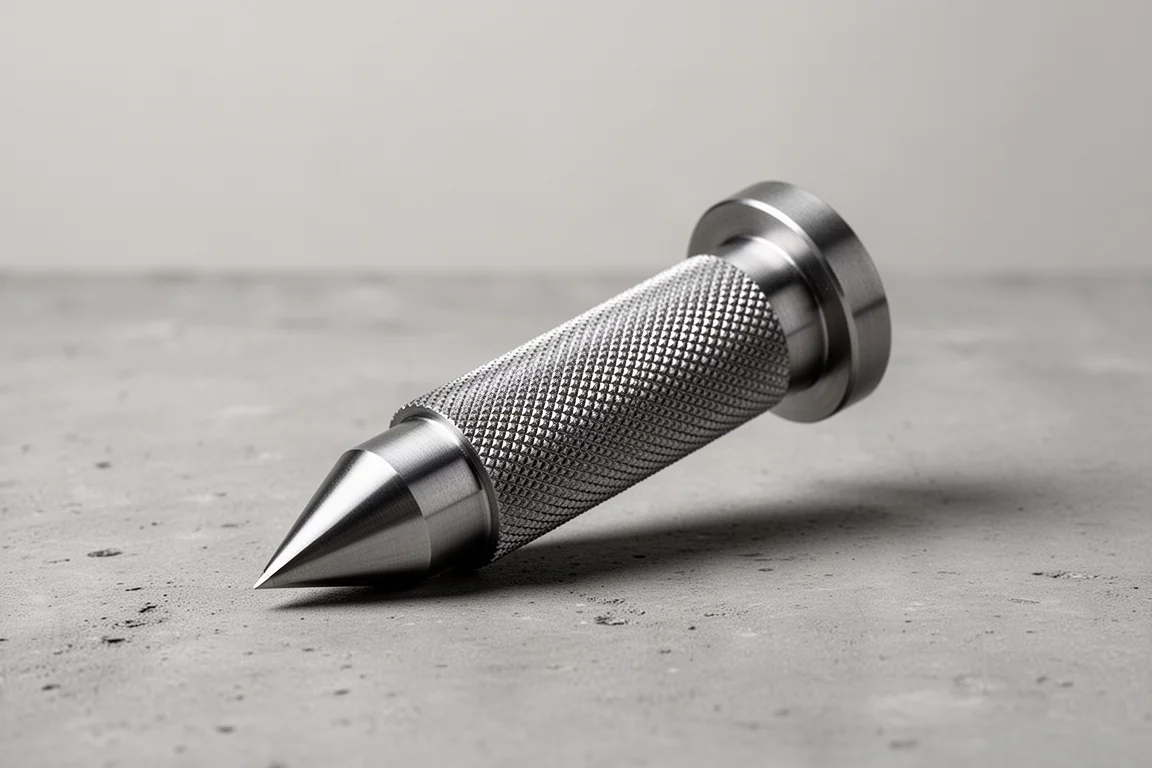
An auto center punch is one of those unassuming tools that quietly earns a permanent spot in any kit. Press the back of the body into your workpiece, an internal spring loads up, and at a certain pressure point the mechanism fires, driving a sharp tip into the material to leave a clean, permanent mark. In soft materials, it can even penetrate fully. If you have ever watched a drill bit wander off a pencil mark, you already understand the appeal.
We compared two widely available options: the Blue Point YA900 and General Tools’ auto center punches, testing them on wood, aluminum flashing, a metal washer, and stainless steel. The differences turned out to be more meaningful than the similar designs suggest.
Why an Auto Center Punch Belongs in Every Tool Bag
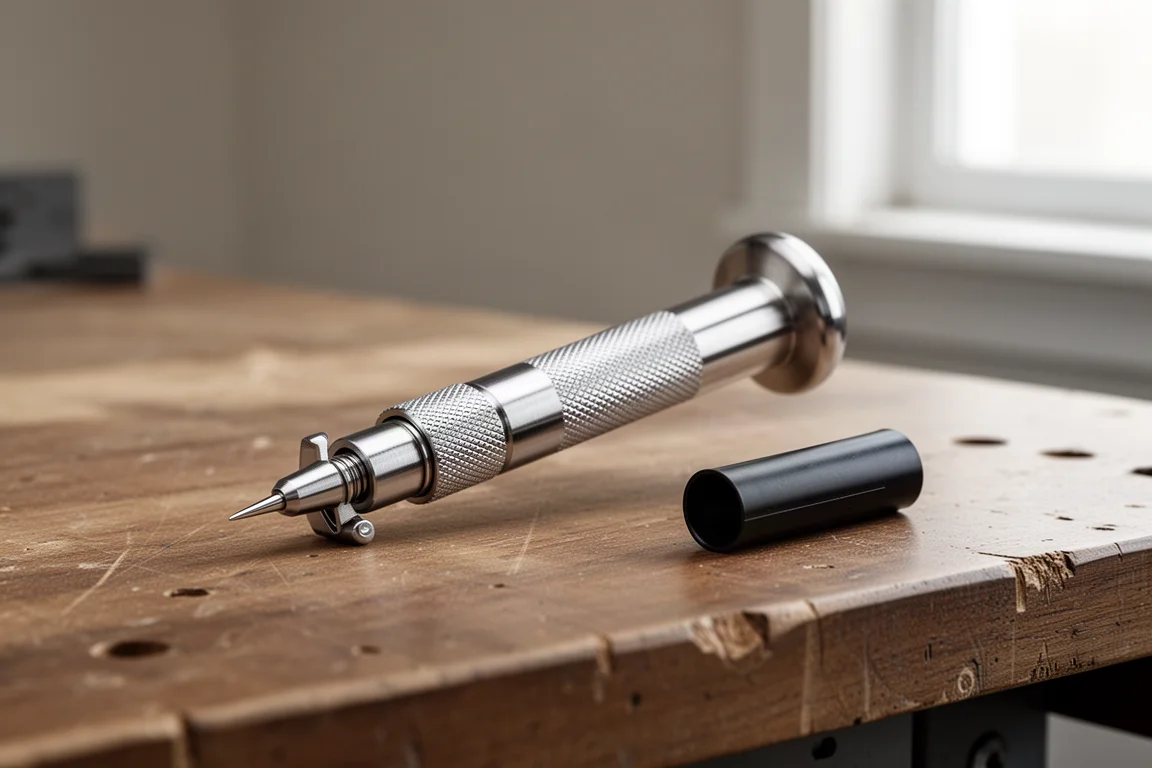
The core mechanism is simple but clever. Inside the body sit two springs and an unstable alignment of parts. As you press down, the springs load until they line up, a rod shoots forward, and the shock transfers to the tip. The result is a fast, repeatable strike that takes almost no effort or technique.
Beyond marking drill start points, these punches have picked up a second life as vehicle emergency tools. A sharp strike against a car window is commonly said to shatter tempered glass, making the punch a candidate for a glovebox emergency kit. That use case is widely reported, though treat it as anecdotal rather than a tested guarantee.
Wood: Easy Marks That Keep Drill Bits on Target
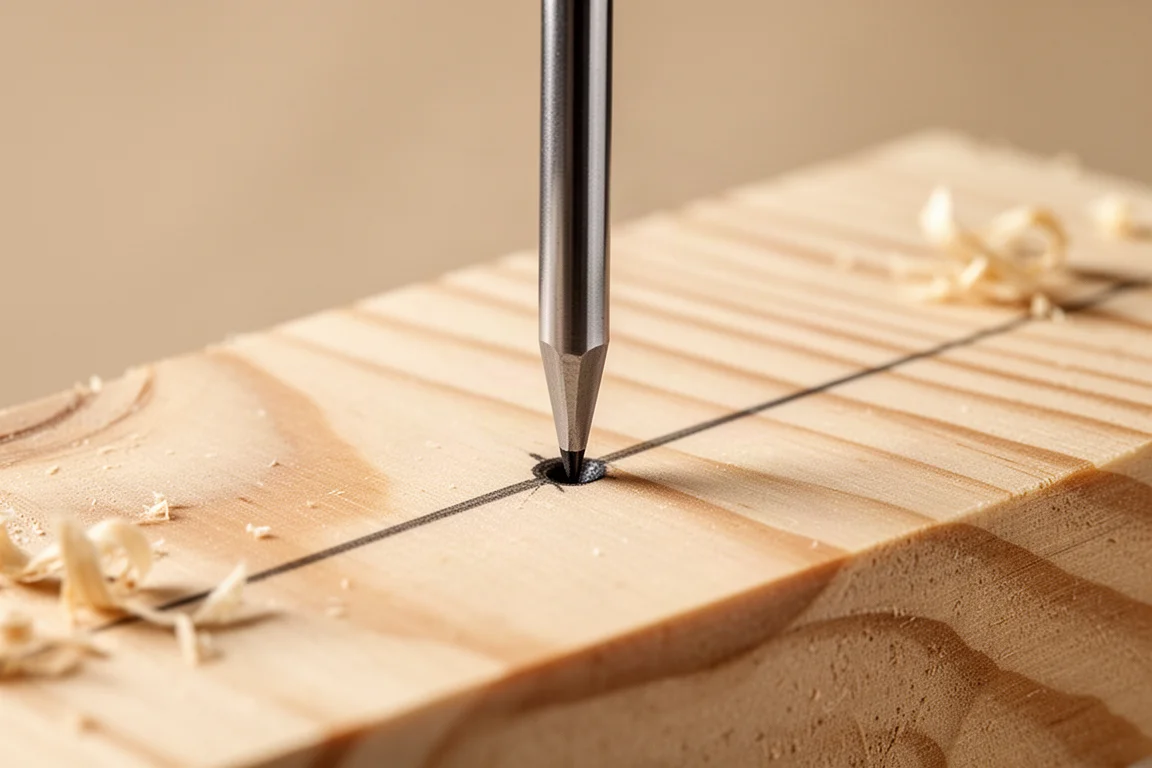
Wood is where these tools feel effortless. Line the tip up where you need a hole, press, and you get an instant mark deep enough in softer wood to start a drill without the tip wandering. It is not strictly necessary for soft timber, but it removes one more source of error.
Quality shows up in small ways here. The Blue Point, when pressed, sticks firmly in the wood and stands upright on its own. The smaller General punch requires noticeably more pressure and tends not to hold its mark the same way, feeling a bit crunchier in its internal action.
How They Perform on Aluminum
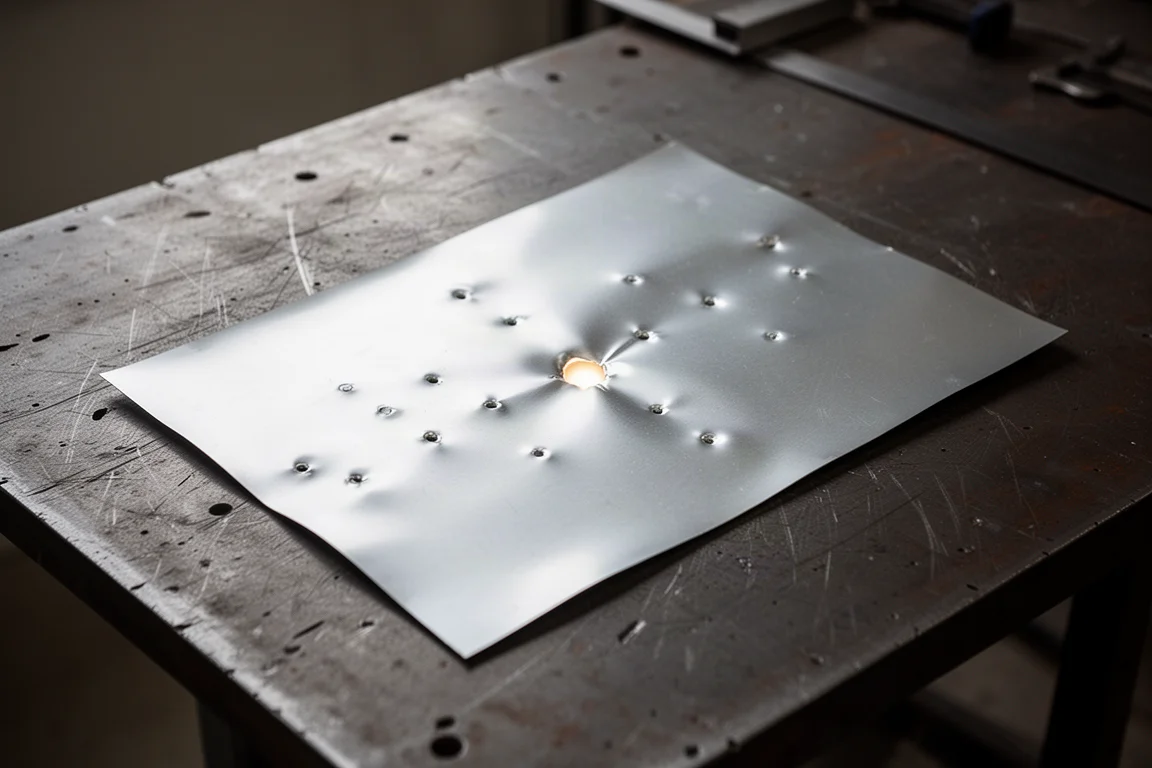
Aluminum flashing is where the gap widens. Pressed into thin aluminum sheet, the Blue Point penetrated fully through the material, with light visible through the hole. Neither General punch managed a complete breakthrough on the same test.
Ease of use matters just as much as penetration. The Blue Point can be operated with two fingers thanks to its slimmer, tighter grip profile. The small General is noticeably harder to press, and the larger General demands a grip at the very top of the body because it slips otherwise. Something about the Blue Point’s ergonomics simply makes it more pleasant to work with.
Stainless Steel Test
On a stainless steel corner bracket, the ranking flipped in one respect: the larger General produced the deepest, broadest mark, followed by the smaller General, with the Blue Point third. The likely explanation is tip geometry. The Blue Point’s tip is narrower and more pinpoint, possibly slightly worn from years of use, concentrating force into a deeper but smaller dimple, while the General tips widen faster and leave a broader mark.
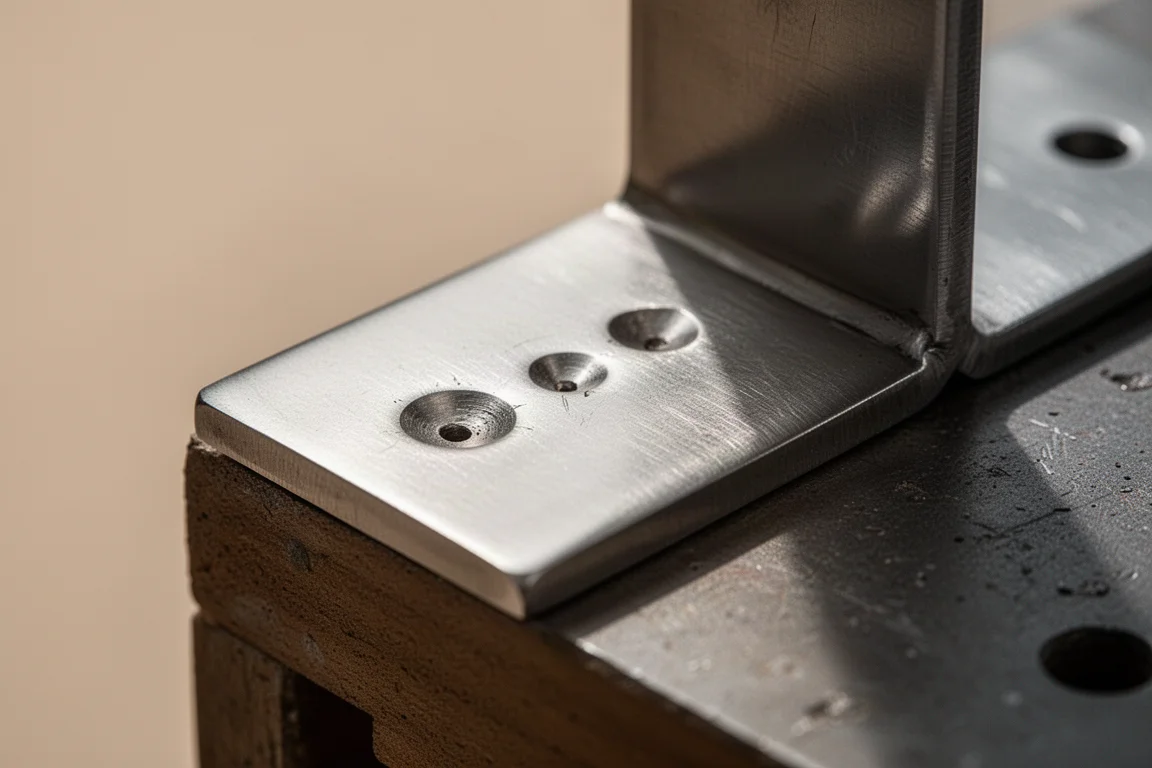
The striking part is that all three made a usable dent in stainless steel, and the Blue Point still marked it with just a couple of fingers of pressure. For layout work on harder metals, a confident, easy mark is arguably more valuable than a slightly wider one.
Practical Extras Worth Knowing
A few ownership details are worth factoring in. The Blue Point YA900 sells for around 33 dollars today, up considerably from the roughly 16 dollars it once cost off the tool truck, while the General punches run around 19 dollars for the smaller one and about 17 dollars for the larger. Note that the smaller General is priced a couple of dollars above the larger one, and its rear adjustment did not produce a meaningful difference in testing, though it might be useful backed off for fragile surfaces like fiberglass or formica.
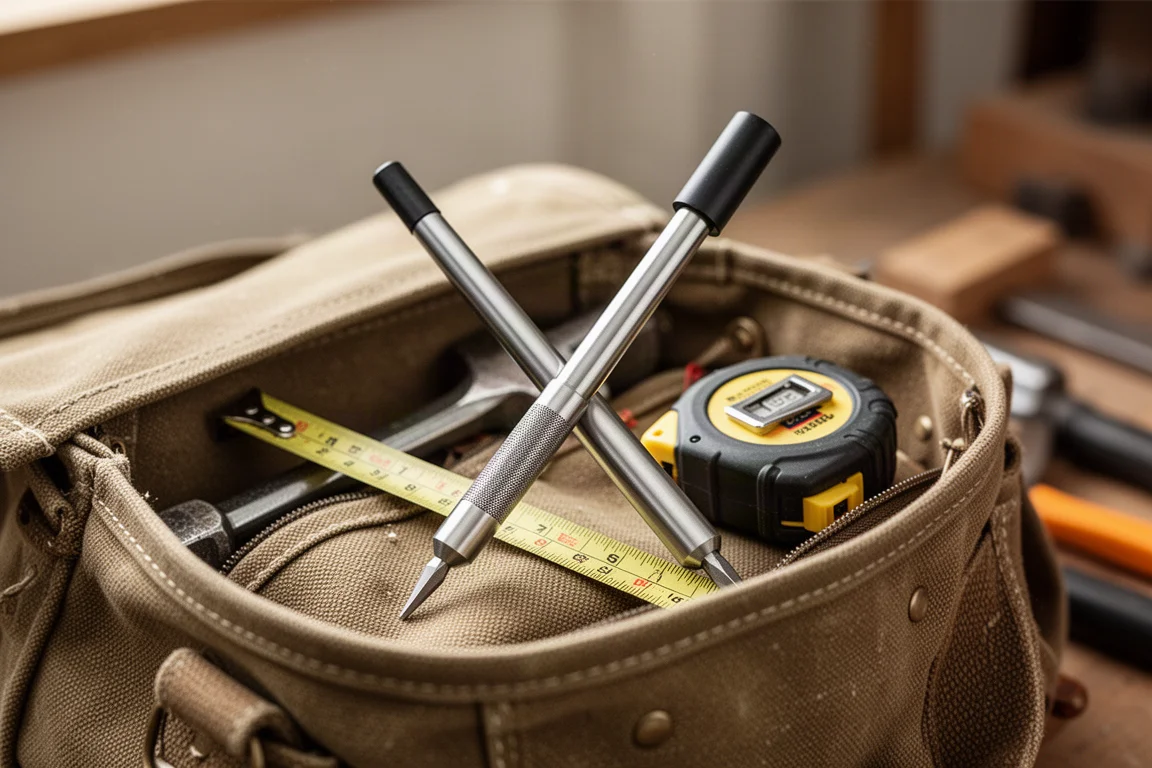
Durability has a caveat: a larger Blue Point punch once jammed and stopped working, which is worth remembering if a bigger variant tempts you. Protective caps came with the Blue Points, and electrical bolt covers work as substitutes to guard the tips and prevent accidental pokes. One of these punches belongs in any quick general-purpose tool bag; it is simply that handy.
Conclusion
Both punches do the fundamental job well, and either will serve a casual toolkit. The Blue Point YA900 stands out for its effortless two-finger operation, tighter grip, and full penetration of thin aluminum, while the larger General punch makes the strongest marks on stainless steel at a lower price. If ease of use and precision matter most, the Blue Point is the stronger pick; if you want capable marking on a budget, the General punches remain solid value.
Further reading
Related Reviews
Hand Tools
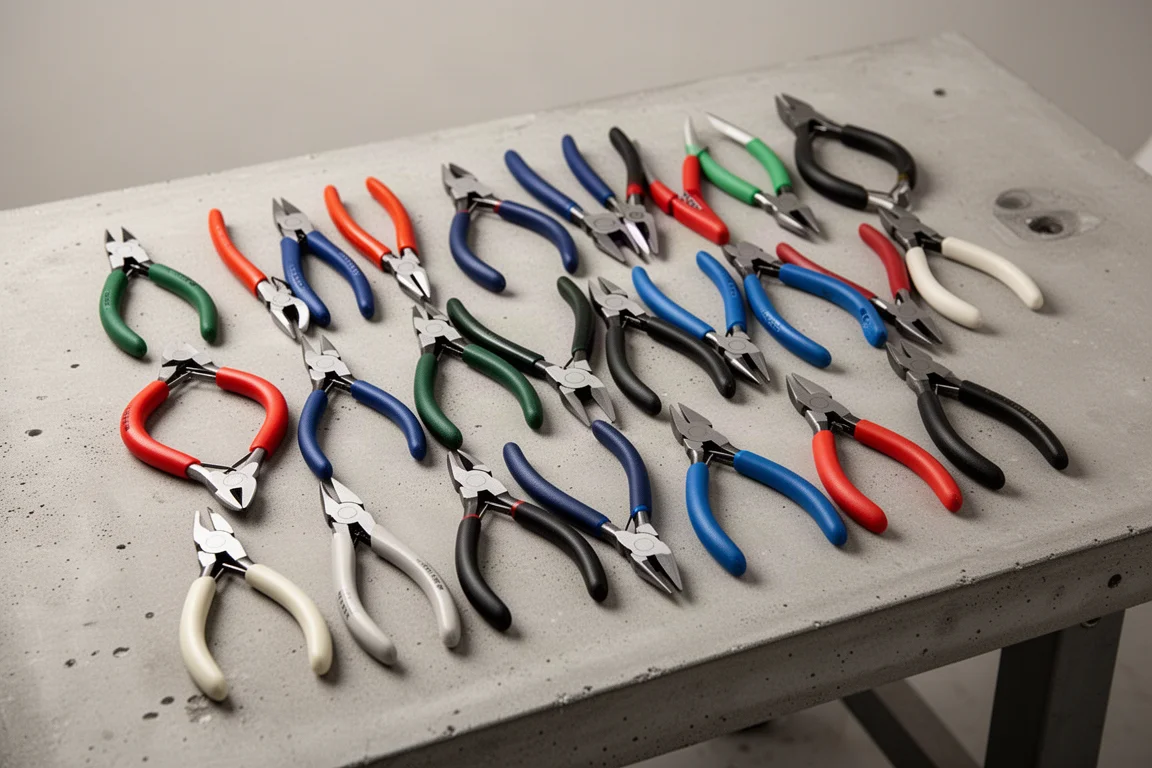
Best Diagonal Cutters 2026: 16 Pliers Tested for Cutting Power and Durability
We put 16 diagonal cutters through nail, screw, drill bit, and hex key tests to find the best value picks for your toolbox.
Hand Tools
Best Hex L Key Sets 2026: Nine Sets Tested for Real-World Torque
Nine hex L key sets from budget to premium, tested for torque, fit, and durability. See which sets deliver real performance and which ones to skip.
Hand Tools
Best Locking Pliers 2026: Top Picks Tested for Grip and Durability
We tested 18 brands of 10-inch locking pliers for grip strength, jaw bite, build quality, and ease of release to find the best options for tough jobs.