Emergency Lighting
Best Area Lights for Power Outages and Storm Prep: 4 Picks Worth a Spot in Your Kit
Four area lighting and power options that light up a room, charge your phone, and keep you comfortable when the grid goes down.
Introduction
When severe weather knocks out power, a bright handheld flashlight is only half the story. Directional lighting is great for tasks, but what most people actually need during an outage is area lighting: something that lights up a room, a tabletop, or a campsite like a group of candles on a table. These lights are not meant to be blindingly bright or throw beams hundreds of yards. They are meant to make the space around you comfortable while you wait out the storm.
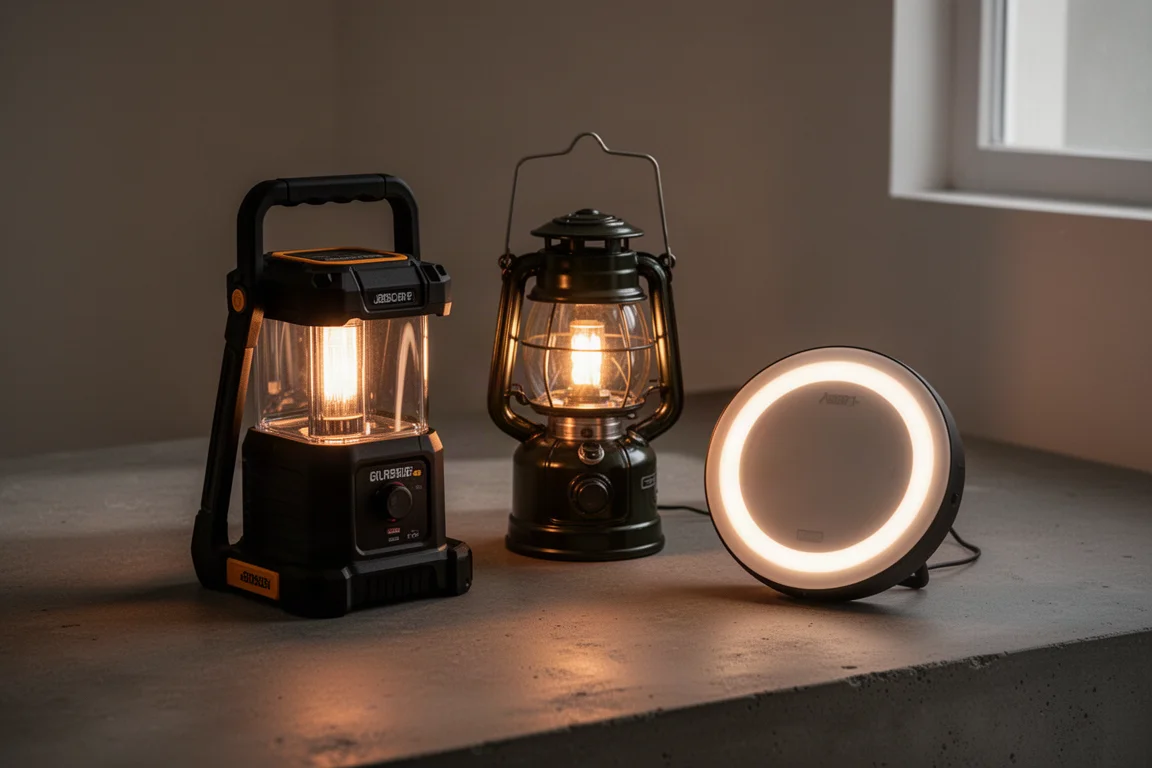
Here are four picks that cover different needs: a durable jobsite lantern, a traditional style lantern, a flat disc light with clever mounting options, and a small adapter that turns your tool batteries into phone chargers.
Why Area Lighting Matters When the Power Goes Out
During extended outages, people often still have cell service for calls but not enough data or battery to use it freely. Charging a phone becomes a genuine challenge, and lighting a whole room with a flashlight beam is awkward at best. Area lights solve both problems: they illuminate a space evenly, and many of them can top up your devices.
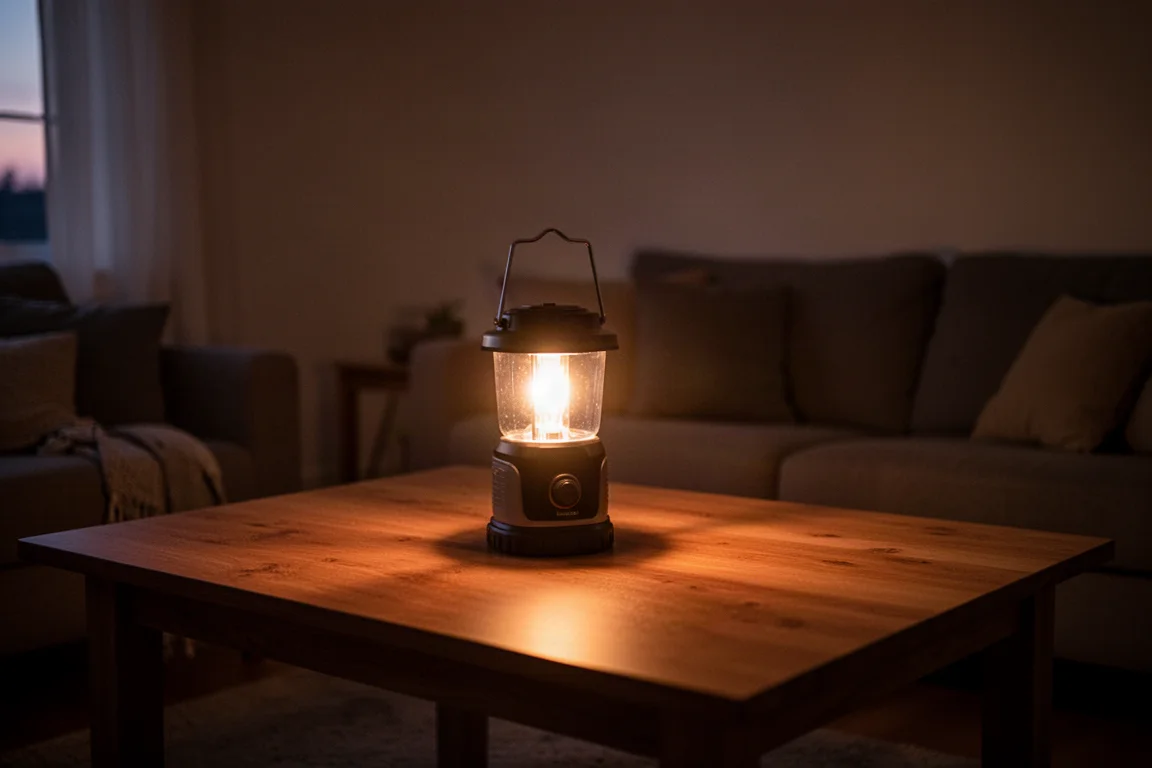
A good area light is the one piece of kit you rarely think about until you need it. It is worth getting squared away before the weather turns.
Milwaukee M12 Area Light
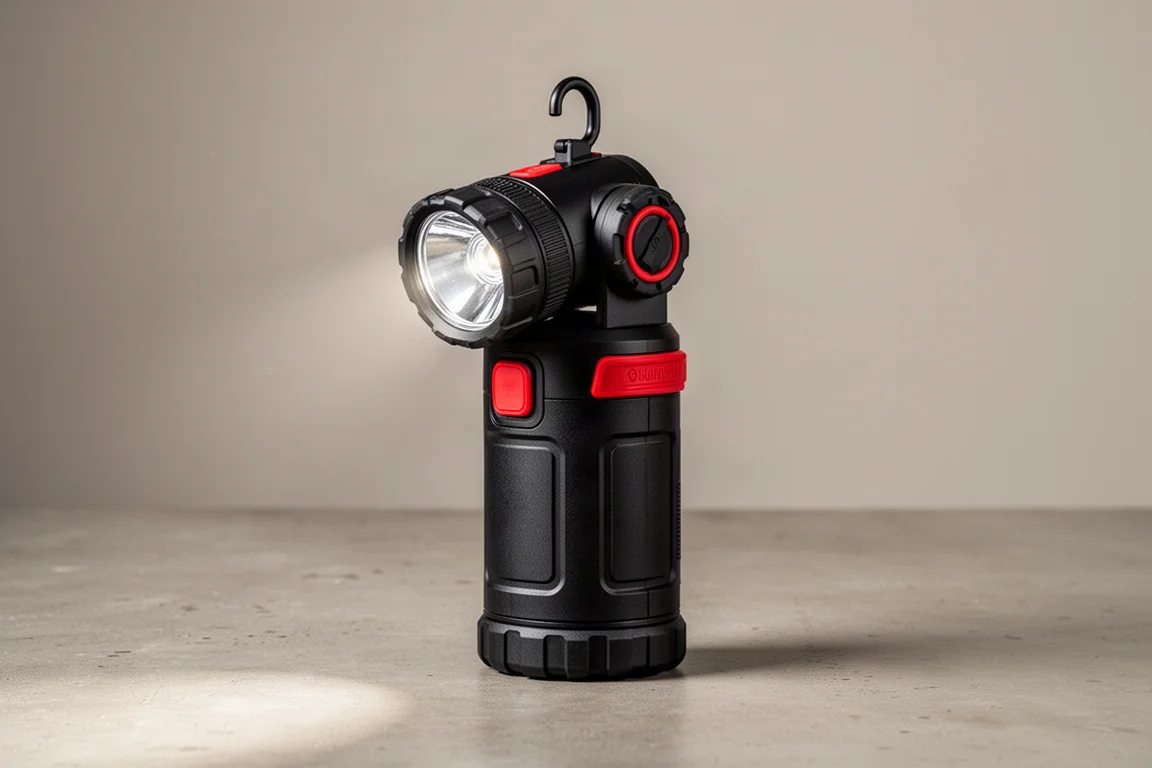
This is a long-standing favorite with a strong reputation for durability. It runs on any M12 battery, and a simple button check brings up the battery indicator, which is always convenient on the M12 platform. It offers 180-degree all the way to 360-degree lighting coverage, so you can shape the output to the space you are in.
One important detail: it can output USB power, which is critical, but it cannot itself be charged over USB. Even so, it has lived in the car on overlanding trips and proven itself a solid, old-school, plenty-bright lantern for general area lighting. It also has a built-in hanging hook, and anything you run through it is very unlikely to come off.
Olight Halop
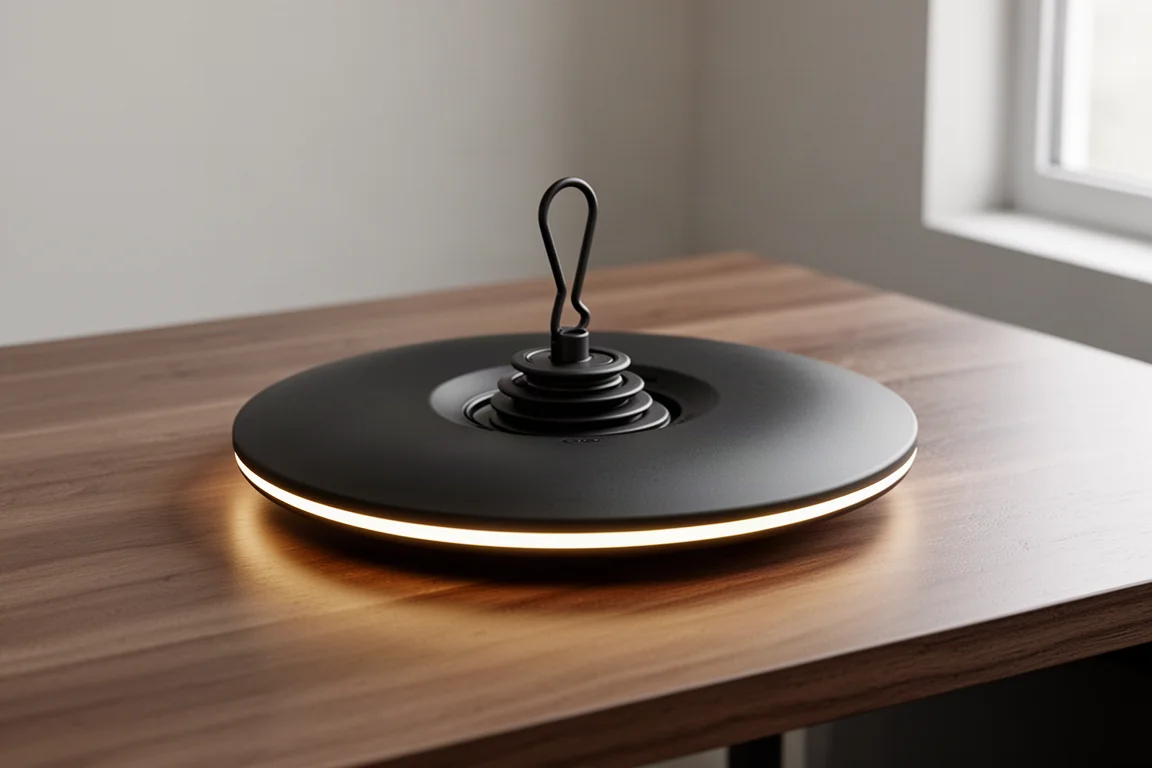
The Olight Halop is a newer design that looks a bit like a flying saucer of light. It has a low, stove-like orange glow mode, and when you fire it up fully, a ring of bright LEDs puts out 600 lumens. Like everything on this list, it is designed to light an area, a room, or a table, not to throw a beam into the distance.
Mounting options are a highlight. There is a hook, and the body can also grab onto objects: drop something like a pry bar, screwdriver handle, broom handle, or umbrella into the middle, push it together, and it locks on rock solid. That means it can hang from a tree branch, a picnic table, or whatever is handy.
Battery runtime is well thought out. At full 600 lumens it lasts about 20 minutes, then throttles to about 300 lumens for another 260 minutes, then down to 150 lumens for another 230 minutes. That is effectively all night. The orange light tops out at 200 lumens, and stepping down gives you 8 hours at 100 lumens, then 6 hours at 100 lumens, and finally 180 hours at the lowest 10-lumen setting, which works like a nightlight. Olight rates the maximum throw at about 30 meters.
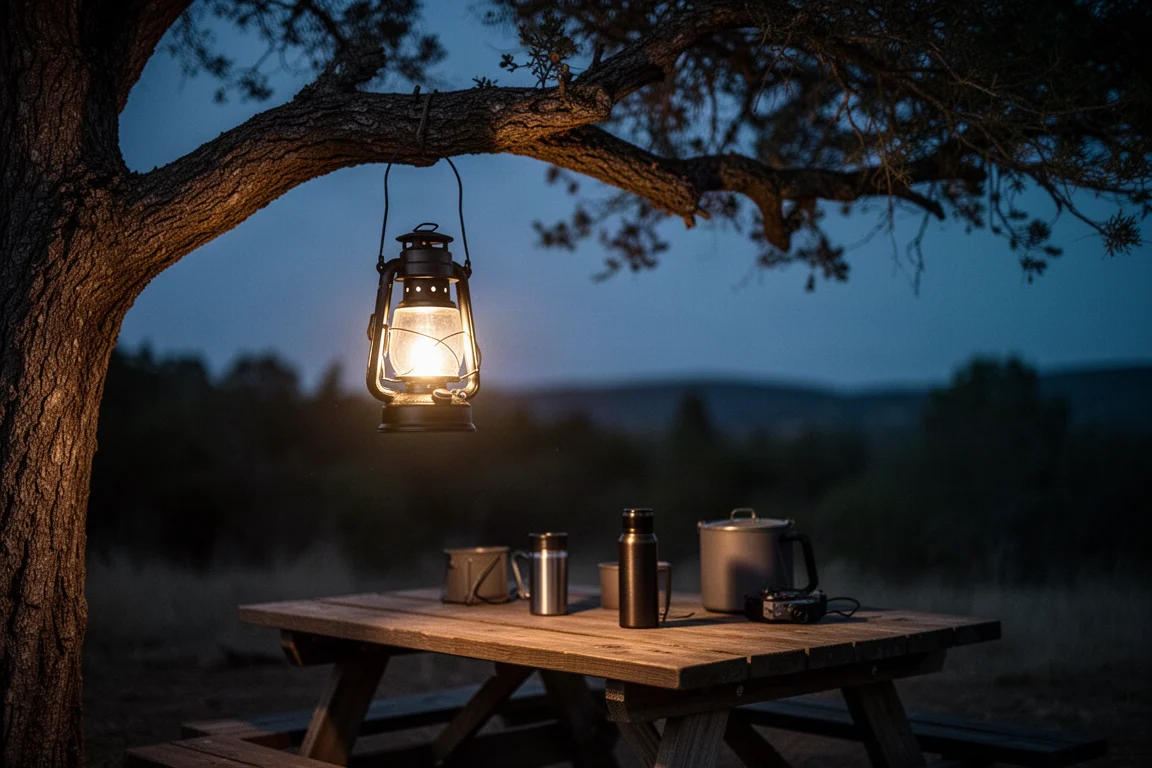
It also ships with a plug designed to fit onto a tripod. It works with the Olight tactical tripod, but any tripod that fits up into the channel will do. Pop the button, drop it in, close it up, and you have a hanging flying saucer of light.
Olight Traditional Lantern
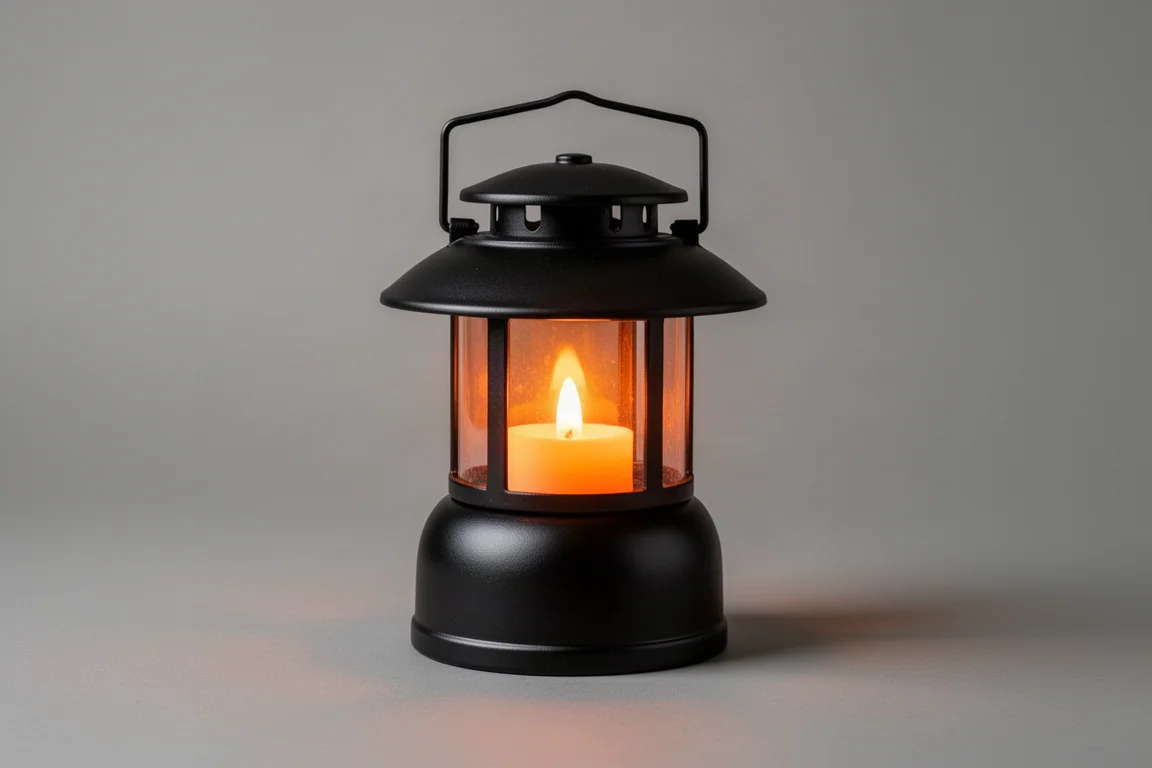
Olight also offers a more traditional lantern form. The candle-style look is arguably a skeuomorph, but it is genuinely useful: it has a traditional candle-light or low orange gas-colored mode, and you can turn it up to fire a row of bright white LEDs around the inside.
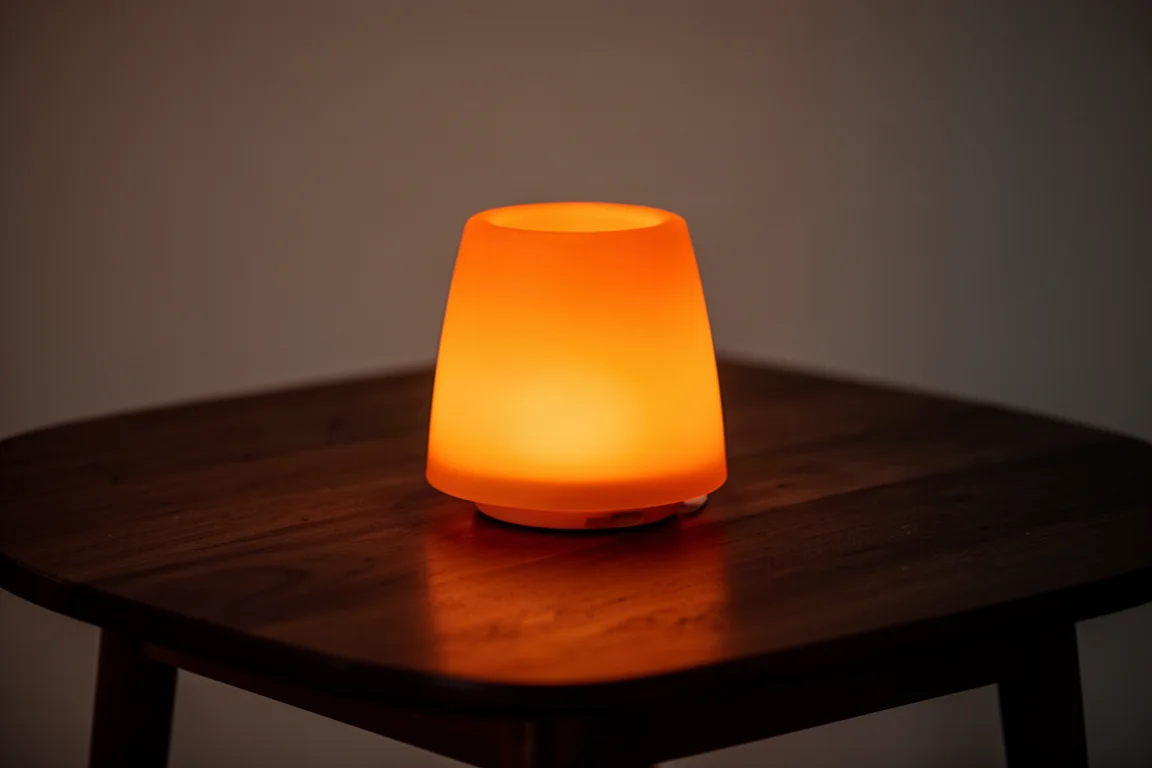
The coverage on the top is designed to light up a table rather than blind anyone. Walk through the forest holding it out in front of you and it will not reach far at all, but that is not what it is for. It charges devices over USB-A or USB-C, has a simple design, is fairly durable, and offers long run time. A good one to have around.
Milwaukee USB Adapter
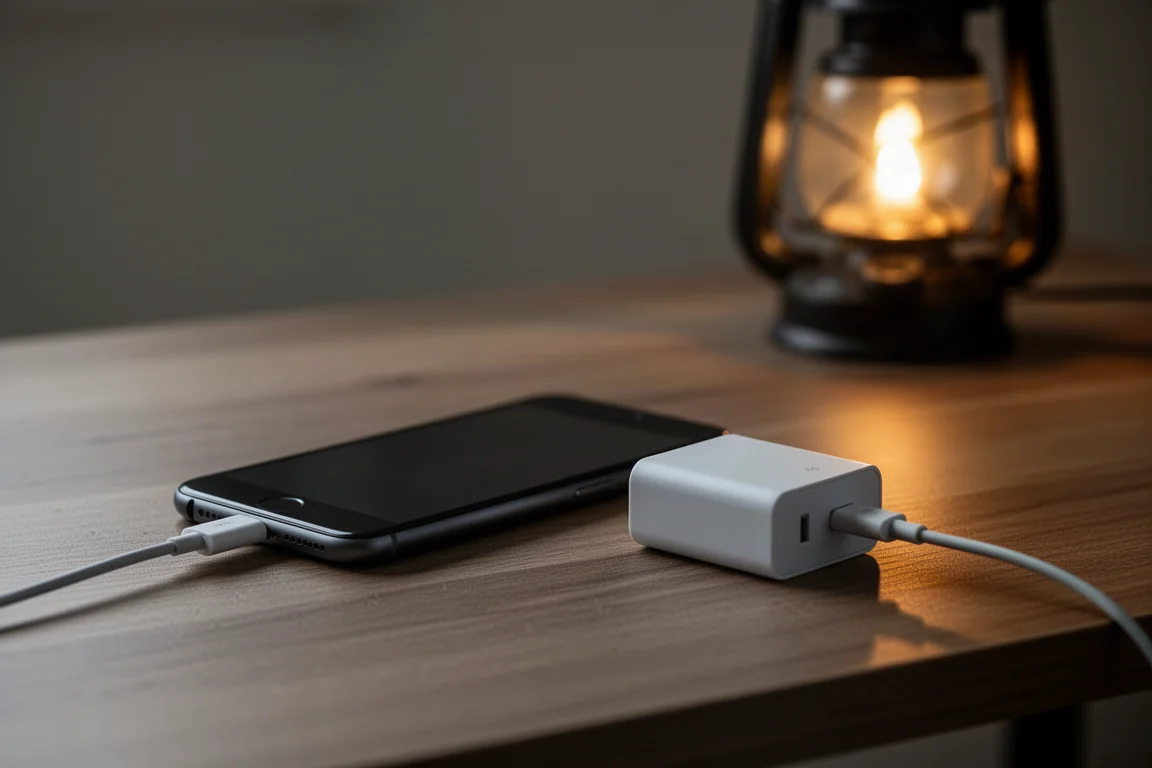
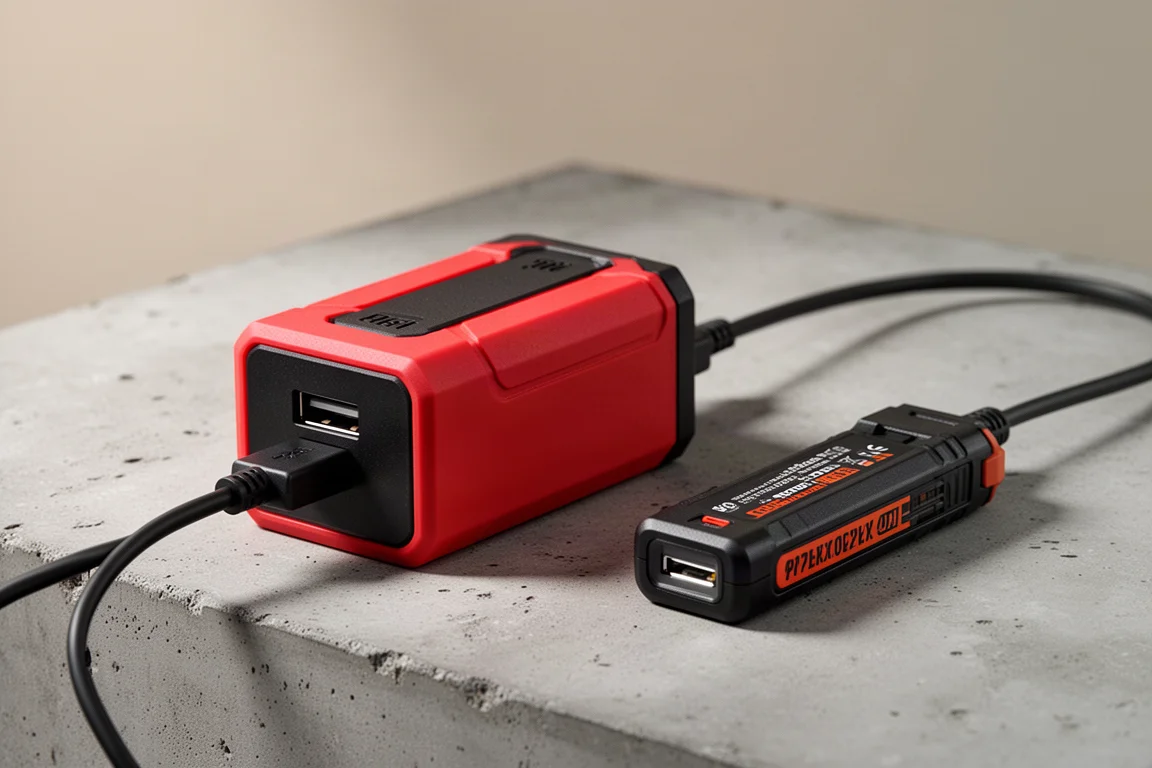
If you are already in a battery system like Milwaukee M18 or M12, a USB adapter is one of the handiest accessories you can own. It lets you charge your devices straight off your tool batteries. With a stack of batteries on hand, that can amount to months of phone charging, which is exactly what matters when the grid is down for days.
This adapter has a battery indicator on the underside and can itself be recharged, with a mini or micro USB input. It is admittedly on the pricey side for what it does, but in a real outage its value becomes obvious. One of these is currently headed to Texas for a friend whose home has no power but plenty of M18 lawn tool batteries, turning those batteries into a reliable source of phone charges.
Buying Advice
If you already own power tool batteries, start with the USB adapter because it turns gear you own into emergency phone charging. Then pick the area light that fits your space: the M12 lantern if you want proven durability and USB output from your battery platform, the Halop if you want clever mounting, granular runtime control, and tripod compatibility, or the traditional lantern if you prefer a warm candle-style ambience with device charging built in.
Conclusion
Area lighting is often as important as directional flashlight lighting during bad weather. A lantern that lights a room, a way to charge a phone, and a battery platform you already own together form a simple, reliable storm kit. Get it squared away before the next outage, not during one.
Further reading
Related Reviews
Camping Gear
Best Camping Lights 2026: Four Portable Options Tested and Compared
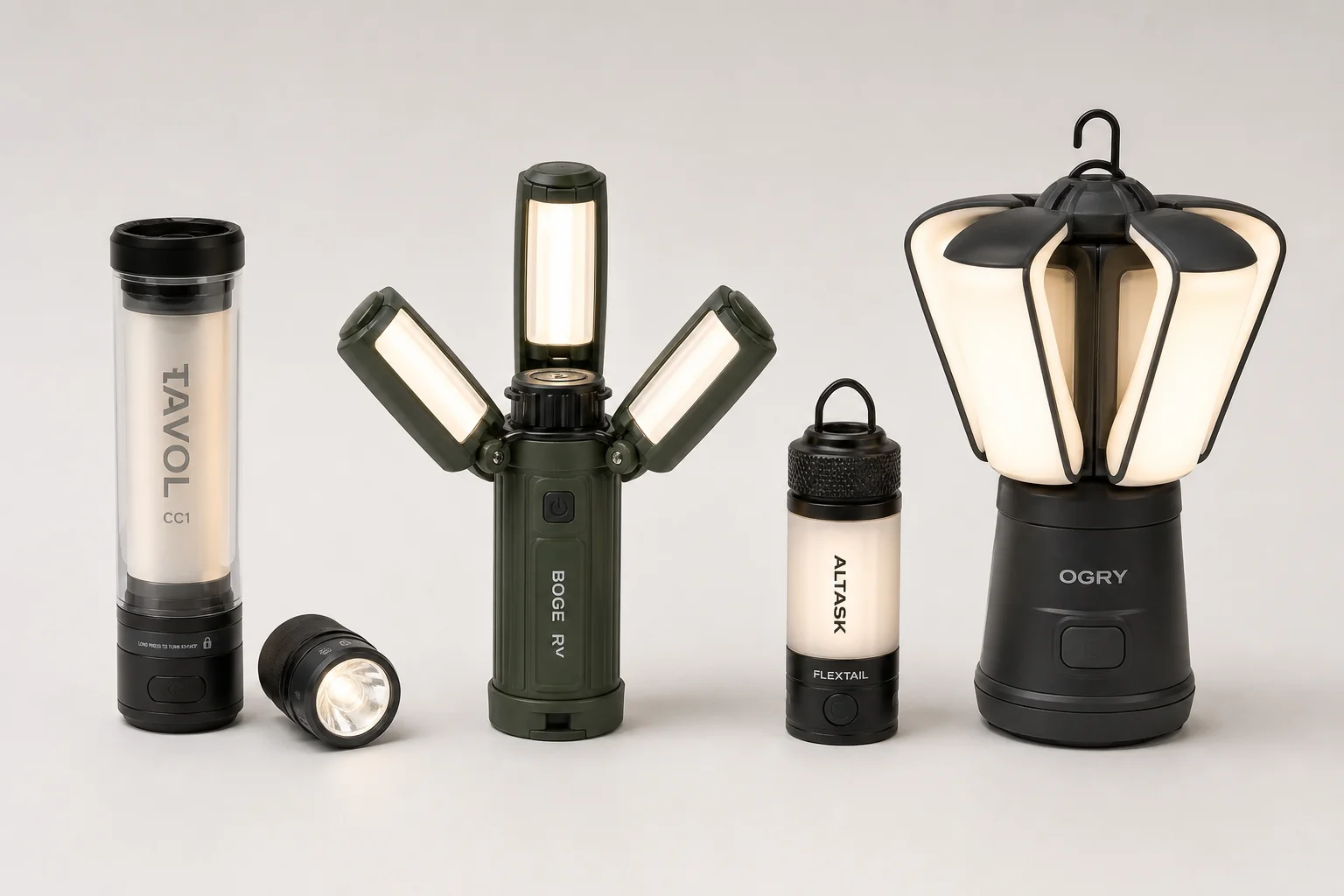
A detailed comparison of four popular camping lanterns: Tavol CC1, Boge RV, Altask Flextail, and Ogry. We tested brightness, battery life, stand design, and portability to help you choose.
Camping Lights
Goal Zero Micro Charge Review: A Compact 2-in-1 Camping Light
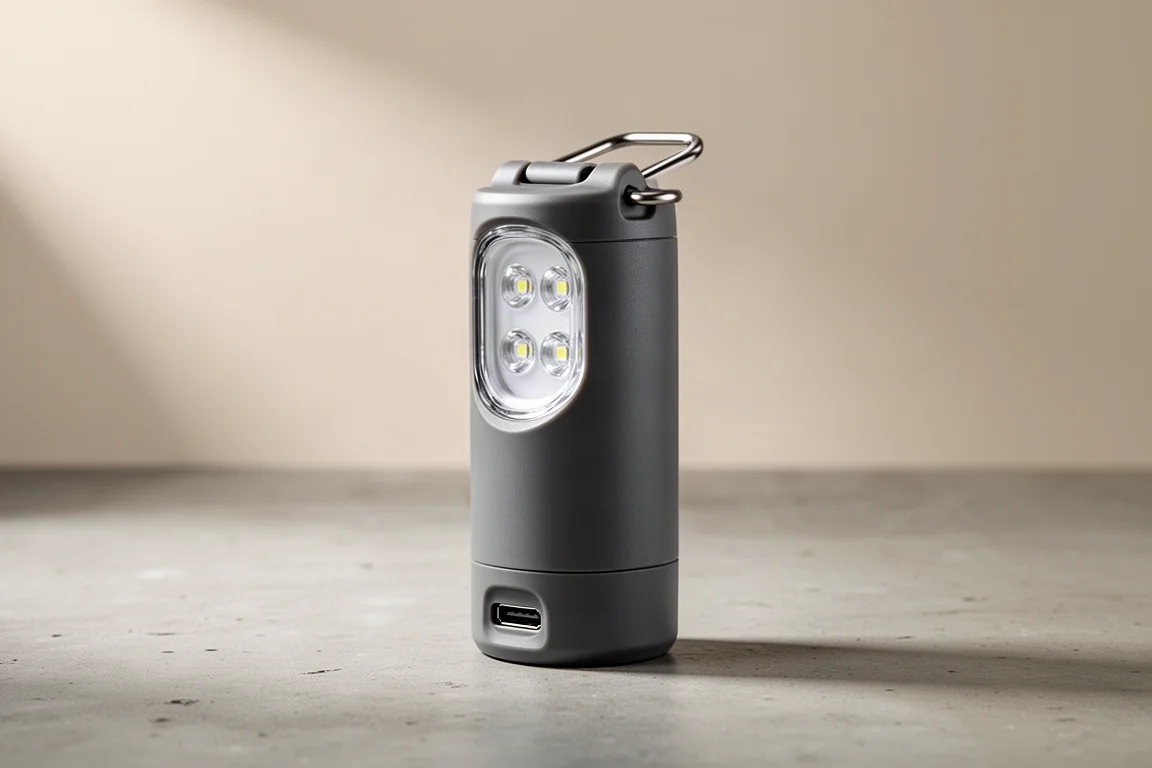
A practical look at the Goal Zero Micro Charge, a pocketable flashlight and lantern with phone charging, plus the trade-offs worth knowing before you buy.
Camping Heaters
Kovea GigaSun Heater Review: Extreme Propane Heat for Emergencies and Off-Grid Use
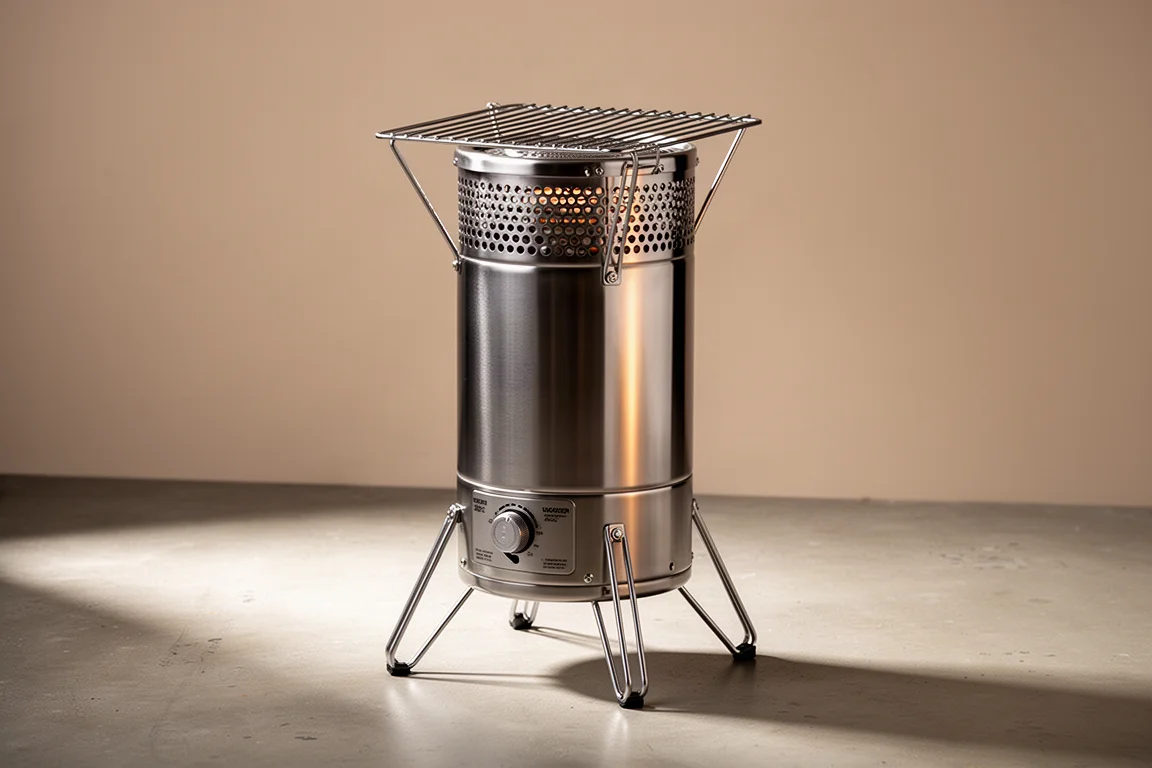
A close look at the Kovea GigaSun, a propane heater with extraordinary output, a stainless steel build, and a heat level that suits emergency backup better than tent camping.