Power Tool Accessories
Angle Grinder Attachments Tested: Which Ones Work and Which Are Sketchy
From chainsaw and drill adapters to belt sanders and rust-removal discs, a hands-on look at which angle grinder attachments are worth your money and which to skip.
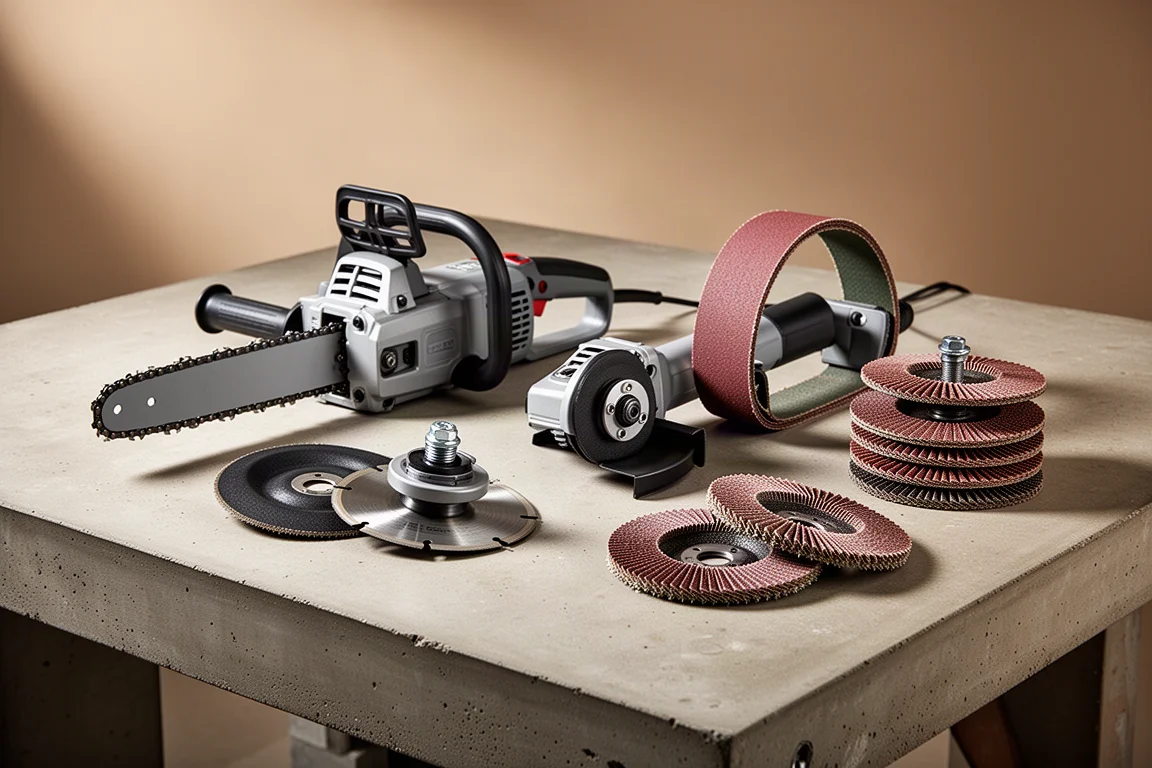
Introduction
An angle grinder is one of the most versatile tools in the workshop, and the market is full of attachments promising to turn it into a drill, a chainsaw, a circular saw, or even a hedge trimmer. We tested a wide lineup of these conversions, plus a full range of abrasive discs and brushes, to find out which ones perform well and which ones should be skipped entirely.
A note upfront: many of these attachments use M10 threads, while many common grinders use a 5/8-inch arbor, so compatibility is a recurring issue throughout these tests. Check your grinder’s arbor size before buying any of these.
The Drill Adapter: Fast but Not Recommended
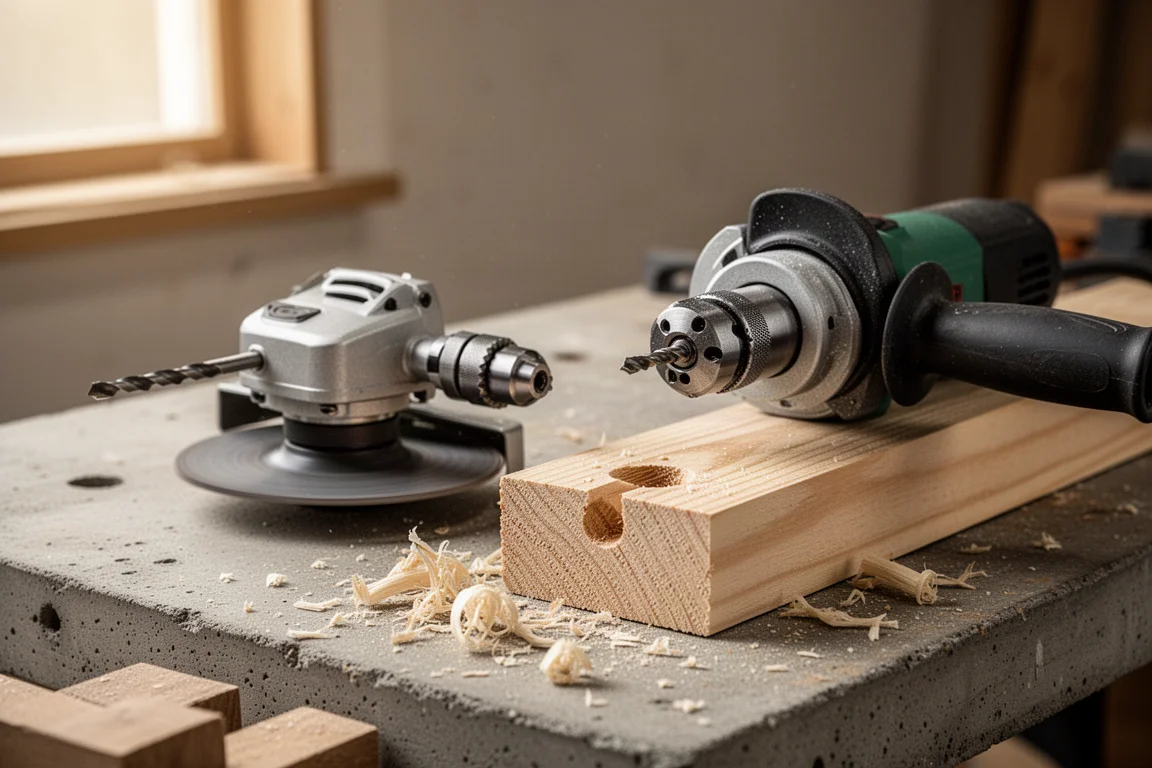
At $12, this drill adapter turns an angle grinder into an electric drill using a three-jaw chuck made of high-carbon steel. Getting it mounted required extra adapters and even a thread tap to reshape threads, and even then the setup showed noticeable wobble from misaligned components.
Performance was never in question: it drilled through a 2x4 quickly and punched a hole in quarter-inch flat iron in just 3.6 seconds. The problem is speed. A typical drill spins at 2,000 to 3,000 RPM, while a grinder spins roughly three times as fast. Around 10,000 RPM is simply too fast for safe drilling, so this one earns a definite no.
Chainsaw Attachment
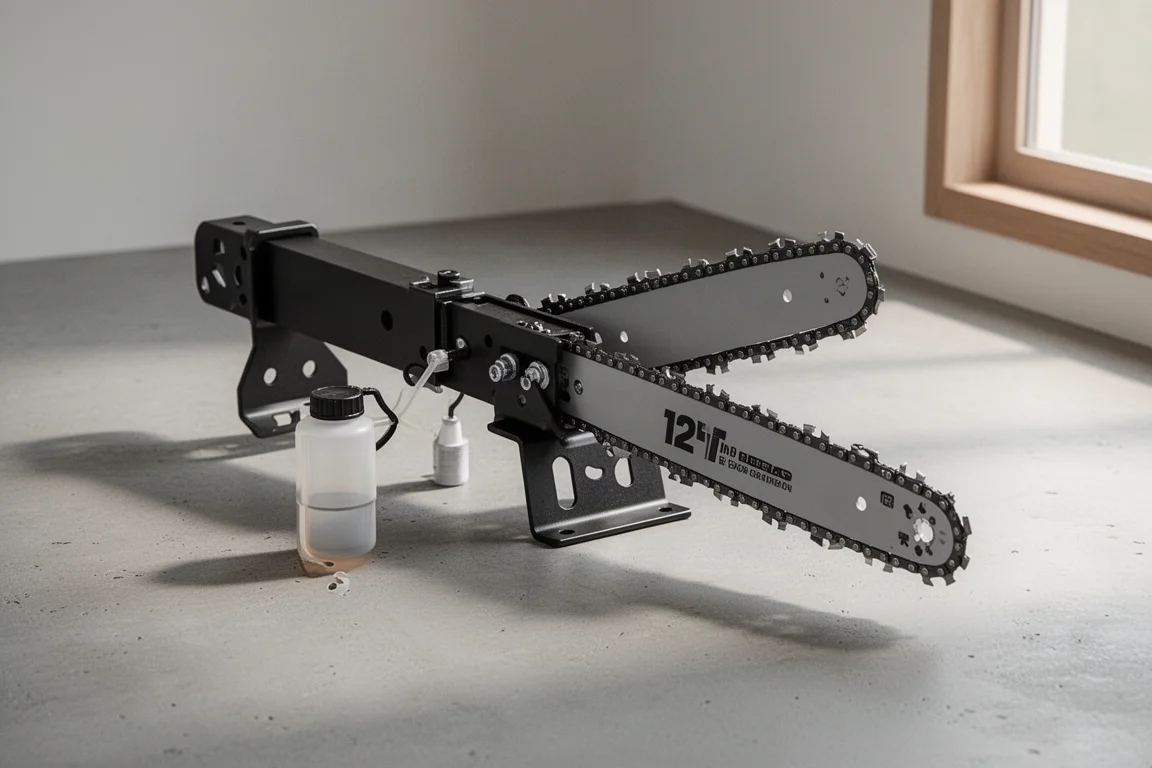
For $25 you get a chainsaw attachment with a 12-inch bar, an included oiler, and three different adapters. Mounting was fiddly on the first grinder, with the bracket not sliding down far enough to secure, and the chain came loose after about a second of use. A different grinder fit much better.
Once properly mounted, it was genuinely fast. It cut through a pressure-treated 4x4 in about 4.3 seconds on average, beating a dedicated 10-inch corded chainsaw that averaged around 7 seconds. On very hard, fully cured Osage orange, the attachment finished a cut in just under 20 seconds, roughly 10 seconds faster than the comparison saw.
The downsides are real, though: the oiler did not actually deliver oil to the chain in testing, so you will need to manually oil the chain before and during use. Buy it only if you are confident it fits your grinder.
Circular Saw Attachment
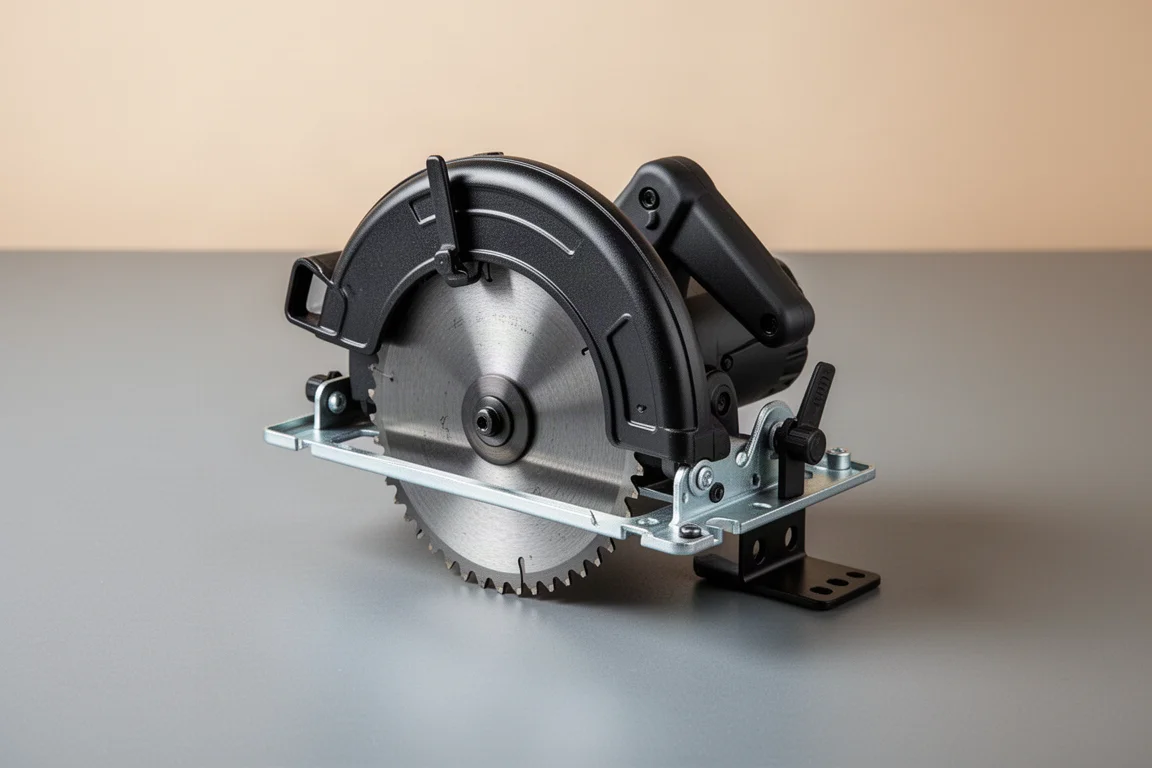
This $19 attachment turns your grinder into a small circular saw with a 4-inch blade, adjustable cutting angle from 0 to 45 degrees, and adjustable cutting depth allowing about 1.25 inches of cut. It did not fit one grinder at all, with the adapter housing refusing to tighten, but worked fine on a cordless model.
Cutting one-inch oak took 3.4 seconds, and a speed-focused cut came in at 1.7 seconds. That is respectable, though a full-size 18V circular saw with a 7-1/4-inch blade was still dramatically faster at under 1 second. Treat this as a light-duty tool, and only buy it if you know it fits your grinder.
Hedge Trimmer Attachment
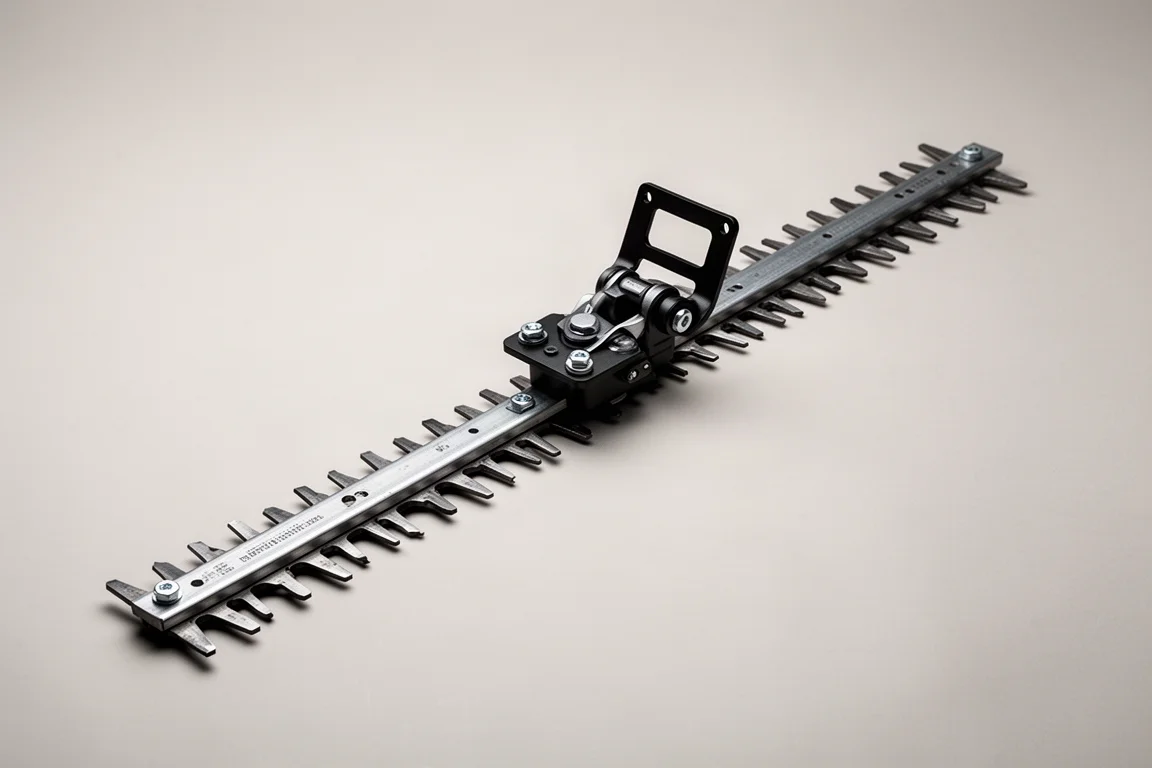
At $59, this is the most expensive attachment in the lineup. It includes an 18-inch double-hardened steel blade, a claimed 1/2-inch branch capacity, and a 12-position articulating head for hard-to-reach angles. It only works with a 10 or 12 mm arbor, and even a compatible grinder needed thread tapping and notching of the bracket to mount securely.
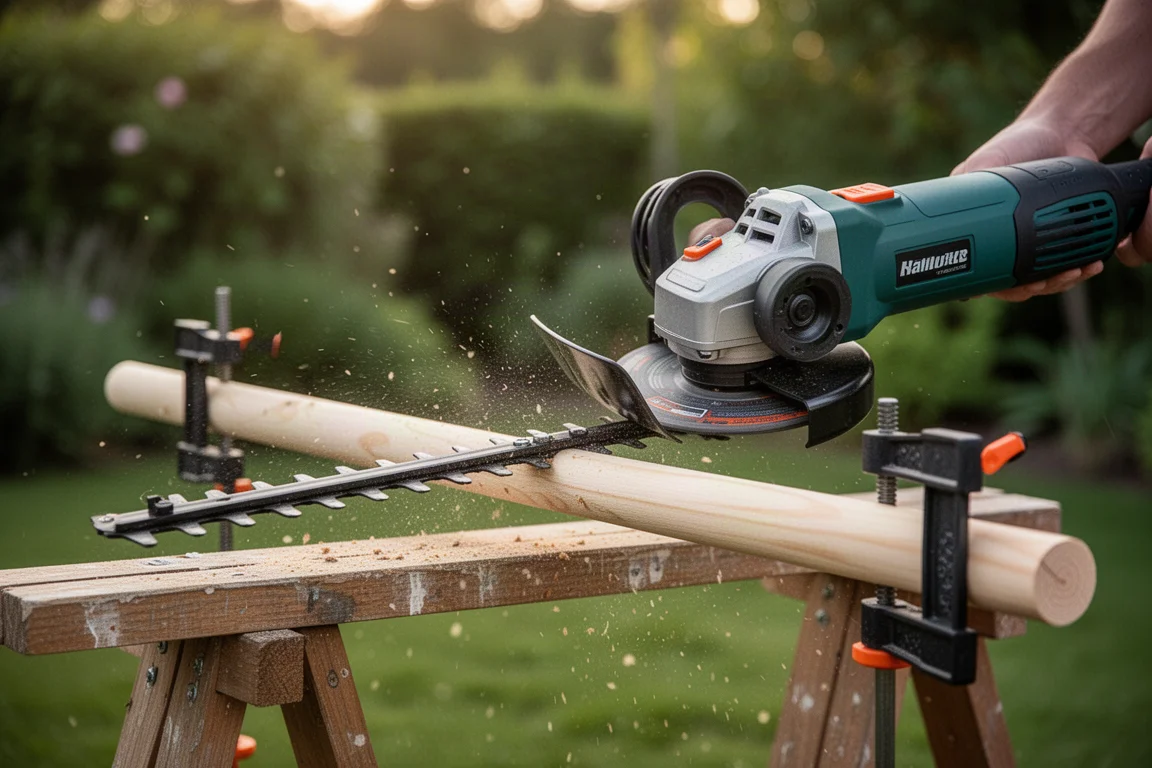
Once running, the performance claim held up. It cut through a half-inch wooden dowel far more easily than an older consumer hedge trimmer, and in fence-line trimming it cut roughly four times as quickly, making quick work of thorny Osage orange saplings just under half an inch thick.
The performance is there, but the modification burden is significant. Only buy this if you have the right grinder with a 10 mm arbor.
Flat Belt Sander Attachment
The first of two belt sanders costs $40 and uses a 5/8-11 thread, with a requirement that your grinder head be under 42 mm in diameter. It shipped without instructions, but assembly was intuitive. With 60-grit paper on oak, the belt ran at high velocity with good control and no abnormal vibrations, delivering a better result than expected.
On steel, it held up well, though it is clearly slower than a flap disc for material removal. The trade-off is control: the flap disc wins on speed, but the belt sander is easier to manage and is an affordable option for smoothing work.
Pipe Belt Sander Attachment
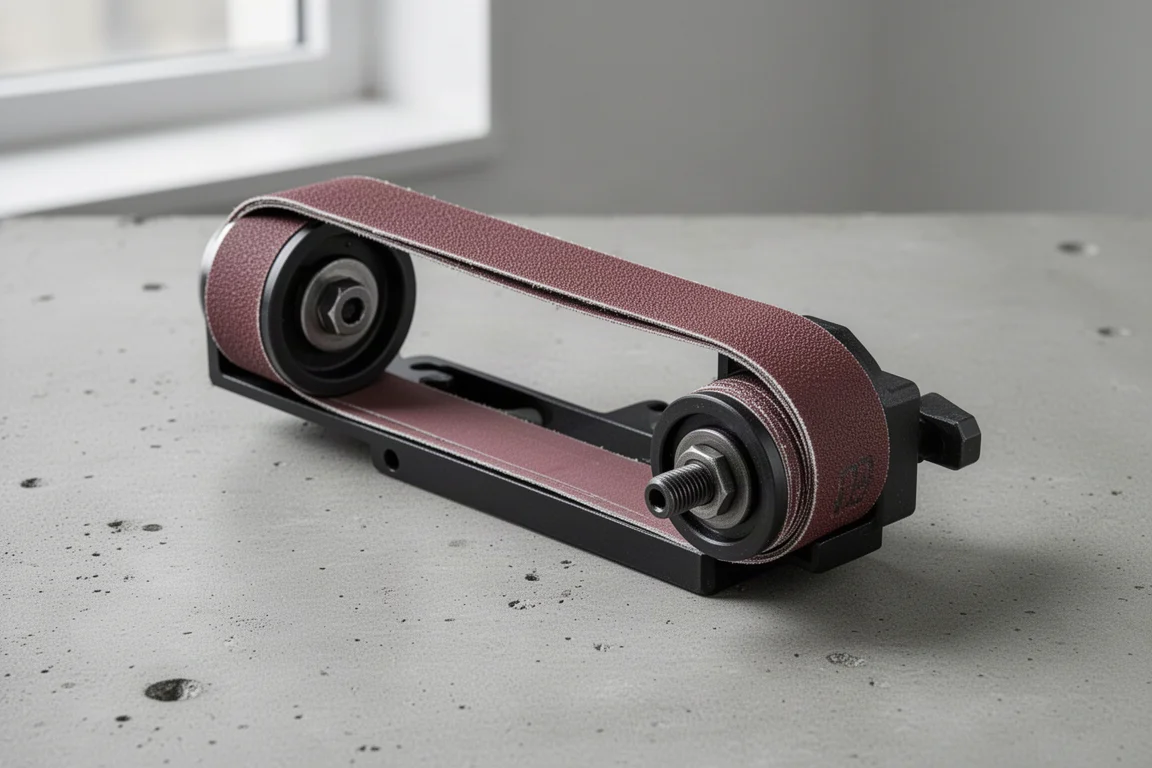
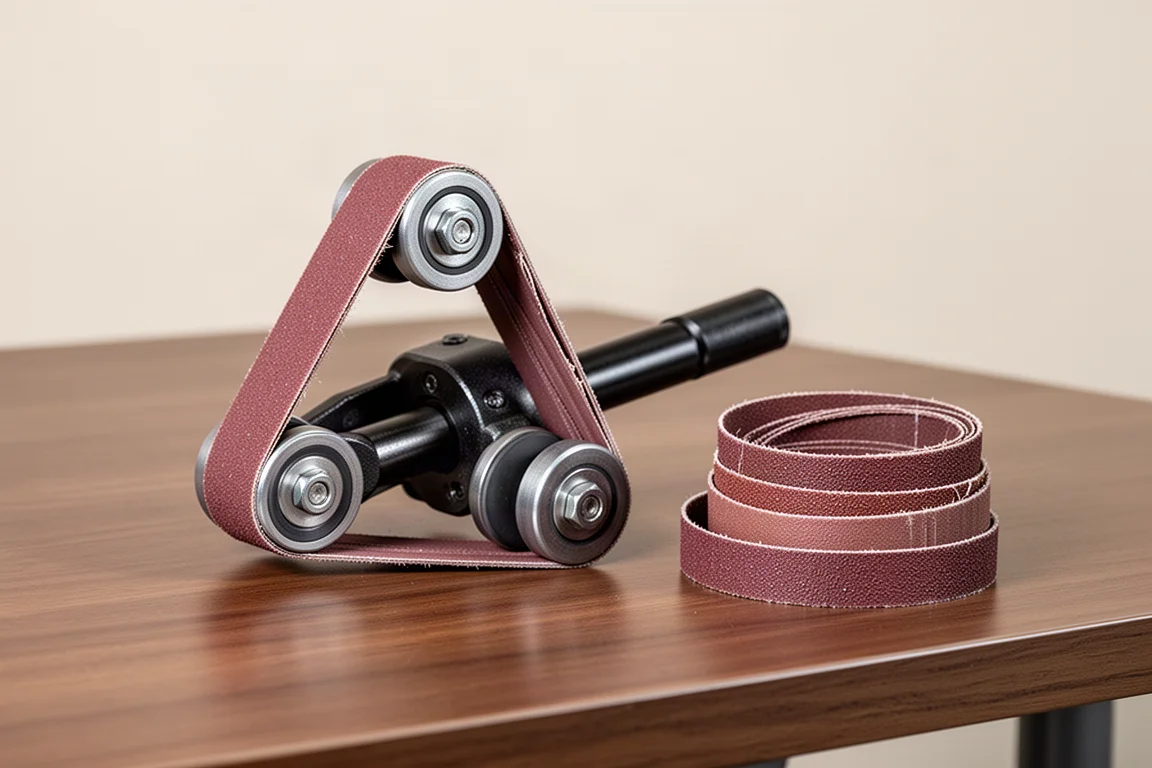
The second belt sander costs $60 and uses a triangle design that lets you sand the surface of tubes and pipes completely and evenly. The kit includes 60, 120, 240, 400, and 600 grit belts, and it is designed for a standard 5/8-11 arbor. Build quality seemed good and assembly took under five minutes.
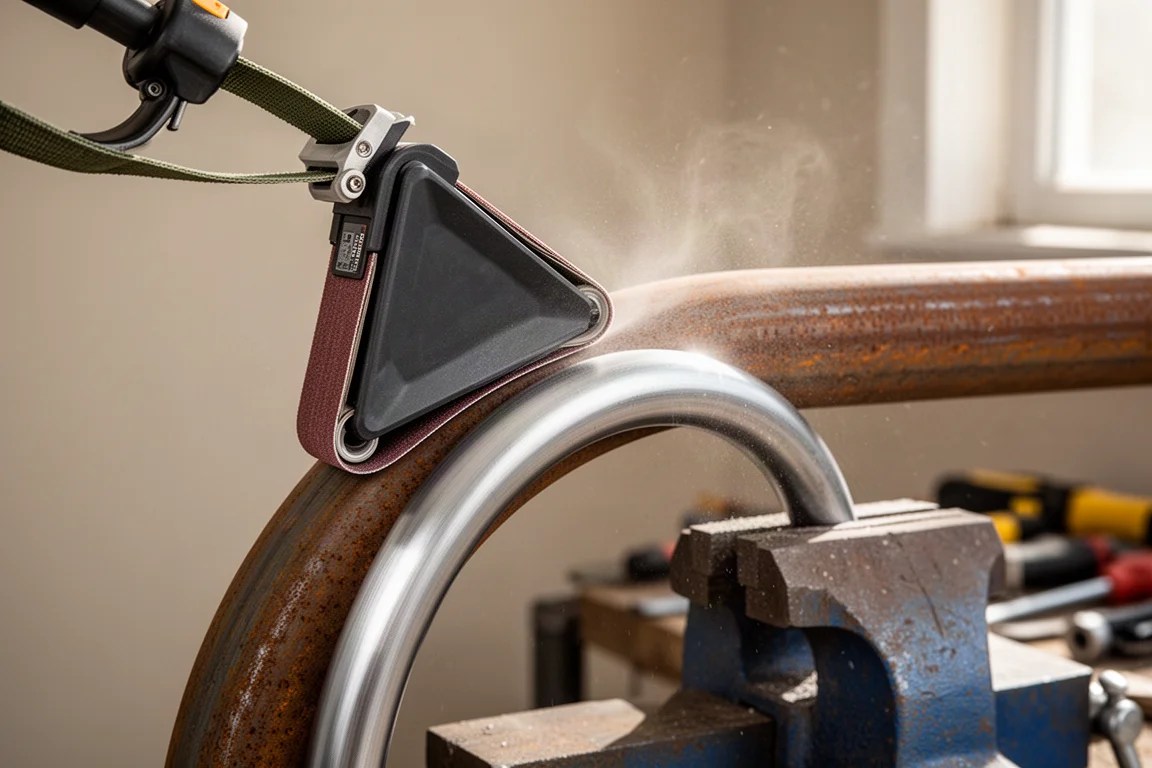
This was the standout of the whole test. It removed paint from round steel tubing with a nice, consistent finish, handled deburring a sharp edge without trouble, and chewed through deep rust on round stock with ease. Of everything tested, this is the attachment most likely to earn a permanent spot in the toolbox for cleaning up pipes and rounded material.
Wood Chisel Attachment
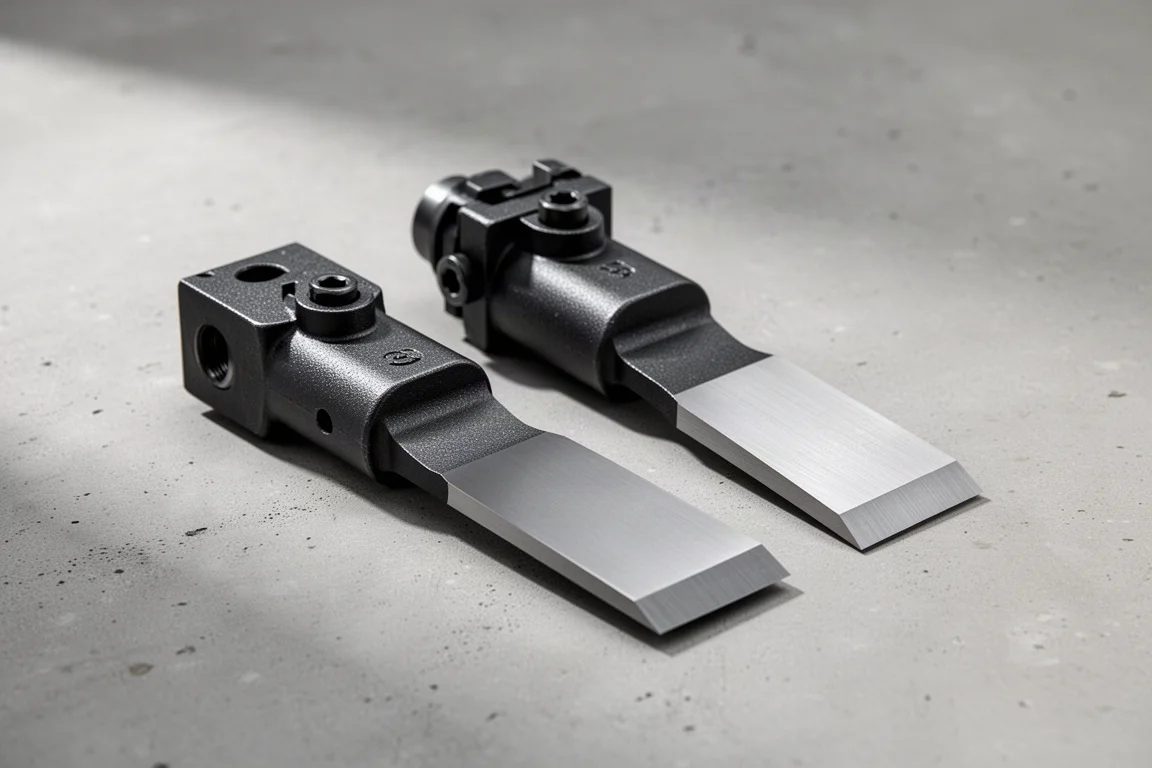
For $21, this attachment includes two different chisels and uses M10 threads, which makes it difficult to use without the right grinder. Even after cutting the correct thread pitch to make it fit, the results were disappointing. Powered up on a piece of oak, the chisel made noise but made essentially no progress. Skip this one entirely.
Oscillating Tool Adapter
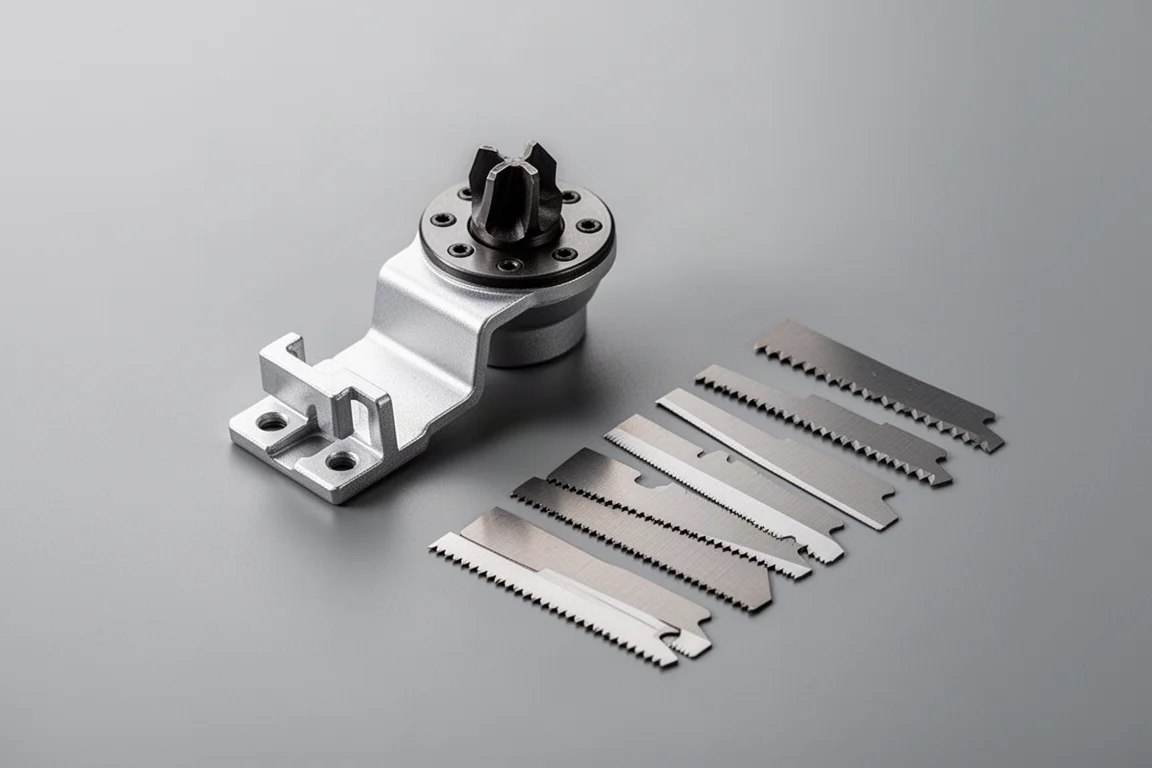
This $15 kit is made of high-carbon steel and aluminum and includes an assortment of blades and sandpaper. Like several others here, it required cutting a new thread pitch to work with a 10 mm arbor grinder. The cam-driven oscillating mechanism worked as intended, cutting a 1x2 board in 4 to 4.5 seconds.
That is decent for the price, but a dedicated battery-powered oscillating tool cut the same board roughly four times faster at around 1 second. Between the required modifications and the performance gap, this kit is hard to recommend.
The Best Abrasives for Removing Rust
Beyond the tool conversions, we ran head-to-head tests of abrasive attachments on heavy rust and old paint, giving each option about a minute on a rusted steel panel. A quick safety note: some wire brushes can shed bristles that embed in skin, so cover hands, arms, chest, and eyes, and wear a respirator.
The 3M 36-grit flap disc ($14 for 10) started strong on rust but lost speed quickly, since rust is very hard on sandpaper. It did a great job on surface rust but did little for rust in pitted areas. Over the test it lost just over 4 grams of material, so there is still plenty of disc left afterward.
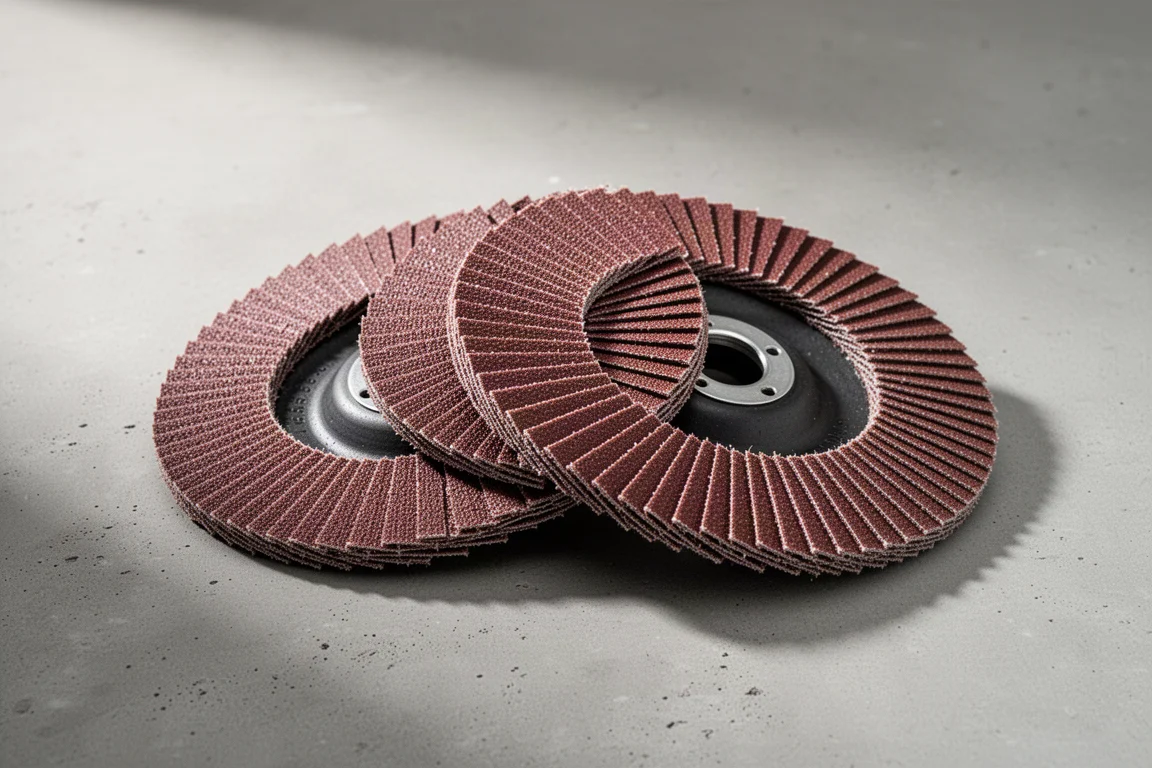
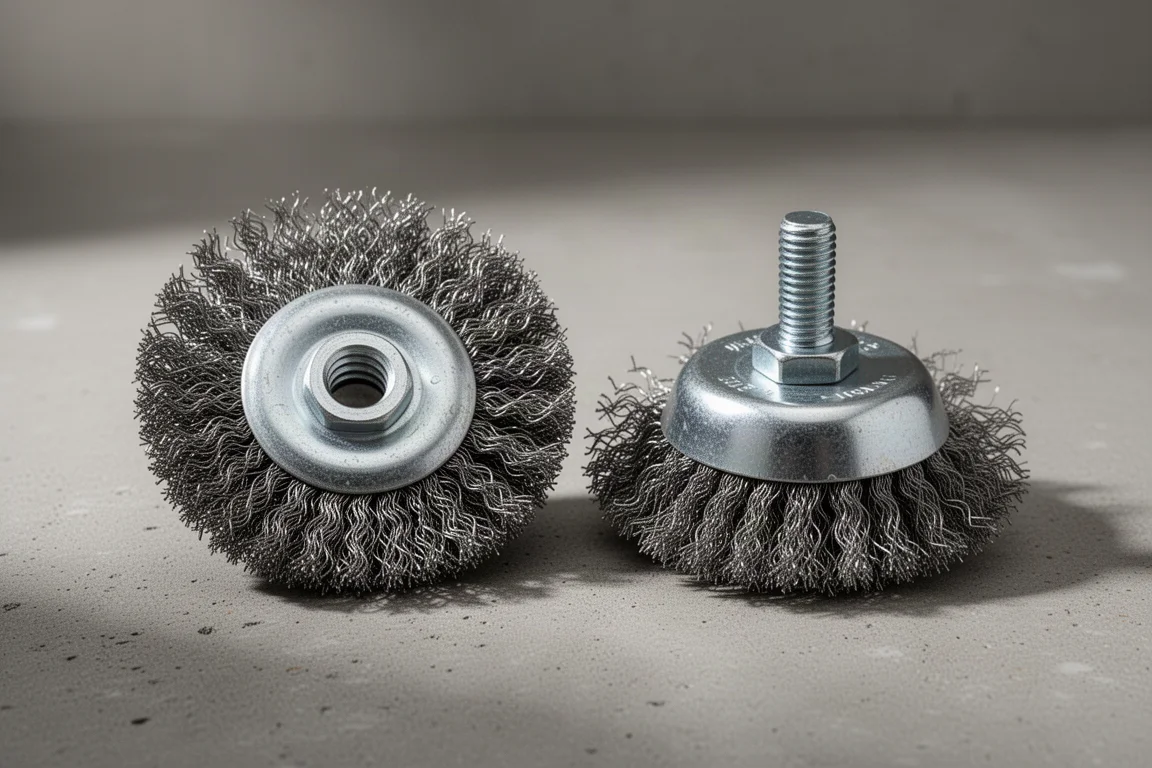
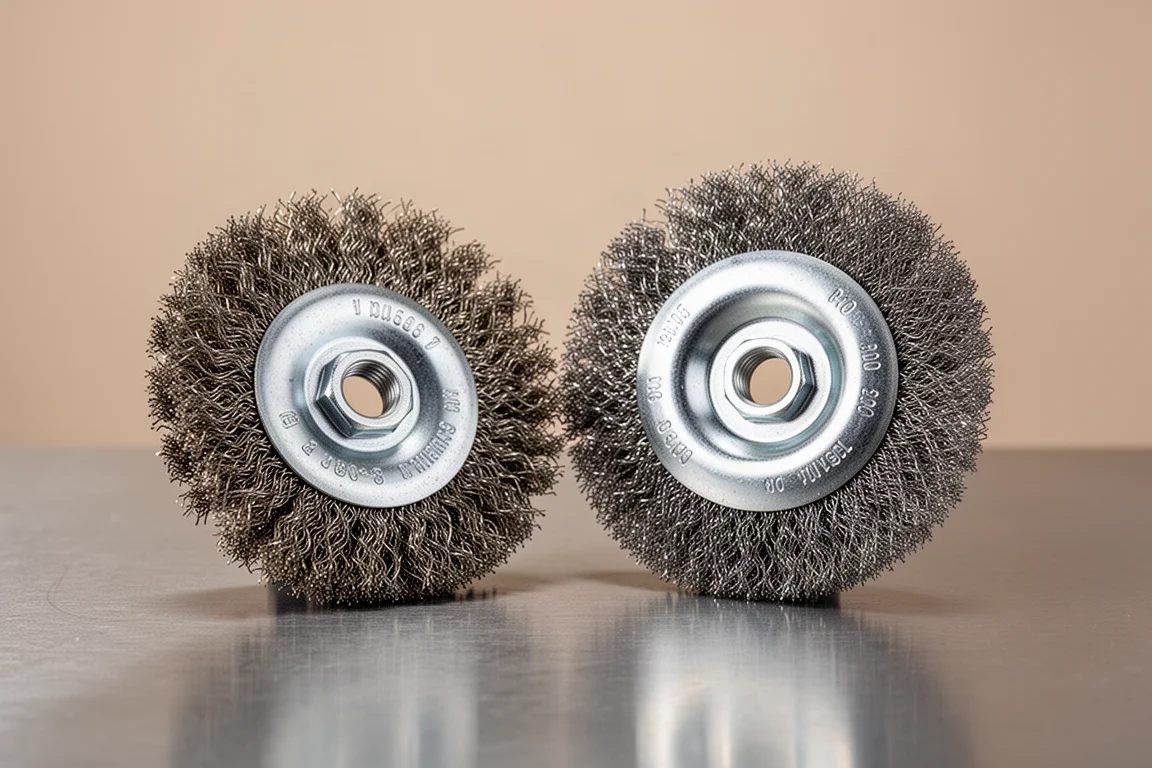
The $17 four-piece off-brand wire wheel and cup set was the durability surprise. The coarse wire brush stayed aggressive for the entire minute, reached down into pits better than the flap disc, and lost only 0.36 grams. The cup wheel performed about the same and lost just 0.3 grams, though it was slightly harder to control. The fine wire brush reached deep into pitting but wore about four times as fast.
The $18 five-pack of strip discs performed like a flap disc that resists clogging, with more consistent results on the test panel. The catch: it is a consumable. The disc dropped from about 62 grams to just over 40 grams and was essentially used up after one minute. It still finished third overall for rust removal.
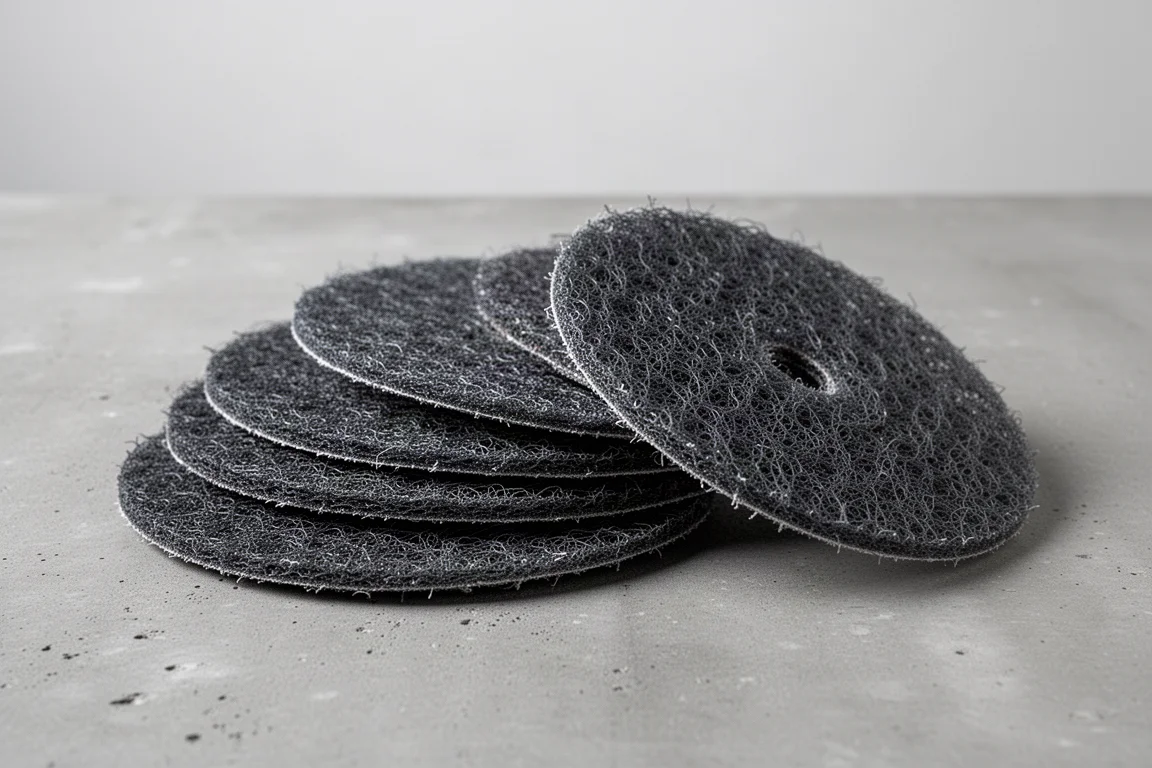
The $20 ten-pack of scouring pads was the clear disappointment on rust. The coarse pad struggled so badly the test was ended early at 52 seconds, with the pad nearly consumed and almost 16 grams of material lost in under a minute.
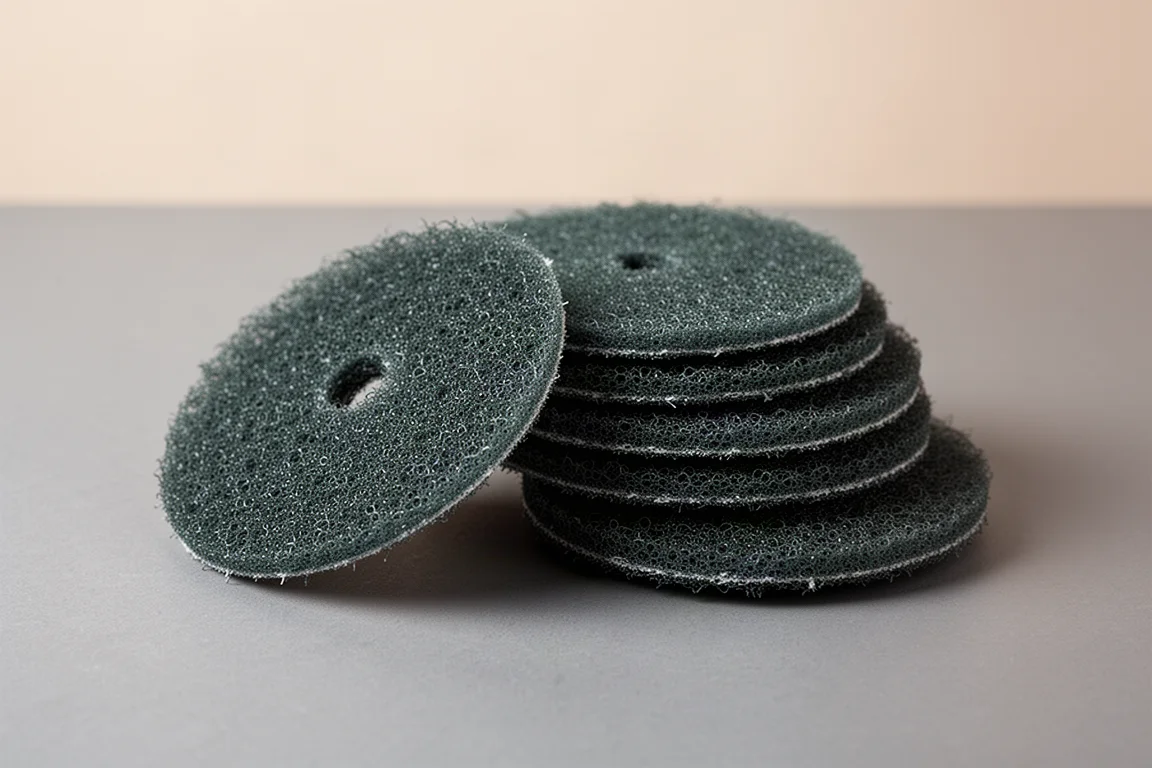
The $31 Makita wire brush set, made in Japan, delivered the strongest overall rust results. The coarse Makita brush placed first for rust removal from both surface and pitted areas, with the off-brand coarse brush close behind. The fine Makita brush removed heavy scale less well but excelled in pits and held up far better than the off-brand fine brush, losing only 0.32 grams versus 1.31 grams.
Paint Removal Results
The paint test reshuffled the rankings. On speed, the coarse Makita wire brush was fastest at 38 seconds per square foot, with the strip disc close behind at 42 seconds and causing noticeably less damage to the metal. The off-brand coarse wire wheel needed about 58 seconds but removed paint without carving deeply into the metal.
The scouring pad, so poor on rust, redeemed itself on paint: it matched the coarse wire wheel’s pace, finished in 58 seconds, left a very smooth finish, and caused the least metal damage of anything tested. The flap disc was quick but threw heavy sparks and removed good metal along with the paint, making it a poor choice for paint stripping.
Overall Buying Advice
If you buy only one thing from this lineup, make it the pipe belt sander attachment: it performed beyond expectations and solves a real problem on rounded material. Among the abrasives, the coarse Makita wire brush is the top all-around rust fighter, while the strip disc is the best pick for fast, gentle paint removal, accepting that it wears out quickly. The scouring pad is worth considering only for light paint work where a gentle finish matters most.
On the tool conversions, the hedge trimmer and chainsaw attachments genuinely work if your grinder is compatible, the circular saw attachment is a serviceable light-duty option, and the drill adapter, wood chisel, and oscillating adapter should all be passed on.
Conclusion
Most angle grinder attachments make trade-offs you have to live with, but a few, especially the pipe belt sander and the proven abrasive brushes and discs, deliver real value. Match the attachment to your grinder’s arbor first, then match the accessory to the job, and you will end up with additions that actually earn their place in the shop.
Further reading
Related Reviews

Power Tool Accessories
Best Drill Attachments 2026: Three DeWalt Tools Worth Buying
A practical look at three DeWalt drill attachments that deliver real value, plus the sketchy options you should skip.

Power Tool Accessories
Best Drill Bits 2026: 14 Sets Tested on Mild Steel, Spring Steel, and AR500 Armor
We tested 14 drill bit sets across mild steel, spring steel, and AR500 armor plating to find the best value, speed, and durability.

Power Tool Accessories
Best Right Angle Impact Adapters 2026: Five Options Tested for Speed, Torque, and Durability
We tested five right angle impact adapters from DeWalt, Milwaukee, Warrior, Titan, and Milescraft to see which ones deliver real performance without failing early.